
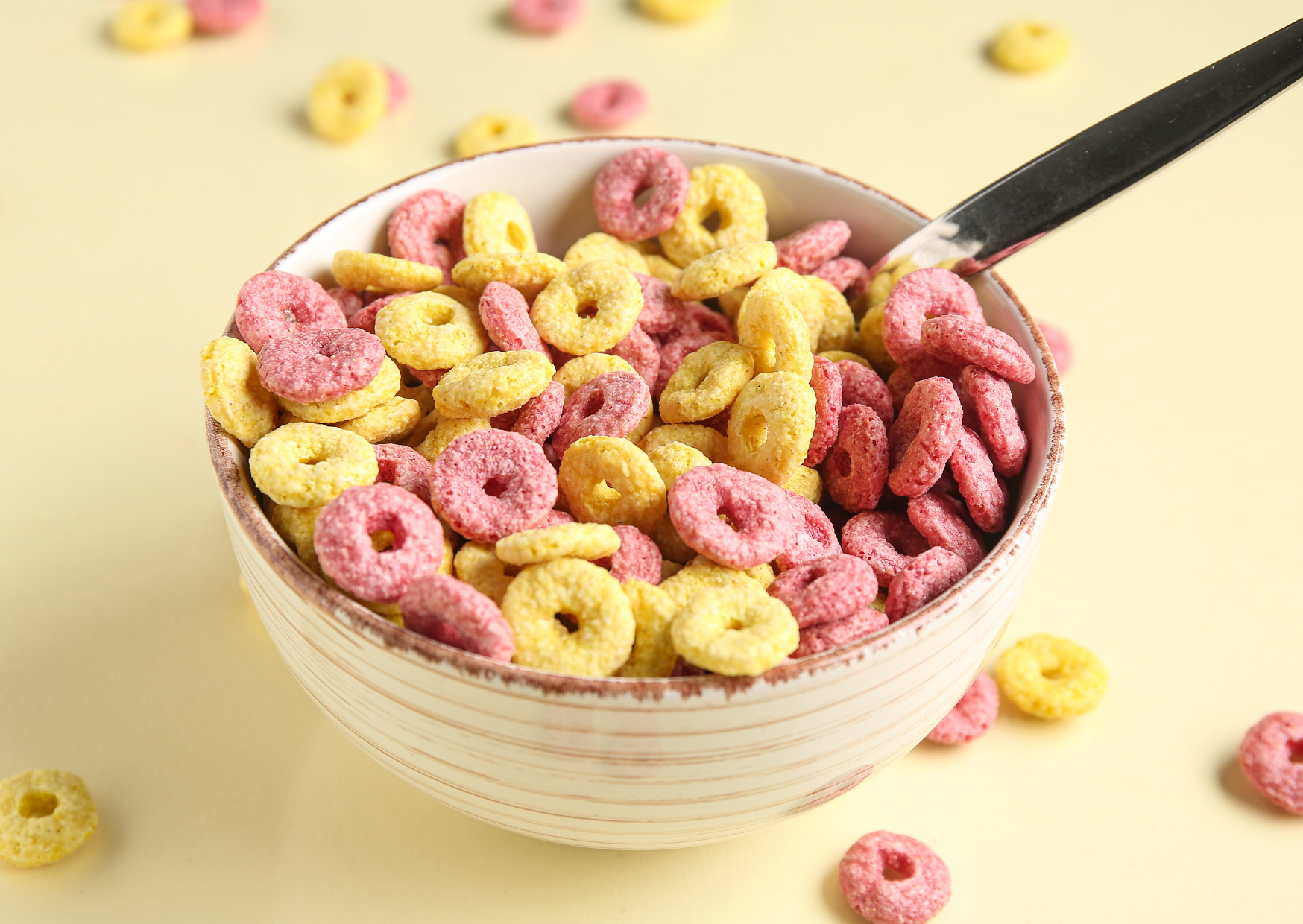
Bright cereal boxes line a Berlin corner shop, but the marshmallow rainbow you grew up with is missing. In Germany, the whisk of white that makes those colors pop is not allowed in food at all.
You hear it on expat forums first: my kid’s favorite cereal never shows up here. Someone whispers about a banned ingredient, and suddenly the grocery aisle feels like a policy story. The headline version is chaotic. The practical truth is simple.
A single whitening agent, titanium dioxide in food form, is the switch. In much of the United States, it has lived for years in candies, icings, powdered coatings, and the occasional marshmallow cereal as a way to make colors brighter and whites whiter. In the European Union, and therefore in Germany, food with that additive cannot be sold. If a cereal on a U.S. shelf lists titanium dioxide as a colorant, that exact formulation is not legal to place on the market in Germany. Import it for retail, and it is contraband. Reformulate without it, and the same cereal can sit beside the muesli.
This is not a story about “Europe hates American food.” It is a clean map of what the ingredient is, why Germany and the EU shut the door, where it shows up in U.S. cereals, how brands are adapting, and how to shop on either side of the Atlantic without drama.
Want More Deep Dives into Everyday European Culture?
– Why Europeans Walk Everywhere (And Americans Should Too)
– How Europeans Actually Afford Living in Cities Without Six-Figure Salaries
– 9 ‘Luxury’ Items in America That Europeans Consider Basic Necessities
What The Ingredient Is, In Plain English
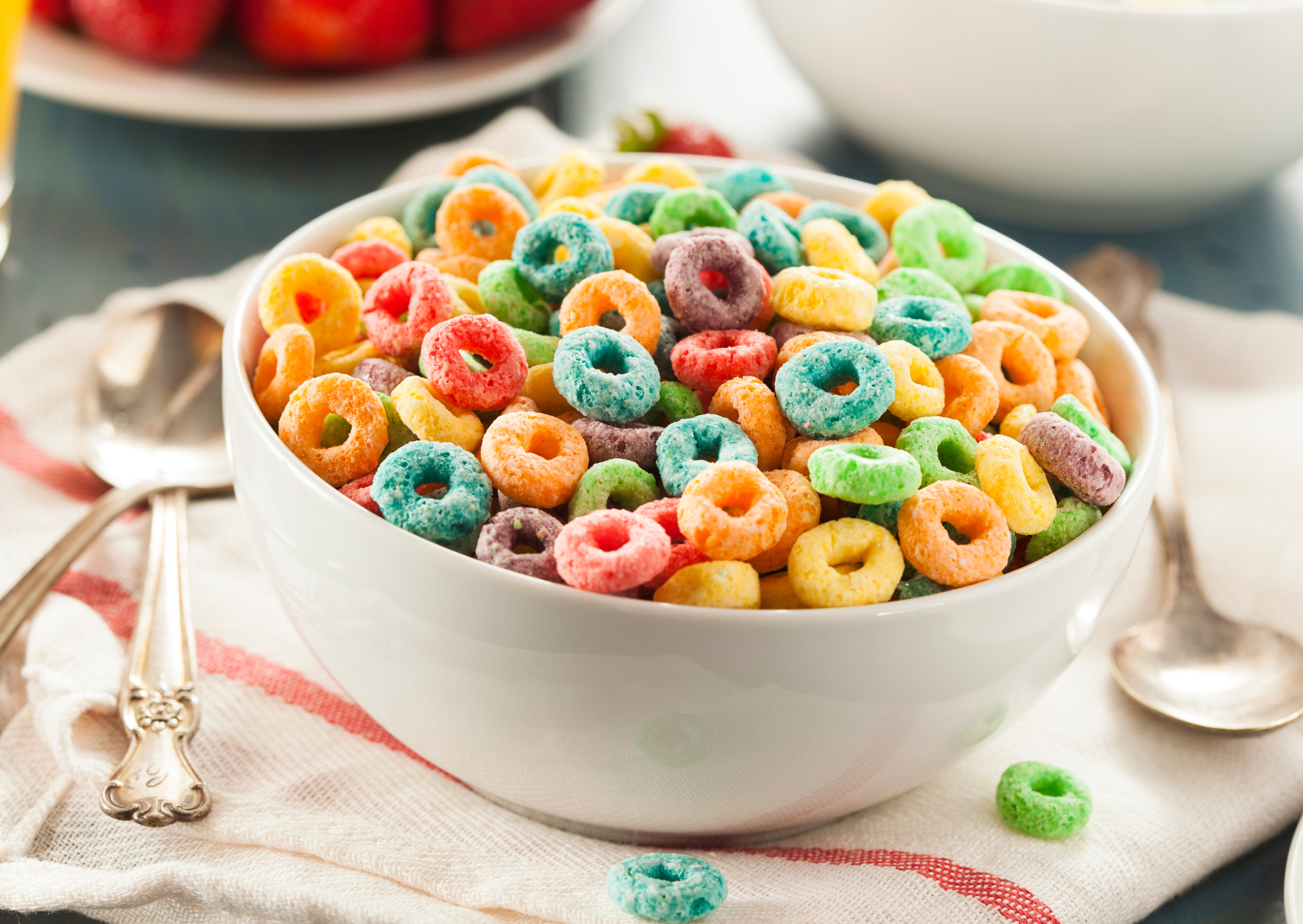
Titanium dioxide is a white pigment that scatters light. In food it was labeled E171 in Europe and often appears on U.S. ingredient lists as titanium dioxide or titanium dioxide for color. It does not add sweetness or flavor. It brightens.
In candy and coated snacks, it makes colors look saturated. In marshmallows and sugar glaze, it boosts that clean white that makes dyes pop. In processed dairy powders it has also been used to make the base less yellow. In breakfast cereal, you will mostly see it in marshmallow-bearing varieties or store brand novelty cereals with white candy bits or glossy coatings. The cereal flakes or loops by themselves do not need it; the decorations do.
Two details matter if you want to understand the policy split. First, the particles used in food can include a nano-sized fraction that regulators scrutinize for genotoxicity risk. Second, food uses are not the only uses. Titanium dioxide lives in toothpastes, paints, pharmaceuticals, and cosmetics, which complicates cleanouts and confusion. Europe took a conservative stance on food. Other sectors have different rules.
How Germany And The EU Treat It
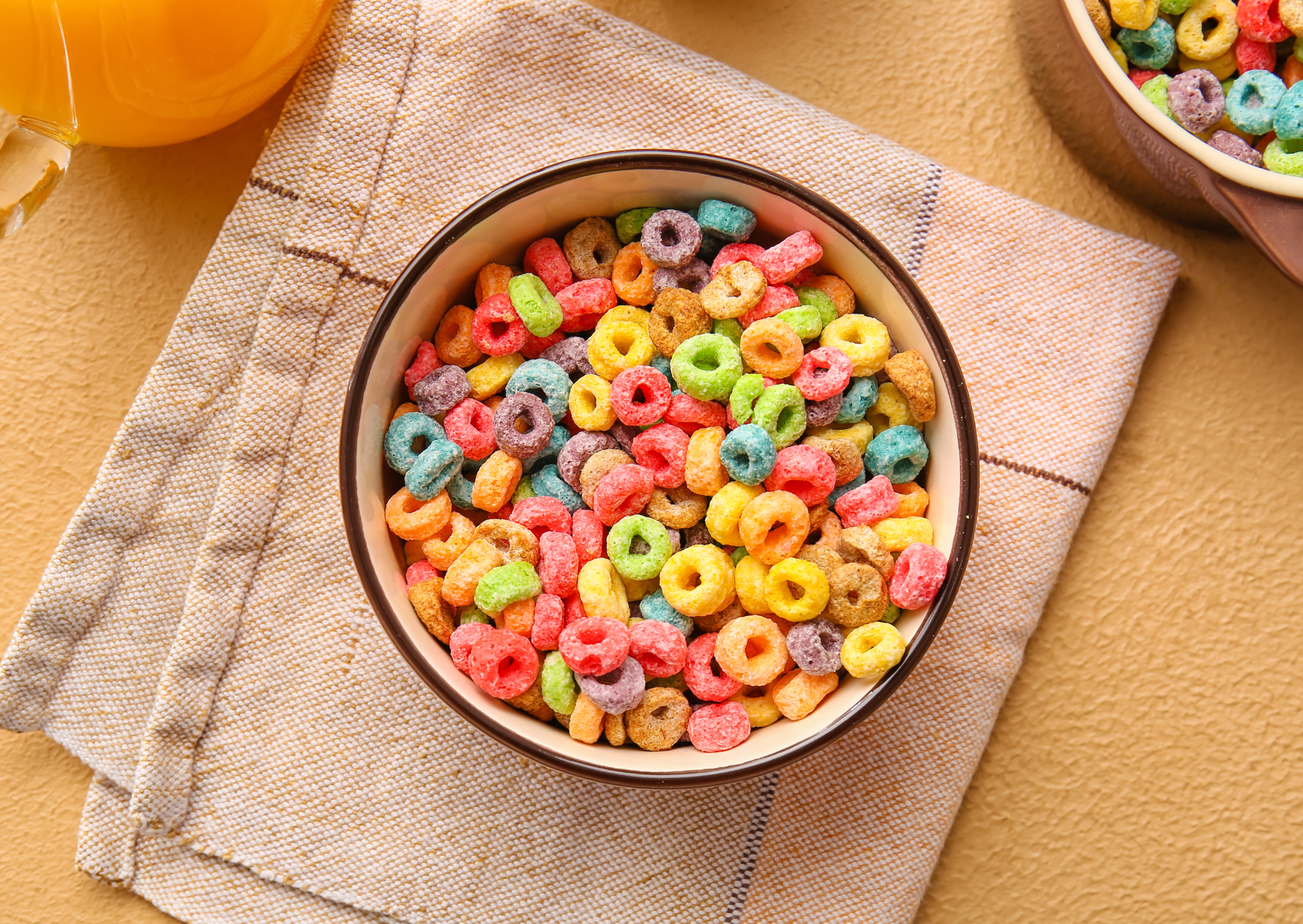
Europe runs on authorisation. If a food additive is not on the Union list as permitted for a given use, it is out. In 2022, after a round of scientific review that concluded genotoxic effects could not be ruled out, the European Union banned titanium dioxide as a food additive. Member states, including Germany, implemented a phaseout period that ended in August 2022, after which foods containing E171 could no longer be placed on the market. Stock already on shelves could stay until the date stamped on the package, but no new product with E171 could be sold.
This is not an advisory. It is a legal condition of sale. German authorities have reinforced that stance publicly, and national food safety bodies point retailers and manufacturers to the same bottom line: no E171 in food. Courts have debated how titanium dioxide is classified for inhalation hazards in industrial contexts, but none of those rulings reopen food use. As of September 2025, titanium dioxide remains not permitted in food anywhere in the EU.
What does that mean on the ground. If a U.S. cereal includes titanium dioxide in its recipe, that exact cereal cannot legally be sold by a German retailer. If a traveler brings a box in their suitcase for personal use, customs will not seize breakfast at the door, but a box for sale is another matter. For brands, the path is straightforward. Remove the additive, adjust the color system, and relaunch in the EU.
Where It Still Shows Up In U.S. Cereals
Packaging changes are constant, so the best way to read the U.S. shelf is to flip the box. Look for titanium dioxide in the ingredient panel. You are most likely to find it in:
- Marshmallow cereals. The bright white of the marshmallow piece is the giveaway. Some national brands have reformulated away from titanium dioxide in the last few years. Store-brand marshmallow cereals may still list it.
- Glazed or frosted varieties where the sugary coating leans very white and glossy rather than creamy.
- Novelty shapes with embedded colorful bits that present very bright whites.
At the same time, the market has been moving. Major confectioners and cereal makers have made public commitments to remove titanium dioxide in the U.S., and some candies that became symbols of the debate have now dropped it. The direction of travel is clear even where the U.S. rulebook still permits the additive. The economic and brand logic is simple. If you want to sell worldwide, you reformulate to the stricter region and keep one recipe.
This is why you can find a cereal name in both countries, taste something recognizably similar, and still notice a difference in sheen and color. The EU version is built without E171. The U.S. version may or may not be, depending on the brand and date code.
Why Germany Calls It A Red Line
Germany does not invent a separate policy here. As an EU member state, it enforces the Union ban and communicates it to industry. The rationale tracks EFSA’s risk assessment: uncertainty about genotoxic potential at the particle sizes used in food, combined with the nonessential nature of the additive. Bread, cereal, and sweets do not require whitening to be safe or edible. In that calculus, removing a nonessential additive when zero risk cannot be guaranteed is a rational policy choice.
You will see neighbors point out that recent court rulings changed how the EU classifies titanium dioxide’s inhalation hazards in industrial uses. That is true, and it matters for paints and worker safety communications. It does not change the food decision, which rests on a different risk frame. Regulators have repeated that food use remains off the table.
If you like your cereal white and shiny, this can feel fussy. If you like your policy predictable, it is the kind of line that keeps shelves easy to police. Manufacturers swap a pigment, and the law goes quiet.
How Brands Work Around It
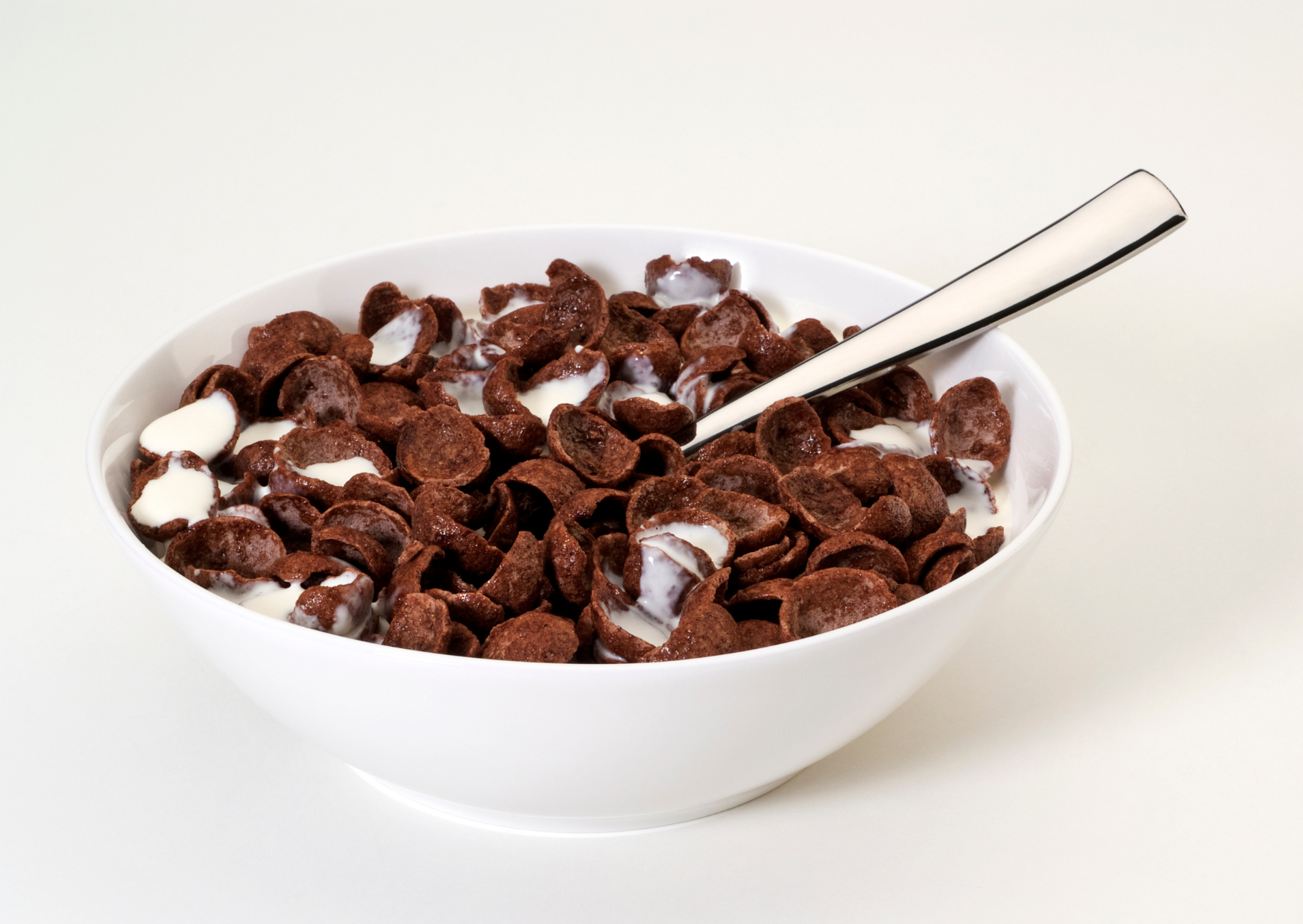
There are only three honest paths for a marshmallow cereal to keep that bright look without E171.
Change the white. Brands can use alternative whiteners with larger particle sizes or different base chemistry. That can produce a more creamy white rather than a clinical white. The cereal looks a touch warmer. Most shoppers do not notice once they get used to it.
Change the colors. Without the extra lift from a whitening base, natural colors or EU-permitted synthetics sit a little softer. Many European kids’ cereals already ride that palette. Insurance against regulatory whiplash matters more than a neon glow.
Change the surface. Texture can hide the missing sheen. Brands tweak starch systems and sugar particle size to make a marshmallow or glaze that reads shiny under store lights without a whitening pigment.
None of this changes sugar content or whole grain claims. It is a presentation change. If you grew up on fluorescent loops, it takes a few bowls to reset your eyes. After that, it reads like cereal again.
The Practical Playbook For Shoppers
You do not need a chemistry degree or a VPN to buy cereal that fits your rules. You need a two-step habit.
If you are in the United States:
- Flip the box. Scan for titanium dioxide. If the panel lists it, that cereal’s current U.S. recipe would not be legal for sale in Germany. If you care about harmonising with EU rules, put it back or find a version that does not list it.
- Check for marshmallows or bright coatings. If the cereal has white candy bits or a glossy sugar shell, be extra careful with the label. These are the spots where E171 historically lives.
- Know the brand’s timeline. Several big manufacturers have announced removals of controversial colorants and whitening agents, sometimes on multi-year timelines. A cereal that listed titanium dioxide two years ago might be clean today. Recheck a couple of times a year.
If you are in Germany or elsewhere in the EU:
- Relax. The additive is not permitted in food. A cereal on a German shelf cannot contain E171 by law.
- Expect softer whites. Imported U.S. brand names made for Europe will look a touch less stark in their whites and pastels. That is the reformulation you want.
- Be careful with private shipments. A friend mailing you a U.S. box for nostalgia is one thing. A retailer importing U.S. stock that lists titanium dioxide is another. German authorities have been clear about the placement on the market rule.
If you live in both worlds or shop online:
- Match the region to the recipe. A cereal sold by a German retailer under an American name runs on the EU recipe. A cereal shipped from a U.S. marketplace seller may not. Ask for an ingredient panel photo before you buy cross border.
- Use ingredient alerts. Many consumer groups and apps let you search for titanium dioxide as a keyword across product listings. Helpful when you are scanning dozens of boxes.
Pitfalls Most People Miss
Assuming every neon cereal is noncompliant. Color intensity is not proof. The tell is the wording on the panel. Some very bright European cereals achieve saturation with permitted dyes or concentrates on a different base.
Confusing inhalation rulings with food policy. The court fight you may see in the news is about how titanium dioxide is labeled for inhalation risks in paints and powders. It has no bearing on the food ban.
Thinking “contains no titanium dioxide” equals healthy. E171 is a colorant. Removing it does not change sugar, sodium, fiber, or whole grain content. If nutrition is your priority, set separate rules for added sugar and fiber per serving.
Forgetting that recipes change. Brands reformulate quietly. A cereal that was compliant for EU sale last year could add a new sparkle ingredient in the U.S. this year. Read again now and then.
Assuming BHT or artificial dyes are the same issue. Germany and the EU have different rules for other additives. Some are permitted with warnings, some with limits, some not at all. This article focuses on titanium dioxide, because that single ingredient is the cleanest reason a U.S. cereal recipe would be outright illegal to sell as food in Germany today.
Regional And Seasonal Nuance You Should Know
France moved early. France took a national step against E171 before the EU-wide ban. If you compare photos of French shelves in 2020 to German shelves in 2021, you can watch the change spread.
The pharmacy aisle muddies the water. You may still see titanium dioxide in toothpaste, pills, or cosmetics across the EU. That is a different regulatory lane with its own timelines. Do not let that confuse the cereal conversation.
Research keeps evolving. Recent studies keep surfacing environmental and biological findings about titanium dioxide particles in places we did not expect. None of these papers reverse policy on their own, but they explain why Europe is unlikely to reopen food use soon.
U.S. brand pressure is rising. Lawsuits and state-level conversations have pushed confectionery ahead of cereal on reformulation. As candy drops titanium dioxide, cereal makers inherit a more limited ingredient toolbox. Expect the remaining U.S. cereals that still list E171 to transition out as supply chains converge.
If You’re Running The Numbers
Let’s make it concrete. Say you want a colorful, marshmallow-style cereal for weekend breakfasts, and you would prefer a recipe that is legal in Germany even if you live in the U.S.
Your cost. The shelf price difference between a titanium dioxide version and a reformulated version in the U.S. is often zero. These are portfolio choices, not premium ingredients. Where a brand positions a reformulated cereal as “no artificial colors,” it may run a slight premium in certain chains, but store brands without E171 exist at budget price points.
Your effort. The only extra step is reading the panel. If you shop online, scroll to ingredients or ask customer support to confirm. If the box still lists titanium dioxide, pick the similar cereal next to it that does not.
Your tradeoff. On first pour, the white bits may look a shade creamier and the colors a shade less fluorescent. The marshmallows still crunch. The sugar still melts in milk. Most kids will not care after two bowls. If they do, you can move toward mixes: half reformulated cereal, half granola or flakes, then migrate fully once the eyes adjust.
Your exportability. If you plan to ship a cereal in a care package to a friend in Germany, choose a no titanium dioxide version. It is polite to match local law even for gifts.
What This Means For You
No villain speech is required. Europe chose a precautionary line on a nonessential food additive. Germany enforces it. The United States still permits it, while big brands quietly move away. For a single family in a single aisle, this is not culture war. It is label literacy.
If you want your cereal to be marketable on both continents, read for titanium dioxide and buy the version that lives without it. If you like your colors loud and do not care about cross-border legality, the U.S. still offers options. Either way, the bowl is yours.

About the Author: Ruben, co-founder of Gamintraveler.com since 2014, is a seasoned traveler from Spain who has explored over 100 countries since 2009. Known for his extensive travel adventures across South America, Europe, the US, Australia, New Zealand, Asia, and Africa, Ruben combines his passion for adventurous yet sustainable living with his love for cycling, highlighted by his remarkable 5-month bicycle journey from Spain to Norway. He currently resides in Spain, where he continues sharing his travel experiences with his partner, Rachel, and their son, Han.