
You step into a Paris bakery at 8:27 a.m., adrenaline high, French low. You lead with “Do you speak English?” The clerk raises an eyebrow and continues boxing someone else’s éclairs. Two minutes later, you try again this time with “Bonjour, Madame.” The air shifts. Eyes meet. You get a smile and the next “Qui est le suivant ?” somehow points at you. No, there’s no official scoreboard but in France, those two words unlock attention, patience, and effort that tourists often miss.
This isn’t a trick. It’s the threshold ritual of French daily life: acknowledge the person, then ask for what you need. Master that sequence and your service level rises immediately.
Want More Deep Dives into Other Cultures?
– Why Europeans Walk Everywhere (And Americans Should Too)
– How Europeans Actually Afford Living in Cities Without Six-Figure Salaries
– 9 ‘Luxury’ Items in America That Europeans Consider Basic Necessities
Quick Easy Tips
Always start with a greeting: Never launch straight into a request; “Bonjour” or “Bonsoir” should come first.
Match the time of day: Use “Bonjour” in the daytime and switch to “Bonsoir” in the evening.
Add a smile: Tone and body language matter as much as the words themselves.
Use it with everyone: From shopkeepers to waiters, the rule applies universally.
Many Americans find it odd that service quality in France hinges so heavily on a simple greeting. In the U.S., the customer is conditioned to believe that politeness flows from the server to the guest, not the other way around. This reversal often feels unfair or even hostile to American tourists.
But in France, respect is a two-way street. A customer who doesn’t acknowledge the person serving them is seen as rude, no matter how much they’re paying. The cultural assumption is that manners precede transactions, not the other way around.
This difference has sparked endless debate among travelers. Some argue that service shouldn’t depend on formality, while others insist it’s just good manners to adapt when abroad. The controversy lies in whose definition of “hospitality” should prevail an American expectation of friendliness or the French insistence on mutual respect.
What the “two words” actually are and why they matter
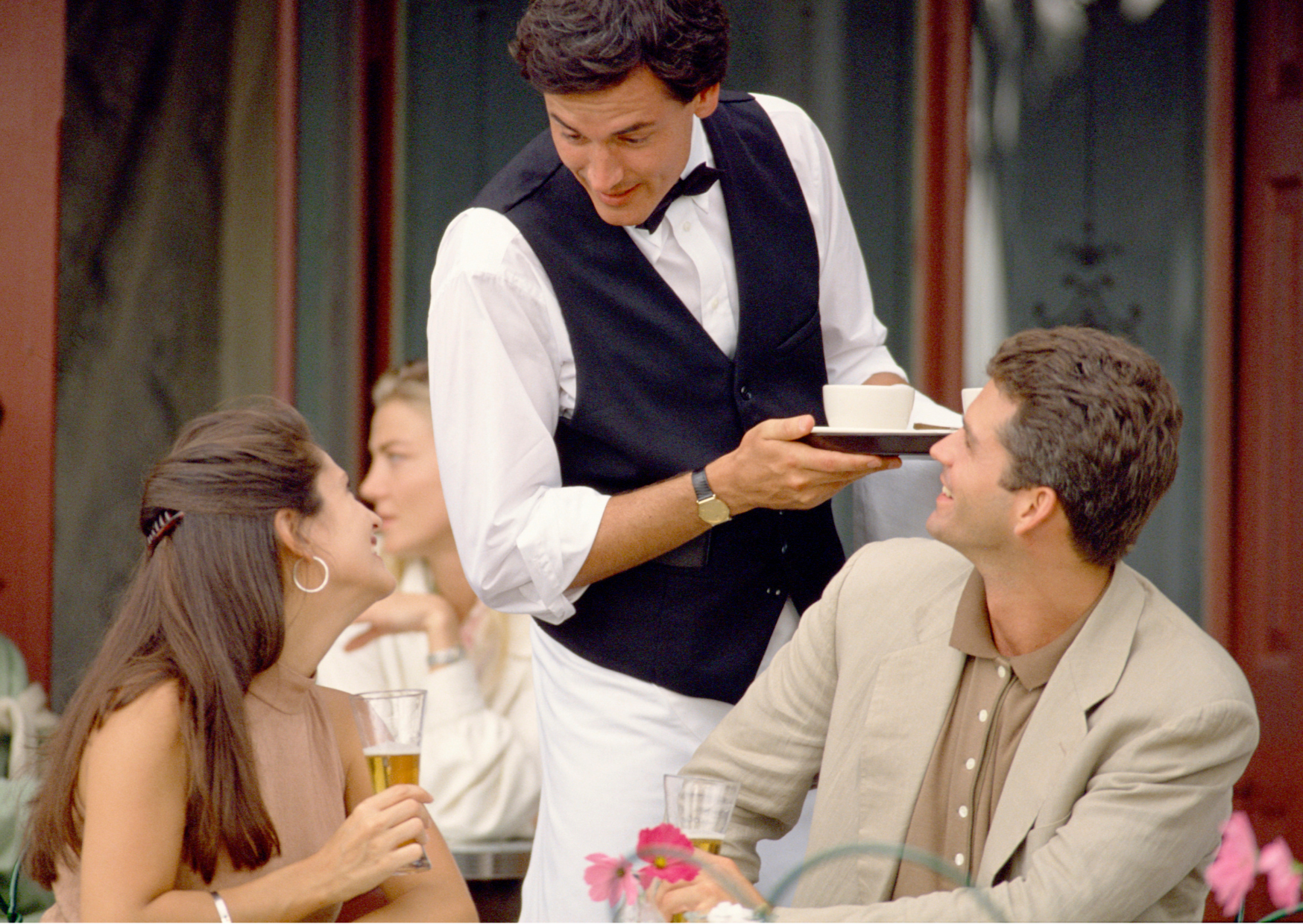
The formula is simple: “Bonjour, Monsieur” or “Bonjour, Madame.” Two words plus a title. It signals respect, recognition, and reciprocity before any request. In France, the relationship starts when you greet; the transaction starts after. Skip the first part and you’re “the rude one,” no matter how polite your English sounds.
This is not old-fashioned fussiness. It’s how public life stays civil in dense cities: name the other person’s dignity up front, and they’ll meet you in the middle. Do this at counters, doors, and phone calls—even on busy metros, a quiet bonjour to a conductor or guard sets a respectful tone. (For adult women, “Madame” is standard; “Mademoiselle” is out of official use and dated in everyday speech.)
When to use it and how to switch at night
Use bonjour from morning until late afternoon. After early evening, flip to bonsoir with the same title: “Bonsoir, Monsieur.” If you greet someone a second time the same day, you might hear or use re-bonjour—a quick nod that you’ve already met. The exact hour of the switch isn’t a test; people generally change with the light and the vibe of the room. What matters is that you greet first, request second.
Pair the greeting with a natural close. Leaving a shop after your purchase? “Merci, au revoir.” Finishing a phone call? “Merci beaucoup, bonne journée.” These tiny bookends frame the interaction—and people remember who framed it well.
Why service improves as soon as you say it
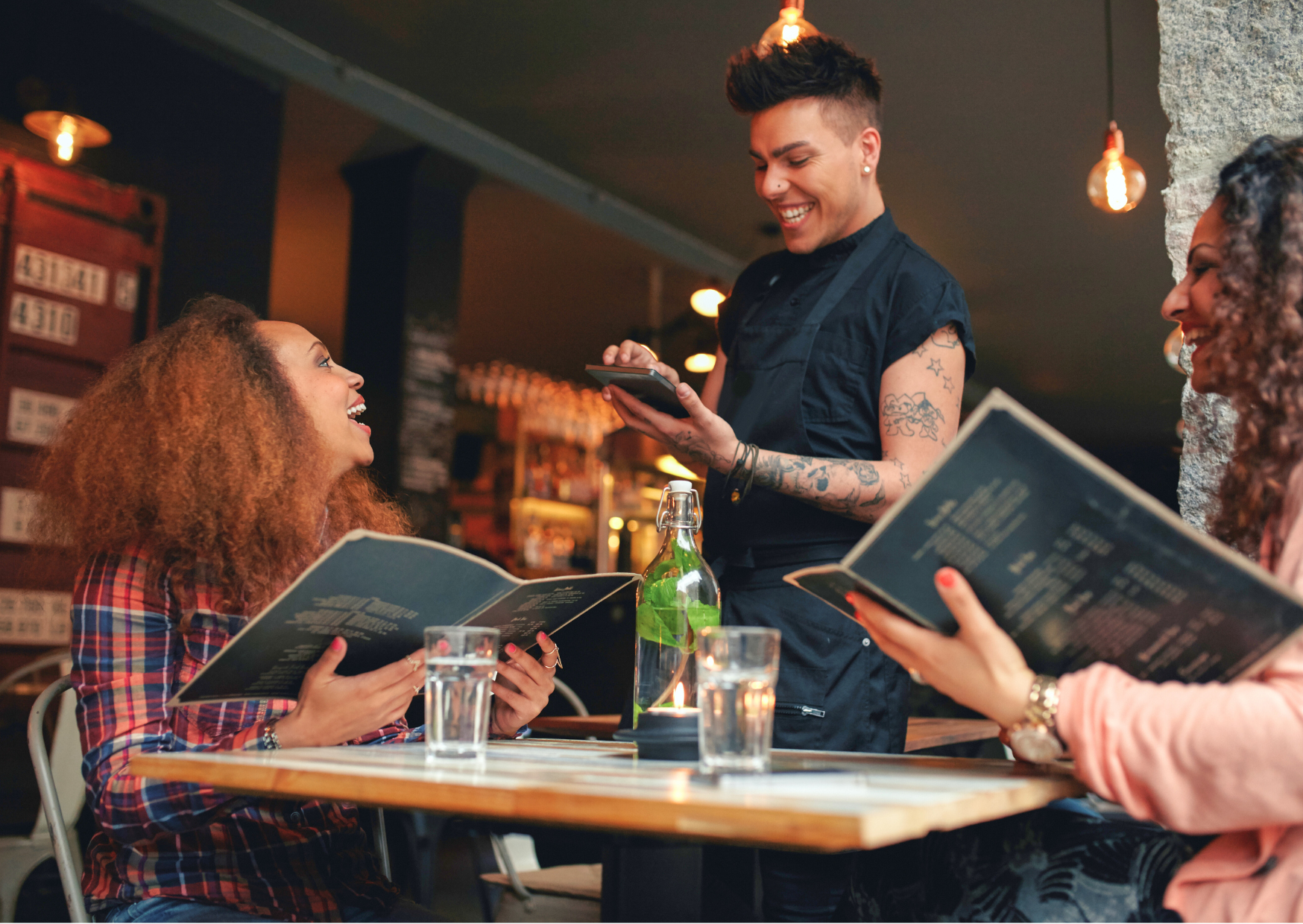
A proper greeting communicates warmth, competence, and cooperation in one beat. You’re showing you understand the house rules; staff relax because you won’t fight the sequence. In service-heavy cultures, first impressions run the whole encounter. The clerk is deciding—consciously or not—whether to invest five extra seconds to find the fresh baguette in back, to explain the lunch formule, to check the storeroom. Greet first and those seconds appear.
There’s social psychology behind it, sure, but you don’t need a textbook. Say “Bonjour, Madame” and watch how posture, voice, and eye contact change—yours and theirs. That shift is the “double.”
The exact scripts for real situations
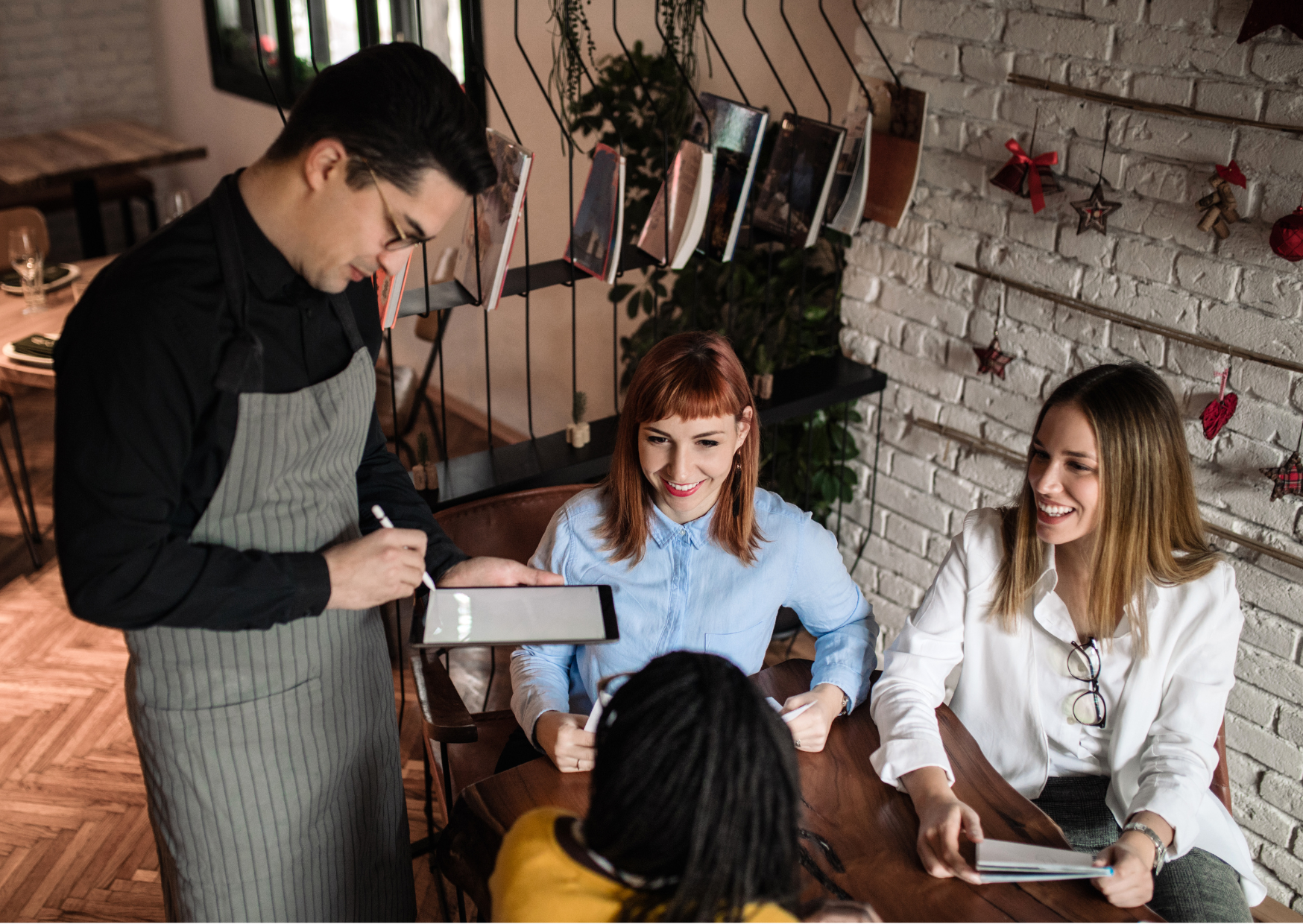
At a shop doorway: “Bonjour, Madame.” Pause. Then: “Excusez-moi, s’il vous plaît—je cherche….” If you need English, add: “Parlez-vous anglais, s’il vous plaît ?” The greeting came first; you’ve earned the request.
At a café counter: “Bonjour, Monsieur. Un café et un croissant, s’il vous plaît.” No need to over-explain. The title keeps it respectful; s’il vous plaît keeps it soft.
Restaurant table: “Bonsoir, Madame. Pour deux, s’il vous plaît.” When the server returns: “Merci—pourriez-vous nous conseiller ?” Asking for advice after greeting invites better recommendations at better prices.
Taxi or rideshare: open the door with “Bonjour, Monsieur.” Then destination. Small talk optional; civility isn’t.
Phone call: “Bonjour, Madame—je vous appelle au sujet de…” The title belongs in your opening line. Emails follow the same rhythm: “Bonjour Madame Dupont,” short body, courteous sign-off.
The mistakes Americans make (and how to fix them on the fly)

Leading with “Do you speak English?” reads as self-centered in France. Put “Bonjour, Madame” first, then ask. Starting with “Salut” is too informal for strangers—save it for friends. Calling adults “Mademoiselle” is dated at best; stick to Madame.
If you forget and you feel the temperature drop, repair it in real time: “Pardon—bonjour, Madame.” You’ll see shoulders unclench. The reset works because the ritual works.
Tone, posture, and the quiet details that matter
Keep your volume moderate; the French prize measured tone in public. Make brief eye contact, then deliver your line. Titles—Monsieur and Madame—do most of the politeness work for you. Use vous, not tu, with anyone you don’t know; you can let them invite the switch later.
Smile lightly if it’s your style, but don’t force a grin. The goal is poised, not performative. The greeting is the signal; the rest is calm execution.
Time-of-day nuance and the phrases around the greeting
Daytime: bonjour is default. Evening: bonsoir smooths you into night service. On exit, “Bonne journée” or “Bonne soirée” closes the loop. These are not filler words; they’re part of the choreography.
A quick rule of thumb: if the room feels like “evening” (lighting, attire, the menu has flipped), you’re safe with bonsoir. If you accidentally say bonjour at 9 p.m., nobody cares; greeting at all counts more than perfect timing.
Email, texts, and tickets: same rule, different medium
Professional email opens with “Bonjour Madame, Bonjour Monsieur,” plus a name when you have it. Drop the exclamation points. Write two or three tight lines, then sign “Cordialement” or “Bien à vous.” The simple salutation accomplishes the same thing as at the counter: it frames the exchange as respectful and efficient.
For texts with service providers—plumber, delivery driver—a short “Bonjour, c’est [Name]” before the request keeps replies quick. On support tickets, use “Bonjour” and a sentence; you’ll notice tone mirroring in the reply.
Beyond Paris: what changes (and what doesn’t)

In Lyon, Marseille, Bordeaux—same ritual. In smaller towns, it can be even more non-negotiable; you’re stepping into someone’s space, so you greet. In Belgium and Switzerland, bonjour/bonsoir works identically in French-speaking areas. Quebec shares the respect-first pattern, though codes shift with locale and bilingual contexts.
The constants are simple: greet first, use titles, then ask. Whether you’re in a palace hotel or a neighborhood bakery, the opening move doesn’t change.
Myth-busting: it’s not snobbery, it’s social glue
Americans sometimes read the greeting rule as gatekeeping. It isn’t. It’s politesse—a ritual that equalizes encounters by asking both sides to acknowledge each other before negotiating needs. That’s why a shy “Bonjour, Monsieur” from a beginner often lands better than a confident, greeting-free stream of English. The ritual shows you’re playing by local rules; people meet you there.
And no, you don’t need perfect French. Two words said clearly carry farther than a paragraph mumbled.
What if you’re juggling kids, luggage, or chaos?
Use the shortened version: eye contact, a small head nod, “Bonjour, Madame”—then your request. With children, model it out loud: “On dit ‘Bonjour, Monsieur.’” Staff soften when they hear a parent teach the ritual.
In rushes—train platforms, market queues—speed doesn’t cancel civility. A clipped “Bonjour, Monsieur—un kilo de tomates, s’il vous plaît” is still the winning line.
Micro-situations that surprise visitors
Waiting rooms. Enter with “Bonjour, Mesdames, Messieurs.” Sit. On leaving, “Au revoir” to the room. People notice.
Shared elevators. A quiet bonjour in, bonne journée out. It reads as local, instantly.
Public transport. Greeting a bus driver or conductor—soft voice, quick smile—earns patience when your ticket app misbehaves.
Checkouts. Cash, card, or contactless—“Bonjour, Madame” before you present anything. “Merci, bonne journée” as your receipt prints. These tiny bookends move lines faster than barking questions.
The advanced move: ask for help the French way
After your greeting, add one of these openers:
- “Excusez-moi de vous déranger…” (Pardon me for disturbing you…)
- “Auriez-vous la gentillesse de…” (Would you be so kind as to…)
- “Pourriez-vous m’aider à…” (Could you help me to…)
Then the request, then “s’il vous plaît.” You’re not groveling; you’re signaling you know how to share space. Result: better explanations, fewer brusque brush-offs.
Common questions (quick answers)
Is “Mademoiselle” ever right? Not on forms; and in everyday life it can feel patronizing. Use Madame.
Do I need the title if I know their name? With staff, titles are safe; names are for later. In email, “Bonjour Madame Dupont” is ideal.
Can I greet a group? Yes: “Bonjour à tous,” or “Bonjour, Mesdames, Messieurs.” Then address the person helping you as Madame or Monsieur.
What if my accent is terrible? Clear and warm beats perfect every time. Speak slowly, smile lightly, keep your voice low.
A 60-second practice plan you can do in the hotel mirror
Stand up straight. Make eye contact with your reflection. Say: “Bonjour, Madame.” Pause. Then: “Excusez-moi, s’il vous plaît—parlez-vous anglais ?” Switch to evening: “Bonsoir, Monsieur—une table pour deux, s’il vous plaît.” End with “Merci, bonne soirée.” That’s the entire loop.
Do it twice and you’ll hear the cadence that makes French service flow toward you instead of away from you.
Putting it into play today
Walk into the next bakery, tabac, or museum desk and lead with the ritual. Two words, a title, a moment of eye contact. Then your request. Close with thanks. You’ll feel the room tilt in your favor—shorter explanations, friendlier corrections, more patience when you fumble a word. Multiply that across a day and you’ve got the difference between “France is so rude” and “Everyone was lovely.”
The trick isn’t fluency; it’s order. Greet first. Ask second. That’s how you get the good kind of “French service.”
Mastering cultural nuance can make or break your travel experience, and in France, the two-word greeting is a prime example. Saying it demonstrates respect, awareness, and effort small gestures that often open doors to better service and warmer interactions. Tourists who ignore it may not realize how much they’re missing.
What might seem like a trivial phrase is actually a cultural key. It transforms you from “just another visitor” into someone who values the rhythm of daily French life. This is why travelers who take the time to understand this habit often leave with richer, more rewarding memories.
Ultimately, the lesson is bigger than one phrase. It’s about recognizing that etiquette is not about rules for their own sake, but about human connection. In France, a polite greeting says you care and that care is almost always returned.

About the Author: Ruben, co-founder of Gamintraveler.com since 2014, is a seasoned traveler from Spain who has explored over 100 countries since 2009. Known for his extensive travel adventures across South America, Europe, the US, Australia, New Zealand, Asia, and Africa, Ruben combines his passion for adventurous yet sustainable living with his love for cycling, highlighted by his remarkable 5-month bicycle journey from Spain to Norway. He currently resides in Spain, where he continues sharing his travel experiences with his partner, Rachel, and their son, Han.
Alex Rogers
Sunday 28th of September 2025
I’m flabbergasted that the basic premise of this article is even considered necessary. It’s just plain manners, no matter where in the world you are, or whom you’re addressing: you look that person in the eyes, and you greet and acknowledge them before anything else is exchanged or done. Period. How can rudeness have become so normalized that this instruction is needed?
Otherwise the article is accurate and helpful… except that it fails to acknowledge or warn about the fact that written French and spoken French are completely different things. Any English speaker who has not taken a French course will inevitably make a mess of trying to pronounce the useful phrases included in the article. So if you intend to follow the advice, please make sure you look up the pronunciation of these expressions.