
You sit down, the table fills with small plates, and twenty quiet minutes later you stand up steady, focused, and not thinking about snacks.
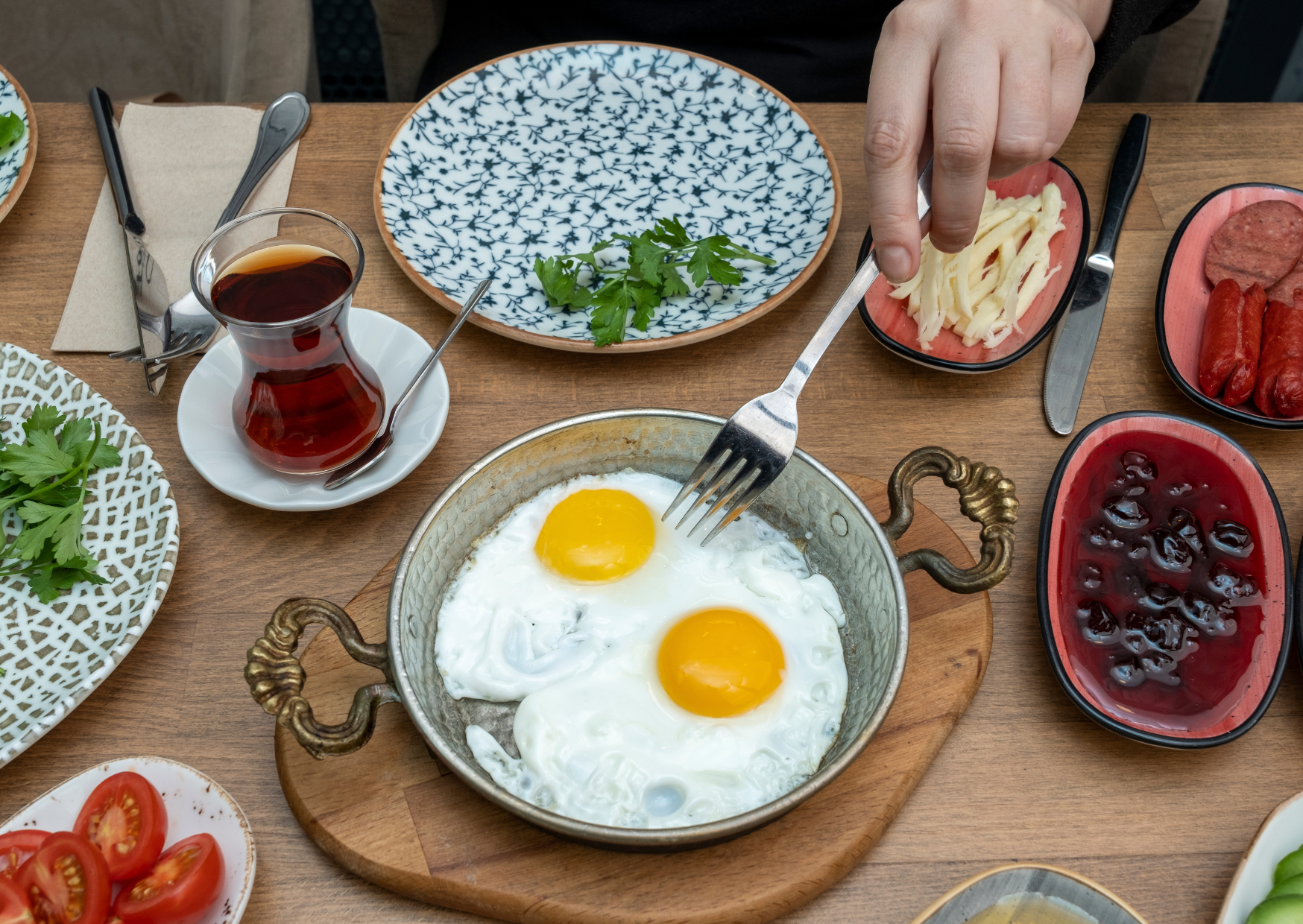
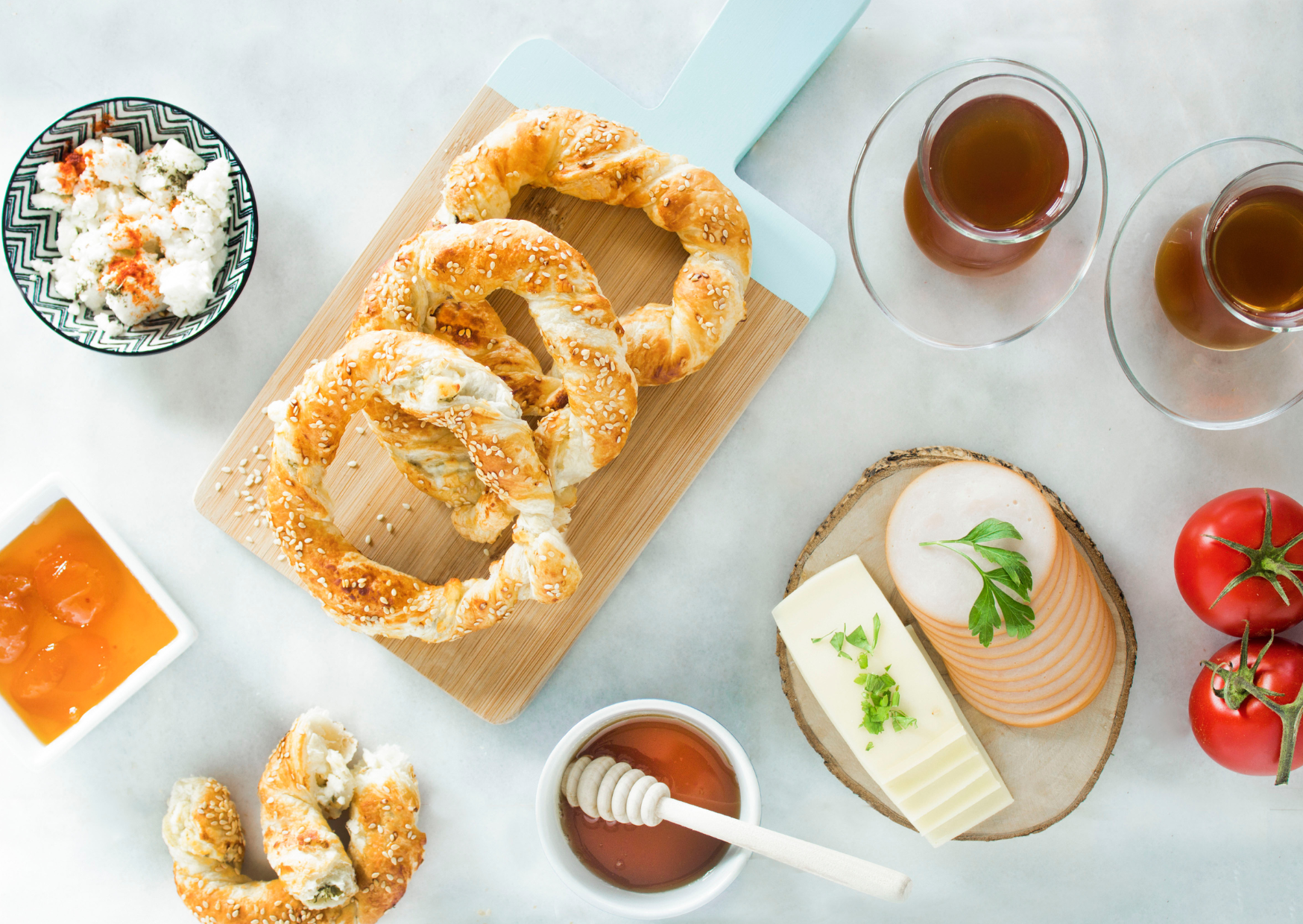
In Istanbul, breakfast is not a bar you unwrap in the car. It is a spread. Plates of tomatoes and cucumbers glisten with olive oil. Briny olives sit beside salty cheeses. Eggs arrive soft and savory. Warm bread, a spoon of honey, a dab of clotted cream, a peppery walnut paste for contrast, and tulip glasses of black tea that just keep coming.
What surprises American travelers is not only the flavor. It is how long the meal lasts in your body. A proper Turkish breakfast, called kahvaltı, is built to carry you through a long morning. The mix of protein, good fats, and fiber keeps hunger quiet and energy even. It is the exact opposite of a bowl of sugared flakes that tastes loud for five minutes, then sends you hunting for something else by ten.
Below is a clear map of what makes kahvaltı so satisfying, how it compares with cereal culture in the United States, and how to copy the effect at home with simple recipes that work on a weekday.
What a real Turkish breakfast includes
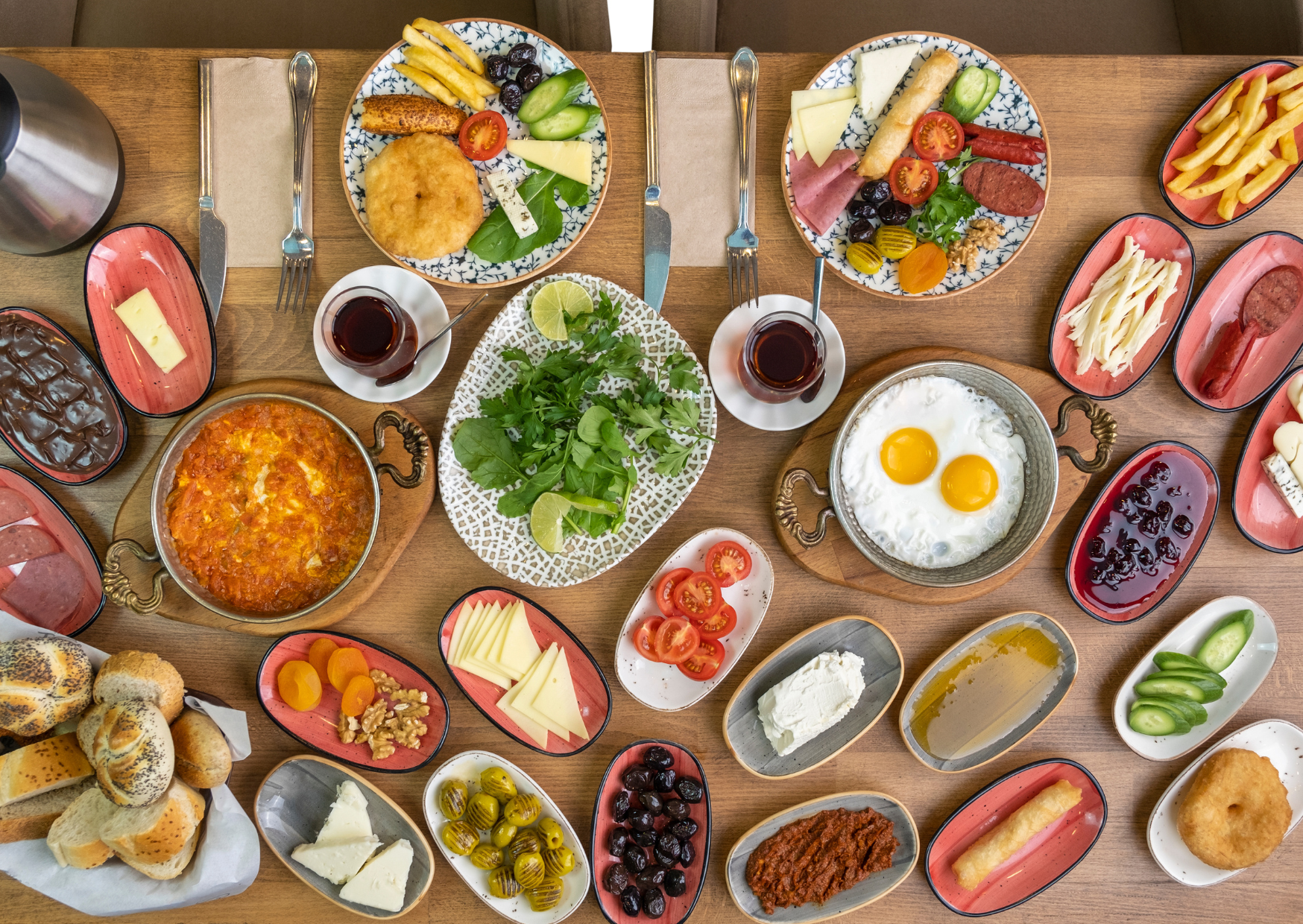
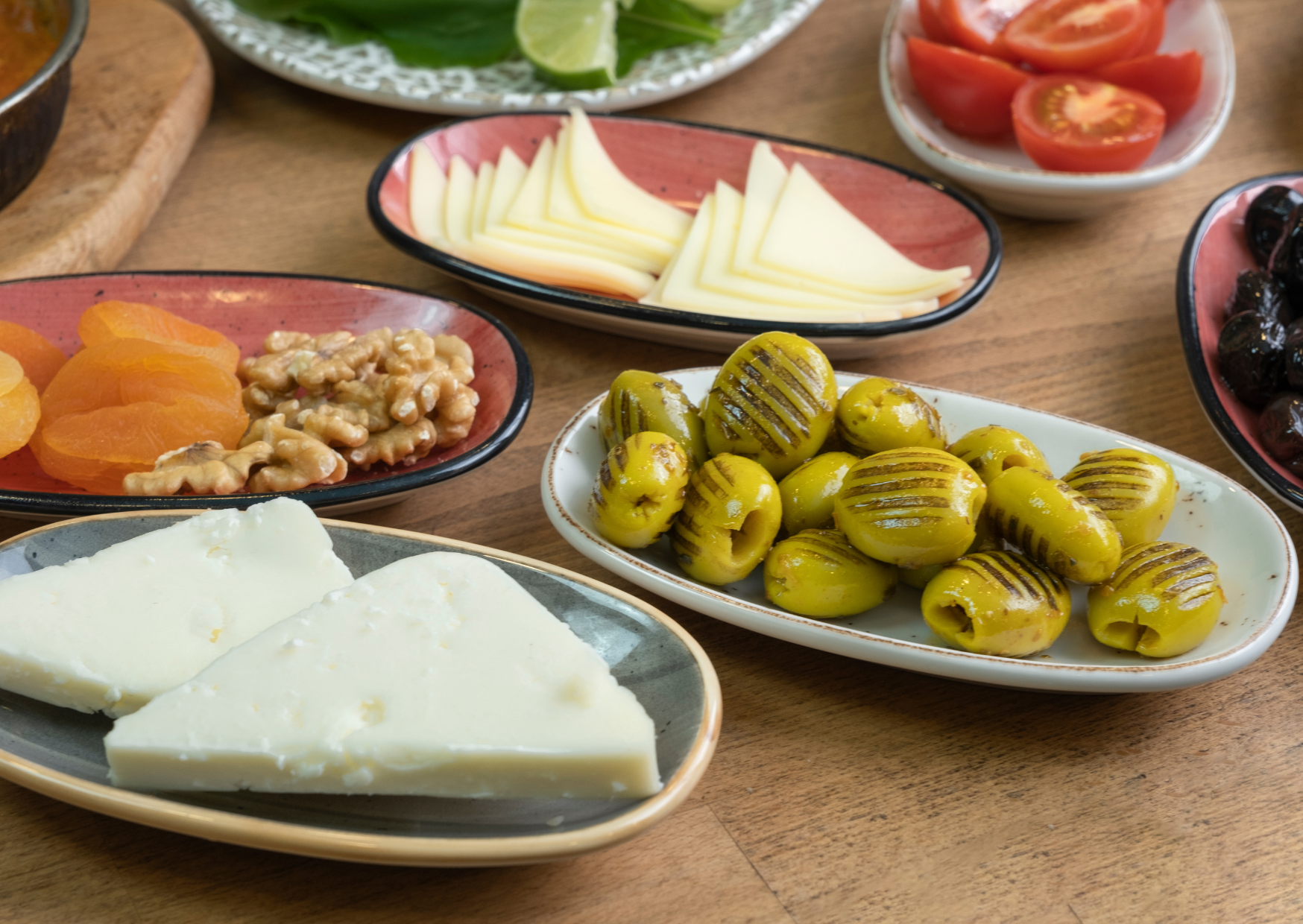
A classic kahvaltı is not a single dish. It is a composed table of small items that you combine on your plate. Expect fresh tomatoes and cucumbers, olives, several cheeses such as beyaz peynir and kaşar, eggs either soft boiled, scrambled with tomatoes and peppers as menemen, or fried with sucuk sausage, thick yogurt, jams or honey, tahini with grape molasses, and plenty of bread. There is always strong black tea. The balance is intentional. Vegetables and olives add volume and minerals, cheeses and eggs supply protein, olive oil and nuts bring slow-burning fat, and the sweet elements stay small so the plate reads savory. This is everyday food in Turkey, from family tables to breakfast streets that serve nothing else from morning to late afternoon.
Why that matters: the default unit is a plate of real food, not a packet, and nearly every item delivers either protein, fiber, or healthy fat.
Why kahvaltı keeps you full
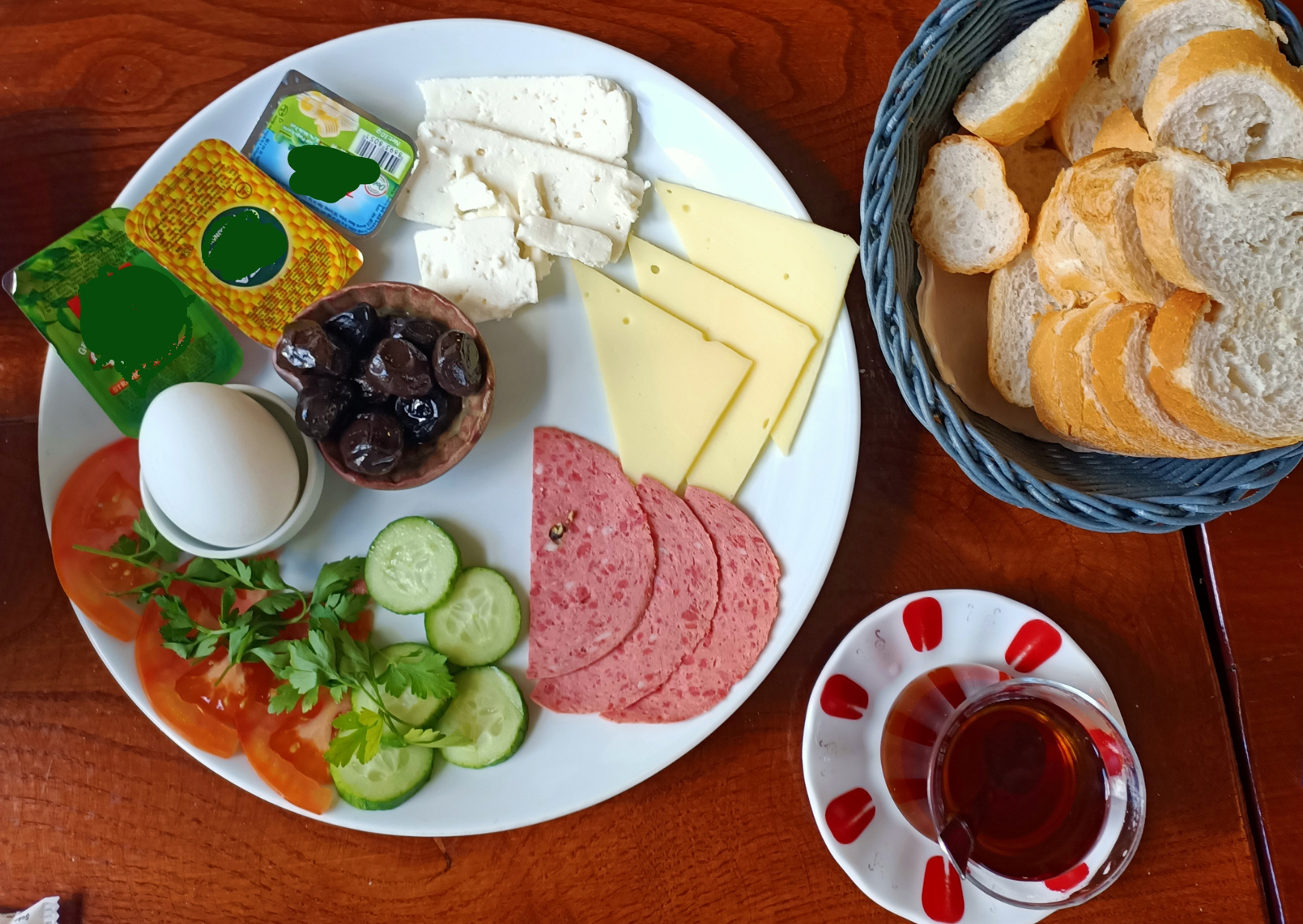
Satiety has simple levers. Protein turns off hunger signals better than refined carbohydrates. Fiber and water-rich vegetables slow digestion. Fat from eggs, olives, olive oil, and cheese stretches satisfaction without sugar spikes. Turkish breakfast pulls all three levers at once.
Human studies show that an egg-based breakfast increases satiety and can reduce energy intake at the next meal when compared with a calorie-matched bagel or cereal breakfast. Public health guidance says the same in plain language: extra protein at breakfast helps control hunger. When your first meal leans on eggs, beans, cheese, yogurt, vegetables, and olive oil, you get a stable curve instead of a crash.
Three quiet wins on the Turkish table: eggs for protein, vegetables for fiber and volume, olive oil for slow burn.
Why many American cereals do the opposite
Breakfast cereal is easy to pour and easy to oversell. The problem is not the bowl. It is what is in it. Analyses of ready-to-eat cereals in the past decade found double-digit grams of added sugar per serving on average, with total carbohydrates steady and protein modest. Even “healthy” parfaits and bowls often push several teaspoons of added sugar before you count the sweetened coffee. You do not feel full because your meal was mostly refined starch with a sweet coat. Hunger naturally follows.
If you want your morning to last: move the sugar to a teaspoon of jam on cheese and bread, not a hidden load in the base of the meal.
Build the spread at home without hunting special shops
You can assemble a satisfying kahvaltı with supermarket basics. Use this as a blueprint and scale for one person or six.
- Vegetables: sliced tomatoes and cucumbers, a little red onion or herbs, a drizzle of olive oil, a pinch of salt.
- Olives and spreads: a small bowl of black olives, a dish of olive oil, a spoon of honey, a spoon of thick yogurt. If you find tahini, swirl it with grape molasses or maple for the classic sweet contrast.
- Cheeses: any firm salty cheese plus a mild melty cheese. Feta and a young provolone or mozzarella work if Turkish cheeses are not available.
- Eggs: soft boiled, menemen, or fried with sliced sausage.
- Bread: any fresh bread or toasted sourdough. If you can buy simit, the sesame ring, warm it briefly and cut into chunks.
- Tea: strong black tea brewed in a pot or a small two-tier Turkish set if you have one.
Place everything at once and eat slowly. You are not building a tower sandwich. You are making small bites that keep flavors changing while the macros stay steady.
Menemen, the five-minute egg dish that anchors the plate
Menemen is the simplest way to get protein and vegetables into breakfast without feeling like you are “being good.” It is soft scrambled eggs with tomatoes and peppers, glossy with olive oil, seasoned gently so the vegetables lead.
Serves 2
Ingredients
4 eggs, lightly beaten with a pinch of salt
2 tablespoons olive oil
1 small onion or a handful of scallions, sliced
1 green pepper, thinly sliced
2 medium ripe tomatoes, grated on the large holes or chopped
Salt and pepper
Method
Warm oil in a skillet over medium heat. Soften onion and pepper with a pinch of salt until sweet. Add tomatoes and cook until juicy and just thickened. Pour in eggs and stir slowly with a spatula until just set and custardy. Season to taste. Serve immediately with bread.
Why it works: protein from eggs, fiber and water from tomatoes and peppers, olive oil for staying power.
Acuka, the walnut and pepper spread that replaces sugary toppings
A spoon of something savory does more for satiety than an extra spoon of jam. Acuka is a classic Turkish paste of walnuts, tomato, and red pepper that spreads like a dream and sits perfectly beside cheese and eggs.
Makes 1 cup
Ingredients
1 cup walnuts, lightly toasted
2 tablespoons tomato paste
1 tablespoon Turkish red pepper paste or additional tomato paste plus a pinch of paprika
1 small garlic clove, grated
2 to 3 tablespoons olive oil
Pinch of cumin, pinch of salt, squeeze of lemon
Method
Pulse walnuts to a coarse crumb. Add pastes, garlic, spices, and oil. Pulse to a spread. Adjust salt and lemon. Serve with bread, eggs, and vegetables.
Why it works: nuts bring fat and micronutrients, tomato and pepper add depth, no need for extra sugar.
Sucuklu yumurta, for weekends when you want a treat
If you like sausage and eggs, the Turkish version keeps portions in check by using thin slices of sucuk as a flavor base rather than a pile of meat. The fat that renders seasons the eggs, so you need little else.
Serves 2
Ingredients
100 to 150 grams sliced sucuk or another firm, spiced beef sausage
4 eggs
Method
Cook sucuk in a dry pan until edges crisp and fat renders. Crack in the eggs and cook to your preferred doneness, or scramble gently. Serve with vegetables and bread.
Use this wisely: small amount, big flavor, protein remains the star.
Turkish tea at home, without special equipment
Strong çay ties the table together. If you have a two-tier pot, brew a concentrated top and dilute from the bottom. If not, this works well.
- Rinse a teapot with hot water.
- Add loose black tea, about one heaping teaspoon per cup.
- Pour in freshly boiled water, cover, and steep 5 to 7 minutes.
- Strain into small glasses and adjust strength with hot water as needed.
Tea replaces the sugary breakfast drink many Americans reach for. Keep it plain or add a small sugar cube. The goal is warmth and ritual, not dessert.
A weekday version that still keeps you full
You can get the same satisfaction in ten minutes on a workday.
- Core plate: boiled eggs or a quick menemen, tomatoes and cucumbers with olive oil and salt, a few olives, one slice of cheese, a slice of bread.
- Optional add: a spoon of thick yogurt or a dab of tahini mixed with grape molasses for a touch of sweet.
- Drink: hot tea or black coffee.
That small set holds more protein and fiber than many parfaits and cereals. You will feel the difference by late morning.
How to order like a local when you visit
In Turkey, ask for a kahvaltı tabağı, a breakfast plate that brings the essentials in small bowls. If you want eggs, say menemen for scrambled with tomatoes and peppers or sucuklu yumurta for eggs with sausage. If you see bal kaymak, try it as a treat: thick clotted cream with honey. If bread arrives first, wait for the rest of the spread before filling up. The pleasure of kahvaltı comes from small, varied bites across the whole table.
Two smart moves: ask for extra vegetables, drink tea instead of juice.
Side by side, what the morning looks like
Kahvaltı template
Two eggs as menemen, a handful of tomatoes and cucumbers, olives, two small pieces of cheese, a spoon of acuka, a slice or two of bread, tea. You have real protein, real fiber, modest sugar, and healthy fats. Most people report calm appetite until early afternoon.
Typical cereal set
One large bowl of sweetened flakes with milk, a flavored yogurt, a sweet coffee. You have quick carbohydrates, added sugar, and little protein. Many people report hunger within two hours.
The exact numbers will vary, yet the pattern holds. Protein and fiber at breakfast reduce later intake compared with refined carbs. Meals that resemble the Mediterranean pattern use olive oil, vegetables, legumes, nuts, and moderate dairy to keep blood sugar steady across the day. Kahvaltı is that pattern in morning form.
Common mistakes and easy fixes
Too much bread, not enough protein
Keep bread to a few small pieces and make sure eggs and cheese are on the plate. The protein is what keeps you full.
Turning breakfast into dessert
Honey and jam are accents. Use a teaspoon with cheese, then stop. Rely on tomatoes, cucumbers, olives, and acuka for flavor.
Skipping the vegetables
The fresh salad at breakfast is not decoration. The water and fiber slow digestion and add crunch. Cut them ahead if mornings are tight.
Letting coffee carry the meal
Coffee is fine. Tea is fine. The key is food first, drink second. Caffeine on an empty stomach is not a substitute for breakfast.
What your morning feels like when you switch
Your plate is colorful and varied. You eat more slowly. You leave the table without the sugar high that makes time feel jagged. At noon you realize you have not been snacking. At three you are still even. That is what a breakfast built on eggs, vegetables, olives, cheese, and bread in sane amounts does. It is not a hack. It is a habit.
Start with one weekday kahvaltı at home. Keep it simple and repeatable. The point is not to chase a perfect spread. The point is to put protein, fiber, and good fat on the table and let them do their quiet work.
Origin and History
The traditional Turkish breakfast, known as kahvaltı, developed from a lifestyle centered on long mornings, shared meals, and physical work. Rather than a single bowl or plate, breakfast evolved as a spread of small dishes designed to provide lasting energy. This structure reflects a culture where meals were social anchors rather than rushed obligations.
Historically, Turkish breakfasts were shaped by regional agriculture. Olives, cheeses, eggs, yogurt, honey, and bread were readily available across Anatolia, making them everyday staples. These foods offered fat, protein, and fiber in balanced proportions, naturally supporting satiety without relying on sugar.
Over time, kahvaltı became a cultural ritual rather than just a meal. Families and friends gather, often lingering for hours. The emphasis is not on speed, but on nourishment and conversation, reinforcing why this breakfast remains deeply embedded in Turkish daily life.
In contrast to Western norms, the Turkish breakfast contains little to no sweetness. This challenges the idea, popular in the U.S., that breakfast should be light, fast, or sugar-based. Many Americans associate morning energy with carbohydrates alone, overlooking the stabilizing role of fat and protein.
Another controversial point is portion perception. While the spread appears large, each item is eaten in moderation. This contrasts sharply with oversized bowls of cereal that spike blood sugar quickly and leave hunger returning within hours.
The most debated aspect is time. Sitting down for a full breakfast is often seen as impractical in modern life. However, Turkish culture prioritizes meal structure over convenience, suggesting that skipping nourishment early may cost more time later through fatigue and constant snacking.
How Long It Takes to Prepare
Despite appearances, a Turkish breakfast doesn’t require hours of cooking. Most components involve minimal preparation, such as slicing cheese, arranging olives, or warming bread. Many items are served as-is.
Eggs may take 10 to 15 minutes to prepare, whether boiled, scrambled, or cooked as menemen. The rest of the meal comes together through assembly rather than cooking, making it surprisingly efficient.
The true time investment is in sitting and eating, not preparation. This intentional pause is part of the meal’s effectiveness, allowing the body to recognize fullness and digest properly.
Serving Suggestions
A traditional Turkish breakfast is served family-style, with small plates spread across the table. This encourages variety without excess and allows each person to eat according to appetite.
Tea is essential and served throughout the meal. Unlike sugary coffee drinks, it supports digestion without masking hunger cues. Water is often consumed alongside it.
Fresh bread acts as the foundation, paired with cheeses, eggs, and spreads. There is no strict order diners mix flavors intuitively, creating balance with each bite.
Final Thoughts
The reason the Turkish breakfast keeps people full until 4 PM isn’t a single ingredient, but the overall structure. It delivers sustained energy through balance, not stimulation.
Compared to American cereal, which is designed for speed and shelf life, kahvaltı is designed for nourishment and longevity. The difference shows in how the body responds hours later.
Adopting even parts of this approach adding protein, fat, and time can transform mornings. It’s not about copying a culture, but learning from one that treats breakfast as the foundation of the day rather than an afterthought.

About the Author: Ruben, co-founder of Gamintraveler.com since 2014, is a seasoned traveler from Spain who has explored over 100 countries since 2009. Known for his extensive travel adventures across South America, Europe, the US, Australia, New Zealand, Asia, and Africa, Ruben combines his passion for adventurous yet sustainable living with his love for cycling, highlighted by his remarkable 5-month bicycle journey from Spain to Norway. He currently resides in Spain, where he continues sharing his travel experiences with his partner, Rachel, and their son, Han.