
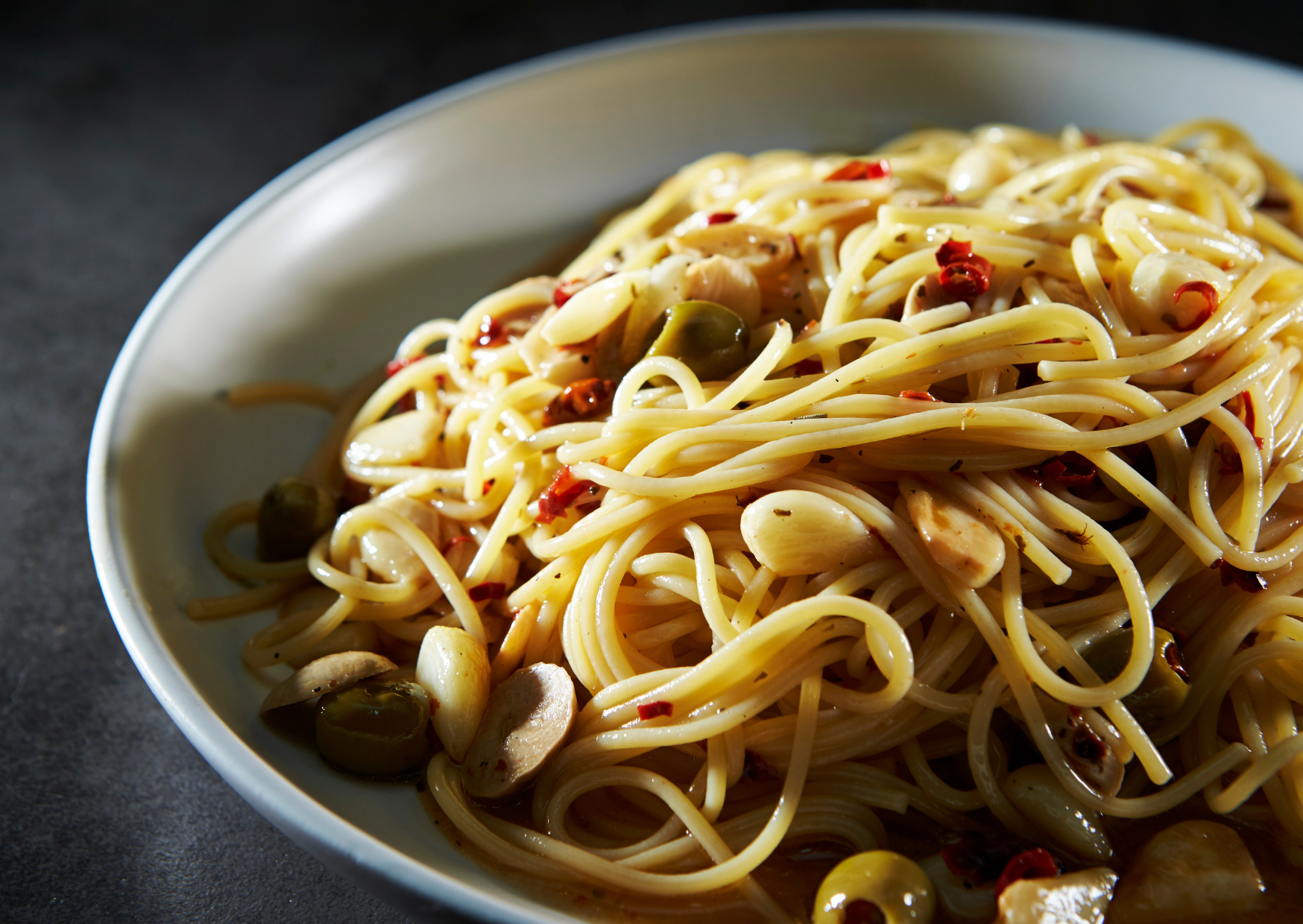
(Spaghetti Aglio e Olio — The Simplicity That Feeds the Soul)
You don’t need sauce. You don’t need cheese. You don’t even need a trip to the store.
This is the pantry recipe every Italian grandmother knows by heart. It is made in minutes, uses ingredients you already have, and tastes like comfort in its purest form. No branding, no fuss — just the kind of humble, flavorful food Italy has always done best.
It’s called Spaghetti Aglio e Olio.
Garlic and oil. That’s all it promises. And somehow, it delivers much more.
Read here the best Italian food, vegetarian food in Italy, best drinks in Italy and best breakfast in Italy
Why This Recipe Matters
In the U.S., pasta is often dressed up to the point of losing its essence. Heavy sauces. Add-ins. Dairy. Protein. Garlic bread on the side.
But in Italy, especially in southern households, this dish is what you eat when you don’t have anything else, and it somehow still feels like a full meal.
Spaghetti Aglio e Olio is peasant food. It is bachelor food. It is late-night food. It is the quick fix that never tastes like a shortcut. And once you make it right — you’ll understand why it’s passed down generation to generation, even though no one ever writes it down.
Best Time to Eat and How to Partner It
This recipe is perfect for weeknight dinners or lazy Sunday lunches when you want something quick but soulful. It’s light enough for summer and hearty enough for winter, depending on what extras you toss in.
Pair it with a glass of dry red wine or a simple white table wine, a slice of rustic bread, and maybe a fresh green salad or olives for contrast. It also works beautifully as a first course (primo) if you’re going full Italian and following it up with a meat or fish dish.
If you’re making it for guests, consider serving it with freshly grated Parmigiano-Reggiano, a small drizzle of truffle oil (optional, but luxurious), or a side of roasted vegetables. The beauty is its flexibility—just like Nonna intended.
One controversial point among Italian food purists is that this recipe shouldn’t be “improved.” Many chefs or influencers try to elevate it with fancy ingredients or complex techniques, but in doing so, they miss the soul of the dish: its simplicity. Nonna’s pantry pasta isn’t about showing off—it’s about honoring what’s available and wasting nothing.
Another debated topic is whether to add cheese or not, especially if anchovies or tomatoes are involved. In traditional Italian cooking, cheese is often skipped with seafood, but modern cooks break this rule freely. To a Nonna, though, this isn’t just about taste—it’s about maintaining generations of culinary wisdom, where every ingredient has a time and place.
Lastly, some argue that these pantry meals are “poor food” or too basic to celebrate. But this mindset misses the point. These humble dishes represent resilience, creativity, and love passed through generations. They might lack pomp, but they deliver something far more important: nourishment for both body and soul.
Ingredients (for 2 servings)
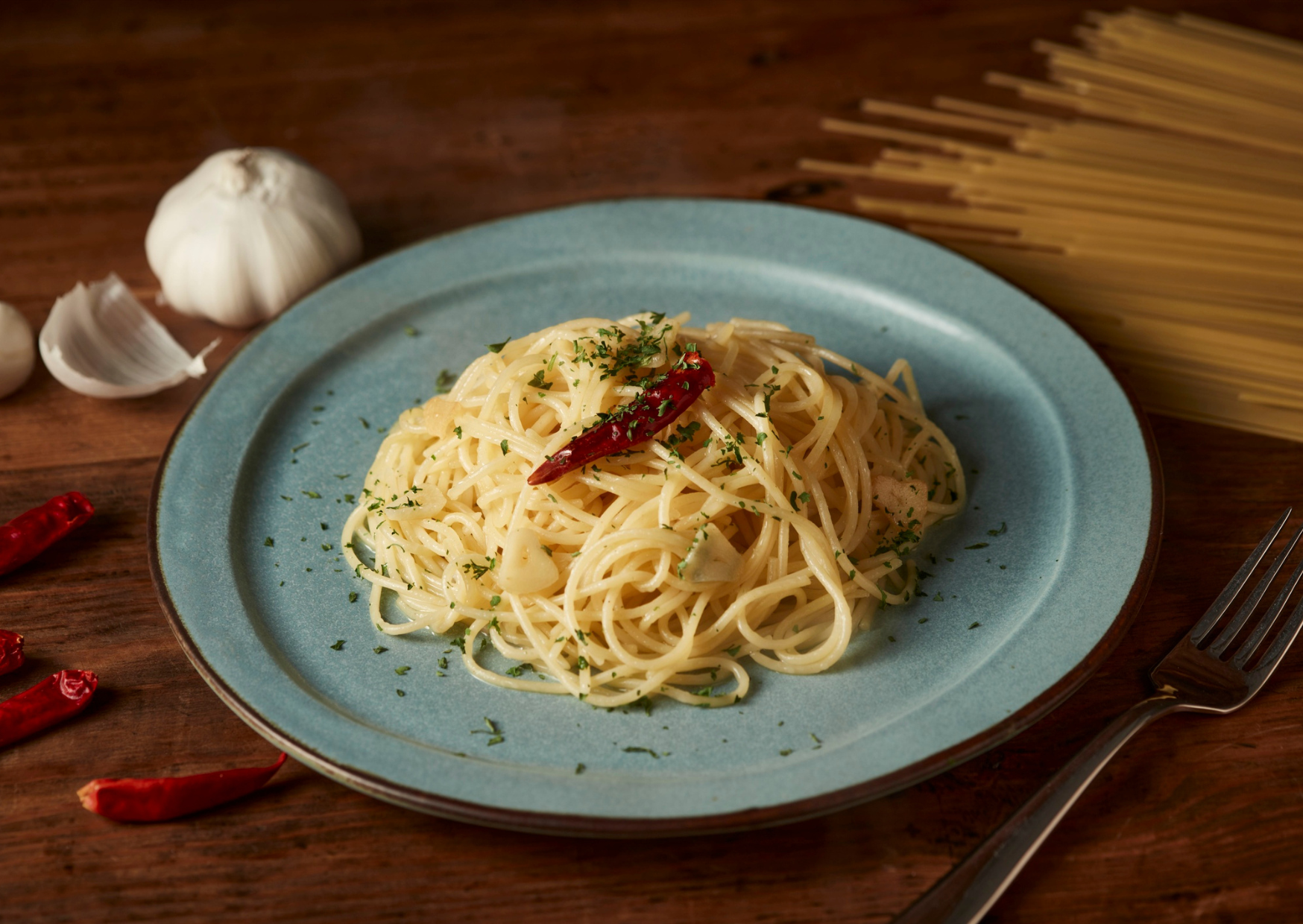
- 200g (about 7 oz) of spaghetti
- 3 to 4 cloves of garlic, thinly sliced
- 4 tablespoons of extra virgin olive oil (good quality matters)
- 1/2 teaspoon of dried red chili flakes (adjust to taste)
- Salt, for the pasta water
- Optional: small handful of fresh flat-leaf parsley, chopped
- Optional: a spoonful of reserved pasta water, for texture
No cheese. No cream. No butter. That’s the point.
Tools You’ll Need
- Large pot (for boiling the pasta)
- Skillet or sauté pan
- Chef’s knife and cutting board
- Pasta strainer or tongs
- Ladle (optional, for saving pasta water)
Preparation Steps
- Boil the pasta water.
Fill a large pot with water, salt it generously (like the sea), and bring it to a boil. - Slice the garlic thinly.
Not minced. Not crushed. You want delicate slices that can toast evenly without burning. - Chop the parsley (if using), and measure out your chili flakes.
Cooking Instructions
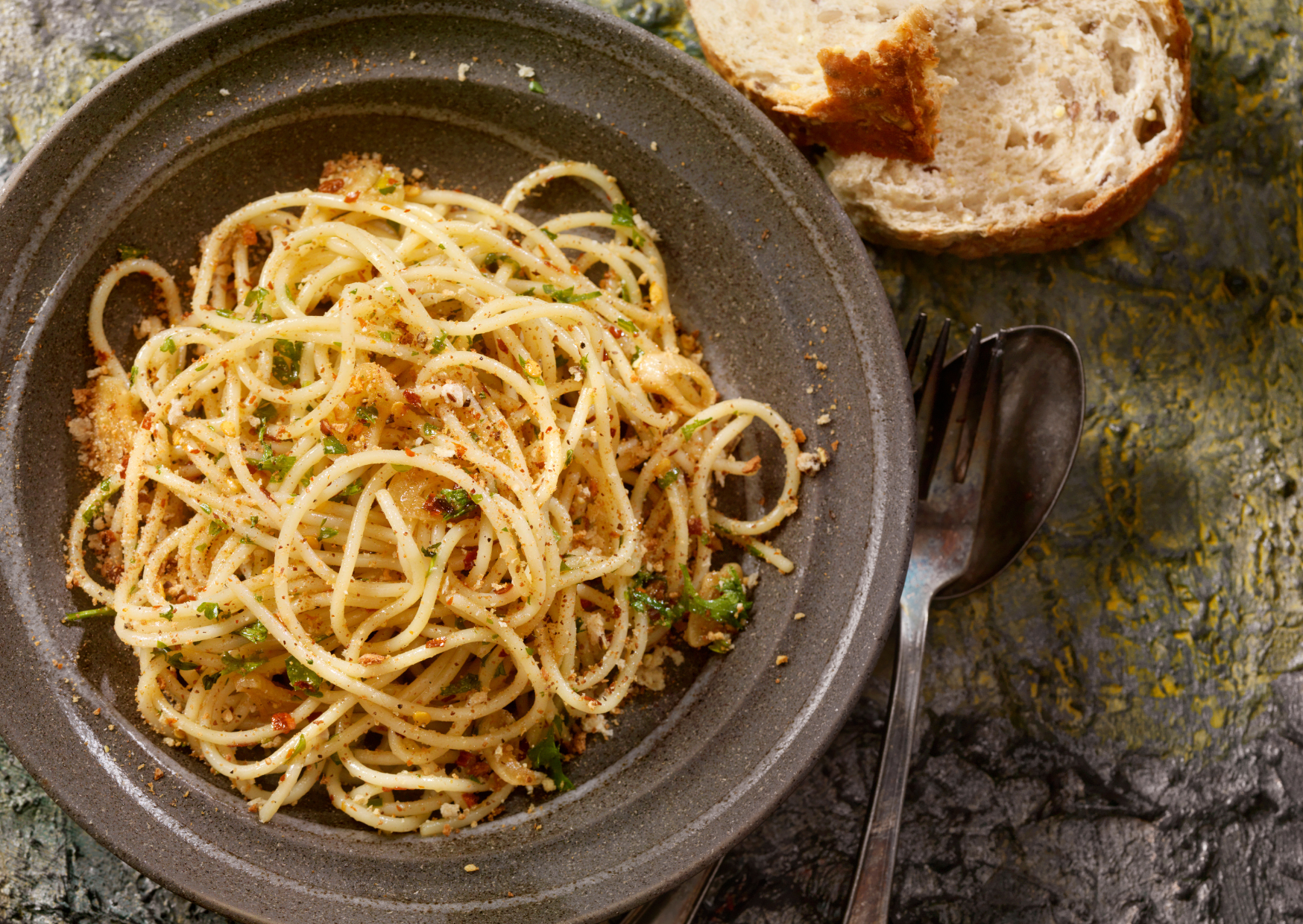
- Cook the spaghetti.
Add the pasta to boiling water and cook until al dente, usually one minute less than the package suggests. Save about 1/4 cup of pasta water before draining. - While pasta cooks, make the sauce.
In a wide skillet, add the olive oil and garlic. Place it over medium-low heat — you want the garlic to slowly infuse the oil, not fry. Stir gently. - Add chili flakes.
Just as the garlic starts to turn golden at the edges, sprinkle in the chili. It will bloom in the oil and release its heat. - Combine pasta and oil.
Once the pasta is drained, transfer it directly to the pan with the garlic oil using tongs. Toss thoroughly to coat. - Add pasta water if needed.
A spoonful or two helps the oil cling to the pasta and gives the dish a silkier finish. - Add chopped parsley (optional).
Toss in the fresh herbs just before serving for brightness.
Serving Suggestions
- Serve immediately, while hot and glossy.
- Pair with a small green salad and a glass of dry white wine or sparkling water.
- No cheese is added traditionally — and most Italians wouldn’t dream of it here.
This is not a dish meant to impress with richness. It is meant to satisfy with depth. You taste the garlic. You feel the warmth of the oil. You get just enough heat. And every bite reminds you that less really can be more.
Why Americans Skip This — and Why They Shouldn’t
In the U.S., it is easy to overlook something this simple. It doesn’t photograph like lasagna. It doesn’t carry the name of a celebrity chef. It doesn’t scream “comfort food” the way mac and cheese might.
But in Italy, this dish is essential. It is what your grandmother would hand you when you walked in the door tired and cold. It is what you cook for yourself when the pantry looks empty. It is what you remember most after living in a small village for just one winter.
This is the kind of recipe that builds your kitchen instincts. It teaches heat control, timing, and the confidence to cook without hiding behind a sauce.
Origin and History
The concept of a “pantry recipe” in Italy did not come from convenience culture. It came from necessity. For generations, Italian households relied on shelf-stable ingredients because fresh food was not always available daily, especially in rural areas.
Italian nonnas built their cooking around what could always be trusted to be on hand: dried pasta, olive oil, garlic, canned tomatoes, anchovies, or cured cheeses. These were not backup ingredients. They were the foundation of daily meals.
This kind of recipe wasn’t named or written down. It existed as instinct. When time was short, energy was low, or guests arrived unexpectedly, the solution was always the same: something fast, familiar, and deeply satisfying.
What makes these dishes timeless is not creativity, but reliability. They were never meant to impress outsiders. They were meant to feed families well, night after night, without stress.
One controversial truth is that Italian home cooking is often misunderstood as elaborate. In reality, many iconic dishes were born from constraint, not luxury. Speed and simplicity were virtues, not compromises.
Another uncomfortable reality is that modern cooking culture often dismisses pantry meals as inferior. In Italian households, these meals are respected because they demonstrate skill through restraint.
There is also resistance to repetition. Many people feel a good cook must constantly invent new dishes. Italian nonnas prove the opposite. Mastery comes from perfecting a few dependable recipes.
Perhaps the most overlooked truth is that stress ruins dinner more than lack of ingredients. Pantry recipes succeed because they remove decision fatigue, not because they are clever.
How Long You Take to Prepare
This dish truly earns its fifteen-minute reputation. Active preparation usually takes no more than five minutes, mostly involving boiling water and simple chopping.
Cooking time aligns perfectly with pasta cooking. While the pasta boils, the sauce comes together in the same amount of time, eliminating wasted minutes.
There is no marinating, no resting, and no multitasking chaos. The process is linear and predictable, which is exactly why it works on difficult days.
From opening the pantry to sitting down at the table, dinner happens quickly without feeling rushed. That balance is the secret.
Serving Suggestions
Italian nonnas serve this dish without embellishment. It goes straight from pan to plate, hot and fragrant, with no garnish required.
A simple grating of cheese or drizzle of olive oil is enough. Anything more risks distracting from the comfort of the dish.
It pairs well with bread and little else. The goal is satisfaction, not variety.
Leftovers are rare, but when they happen, the dish reheats beautifully, reinforcing its role as a dependable staple.
Final Thoughts
This recipe saves dinner because it removes pressure. There is no performance, no expectation, and no apology for simplicity.
Italian nonnas trust it because it works every time. It doesn’t depend on mood, guests, or special ingredients.
The real lesson is not the recipe itself, but the philosophy behind it. Good food doesn’t need drama to be meaningful.
In a world obsessed with novelty, this humble pantry dish reminds us that the most valuable recipes are the ones that show up for us consistently, especially on the hardest days.

About the Author: Ruben, co-founder of Gamintraveler.com since 2014, is a seasoned traveler from Spain who has explored over 100 countries since 2009. Known for his extensive travel adventures across South America, Europe, the US, Australia, New Zealand, Asia, and Africa, Ruben combines his passion for adventurous yet sustainable living with his love for cycling, highlighted by his remarkable 5-month bicycle journey from Spain to Norway. He currently resides in Spain, where he continues sharing his travel experiences with his partner, Rachel, and their son, Han.