
Standing in my kitchen at 7 AM, coffee in hand, I realized my “healthy” whole wheat bread contained 37 ingredients. In France, the same bread has four.
The challenge seemed simple enough: eat by European food standards for 30 days while shopping in American grocery stores. No foods with ingredients banned in the EU. No additives that require warning labels in Norway. No chemicals that French regulators call “unnecessarily hazardous.” Nothing that European children aren’t allowed to eat.
By noon on day one, I’d eliminated 80% of my regular groceries. That organic yogurt with “natural flavors”? Contains additives banned in Denmark. The premium deli turkey? Has nitrites that trigger warning labels in France. The fitness protein bars I bought in bulk? Five different ingredients that Europe won’t allow near food.
As of December 2025, the EU bans or restricts over 1,400 chemicals in food. The US bans 9. This isn’t about organic versus conventional or some wellness trend. This is about fundamental differences in what two developed regions consider safe to eat. When you apply European standards to American shopping, your grocery store becomes a chemical minefield.
The experiment revealed something darker than expected. It’s not just junk food that fails European standards. It’s the “healthy” American alternatives. The premium brands. The fitness foods. The organic options that still contain potassium bromate, titanium dioxide, and brominated vegetable oil. Chemicals that European scientists linked to cancer, organ damage, and developmental problems decades ago.
Quick and Easy Tips
Read ingredient lists instead of nutrition claims; fewer ingredients usually signal less processing.
Avoid products with artificial colors, flavor enhancers, or unnamed “natural flavors.”
Shop the perimeter of the store first and use packaged foods only as supplements, not staples.
Many Americans assume European food standards are about elitism or stricter government control. In reality, they’re about transparency. Ingredients that are common in the U.S. aren’t always banned in Europe they’re simply required to be clearly disclosed or reformulated.
Another uncomfortable truth is that “processed” doesn’t always mean unhealthy, but ultra-processed often does. European standards draw a sharper line between basic processing and chemical engineering, a distinction that’s often blurred in American labeling.
There’s also resistance rooted in convenience. American food culture prioritizes speed, shelf life, and consistency. European standards prioritize composition, even if that shortens shelf life or limits options. The tradeoff isn’t better or worse it’s intentional versus optimized.
What makes this topic controversial is that it challenges consumer responsibility. In the U.S., the burden is on shoppers to decode labels. In Europe, the burden is on manufacturers to simplify them. Following European standards for 30 days revealed how much work Americans quietly do just to understand what they’re eating.
The Bread Aisle Elimination
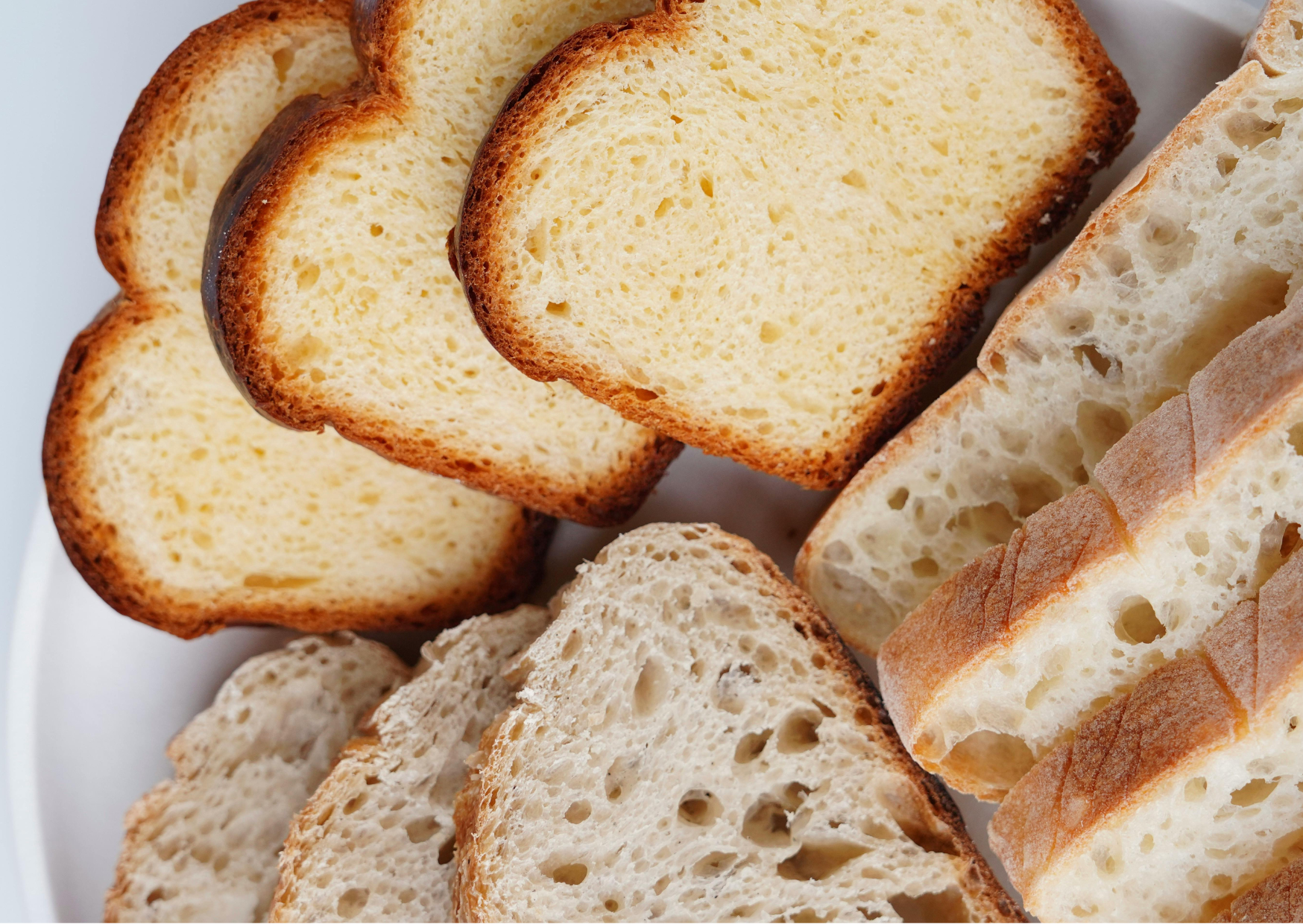
American bread was the first casualty. Every single loaf at my regular grocery store contained azodicarbonamide, the yoga mat chemical banned throughout Europe. This includes the $7 artisan loaves, the sprouted grain varieties, the ones labeled “simple ingredients.”
European bread standards are shockingly basic: flour, water, yeast, salt. Maybe seeds or grains. That’s it. French law literally defines bread by what it cannot contain. No dough conditioners. No preservatives. No added sugars unless it’s specifically labeled as sweet bread.
My “healthy whole grain” bread contained high fructose corn syrup (restricted in Europe), calcium propionate (limited in the EU), and monoglycerides (flagged by European health authorities). The ingredient list read like a chemistry experiment. Thirty-seven ingredients for something that needs four.
The bread that survives European standards? I found exactly two options in a store with 50 varieties. Both from a local bakery, both costing $8, both going stale in three days. That’s the trade-off Europe makes: real food that spoils versus shelf-stable chemistry.
The sandwich bread my kids loved? Contains potassium bromate, banned in Europe since 1990 after being linked to cancer. It’s still legal here. Still in most commercial bread. The FDA encourages voluntary removal but won’t ban it. Meanwhile, Europe treats it like poison because their research says it is.
Dairy’s Hidden Chemistry
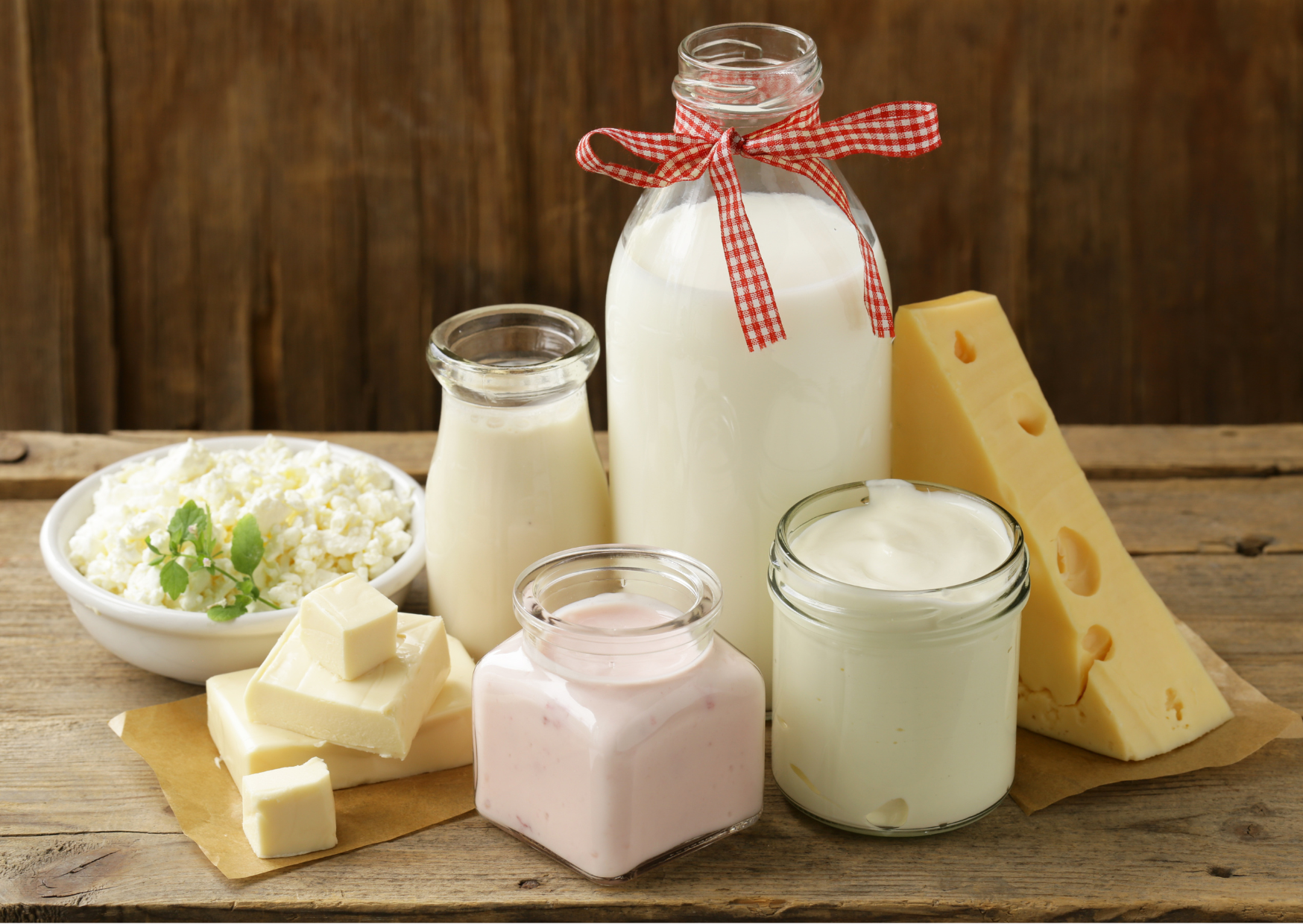
Greek yogurt seemed safe. Plain, organic, two ingredients on the label. Then I researched those “natural flavors” in even the unflavored versions. In Europe, natural flavors mean derived from the named source. Vanilla from vanilla. Lemon from lemons.
In America, “natural flavors” includes 100+ chemicals deemed “generally recognized as safe” but never individually tested. Castoreum from beaver glands is “natural.” So is genetically modified yeast excretion. Europe requires these specified. America allows the umbrella term that hides everything.
My organic milk survived the cut until I discovered the farms use rBST-treated feed for the cows. Europe banned rBST in 1999. Canada banned it in 1999. Australia, Japan, New Zealand – all banned. The FDA declared it safe based on studies from the company selling it. Twenty-five years later, it’s still in our milk supply.
The cheese section turned into a wasteland. American cheese (the product, not the category) contains sodium phosphate beyond European limits. The shredded cheese has natamycin, an antifungal banned in several EU countries. Even the premium aged cheddars have annatto coloring that requires warning labels in Norway.
Coffee creamer, which I never considered “processed,” was immediately disqualified. Titanium dioxide for whiteness, banned in Europe since 2022. Partially hydrogenated oils, banned since 2018. Corn syrup solids that exceed EU sugar restrictions. The “sugar-free” versions are worse, containing sucralose levels that Europe limits to protect gut bacteria.
The Meat Counter Disaster
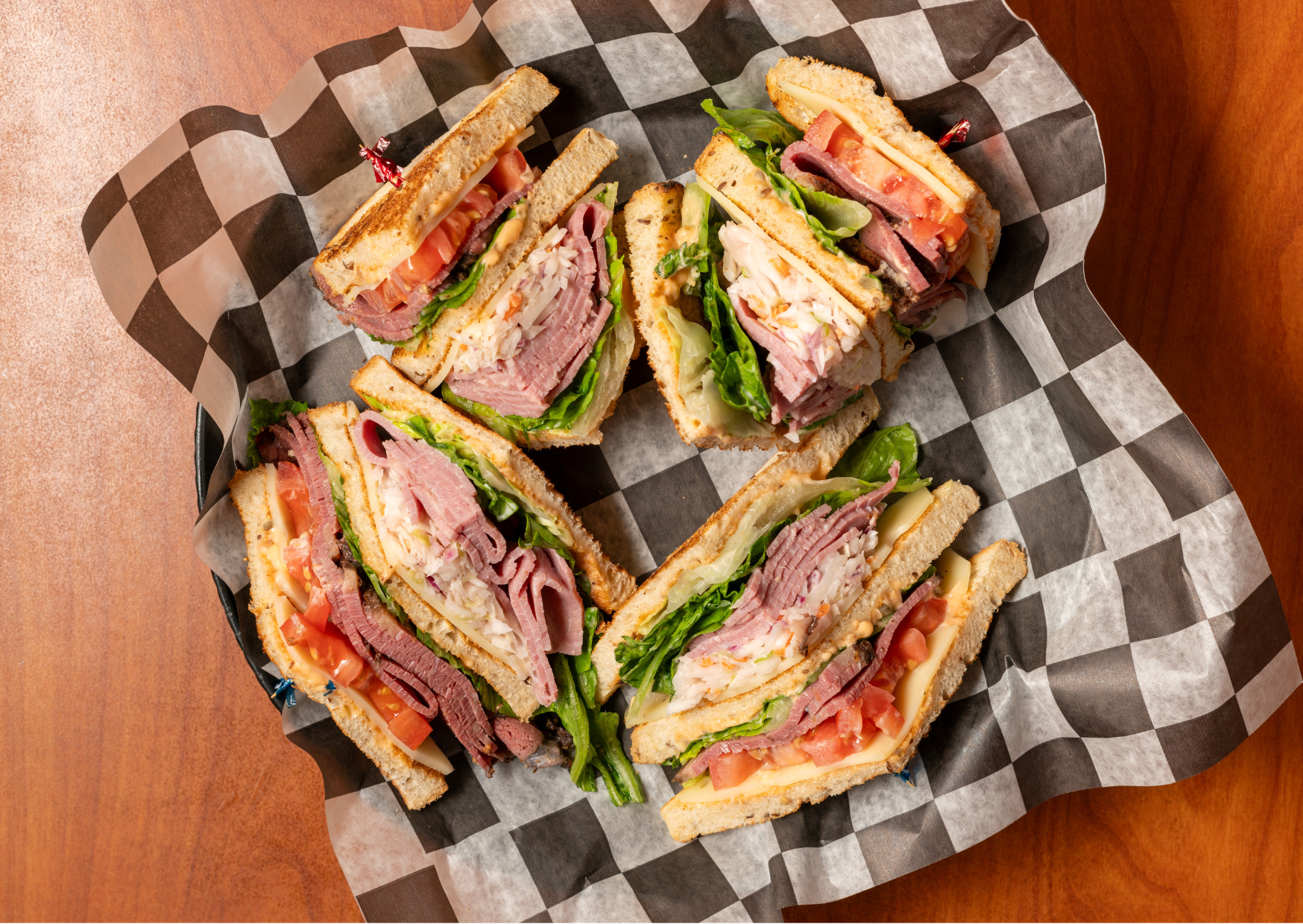
Deli meat died on day one. Every single option contained sodium nitrite at levels requiring cancer warning labels in Europe. The “uncured” versions just use celery powder, which creates the same nitrites but sounds natural. Europe doesn’t allow this labeling trick. Nitrites are nitrites.
The rotisserie chicken I bought weekly? Injected with sodium phosphate solution exceeding EU limits. The ingredient label doesn’t mention the 200mg of added sodium per serving from this processing. Europe caps phosphates because they’re linked to cardiovascular disease. America has no limits.
Ground beef seemed safe until I learned about pink slime. Officially called “lean finely textured beef,” it’s ammonia-washed meat scraps added to ground beef. Banned in Europe. Standard in 70% of American ground beef. Not required on labels because it’s technically still beef.
The organic, grass-fed options survived until I researched ractopamine. This growth hormone, banned in 160 countries including all of Europe, China, and Russia, is used in 60-80% of American beef, pork, and turkey. Even some “organic” meat contains it through feed contamination. Europe won’t even import American meat because of it.
Fresh chicken was the sole survivor until I discovered chlorine washing. American poultry gets antimicrobial baths that Europe banned, not because chlorine is toxic, but because it masks unsanitary farming conditions. European standards require clean farming. American standards require chemical cleanup.
Breakfast Foods That Failed
My protein powder collection worth $300? Trash. Every single container had artificial sweeteners exceeding EU limits or heavy metal contamination above European standards. The “clean” brands were the worst offenders, using sucralose at 5x European acceptable levels.
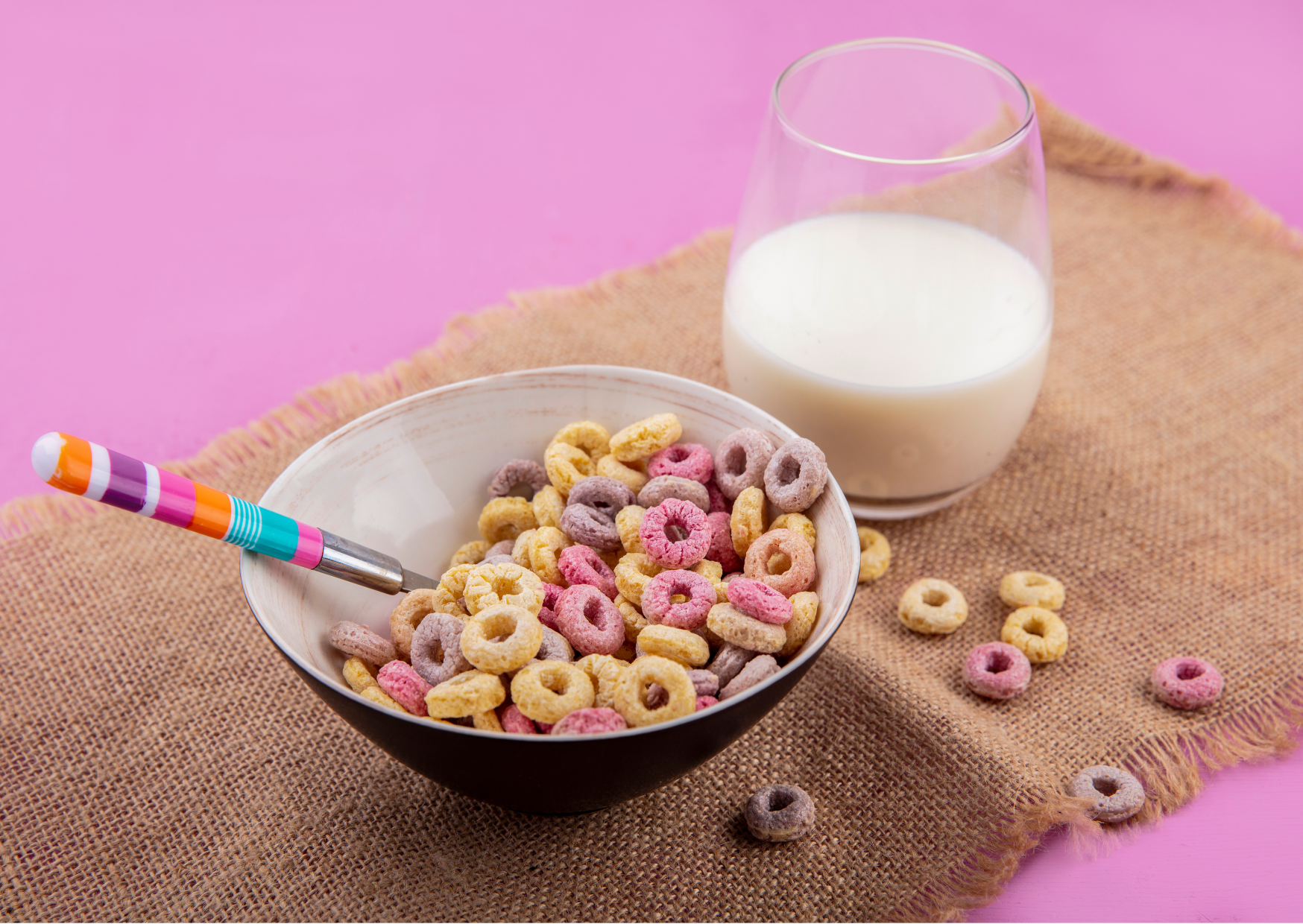
Breakfast cereal became a joke. Even the organic, non-GMO options contained BHT and BHA, preservatives Europe restricts to specific quantities far below American usage. The vitamin fortification that makes cereal “healthy” in America uses synthetic vitamins that Europe bans in favor of natural sources.
Instant oatmeal packets, marketed as heart-healthy, contained glyphosate residues above EU limits. This herbicide, restricted severely in Europe, is sprayed on American oats during harvest as a drying agent. The “organic” certification doesn’t test for it. Europe does.
Granola bars, energy bars, meal replacement bars – all failed immediately. Soy lecithin from GMO sources, banned across Europe. High fructose corn syrup disguised as “brown rice syrup” and “agave nectar,” exceeding EU sugar restrictions. Carrageenan, which Europe is phasing out due to inflammation concerns.
My kids’ breakfast essentials were chemical disasters. Pop-Tarts contain TBHQ (petroleum derivative), Yellow 5, Yellow 6, and Red 40 – all requiring warning labels in Europe stating “may have adverse effect on activity and attention in children.” The “healthy” alternative organic toaster pastries? Same dyes, just from “natural” sources that Europe still restricts.
Condiments and Cooking Basics
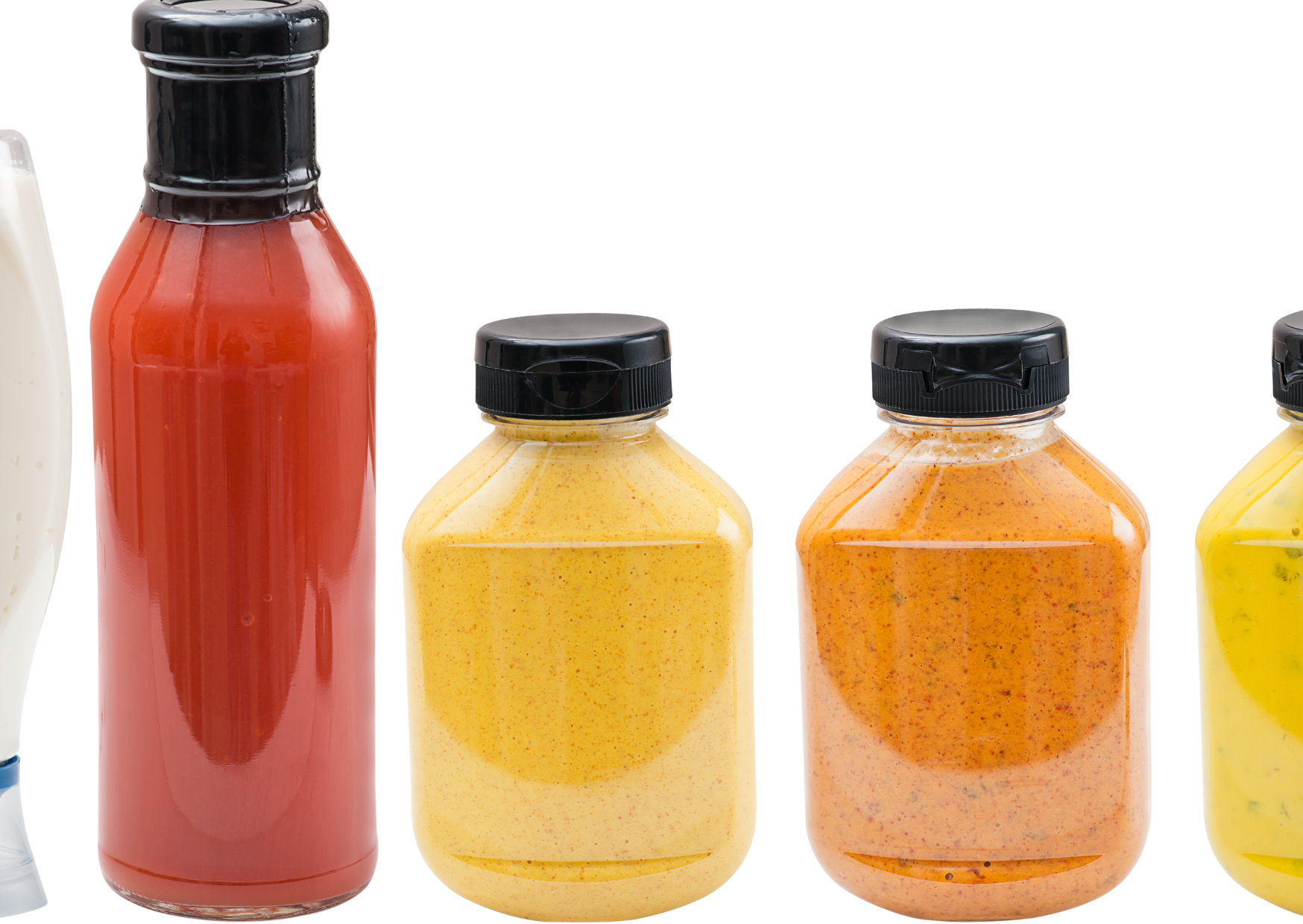
Ketchup, mayo, mustard – all reformulated for American markets with high fructose corn syrup and preservatives Europe won’t allow. Heinz makes different ketchup for Europe with real sugar and no preservatives. The American version has both HFCS and corn syrup, plus natural flavoring that could be anything.
Cooking oils revealed the biggest shock. American canola oil contains GMO rapeseed and chemical extraction residues above EU limits. Vegetable oil is usually soybean, also GMO, also chemically extracted. Even olive oil is problematic – 80% of American olive oil is fraudulent or diluted according to European testing standards.
Pasta sauce seemed innocent until I checked labels. Added sugars exceeding EU recommendations in every jar, including the expensive “authentic” brands. Citric acid from GMO mold, not lemons. Natural flavors again, hiding unknown chemicals. Calcium chloride that Europe restricts.
Salad dressing became impossible. Ranch contains titanium dioxide, MSG derivatives, and polysorbate 60. Italian has sugar as the second ingredient and xanthan gum from GMO corn. Even simple vinaigrettes have sulfites above European limits and undisclosed natural flavors.
Pickles should be cucumbers, vinegar, salt, spices. American pickles add Yellow 5, polysorbate 80, and calcium chloride. The “natural” brands use grape leaves for crispness – but treat them with copper sulfate above EU agricultural limits.
What I Could Actually Eat
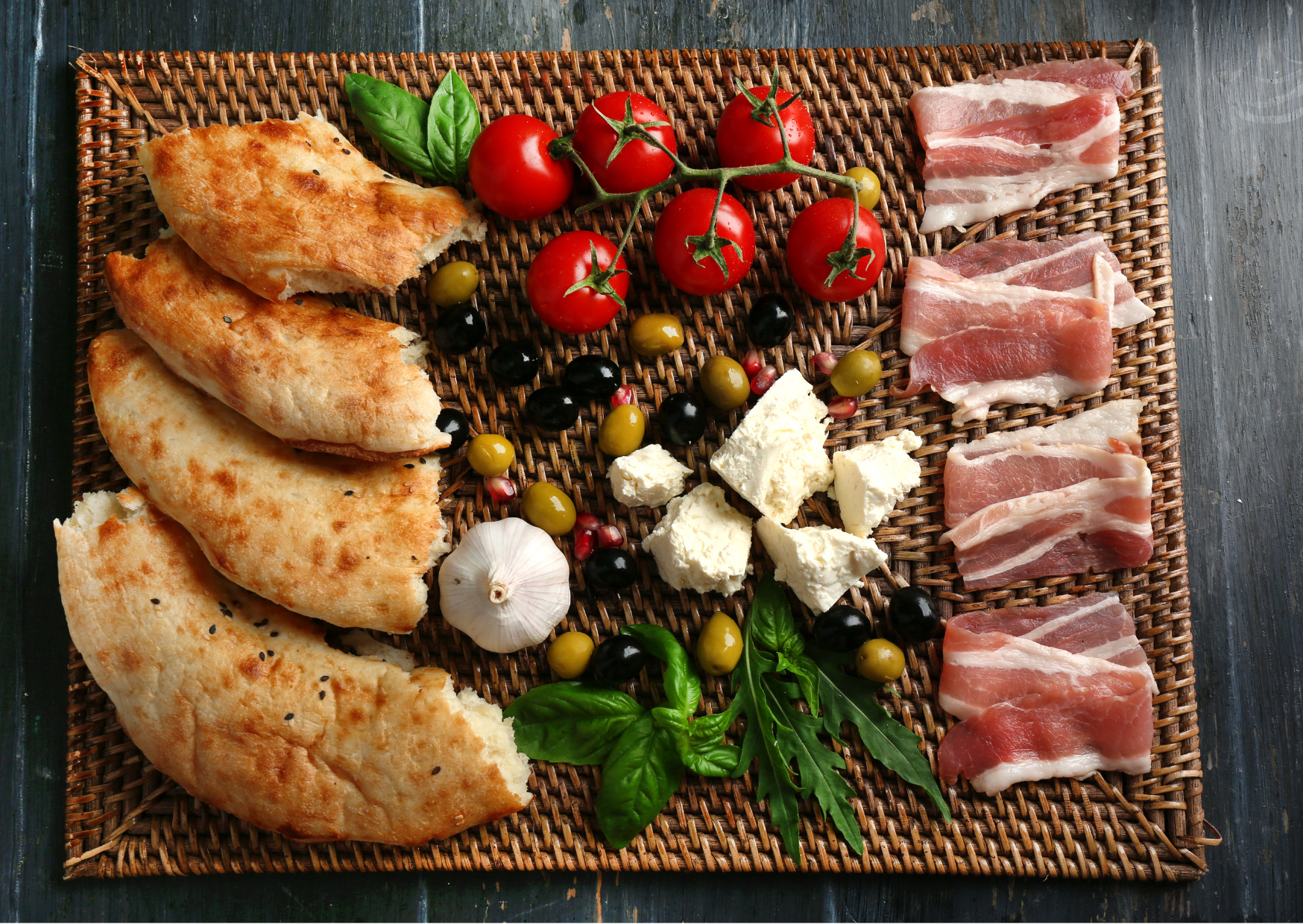
After eliminating everything with EU-banned ingredients, my grocery list looked like 1890: single-ingredient whole foods only. Fresh vegetables. Fresh fruit. Bulk rice. Dried beans. Nuts without added oils. Seeds without coatings. Real butter from specific farms. Eggs from pasture-raised chickens.
Even this simple list had landmines. American apples are coated with morpholine-based wax banned in Europe. Potatoes are sprayed with chlorpropham to prevent sprouting, a chemical Europe banned for cancer risks. Carrots are washed in chlorine solutions stronger than European pools.
The organic section helped but didn’t solve everything. Organic still allows “natural” pesticides that Europe restricts. Organic processed foods still contain additives Europe won’t permit. Organic certification doesn’t address heavy metal contamination that Europe regulates strictly.
I found exactly one bakery making European-standard bread. One butcher shop importing European-approved meat. A farm stand selling unwaxed apples. A specialty store with real olive oil. My grocery radius expanded from 2 miles to 30 miles. My food budget tripled.
The time investment was staggering. Three hours to shop what used to take 30 minutes. Reading every label. Researching every unfamiliar ingredient. Calling companies to ask about processing methods. Learning that “natural” means nothing and “organic” means less than expected.
Week Two’s Energy Crash
By day 10, the additive withdrawal hit hard. Turns out, phosphates are stimulants. So are certain preservatives. The hidden sugars in everything were propping up my energy. Without them, I crashed. Headaches. Fatigue. The irritability of someone detoxing from drugs they didn’t know they were taking.
American food is engineered for addictive energy spikes. The preservatives that keep bread soft also affect dopamine. The emulsifiers that blend ingredients also alter gut bacteria that regulate mood. The hidden sugars in savory foods keep you craving more. Europe bans these additives partly because they’re manipulative, not just unhealthy.
My digestion changed completely. The bloating I thought was normal? Gone. The afternoon crash requiring coffee? Disappeared. The constant snacking urge? Evaporated. This wasn’t willpower. It was chemistry. Remove the chemicals designed to create cravings, and the cravings stop.
Sleep improved by day 14. Not marginally – dramatically. The hidden caffeine in chocolate flavoring, the stimulating preservatives, the blood sugar rollercoaster from hidden corn syrup – all gone. European standards accidentally fixed my insomnia by removing chemicals I didn’t know were stimulants.
The Cost Reality No One Discusses
Eating by European standards in America costs 3.5x more than regular shopping. The bread is $8 instead of $2. The meat is $18/pound instead of $5. The real olive oil is $30 instead of $8. The eggs are $9 instead of $3.
This isn’t organic markup. This is finding-food-without-chemicals markup. The cheap American food is cheap because chemicals are cheaper than real ingredients. Preservatives are cheaper than fresh distribution. Dough conditioners are cheaper than proper fermentation. Flavor enhancers are cheaper than actual flavor.
The time cost is equally brutal. Cooking everything from scratch because packaged foods don’t qualify. Shopping at five different stores to find clean ingredients. Meal prepping constantly because nothing has preservatives. Europe builds this time into their culture. Americans build chemicals into their food instead.
The social cost surprised me most. Refusing dinner invitations because restaurants can’t accommodate European standards. Kids’ birthday parties where my child can’t eat anything served. Becoming that person who asks about ingredients at potlucks. America’s food culture assumes you’ll consume whatever’s convenient.
What Changes After 30 Days
My palate reset completely. American bread now tastes like cake. Restaurant food tastes like salt licks. Packaged snacks taste like the chemicals they contain. Once you eat real food for 30 days, the processed versions become obviously artificial.
The inflammation I didn’t know I had disappeared. Joint pain I attributed to age – gone. The puffy face in morning photos – gone. The afternoon brain fog – gone. These weren’t aging symptoms. They were chemical reactions to ingredients Europe considers toxic.
My grocery bills stayed triple, but medical markers improved. Blood pressure dropped 15 points. Triglycerides normalized. Fasting glucose stabilized. The pre-diabetes warning from my last checkup reversed. Not from eating less. From eating food without endocrine disruptors.
The most disturbing realization: American kids eat these chemicals from birth. Formula with corn syrup solids. Baby food with preservatives. Toddler snacks with artificial dyes. School lunches with 40+ ingredients per item. We’re running a chemistry experiment on entire generations while Europe said “no thanks” decades ago.
Why This Actually Matters
The EU doesn’t ban chemicals for fun. They use the precautionary principle: prove it’s safe before adding it to food. America uses the opposite approach: prove it’s dangerous before removing it. This philosophical difference creates a 30-year lag between European restrictions and American adoptions, if they happen at all.
Titanium dioxide causes DNA damage in studies. Europe banned it. America says the studies aren’t conclusive enough. Potassium bromate causes cancer in animals. Europe banned it. America says human studies are needed. Artificial dyes trigger hyperactivity in children. Europe requires warning labels. America says the evidence isn’t definitive.
Meanwhile, American chronic disease rates are double Europe’s. Obesity, diabetes, heart disease, cancer – all significantly higher in the country that allows 1,400 more chemicals in its food. Correlation isn’t causation, but when Europe explicitly bans chemicals for health risks and has better health outcomes, maybe the chemicals matter.
The food industry spends millions arguing each chemical is safe in isolation. Maybe they are. But nobody eats chemicals in isolation. We eat them in combinations, daily, for decades. Europe decided that experiment wasn’t worth running. America decided it was, using its population as test subjects.
Next Steps This Week
Start with bread. Find a local bakery making real bread with under six ingredients. Yes, it costs more. Yes, it goes stale faster. Your inflammation will drop within a week.
Download the European Food Safety Authority banned additives list. Screenshot it on your phone. Compare it to your regular groceries. The shock value alone will motivate changes.
Pick one category to fix completely. Don’t overhaul everything at once. Maybe it’s breakfast – just eggs, real butter, fresh fruit. Maybe it’s lunch – actual ingredients instead of deli meat. Master one meal before tackling the next.
Find your European-standard sources. The local bakery. The real butcher. The farm stand. The specialty store with imported goods. Build relationships with people who understand food without chemicals.
Prepare for the adjustment period. Days 5-12 are rough. Your body is detoxing from additives it’s consumed for decades. Headaches, fatigue, irritability – all normal. Push through. By week three, you’ll feel better than you have in years.
Accept the cost reality. Either you pay more for real food now, or you pay for medical care later. Europe made this calculation and chose food. America chose chemicals and has the highest healthcare costs globally to show for it.
The experiment ends, but the knowledge doesn’t. Once you know what’s in American food, you can’t unknow it. Once you feel the difference real food makes, processed food loses its appeal. Once you realize Europe protected its citizens while America protected its food industry, you can’t unsee the priority difference.
Your body wasn’t designed to process titanium dioxide, potassium bromate, or beaver gland secretions labeled as natural flavors. For 30 days, I didn’t ask it to. The difference was profound enough that I’m still eating by European standards six months later, despite the cost, time, and inconvenience.
The question isn’t whether you can afford to eat by European standards. It’s whether you can afford not to.

About the Author: Ruben, co-founder of Gamintraveler.com since 2014, is a seasoned traveler from Spain who has explored over 100 countries since 2009. Known for his extensive travel adventures across South America, Europe, the US, Australia, New Zealand, Asia, and Africa, Ruben combines his passion for adventurous yet sustainable living with his love for cycling, highlighted by his remarkable 5-month bicycle journey from Spain to Norway. He currently resides in Spain, where he continues sharing his travel experiences with his partner, Rachel, and their son, Han.