
When people think of Greek food, images of grilled souvlaki, flaky spanakopita, and fresh Greek salad usually come to mind. But ask a Greek grandmother what dish truly represents her country’s culinary heart, and you’ll often hear fasolada. Known as the national soup of Greece, fasolada is a hearty bean soup simmered with olive oil, tomatoes, carrots, celery, and herbs, creating a comforting and nutritious meal that’s been loved for generations.
Fasolada is more than just soup. It’s a dish rooted in Greek tradition, dating back to ancient times when beans were considered sacred offerings to the gods. Today, it remains a staple in households across Greece, often enjoyed as a simple weekday lunch or dinner, especially during fasting periods when meat is avoided. Rich in plant protein and flavored with generous Greek olive oil, it’s healthy, budget-friendly, and deeply satisfying.
In this recipe guide, you’ll learn how to make authentic Greek fasolada from scratch, using traditional techniques to create its silky broth and robust flavors. We’ll also cover the best time to eat it, what to pair it with for a complete meal, and the controversial truths about fasolada that even some tourists in Greece never realize.
Read here best breakfast in Greece, Greek food and drinks in Greece
Read here best Greece sim card for tourist, our Greece travel tips and Budget Travel in Greece
BOOK YOUR TRAVEL INSURANCE
Two of our favorite travel insurance: Heymondo Vs Safetwing cheapest travel Insurance. You can get for $135 USD your Heymondo Travel Insurance with Heymondo discount code valid for 90 days. Read our full comparison of Genki vs Safetywing Travel Insurance Review and the comparison Heymondo vs Genki
Best Time to Eat and How to Partner
Fasolada is most commonly enjoyed as a hearty lunch or dinner, particularly during colder months or Orthodox fasting seasons. It’s a filling meal that provides warmth and comfort, making it perfect for chilly days when you need something nourishing yet simple.
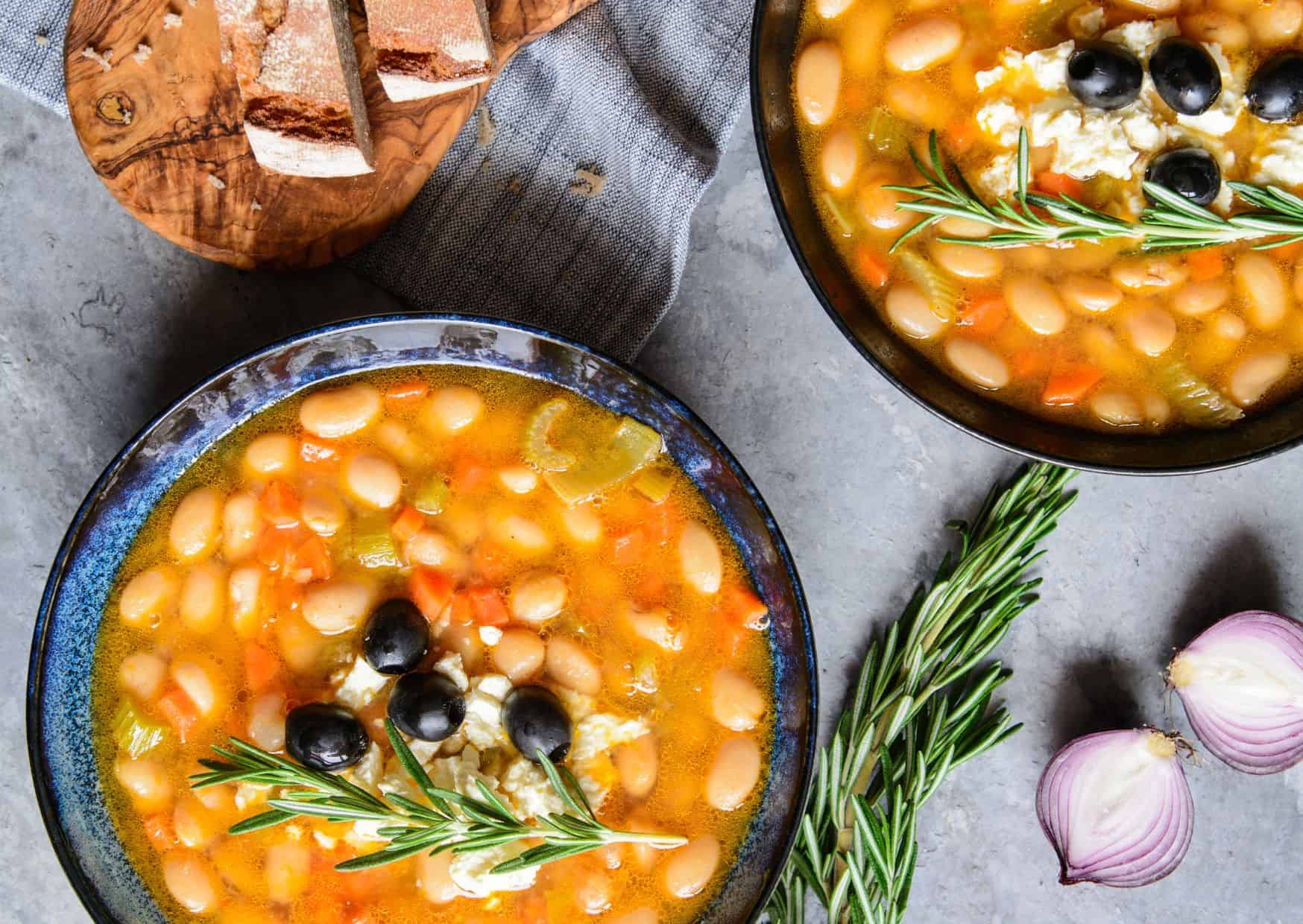
To enjoy fasolada like a local, serve it with crusty fresh bread for dipping, Kalamata olives on the side, and a few slices of feta cheese drizzled with olive oil and sprinkled with oregano. For drinks, a small glass of retsina or crisp white wine pairs beautifully, and finishing with a few pieces of seasonal fruit completes a traditional Greek table.
While fasolada is celebrated as Greece’s national dish, many tourists overlook it in favor of more “Instagram-friendly” meals like gyros or seafood platters. The controversial truth is that fasolada is considered a humble, home-cooked meal, rarely highlighted on restaurant menus catering to travelers. Some Greeks even joke that if you haven’t eaten fasolada, you haven’t truly lived like a local.
Another misunderstood aspect is that fasolada isn’t just about the beans. The flavor depends heavily on quality olive oil, which forms the base of its rich, silky broth. Using cheap or light olive oil results in a flat-tasting soup lacking the luxurious texture that defines fasolada in Greek kitchens. For many locals, the olive oil is what turns it from a simple bean stew into a national treasure.
Finally, while fasolada is traditionally vegan, some modern Greek families add sausage or cured meats to enrich the flavor, sparking debates among purists who insist the original version should remain purely plant-based. This controversy reflects the deeper Greek respect for food heritage, where even a humble soup carries centuries of cultural pride and identity.
How to Make Greek Fasolada
Greek Fasolada Recipe Ingredients
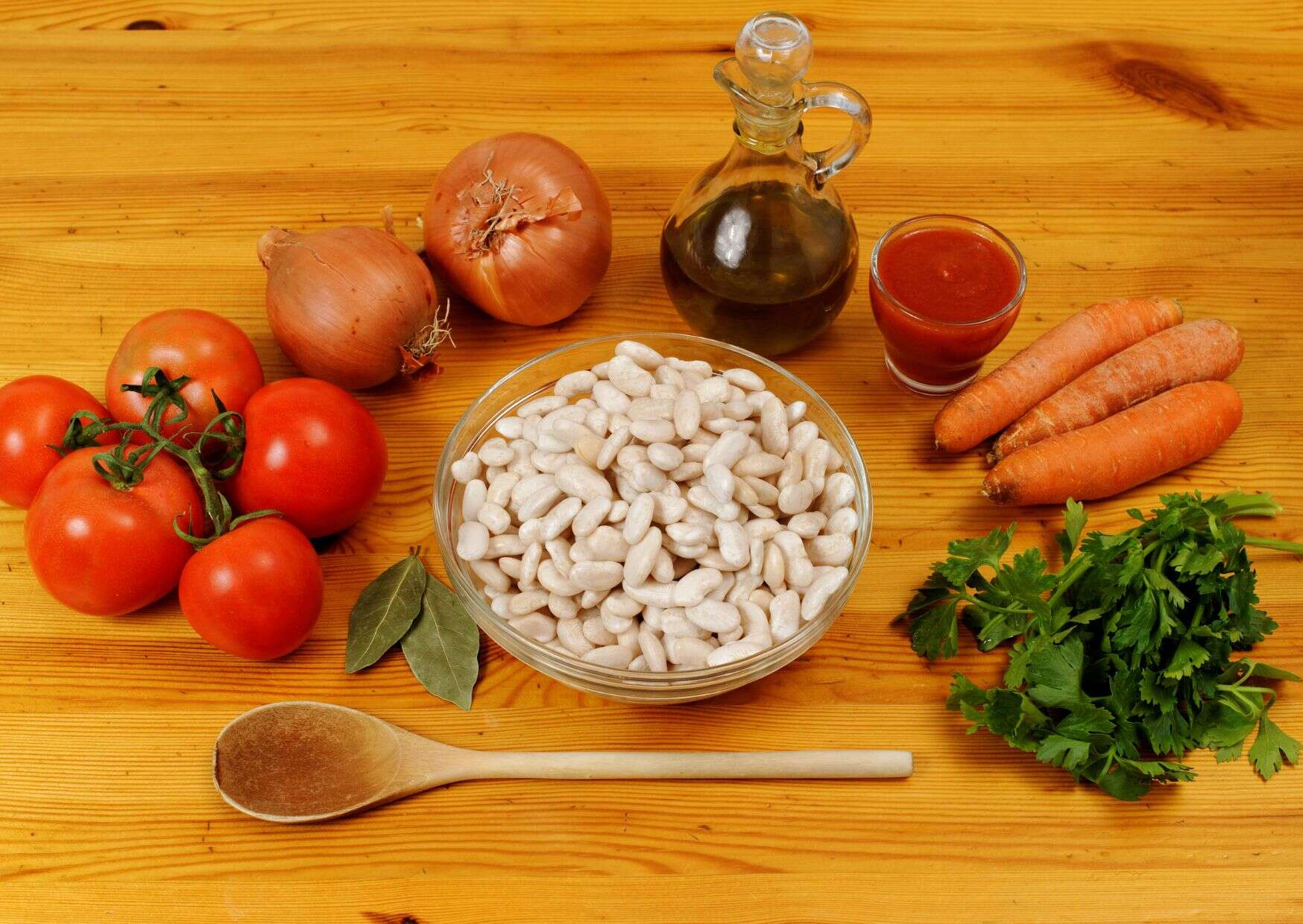
1 ½ cups dried white beans (cannellini or navy beans)
1 medium onion, finely chopped
2 carrots, sliced
2 celery stalks, chopped
3 garlic cloves, minced
1 can (14 oz) crushed tomatoes (or 3 fresh tomatoes, grated)
4 cups vegetable broth or water
¼ cup extra virgin olive oil
1 tsp salt (adjust to taste)
½ tsp black pepper
1 tsp dried oregano
1 tsp dried thyme (or fresh thyme sprigs)
1 tsp paprika (optional, for added depth)
1 bay leaf
Juice of 1 lemon (for serving)
Fresh parsley, chopped (for garnish)
Get the best deals for your home and kitchen needs
Step By Step How to Make Greek Fasolada
Prepare the Beans
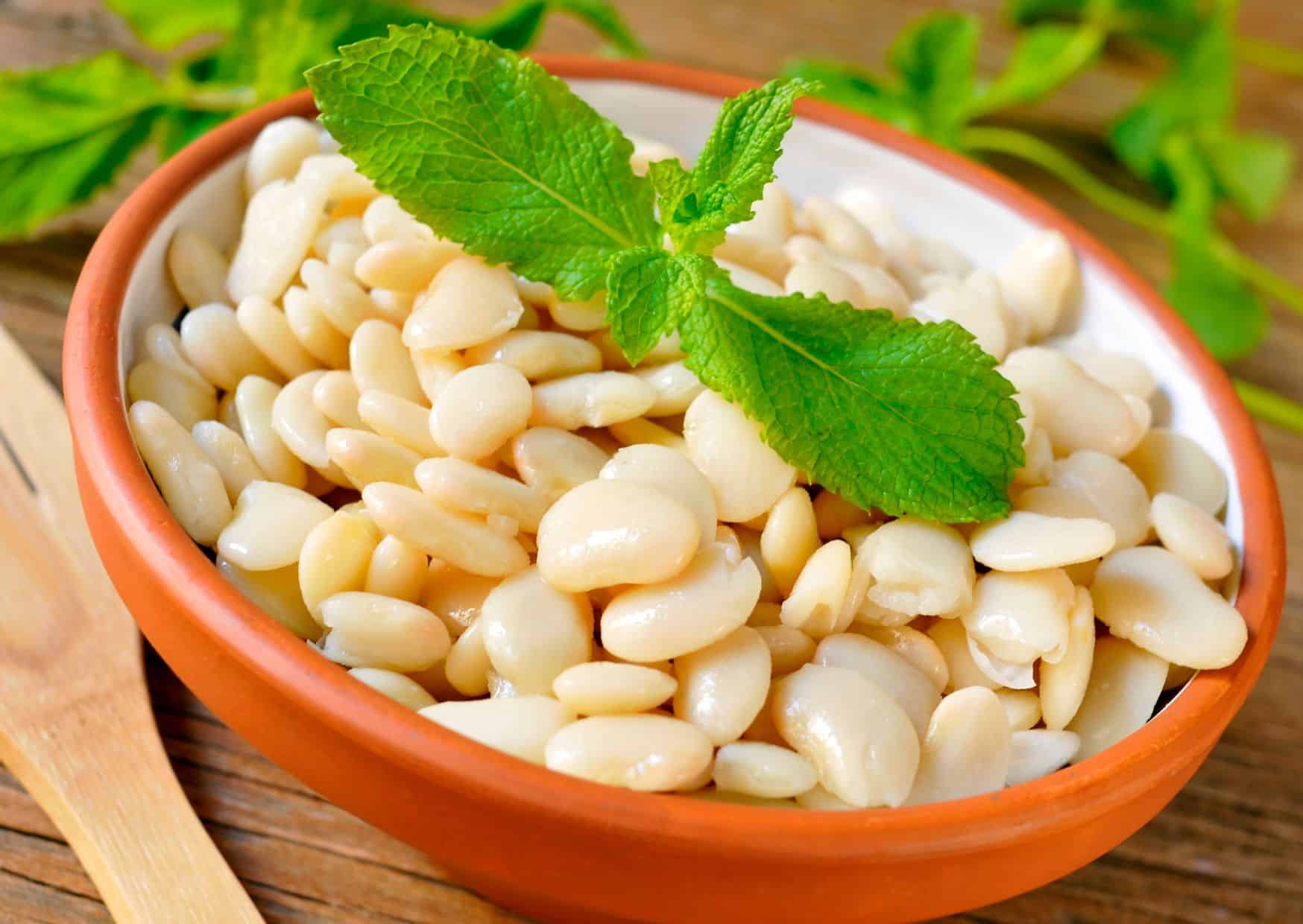
If using dried beans, soak them overnight in a large bowl of water. Drain and rinse before cooking. If using canned beans, rinse them thoroughly and reduce cooking time.
Cook the Beans
In a large pot, add the soaked beans and cover them with fresh water. Bring to a boil, then reduce the heat and simmer for 30–40 minutes until the beans start to soften. Drain and set aside.
Sauté the Vegetables
In the same pot, heat half of the olive oil over medium heat. Add the onion, carrots, and celery, sautéing until softened (about 5 minutes). Stir in the garlic, cooking for another 30 seconds until fragrant.
Simmer the Soup
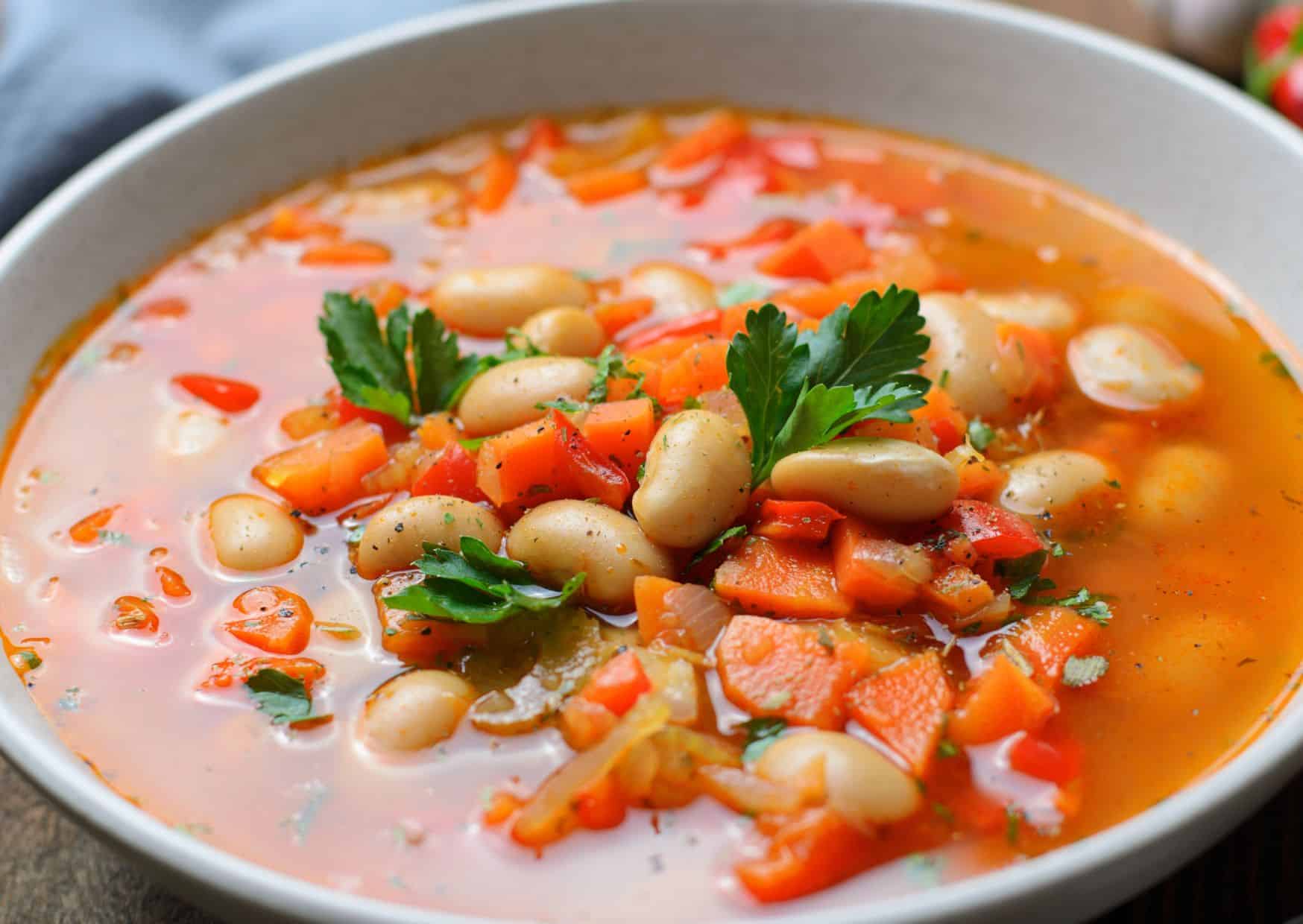
Add the tomatoes, broth (or water), pre-cooked beans, bay leaf, oregano, thyme, salt, pepper, and paprika. Bring to a boil, then reduce heat and simmer uncovered for 40–50 minutes, stirring occasionally.
Finish with Olive Oil & Lemon
When the soup has thickened, stir in the remaining olive oil. Adjust seasoning to taste. Remove from heat and let it rest for 5–10 minutes before serving.
Serve & Garnish
Drizzle with fresh lemon juice. Sprinkle with chopped parsley. Serve with crusty bread or feta cheese on the side.
Tips To Make Greek Fasolada
Use high-quality olive oil – The final drizzle of extra virgin olive oil enhances the flavor.
Let the flavors develop – Fasolada tastes even better the next day as the flavors meld together.
Adjust thickness – If you prefer a thicker soup, mash some of the beans with a spoon. If too thick, add more broth.
Spice it up – Add chili flakes for a bit of heat.
Make it vegan or hearty – This dish is naturally vegan, but you can add sausage or bacon for a richer version.
How Many Calories Have Greek Fasolada
Calories: ~280 kcal
Protein: 10g
Carbohydrates: 36g
Fiber: 9g
Fats: 11g
Sodium: 450mg
Origin and History
Fasolada has been part of Greek cooking for so long that its exact beginnings blur into ancient culinary tradition. What historians do know is that legumes, especially white beans, were central to the diet of ancient Greeks thanks to their affordability, shelf stability, and nutritional value. Over time, beans became a dependable source of nourishment for rural families who needed meals that were economical yet sustaining. Fasolada naturally evolved from these needs, becoming a staple across regions and seasons.
The dish grew more defined during the Byzantine era, when olive oil and tomatoes became more accessible. Each region adapted it to reflect local agriculture: some used more vegetables, others relied heavily on herbs, while island communities added extra olive oil for richness. It became known not just as a warming meal but as a symbol of Greek simplicity, built entirely from pantry staples that were always on hand.
By the twentieth century, fasolada was firmly embedded in Greek cultural identity. Families cooked it weekly, tavernas served it as a comforting lunch, and even during difficult economic periods, fasolada remained a reliable, nourishing dish. Its longevity reflects what Greeks value most in food: economy, flavor, and the comfort of tradition. Today, many Greeks still refer to fasolada as the real national dish—not because it’s fancy, but because it represents resilience and heritage.
One of the main debates around fasolada is whether the “true” version should include tomatoes. Some regions insist the soup must be tomato-based to achieve the right color and sweetness. Others argue that the original, and therefore more authentic, version is white, relying entirely on olive oil, celery, and herbs for its flavor. These opposing camps defend their recipes with pride, each believing theirs holds the authentic lineage.
Another point of contention is texture. Some Greeks prefer their fasolada thick enough to coat the spoon, almost stew-like, while others keep it brothy and light. The thicker version is often associated with northern regions, where colder weather demanded heartier meals. Meanwhile, coastal communities historically leaned toward a lighter broth. Both styles are widely accepted today, but each household typically swears by one.
Even the type of bean sparks debate. Traditionalists insist on small white beans, while modern cooks sometimes swap in cannellini or navy beans for convenience. There are also disagreements about how much olive oil the soup should contain. Some insist the dish should be “ladera,” meaning cooked in plenty of oil, while others opt for a lighter hand. These debates highlight fasolada’s deep cultural roots and how personal and regional identities shape its preparation.
How Long You Take to Prepare
Preparing fasolada typically takes 1.5 to 2 hours, depending on whether you soak the beans ahead of time. If you choose to soak them, plan for at least 6 to 8 hours or overnight. This step helps the beans cook evenly and reduces simmering time. Many Greek households still prefer dried beans for their flavor and authenticity, though you can shorten the process by using canned beans if needed.
Cooking the soup itself takes about 60 to 90 minutes. The aromatics—usually onions, carrots, and celery—are sautéed first, building the foundation of flavor. The beans are then added along with water or broth, and the soup simmers gently until the beans soften. Tomato paste or crushed tomatoes, if used, are added early so the flavors meld throughout the cooking process.
Finishing touches usually happen in the final 10 to 15 minutes. This is when herbs such as parsley or bay leaves deepen the broth, and olive oil brings silky richness. Adjusting salt, acidity, and thickness at this stage ensures the soup tastes balanced and comforting. While fasolada takes time, most of the process is hands-off simmering, making it an easy weekend or batch-cooking recipe.
Serving Suggestions
Fasolada is traditionally served with crusty bread, often toasted or grilled. Bread is essential not just for dipping but for completing what Greeks consider a satisfying meal. A drizzle of extra virgin olive oil on top enhances the flavor and gives the soup a glossy finish. Some households add olives or pickled vegetables on the side to bring contrast and brightness.
If you want to elevate the dish, pair it with feta cheese or grilled halloumi. Their salty richness complements the soup’s mild, earthy flavors. A squeeze of lemon added just before eating brightens the entire bowl, especially if the tomato-free version is served. In colder months, many Greeks serve fasolada with sausage on the side, adding protein while keeping the soup itself vegetarian.
For a more modern take, you can serve fasolada over rice or alongside a simple green salad. Its versatility makes it a smart meal-prep option, especially since it tastes even better the next day. The flavors deepen as the beans absorb more of the broth, making leftovers something to look forward to.
Final Thoughts
Fasolada is a dish that proves comfort food doesn’t need to be complicated. Its ingredients are humble, but its flavor is deeply satisfying. It has survived centuries because it meets fundamental needs: nourishment, warmth, and the feeling of home. In every bowl, you can taste the history of Greek kitchens and the resourcefulness that shaped the country’s culinary identity.
Cooking fasolada at home is more than following a recipe. It’s a way to participate in a tradition that has connected families for generations. Whether you choose the tomato-based version or the white olive oil–rich one, you’re recreating a dish that millions of Greeks grew up eating week after week. It’s a cultural touchstone disguised as everyday food.
Once you make it, fasolada tends to become a reliable go-to meal. It’s budget-friendly, hearty, and adaptable, perfect for chilly evenings or days when you want something simple yet nourishing. And just like the Greeks who have treasured it for centuries, you’ll likely find yourself returning to it again and again.

About the Author: Ruben, co-founder of Gamintraveler.com since 2014, is a seasoned traveler from Spain who has explored over 100 countries since 2009. Known for his extensive travel adventures across South America, Europe, the US, Australia, New Zealand, Asia, and Africa, Ruben combines his passion for adventurous yet sustainable living with his love for cycling, highlighted by his remarkable 5-month bicycle journey from Spain to Norway. He currently resides in Spain, where he continues sharing his travel experiences with his partner, Rachel, and their son, Han.