
Italy has a reputation for transforming simple ingredients into culinary masterpieces, and Frittata di Pasta also known as Pasta Frittata is proof. This dish began as a humble way to use up leftover pasta, but over generations, it’s become a beloved staple in Neapolitan kitchens and beyond. Crispy on the outside, tender inside, and endlessly customizable, it turns yesterday’s spaghetti into today’s showstopper.
Traditionally made with eggs, cheese, and whatever cooked pasta you have on hand, this recipe offers an easy, budget-friendly meal that feels anything but boring. It’s the kind of dish that tastes even better the next day, making it perfect for meal prep, picnics, or late-night snacking. Whether you like your frittata firm or slightly gooey, there’s no wrong way to make it only delicious variations.
In this recipe guide, you’ll learn how to recreate an authentic frittata di pasta the way Italian nonnas have been doing for decades: with love, zero waste, and lots of flavor. Once you’ve made it, don’t be surprised if it becomes your new favorite comfort food.
Read here best Italian food, vegetarian food in Italy, best drinks in Italy and best breakfast in Italy
Best Time to Eat and How to Partner
Pasta frittata is incredibly versatile, making it perfect for any time of day. Enjoy it hot for lunch or dinner, or serve it room temperature for brunch or a quick breakfast on the go. In Italy, it’s also a common sight at beach picnics, road trips, or served cold the day after a big family meal.
To round out your meal, pair it with a simple green salad dressed in olive oil and lemon for a light, refreshing contrast. For a heartier plate, add grilled vegetables or a side of Italian sausage. As for drinks, a crisp white wine like Verdicchio or Pinot Grigio complements the richness of the eggs and cheese without overpowering it.
It also makes an excellent partner to soups like minestrone or stracciatella creating a rustic Italian spread that’s both cozy and crowd-pleasing.
While pasta frittata might sound like a no-brainer, it’s actually at the center of a few culinary debates especially among Italians. First up: should it be flipped or baked? Traditionalists insist on pan-frying and flipping it mid-way for that perfect golden crust. But modern home cooks often opt for the oven method, sacrificing a bit of crispiness for ease and safety.
Then there’s the pasta type controversy. While spaghetti or bucatini are classic choices, some argue that short pasta like rigatoni or penne creates a better bite and holds the egg mixture more evenly. Others insist that “leftovers” means you don’t get to choose you work with what you have.
Finally, the question of add-ins sparks debate. Purists use just eggs, cheese, and maybe some pancetta. But contemporary versions throw in everything from spinach and sun-dried tomatoes to leftover meatballs or zucchini. In the eyes of tradition, is that innovation or betrayal? Depends on who you ask.
How to Make Frittata di Pasta
Frittata di Pasta Recipe Ingredients
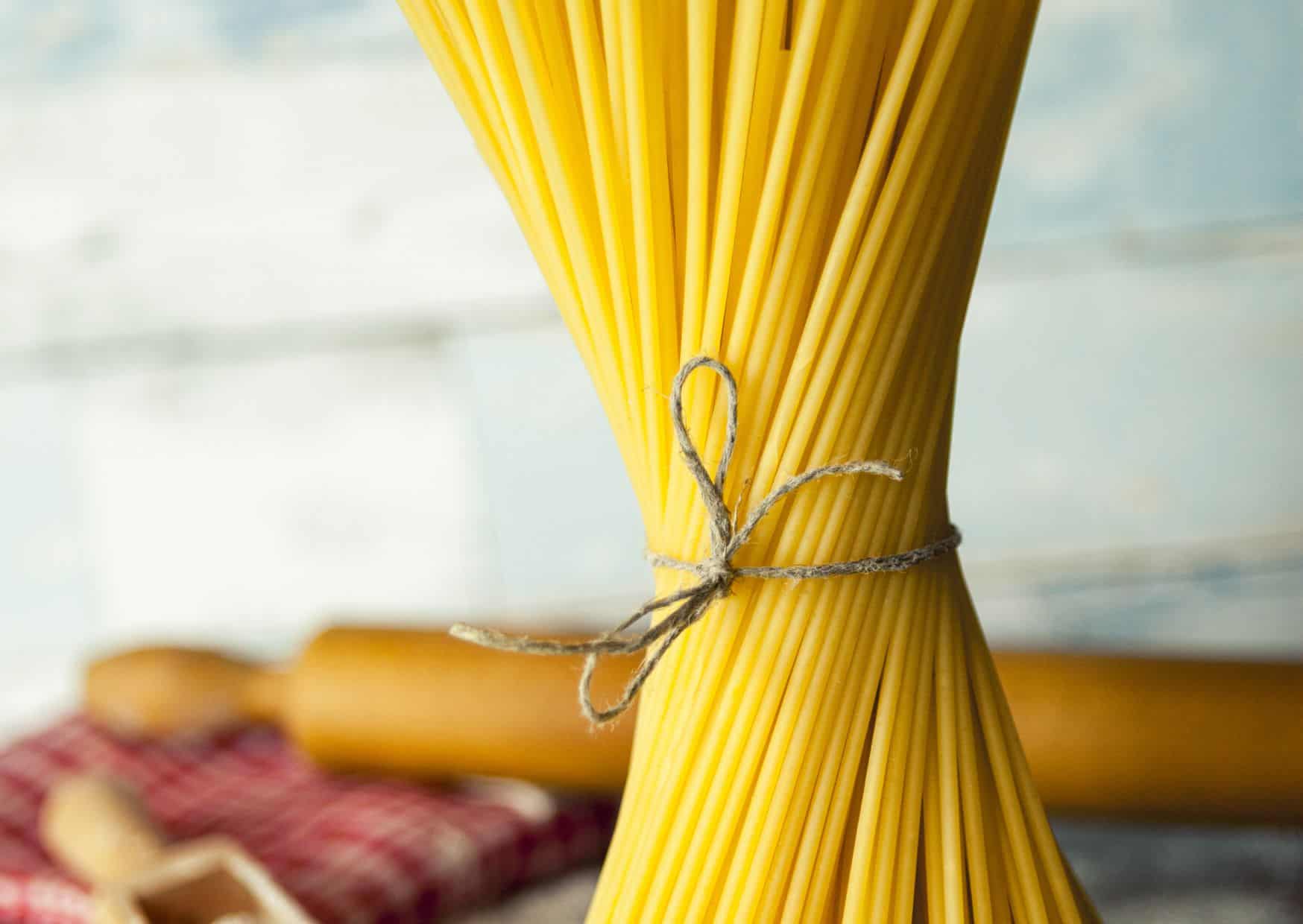
8 oz cooked pasta (spaghetti, linguine, or bucatini work well)
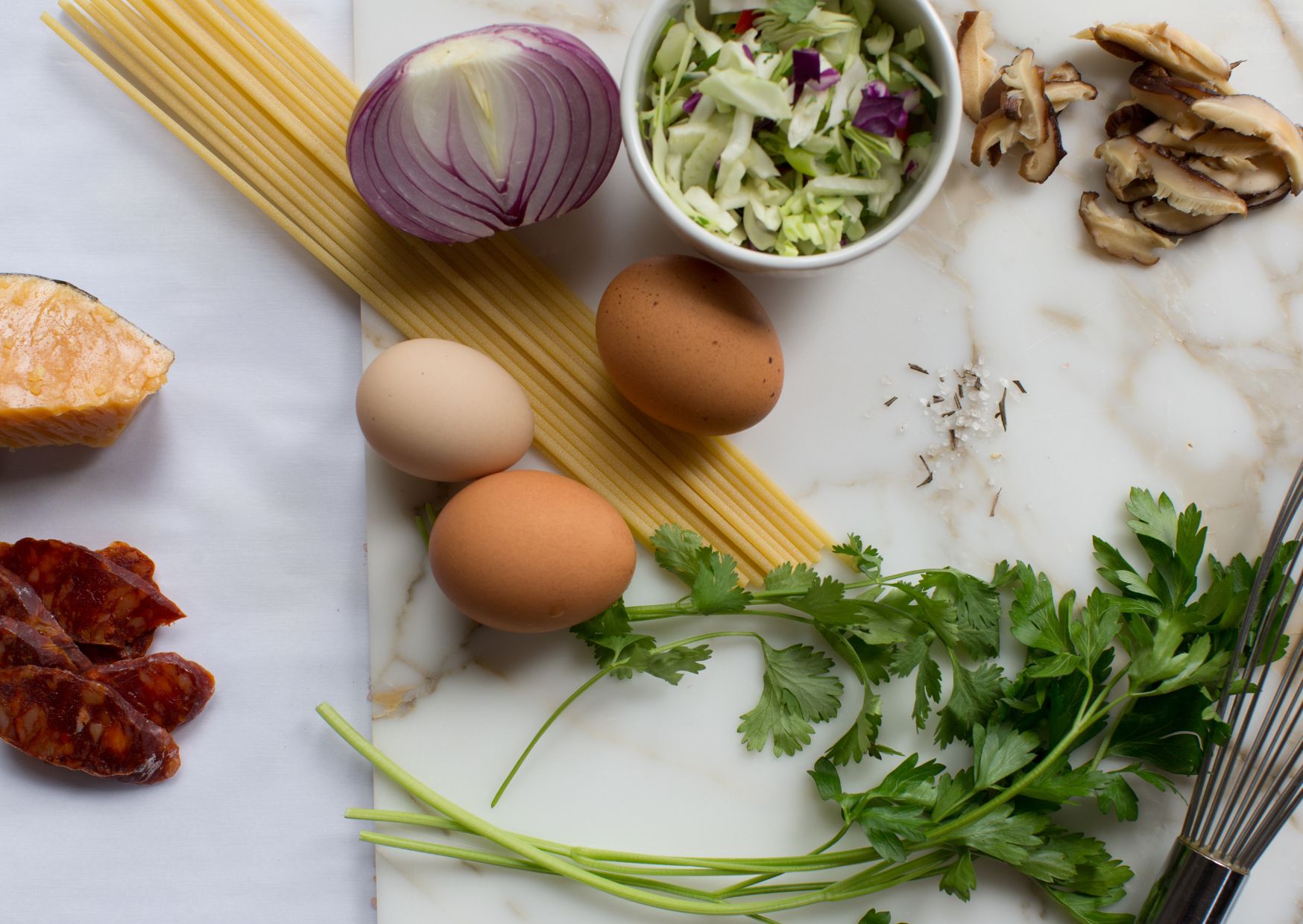
6 large eggs
1/2 cup grated Parmesan or Pecorino Romano cheese
1/2 cup shredded mozzarella (optional for gooey texture)
1/4 cup milk or cream (optional, for fluffier texture)
1/2 teaspoon salt
1/4 teaspoon black pepper
2 tablespoons olive oil or butter
Get the best deals for your home and kitchen needs
Step By Step How to Make Frittata di Pasta
Prep the Pasta
Use leftover cooked pasta (plain or lightly sauced). If fresh, cook 8 oz pasta until al dente, drain, and cool slightly.
Make the Egg Mixture
In a large bowl, beat eggs with cheese, salt, pepper, and milk (if using). Stir in pasta until evenly coated. Add any optional fillings now.
Cook the Frittata
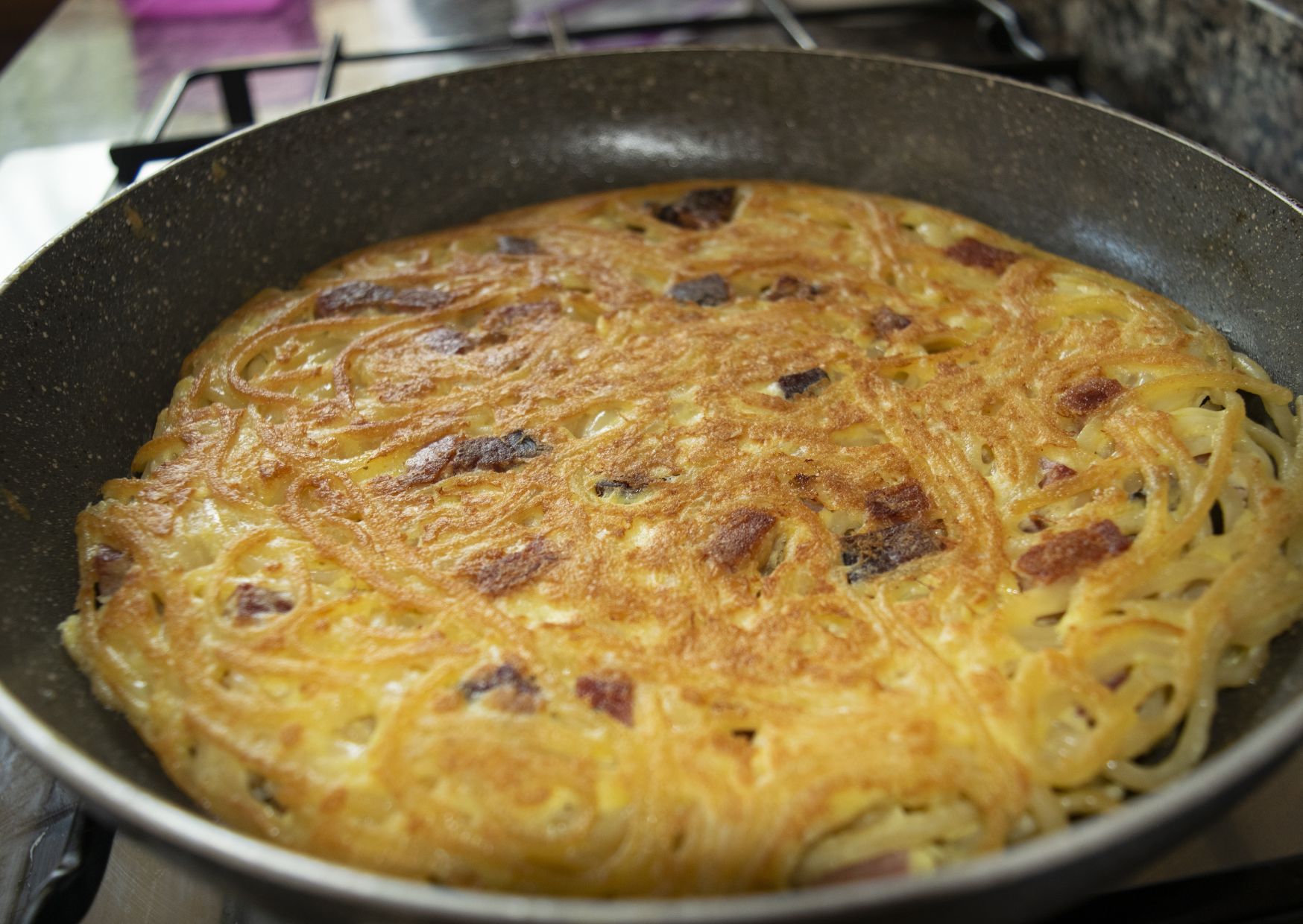
Heat olive oil or butter in a large nonstick or cast-iron skillet over medium heat. Pour in the pasta mixture and press gently into an even layer. Cook for 6–8 minutes, until the bottom is golden and set.
Flip it
Place a plate over the pan and flip the frittata onto it. Slide it back into the pan, uncooked side down. Cook another 4–5 minutes until set and golden.
Or you can preheat broiler and place skillet under for 2–3 minutes, until top is firm and lightly browned.
Rest, Slice & Serve
Let it sit for 5 minutes, then slice into wedges. Serve warm, room temp, or cold!
Tips To Make Frittata di Pasta
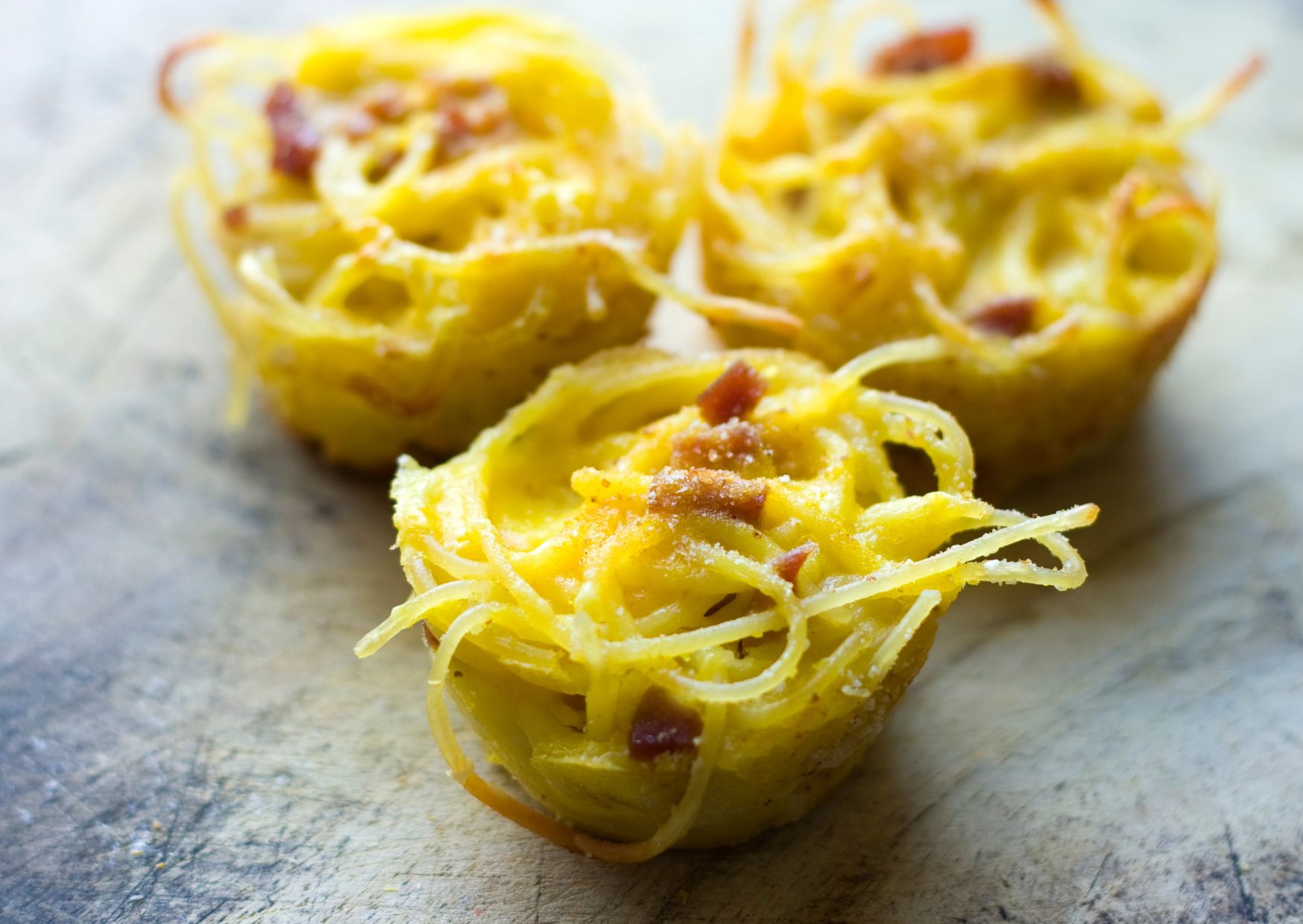
Don’t overcook the eggs—you want a golden crust and a soft center.
Use a nonstick or well-seasoned pan for easy flipping.
Make it your own: try leftover carbonara, amatriciana, or pesto pasta as a base.
Perfect for picnics or packed lunches—it travels well and can be made ahead.
Delicious Variations
Meaty: Add cooked pancetta, sausage, or prosciutto.
Vegetarian: Toss in sautéed zucchini, spinach, or roasted red peppers.
Spicy: Add red pepper flakes or hot Italian sausage.
Herby: Finish with fresh basil or parsley.
How Many Calories Have Frittata di Pasta
Calories: ~280
Protein: 14g
Fat: 16g
Carbs: 20g
Fiber: 1g
Sugar: 1g
Sodium: ~380mg
Origin and History
The pasta frittata, or frittata di pasta, is one of Italy’s most brilliant and resourceful culinary inventions. Born out of necessity rather than luxury, it originated in southern Italy, particularly in Naples, where wasting food was never an option. Families would often find themselves with leftover pasta after a big meal too little to serve again, but too much to throw away. The solution was simple and ingenious: mix the pasta with eggs, cheese, and a few pantry staples, then fry it into a golden, hearty omelet.
Historically, this dish became popular among workers and travelers who needed portable, filling meals. It was easy to make, packed with protein and carbohydrates, and could be eaten hot or cold. Street vendors in Naples even sold slices of pasta frittata wrapped in paper, turning it into an early version of Italian street food. Over time, it became a staple in home kitchens, especially after Sunday lunches when leftover spaghetti or rigatoni was common.
Today, pasta frittata is more than just a thrifty way to use leftovers it’s a beloved comfort food that symbolizes Italian practicality and flavor. It represents the spirit of la cucina povera the “poor kitchen” a philosophy that transforms simple ingredients into something extraordinary.
Despite its humble origins, pasta frittata sparks surprising debate among Italians. The first controversy revolves around ingredients. Purists argue that true pasta frittata should contain only eggs, leftover pasta, Parmigiano cheese, salt, and pepper. Others believe creativity should take precedence, adding ingredients like ham, mozzarella, peas, or even vegetables. The disagreement reflects the broader Italian culinary philosophy strict regional tradition versus flexible adaptation.
Another hot topic is technique. Some insist the frittata must be fried on both sides in a skillet, flipped midway to achieve a crispy exterior and creamy interior. Others prefer baking it in the oven for an even texture. The stovetop version is undeniably traditional, but the oven-baked version appeals to modern cooks seeking convenience and less risk of a messy flip.
Even the choice of pasta divides opinions. Long spaghetti lovers say it gives the dish the perfect bite and texture, while fans of short pasta argue that shapes like penne or rigatoni hold the egg mixture better. In true Italian fashion, every household claims their way is the only “right” way and that’s exactly what keeps the conversation (and the recipe) alive.
How Long You Take to Prepare
One of the best things about pasta frittata is how effortless it is. From start to finish, you’ll need about 25 to 30 minutes a perfect weeknight meal or brunch solution. If you already have leftover pasta, most of the work is done before you even start. Simply whisk together eggs, grated Parmigiano or Pecorino cheese, a splash of milk or cream if you prefer a fluffier texture, and seasonings.
Toss the cooked pasta into the egg mixture, ensuring it’s evenly coated. If the pasta was refrigerated, you can briefly warm it or let it come to room temperature for even cooking. Heat olive oil or butter in a nonstick skillet, pour in the mixture, and cook over medium heat until the bottom sets. Then comes the moment of truth flip it carefully using a plate, or transfer it to the oven to finish cooking under the broiler for a few minutes.
The entire process is quick, satisfying, and nearly foolproof. The beauty of the dish lies in its flexibility: whether you’re using carbonara leftovers, tomato-based spaghetti, or even creamy Alfredo, each version brings a new twist to the frittata.
Serving Suggestions
Pasta frittata is as versatile as it is delicious. Serve it hot for a satisfying main course, or let it cool and slice it into wedges for picnics, lunchboxes, or appetizers. Its texture crispy on the outside, tender inside makes it ideal for any temperature. A drizzle of extra virgin olive oil or a sprinkle of fresh herbs like parsley or basil adds a fresh, aromatic finish.
Pair it with a simple green salad or roasted vegetables for a complete meal. If you’re serving it for brunch, it pairs wonderfully with crusty bread and a glass of Prosecco or a light red wine. For breakfast, try it alongside espresso and fruit it’s a surprisingly hearty alternative to typical morning fare.
In Italian households, pasta frittata often reappears the next day as a snack or quick lunch. Some even stuff it into sandwiches, creating the ultimate comfort food-on-the-go. However you serve it, this humble dish proves that leftovers can taste like luxury when prepared with heart.
Final Thoughts
Pasta frittata isn’t just a recipe it’s a story of tradition, ingenuity, and the Italian belief that nothing in the kitchen should ever go to waste. It turns what many would discard into a golden masterpiece that’s hearty, flavorful, and endlessly adaptable. Few dishes capture the resourceful spirit of Italian home cooking as beautifully as this one.
Cooking a pasta frittata teaches you something valuable about Italian cuisine: simplicity is strength. You don’t need rare ingredients or complicated techniques to create something memorable just good quality staples, a bit of creativity, and the confidence to trust your instincts.
In a world where takeout and convenience often overshadow tradition, pasta frittata reminds us that real comfort food is made with what we already have. It’s affordable, nostalgic, and deeply satisfying a perfect representation of how Italy continues to turn everyday moments into unforgettable meals.

About the Author: Ruben, co-founder of Gamintraveler.com since 2014, is a seasoned traveler from Spain who has explored over 100 countries since 2009. Known for his extensive travel adventures across South America, Europe, the US, Australia, New Zealand, Asia, and Africa, Ruben combines his passion for adventurous yet sustainable living with his love for cycling, highlighted by his remarkable 5-month bicycle journey from Spain to Norway. He currently resides in Spain, where he continues sharing his travel experiences with his partner, Rachel, and their son, Han.