
And what it reveals about privacy, tourism fatigue, and the limits of freedom when you’re not at home
American travelers arriving in Amsterdam are often struck by the city’s charm. The canals. The bikes. The windowlit cafés and impossibly pretty townhouses. The tulips, the stroopwafels, the postcard views around every corner.
And of course — the impulse to document it all.
Click. Click. Click.
Phones held high. Cameras out. Tripods balanced on narrow bridges. Selfies in front of windows, near bicycles, beside doors that are clearly someone’s actual front entrance.
In the U.S., this behavior is mostly accepted if occasionally annoying. Public space is fair game. If someone doesn’t want to be photographed, they’re expected to step out of the shot or speak up.
But in Amsterdam, particularly in certain neighborhoods, this attitude is being met with growing resistance. And in some areas, it’s not just discouraged it’s illegal.
Here’s why American tourists are increasingly caught off guard by the city’s photo bans, and what those rules reveal about the growing tension between tourism and daily life in Europe’s most visited neighborhoods.
Want More Deep Dives into Everyday European Culture?
– Why Europeans Walk Everywhere (And Americans Should Too)
– How Europeans Actually Afford Living in Cities Without Six-Figure Salaries
– 9 ‘Luxury’ Items in America That Europeans Consider Basic Necessities
Quick Easy Tips
Always check signage in red-light districts and residential areas before taking photos.
Avoid pointing your camera at locals, especially workers in sensitive or protected zones.
Use discretion and ask for permission — not every scenic shot is fair game in Amsterdam.
Most American tourists visiting Amsterdam are unaware that in some parts of the city especially the Red Light District taking photos is not only considered disrespectful, but illegal. What may seem like a harmless snapshot to show friends back home is actually a violation of privacy, dignity, and local law. The controversy stems from clashing values: while Americans often assume public spaces are open to unlimited documentation, Amsterdam prioritizes community protection over tourist convenience.
This isn’t just about decency it’s about historical exploitation. For decades, sex workers in the Red Light District have been photographed without consent, their images shared online or mocked on social media. In response, the city instituted strict bans, surveillance, and on-the-spot fines for offenders. To locals, the issue is one of respect and human rights; to many visitors, it’s a shocking restriction that feels over-policed or overly sensitive. But calling it “just a photo” ignores the deeply rooted tension behind the rule.
The clash reflects a bigger cultural misunderstanding between tourists and locals: Americans often believe that access equals entitlement, especially when it comes to photography in Europe. Yet in Amsterdam a city long burdened by overtourism the goal is preservation, not exploitation. Locals aren’t being prudish; they’re protecting themselves from being treated like zoo animals in their own neighborhoods. It’s a powerful example of how tourism needs to evolve with empathy.
1. The Red Light District Is Not a Tourist Attraction — It’s a Working Neighborhood
For decades, tourists have walked through Amsterdam’s De Wallen — the famed Red Light District — snapping photos of its narrow alleyways, neon windows, and street life. Some think of it as adult entertainment. Others treat it like a novelty.
But for the sex workers behind those windows, the tourists aren’t charming — they’re intrusive, disrespectful, and sometimes aggressive.
As a result, the city implemented a strict photo ban: it is illegal to take photos or videos of sex workers, their windows, or the surrounding areas where they work.
Many American tourists don’t realize this. They lift their phones for a quick shot — and are shocked when they’re approached by local law enforcement or fined on the spot.
The fine? Up to €150. No warning. No debate.
2. “I Didn’t Know” Doesn’t Work Here
In the U.S., pleading ignorance often buys you time — or leniency. Not here.
Amsterdam’s authorities have made it clear: tourists are expected to know the rules. Signs are posted. Flyers are distributed. Tourist information centers mention it. Walking tours include reminders.
If you’re in the Red Light District with your phone out and pointed at a window, you are violating someone’s dignity — and possibly the law.
This rule doesn’t just exist to protect people’s privacy. It exists because locals are fed up.
3. It’s Not Just the Red Light District — Locals Are Tired of Being Filmed
While the formal ban is strongest in the Red Light District, the larger sentiment has expanded. Many neighborhoods across Amsterdam are pushing back against invasive tourist photography — especially in residential zones.
Tourists routinely lean over garden walls, snap pictures of someone’s front stoop, or stage photoshoots in front of homes without asking permission.
To locals, this is not admiration. It’s entitlement.
And while there may not be a fine outside the Red Light Zone, don’t be surprised if someone closes their curtains in your face — or tells you to put the phone away.
4. “But It’s a Public Street” Isn’t a Free Pass in Europe
In the U.S., the concept of photographing anything in public is generally protected. If you’re on a public street, you can shoot what you want. If someone walks into your shot, that’s their problem.
In the Netherlands — and much of Europe — privacy doesn’t end at the property line.
Residents have the right to live without being documented by strangers. This includes protection against unwanted images — especially if shared publicly or monetized.
Even filming a street musician or photographing a private residence could spark confrontation, depending on how it’s done.
5. Social Media Is Fueling the Crackdown
Tourists in 2025 are not just taking personal snapshots. They’re building content — for YouTube, TikTok, Instagram. And many are doing it at the expense of real communities.
Posing in front of private doors. Filming without consent. Giving live commentary in hushed neighborhoods.
The result? Residents who feel like extras in someone else’s performance — in their own city.
Amsterdam has responded by increasing signage, launching awareness campaigns, and encouraging locals to report content creators who violate privacy norms.
6. Tourism Fatigue Is Real — And Being Taken Seriously
Amsterdam receives millions of visitors each year, many crammed into just a few central neighborhoods. That density comes at a cost.
Locals report overcrowding, noise, litter, and constant disruption — often for the sake of someone else’s vacation photo.
The photo ban isn’t just about privacy. It’s part of a larger shift: preserving dignity, protecting residential life, and redefining boundaries in a city that has been loved nearly to death.
7. Consent Still Matters — Even in a Picturesque City
One of the core cultural differences between American and Dutch norms is this: in the U.S., there’s an assumption that if it’s beautiful and in public, it’s up for grabs.
In the Netherlands, beauty does not equal access.
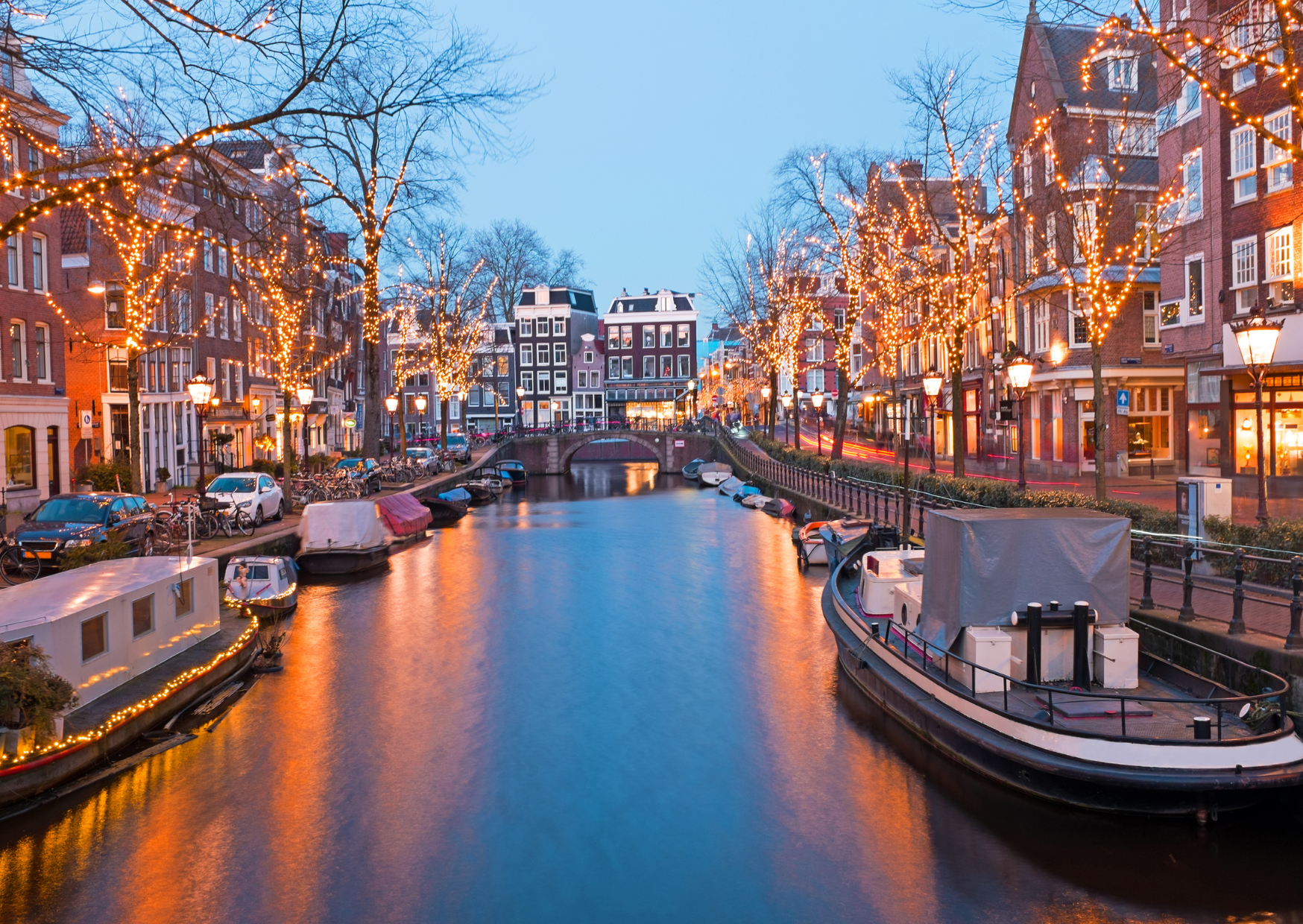
Just because someone lives in a charming canal house with flower boxes and antique shutters doesn’t mean you’re entitled to photograph their breakfast through the window.
And just because a neighborhood looks like a film set doesn’t mean the people living there signed up to be in your video montage.
8. Residents Are Fighting Back — Creatively and Legally
In response to persistent tourism behavior, some Amsterdam residents have started staging photo traps — setting up decoy shots that lead tourists into awkward or fruitless images.
Others have installed signs in windows: “This is not a museum. Please respect our privacy.”
Some have gone further, filing legal complaints against influencers or content creators who violate filming bans.
This isn’t hostility. It’s self-protection — in a city where beauty has become both a blessing and a burden.
9. The City Doesn’t Want to Ban Photography — But It Will Draw a Line
Amsterdam understands that it’s photogenic. The city depends on tourism. It’s not anti-photo. It’s anti-invasive photography.
The difference is clear:
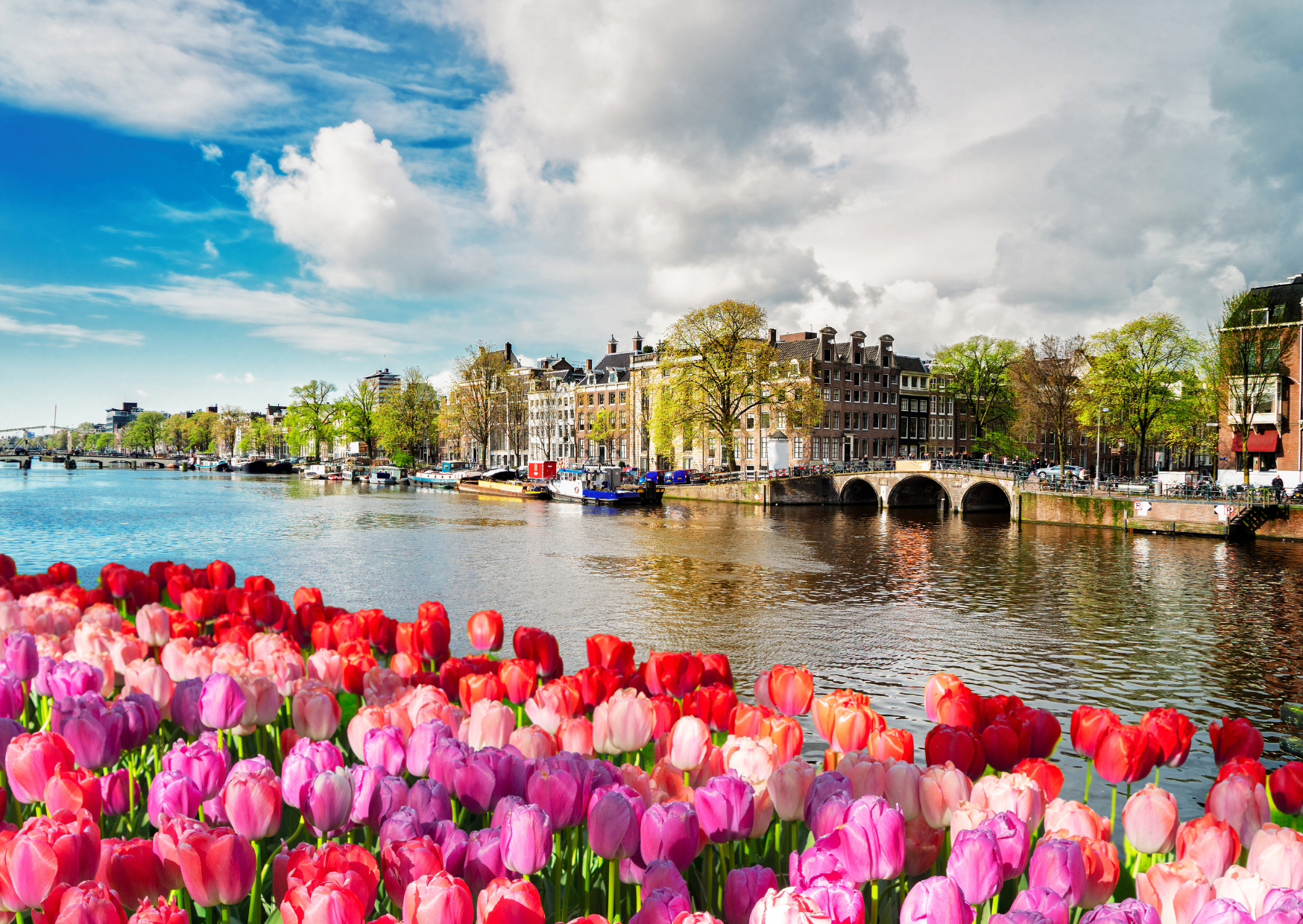
Take a photo of a canal, a flower stand, a waffle — great.
Point your phone into someone’s home, film someone working, take photos in restricted zones — not okay.
The photo ban in Amsterdam isn’t about denying beauty. It’s about defending dignity — a concept that more American tourists need to understand before they press record.
One Trip, Two Expectations
To American travelers, Amsterdam can feel like a visual playground. Every detail is Instagrammable. The impulse is to capture it all.
To Amsterdammers, the constant documentation feels like a violation — of space, of privacy, of the right to go about one’s day without being filmed by strangers.
In the U.S., the phone is a tool of freedom.
In Amsterdam, it’s a reminder that freedom isn’t one-sided.
So if you find yourself wandering the city this year, and you see a perfect shot — pause. Ask if it’s worth it. Ask if the people around you consented to be part of your memory.
Because if you don’t, Amsterdam might answer for them — with a fine, a glare, or a closed curtain you never meant to cross.
Amsterdam is still one of the most open and tolerant cities in the world, but that openness does not extend to unregulated photography. Travelers must understand that their lens can sometimes do real harm, especially in communities that have long been objectified. Being a respectful guest means learning not resisting the rules of the place you’re visiting.
The good news is that respecting the photo ban won’t ruin your experience it may actually deepen it. Without the barrier of your camera, you may engage more, observe more, and connect more authentically with the city and its people. Not everything needs to be posted or posed. Some moments are richer when left undocumented.
Ultimately, knowing about Amsterdam’s photo ban before you travel is about more than avoiding fines. It’s about shifting from a passive observer to a conscious traveler. If tourism is to be sustainable, it must be rooted in respect even when the rules surprise us. Especially then.

About the Author: Ruben, co-founder of Gamintraveler.com since 2014, is a seasoned traveler from Spain who has explored over 100 countries since 2009. Known for his extensive travel adventures across South America, Europe, the US, Australia, New Zealand, Asia, and Africa, Ruben combines his passion for adventurous yet sustainable living with his love for cycling, highlighted by his remarkable 5-month bicycle journey from Spain to Norway. He currently resides in Spain, where he continues sharing his travel experiences with his partner, Rachel, and their son, Han.
Mary
Wednesday 15th of October 2025
This is so important, so true, and so very underreported. Everything you said about overtourism is familiar and galling to me.
I live in and am part of a European community that is a minority language area, and therefore very popular with tourists wanting a "real" cultural experience, that they can then invade, video record, and publish on social media. Their friends then come too, and want their videos too. One of the results is a deep erosion of the culture, as the indigenous language speakers avoid public gatherings. They don't want their language, their culture, and their gatherings being displayed to the world. They don't want their gatherings overrun with strangers. They don't want to be famous! I have been approached in public by people who saw a video of me online, and figure this gives them the right to be friendly with me, and further that their friendliness entitles them to demand something from me. I was chased through the grocery store by an American man who saw me performing, and just wanted to just ask me something that was very important to him!
Because I do not want to be stalked, I, and many others, no longer perform in public at all. My defection, and that of others, means that a large part of the local culture is vanishing, because of overtourism, and its accompanying attitude that the world is tourist Disneyland, and the locals merely cast members therein. It also means that the places where the language is shared are being deserted. The result: the death of the language accelerates.
The aggressive documentation of local life is sometimes supported by those who have moved into the area to make money or to gain status off tourism, so there's often lots of encouragement for the invaders. Bilbury, in the Cotswolds, is a perfect example of a few beneficiaries wanting to mine the lives of those around them to their own benefit. The AirBnB host of the man who chased me through the grocery store chided me for not being nice enough to his guest. I'm a woman. I am not friendly with strange men who approach me in public wanting something!
I hope the Netherlands expands on Amsterdam's example, because no one should have to police their own front stoop, or live with the blinds shut. Aggressive photography is a public harm, and no one has an entitlement to it. It might be better to forbid unlicensed photography everywhere but permitted areas. I suspect that would eliminate a large part of the other overtourism issues as well. Regardless, someone said it, at last. Thank you.