

I didn’t quit sugar. I stopped letting sugar run my calendar.
That’s the French part people miss. It’s not moral purity. It’s containment. Sweet things exist, but they have a time and a place, and they don’t get to wander around the day like an emotional support animal.
Before this, my A1C was 6.4. Prediabetes territory. The kind of number that makes you feel like your body is quietly filing paperwork against you.
Thirty days later, my lab showed 5.8.
I stared at it like it belonged to someone else, because everyone learns the same thing about A1C: it reflects the last 2 to 3 months, so why would it move that fast? It can, because A1C is more influenced by recent weeks than most people realize, but I still made sure nothing weird was going on with the test.
The bigger point is not that my body performed a magic trick.
It’s that the change wasn’t complicated. It was structural.
I stopped eating sugar in ways that made my blood sugar spike all day, then crash, then demand a rescue snack.
I copied the French rhythm: sugar as punctuation, not background noise.
What I mean by “the French approach,” without turning it into mythology

Let’s be honest about France: people eat pastries. People drink wine. People aren’t counting almonds in a baggie.
The difference is how sugar behaves in the day.
In the American pattern, sugar is everywhere and it’s lonely. It shows up in coffee drinks, protein bars, sauces, cereal, snacks at the gas station, late-night ice cream. It’s constant, and it’s often eaten alone, which makes it hit fast.
In the French pattern, sugar is more likely to be:
- scheduled (dessert after a meal, not random)
- smaller (one pastry, not a pastry plus a sweet drink plus a “little treat” later)
- paired (with a meal that includes protein and fat, so it lands slower)
- less liquid (sweet drinks are not the default)
That last one is the quiet killer. Liquid sugar is efficient chaos.
So my “French sugar” rules were simple:
- No sweet drinks. None. No juice, no sweetened coffee drinks, no “healthy” bottled tea.
- Dessert only with lunch, max one portion.
- No sweet snacks between meals.
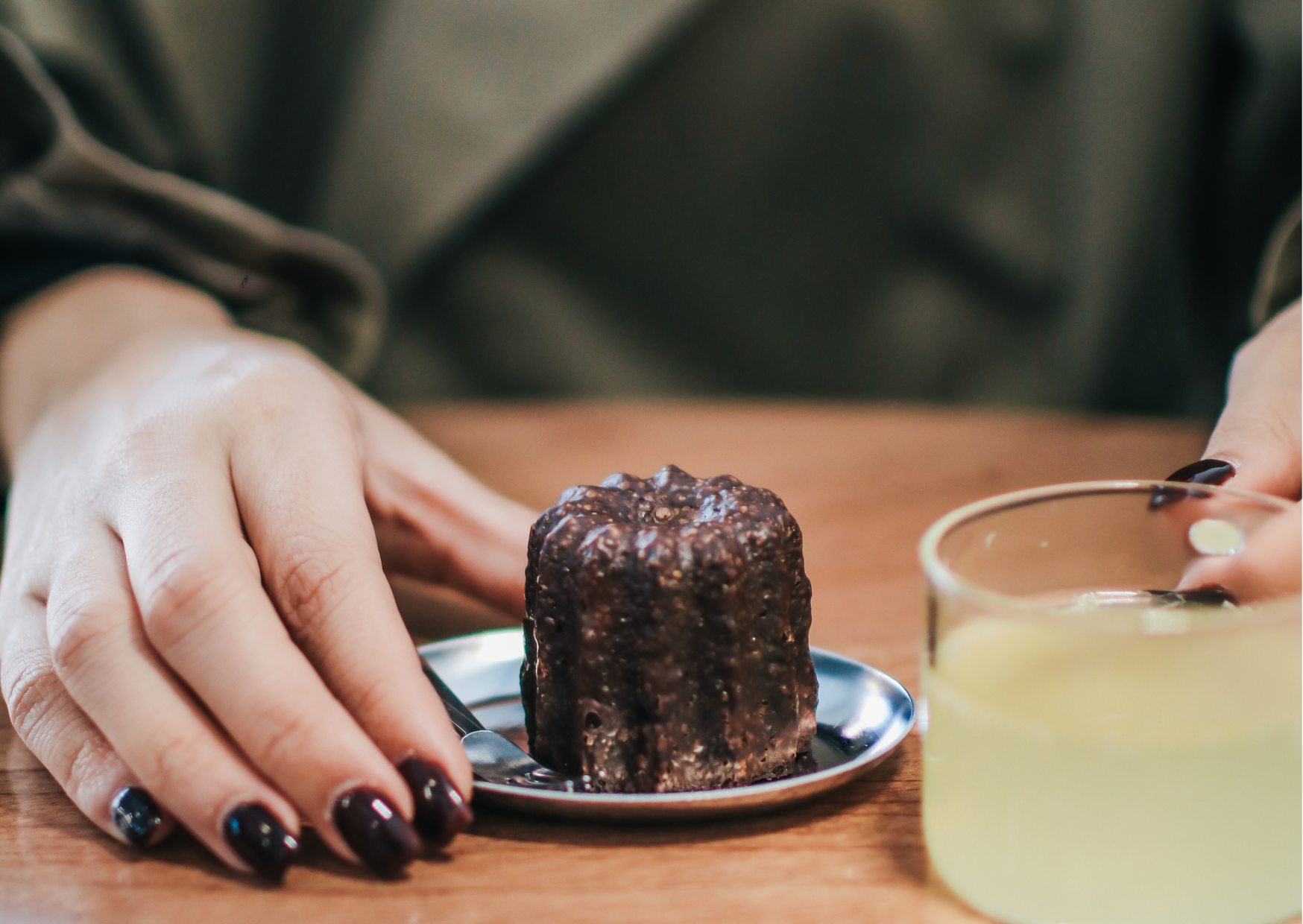
- If I wanted something sweet, it had to be worth it: a proper pastry from a bakery, dark chocolate, or fruit. Not whatever was closest.
I didn’t need to become French. I needed sugar to stop behaving like a constant drip.
The baseline: what my sugar life actually looked like before

The lie people tell themselves is: “I don’t eat that much sugar.”
Then you write it down for a week and realize sugar is just wearing disguises.
My “before” pattern was extremely normal, which is why it’s dangerous. Nothing looked outrageous. It was the frequency.
A typical weekday looked like:
- Breakfast: coffee plus something “quick”
Usually cereal, granola, toast with jam, or a flavored yogurt - Mid-morning: fruit or a bar
- Lunch: normal meal, sometimes with dessert
- Afternoon: coffee and something small
- Dinner: normal meal
- Late evening: a little chocolate, or cereal, or “just a few cookies”
It wasn’t a single sugar bomb. It was seven small sugar taps.
Also, I didn’t drink soda, which is the classic villain, but I did drink “healthy” things that were basically sweet drinks with better branding.
This is where Europe and the U.S. differ in a very practical way: labels.
In the EU, nutrition panels usually list “carbohydrates” and then “of which sugars”. They don’t always separate “added sugars” the way U.S. labels do. So the rule I used was ingredient-based, not macro-based.
If the ingredients list included things like:
- glucose-fructose syrup
- dextrose
- maltodextrin
- syrup, concentrate, or “sweetened” anything
I treated it like a sugar product, even if it was pretending to be healthy.
The “French approach” isn’t ignorance. It’s selectivity.
The 30-day structure: the exact schedule that made this doable
This worked because I didn’t try to improvise it.
I kept the same meal times every day, because Timing beats willpower when life gets busy.
Here’s the schedule I followed:
- Breakfast at 08:30 to 09:30: savory or neutral, no sweet start
- Lunch at 13:30 to 14:30: main meal, dessert allowed here
- Coffee at 16:30: unsweetened, with a planned snack if needed
- Dinner at 20:00 to 21:00: normal meal, no dessert
- Kitchen closed after dinner
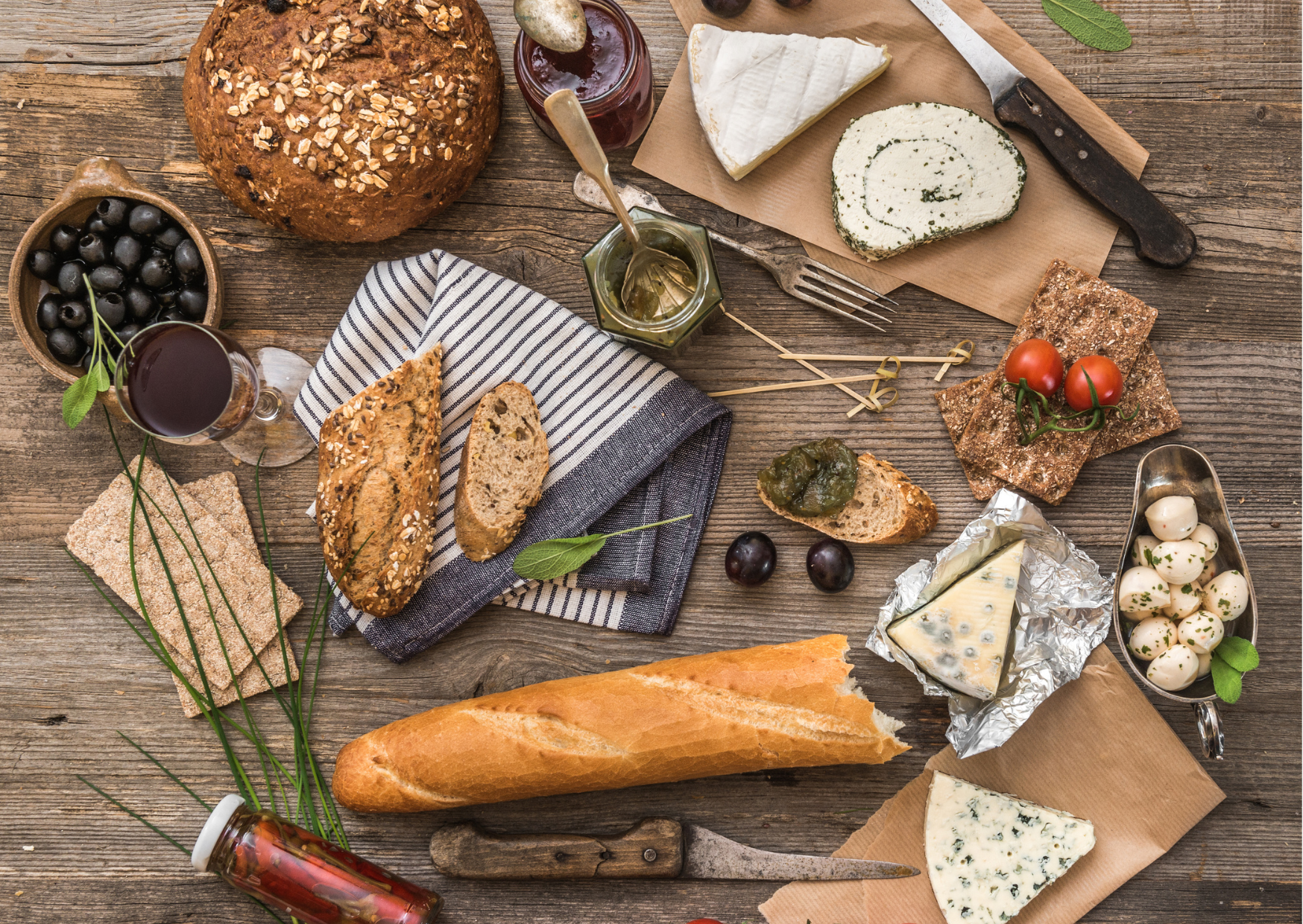
The actual food wasn’t extreme. It was Spain-meets-France practicality.
Breakfast options that kept me stable:
- Plain yogurt with fruit and a handful of nuts
- Eggs and toast
- Tomato toast with olive oil
- Cheese and fruit
- Leftovers if that’s what the day required
Lunch stayed normal:
- Legumes a few times a week
- Rice, potatoes, bread in reasonable amounts
- Fish, eggs, chicken, or a bit of pork
- A salad or vegetables almost always
Dessert at lunch was one of:
- One pastry, not a pastry plus a drink
- A couple squares of 70% dark chocolate
- Fruit and yogurt
Dinner stayed simple:
- Soup, salad, eggs, fish
- Smaller portion than lunch
- No sweet finish
The biggest change wasn’t “less sugar.” It was fewer blood sugar waves.
When you stop making your pancreas do customer service all day, everything calms down.
What changed in the first 10 days, before the lab result
This is where people quit, because the first week can feel emotionally weird.
You don’t realize how much sugar is used as:
- a break from work
- a reward for surviving the day
- a soft landing at night
So the first 10 days were mostly psychological withdrawal, not physical hunger.
Three changes showed up quickly:
- Afternoon cravings got quieter
Not gone. Quieter. The urge to “fix” the 16:00 slump with sugar dropped fast once lunch was steady and sweet drinks were gone. - Sleep improved
Not dramatically, but enough that mornings felt less hostile. I wasn’t ending the day with sugar and then trying to sleep through the aftershock. - Reflux symptoms eased
This wasn’t a miracle cure. It was simply fewer late-night snacks and fewer sweet drinks.
The most important practical trick was the 16:30 coffee rule.
Coffee stayed. Sugar in coffee did not.
If I needed food at that time, it was something boring:
- nuts and fruit
- a plain yogurt
- a small sandwich
That snack was not a reward. It was a bridge. Once I treated it like a bridge, dinner stopped turning into a hunger event.
The A1C problem: how could it drop in 30 days?
This is the part that needs adult honesty.
A1C is widely described as reflecting average blood glucose over the past 2 to 3 months, because it tracks glucose attached to hemoglobin over the lifespan of red blood cells. That’s the standard explanation you’ll find in clinical sources.
But A1C is also weighted toward recent weeks. Multiple clinical education sources note that roughly half of the A1C value can reflect glucose exposure in the preceding 30 days, with the remainder reflecting earlier weeks.
So yes, it can move within a month if your daily glucose pattern changes sharply.
What I did to keep this credible:
- I took the lab test at the same type of clinic, same morning window.
- I didn’t change medications, because I wasn’t on glucose-lowering meds.
- I checked basic blood work history and didn’t have signs of anemia issues that can distort A1C interpretation.
And I didn’t pretend this is the typical timeline. Even the American Diabetes Association recommends A1C measurement about every 3 months when adjusting therapy or assessing control, which tells you the standard expectation for meaningful tracking is longer than 30 days.
But the drop happened, and it lined up with what I felt: fewer crashes, fewer cravings, steadier energy.
In plain language: my month got less spiky.
What I actually ate and drank: the sugar swaps that mattered

This was not a “keto” month. Bread stayed. Potatoes stayed. Rice stayed. Fruit stayed.
The lever was sugar form and timing.
Sweet drinks went to zero
This included:
- juice
- sweetened iced tea
- sweetened coffee drinks
- “healthy” bottled smoothies
If you want one change with the highest payoff, it’s this one. Liquid sugar is fast, and it doesn’t satisfy hunger the way food does.
Breakfast stopped being sweet
No cereal. No granola. No flavored yogurt. No “healthy” bars.
If I wanted sweetness, it came from fruit or a small amount of chocolate later, with lunch.
Dessert became a single, planned thing
This is the French trick: dessert is allowed, but it’s not a roaming habit.
Examples that worked:
- One pain au chocolat, eaten slowly, after a real meal
- Two squares of 70% chocolate, not the whole bar
- Yogurt and fruit
The label habit that saved me from “healthy sugar”
In Spain, I started buying basics with short ingredient lists.
Things I looked for:
- yogurt that reads like milk and cultures
- chocolate where the first ingredient is cocoa mass, not sugar
- nut butters that are just nuts and salt
- bread that is bread, not dessert in disguise
This isn’t about purity. It’s about cutting hidden sugar that adds up without giving you joy.
Because that’s the worst sugar. The sugar you didn’t even enjoy.
The numbers at day 30, and what changed alongside them
Here’s what moved.
- A1C: 6.4 to 5.8
- Fasting glucose (home fingerstick average, not a single day): down about 12 to 18 mg/dL
- Weight: down 2.3 kg without chasing weight loss
- Waist: down 2 cm, which matters more than people want to admit
This was not a “transformation.” It was stabilization.
And it makes sense mechanistically. Lowering sugar-sweetened beverages and reducing free sugars is broadly aligned with major public health guidance, including WHO’s recommendation to reduce free sugars to less than 10% of total energy intake.
I wasn’t counting percentages. I was removing the most efficient sources of free sugars and containing dessert.
That’s it.
Also, a blunt safety note that matters: if you take insulin or medications that can cause low blood sugar, changing carbohydrate timing can be risky. The French approach is calm, but hypoglycemia is not calm. Talk to your clinician if meds are part of your life.
Common mistakes people make when they try to copy France
This is where people turn a useful cultural habit into a punishment plan.
- They cut sugar and replace it with constant “diet” snacks
Sugar goes down, snacking stays. Your glucose pattern can still be chaotic. The win is fewer eating windows, not endless substitutes. - They make dessert forbidden
Then they binge later. The French approach is the opposite: dessert is allowed, contained, and not used as a stress tool. - They keep sweet drinks because “it’s just one”
Sweet drinks are rarely just one. They’re the easiest habit to repeat, and the least satisfying. If you want the biggest lever, remove liquid sugar first. - They start with breakfast as a treat
A sweet breakfast can set up a day of cravings. A stable breakfast makes the rest easier. If you want to eat something sweet, do it after lunch, not as your first move of the day. - They try to do it perfectly and then quit
The realistic version is: five or six good days a week, one flexible day. The structure matters more than perfection. - They ignore the emotional reason they snack
Late-night sugar is often exhaustion, not hunger. If you don’t address that, you’ll keep finding sugar in new costumes.
Try it for 7 days without becoming a food weirdo
If you want to test this, don’t start with banning foods. Start with changing sugar’s job in your day.
Here’s the one-week version that doesn’t make you hate your life.
Day 1: Remove sweet drinks
Water, sparkling water, coffee, tea. That’s it.
Day 2: Make breakfast savory or neutral
Eggs, yogurt, cheese, toast with olive oil, fruit. Keep it steady.
Day 3: Put dessert after lunch only
One portion. Eat it slowly. Make it worth it.
Day 4: No sweet snacks between meals
If you need a snack, make it protein-ish or fruit plus nuts.
Day 5: Close the kitchen after dinner
This is where the cravings show up, and where the change is made.
Day 6: Pick one “French” sweet and enjoy it properly
A pastry from a bakery, a good chocolate, fruit and yogurt. No multitasking while eating it.
Day 7: Notice what got easier
Cravings, sleep, reflux, energy. Those are the early signals. A1C is slower, but the day-to-day tells you if the pattern is working.
If the week feels better, do another week. That’s how this becomes a normal life habit instead of a short-term challenge.

About the Author: Ruben, co-founder of Gamintraveler.com since 2014, is a seasoned traveler from Spain who has explored over 100 countries since 2009. Known for his extensive travel adventures across South America, Europe, the US, Australia, New Zealand, Asia, and Africa, Ruben combines his passion for adventurous yet sustainable living with his love for cycling, highlighted by his remarkable 5-month bicycle journey from Spain to Norway. He currently resides in Spain, where he continues sharing his travel experiences with his partner, Rachel, and their son, Han.