
Thai Red Curry is one of the most beloved dishes in Southeast Asian cuisine bold, creamy, spicy, and deeply comforting. It strikes a perfect balance between heat and sweetness, making it a favorite not only in Thailand but on tables around the world. But the good news? You don’t need a plane ticket or a takeout menu to enjoy it.
Homemade Thai red curry lets you take full control of the flavors, spice level, and freshness of your ingredients. With a few pantry staples like coconut milk, red curry paste, and fresh herbs, you can recreate the layers of flavor that give this dish its signature punch. It’s a flexible meal that welcomes chicken, tofu, shrimp, or even just vegetables and it all comes together in one pan.
What makes this dish truly special is the cultural experience built into every bite. Thai cuisine isn’t just about flavor it’s about balance, rhythm, and harmony. Cooking it at home gives you a glimpse into the Thai philosophy of food: spicy, sweet, salty, and sour dancing together with intention.
Read here best Thai food and best Thai Breakfast
Read here best sim card in Thailand, Thailand vs Philippines and Thailand travel tips
BOOK YOUR TRAVEL INSURANCE
Two of our favorite travel insurance: Heymondo Vs Safetwing cheapest travel Insurance. You can get for $135 USD your Heymondo Travel Insurance with Heymondo discount code valid for 90 days. Read our full comparison of Genki vs Safetywing Travel Insurance Review and the comparison Heymondo vs Genki
Why You’ll Love Thai Red Curry
Customizable: Works with a variety of proteins and vegetables.
Quick to Make: Ready in under 30 minutes.
Rich and Flavorful: Combines creamy, spicy, and tangy elements.
Nutritious: Packed with vegetables and lean protein.
Best Time to Eat & How to Partner It
Thai red curry is best enjoyed at lunch or dinner, ideally fresh from the stovetop while it’s hot and fragrant. It’s a comfort food that warms you from the inside, especially on cool evenings or after a long day. Pair it with jasmine rice to soak up the rich sauce, or opt for sticky rice if you want a more traditional Northern Thai twist.
As for drinks, Thai iced tea complements the dish’s heat beautifully with its creamy sweetness. If you prefer something less sugary, go for a crisp lager or sparkling water with lime. And if you’re planning a full meal, serve it alongside a crunchy green papaya salad or Thai spring rolls for texture and contrast.
Authentic Thai red curry requires one controversial decision for many home cooks: using store-bought curry paste vs. making it from scratch. While purists argue that fresh-ground ingredients offer unmatched depth, even locals in Thailand often rely on pre-made curry pastes for convenience. It’s not about laziness it’s about knowing where shortcuts are acceptable.
Another debate lies in how the dish is adapted in the West. Many Western versions are overloaded with sugar or cream to tame the spice, turning it into a heavy, overly sweet stew. In Thailand, red curry is bold but never cloying it should deliver a controlled burn, not just a blanket of sweetness. Stripping down your version to just a few high-quality ingredients can actually bring you closer to authenticity.
Finally, the meat question: Thai curry doesn’t have to be loaded with protein. In Thailand, it’s often about small portions of meat or tofu, not giant cuts of chicken breast. Americans are used to protein-heavy meals, but this dish is about sauce, herbs, and harmony. Changing your expectations is part of the experience and part of the joy.
How to Make Thai Red Curry
Thai Red Curry Recipe Ingredients
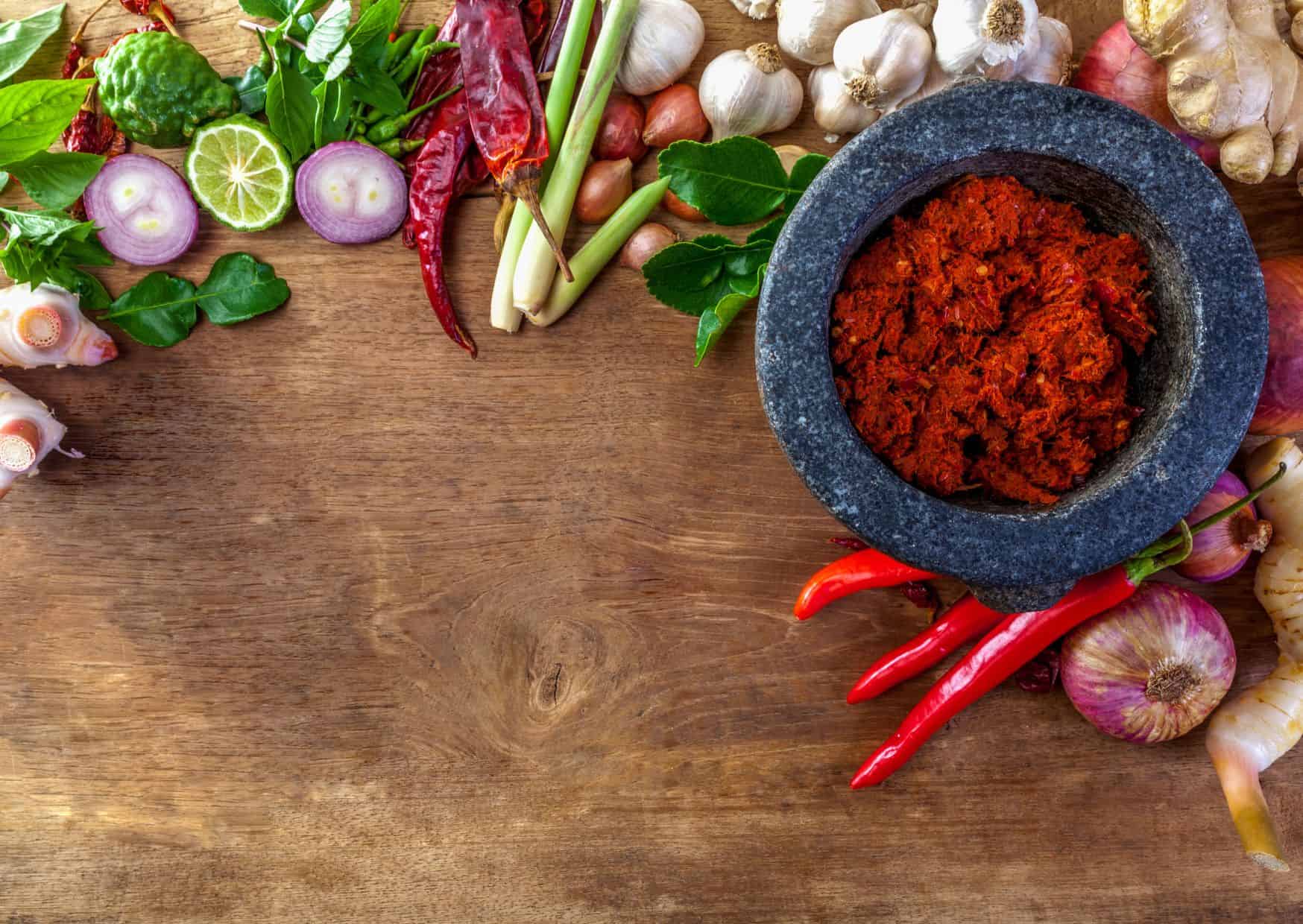
For the Curry:
2 tbsp red curry paste (adjust to taste)
1 tbsp vegetable oil
1 lb chicken breast or thighs, thinly sliced (or shrimp, tofu, or vegetables)
1 can (13.5 oz) coconut milk
1 cup chicken or vegetable broth
2 cups mixed vegetables (e.g., bell peppers, carrots, zucchini, green beans)
2 tbsp fish sauce (or soy sauce for a vegetarian option)
1 tbsp sugar (or palm sugar for authenticity)
1 tbsp fresh lime juice
1/2 cup Thai basil leaves (or regular basil)
1-2 red chilies, sliced (optional, for extra heat)
For Serving:
Steamed jasmine rice or rice noodles
Get the best deals for your home and kitchen needs
Step By Step How to Make Thai Red Curry
Prepare Ingredients
Slice the chicken (or other protein) into thin strips and chop the vegetables into bite-sized pieces.
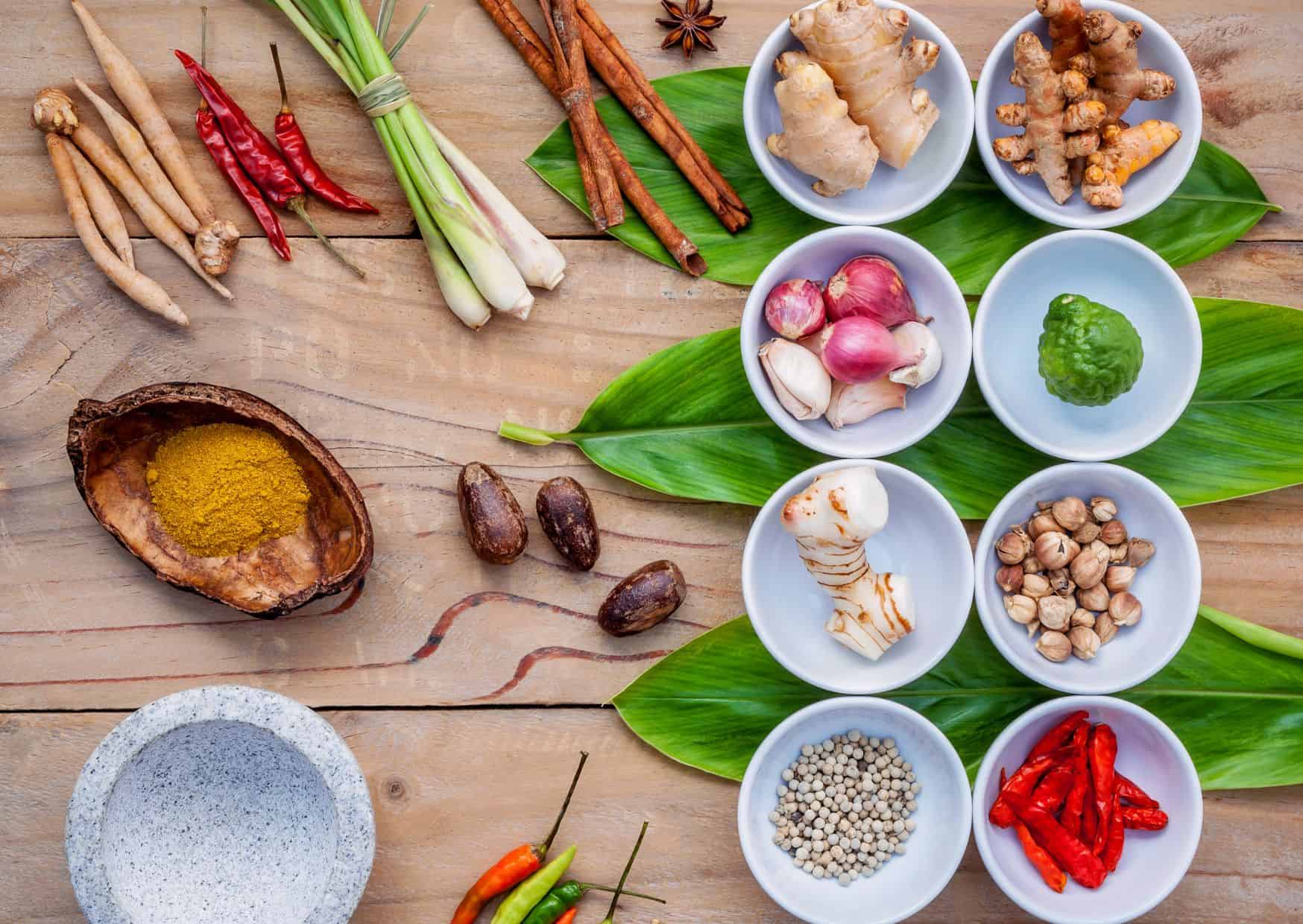
Cook the Curry Paste
Heat vegetable oil in a large skillet or wok over medium heat. Add the red curry paste and sauté for 1-2 minutes until fragrant. This releases the oils and intensifies the flavor.
Add Coconut Milk
Gradually stir in half of the coconut milk, mixing it with the curry paste until smooth. Simmer for 2-3 minutes until the oil starts to separate on the surface.
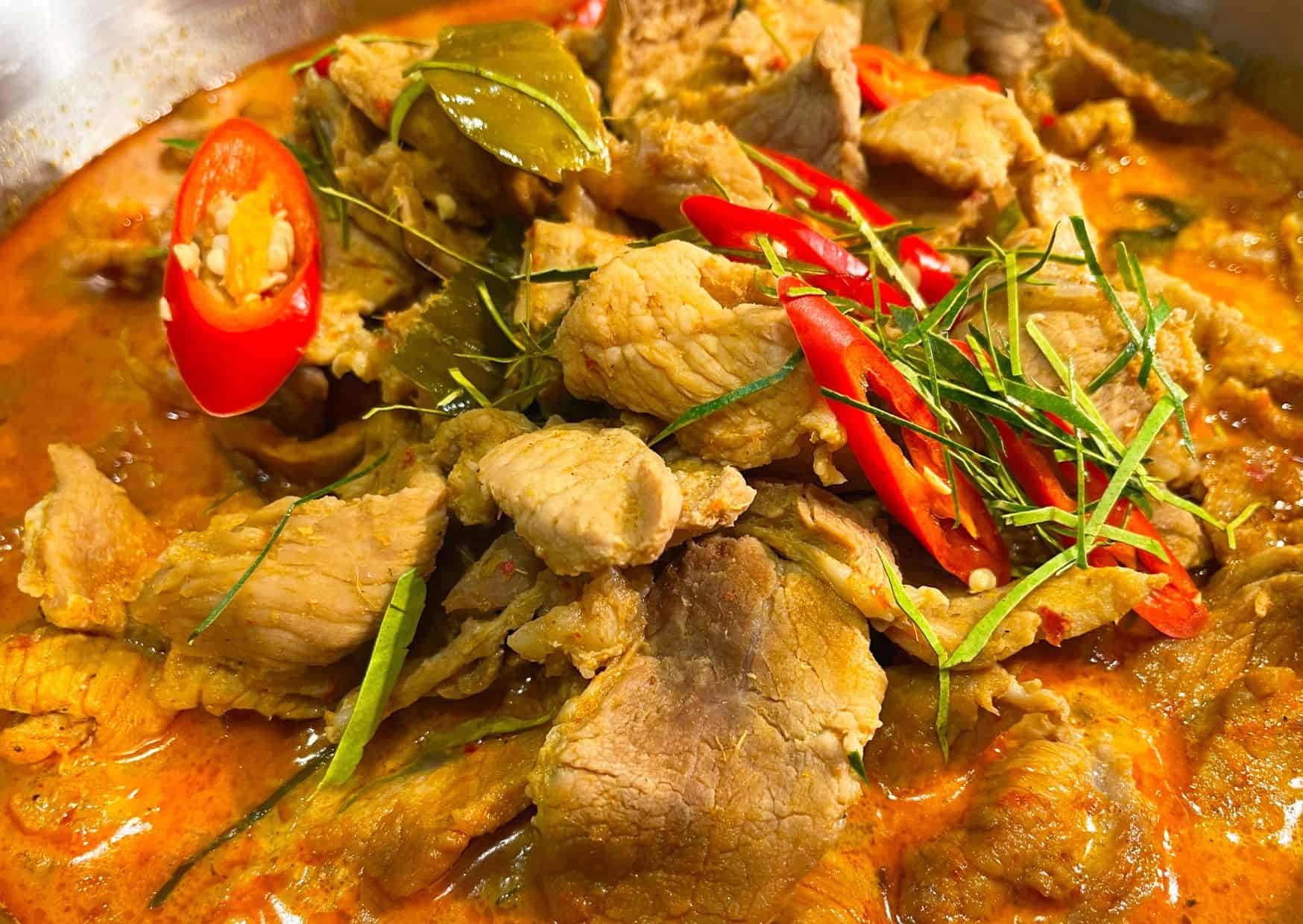
Cook the Protein and Vegetables
Add the sliced chicken (or protein of choice) and cook for 3-4 minutes, stirring occasionally. Add the mixed vegetables and the remaining coconut milk along with the chicken/vegetable broth. Simmer for 5-7 minutes until the chicken is cooked through and the vegetables are tender but still crisp.
Season the Curry
Stir in the fish sauce, sugar, and lime juice. Taste and adjust for balance—add more fish sauce for saltiness, sugar for sweetness, or lime juice for tanginess. Add the Thai basil leaves and sliced red chilies (if using) and simmer for 1-2 minutes.
Serve
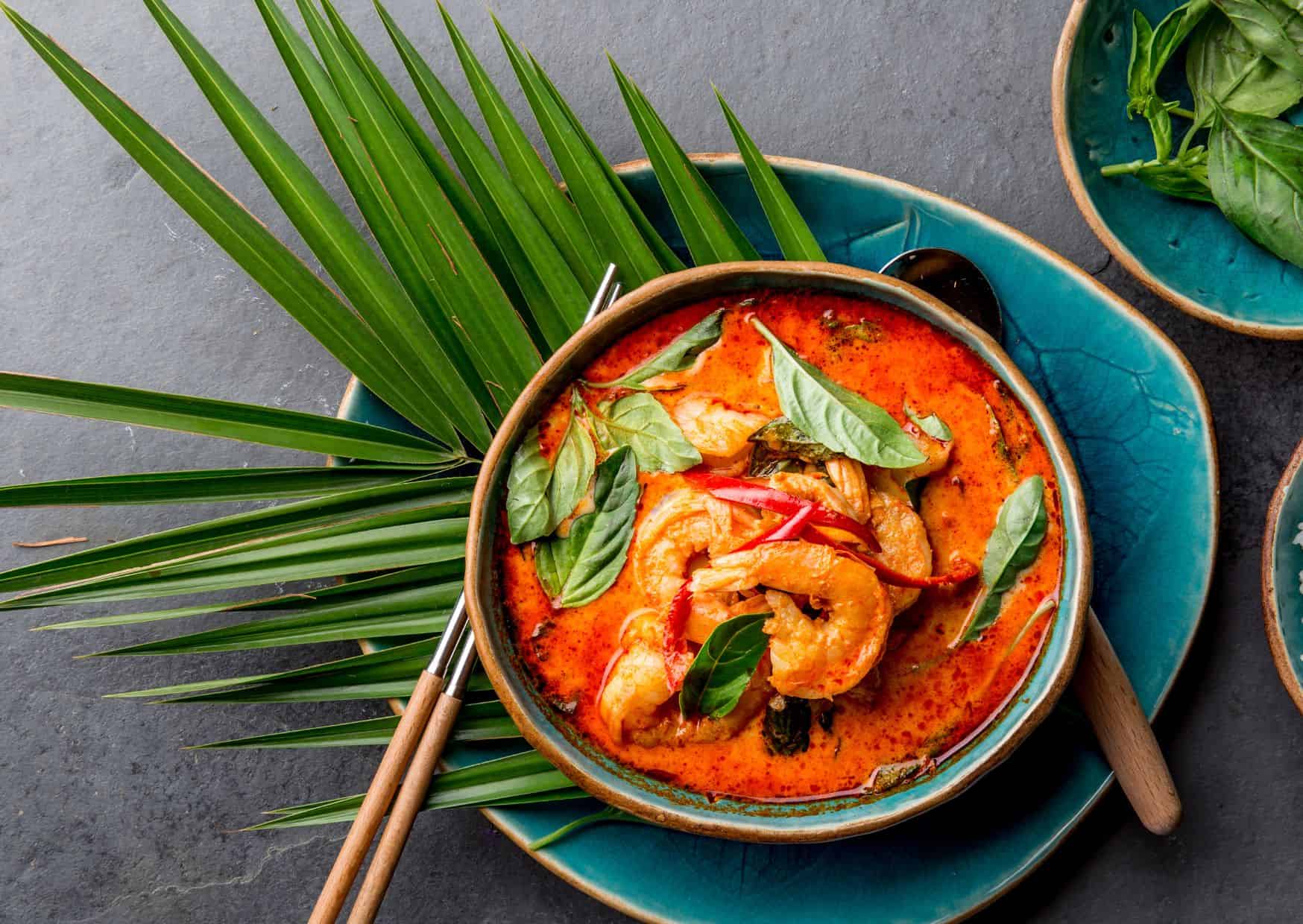
Ladle the curry over steamed jasmine rice or rice noodles. Garnish with extra basil or chilies, if desired.
Tips for Making Thai Red Curry
Thai brands like Mae Ploy or Maesri deliver authentic flavors. For a milder curry, start with 1 tablespoon and adjust to taste.
Thai cuisine emphasizes sweet, salty, sour, and spicy. Adjust the fish sauce, sugar, lime juice, and chilies to suit your palate.
Use full-fat coconut milk for a rich, creamy curry. Light versions can make the dish thinner.
Sautéing the curry paste releases its aroma and flavor, so don’t skip this step.
Substitute chicken with shrimp, tofu, or chickpeas for variety. For vegan curry, use tofu and replace fish sauce with soy sauce.
How Many Calories Have Thai Red Curry
With Chicken: ~350-400 calories (without rice)
With Shrimp: ~300-350 calories (without rice)
With Tofu/Vegetables Only: ~250-300 calories (without rice)
Origin and History
Thai red curry traces its roots to central Thailand, where early cooks blended dried red chilies with fragrant local herbs to create a paste that balanced heat, aroma, and depth. Traditionally, this paste was pounded by hand using a mortar and pestle, allowing each ingredient to release its natural oils and perfume. Over generations, red curry became a staple of everyday Thai cooking, evolving in flavor but always remaining grounded in its regional identity.
As trade routes expanded, Thai cooks gained access to ingredients like cumin, coriander seed, and spices from neighboring regions. These additions enriched the curry paste and gave it the complex profile it is known for today. Coconut milk became a defining feature, transforming the robust spice blend into a creamy, comforting dish enjoyed across the country.
By the 20th century, Thai red curry had spread worldwide through restaurants and cookbooks, but much of its original simplicity became overshadowed by shortcuts and substitutions. Despite this, the essential structure of the dish—fresh paste, rich coconut milk, and balanced seasoning remains unchanged in homes and street kitchens throughout Thailand.
One of the most debated aspects of Thai red curry is the use of pre-made curry paste. Purists argue that store-bought versions lack the intensity and fragrance of traditional homemade paste. Others insist that high-quality jarred paste is an acceptable and practical option, especially outside Thailand where certain fresh ingredients can be difficult to find.
Another point of contention is the level of sweetness added to the dish. Some restaurants outside Thailand lean heavily on sugar to appeal to broader tastes, but many Thai cooks emphasize balance rather than overt sweetness. The curry should be aromatic, savory, mildly spicy, and only lightly sweet, with no single flavor dominating the bowl.
There is also ongoing debate about protein choices. While chicken is popular internationally, Thai cooks often use fish balls, prawns, or sliced pork. Vegetarian versions have also gained traction, yet some insist that the dish loses authenticity without fish sauce. Ultimately, the dish’s adaptability is both a blessing and a source of culinary disagreement.
How Long It Takes to Prepare
Making Thai red curry at home is quicker than most people expect, especially if you use store-bought curry paste. With pre-made paste, the dish comes together in about 25 to 30 minutes, making it an ideal weeknight dinner that delivers big flavor with minimal effort. Most of the time is spent simmering the curry to ensure depth and harmony.
If you choose to make the paste from scratch, the preparation time can stretch to 45 minutes or more, depending on your experience with grinding herbs and chilies. While it requires extra effort, the payoff is a fresher, brighter curry that tastes noticeably more vibrant. Many home cooks find the process meditative and rewarding.
Once the paste and main ingredients are ready, the cooking process moves quickly. The key is simmering rather than boiling, which helps the coconut milk stay smooth and silky. From initial prep to final plating, homemade Thai red curry remains one of the most time-efficient dishes for achieving restaurant-quality results.
Serving Suggestions
Thai red curry pairs best with steamed jasmine rice, which absorbs the flavorful sauce without overpowering it. The rice’s delicate aroma enhances the natural sweetness of the coconut milk and the spice of the curry. This combination remains the most traditional and widely loved way to enjoy the dish.
For a lighter pairing, consider serving the curry alongside rice noodles. Their soft texture complements the rich broth and provides a refreshing contrast when paired with fresh herbs like Thai basil or cilantro. This option is especially popular among home cooks looking for a quicker, slurp-worthy meal.
To elevate the dish further, garnish the curry with thinly sliced red chilies, lime leaves, or a splash of coconut cream. These touches add fragrance and visual appeal while offering small bursts of flavor with each bite. A side of lightly stir-fried vegetables can complete the meal without overshadowing the curry itself.
Final Thoughts
Authentic Thai red curry is far less intimidating than it appears, and once you’ve made it yourself, it becomes easy to understand why so many home cooks prefer it over takeout. With a handful of key ingredients and a simple cooking process, the dish delivers an impressive depth of flavor that feels both comforting and exciting.
Whether you choose homemade or store-bought curry paste, the heart of the dish lies in balance. Achieving harmony between heat, creaminess, savoriness, and freshness makes the curry shine. Once you master this, every variation you make will feel intentional and satisfying.
Most importantly, Thai red curry invites creativity. You can adapt the vegetables, proteins, and heat level to your taste while still honoring the dish’s roots. As you continue experimenting, you might discover that your homemade version becomes your go-to recipe, ultimately surpassing any takeout you once relied on.

About the Author: Ruben, co-founder of Gamintraveler.com since 2014, is a seasoned traveler from Spain who has explored over 100 countries since 2009. Known for his extensive travel adventures across South America, Europe, the US, Australia, New Zealand, Asia, and Africa, Ruben combines his passion for adventurous yet sustainable living with his love for cycling, highlighted by his remarkable 5-month bicycle journey from Spain to Norway. He currently resides in Spain, where he continues sharing his travel experiences with his partner, Rachel, and their son, Han.