

You don’t need a million-dollar net worth to live abroad. You need predictable cashflow, clean paperwork, and the patience to play a system that runs on stamps, not vibes.
If you receive $2,000 per month from a pension, you’re in a strangely powerful category.
Not “rich.” Not “set for life.” Just unusually legible to immigration offices.
A lot of residency programs aren’t looking for genius, youth, or hustle. They want one boring thing: proof you can live quietly without becoming a financial problem.
A monthly pension is the cleanest proof there is, because it behaves like a paycheck that never gets fired.
The catch is the word “permanent.”
Some places give you something close to permanent residency fast. Others give you a temporary permit with a clear path to permanent status after you renew a few times and stay put long enough to earn it.
So this list is really about this: where $2,000/month is enough to get you legal residence, and where that legal residence can realistically turn into permanent residence if you follow the rules.
And yes, the rules are the whole game.
What $2,000 a month actually unlocks, and what it doesn’t
A pension-based residency is not a “move here and do whatever” pass.
In most countries on this list, you are buying three things:
- A legal residence permit that lets you stay year-round.
- A predictable renewal cycle, usually every 1 to 3 years.
- A future option to apply for permanent residence once you’ve built enough legal time in-country.
What you are usually not buying:
- The right to work locally. Many pension routes explicitly say no employment.
- A free ride on bureaucracy. You will still collect documents like it’s your new hobby.
- A guarantee you’ll like the place once it’s not a vacation.
Here’s the practical reality in plain terms.
A $2,000/month pension tends to be “enough” when the country’s requirement is:
- a fixed minimum like €2,000/month (rare, but it exists), or
- a minimum like $1,000 to $1,500, or
- a minimum tied to the local minimum wage or a government index.
The programs get picky about two things that retirees often underestimate:
- The pension usually must be for life, not a temporary drawdown.
- The income must be provable with official letters, often legalized or apostilled.
If you’ve ever tried to get a bank letter that contains the exact wording an office demands, you already know where this is going.
One more thing: you will be asked to show you can actually live there, not just qualify on paper. That means an address, a health insurance plan, and enough physical presence to keep your status alive.
Greece and Portugal: Europe’s paperwork-heavy, pension-friendly lanes

These two countries get grouped together because the vibe is similar: Mediterranean life, solid infrastructure, and a residency process that rewards patience.
They are not identical.
Greece (Financially Independent Person route)
Greece has a residence permit option for financially independent individuals where the headline number is €2,000/month for the main applicant.
That number matters because it’s one of the rare European routes where the required monthly income is basically the same as the number in this article’s title.
What it tends to look like in real life:
- You show proof of income and assets.
- You show private health insurance.
- You get a permit that is renewable, and the renewal rhythm is something you plan around like dental appointments.
The trade-offs:
- You are not moving to Greece to get a job. This is a “live here without working” lane.
- You need to keep your paperwork clean and your health coverage continuous.
- Your residency clock only grows if you actually spend real time in Greece.
A normal first-week rhythm if you’re doing this seriously is not beach days. It’s consulate appointments, notarized translations, and building a file that an official can approve without guessing what you meant.
Portugal (D7 style passive income route)
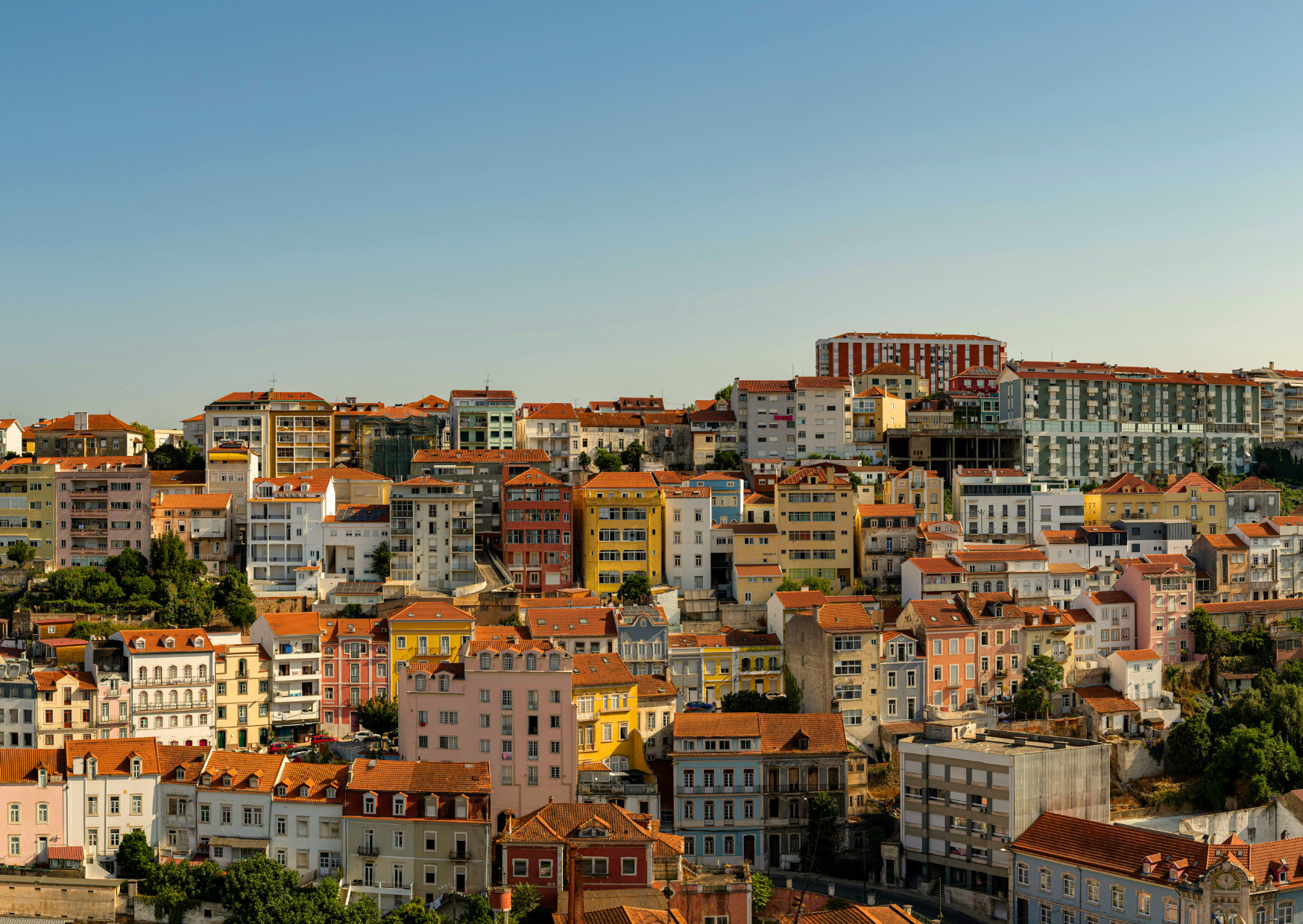
Portugal’s passive income route is often discussed as the D7. The government’s own “means of subsistence” benchmark ties back to the minimum monthly salary, and the published benchmark for 2026 is €920.
So if you have a $2,000/month pension, you are typically well above the baseline requirement for a single applicant.
Portugal is appealing because it’s a clear runway country. You get legal residence, you renew, and after enough legal time you can apply for permanent residence.
The real Portugal trade-off is not the income threshold. It’s the admin reality:
- You need a Portuguese tax number, a bank account, and a housing plan.
- Appointments and processing can be slow, and you need the temperament for “wait, resubmit, wait again.”
- You need to treat your residency like a long game, not a sprint.
If you can handle that, Portugal is one of the more obvious answers for someone with stable pension income and a desire to stay in Europe long-term.
Panama and Costa Rica: the “pensionado” classics in Central America
If you want a place where immigration offices have seen retirees before, these two are the reliable names that keep coming up for a reason.
Panama (Pensionado)
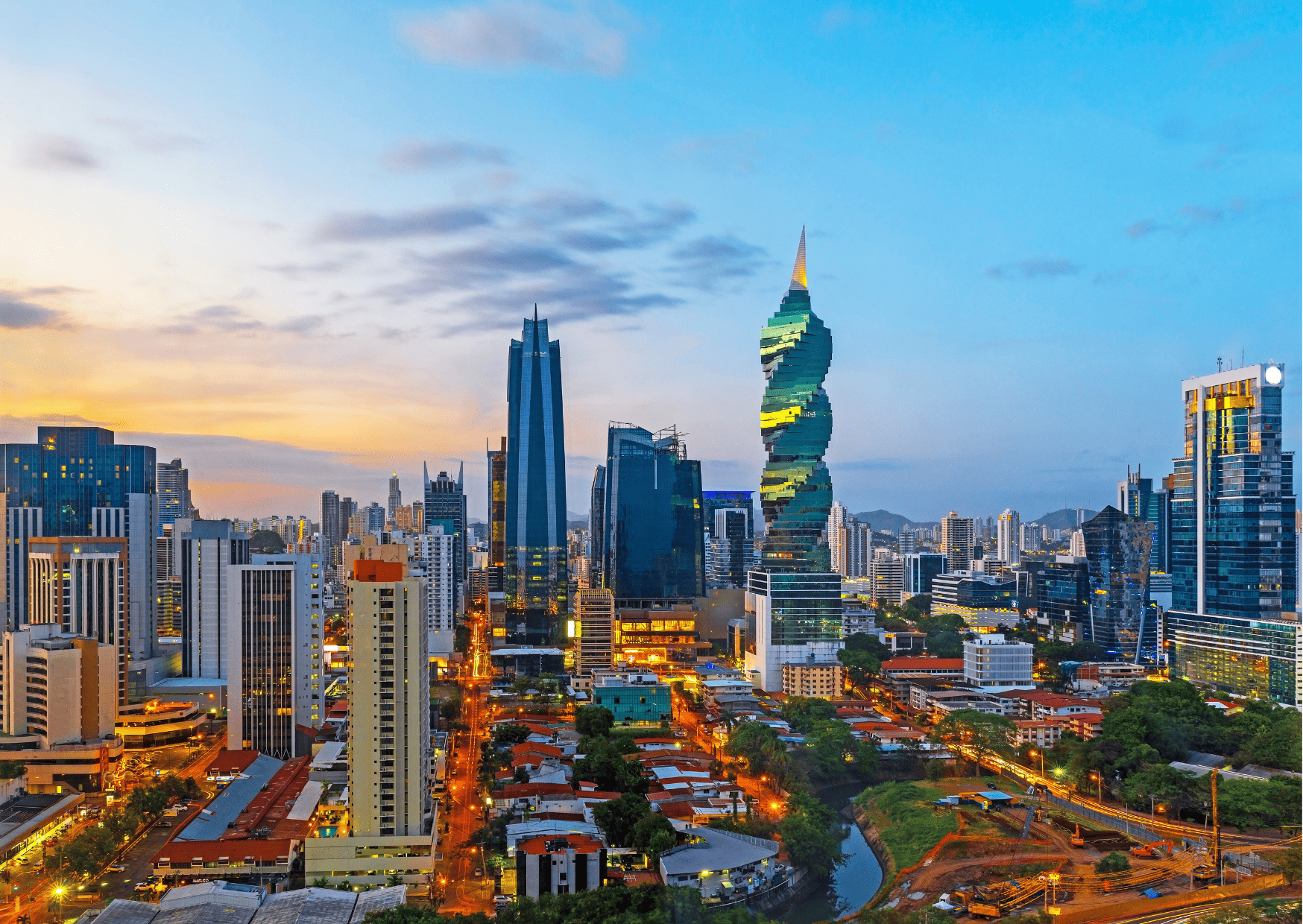
Panama’s pensionado requirement is famously low. The official minimum pension figure is $1,000 per month, and it has to be for life.
With $2,000/month, you are not borderline. You are comfortably over the line.
Why Panama works for retirees who want simplicity:
- The income requirement is straightforward.
- The country is used to processing pension-based residence cases.
- The resident status you get is designed for retirees, not treated like an exception.
The lived reality:
- Panama rewards organization. If your documents are clean, the process feels logical.
- If your documents are messy, you will spend your mornings chasing stamps, not sipping coffee.
Panama also has the rare advantage that your budget math is in dollars. If you don’t want currency risk on your monthly base income, that’s not nothing.
Costa Rica (Pensionado)

Costa Rica’s pensionado category also uses a lifetime pension standard, with a minimum of $1,000/month.
Again, $2,000/month clears the requirement.
Costa Rica’s residency experience tends to be slower and more document-heavy than people expect, but it’s a known system with clear categories.
A realistic weekly rhythm in Costa Rica looks like:
- One day for legal errands.
- One day for medical or insurance paperwork.
- One day where you do nothing because the office schedule did not match the website schedule.
The big thing to understand is that Costa Rica often starts you in a temporary category, and then you earn more permanence by staying compliant and staying present. People lose time here not because they’re rejected, but because they disappear for long stretches and then wonder why the clock isn’t moving.
If you want the calm version of Costa Rica, you treat residency maintenance like renewing a passport. Not exciting, but non-negotiable.
Ecuador and Colombia: South America’s minimum-wage math (and why that’s good)
These two countries make retirees nervous because the requirements are written in local wage multipliers, not clean USD numbers.
That’s actually a feature.
A wage multiplier adjusts over time. It’s a built-in update mechanism. You don’t have to guess whether the law is “old.” You just have to apply the current multiplier.
Ecuador (Jubilado temporary residence, then permanent after time)

Ecuador’s temporary residence visa for retirees is tied to a monthly pension equal to or above three Salarios Básicos Unificados.
So your $2,000/month pension will usually exceed the requirement comfortably, because the baseline is not designed for wealthy people. It’s designed for people with reliable income.
What makes Ecuador especially interesting is the timing rule: once you have held temporary residence long enough, you can apply for permanent residence after at least 21 months of continuous time as a temporary resident, as long as you apply before your current status expires.
That’s a fast runway compared to many countries.
The lifestyle side:
- Ecuador can be a “live well on less” country if you choose your city wisely.
- It can also be a “death by small hassles” country if you expect everything to run like Spain.
The weekly rhythm that keeps Ecuador smooth is simple: handle admin early, then live your life. If you procrastinate, the deadlines do not care that you were busy.
Colombia (M Pensionado, counts toward resident status after time)

Colombia’s pension visa requirement is tied to three salarios mínimos legales mensuales vigentes for your monthly pension.
For many U.S. retirees, $2,000/month clears it.
Colombia’s system is also refreshingly explicit about the long-term path: the pension visa time can count toward eligibility for a resident visa after 5 years as a holder, assuming you maintain the visa properly.
Colombia is a strong option if you want:
- big-city amenities at lower costs than the U.S.
- a large medical network
- a clear “residence clock” concept
It’s a weaker option if you want a place where “English-only” is enough to get through bureaucracy. You can absolutely live in Colombia without perfect Spanish, but your paperwork life improves drastically when you can read what you’re signing.
Peru and the Dominican Republic: two direct, pension-income resident routes
These are less hyped in the U.S. mainstream conversation, but they can be very practical for the right person.
Peru (Rentista)

Peru’s rentista resident category is built around a minimum guaranteed monthly income from abroad, and the legal threshold is $1,000/month.
So $2,000/month qualifies on income.
The detail that matters: Peru’s resident rentista status is described as indefinite stay once granted. That’s a strong form of permanence, even if you still have ID cards and admin steps to manage.
Peru is not “easy mode,” but it can be predictable if you approach it like a system:
- documents in order
- translations done correctly
- bank trail clean and obvious
Peru is also a place where your lifestyle costs can stay reasonable without feeling deprived, especially outside the flashiest neighborhoods of Lima.
Dominican Republic (Jubilado or pensionado investment-residence lane)

The Dominican Republic has a formal residency lane for retirees and pensioners with a minimum pension of $1,500/month, plus additional amounts for dependents.
So $2,000/month clears the requirement.
The Dominican Republic angle is often misunderstood. People treat it like a beach fantasy. The residency reality is paperwork, medical exams, and compliance. The upside is that this is a known category that exists specifically for retirees.
The lifestyle trade-off is location choice:
- pick a place with reliable services and you can live very comfortably
- pick a place because the Instagram looks pretty and you can end up rebuilding your own infrastructure
A normal week in the Dominican Republic is not expensive. The expensive part is the first months if you arrive without a plan for housing, healthcare access, and how you’ll handle heat, power, and transport.
The mistakes that get retirees stuck in “almost” forever
Most residency failures are not dramatic rejections. They’re slow-motion self-sabotage.
Here are the repeat offenders.
- Your pension proof is vague. Immigration offices want specific wording, not “this person receives benefits.”
- Your documents aren’t legalized. If you skip the apostille step when it’s required, you can lose months.
- Your income is technically high enough, but it’s not clearly lifetime. Many programs want vitalicio, for life, not a drawdown that could end.
- Your bank trail looks confusing. If the income doesn’t land consistently, or it lands through five accounts, you force an officer to interpret your life. That’s never a good idea.
- You underestimate health insurance requirements. Some countries require private coverage, some accept local coverage, and some require you to enroll after approval. This is where people get surprised.
- You treat renewals like an optional chore. If you miss windows, the clock resets. And yes, Timing beats willpower.
The hard truth is that pension income gets you in the door, but compliance keeps you there.
If you want “permanent,” you have to behave like someone who lives there, not someone who visits.
The next 7 days: pick a country like an adult and build the file
If you try to “keep options open,” you usually end up doing nothing.
Do this instead.
- Choose one country as your primary target and one as a backup. Two is manageable. Five is fantasy.
- Build two folders (digital and physical):
- Identity: passport, birth certificate if needed, marriage certificate if relevant
- Money: pension award letter, bank statements showing deposits, and any supporting letters
- Request a pension verification letter with the exact details programs tend to demand:
- monthly amount
- that it is lifetime, if applicable
- who pays it
- your full name and identifying information
- Price out the real first-month costs:
- legal fees or required representation (common in some countries)
- translations and sworn translations
- medical exam requirements where applicable
- initial housing deposit
- Put your calendar on paper:
- consulate appointment windows
- document validity windows
- travel timing so you’re not trying to fix an apostille problem from an airport lounge
- Decide what you will not compromise on:
- climate
- healthcare access
- walkability
- proximity to an airport
- language comfort
A pension lets you buy stability. Don’t waste it by choosing a country like you’re picking a weekend getaway.
The quiet decision at the end of all this

If you have $2,000/month in pension income, you don’t need a miracle country.
You need a country whose friction you can tolerate.
Some places are “easy” on paper and annoying in real life. Others are annoying on paper and wonderful once you’re settled.
Ask yourself one blunt question: do you want a path that gives you fast permanence, or a path that gives you high quality of life even if the residency clock takes longer?
Because that’s the real trade.
Not money. Not weather. Not the dream.
It’s whether you can live with the renewal rhythm, the document culture, and the way that country treats foreigners when you’re not charming anymore, you’re just another file on someone’s desk.
That’s when you find out what “permanent” actually costs.

About the Author: Ruben, co-founder of Gamintraveler.com since 2014, is a seasoned traveler from Spain who has explored over 100 countries since 2009. Known for his extensive travel adventures across South America, Europe, the US, Australia, New Zealand, Asia, and Africa, Ruben combines his passion for adventurous yet sustainable living with his love for cycling, highlighted by his remarkable 5-month bicycle journey from Spain to Norway. He currently resides in Spain, where he continues sharing his travel experiences with his partner, Rachel, and their son, Han.