
You walk out of Arrivals, blink in the Canary light, and thirty minutes later a smiling clerk has sold you “full protection” on a car that already had it. The card is charged, the line is behind you, and the contract in your hand quietly excludes glass, tires, underbody, and the part of your soul that hates paperwork.
By the time the dust settles the average hit is around €2,000 between upsold insurance, deposits you never recover, fake damage, and currency games. Spain is easy to drive. Airport car hire is where holidays go to pay tuition.
Quick Easy Tips
Never make insurance decisions at the counter under time pressure.
Confirm in writing what coverage you already have before you travel.
Decline verbal explanations and ask for printed terms instead.
Photograph the car thoroughly before leaving the lot and upon return.
One uncomfortable truth is that airport rental locations are the most aggressive by design. They rely on high turnover, short interactions, and traveler fatigue to upsell costly coverage.
Another controversial reality is that many “optional” insurance packages are framed as mandatory through implication rather than statement. The pressure comes from tone, not words.
There is also a widespread misunderstanding about damage liability. Small scratches or pre-existing marks are often used to justify large charges when documentation is incomplete or unclear.
Perhaps the hardest truth to accept is that this system survives because it works. The average loss is not accidental it’s a predictable outcome of contracts written to favor the provider, not the renter.
Why the losses cluster around €2,000
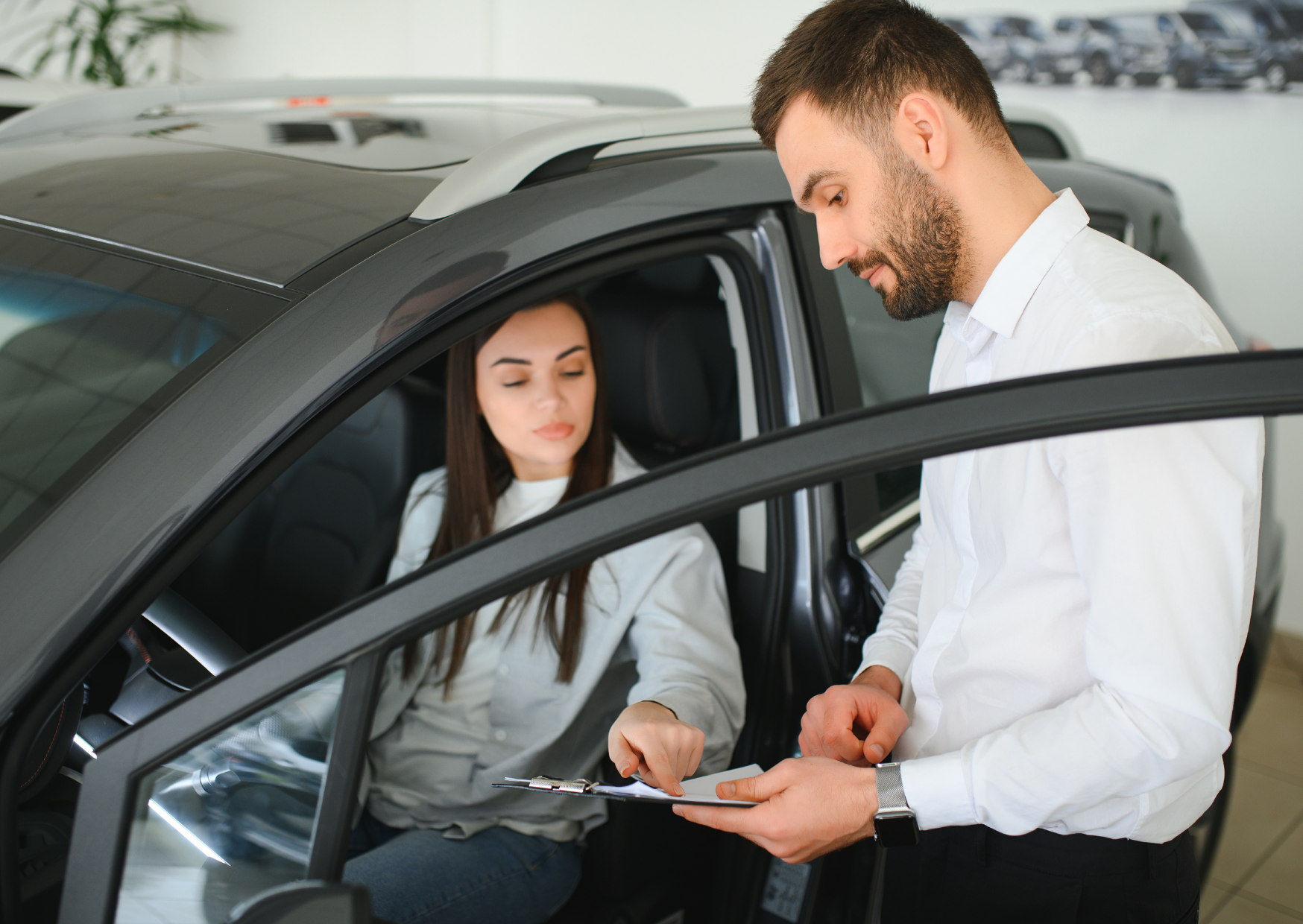
The number is not mystical. It is four boring line items that add up. A typical sting looks like this:
- “Super cover” at the desk for €25 to €40 per day, twelve days becomes €300 to €480.
- Damage claim on return for a scuff or chip you already documented, €350 to €800, surprise “administration fee” €50 to €120.
- Deposit never fully released because the company blames a toll fine or a cleaning fee, €150 to €300 disappears into email limbo.
- Dynamic currency conversion at the desk or pump, 3 to 6 percent quietly skimmed on a €1,200 hold or charge, which is €36 to €72 each time.
Add a fuel policy trick or out-of-hours fee and you understand how a cheerful check-in becomes €1,600 to €2,200 in a blink. None of this is illegal on its face. It is the combination, the speed, and your fatigue that makes it work.
The desk lives on your uncertainty. If you remove uncertainty in five places, the game collapses.
How the contracts actually work
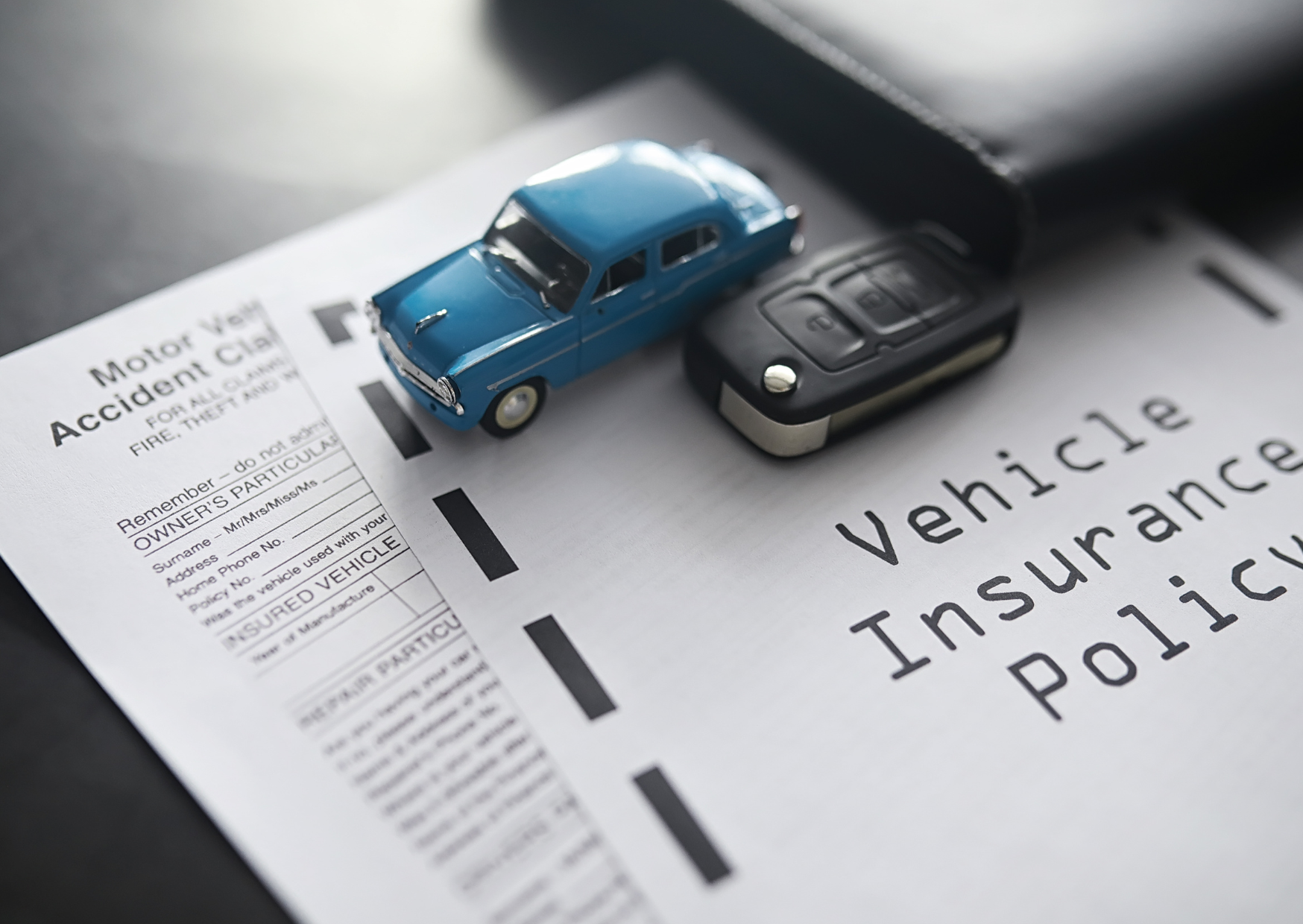
Your booking almost always includes CDW and TP at a legally required minimum. That is collision damage waiver and theft protection. They reduce your liability to an excess. The excess is often €1,200 to €2,000 on compact cars and €2,500 to €3,000 on SUVs. The excess is the fear lever. The clerk waves it like a bat and offers “super cover” to reduce excess to zero.
What they do not say first: the basic CDW excludes glass, tires, roof, underbody, keys, and interior. The “super cover” may still exclude some of those unless you buy the ultimate bundle. Read the matrix on page two. If a line is blank, it is not covered.
Key insight: you can self-insure the excess with a standalone policy for €5 to €8 per day bought before you fly. The desk will say they do not accept it. That is fine. Your policy reimburses you, it does not replace theirs. The clerk’s commission hates this sentence.
The four classic airport plays and how to defuse them
1) The “we cannot release the car without full protection”
You see the line and fold. The contract already includes CDW. They are pushing an optional waiver. Refuse. If they insist, ask politely for “la hoja de reclamaciones” which is the official complaint form. The tone changes. Or swap to another brand in-terminal and tell the first desk you are declining the contract under “condiciones no acordadas”.
Use this script
“Voy a mantener la franquicia. No necesito cobertura adicional. Si no se puede, prefiero la hoja de reclamaciones.”
I will keep the excess. I do not need additional cover. If not possible, I prefer the complaint form.
They cannot refuse a prepaid contract because you declined extras.
2) The “we found damage” on return
Tiny chip, old scuff, wheel rash. They point, you pay, you fly. Fix is inspection theater at pickup and return.
- Walk the car in daylight.
- Video each panel, roof, wheels, glass, interior, odometer, fuel. Speak today’s date out loud and show the airport sign.
- Mark every dot on the paper. If staff refuse, write it yourself and take a photo.
- On return, repeat in the drop lane and get a stamped check-in slip. If unmanned, film yourself dropping keys into the box with the odometer and fuel level in frame.
If they invoice you later, you send the video link. Most claims go quiet when you show timestamps.
Quick line
“Marquemos este roce en el parte, por favor. Y necesito copia.”
Let us mark this scuff on the form, please. And I need a copy.
3) The fuel policy trick
Full-to-empty with a “service fee” is a known siphon. You pay €110 for a tank that costs €85, you return with a quarter tank the company resells. Always book full-to-full. If they switch you at the desk, write “rechazo política combustible diferente a lleno-lleno” on the contract and ask for another vehicle or brand. It is not worth the fight later.
4) The currency conversion skim
The card machine asks you to pay in USD or GBP “for your convenience.” That is DCC. You lose 3 to 6 percent instantly. Always press “EUR”. If the clerk taps USD, void and redo. At pumps that force DCC, pick “otra divisa” or use a station that lets you choose. Three taps safeguard a long week.
Phrase to stop it
“Cobren en euros. No acepto conversión dinámica.”
Charge in euros. I do not accept dynamic conversion.
The brands and setups that create more drama
I am not listing villains. I am listing structures. Franchise models at secondary terminals or shuttle-lot discounters live on extras. Aggregator vouchers with no clear excess listed invite desk games. “Gold” or “premium” lines at mainstream brands still push hard if your booking says third-party broker. The safer pattern is major brand, in-terminal, direct booking with full-to-full and known excess. It is not always cheapest. It is cheaper than tuition.
Tip: if you use an aggregator, buy the broker’s excess waiver only if you are ready to front money and claim later. Desk staff will still treat you as uninsured. Standalone excess policies are more flexible and usually respond faster.
The deposit and card trap
Expect a hold of €1,200 to €2,000 on your card for the excess plus fuel. If your card is debit, holds can take 7 to 14 days to release, which amplifies DCC skims and FX swings. Use a real credit card stamped with your name that matches the driver license exactly. If you must use debit, double your available balance and avoid paying a hotel on the same card.
Bold habit: photograph the terminal screen when the hold is placed. On release day, the bank will ask for a reference that only a photo gives you.
Tolls, fines, and the admin-fee minefield

Spain’s main toll networks now use electronic tags in some regions. Rental cars often carry a badge that bills your plate plus a “gestión” fee per day even if you do not cross a toll. Clarify at the desk. If you do not want the badge, ask them to deactivate or give you a car without it.
Traffic fines move slowly. Companies charge €30 to €60 just to identify you to police. The fine arrives months later. Pay real fines quickly through official portals and keep the PDF. Contest fake private parking invoices that are not issued by authorities. If a company keeps a deposit citing a fine you never receive, send a formal letter and prepare a chargeback with the card issuer.
Spanish to use
“Si hay un trámite de multa, avísenme por email con el justificante. Entiendo el cargo de gestión, pero necesito la prueba.”
If there is a fine process, notify me by email with the proof. I understand the admin fee, but I need evidence.
Windscreen, tires, and underbody: the silent exclusions
Most desk covers exclude glass and rubber unless you buy the top tier. España loves roundabouts, narrow curbs, and gravel pull-offs. If your route includes rural roads, either buy specific glass and tire cover or accept the risk and drive like you paid for the asphalt. Standalone excess policies typically reimburse these items if the rental’s terms excluded them. That is the point of having your own policy.
One practical fix: bring a tyre inflator and a tape. Photograph tread depth at pickup. Note the spare. Flat tire panic is a commission event.
Out-of-hours and “we close at 23:00” fees
Late flights equal out-of-hours fees. The desk will not warn you if your booking’s ETA slips. Call the number on the reservation from the carousel and ask them to note your file. Many brands charge €40 to €60 for handover beyond posted hours. Better to budget it than to discover a shutter with a paper sign at 23:15.
If you land to a closed desk and a key safe with your name is not present, do not improvise. Video the closed desk, the clock, and your reservation, then take a taxi and collect in the morning. Sleeping in the queue equals paying for mistakes you did not make.
The booking recipe that survives the desk
- In-terminal brand, not a shuttle off-site, unless reviews are surgically clear.
- Full-to-full fuel written on voucher.
- Known excess printed.
- Primary driver matches credit card name.
- Standalone excess policy bought before travel.
- No extras prepaid you cannot prove at the desk.
- Cancel and rebook if you see “deposit €2,500” and you cannot float it.
- Print the voucher. Paper makes staff behave.
Bookings you can explain calmly at the desk are bookings you can defend.
The five-minute pickup routine
- Walk around filming as if you are selling the car. Lights on, hazards, wipers, horn.
- Photograph odometer and fuel.
- Check spare, triangle, high-vis vest. Missing kit equals fines in some regions.
- Ask “¿La cobertura incluye lunas y neumáticos?” and write the answer on the paper.
- Confirm toll badge status and fuel policy verbally, then write it next to your signature.
If the agent rushes you, say “Necesito dejar constancia de daños” and keep writing. Speed is their weapon. Documentation is yours.
The seven-minute return routine
- Park in the light.
- Video every panel, wheels, and glass again.
- Film the fuel gauge and odometer.
- Hand keys to a human if possible and ask for “carta de no daños”, a no-damage slip.
- If unmanned, film yourself dropping keys and the locked box.
- Photograph the lot sign with date and time in the frame.
- Email yourself the videos. Do not trust phone storage for the one week you will need the files.
A 90-second video beats a 9-week email fight.
If you are already in a dispute
- Request the repair invoice and the before-after photo with timestamps.
- Ask for the full damage matrix that lists prices per panel.
- If they charge a generic “cargo de daños” without detail, reply once, then open a chargeback citing lack of documentation.
- Attach your pickup and return videos with date stamps and your stamped return slip if you have it.
- File a reclamación with the company and copy Dirección General de Consumo in the region.
- If the card issuer asks, describe exactly which sections of the contract were not followed. Card disputes love specifics.
Short Spanish
“Solicito factura de reparación, fotos con fecha y el baremo de daños. Sin eso, impugno el cargo.”
I request repair invoice, dated photos, and the damage pricing table. Without that, I dispute the charge.
Special cases that trip visitors
Island fuel policies
On Mallorca or Tenerife some discounters still run full-to-empty. Do not accept. The island distances are short, you will be paying for a tank you cannot burn.
Border clauses
Crossing to Portugal or France without written permission voids cover. If you plan to cross, get written authorization and expect a €30 to €60 fee. Cheap compared to voided insurance.
Gravel and rural tracks
Contracts often exclude unpaved roads. The inspector knows the underbody tells the truth. Respect the line or accept the risk.
Child seats
Rentals run €8 to €12 per day for a seat worth €40 at Carrefour. If you are staying a week, buy and donate. Hygiene wins too.
What locals actually do when they rent
They book direct, pick full-to-full, and either accept the excess or hold a standalone excess policy. They video the car in a slightly bored way. They say no to everything at the desk with a smile and one sentence. They return in daylight. They pay tolls through the portal when fines appear and ignore speculative private invoices from parking cowboys. Nothing heroic. Just a small stack of habits.
One tiny confession: I have caved to a “full cover” once when I was late to a wedding in Murcia. I paid €29 per day for convenience. It felt like a tax on poor planning. It was. Then I stopped doing that.
Quick scripts that save money in ten seconds
- No extra cover: “No quiero coberturas adicionales. Mantengo la franquicia. Cobren el depósito.”
- Fuel: “Política lleno a lleno, como en la reserva. Si no, no firmo.”
- Damage marking: “Apuntemos todas las marcas. Si no caben, escribo yo.”
- Currency: “En euros, por favor. No conversión.”
- Toll badge: “¿Este coche lleva dispositivo de peaje. Quiero desactivarlo si hay coste diario.”
- Return slip: “Necesito un comprobante de entrega sin daños.”
Use them as-is. Polite and specific wins.
A two-week plan if you are traveling soon
Week 1
- Cancel flaky booking. Rebook in-terminal with full-to-full and printed excess.
- Buy a standalone excess waiver from a reputable provider.
- Add a note in your phone with the scripts above.
Week 2
- Pack a microfiber cloth to reveal scratches, a torch for wheel wells, and a tire inflator if you are driving far.
- At pickup, film everything and write everything.
- Drive gently for ten minutes before motorways. Rental tires are often underinflated.
- Return with time in daylight. Film again. Ask for no-damage proof.
The prep takes less time than one angry email thread.
Objections answered quickly
“I do not have time to film a car.”
You have two minutes. That is the price of €800 not leaving your card.
“I want zero risk.”
Then buy the company’s top package after you confirm it covers glass and tires and still film the car.
“My broker says I am covered for everything.”
The desk did not sign your broker’s email. Assume reimbursement, not elimination.
“This sounds paranoid.”
It sounds like traveling without donating your buffer.
I used to say always book the cheapest car and fight at the desk. After enough readers sent me Monday morning PDFs with “diferencias de combustible” and “tasa administrativa”, I shifted. Pay a little more for a boring, in-terminal brand. Save your fight for sunsets and menus. Also, I softened about buying glass and tire from the rental when routes include mountain tracks. The €3 to €5 per day for those two items can be the right call if you are far from help.
Where was I. Right. The part where you avoid arguing at 05:40 with a queue behind you.
Spanish roads are friendly. Airport rental desks are a game. If you refuse DCC, insist on full-to-full, document everything like a bored detective, and use your own excess policy, the average €2,000 loss vanishes. You will still sign a lot of paper. You will still be offered magic protection. Smile, decline, film, and go. If a charge appears later, send your video and one sentence in clean Spanish. Most storms die in that first gust.

About the Author: Ruben, co-founder of Gamintraveler.com since 2014, is a seasoned traveler from Spain who has explored over 100 countries since 2009. Known for his extensive travel adventures across South America, Europe, the US, Australia, New Zealand, Asia, and Africa, Ruben combines his passion for adventurous yet sustainable living with his love for cycling, highlighted by his remarkable 5-month bicycle journey from Spain to Norway. He currently resides in Spain, where he continues sharing his travel experiences with his partner, Rachel, and their son, Han.