
Sometimes, the simplest dishes leave the most lasting impression. For generations of Italians, Spaghetti Aglio, Olio e Peperoncino a dish made with just garlic, olive oil, and chili flakes has been the go-to comfort food, midnight snack, or quick dinner that never fails. It’s rustic, unfussy, and loaded with flavor in every bite. This isn’t just a pasta it’s a lesson in how minimalism, when done right, can be magic.
This classic comes straight from the heart of southern Italy, where ingredients are treasured and nothing is wasted. Passed down from grandmothers to grandchildren, it’s the recipe Nonna could make with her eyes closed, using what was always in the pantry. And though it requires only a handful of ingredients, its flavor packs a punch that rivals more complex sauces.
In this post, we’re taking you back to the basics with Nonna’s traditional Spaghetti Aglio, Olio e Peperoncino plus a few pro tips to make it just like they do in Naples. Whether you’re new to Italian cooking or just craving something honest and soul-satisfying, this is one recipe you’ll keep returning to.
Read here best Italian food, vegetarian food in Italy, best drinks in Italy and best breakfast in Italy
What Is Aglio, Olio e Peperoncino?
Spaghetti Aglio, Olio e Peperoncino is a humble yet bold dish from Southern Italy, particularly Naples. It’s made with garlic (aglio), olive oil (olio), and chili pepper (peperoncino) typically tossed with al dente spaghetti and served piping hot.
It’s the go-to for late-night meals, end-of-the-month dinners, or when Nonna “didn’t have much in the fridge but always had flavor.”
Best Time to Eat & How to Partner It
This pasta is best enjoyed fresh and hot, making it ideal for weeknight dinners, cozy solo meals, or even a late-night bite after an evening out. It’s especially popular in Italian households as a midnight snack or after-party meal due to how fast and satisfying it is.
Pair it with a light, crisp white wine like a Pinot Grigio or Vermentino to cut through the olive oil and enhance the garlic. For sides, keep it simple: a plate of marinated olives, a tomato salad with basil, or fresh Italian bread drizzled with more olive oil. The minimalism of the dish calls for equally honest and straightforward pairings.
Pro tip: Don’t overload the dish with grated cheese. Traditionally, it’s served without. But if you must, go with a dusting of Pecorino Romano never Parmesan.
This dish may be beloved across Italy, but it’s often misunderstood outside of it. Many tourists and home cooks try to “improve” it by adding cream, butter, or excessive amounts of parsley completely altering its humble identity. In Italy, that’s close to culinary heresy. Nonna would simply shake her head and say, “Why complicate what’s already perfect?”
Another point of debate? To use fresh chili or dried flakes. Purists insist on dried red pepper flakes for their deep, smoky kick, while modern takes often include fresh chili or even garlic powder. Both are technically “wrong” in the eyes of tradition, but you’ll still find households that swear by their own tweaks. It’s a small example of how fiercely Italians defend their food customs even when the ingredients are just three.
Finally, there’s the matter of garlic quantity. Italians rarely overdo it, but foreigners often double or triple it in search of “more flavor.” The key isn’t volume it’s timing. Golden, gently sautéed garlic infuses the oil; burn it, and you’ve ruined the dish. This simple technique is what separates Nonna’s wisdom from just another rushed pasta dish.
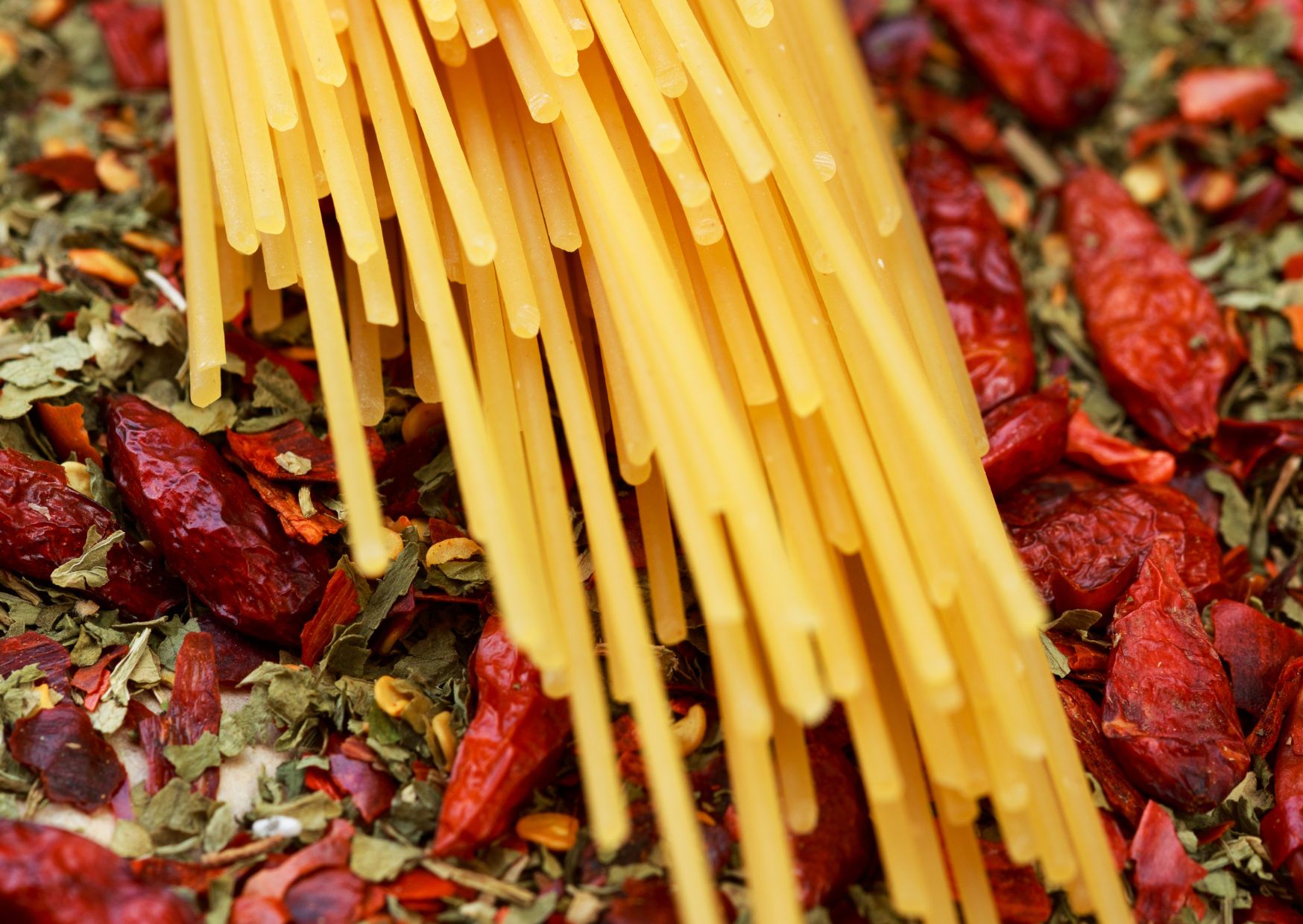
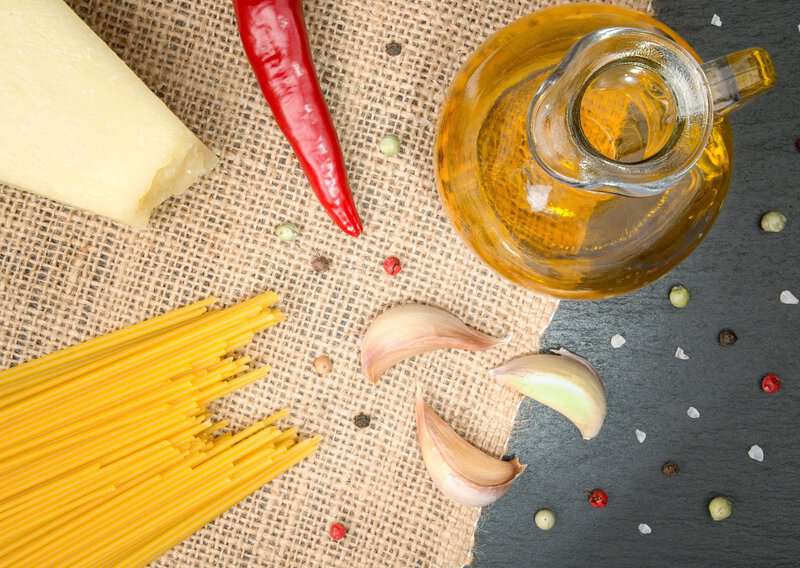
Spaghetti Aglio, Olio e Peperoncino Ingredients (Serves 2)
200g (7 oz) spaghetti
4 tablespoons extra virgin olive oil
3–4 cloves garlic, thinly sliced
1 small dried chili or 1/2 teaspoon red pepper flakes
Salt for pasta water
Optional: chopped parsley, grated Pecorino Romano (not traditional, but tasty)
Spaghetti Aglio, Olio e Peperoncino Step-by-Step Instructions
Cook the Pasta
Bring a large pot of salted water to a boil.
Cook the spaghetti until al dente, according to package directions.
Reserve 1/2 cup of the pasta water, then drain.
Prepare the Garlic & Chili Oil
While the pasta cooks, heat olive oil in a large skillet over low heat.
Add sliced garlic and chili (flakes or whole broken chili).
Sauté gently for 2–3 minutes until the garlic is lightly golden—not brown!
Nonna’s Tip: Burned garlic turns bitter. Keep the heat low and be patient.
Toss the Pasta
Add the drained pasta directly into the skillet with the garlic oil.
Toss well, adding a splash of reserved pasta water to help coat the noodles.
Stir continuously until the sauce emulsifies slightly and clings to the spaghetti.
Serve Hot
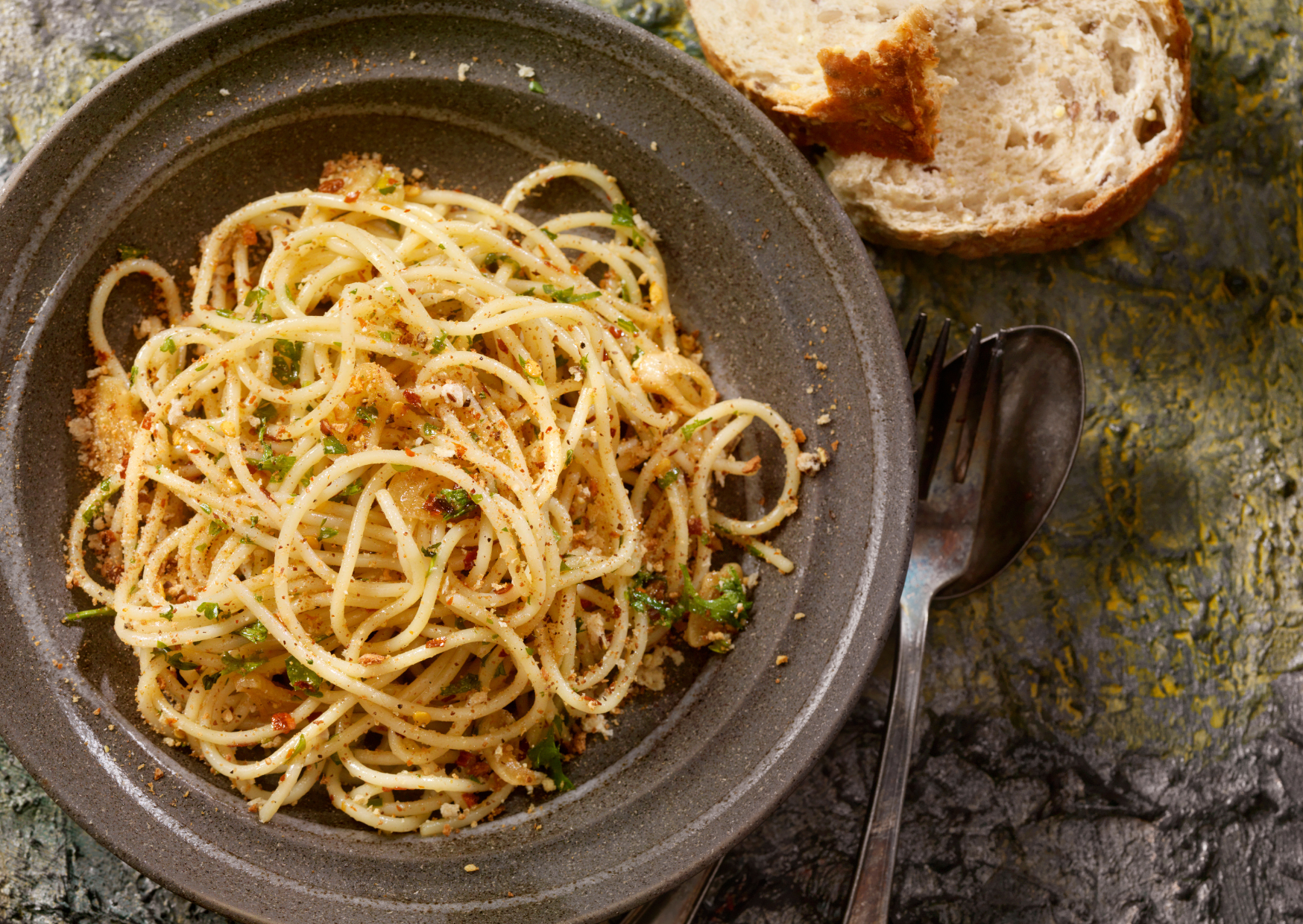
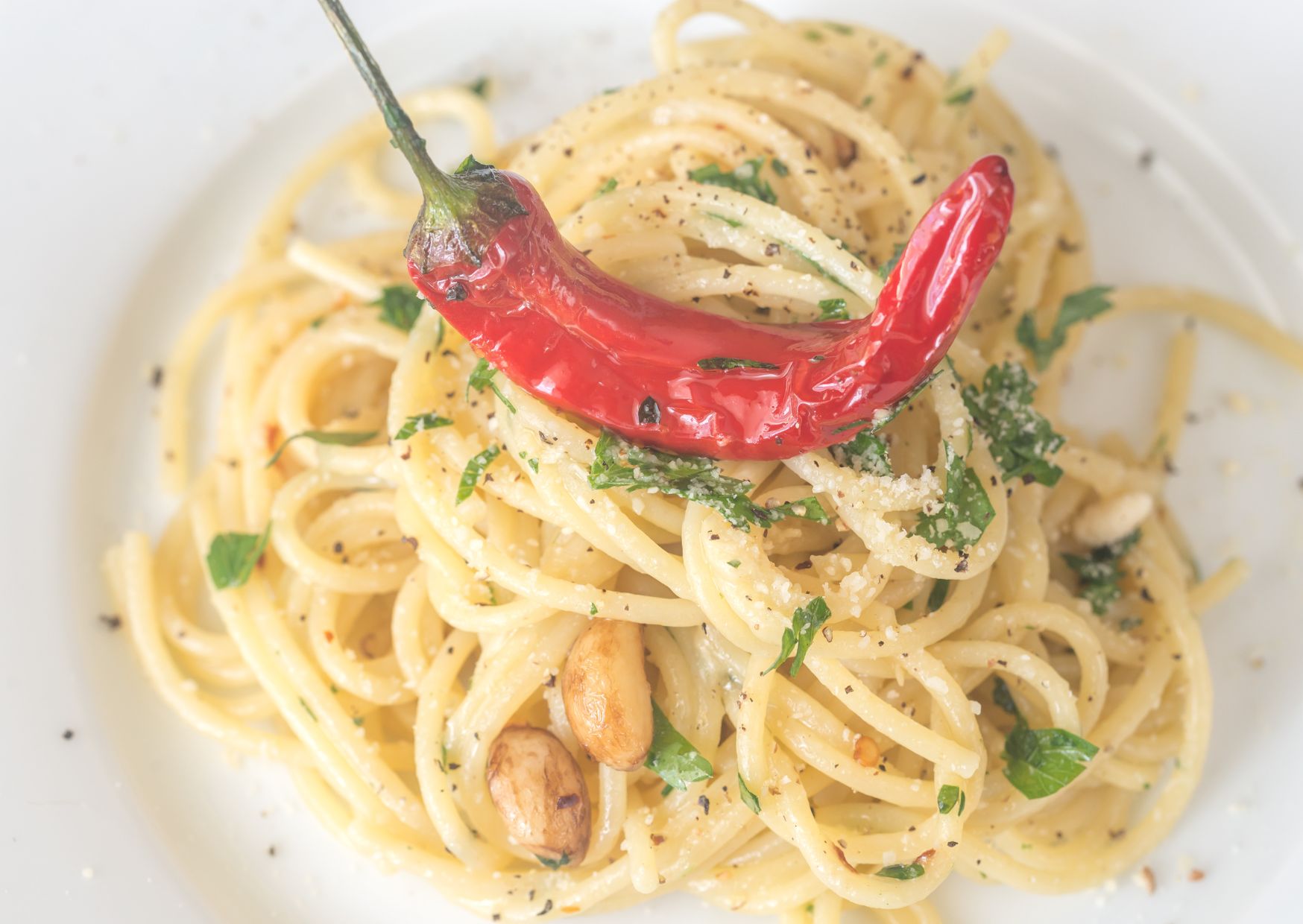
Plate immediately. Top with a little fresh parsley if desired.
Add extra chili flakes for a spicier kick.
Cheese is optional—not traditional, but some like a sprinkle of Pecorino.
Nonna’s Tips for the Best Aglio, Olio e Peperoncino
Use high-quality olive oil — it’s the main flavor!
Slice garlic thin, don’t mince—it flavors the oil more gently.
Adjust spice level to your taste, but don’t skip the chili—it’s part of the soul of the dish.
Great for adding cooked shrimp, anchovies, or toasted breadcrumbs for texture (Nonna’s “secret crunch”).
Variations (Still Nonna-Approved)
Spaghetti alle Alici: Add anchovies that melt into the oil for umami richness
With breadcrumbs: Toasted in olive oil and sprinkled on top (Sicilian twist)
With lemon zest: For a fragrant, fresh twist
With chopped parsley: Adds color and a hint of brightness
Spaghetti Aglio, Olio e Peperoncino Nutrition Info (Per Serving – Approximate)
Calories: ~470
Carbohydrates: 55g
Protein: 9g
Fat: 24g
Fiber: 3g
Sodium: ~120mg
Pair It With
White wine: Vermentino, Soave, or Pinot Grigio
Side: Simple green salad or sautéed spinach with garlic
Dessert: Lemon sorbetto or a piece of dark chocolate
Origin and History
Spaghetti aglio, olio e peperoncino is one of Italy’s most beloved dishes, not because of complexity, but because of its simplicity. Its origins are often traced back to southern Italy, particularly Naples, where basic pantry ingredients became the backbone of survival for working-class families. With just pasta, garlic, olive oil, and chili peppers, Italians created a dish that was inexpensive yet deeply satisfying.
This humble recipe became more than just a meal it was a symbol of resourcefulness. In times of economic hardship, families relied on it to feed large households without sacrificing flavor. It was also a favorite among late-night diners, famously cooked after social gatherings or long workdays, when something quick and comforting was needed.
Over time, it earned its place not only as a comfort food but also as a cornerstone of Italian cuisine. Nonna’s version, passed down through generations, proves that the simplest dishes often carry the greatest weight in preserving cultural identity.
How Long You Take to Prepare
Unlike sauces that take hours to simmer, this dish is prized for its speed. From start to finish, it can be prepared in less than 20 minutes, making it one of the quickest traditional recipes in Italy. Boiling the pasta takes the longest, while the sauce itself comes together in minutes.
The garlic is gently sautéed in olive oil, releasing its aroma without burning, while dried chili peppers or fresh peperoncino infuse the oil with a subtle heat. The pasta is then tossed directly into the pan, allowing the starchy water to bind everything into a silky coating.
Despite its simplicity, the timing is crucial. Overcooked garlic can turn bitter, and pasta cooked even slightly too long loses its perfect al dente bite. Precision makes all the difference in transforming this dish from ordinary to extraordinary.
Serving Suggestions
Spaghetti aglio, olio e peperoncino is best served immediately, piping hot, with an extra drizzle of high-quality olive oil. A sprinkling of parsley adds freshness, though purists often skip it to preserve tradition.
It pairs beautifully with a glass of dry white wine, like a Falanghina or Vermentino, which balances the richness of the oil and the heat of the chili. A light side salad of arugula or tomato can complete the meal without overshadowing the pasta.
And perhaps most importantly, this dish is meant to be shared. Whether eaten at midnight with friends or served as a simple family dinner, its charm lies in its ability to bring people together around something effortless yet deeply satisfying.
Final Thoughts
Nonna’s spaghetti aglio, olio e peperoncino reminds us that food doesn’t need to be complicated to be memorable. Its legacy is proof that a handful of ingredients, when treated with care, can become an iconic national dish.
In many ways, this pasta embodies the Italian philosophy of cooking: respect the ingredients, trust the process, and let simplicity shine. It stands in stark contrast to modern dining trends that often favor excess or novelty over authenticity.
Ultimately, this dish is more than just spaghetti it’s a lesson in humility and tradition. For those who try it, it offers not only a delicious meal but also a small taste of Italy’s heart and history.

About the Author: Ruben, co-founder of Gamintraveler.com since 2014, is a seasoned traveler from Spain who has explored over 100 countries since 2009. Known for his extensive travel adventures across South America, Europe, the US, Australia, New Zealand, Asia, and Africa, Ruben combines his passion for adventurous yet sustainable living with his love for cycling, highlighted by his remarkable 5-month bicycle journey from Spain to Norway. He currently resides in Spain, where he continues sharing his travel experiences with his partner, Rachel, and their son, Han.