
If you think Italians drench every dish in sauce, prepare to be surprised. One of Italy’s best-kept secrets is the mantra “less is more”—sauces are meant to complement, not smother. From sprinkling Parmesan on seafood pasta to adding heavy cream where it doesn’t belong, here are the biggest sauce-related sins tourists commit and how to dodge them like a true Italian local.
Want More Travel Myths Debunked?
– 10 ‘Mexican’ Dishes Mexicans Never Actually Eat—And What They Do Instead
– Classic French Breakfast Dishes
– 15 Shockingly Normal European Customs Tourists Still Can’t Believe
– Get The Best Travel Insurance for Europe and Beyond
Quick Easy Tips
Use high-quality canned tomatoes or ripe fresh ones to build your sauce’s foundation. Inferior tomatoes lead to metallic or watery flavors, no matter how long the sauce simmers. Always taste them before cooking, and adjust acidity with a pinch of sugar only if absolutely necessary.
Avoid overcrowding your pan when sautéing onions or garlic. Properly caramelized aromatics create depth, while rushed or burnt ones make the sauce taste bitter. Give them space and let them cook at a gentle heat so the flavors soften naturally.
Finish your sauce with a small ladle of pasta water and toss with the noodles directly in the pan. This simple step helps bind everything together and ensures your dish tastes cohesive rather than like pasta topped with a separate, disconnected sauce.
Few topics ignite as much passion in Italian kitchens as the way sauces are prepared. One of the biggest debates centers on garlic. Many home cooks overload their sauce with raw or burnt garlic, believing more equals better. Traditional Italian cooks argue the opposite: garlic should be lightly sautéed until fragrant and removed if necessary. Too much garlic can overshadow the natural sweetness of tomatoes or the depth of slow-simmered meat sauces, making this a long-standing culinary disagreement.
Another hot topic is the use of heavy cream in tomato-based sauces. While many Americans assume cream makes sauces richer and smoother, many Italians insist it disrupts the natural balance of acidity and sweetness in tomatoes. Classic sauces like marinara or pomodoro never call for cream, and adding it is often seen as masking poor-quality ingredients. Yet modern cooks argue that cream adds comfort and body, sparking continuous debate over authenticity vs. adaptation.
Salt is another point of conflict. Some cooks wait until the end to season, believing it gives more control. Italian nonnas, however, insist sauce must be salted gradually throughout cooking. This allows the flavors to develop properly and prevents flat, bland results. When sauces end up underseasoned or too salty, purists blame the lack of technique—revealing just how seriously Italians take this everyday staple.
Best Time to Eat & How to Partner Italian Sauces Correctly
The best time to enjoy traditional Italian sauces is during leisurely lunches or family dinners, when the emphasis is on simple, well-paired dishes made with fresh ingredients. Unlike heavy, multi-course meals, Italian meals are often built around a perfectly executed pasta dish where sauce plays a starring but balanced role.
Pair seafood-based sauces like spaghetti alle vongole with light white wines such as Vermentino or Pinot Grigio, and avoid topping them with grated cheese. For rich tomato-based sauces, a glass of Chianti or Montepulciano complements the acidity and enhances the dish’s flavors. Creamy sauces, when authentic, pair well with a side of fresh salad or grilled vegetables to balance the richness.
Italian sauces shine when served with the right pasta shapes think penne with arrabbiata, tagliatelle with ragù, or spaghetti with aglio e olio. It’s this thoughtful pairing of sauce, pasta, and accompaniments that elevates a simple meal into a celebration of Italian culinary tradition.
One persistent misconception is that cheese belongs on every pasta dish. In Italy, pairing cheese with seafood is almost sacrilegious, as the strong flavors of cheese are believed to overpower the delicate taste of seafood. While this rule might surprise outsiders, it’s a widely respected tradition in Italian kitchens.
Another debated belief is that adding cream to classic sauces like Carbonara or Alfredo is acceptable for richness. Traditional Carbonara uses only eggs, Pecorino Romano, and pasta water to create its creamy texture no heavy cream involved. Similarly, the American-style “Alfredo” sauce drenched in cream and butter doesn’t exist in Italy in the form most know it.
Perhaps most surprising is the idea that all pasta sauces are interchangeable with any pasta shape. In Italy, certain sauces are paired with specific pasta types based on how the sauce clings to the pasta, ensuring the best texture and taste in every bite. Using the wrong combination can result in a dish that feels off, even if the flavors are technically right.
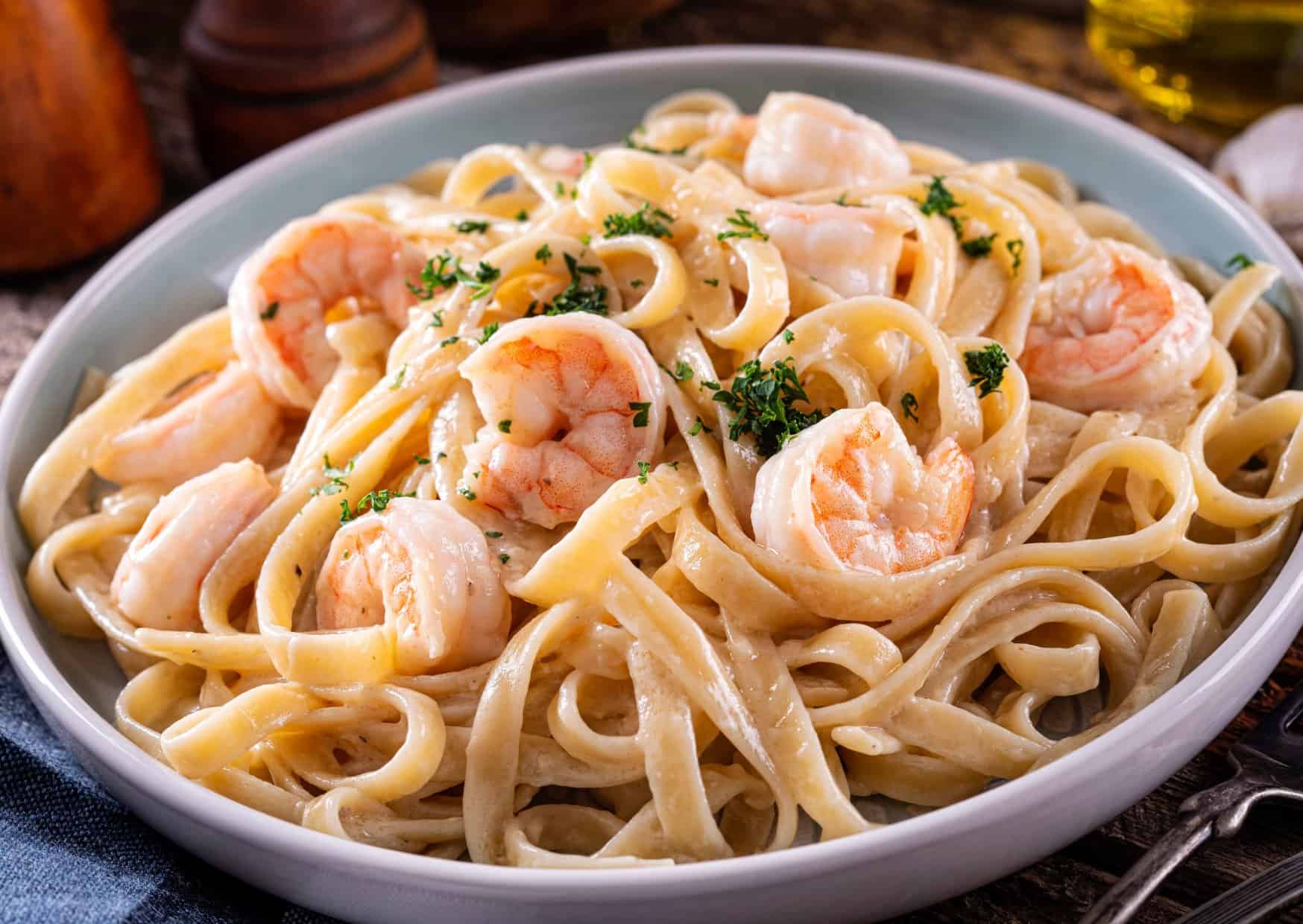
1. Cheese on Seafood? No Grazie
What Tourists Do
- Cheerfully shower seafood pasta (like spaghetti alle vongole) with Parmesan.
- Assume melted cheese belongs on everything from mussels to shrimp.
What Locals Actually Do
- Respect the delicate flavors of fish, clams, shrimp, and squid—no dairy overshadowing that fresh catch.
- Generally treat seafood and cheese as separate worlds (with a few rare regional exceptions).
Why It’s a Crime
- Cheese’s strong, salty taste can mask seafood’s subtle brininess. Most Italians believe fish tastes best with lighter, simpler sauces—often just olive oil, garlic, and a hint of tomato or white wine.
Pro Tip
If you see servers automatically offering cheese for your seafood pasta in Italy, that’s a red flag you’re in a tourist spot. Politely decline or ask for chili flakes instead if you need an extra kick.
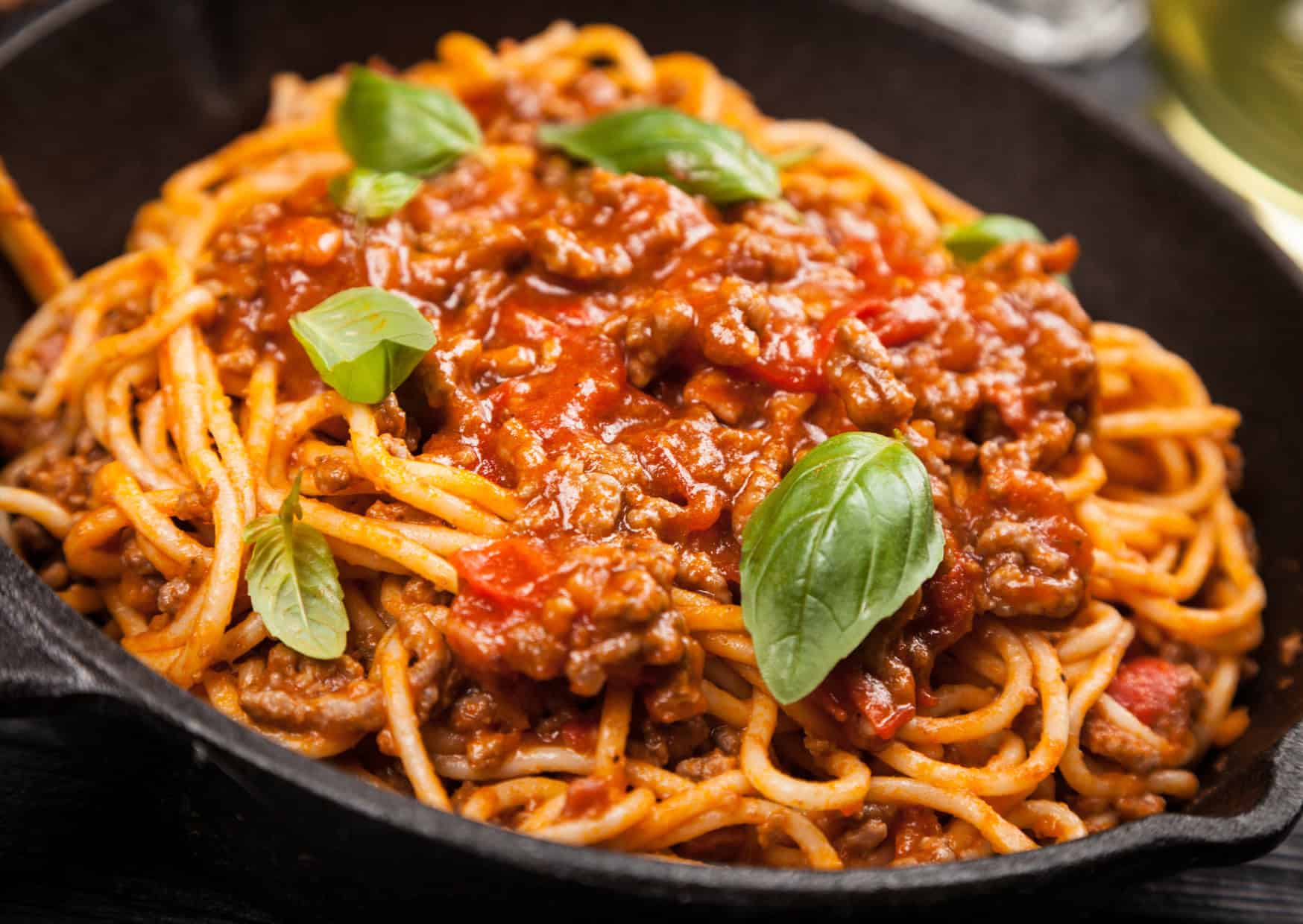
2. Drowning Pasta in Sauce
What Tourists Do
- Pile half a jar of sauce onto a single serving of spaghetti.
- Expect enough marinara or cream sauce to fill a soup bowl.
What Locals Actually Do
- Lightly coat the pasta so each strand is dressed, but not drowning.
- Let the pasta’s flavor and texture shine—sauce is a complement, not the main event.
Why It’s a Crime
- Over-saucing can turn pasta into a soggy, unbalanced mess. Italians pride themselves on pasta al dente (firm to the bite) with just enough sauce to enhance—not overshadow—the dish.
Pro Tip
If you’re cooking at home, remember the 1:1 ratio: roughly one ladle of sauce for one portion of pasta. In restaurants, if your dish arrives swimming, it may not be a place that follows Italian culinary tradition.
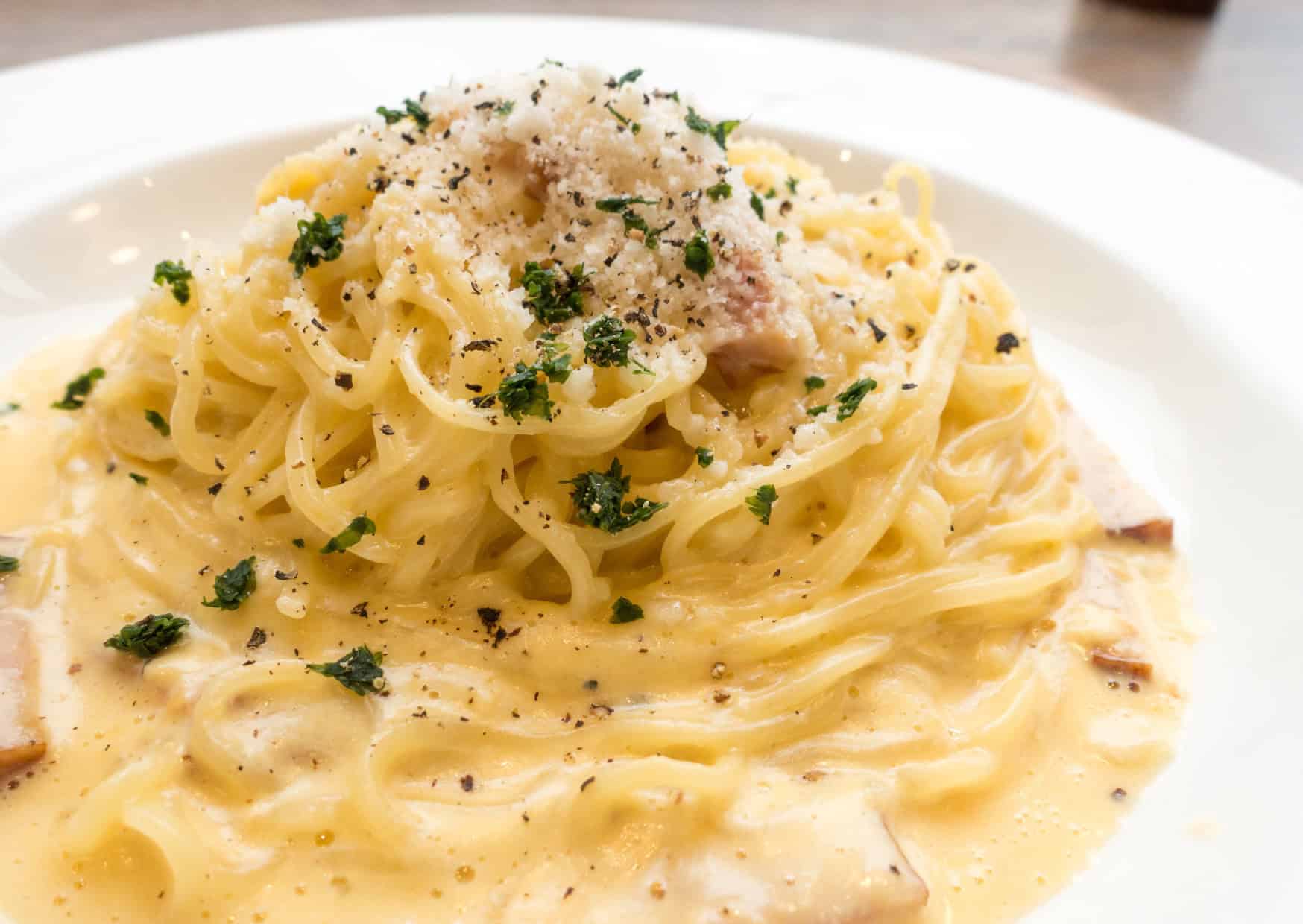
3. Creaming Carbonara or Other Classic Sauces
What Tourists Do
- Assume carbonara, cacio e pepe, or amatriciana should be super creamy, thickened with dairy.
- Happily order anything “alfredo” or “alla panna” (with cream), expecting it to be authentic.
What Locals Actually Do
- Use eggs and cheese (pecorino or Parmigiano) in carbonara—no cream.
- Rely on simple, precise methods for iconic sauces: black pepper, pecorino, and pasta water for cacio e pepe; tomato, guanciale, and pecorino for amatriciana.
Why It’s a Crime
- The “cream” in these famous Roman dishes is literally the emulsion of cheese, egg, and starchy pasta water—no dairy needed. Adding heavy cream kills the velvety texture that’s naturally produced.
Pro Tip
Ask if there’s cream in the carbonara. If the waiter says yes, you’re not eating the traditional Roman recipe—it’s a “tourist” spin.
4. Throwing in Random Herbs and Spices
What Tourists Do
- Toss basil, oregano, rosemary, and onion powder into the same sauce.
- Assume “the more the merrier”—and end up with a flavor overload.
What Locals Actually Do
- Favor a few fresh herbs that match the region and dish.
- Keep seasoning minimal, letting primary ingredients (like tomatoes or quality olive oil) shine.
Why It’s a Crime
- Excessive seasoning can clash or overpower. Italians believe in harmony—a few fresh basil leaves might be perfect for a tomato sauce, but layering every herb from the spice rack kills authenticity.
Pro Tip
If your sauce has more ingredients than you can count on one hand, it’s probably gone beyond Italian tradition. Stick to fresh, high-quality basics—tomatoes, oil, garlic, onion, and maybe one herb or two.
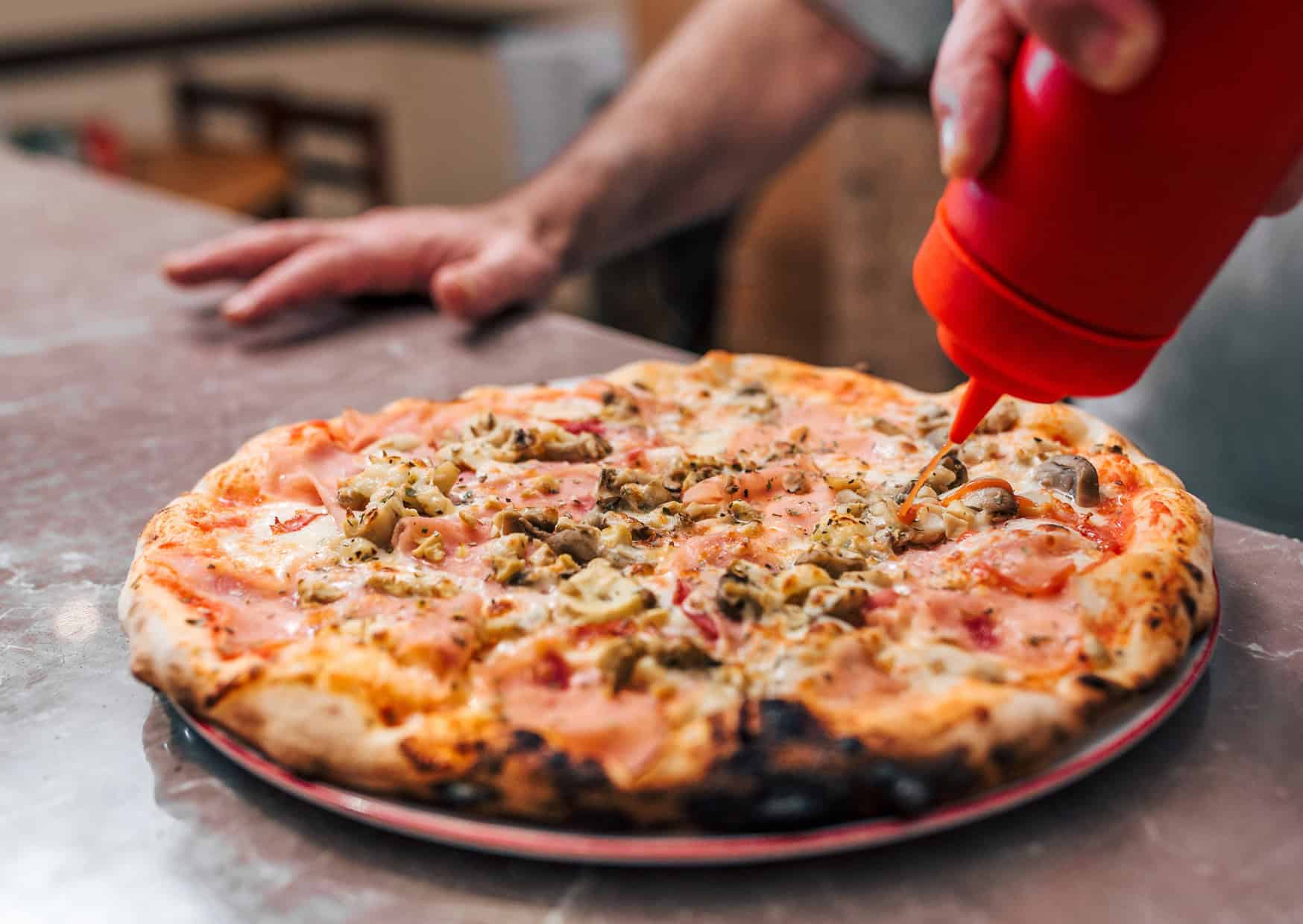
5. Ketchup or Ranch on Pizza and Pasta
What Tourists Do
- Dip pizza crust in ranch or drizzle ketchup on spaghetti.
- Treat these condiments as universal sauce boosters.
What Locals Actually Do
- Use condiments sparingly, if at all. Pizza is eaten as is, maybe drizzled with a bit of chili oil in some regions. Pasta is already balanced—no sugary sauces needed.
Why It’s a Crime
- Sweet condiments disrupt the natural, savory notes Italians work hard to achieve. Ketchup or ranch on pizza is cringeworthy for most locals—akin to painting over a masterpiece.
Pro Tip
If you absolutely must have sauce, politely ask if they have spicy olive oil (olio piccante) or chili flakes. Otherwise, enjoy the dish’s intended flavors. Ranch is best left at the salad bar.
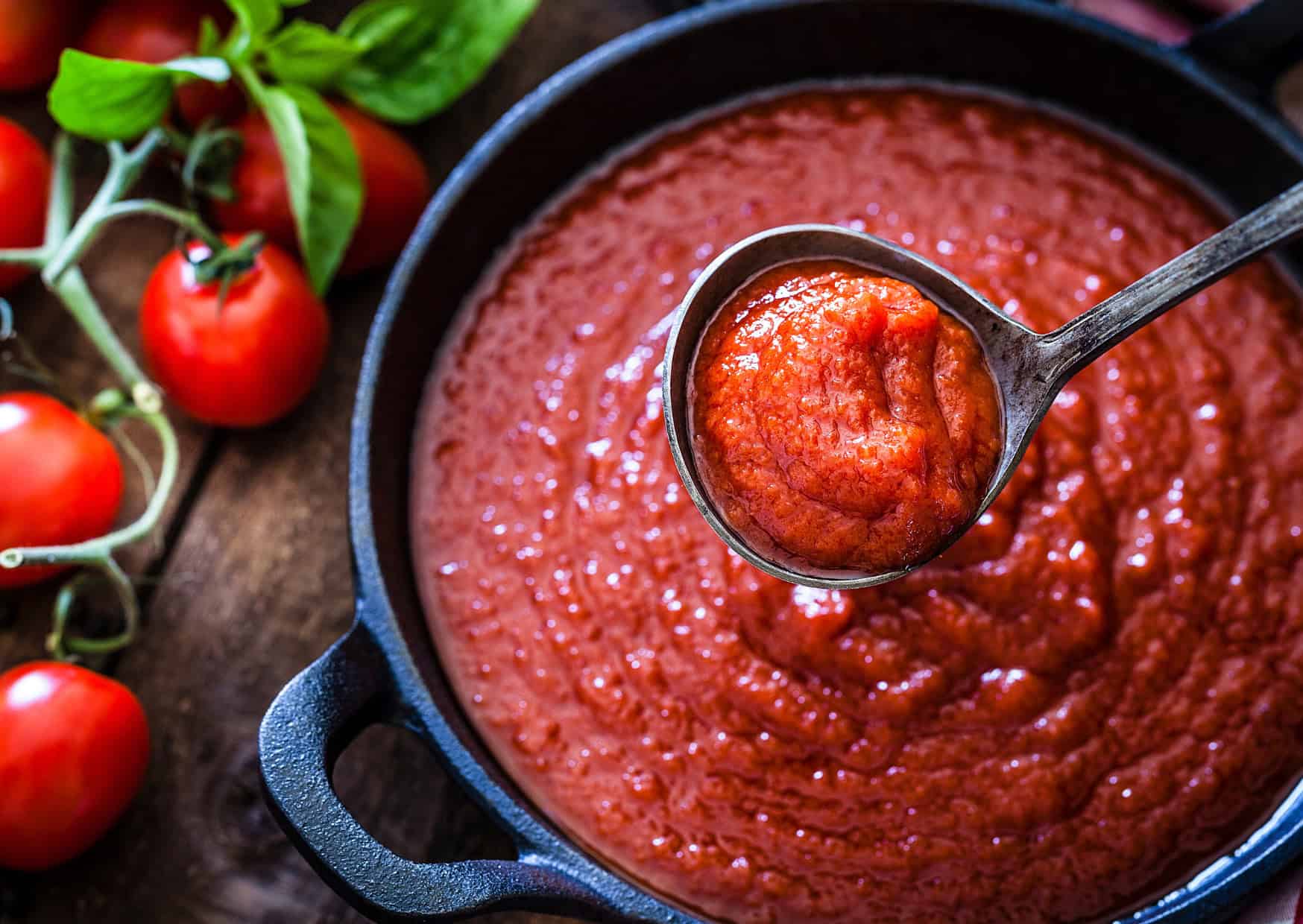
6. Sweet Tomato Sauces
What Tourists Do
- Use store-bought tomato sauce loaded with sugar, or add extra sugar themselves to “balance” acidity.
- Expect a pasta sauce to taste almost candy-like.
What Locals Actually Do
- Let quality tomatoes and slow cooking take care of balancing acidity.
- Use a pinch of salt or carrot to sweeten, but rarely dump spoonfuls of sugar.
Why It’s a Crime
- Overly sweet sauce makes it taste like dessert, masking the rich tomato essence. Italians prefer ripe tomatoes, olive oil, onions, and a dash of salt as natural sweeteners—no need for big sugar hits.
Pro Tip
If a sauce tastes syrupy, it’s probably geared toward non-Italian palates. In a restaurant, ask about homemade vs. store-bought sauce. If you’re cooking at home, rely on top-notch canned tomatoes or fresh produce instead of sugar.
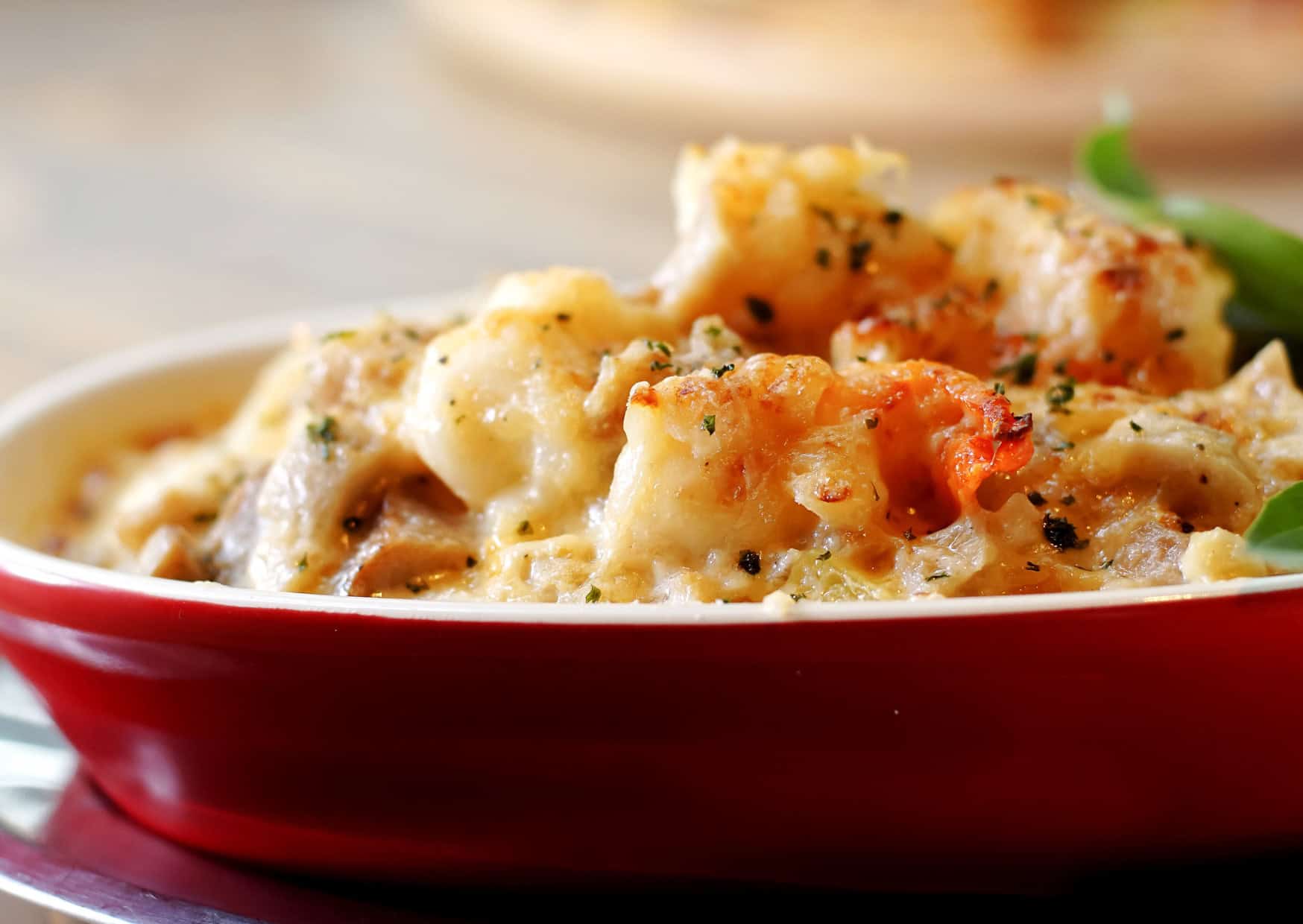
7. Mixing Seafood with Creamy Cheese Sauces
What Tourists Do
- Combine shrimp or clams with Alfredo-like sauces.
- Bake lasagna layered with both cheese and fish, hoping it’s “Italian.”
What Locals Actually Do
- Separate land and sea: if you’re cooking with fish, keep the sauce light (olive oil, garlic, maybe tomato or wine).
- Creamy cheese sauces are typically paired with mushrooms, ham, or vegetables, not seafood.
Why It’s a Crime
- Similar to the cheese-on-seafood taboo, cream also overpowers delicate marine flavors. The result is a confused dish Italians rarely recognize as their own.
Pro Tip
Look for dishes named “marinara” or “alla pescatora,” which usually means tomatoes, herbs, and garlic—no cream. If the menu lumps shrimp and heavy cheese sauce together, it’s definitely an international fusion, not classic Italian.
The Bottom Line
Authentic Italian cuisine is all about simplicity, freshness, and balance. Overly heavy sauces or bizarre mash-ups (like cheese-laden seafood or sugary ketchup on pizza) go against the core principle that each ingredient should shine without clashing.
Whether you’re in Italy or your hometown’s “Italian” eatery, keep an eye out for sauce crimes that might be masquerading as authentic and remember, sometimes, less is far more.
Pro Tip
When in doubt, ask: “Is there cream in this sauce?” or “Do you typically add cheese to seafood?” If the waiter or chef seems puzzled by your questions, you might be safer ordering something else. Buon appetito!

About the Author: Ruben, co-founder of Gamintraveler.com since 2014, is a seasoned traveler from Spain who has explored over 100 countries since 2009. Known for his extensive travel adventures across South America, Europe, the US, Australia, New Zealand, Asia, and Africa, Ruben combines his passion for adventurous yet sustainable living with his love for cycling, highlighted by his remarkable 5-month bicycle journey from Spain to Norway. He currently resides in Spain, where he continues sharing his travel experiences with his partner, Rachel, and their son, Han.