
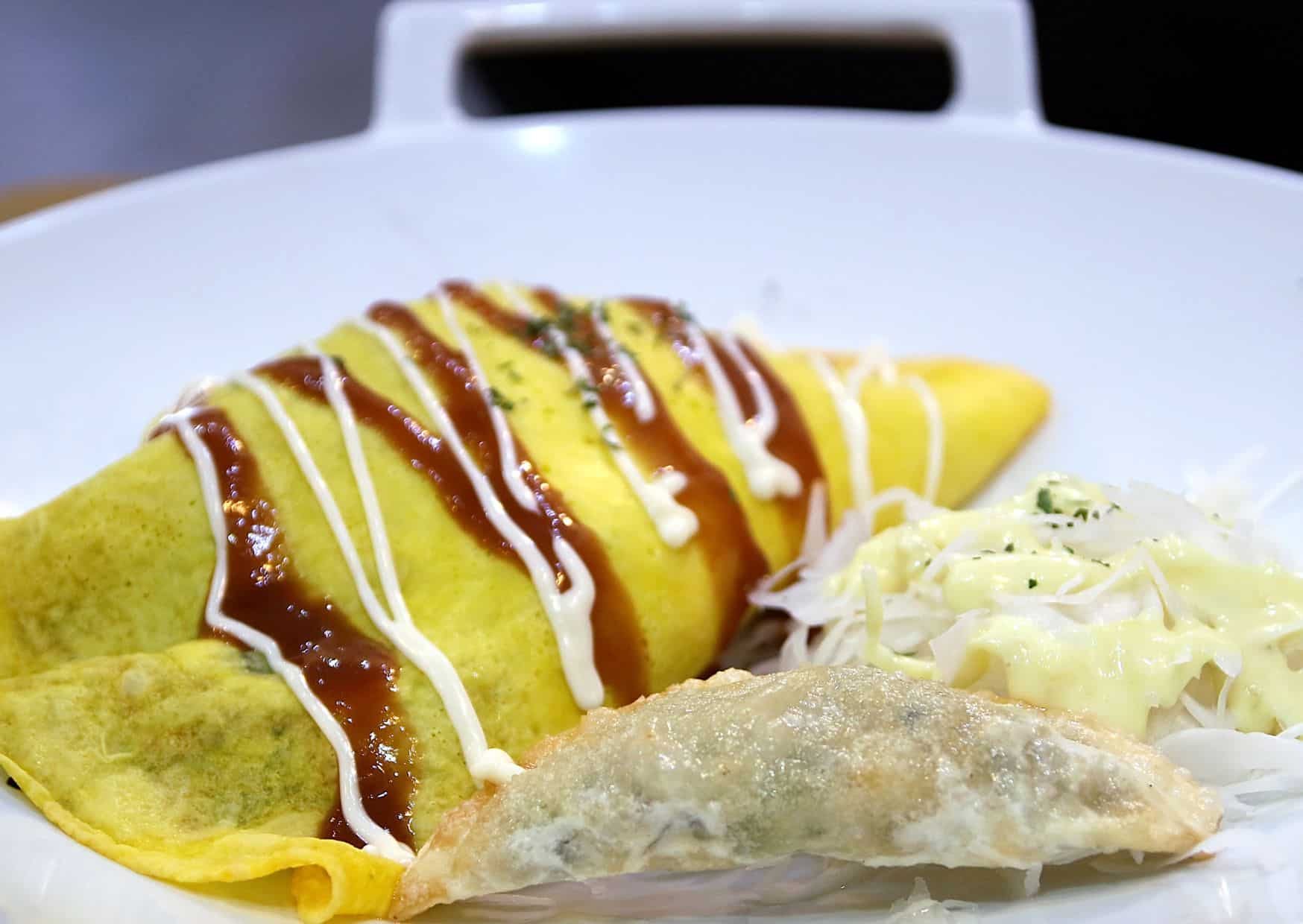
Omurice is one of Japan’s most beloved comfort foods, combining fluffy omelette with savoury ketchup-flavoured fried rice to create a dish that is both nostalgic and satisfying. Popular in Japanese homes, cafes, and family restaurants, omurice is simple to prepare yet looks impressive with its bright yellow egg wrapping and deliciously seasoned rice hidden inside. In this recipe guide, you’ll learn how to make homemade omurice that is authentic, easy, and guaranteed to brighten up any meal.
What makes omurice so special is its unique blend of Western-inspired ingredients and Japanese flavours. The dish originated in the early 20th century during Japan’s yoshoku (Western-style food) movement and quickly became a staple, especially for children. The combination of lightly seasoned chicken fried rice wrapped in a creamy omelette and topped with ketchup creates a dish that is comforting, slightly sweet, and full of texture in every bite.
Whether you’re looking for a quick weekday dinner, a fun weekend brunch, or a recipe to introduce Japanese food to kids, omurice is versatile and always crowd-pleasing. It’s a dish that proves comfort food can be simple, creative, and deeply heartwarming.
Read here Japan Vegan Snacks and Breakfast in Japan
Read Here a guide to buy your JR Pass, Things to know before visiting Japan and Best Japan Sim Card
BOOK YOUR TRAVEL INSURANCE
Two of our favorite travel insurance: Heymondo Vs Safetwing cheapest travel Insurance. You can get for $135 USD your Heymondo Travel Insurance with Heymondo discount code valid for 90 days. Read our full comparison of Genki vs Safetywing Travel Insurance Review and the comparison Heymondo vs Genki
How to Eat Omurice
Omurice is best enjoyed hot, straight from the pan, when the omelet is still silky and the rice is perfectly warm. Traditionally, it’s eaten with a spoon, allowing you to scoop up both the fluffy egg and the flavorful ketchup-seasoned fried rice in a single bite. The texture contrast soft omelet, slightly chewy rice makes it a dish that’s both comforting and satisfying. It’s casual yet deeply nostalgic, a reflection of home-style Japanese cooking rather than high-end cuisine.
How to Partner Omurice
Pair omurice with light, refreshing sides to balance its richness. A simple miso soup, a crisp cucumber salad, or lightly pickled vegetables work perfectly to cleanse the palate. For drinks, green tea or a cold barley tea complements the dish without overwhelming its subtle sweetness. If you want a more modern twist, serve it with a drizzle of demi-glace sauce or pair it with sparkling water to add a touch of sophistication.
Omurice has a complicated reputation in Japanese cuisine. While beloved as a comfort food, it is sometimes dismissed as too “Westernized,” given that it was inspired by European omelets and uses ketchup, a non-traditional ingredient. This Western influence sparks debates about cultural authenticity and whether omurice should even be considered a true Japanese dish.
Another point of contention is presentation. The “tornado” or “soft-cooked” style omelet has gained viral attention on social media, but many chefs argue that this flashy technique prioritizes aesthetics over taste. The pursuit of Instagram-worthy plates has led some to forget the dish’s humble origins as a practical and affordable meal for families.
Additionally, ketchup itself is a divisive ingredient. Some culinary purists feel it overwhelms the delicate flavors of the rice and egg, while others insist it’s essential to the nostalgic character of omurice. This tug-of-war between authenticity, modernization, and global appeal has made the dish a fascinating symbol of evolving food culture.
How to Make Omurice
Omurice Recipe Ingredients
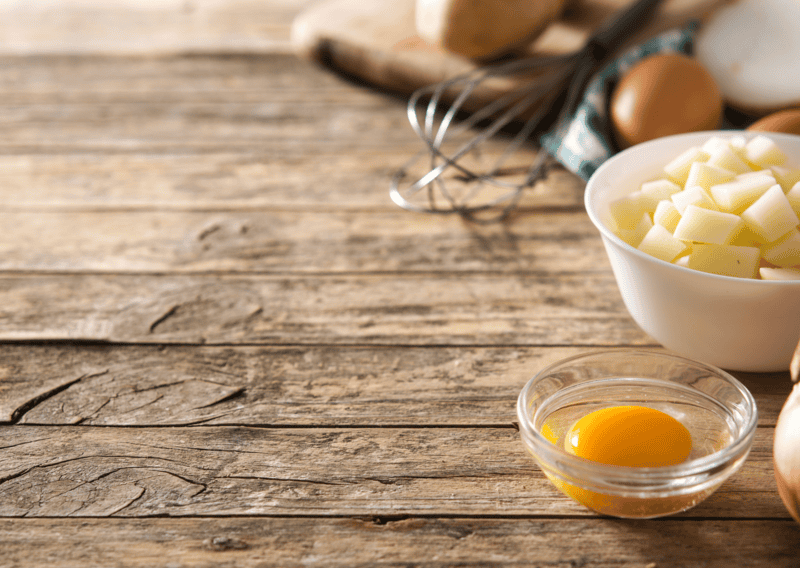
2 cups cooked rice (preferably day-old rice)
200 grams chicken breast, diced
1/2 cup mixed vegetables (carrots, peas, corn)
1 small onion, finely chopped
2 tablespoons ketchup, plus extra for topping
1 tablespoon soy sauce
4 large eggs
2 tablespoons milk
Salt and pepper, to taste
2 tablespoons vegetable oil
Get the best deals for your home and kitchen needs
Step By Step How to Make Omurice
Prepare the Fried Rice
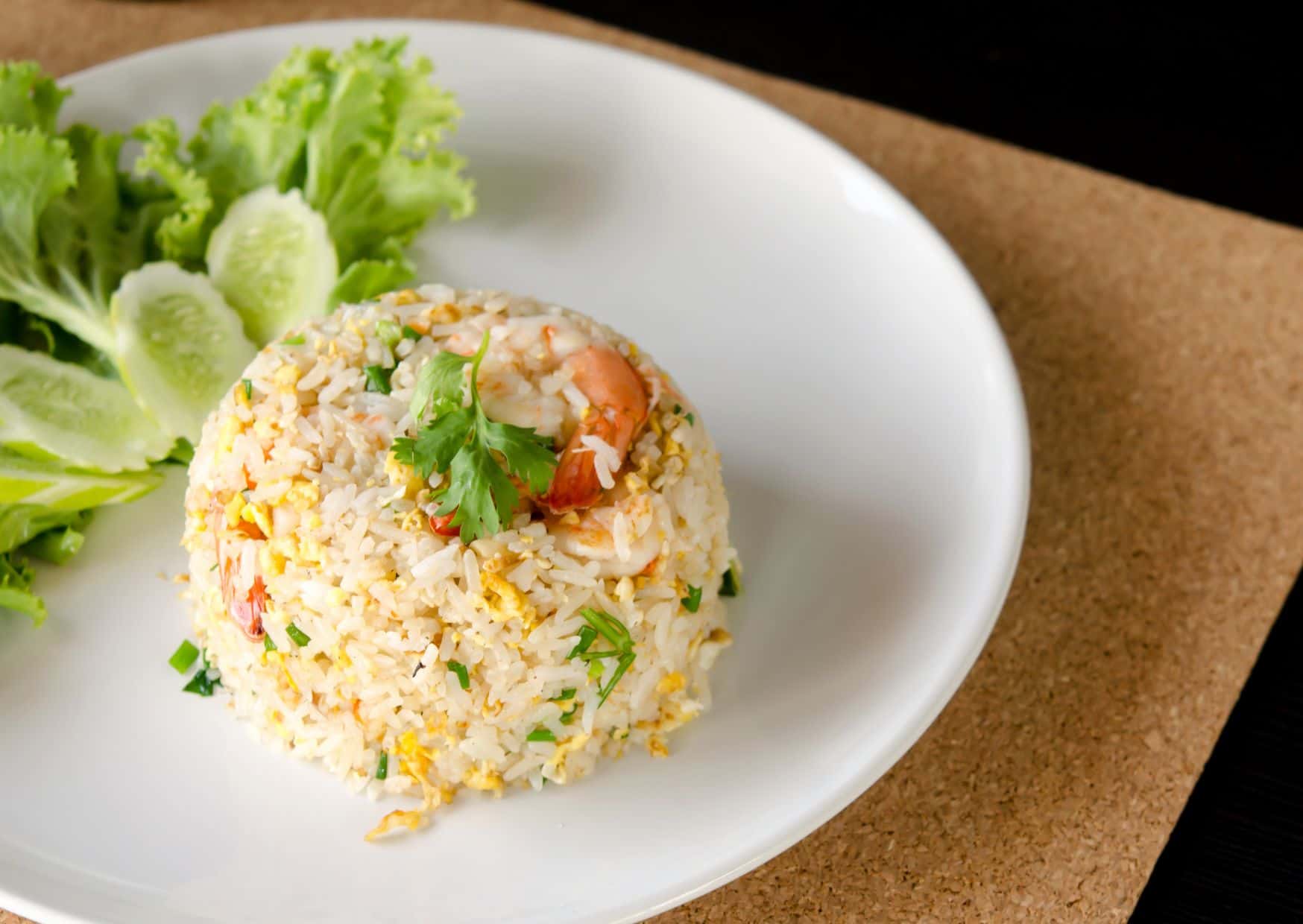
Heat 1 tablespoon of oil in a large skillet over medium heat. Sauté the onion until translucent. Add the diced chicken and cook until browned.
Stir in the mixed vegetables and cook for another 2-3 minutes until they’re softened. Add the rice, breaking any clumps. Mix well to ensure everything is evenly distributed. Stir in ketchup and soy sauce, and season with salt and pepper to taste. Cook for another couple of minutes, then remove from heat and set aside.
Make the Omelette
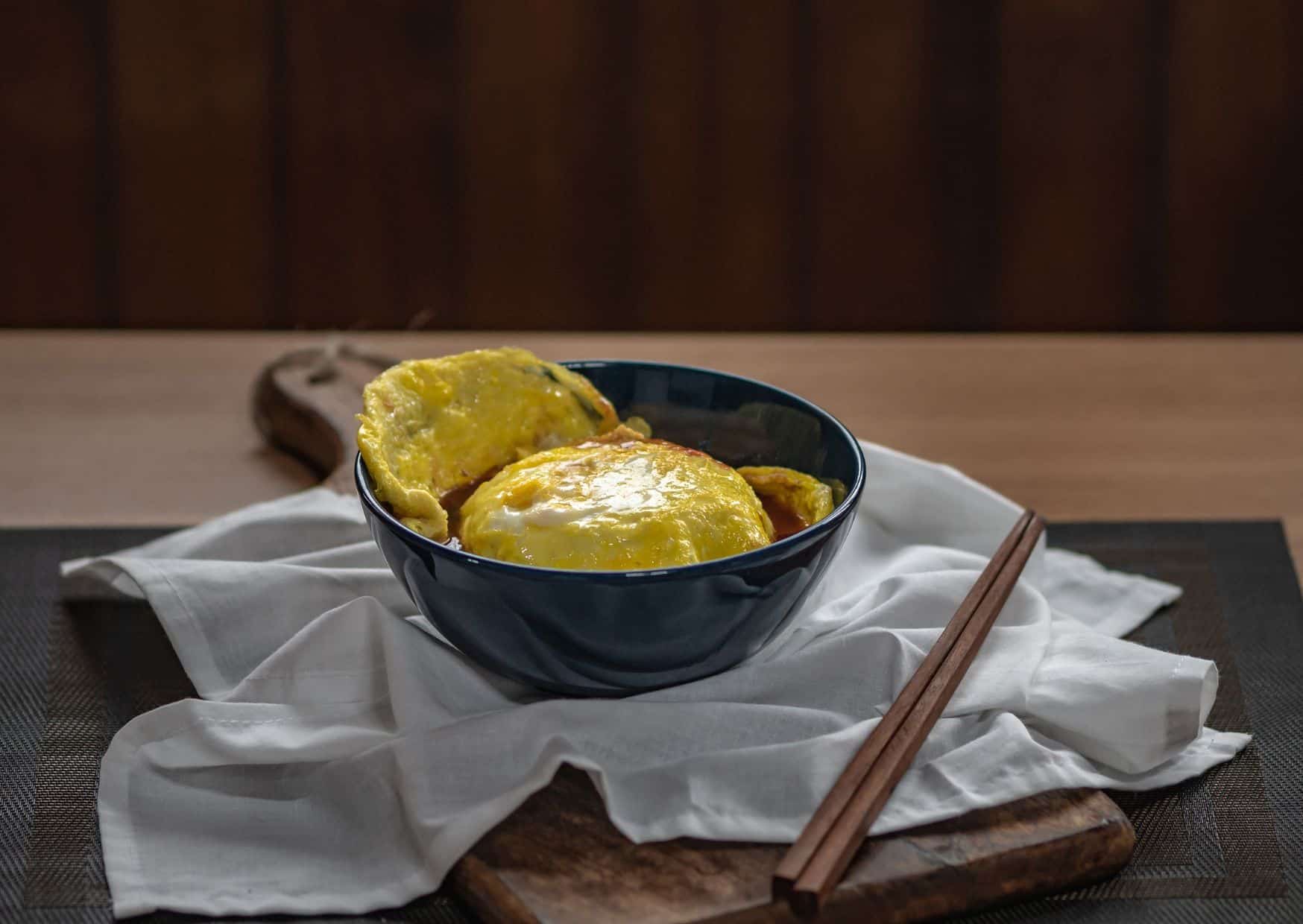
In a bowl, whisk together the eggs and milk, seasoning with a little salt and pepper. Heat the remaining tablespoon of oil in a non-stick frying pan over medium heat. Pour in the eggs, swirling to spread them out evenly over the surface of the pan. Let the eggs cook until the edges begin to lift from the pan but the center is still slightly runny.
Assemble the Omurice
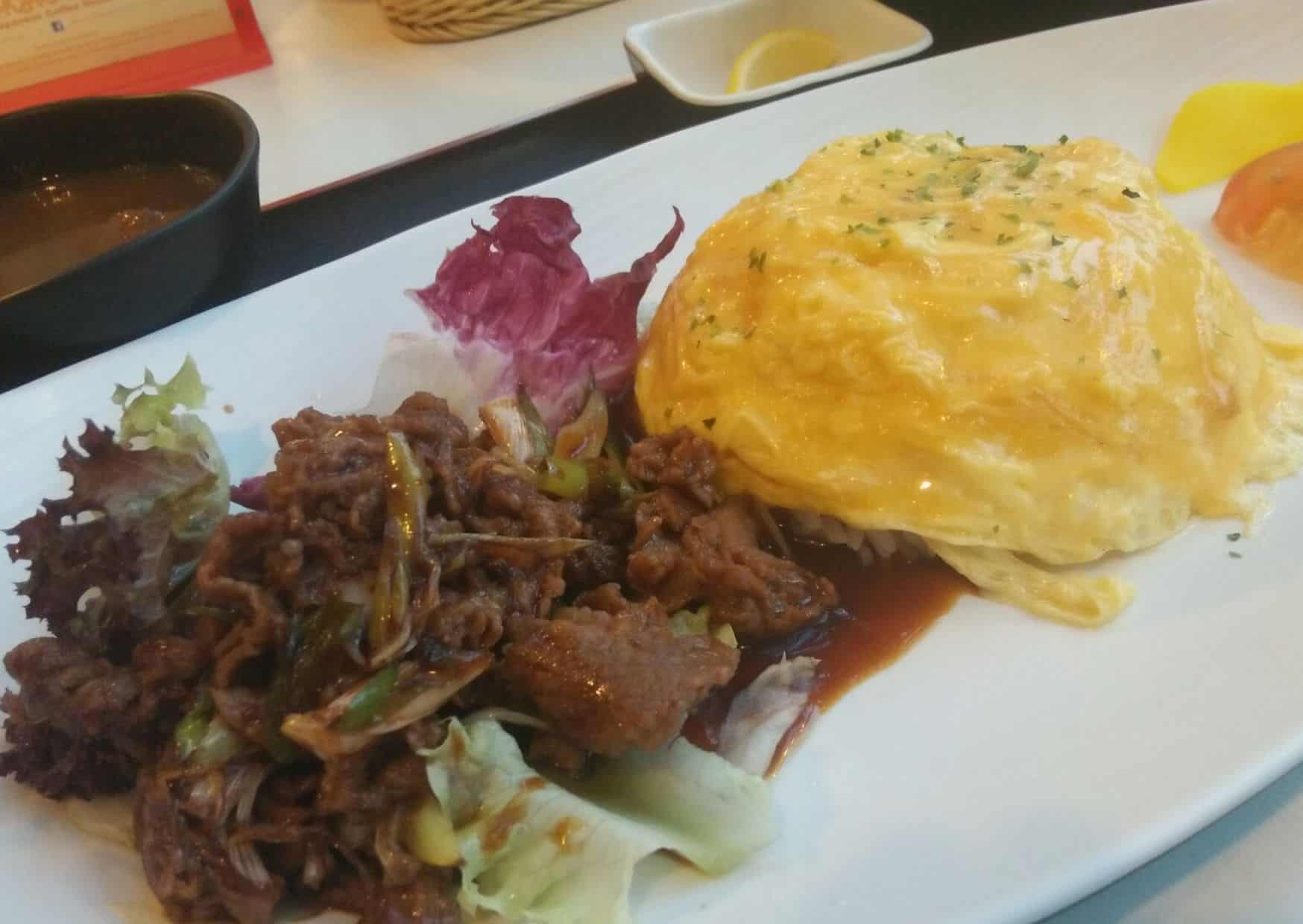
Before the omelette is fully set, add half of the fried rice mixture over one half of the omelette. Use a spatula to carefully fold the other half of the omelette over the rice. Let it cook for another minute to ensure the omelette is fully cooked but still tender. Carefully slide the omurice onto a plate, shaping it into an oval with the help of the spatula if needed.
Serving
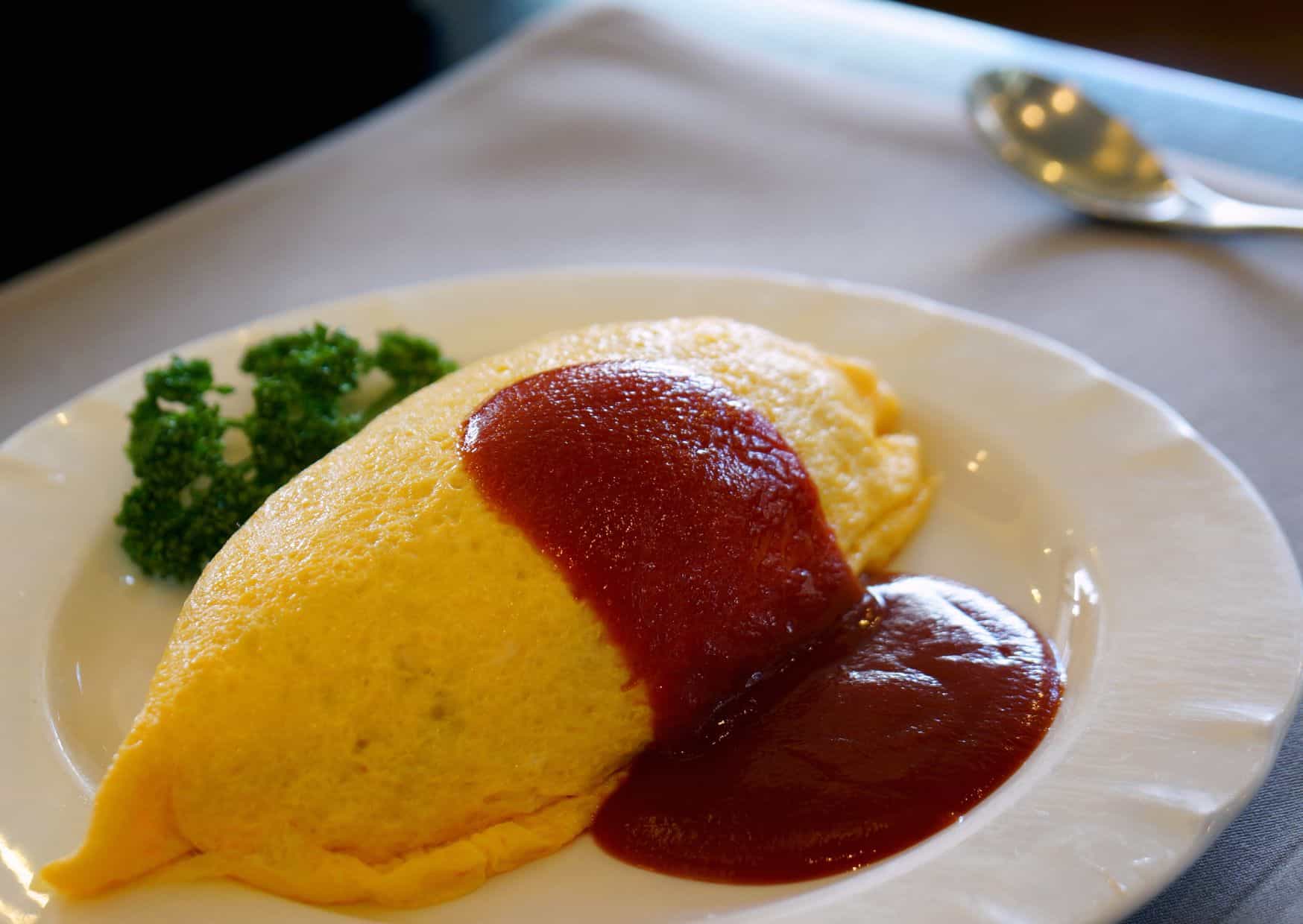
Drizzle ketchup over the top of the omurice for extra flavor and decoration. Serve hot.
Tips To Make Omurice
Use day-old rice as it is less sticky and easier to fry. Keep the heat on medium to low to avoid browning the eggs too much; the omelette should be soft and creamy.
Adjust the amount of ketchup and soy sauce based on your taste preferences. Some people like a sweeter omurice, while others prefer it less so.

How Many Calories Have Omurice
The total calories for one serving of omurice (half of the total recipe) can be approximately 600-700 calories, depending on the specific ingredients and their quantities.
Origin and History
Omurice emerged in early twentieth-century Japan during a period when Western cuisine was being adapted for Japanese tastes. Known as yōshoku, these dishes blended European techniques with local ingredients, creating foods that felt both foreign and familiar. Omurice was one of the most successful outcomes of that fusion.
The dish is generally credited to restaurants in Tokyo and Osaka that sought to create an approachable, filling meal using rice and eggs. By combining seasoned fried rice with a thin omelet, chefs created something visually striking and deeply satisfying without requiring expensive ingredients.
As omurice spread through cafés and family restaurants, it became associated with home cooking rather than fine dining. Its affordability and flexibility made it popular with children and adults alike, cementing its place as everyday comfort food.
Over time, regional and stylistic variations developed. From tightly wrapped omelets to softly folded eggs poured over rice, omurice evolved while still maintaining its identity as a nostalgic staple.
One of the biggest debates surrounding omurice is what makes it “authentic.” Purists argue that ketchup-seasoned rice and a fully cooked omelet are essential, while modern chefs experiment with demi-glace sauces, runny eggs, and upscale fillings.
Another point of contention is whether omurice should be treated as a humble home dish or elevated restaurant cuisine. Some believe transforming it into a luxury plate strips away its cultural meaning, while others see innovation as a natural evolution.
There is also disagreement over technique. The dramatic slicing of a soft omelet that spills over rice became popular through social media, but many argue it prioritizes spectacle over flavor and tradition.
Perhaps the most divisive issue is ketchup itself. For some, it defines omurice; for others, it cheapens the dish. This single ingredient continues to symbolize the tension between nostalgia and reinvention.
How Long You Take to Prepare
Omurice is often perceived as a complicated dish, but its preparation is surprisingly efficient. With basic ingredients ready, the entire process can be completed in about twenty minutes.
The rice portion comes together quickly, especially when using leftover rice. Seasoning and stir-frying take only a few minutes, making it an ideal dish for busy kitchens.
The omelet requires more attention but not more time. Cooking the eggs properly usually takes under two minutes per serving, provided the pan is preheated and well-oiled.
When broken down into steps, omurice proves itself to be both practical and flexible. It rewards focus rather than speed, making it accessible even for novice cooks.
Serving Suggestions
Omurice is traditionally served as a complete meal, but simple accompaniments can enhance it. A light salad or pickled vegetables help balance the richness of the eggs.
For a classic presentation, drizzle ketchup or a mild sauce over the omelet. This not only adds flavor but reinforces the dish’s nostalgic appeal.
Modern versions often include demi-glace or cream-based sauces. These work best when portions are restrained, allowing the rice and eggs to remain the focus.
If serving guests, presentation matters. Shaping the rice neatly and folding the omelet with care transforms a simple dish into something memorable without losing its comfort-food identity.
Final Thoughts
Omurice stands at the intersection of tradition and innovation, offering a window into Japan’s history of adapting Western cuisine. Far from being a simple dish, it reflects creativity, resourcefulness, and cultural exchange. This makes it not only delicious but also deeply meaningful.
Making omurice at home is both accessible and rewarding. It invites home cooks to experiment with fillings, toppings, and plating techniques while staying true to the heart of the dish: warmth and comfort. Whether you prefer a rustic omelet or a silky chef-style presentation, omurice allows for personalization without losing its soul.
Ultimately, omurice’s charm lies in its versatility and emotional resonance. It’s a dish that sparks debate yet brings people together, a plate of food that’s as much about storytelling as it is about flavor. To cook it is to engage with a piece of culinary history one that continues to evolve with every new interpretation.

About the Author: Ruben, co-founder of Gamintraveler.com since 2014, is a seasoned traveler from Spain who has explored over 100 countries since 2009. Known for his extensive travel adventures across South America, Europe, the US, Australia, New Zealand, Asia, and Africa, Ruben combines his passion for adventurous yet sustainable living with his love for cycling, highlighted by his remarkable 5-month bicycle journey from Spain to Norway. He currently resides in Spain, where he continues sharing his travel experiences with his partner, Rachel, and their son, Han.