
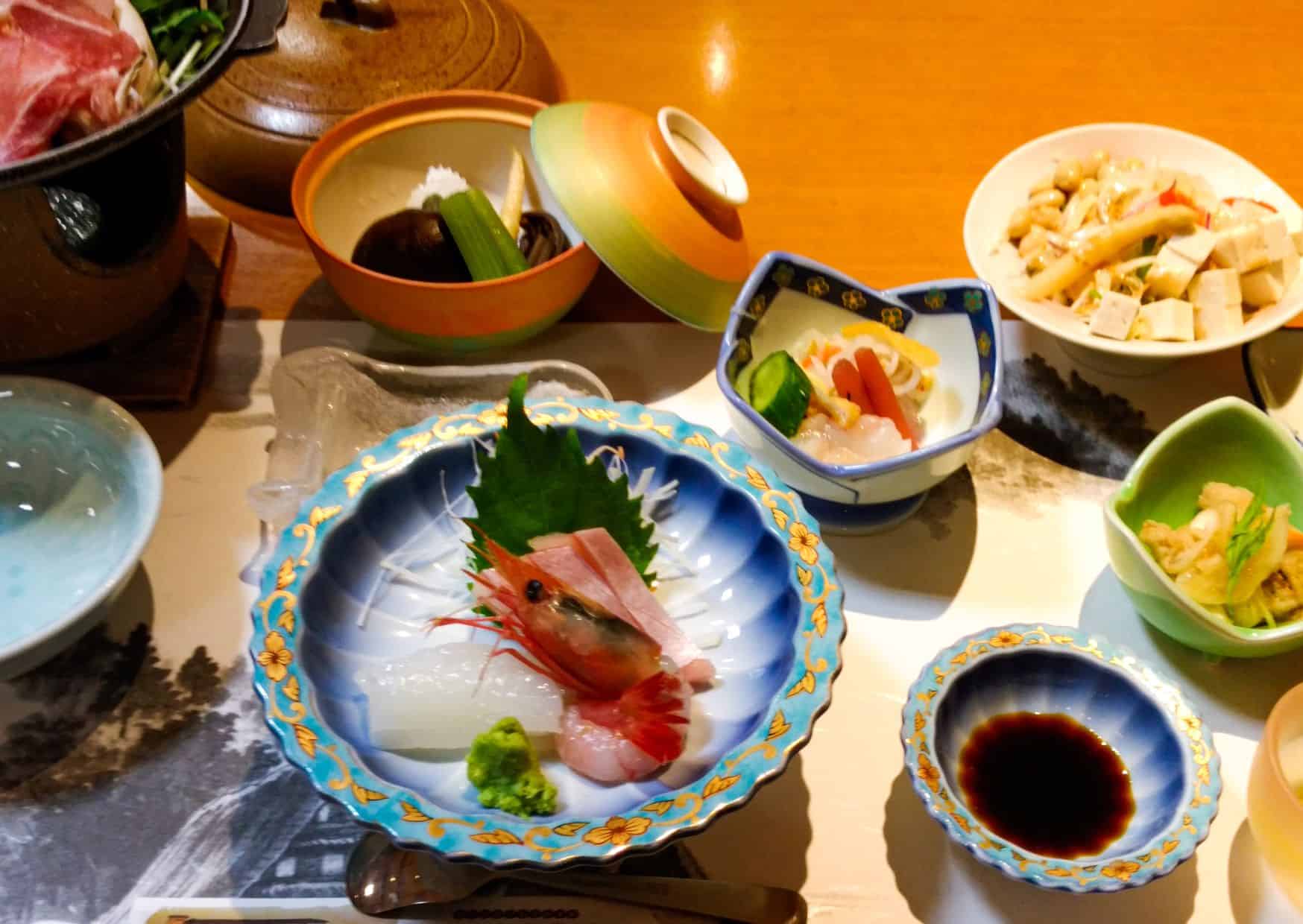
If you think breakfast means cereal, toast, or sugary pastries, think again. In Japan, the first meal of the day looks more like a balanced dinner than a sugary morning indulgence. A traditional Japanese breakfast is a nourishing, savory spread of miso soup, grilled fish, pickled vegetables, steamed rice, and a soft-cooked egg. It’s not just about filling your belly it’s about starting the day with intention, harmony, and nutrient-rich foods.
Making a Japanese breakfast at home might sound complicated, but it’s surprisingly simple once you understand the structure. Every component plays a role in balancing flavors and textures while offering protein, fiber, healthy fats, and probiotics. It’s a meal built on centuries of culinary philosophy and seasonal awareness no rush, no shortcuts, and certainly no Pop-Tarts.
This recipe guide will walk you through how to create a traditional Japanese breakfast that not only tastes amazing but sets you up for a more energized and mindful day. Whether you’re craving a lighter, gut-friendly alternative to heavy Western breakfasts or just want to eat more like the world’s healthiest cultures, you’re in the right place.
Book Your Travel Insurance in Japan
Two of our favorite travel insurance: Heymondo Vs Safetwing cheapest travel Insurance. You can get for $135 USD your HeymondoTravel Insurance with Heymondo discount code valid for 90 days. Read our full comparison of Genki vs Safetywing Travel Insurance Review and the comparison Heymondo vs Genki
Best Time to Eat & How to Partner It
A traditional Japanese breakfast is best enjoyed in the morning (ideally before 9:00 AM), especially on slower days when you can truly appreciate its calming, meditative nature. If you’re in a rush, prepare key components like miso soup or rice the night before and simply reheat them.
Partner it with a freshly brewed cup of green tea or roasted barley tea (mugicha) to complement the umami-rich flavors. For a heartier version, consider adding natto (fermented soybeans) or tofu. If you’re hosting brunch, serve it as a “Japanese breakfast set” with individual trays for a unique and sophisticated experience.
To many Westerners, Japanese breakfast feels more like dinner and that’s exactly the point. The idea that breakfast should be sweet, carb-heavy, or quick is largely a product of industrialized food marketing, not nutritional wisdom. In Japan, the focus is on balance: protein for satiety, fermented foods for digestion, and vegetables for nutrients. It’s not about convenience; it’s about care.
Another surprising truth? Japanese kids grow up eating these savory breakfasts, and studies show lower rates of obesity and lifestyle-related diseases. While Americans often worry about cholesterol from eggs or sodium from miso, the Japanese diet emphasizes moderation and variety not demonization of individual ingredients. It challenges Western fears around food with ancient confidence.
Finally, the structure of a Japanese breakfast dismantles the idea that breakfast must be one-dish, on-the-go, or indulgent. It’s not lazy eating it’s deliberate. For many, the real culture shock isn’t the food itself, but the philosophy: food is medicine, ritual, and community. And perhaps, that’s what we’re truly missing at the start of the day.
How to Make A Traditional Japanese Breakfast
A Traditional Japanese Breakfast Recipe Ingredients
Main Components:
Steamed Rice (Gohan)
Miso Soup (Misoshiru)
Grilled Fish (Yakizakana)
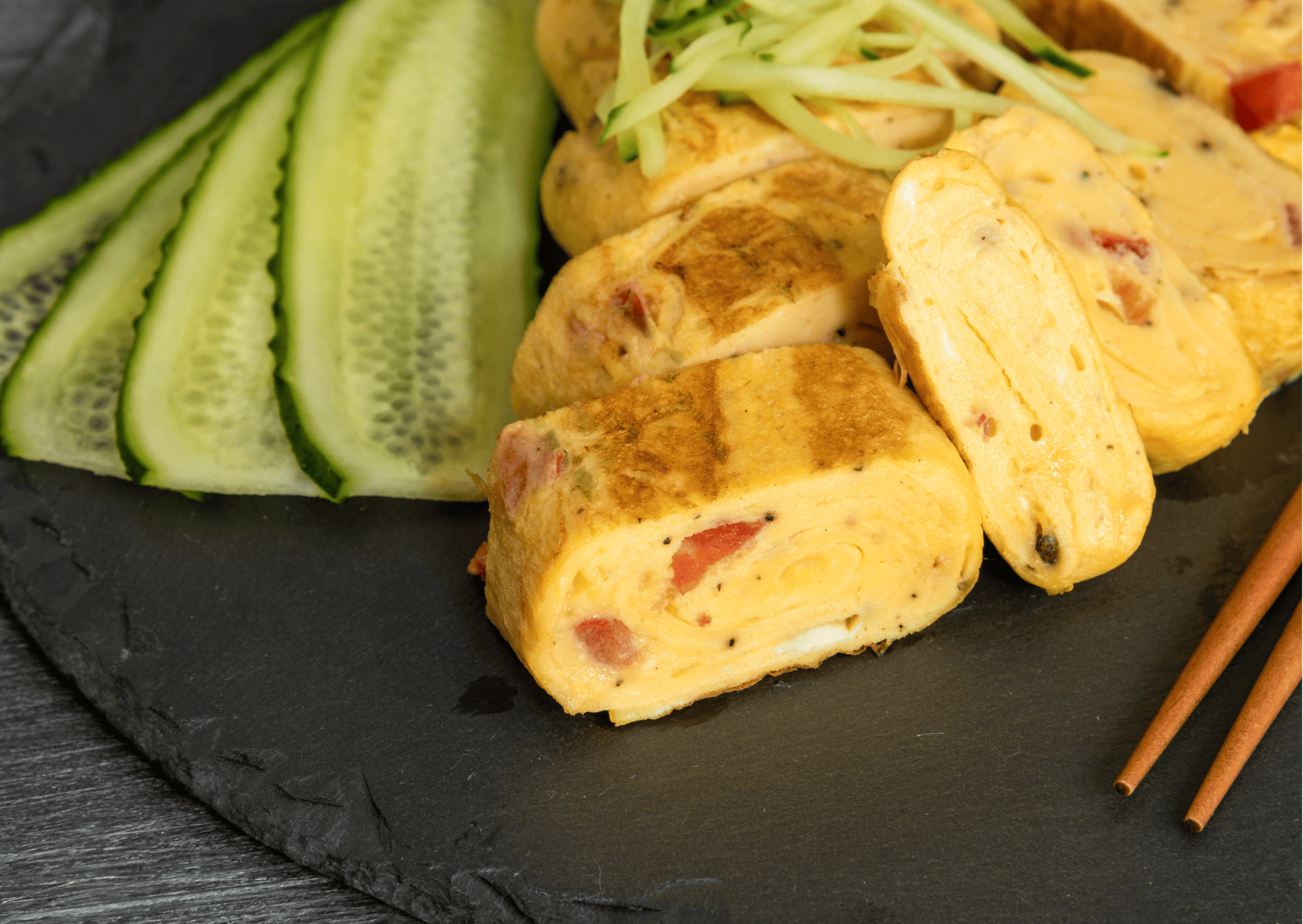
Japanese Omelette (Tamagoyaki)
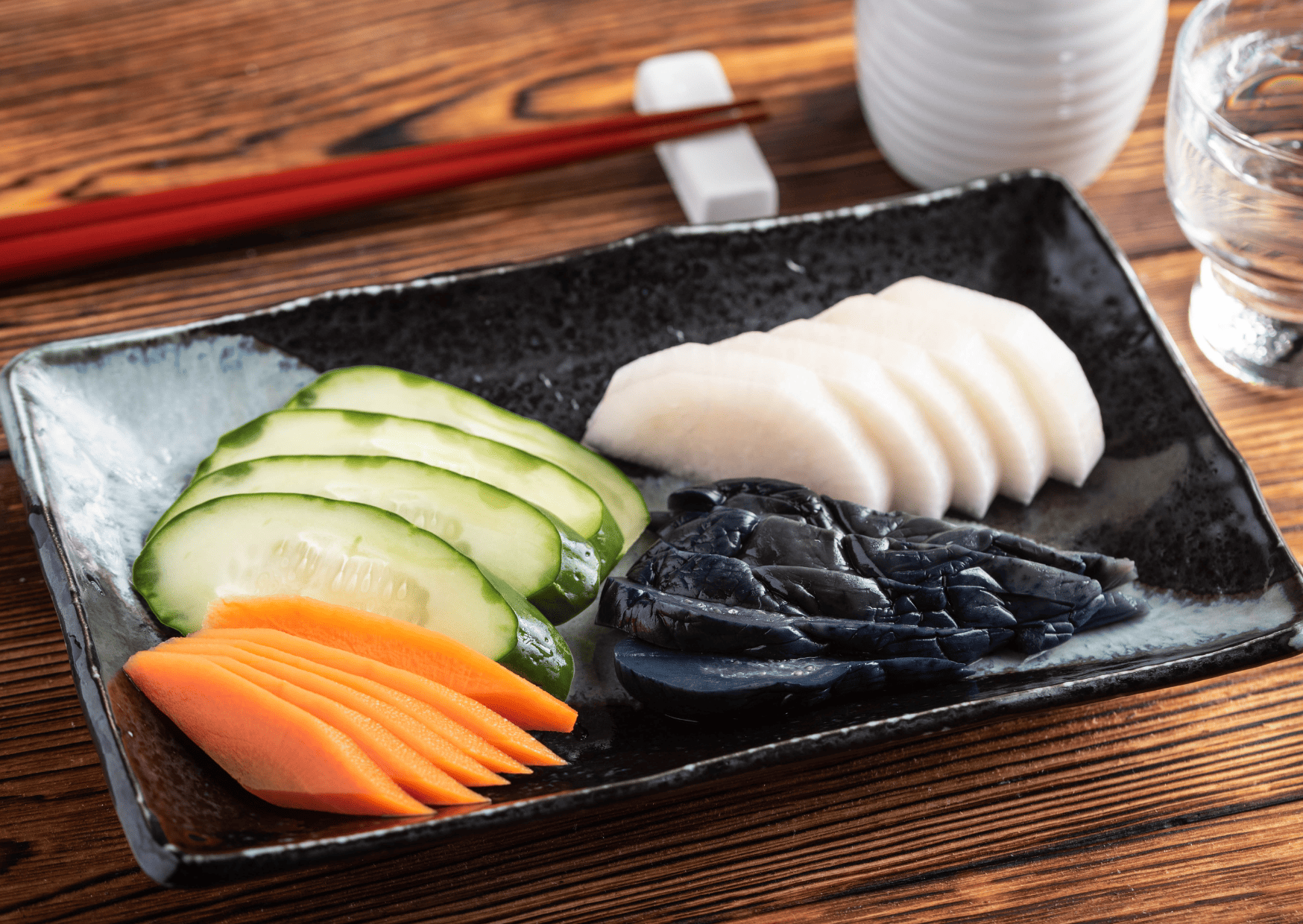
Pickled Vegetables (Tsukemono)
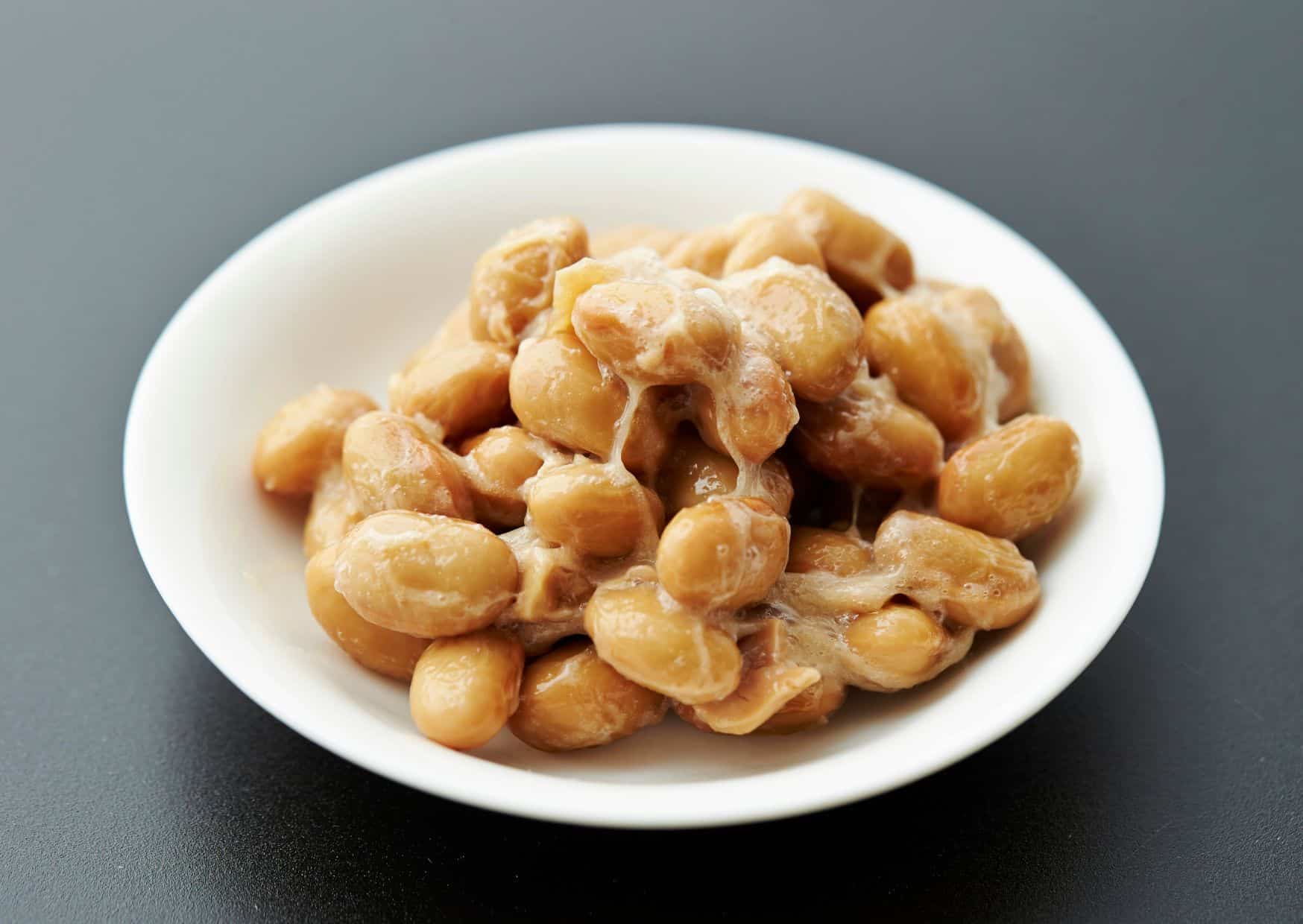
Natto (Fermented Soybeans)
Green Tea (Ryokucha)
Get the best deals for your home and kitchen needs
Step By Step How to Make A Traditional Japanese Breakfast
1. Steamed Rice (Gohan)
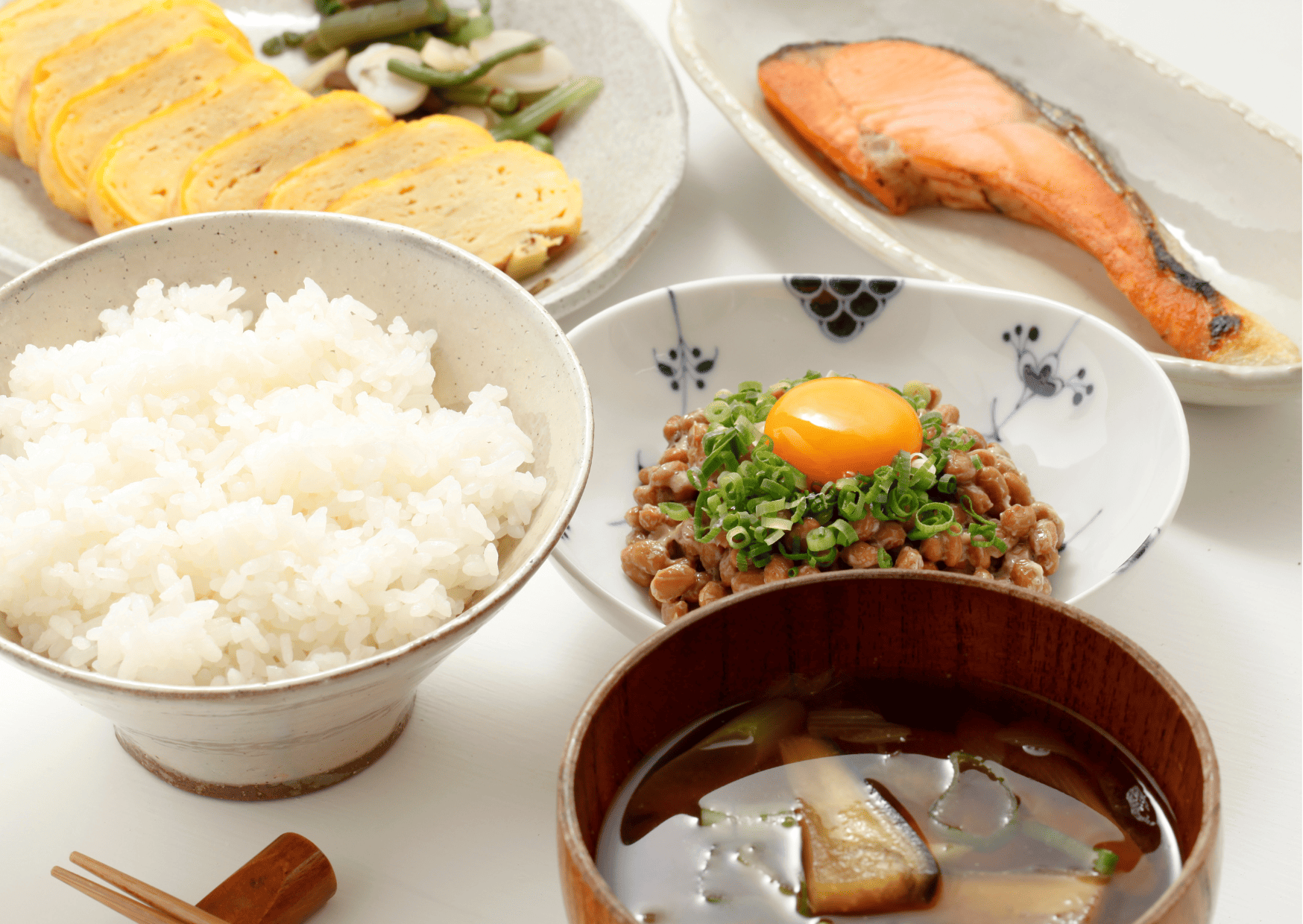
Ingredients
1 cup short-grain rice
1 1/4 cups water
Rinse the rice in cold water until the water runs clear. Combine the rice and water in a rice cooker and cook according to the manufacturer’s instructions.
2. Miso Soup (Misoshiru)
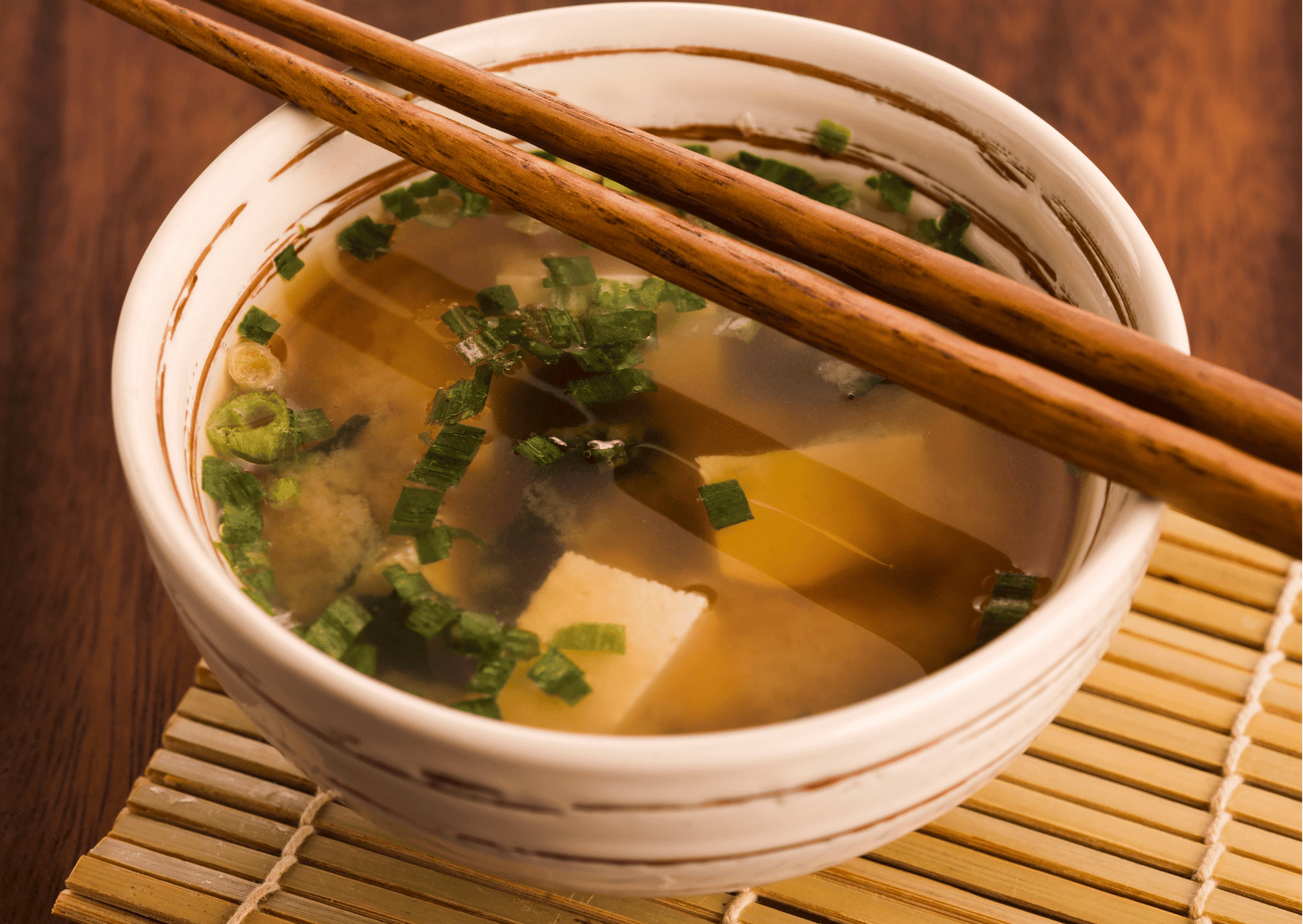
Ingredients
2 cups dashi stock
2 tablespoons miso paste
1/2 cup tofu, cubed
1/4 cup wakame seaweed, rehydrated
1 green onion, sliced
Heat the dashi stock in a pot over medium heat. Add the tofu and wakame, simmer for a few minutes.
In a small bowl, mix the miso paste with a bit of hot dashi to dissolve it, then add it to the pot. Stir gently and heat without boiling. Garnish with green onion slices.
3. Grilled Fish (Yakizakana)
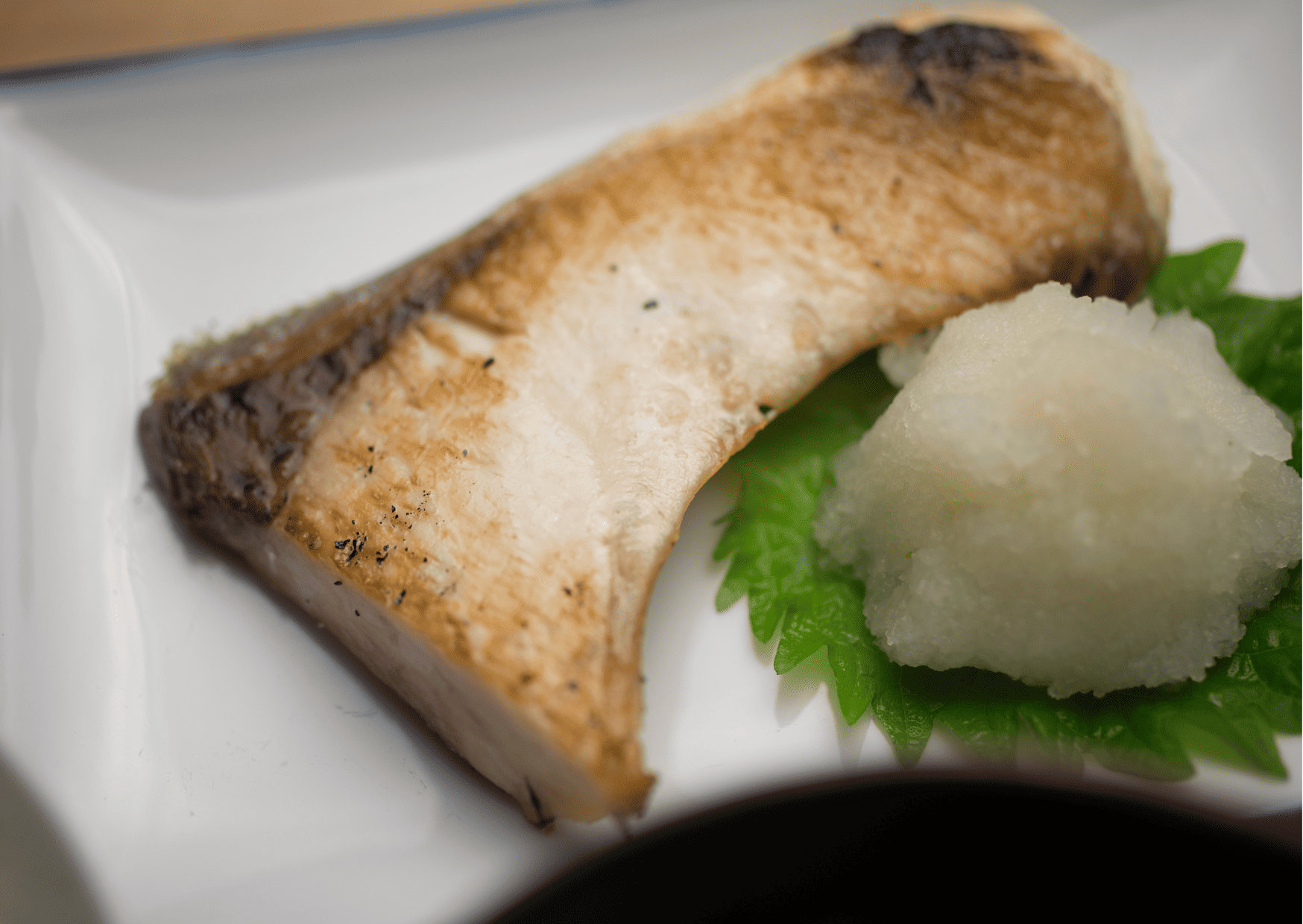
Ingredients
1 fillet of fish (salmon, mackerel, or saury)
Salt
Sprinkle the fish with salt and let it sit for 10 minutes. Grill the fish over medium heat until it’s cooked through and the skin is crispy.
4. Japanese Omelette (Tamagoyaki)
Ingredients
3 eggs
1 tablespoon sugar
1 tablespoon mirin
1/2 tablespoon soy sauce
Oil for frying
Beat the eggs and mix with sugar, mirin, and soy sauce. Heat a rectangular tamagoyaki pan or a regular non-stick pan and oil it lightly.
Pour a thin layer of the egg mixture into the pan, let it set, then roll it up to one side.
Pour another thin layer of egg mixture, lift the rolled egg to let the new layer flow underneath, and roll it up again.
Repeat until all the egg mixture is used. Slice the rolled omelette into pieces.
5. Pickled Vegetables (Tsukemono)
Ingredients
1 cucumber
1 carrot
1 teaspoon salt
1 tablespoon rice vinegar
Slice the cucumber and carrot thinly. Sprinkle with salt and let sit for 10 minutes. Rinse the vegetables, drain, and mix with rice vinegar.
6. Natto (Fermented Soybeans)
Ingredients
1 package of natto
1 teaspoon soy sauce
1/2 teaspoon mustard (optional)
Green onions, sliced (optional)
Open the natto package and mix well with soy sauce and mustard. Top with green onions if desired.
7. Green Tea (Ryokucha)
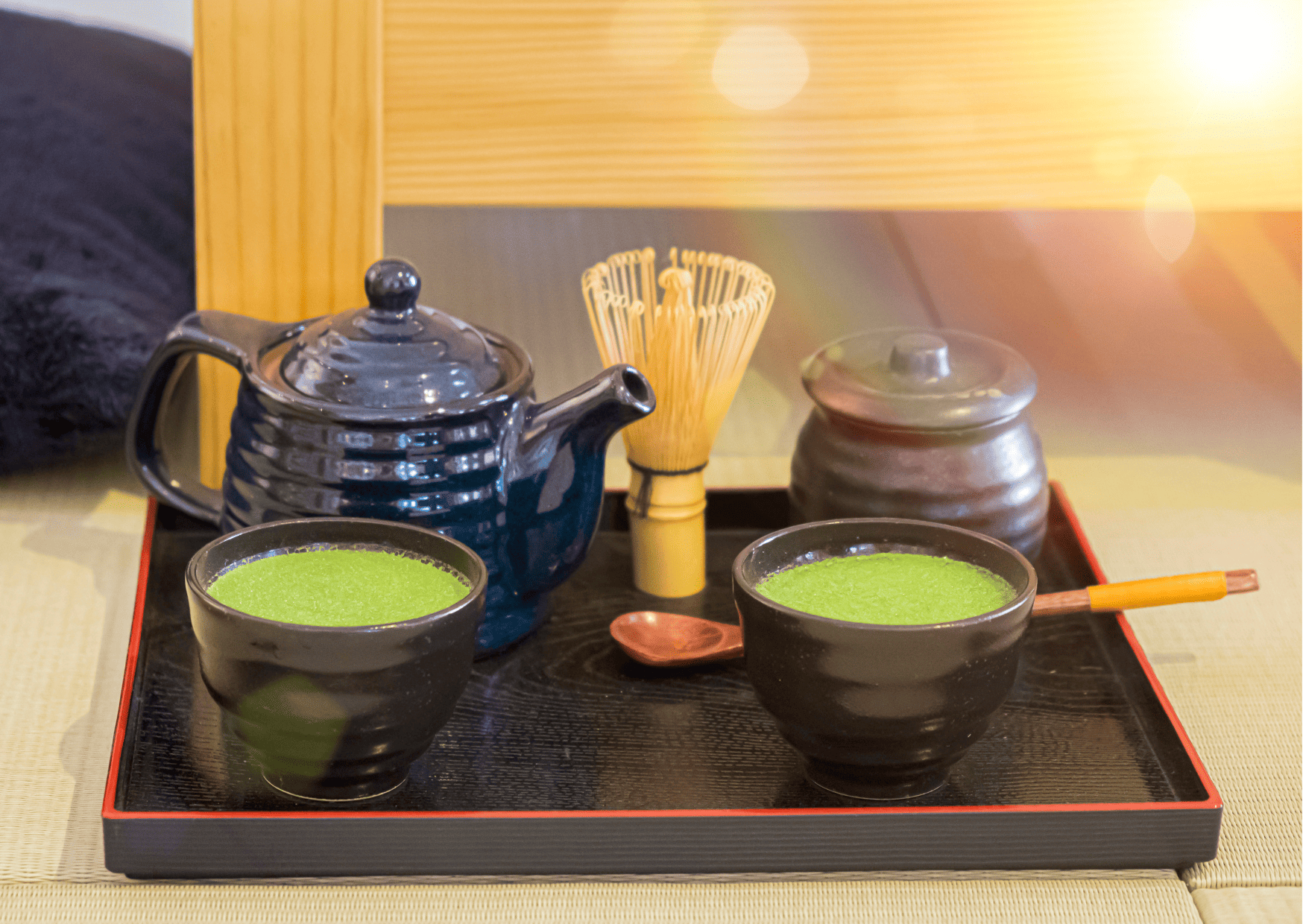
Brew green tea according to the package instructions and serve hot.
Tips To Make A Traditional Japanese Breakfast
Ensure your breakfast includes a balance of protein, carbohydrates, and vegetables for a well-rounded meal. Some components, like pickled vegetables, can be prepared the night before to save time in the morning.
Feel free to mix and match different types of fish, vegetables, and side dishes to keep your breakfasts interesting.
How Many Calories Have A Traditional Japanese Breakfast
Steamed Rice: 150-200 calories per cup
Miso Soup: 50-70 calories per serving
Grilled Fish: 150-200 calories per fillet
Tamagoyaki: 100-150 calories per serving
Pickled Vegetables: 20-30 calories per serving
Natto: 90-100 calories per serving
Green Tea: 0 calories
Total: Approximately 560-750 calories for a complete meal.
Origin and History
Traditional Japanese breakfasts developed around balance rather than indulgence. Rooted in agricultural life, morning meals were designed to provide steady energy for physical labor without heaviness. Rice, soup, and small side dishes formed a practical and nourishing foundation.
During the Edo period, this structure became more standardized. A simple set of rice, miso soup, fish, and pickles reflected the principle of harmony between taste, nutrition, and seasonality. Breakfast was not a separate category of food, but an extension of everyday meals.
Unlike Western breakfasts that evolved toward sweetness and speed, Japanese breakfasts remained savory and deliberate. The focus was not on stimulation or sugar, but on grounding the body after sleep.
Even today, while modern lifestyles have introduced bread and coffee, the traditional Japanese breakfast remains a cultural reference point for what a “proper” start to the day looks like.
One controversial idea is that breakfast does not need to be sweet to be satisfying. Many people associate mornings with sugar and caffeine, yet Japanese breakfasts challenge that assumption by prioritizing protein, fiber, and fermented foods.
Another point of debate is portion size. Japanese breakfasts often look small by Western standards, but their nutrient density and balance often leave people feeling fuller for longer.
Fermented foods like miso and pickles also raise eyebrows. Some criticize their sodium content, while others argue their probiotic benefits and traditional context offset modern fears around salt.
Perhaps the most uncomfortable realization is that “healthy” does not always mean convenient. Japanese breakfasts require intention, which clashes with fast-paced routines but may be precisely why they work.
How Long You Take to Prepare
At first glance, a Japanese breakfast appears time-consuming, but preparation is often simpler than expected. With planning, many components can be prepared in advance.
Cooking rice is largely hands-off, especially with a rice cooker. Miso soup can be assembled in under five minutes once the ingredients are familiar.
Protein elements like grilled fish or eggs typically take less than ten minutes. Pickles and side dishes are often pre-made and stored for several days.
Altogether, a home-style Japanese breakfast can be ready in about fifteen to twenty minutes. Over time, the process becomes routine rather than burdensome.
Serving Suggestions
A traditional Japanese breakfast is best served as a balanced spread of small dishes rather than one large plate. A typical meal includes steamed white rice, miso soup, and grilled fish, accompanied by pickled vegetables for a tangy counterpoint. Each item is portioned modestly, creating variety without heaviness.
To bring authenticity to the table, consider adding a small rolled omelet (tamagoyaki) or a side of natto (fermented soybeans) for protein. For those less adventurous, tofu or a lightly seasoned salad can serve as approachable substitutes while keeping the spirit of the meal intact.
Presentation is key: Japanese breakfasts are traditionally served in lacquered bowls and small plates, with careful attention to balance and harmony. Even at home, using separate dishes for rice, soup, and sides elevates the experience and encourages mindful eating.
Final Thoughts
Japanese breakfasts stand out because they emphasize balance rather than indulgence. Each component contributes something different protein, fiber, probiotics, and umami resulting in a meal that fuels both body and mind. Unlike sugary cereals or oversized portions, this style of eating offers steady energy and nutritional variety.
What makes this breakfast especially meaningful is its mindfulness. The deliberate pace of eating multiple small dishes fosters appreciation for food, texture, and flavor. It reflects a cultural value of respecting ingredients and nourishing the body with intention.
Ultimately, embracing a Japanese breakfast at home is not just about copying recipes it’s about adopting a philosophy of moderation and care. By starting the day with variety, balance, and respect for food, you set a tone of health and mindfulness that can carry into every part of daily life.

About the Author: Ruben, co-founder of Gamintraveler.com since 2014, is a seasoned traveler from Spain who has explored over 100 countries since 2009. Known for his extensive travel adventures across South America, Europe, the US, Australia, New Zealand, Asia, and Africa, Ruben combines his passion for adventurous yet sustainable living with his love for cycling, highlighted by his remarkable 5-month bicycle journey from Spain to Norway. He currently resides in Spain, where he continues sharing his travel experiences with his partner, Rachel, and their son, Han.