
(And Why They’re About Rhythm, Not Stimulation)
In many American households, the morning doesn’t really begin until the coffee is made. For some, it’s a full ritual. For others, it’s a lifeline. The day hinges on caffeine, and any disruption to the routine like running out of beans or leaving the house without a to-go cup can feel catastrophic.
In much of Europe, mornings look very different. Coffee may still be part of the equation, but it’s not the centerpiece. And it’s rarely the tool people reach for to shock themselves awake or fight fatigue. Instead, mornings unfold more slowly, more sensually, and with more variety. The habits people rely on are built around rhythm, nourishment, movement, and connection not just stimulation.
Here are nine European morning rituals that offer an alternative to American coffee dependency, and what they reveal about how different cultures approach the start of the day.
Want More Deep Dives into Everyday European Culture?
– Why Europeans Walk Everywhere (And Americans Should Too)
– How Europeans Actually Afford Living in Cities Without Six-Figure Salaries
– 9 ‘Luxury’ Items in America That Europeans Consider Basic Necessities
Quick Easy Tips
Start with water: In many European countries, hydration—not caffeine—is the first step. Try warm lemon water like in Italy or herbal infusions from France.
Go outside immediately: A short walk in natural light, a habit seen across Mediterranean countries, resets your body clock faster than coffee.
Eat real breakfast: Swap out sugary cereals for high-fat, high-protein starts like Greek yogurt, rye bread, or eggs.
Breathe or stretch first: Nordic cultures prioritize fresh air and even cold exposure over coffee first thing.
Limit or delay caffeine: Italians drink their cappuccinos later in the morning, never first thing and never all day long.
What if America’s coffee culture is actually masking chronic exhaustion rather than solving it? In many parts of Europe, morning rituals are built around rhythm, not rescue. The reliance on constant stimulation venti-sized and on the go is seen as unsustainable and even culturally unhealthy by many Europeans.
European morning habits emphasize slowness and balance. In France, breakfast is often small and savored. In Scandinavia, early movement and quiet set the tone. These practices focus more on supporting the body’s natural energy curve than slamming it with caffeine and carbs. The contrast is sharp and revealing.
The controversial twist? Americans often interpret slowness as laziness. But in places like Italy or Denmark, slowing down is an act of self-respect. Rushing and “hustling” first thing in the morning is seen not as productivity but as panic. European rituals don’t reject coffee they just don’t depend on it. And maybe that’s the deeper wake-up call.
1. Walking to the Bakery

In France, Italy, and Spain, one of the most common morning habits is walking to buy fresh bread.
- The physical act of walking gently wakes the body.
- The rhythm of stepping outside helps reset the brain’s sense of time.
- The reward is simple: a warm croissant, a crusty baguette, or fresh rolls.
The smell of baking, the brief conversation with the baker, and the sound of the town waking up offer sensory cues that coffee alone can’t match. In many Mediterranean towns, this walk is more effective at creating alertness than a double shot of espresso.
2. Opening the Windows to Let in Air and Light
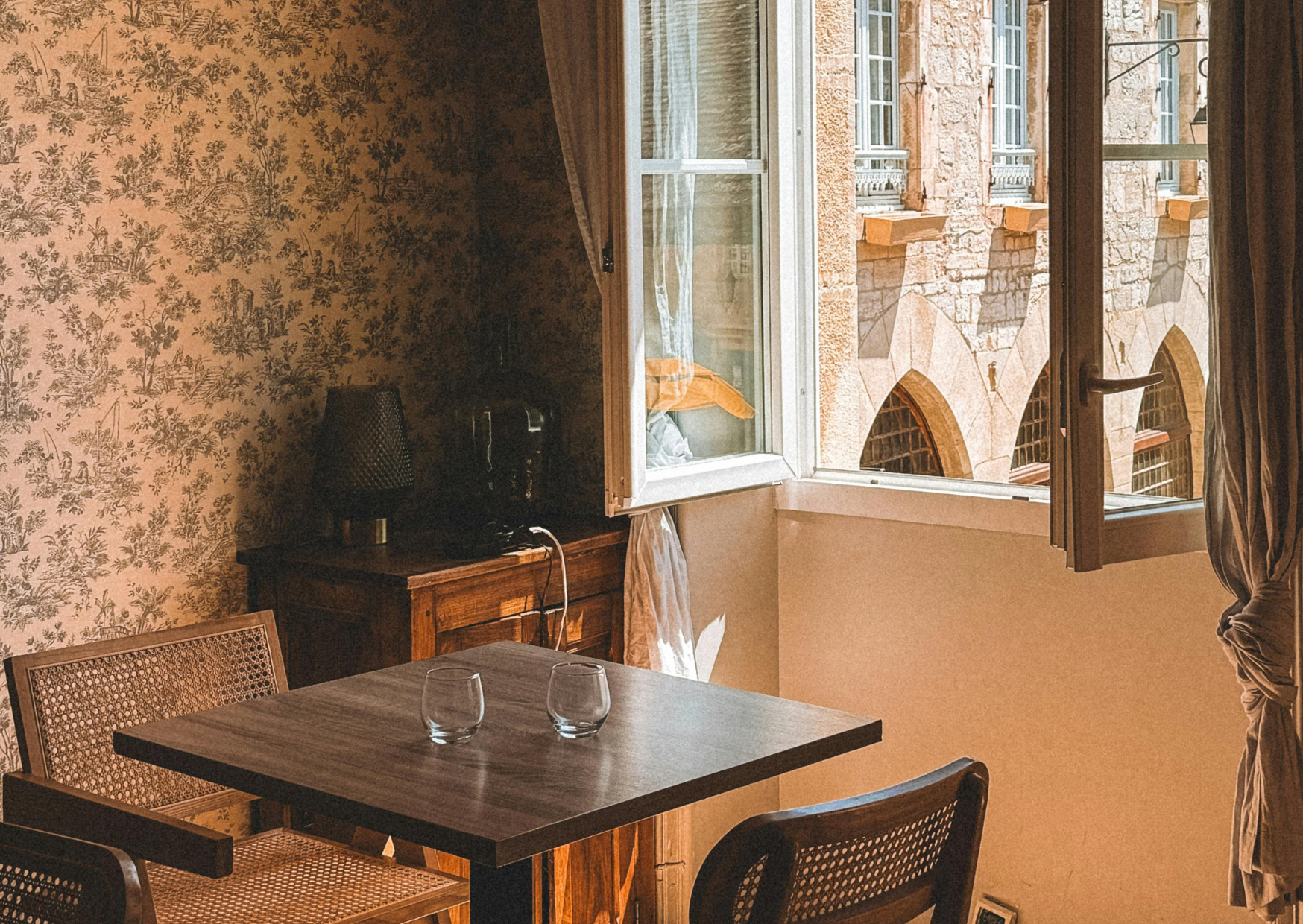
One of the first things many Europeans do upon waking is open the windows.
- The ritual is small, but meaningful.
- It floods the room with fresh air and natural light.
- It clears out the stillness of night and lets the outside world in.
This is more than a ventilation habit. It is about synchronizing with the day, not fighting it. The breeze, the birds, the light—these are grounding elements that gently pull you into awareness.
In American homes, which often favor climate control and closed spaces, this simple act can be overlooked. But for many Europeans, it is non-negotiable.
3. Stretching or Light Movement at Home
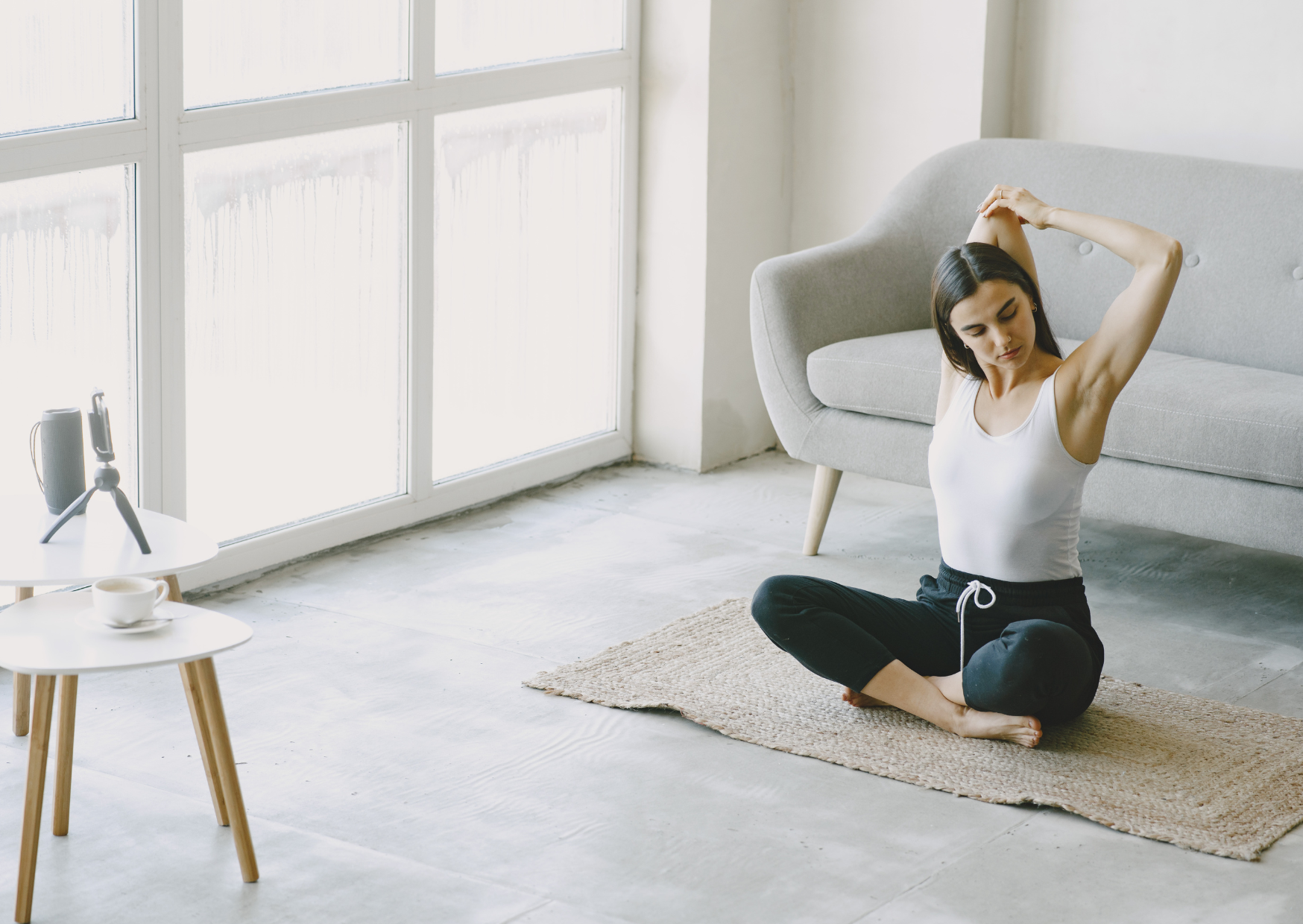
While gyms are popular across Europe, most people begin the day with small-scale movement, not intense workouts.
- Italians may stretch or walk barefoot for a few minutes before breakfast.
- Germans and Scandinavians often do a few minutes of basic calisthenics or yoga.
- French people may step out onto the balcony or garden for morning stretches.
The goal is not to burn calories but to wake up the body gently, reconnecting with it before the rush of the day begins. It builds energy in a natural, sustainable way—without needing caffeine.
4. A Light, Sit-Down Breakfast
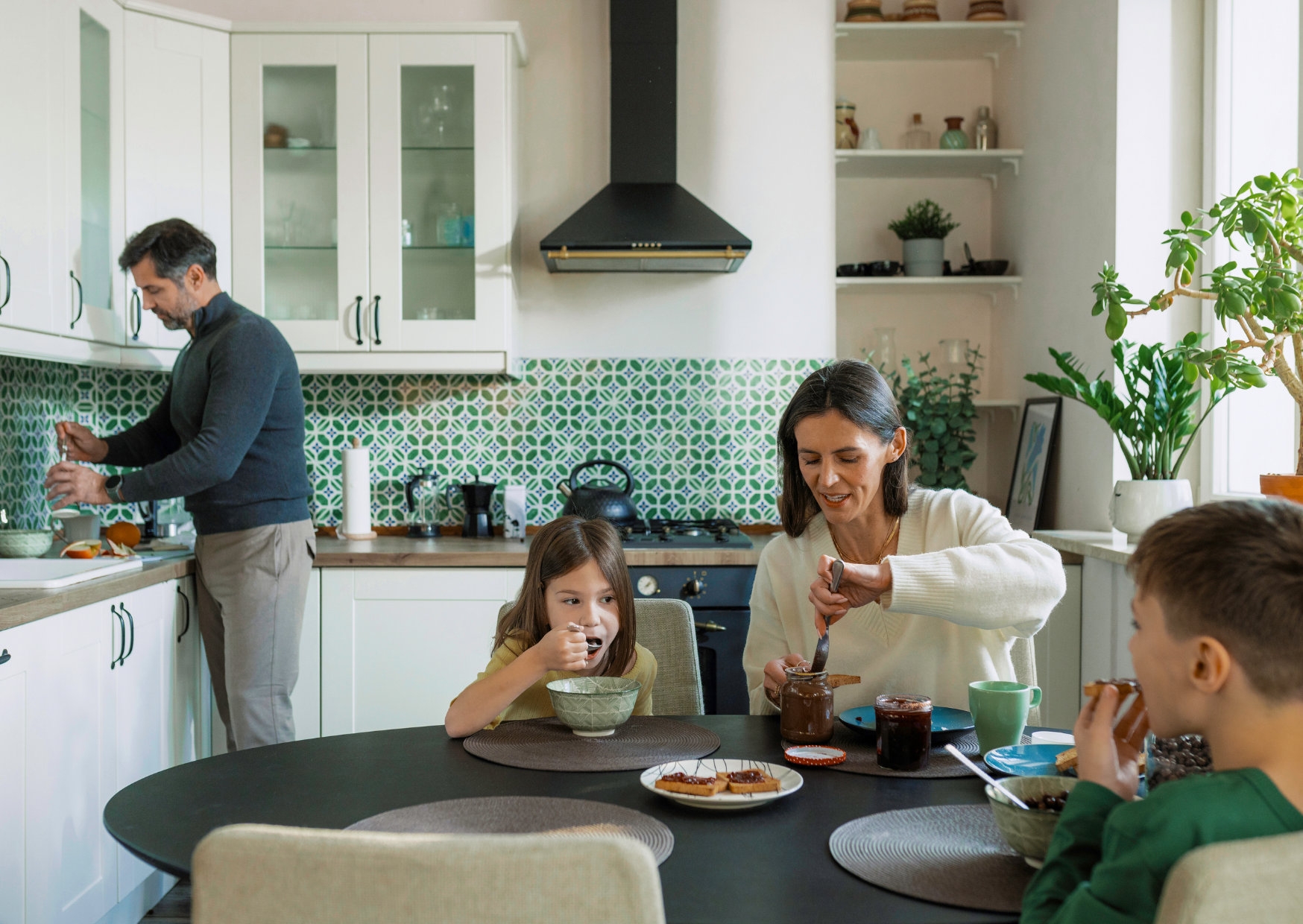
While Americans often grab something on the go, Europeans tend to eat a small, unhurried breakfast at home or in a local café.
- A slice of toast with butter and jam
- Yogurt with fruit
- A piece of seasonal fruit and cheese
- In Spain, pan con tomate: rustic bread with olive oil and grated tomato
The key is that breakfast is not skipped, rushed, or multitasked. It anchors the morning. The blood sugar boost provides a calm, steady energy, reducing the need for a caffeine spike.
5. Cold Water on the Face (or Whole Body)

In parts of Scandinavia and Central Europe, cold water is part of the wake-up process.
- A splash of cold water on the face or arms
- A brisk cold shower to jolt the senses
- Some households still use old-style basins to wash up at the sink
This is not about discipline or shock therapy. It is about clearing away the fog of sleep with something that is physical and immediate. Unlike caffeine, which takes time to kick in, cold water acts instantly and leaves no crash behind.
6. A Glass of Water or Lemon Water First Thing
Before any coffee or tea, many Europeans reach for a glass of water upon waking.
- It helps hydrate the body after sleep
- It activates digestion gently
- It helps reduce the morning grogginess without relying on caffeine
Some add lemon or apple cider vinegar. Others drink sparkling water for the texture and clarity it brings. This simple step sets a different tone—one of nourishment before stimulation.
7. Time Outdoors Before Screens
In Mediterranean towns and rural villages, many people spend a few minutes outside before touching their phone or computer.
- They may sit in the sun with their breakfast
- Sweep the balcony
- Step into the garden or take a short walk
The goal is to face the day physically before facing it digitally. This habit helps regulate the body’s rhythm, sets a calm tone, and reduces the need for artificial pick-me-ups.
8. Social Connection Before the Grind
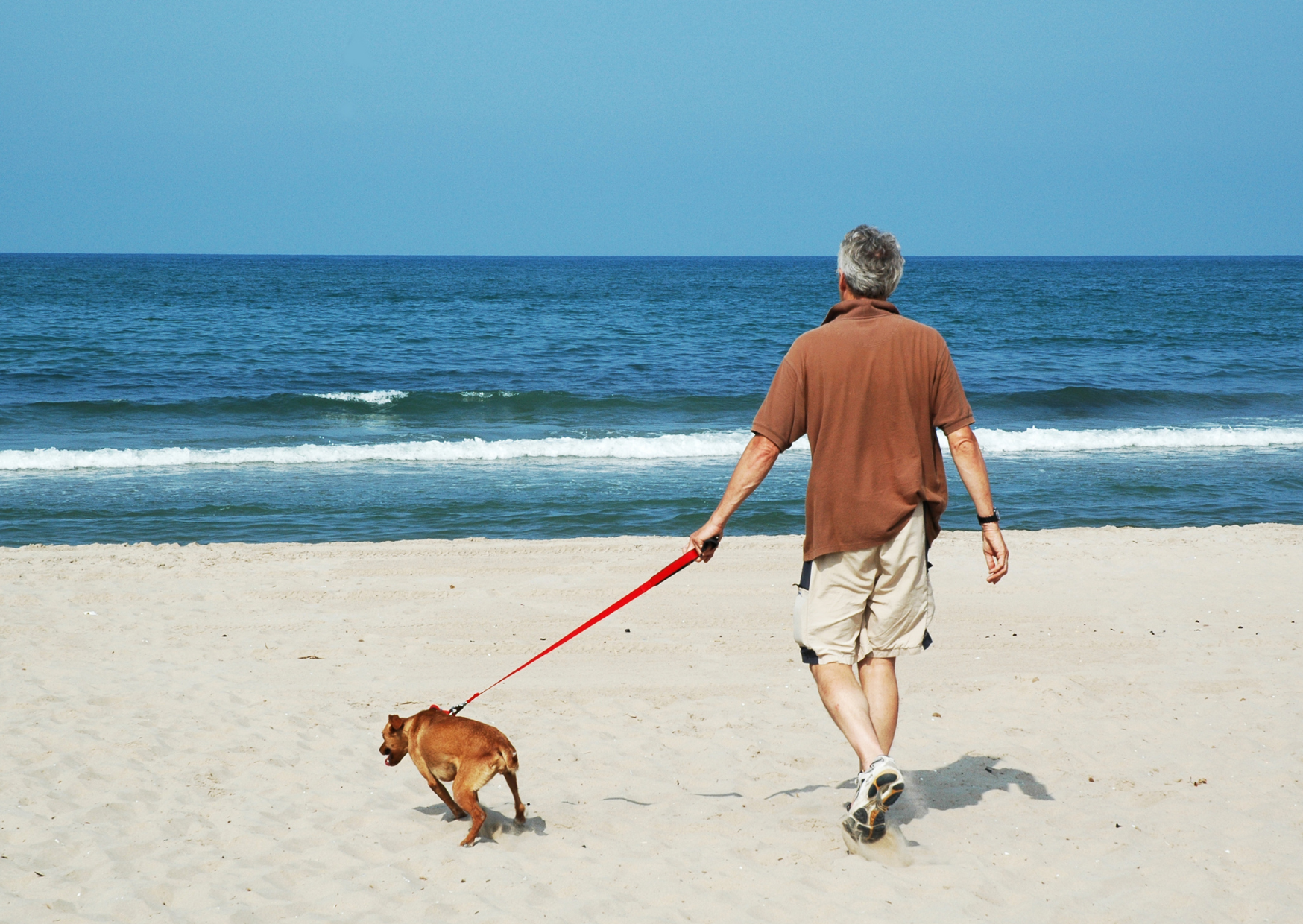
In cities like Barcelona, Athens, and Naples, it is common to speak to another human before fully launching into the day.
- A chat with the grocer or baker
- A brief conversation at the café counter
- A neighborly exchange while walking the dog
These micro-interactions act as emotional resets. They ground the morning in presence and community. Coffee may be part of this scene, but it’s not the main character. What energizes people is not just caffeine—it is human contact.
9. Tiny Rituals That Create Internal Order
In many European homes, small morning rituals are practiced consistently and intentionally.
- Making the bed slowly
- Watering plants
- Putting on cologne or perfume, even if staying home
- Reading a page from a favorite book or newspaper
These actions signal to the brain: the day has begun. They create internal structure, reducing the need to jolt awake with stimulants.
In American life, which prizes efficiency, these small rituals may seem unnecessary. But in Europe, they are deeply tied to emotional regulation and well-being.
Final Thought: Wakefulness Without War
The American morning is often treated like a battle. You wake up fighting tiredness, hitting snooze, grabbing coffee, and rushing to get ahead. The tools are efficient, but the process can feel abrupt and unsustainable.
In Europe, mornings are more likely to be treated as a reentry, not a fight. The body is allowed to wake up as a body, not as a machine. There is time to move, nourish, breathe, and observe. And with that time comes a different kind of energy one that doesn’t crash by noon.
If you’re feeling overstimulated or overcaffeinated, it’s not about quitting coffee altogether. It’s about asking: what else could help me feel awake, centered, and alive in the morning? Europeans have a few ideas.

About the Author: Ruben, co-founder of Gamintraveler.com since 2014, is a seasoned traveler from Spain who has explored over 100 countries since 2009. Known for his extensive travel adventures across South America, Europe, the US, Australia, New Zealand, Asia, and Africa, Ruben combines his passion for adventurous yet sustainable living with his love for cycling, highlighted by his remarkable 5-month bicycle journey from Spain to Norway. He currently resides in Spain, where he continues sharing his travel experiences with his partner, Rachel, and their son, Han.