
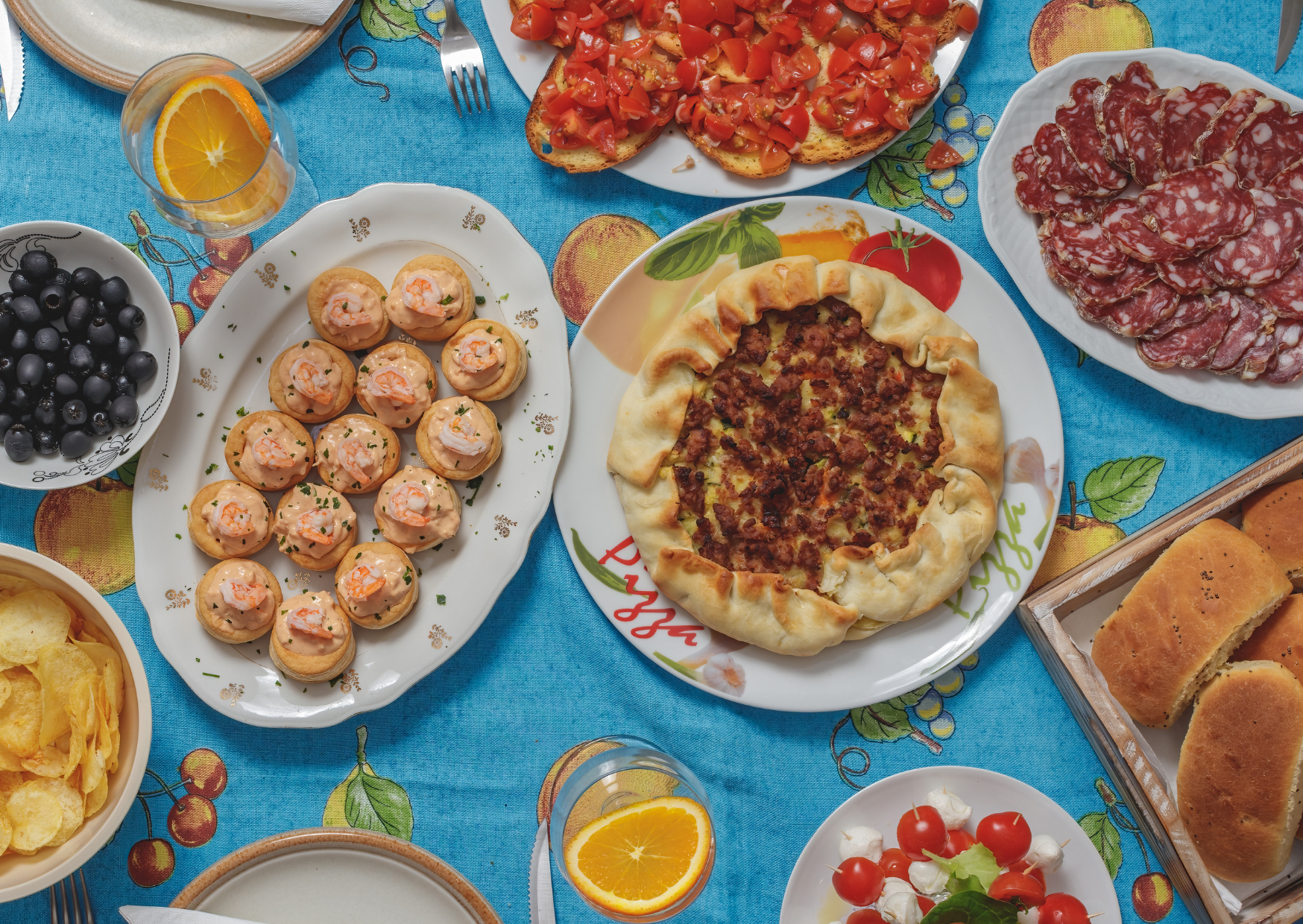
It’s not a diet trick. It’s a daily ritual built around timing, movement, and restraint disguised as pleasure.
So here’s what I didn’t expect to learn living in southern Europe: people burn calories while drinking. Not by doing anything extreme just by doing it differently. Italians have managed to turn what looks like a slow, indulgent pause into something metabolically clever. They don’t even talk about it that way. They just call it aperitivo.
Every evening between six and eight, something happens across Italy that Americans can’t quite replicate. People leave work, walk (not drive) toward the nearest piazza, order a drink that’s usually bright orange or bitter red, and nibble on something small. No binge. No urgency. No apps involved.
At first, I thought it was just another Mediterranean aesthetic thing sunset, laughter, good lighting. But I started noticing patterns. Everyone stands. Nobody rushes. And almost nobody overeats afterward.
It’s not magic. It’s math, biology, and culture woven into one casual ritual. If you add up the walking, standing, and subtle appetite control, you’ll realize an average aperitivo hour can burn roughly 400 calories without anyone meaning to.
I know, that sounds like influencer nonsense. But it’s not. It’s just Italian metabolism culture, and it works.
What an Aperitivo Actually Is (and What It Isn’t)
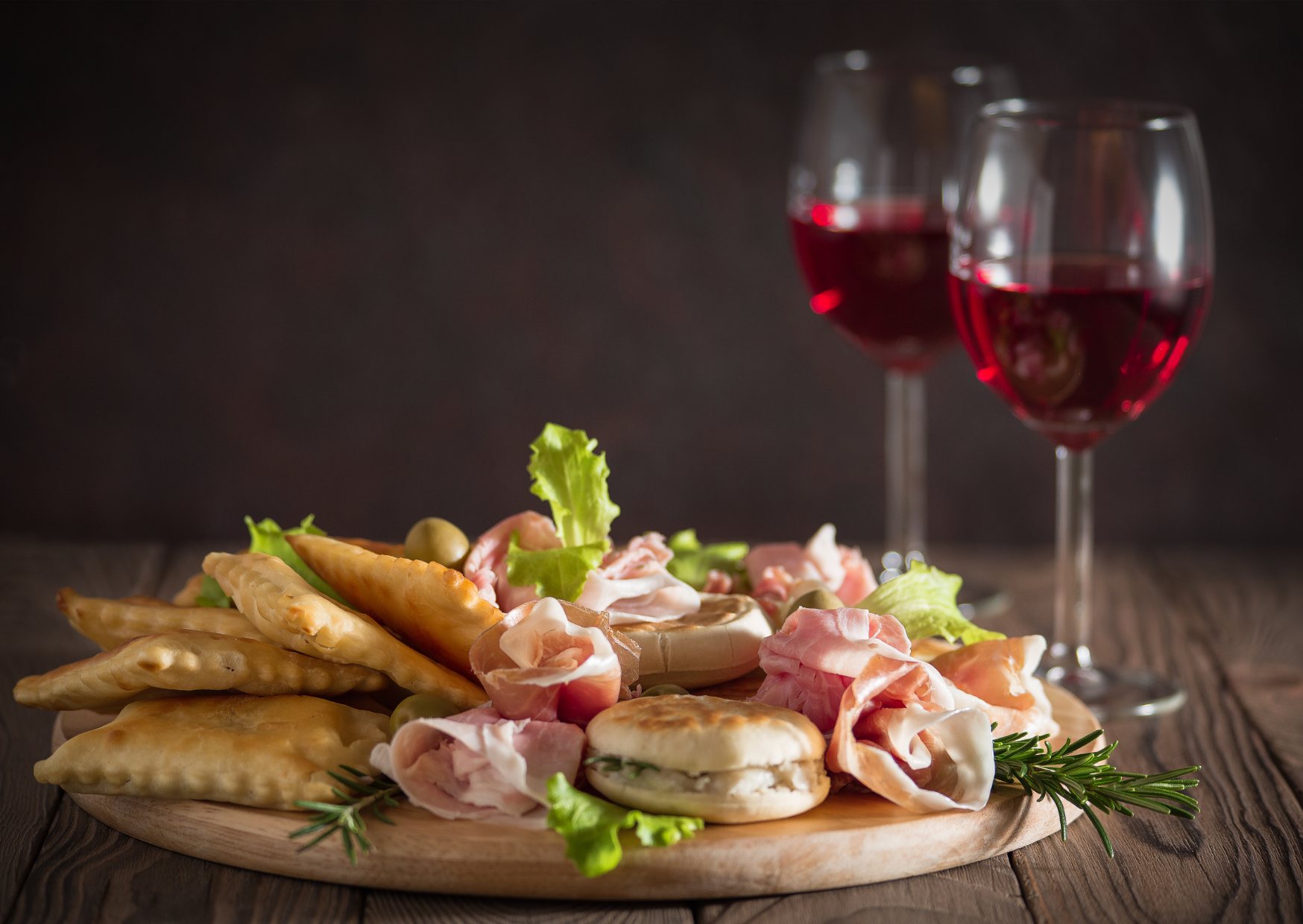
Forget everything you think “happy hour” means. Aperitivo is the opposite of what Americans do when they say that phrase.
In the U.S., happy hour means sitting at a sticky table with discounted margaritas, fried food, and conversation mostly about work you’re supposed to have left behind. The goal is escape. In Italy, the goal is transition the deliberate slide between the day’s effort and the night’s ease.
It started centuries ago as a digestion ritual. The word aperitivo comes from the Latin aperire to open. The drink “opens” your stomach before dinner, supposedly helping you absorb your meal better. Whether that’s true in a scientific sense is debatable, but the rhythm is real: small drink, small bites, lots of conversation, then dinner later around 8:30 or 9.
And yes, Italians still eat dinner after this. They just don’t eat as much. Their metabolism is primed, their hunger moderated, their cortisol lower.
The average Italian consumes around 200 to 250 calories during aperitivo one light drink and a handful of snacks but burns more than that just by walking to and from the bar, standing while chatting, and staying slightly active instead of sitting at a booth for two hours.
I’ve tried explaining this to Americans who visit and immediately order nachos at 6 p.m. It doesn’t translate. We’re conditioned to associate alcohol with reward and food with comfort. Italians associate both with rhythm. And rhythm burns calories.
The American Problem with Pleasure
Here’s the blunt truth: Americans have never learned how to enjoy themselves slowly.
Even our leisure has an efficiency crisis. We “earn” relaxation through work. We binge our rest days. We look for productivity in our hobbies. So when alcohol enters that framework, it becomes excess instead of ease.
Aperitivo survives because it’s structured leisure. It’s short, social, self-contained. You drink one, maybe two. You walk home slightly hungry, not dizzy. The restraint isn’t forced—it’s cultural muscle memory.
Try to import it without that structure, and it fails. I’ve seen expats do it wrong: huge cocktails, charcuterie boards for one, and dinner right after. They end up consuming 900 calories before 8 p.m. Then they blame the Prosecco.
But look closer. The real caloric difference isn’t what Italians consume, it’s what they skip. They skip the extra drink, the sitting, the fries, the isolation.
Also—and this part surprised me—they talk so much they forget to drink. Italians are always slightly behind their drink, not ahead of it. That’s a hidden metabolism secret too.
The Aperitivo at Home (Modern Version)
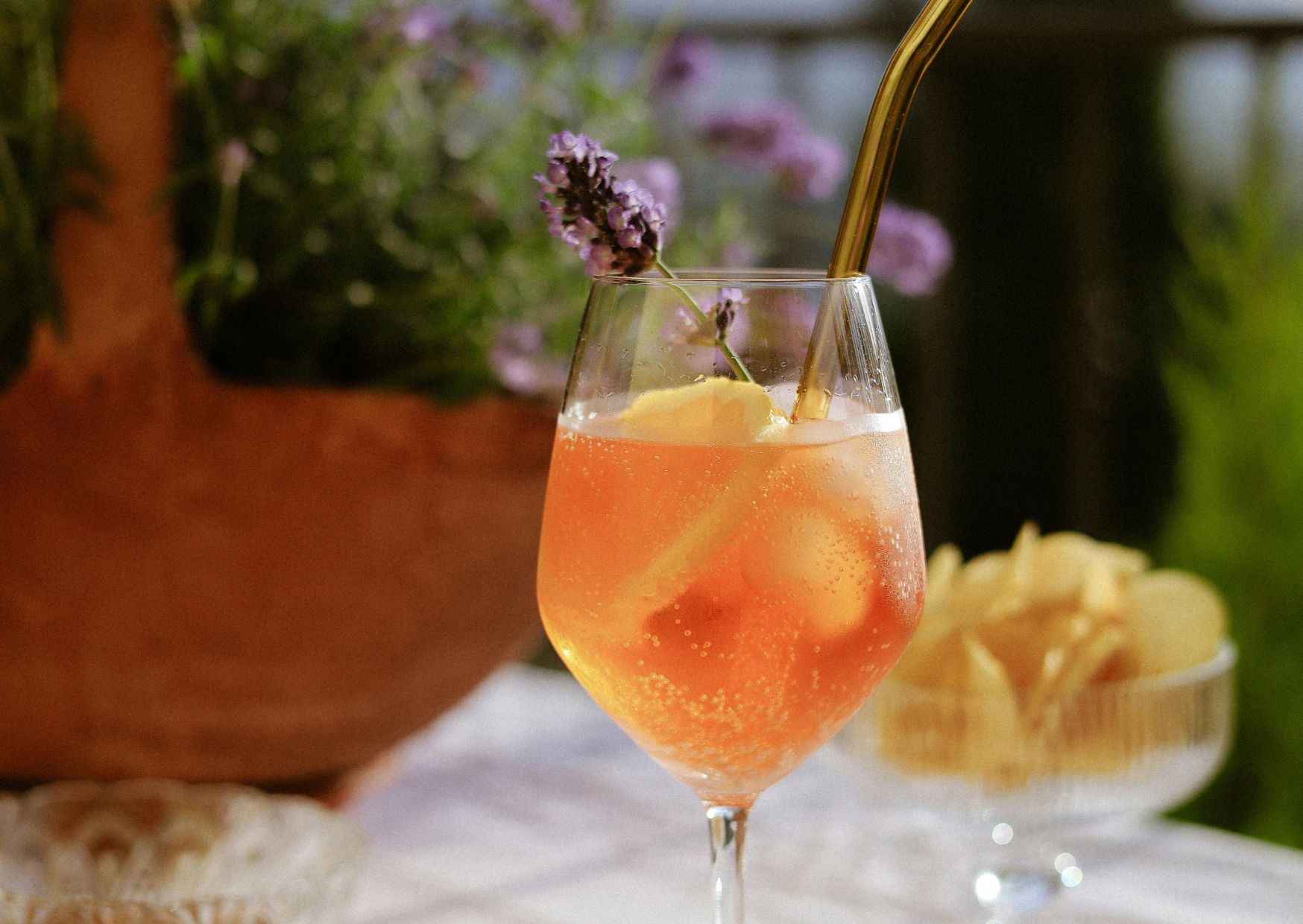
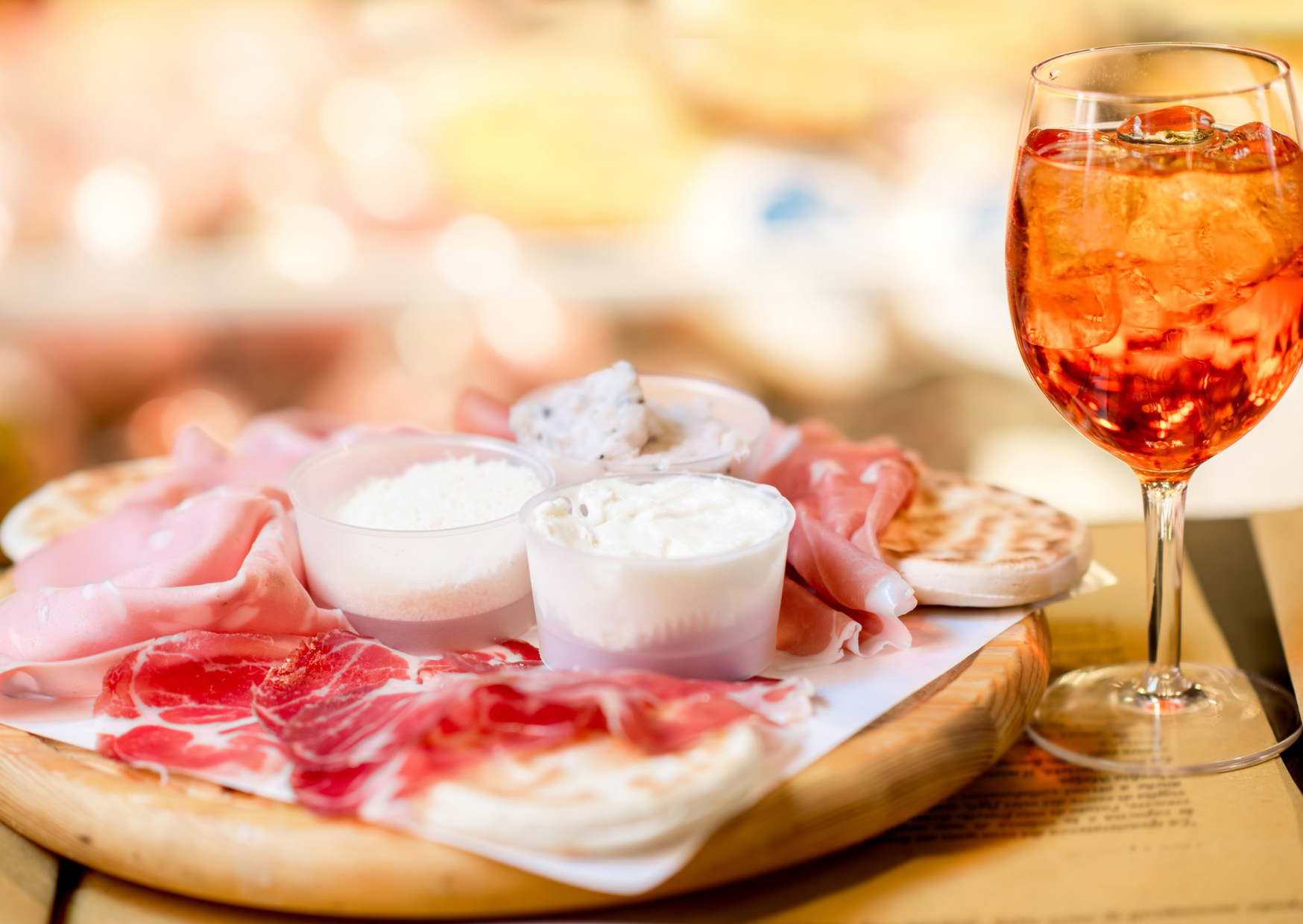
You don’t need a terrace in Milan to recreate this. You just need a glass, a small plate, and an early hour.
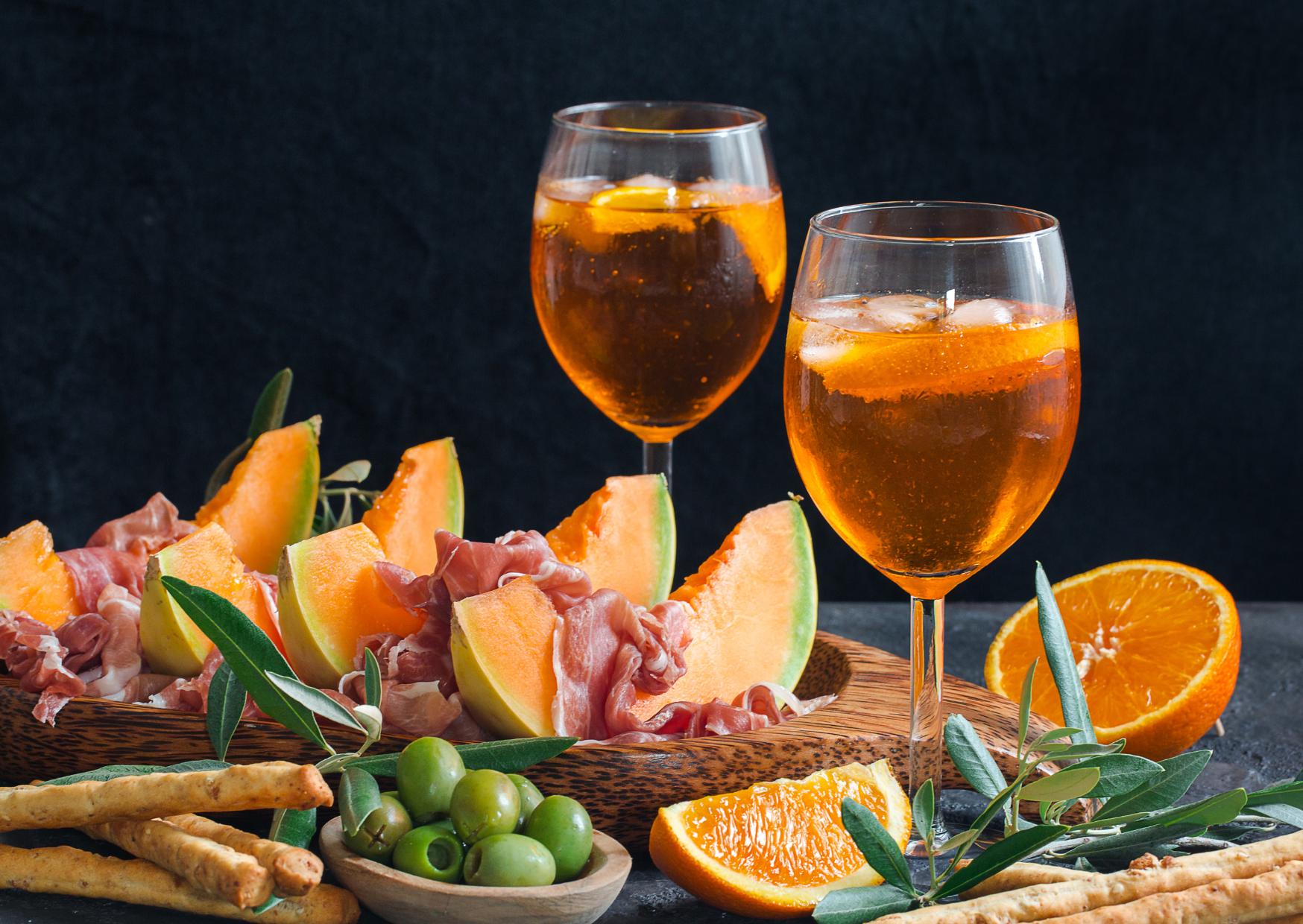
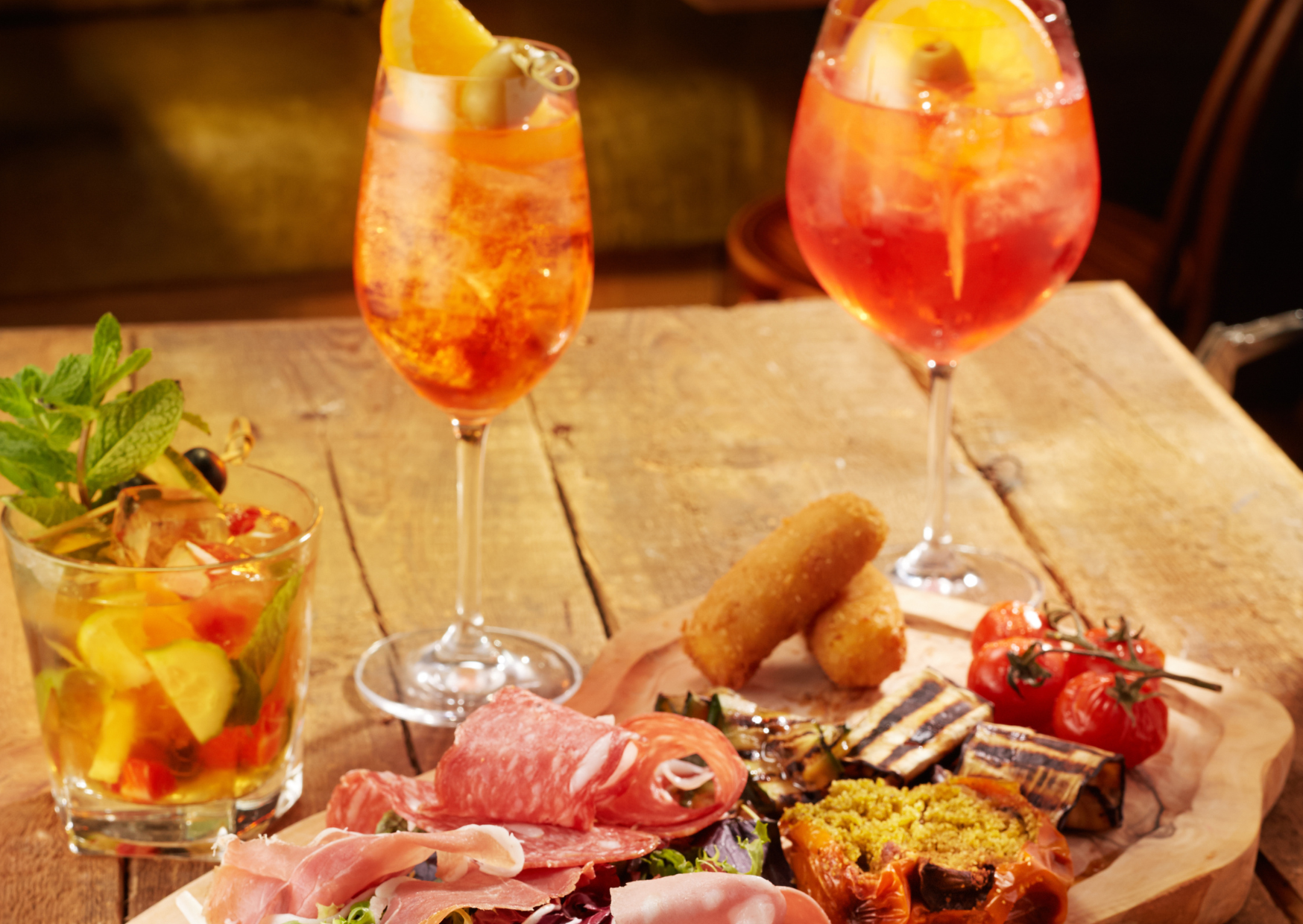
The Drink: Modern Aperol Spritz
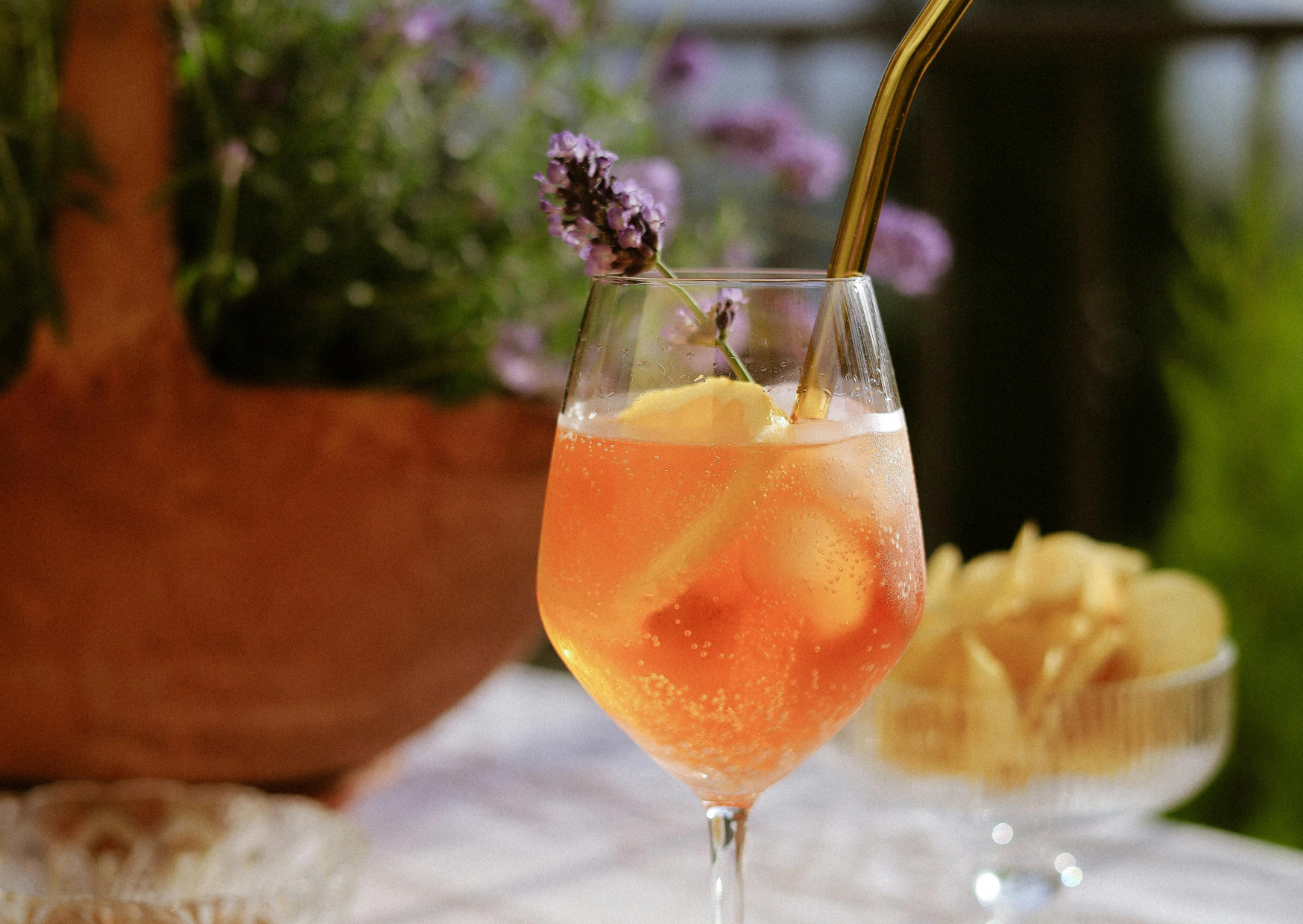
- 3 oz (90 ml) Prosecco
- 2 oz (60 ml) Aperol
- Splash of soda water
- Slice of orange
- Ice
That’s about 125 calories total. If you swap Aperol for Campari, it’s a bit more bitter, a bit less sugar, slightly fewer calories. Don’t overthink it. Stir gently; no shaking, no syrups, no added fruit beyond the orange.
A no-alcohol version? Mix sparkling water with a splash of blood orange juice, a few drops of bitters, and a slice of lemon. It’s not quite the same, but it cues the same behavior.
The Food: Keep It Small and Salty
Pick two or three items max. The whole point is portion friction—small bites that force you to pause.
- A handful of roasted almonds (80 kcal)
- 5 green olives (30 kcal)
- A wedge of Parmigiano-Reggiano (100 kcal)
- A few cherry tomatoes with mozzarella (50 kcal)
- One small bruschetta (70 kcal)
That’s your limit. Total intake should hover around 250 calories. The minute it turns into dinner, you’ve missed the metabolic window.
Actually, I’ll admit something: I’ve broken this rule many times. When you’re hungry at 7 p.m. and your kid’s homework is late and you haven’t cooked, it’s easy to let aperitivo become dinner. It still feels good, but it’s not the same. The movement dies when you sit down.
Why It Burns 400 Calories (Roughly)
I tried to overanalyze this once. Read too many journals. Got lost in the equations. So let’s stay simple.
- Alcohol Thermogenesis: Digesting light alcohol raises metabolic rate by 10–15% for an hour or two.
- Standing Over Sitting: Standing burns around 40 extra calories per hour.
- Movement Between Bars: A 10-minute walk each way adds roughly 100 calories.
- Smaller Dinner Later: The earlier light intake lowers appetite, cutting 200–300 calories off your main meal.
Total: around 400 calories “net.” It’s not that the drink itself burns calories—it’s the chain reaction. The structure forces subtle energy output and moderation.
Also, digestion improves. Studies from Bologna show that pre-meal bitter aperitifs increase bile secretion and enzyme readiness. Your body basically says, “Cool, I know what’s coming,” instead of panicking at an American-style food avalanche.
Look, I don’t know why this works so well. I only know that Italians aren’t counting anything. They just live inside a pattern that naturally regulates them.
The Science in Simple Terms
Most Americans think metabolism is something you “boost.” In reality, it’s something you align.
Aperitivo aligns with your body’s circadian rhythm—light drink, daylight fading, relaxed conversation, smaller later meal. It sends the hormonal signal: “The day is ending.” Cortisol drops, insulin stabilizes, hunger flattens. You burn instead of store.
Compare that to the 6 p.m. rush-hour dinner in the U.S.: fluorescent lights, stress hormones, fast chewing, 1,200 calories of beige. You can almost feel your body give up.
And then there’s something called NEAT—Non-Exercise Activity Thermogenesis—which basically means all the calories you burn by not sitting still. Italians rack up 1,000–2,000 extra NEAT calories per day just from lifestyle patterns: walking, gesturing, standing, chatting. Aperitivo adds a reliable 300–400 of that through casual motion.
You can’t replicate that perfectly in the suburbs, but you can mimic the rhythm: stand, sip, walk, talk, stop. That’s the formula.
Actually, forget formulas. Just stop eating everything sitting down.
The Social Metabolism Nobody Talks About
Here’s where it gets real. You can’t separate Italian metabolism from Italian social structure. Aperitivo is not just food timing; it’s social accountability.
People meet in the same spot every day. They expect each other. You can’t overindulge when you know your friends are watching, not judging, just present. It’s self-regulating.
Social interaction also lowers cortisol. That’s not poetic—there’s research on it. Lower cortisol means better glucose control, better digestion, fewer nighttime cravings. But again, nobody in Italy cares about the data. They just do it because it feels right.
Sometimes I think Americans try to buy what Europeans build through repetition. A pill for appetite control. A smartwatch for steps. A supplement for gut health. Italians get it all from a 90-minute ritual that costs maybe €8 total.
Common Mistakes When You Try This Abroad
I’ve seen a lot of Americans mess this up, including me. Here’s how not to ruin it:
- Turning it into dinner. Don’t replace your evening meal; you’ll just eat again later anyway.
- Doing it alone. The whole point is the social slowdown. Even one other person changes your body chemistry.
- Over-snacking. Two bites of everything is not moderation—it’s denial. One small plate, that’s it.
- Overthinking. You don’t need perfect ratios or measurements. It’s a vibe, not a spreadsheet.
- Rushing it. If you’re checking your watch, it’s already failed.
I’ve broken all of these rules. Especially the rushing one. I once had an “aperitivo” in an airport lounge. Technically correct. Spiritually tragic.
Who This Works For (And Who It Doesn’t)
It works best for people who already move a little: walkable lifestyle, active evenings, even household chores count. It also suits those who eat late dinners naturally. If you’re done eating by 6 p.m. like a Midwesterner, skip the drink or it’ll just add calories.
If you struggle with social isolation, honestly, the drink part doesn’t matter. The standing, talking, laughing—those are the real calorie burners. The aperitivo is an excuse to connect.
Who it doesn’t work for? People chasing fat loss through punishment. You can’t make a ritual out of self-denial. Italians don’t think “I’m being good tonight.” They think “I’m seeing friends.” That’s the secret.
How to Try It in the U.S. (Without Feeling Silly)
You can’t recreate the piazza, but you can steal the rhythm. Try this for a week:
- Stop work at 6 p.m. sharp.
- Pour a small drink (or sparkling water with orange).
- Stand—don’t sit.
- Snack lightly (olives, almonds, small bites).
- Put on music or call a friend.
- Eat dinner at least 90 minutes later.
That’s it. Track nothing. Count nothing. Just do it consistently. Most people feel lighter and sleep better within days because the nervous system finally gets a pattern instead of chaos.
I tried it again during summer—Aperol, olives, balcony view, soft sunset. Fifteen minutes in, I realized my jaw had unclenched. That’s when you know it’s working.
The Cultural Programming Behind It
This is going to sound harsh, but Americans eat emotionally. Italians eat rhythmically.
In the U.S., food is identity: vegan, keto, carnivore, paleo. In Italy, it’s infrastructure. Everyone eats roughly the same foods, at roughly the same times, in roughly the same amounts. The variation comes from personality, not ideology.
That’s why rituals like aperitivo survive—because they’re shared anchors, not personal experiments. Americans, on the other hand, have to reinvent pleasure from scratch every week. Aperitivo is just one of many cultural shortcuts that prevent burnout, obesity, and loneliness all at once.
Maybe that’s why Italians have one of the lowest rates of obesity in Europe despite eating pasta daily. They pace themselves with grace. Americans sprint toward reward and collapse. Aperitivo keeps them walking.
The Real Hidden Benefit: Appetite Control by Design
There’s something sneaky about starting your evening with light alcohol and salt. It sounds indulgent but triggers early satiety. You take the edge off hunger before it can control you.
The bitters in Aperol or Campari stimulate digestion and subtly reduce ghrelin—the hunger hormone. Combined with social distraction, it keeps you from overeating later. So dinner ends up being smaller without conscious restraint.
I didn’t believe this until I tracked it for a week. My dinner portions shrank by almost 30%. I wasn’t trying to be healthy; I just wasn’t starving. That’s how aperitivo “burns calories.” Not by effort, but by architecture.
The Metabolic Psychology (A Bit Nerdy, Sorry)
Let’s get mildly scientific. Alcohol, when consumed moderately and early, increases peripheral blood flow and temporarily enhances thermogenesis—basically, heat production. That’s why your face feels warm after a sip.
When paired with light food, your digestive system starts up gradually instead of getting hit with a 1,000-calorie dinner shock. That transition stabilizes insulin curves and reduces post-meal sleepiness.
So instead of crashing on the couch, Italians often walk after dinner. Which means even more movement calories stacked on top. The chain reaction never stops.
I’m probably overexplaining this. You don’t need to know the biochemistry. You just need to know that slow evenings work better than frantic ones.
The Cost of Doing It Right
This ritual isn’t expensive. In most Italian cities, an Aperol Spritz costs €4 to €7, often with free snacks included. That’s less than an American craft beer, and you get the culture thrown in for free.
At home, the ingredients last weeks. One bottle of Aperol (€12), one of Prosecco (€9), soda water, some nuts, cheese, olives—maybe €25 total for ten aperitivi. Try finding a $2.50 wellness habit in the U.S. that also improves your social life.
Sometimes I laugh thinking how many Americans spend $60 on supplements to “support metabolism” when they could just walk, sip, and talk for an hour.
The Final Protocol
If you want to steal the Italian metabolism, here’s the distilled method:
- Have a light drink before dinner, ideally bitter-based.
- Snack only enough to calm hunger.
- Stand, walk, or move while doing it.
- Keep it social.
- Eat dinner later and smaller.
- Repeat nightly until it stops feeling like effort.
No calorie tracking. No “clean eating.” Just timing, movement, and restraint wrapped in pleasure.
You’ll burn more calories not because you’re disciplined, but because you’ve stopped fighting biology.
The Truth
Aperitivo isn’t a diet trick. It’s a schedule for joy. And somehow, that burns more calories than any fitness plan I’ve ever tried.
If you can make that your daily punctuation mark—the pause between obligation and enjoyment—you’ll start to feel the same lightness Italians do at sunset.
Do it long enough, and you’ll forget it’s supposed to be “healthy.” You’ll just look forward to it. And maybe that’s what health actually feels like.
That’s all I’ve got on this.

About the Author: Ruben, co-founder of Gamintraveler.com since 2014, is a seasoned traveler from Spain who has explored over 100 countries since 2009. Known for his extensive travel adventures across South America, Europe, the US, Australia, New Zealand, Asia, and Africa, Ruben combines his passion for adventurous yet sustainable living with his love for cycling, highlighted by his remarkable 5-month bicycle journey from Spain to Norway. He currently resides in Spain, where he continues sharing his travel experiences with his partner, Rachel, and their son, Han.