
What’s the Fuss?
In the United States, we’re used to big cups, free refills, a hearty splash of ice, and giant “to-go” coffee. Head abroad—say, to Europe, Latin America, or Asia—and you might find those norms flipped. Refills? Not usually free. Icy drinks? Minimal. Strolling the street with a massive soda? Possibly frowned upon. Below are 5 drinking customs that leave Americans scratching their heads—and how to handle them so you don’t come off as clueless or rude.
Hungry for More Cultural Insights?
– 7 Ways You’re Insulting Europeans Without Even Realizing It
– 9 Euro Customs That Are Total Tourist Traps
Quick Easy Tips
Observe before acting. If you’re unsure what to do, watch how locals handle their drinks, toasts, and timing.
Ask simple questions. A quick “Is there a usual way to drink this?” is both respectful and helpful.
Avoid assuming. A familiar drink or bar setup does not mean the customs match American norms.
Many American travelers arrive in other countries assuming drinking culture is interchangeable, only to discover that the rules, expectations, and social norms vary dramatically. What feels polite or natural in the United States may come across as strange, rude, or overly casual somewhere else. This misalignment often sparks debates about whether American norms are too relaxed or whether other nations are too traditional.
Another controversial point is that travelers sometimes insist local customs are outdated or unnecessarily formal. In reality, many countries view drinking traditions as part of their cultural identity, tied to respect, history, and social harmony. This difference in perspective can lead to misunderstandings, especially when visitors unknowingly disrupt rituals that locals consider important.
Finally, there is ongoing debate about whether tourists should fully adapt to local expectations or whether cultural exchange should flow both ways. Some believe visitors have a responsibility to follow established etiquette, while others argue that global travel naturally blends customs. Regardless of stance, the friction between these viewpoints keeps drinking culture a surprisingly contentious topic among travelers.
1. Less Ice—Sometimes None at All
Why Americans Are Baffled
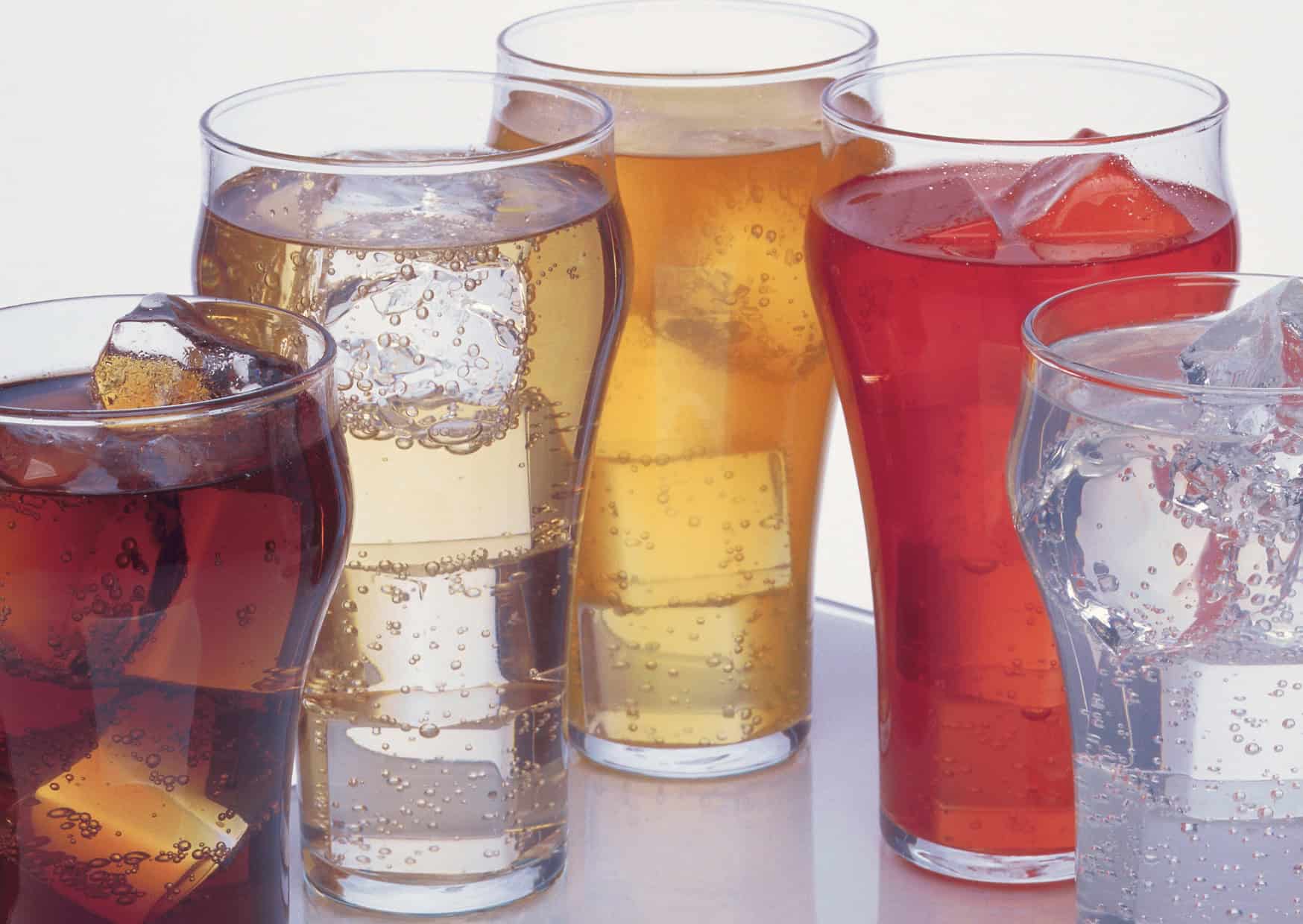
Americans often fill cups with ice, even when it’s cold outside. Large chain restaurants in the U.S. hand out cups brimming with ice, plus unlimited soda refills. Then you travel to France, Germany, or Japan: you order a Coke, and it arrives lukewarm or lightly chilled with maybe one or two cubes if you’re lucky. This can shock an American palate used to half the cup being ice.
Why Locals Do It
- Preserving Drink Flavor: Some cultures see excessive ice as watering down the taste. A smaller, cooler serving is considered enough.
- Energy Conservation: In places where electricity or refrigeration historically was limited, you wouldn’t waste resources on constantly making large volumes of ice.
- Different Palate: They simply prefer drinks served at moderate or lightly chilled temperatures. “Ice-cold” isn’t a standard baseline.
How to Adapt
- Ask politely for extra ice if you really want it—but don’t be surprised if it’s still minimal. Bars or cafés might only have a small ice tray, not an industrial machine.
- If you must have a truly cold beverage, buy bottled drinks from a fridge or find an American-style bar.
- Realize “less ice” also means you get more actual soda or juice, not half your glass as frozen water.
Bottom Line
Yes, it feels weird at first, but less ice is the norm in many places. Embrace it: you taste more of the actual drink, and you won’t have to worry about watery sips after the ice melts.
2. No Free Refills—and Smaller Sizes
Why Americans Are Baffled
Whether it’s soft drinks at a fast-food joint or coffee at a diner, Americans adore unlimited refills, or at least a large size that’s practically a swimming pool of soda. Abroad—like Italy, Spain, or Japan—you might get an 8–12 oz glass, no free top-offs. Ordering another means paying full price again.
Why Locals Do It
- Health & Tradition: In many cultures, huge sugary drinks are not standard. Smaller portions reflect a less-is-more approach, encouraging moderation.
- Economic Custom: The idea of handing out infinite soda is financially odd to them; each new drink is a separate product, not an infinite extension of the first.
- Café Culture: In Europe, coffee is meant to be sipped—one cappuccino or espresso at a time, not a bottomless drip pot.
How to Adapt
- Budget for each drink. Don’t assume free soda refills—always check the menu or politely ask if refills cost extra.
- If you love big beverages, order a grande size if available, or accept you might buy multiple small ones.
- For coffee, savor a single cappuccino. If you want more, just order a second. That’s how locals do it.
Bottom Line
No unlimited soda might feel stingy from an American standpoint. But these smaller, paid refills are normal worldwide. If you adjust your mindset to “pay per portion,” you’ll avoid shock at the final bill.
3. Drinking in Public Spaces or Not at All?
Why Americans Are Baffled
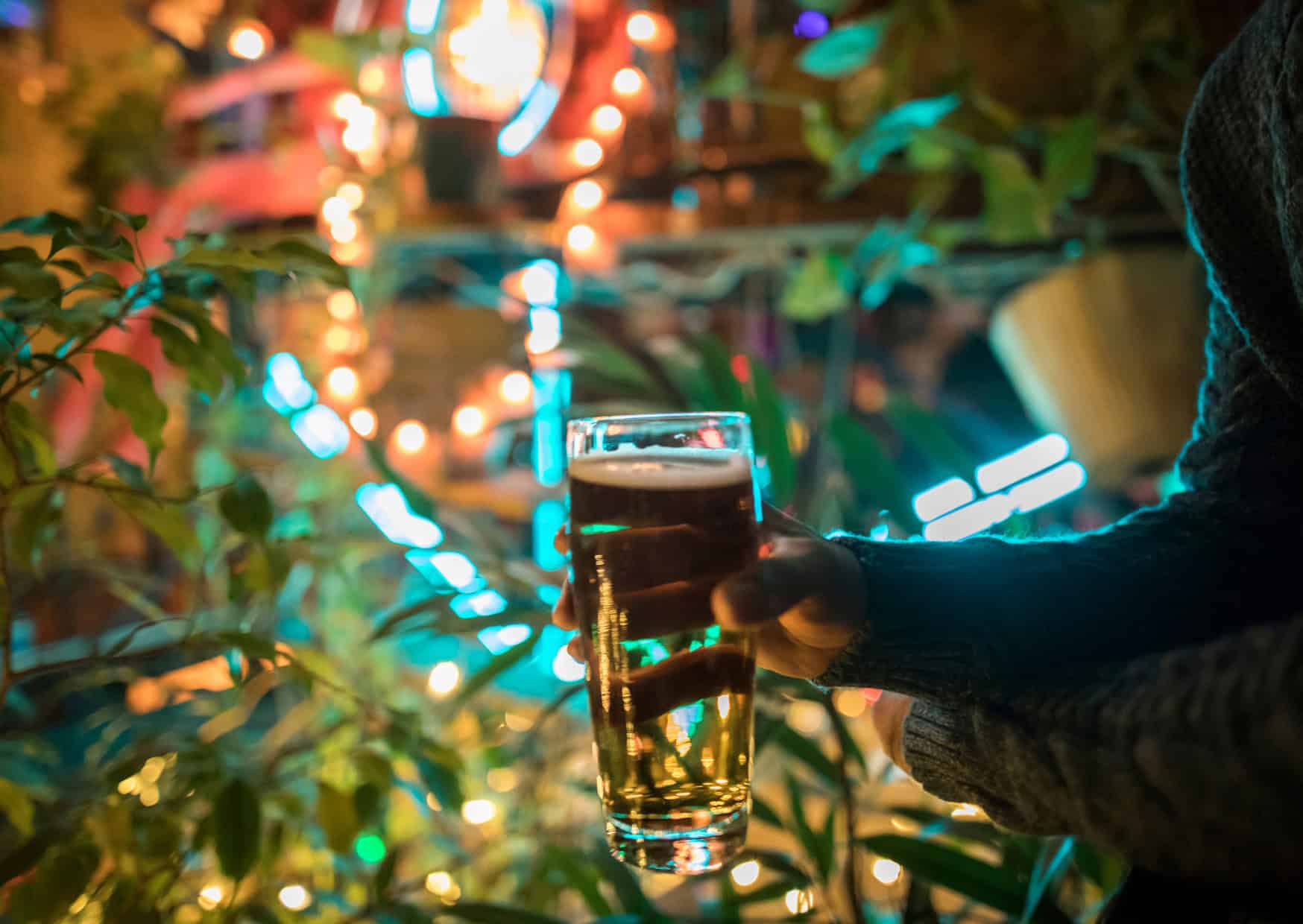
This custom swings both ways. Some U.S. states ban open containers of alcohol on public streets—brown-bagging is needed. Meanwhile, you land in Germany or Czech Republic, see folks strolling with beers in hand, no big deal. Alternatively, if you visit certain Muslim-majority countries, public alcohol consumption may be heavily restricted or nonexistent.
Why Locals Do It
- Europe: In Germany, the concept of enjoying a casual “Wegbier” (road beer) is socially accepted. Many European cultures see moderate public drinking as a personal choice, trusting people to behave.
- Some Countries: Religious or legal frameworks heavily limit or ban public alcohol.
- Community Norms: The line between personal freedom vs. public order or moral values shifts by region.
How to Adapt
- Check local laws. If you’re in a place with open-container acceptance, no problem. But in others (like many U.K. city centers or U.S. states), you might face fines.
- If you see people openly sipping wine in a park (like Paris or Rome in certain areas), confirm it’s legal or at least tolerated.
- In conservative countries, never assume you can replicate your hometown’s bar-crawl style in public spaces.
Bottom Line
Yes, you might find it odd that Berliners can swig a beer on the subway, or that you can’t have a beer outside certain bars in Dubai or conservative regions. But it’s about local comfort and legislation, so read the room before popping a bottle.
4. Tiny Coffee Cups—and an Espresso Culture
Why Americans Are Baffled
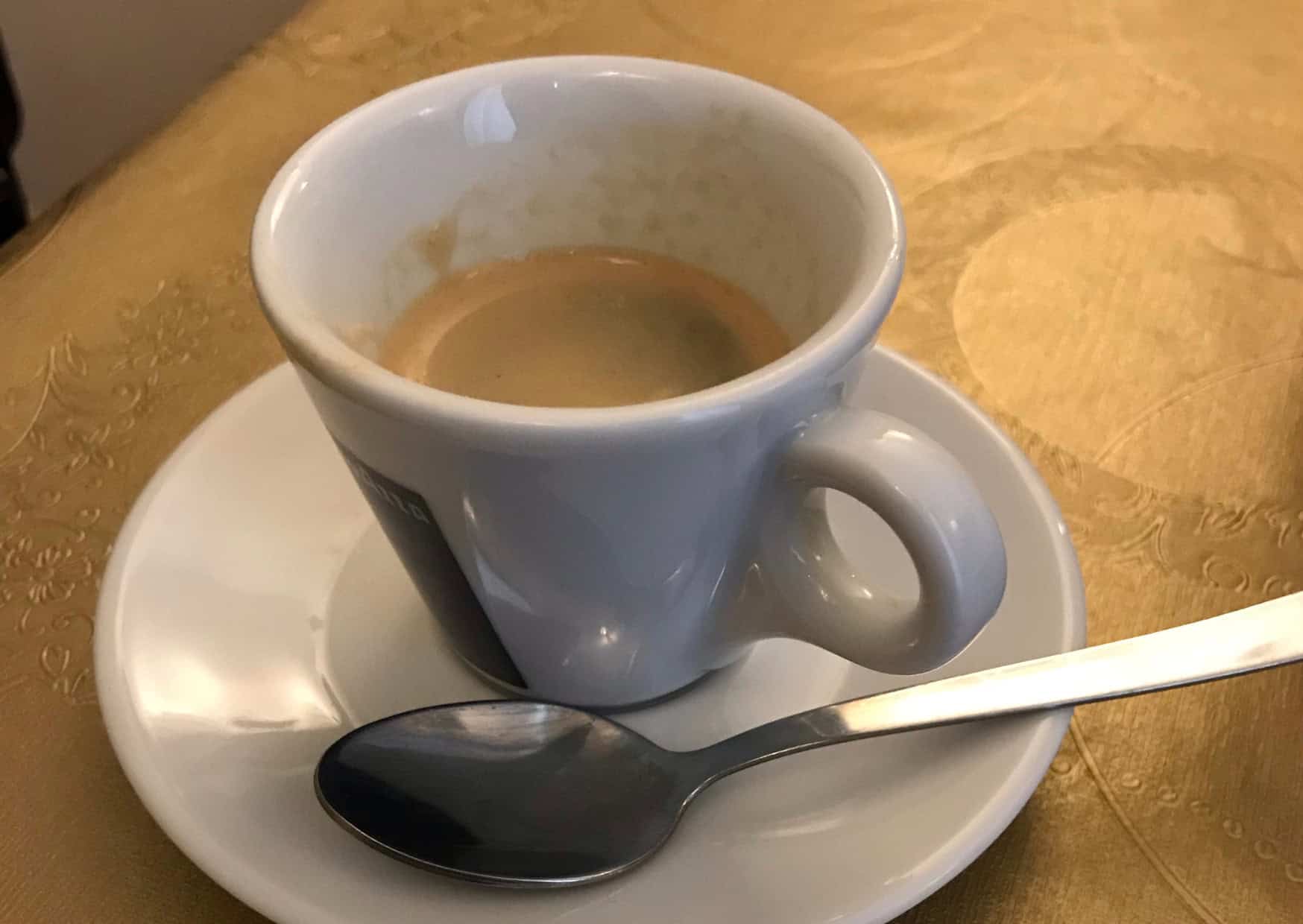
American coffee can be 16+ ounces, possibly a giant to-go cup loaded with cream and sugar. Abroad—particularly Italy, Portugal, or France—coffee often comes in smaller cups: an espresso or a modest cappuccino. They might roll their eyes if you request a jumbo size or ask for a cappuccino after lunch.
Why Locals Do It
- Espresso Tradition: In Italy, coffee is quick, strong, and consumed in small bursts. People stand at a bar, take an espresso shot, off they go—no lingering with a half-gallon.
- Quality Over Quantity: The taste and aroma matter more than volume.
- Social Ritual: The short coffee break fosters a communal vibe—chat quickly, sip your espresso, continue daily life.
How to Adapt
- If you’re a big coffee gulp fan, hunt for coffee shops oriented toward travelers or try a “caffè americano” (espresso diluted with hot water).
- Don’t ask for “to-go” cups in traditional cafés; some might have them, but it’s less standard.
- Respect local coffee times—in Italy, cappuccinos are usually a morning thing. After midday, an espresso or macchiato is standard.
Bottom Line
Yes, the no-lid, small-cup approach is shocking if you’re used to 20 oz lattes. But once you embrace the short, potent shot and the no-rush vibe, you might discover a refined coffee experience beyond the U.S. “super-size” model.
5. Different “Drinking Ages” and Attitudes
Why Americans Are Baffled
In the U.S., 21 is the legal drinking age, heavily enforced. Abroad, you might see 16, 18, or no strict checks in certain bars. Parents let teenagers have wine at family dinners. Americans traveling might see this as alarmingly lax or reckless, while locals see it as normal.
Why Locals Don’t Freak Out
- Cultural Tradition: Wine or beer is often integrated into meals from a younger age, with the idea that normalizing moderate alcohol fosters healthier attitudes.
- Less Binge Culture: Some argue that when teens learn to have a small glass of wine at dinner, they’re less likely to go wild later.
- Trust & Social Norms: Laws vary, but social acceptance of mild underage drinking can be higher in many countries, with a guiding principle of responsible intake.
How to Adapt
- If you’re from the U.S. where 21 is the golden rule, seeing 16-year-olds with beer might shock you. Understand it’s not about anarchy; it’s cultural.
- If you’re traveling with younger people, confirm local laws to avoid confusion. Some countries allow minors to drink beer/wine with parental supervision.
- Don’t judge local families if they let a 14-year-old sip wine during dinner. They might see it as better than total prohibition.
Bottom Line
Yes, the relaxed approach to teenage drinking can freak Americans out, but it’s rooted in a different philosophy on alcohol. Observing responsibly is key—join or watch, but mind local law to avoid trouble.
Conclusion: Sip, Don’t Flip Out
“5 Drinking Customs That Baffle Americans Abroad” covers everything from minimal ice to lack of refills, from espresso shots to public alcohol rules. If you’re an American touring Europe or beyond, these differences can initially jar your sense of normalcy. But step back and realize that each custom emerges from local culture—taste, tradition, law, and social courtesy.
Rather than label them “weird,” view them as part of the global tapestry. Grab that small coffee, accept your single soda portion, maybe skip the 24/7 ice quest, and adapt to local attitudes on open containers or teen drinking. Ultimately, it’s a window into how the world drinks—embrace that difference, ask polite questions if confused, and you’ll find your journey is richer (and often less watered-down) than you imagined.
Pro Tip
If you’re craving an American-style gulp—big soda, lots of ice—hunt down an “American Diner” abroad or a chain known for it. Otherwise, lean into local custom—taste that difference literally. Who knows, you might come home preferring minimal ice or a smaller coffee that’s way richer in flavor. Cheers to broadened horizons, one sip at a time!

About the Author: Ruben, co-founder of Gamintraveler.com since 2014, is a seasoned traveler from Spain who has explored over 100 countries since 2009. Known for his extensive travel adventures across South America, Europe, the US, Australia, New Zealand, Asia, and Africa, Ruben combines his passion for adventurous yet sustainable living with his love for cycling, highlighted by his remarkable 5-month bicycle journey from Spain to Norway. He currently resides in Spain, where he continues sharing his travel experiences with his partner, Rachel, and their son, Han.