
The dish you order on autopilot did not sail straight from Delhi. It was born in Britain, shaped by immigrant cooks, and polished in Scotland, where a Glaswegian restaurateur answered a customer’s plea for sauce and changed the menu forever.
Walk into a curry house in London, New York, or Madrid and you will find the same orange glow.
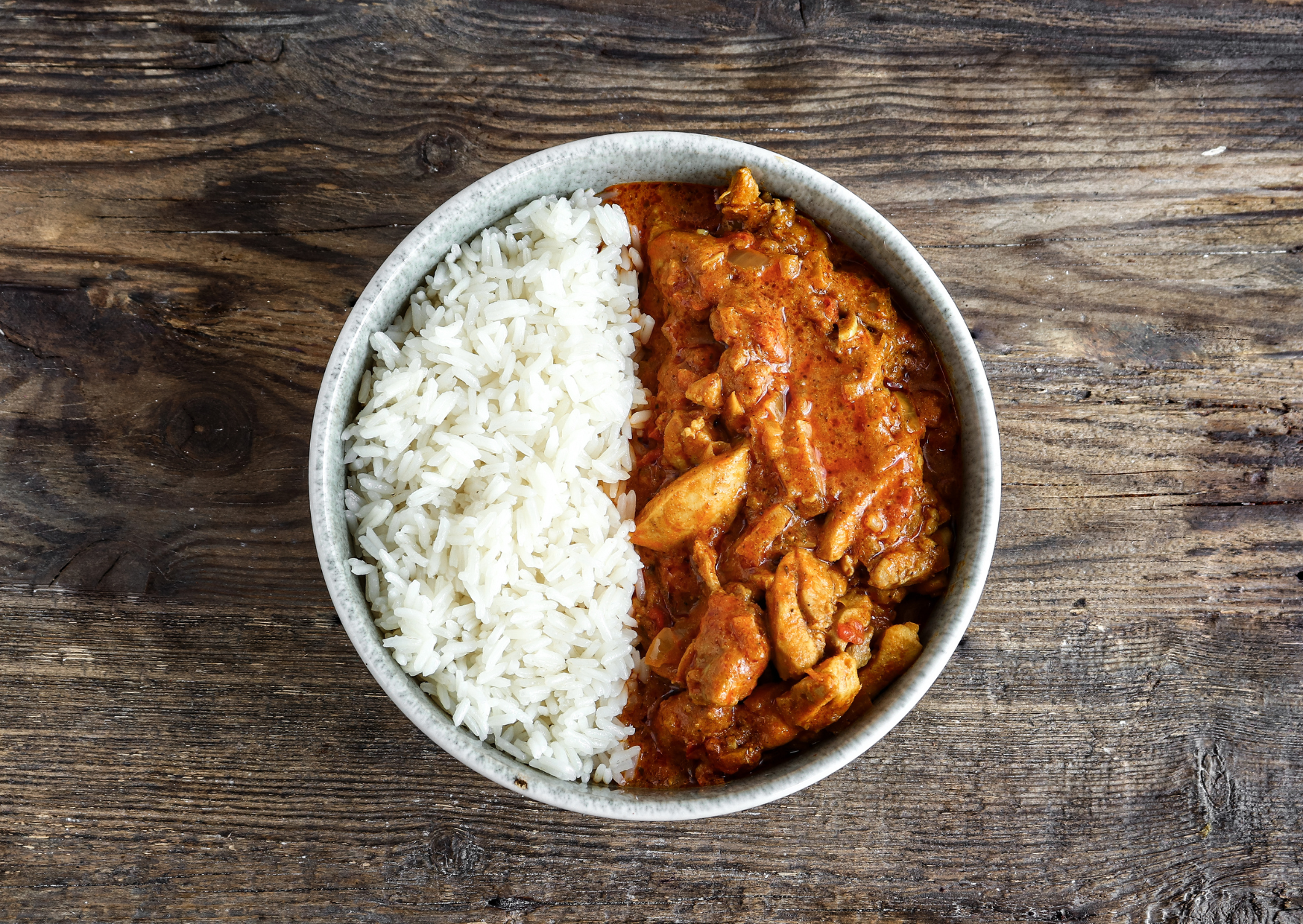
Creamy tomato sauce, charred chicken, a cloud of fenugreek, and a sweetness that lingers with the heat.
Ask where it is from and you will hear “India” nine times out of ten.
The better answer is messier and more interesting. Chicken tikka masala is a British creation with South Asian bones, and the most famous origin story starts in Glasgow, Scotland, in the 1970s. That story is debated, and the debate is half the fun. What is not debated is the flavor: grilled chicken folded into a tomato cream with garam masala and kasuri methi, thick enough to coat, bright enough to want more. The path from tandoor to table ran through Britain, and Scotland is where the dish got its voice.
What The Scotland Claim Actually Says
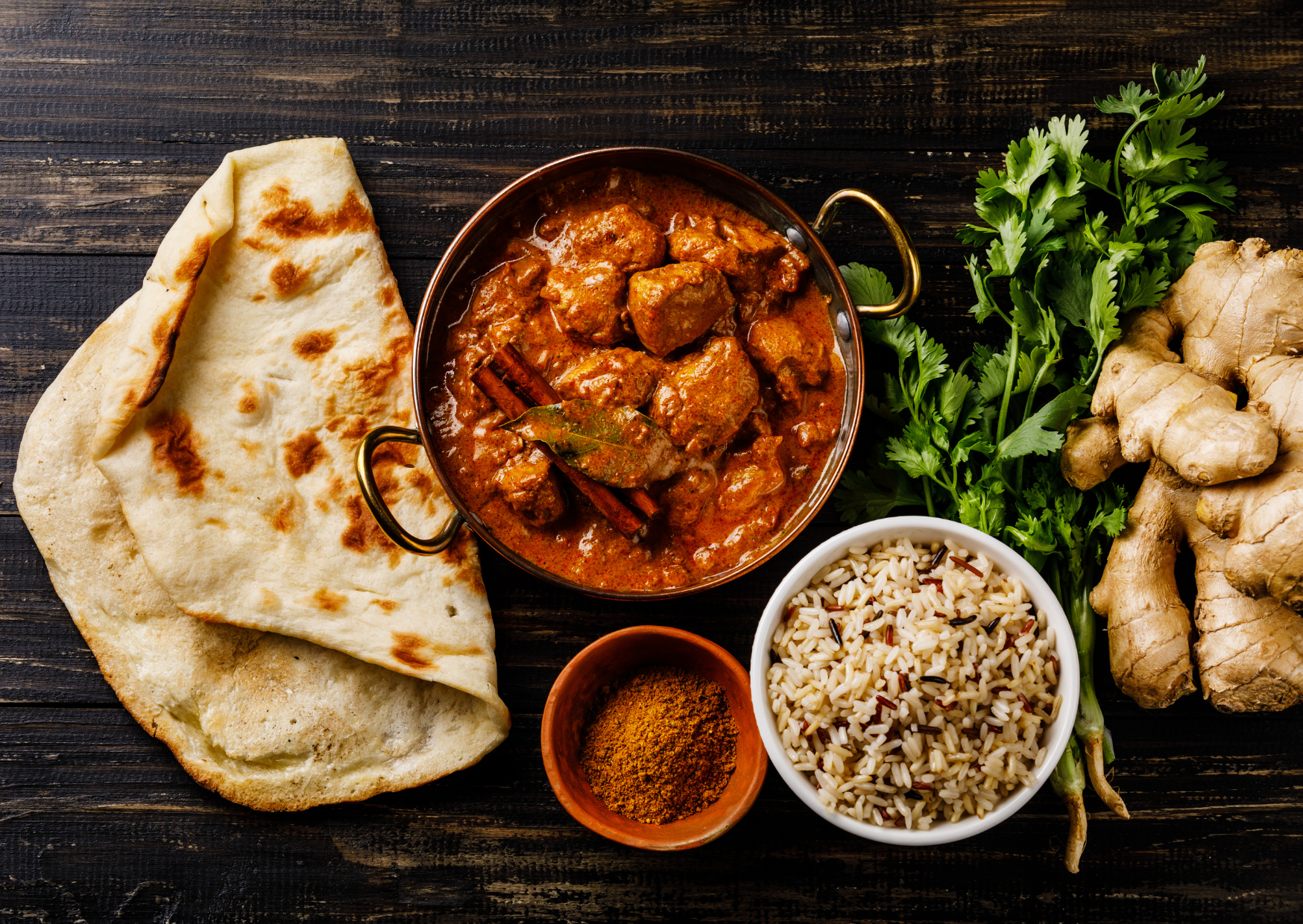
The claim is simple. In the early 1970s, a customer at Shish Mahal in Glasgow told the chef his chicken tikka was too dry. The chef, Ali Ahmed Aslam, sent the dish back to the kitchen and returned it glossed in a quick sauce of tomato, cream, and spices. Some retellings say he grabbed a can of condensed tomato soup to start the base. However you frame the improvisation, the combination stuck, and chicken tikka masala became the curry-house default. One chef, one complaint, one sauce, and a new “classic” was born.
Aslam’s death in December 2022 revived the story, not because it settled anything, but because it reminded people that real restaurants, with real cooks and regulars, invent dishes in the flow of service. Glasgow locals remember him as the face of a campaign to recognize the dish as a Scottish invention, complete with a push for European Protected Designation of Origin status in 2009. That bid never landed, but it captured the truth inside the myth: the dish is British by adoption, built by South Asian cooks for British diners.
The British government nodded to that identity long ago. In 2001, then–foreign secretary Robin Cook called chicken tikka masala a “true British national dish,” not as a joke but as a neat illustration of how Britain absorbs outside influences and turns them into everyday food. That line still follows the sauce everywhere it goes.
Why The Origin Is Debated, And Why That Does Not Hurt The Story
Food historians point to at least three plausible source tracks. One, the Glasgow story above. Two, the broader British Bangladeshi curry-house evolution, where chefs in the 1960s and 1970s adapted tandoori chicken to British tastes by bathing it in a mild, creamy masala. Three, a Delhi connection, where butter chicken (murgh makhani) had already paired tandoori chicken with a buttered tomato gravy decades earlier. In other words, Britain might have rebranded and rebalanced an Indian idea, then sent it back into the world with a new swagger. Multiple claims, shared techniques, one outcome on your plate.
If you like legal theater, note that even butter chicken’s birthplace is the subject of an ongoing court fight in India, with legendary restaurants arguing over who first married grill and gravy. When a parent dish is contested at home, do not expect the child dish abroad to come with a notarized birth certificate. The smart move is to talk about style and structure rather than a single author.
What chefs agree on is the difference in the bowl. Butter chicken is usually smoother and sweeter, with butter-forward richness and often no onions. Chicken tikka masala leans toward chunkier onion-tomato masala, more aromatic garam masala, and that telltale fenugreek note that makes British curry house sauces smell like themselves. Same family, different accents.
How Britain Turned Tandoori Into Comfort Food
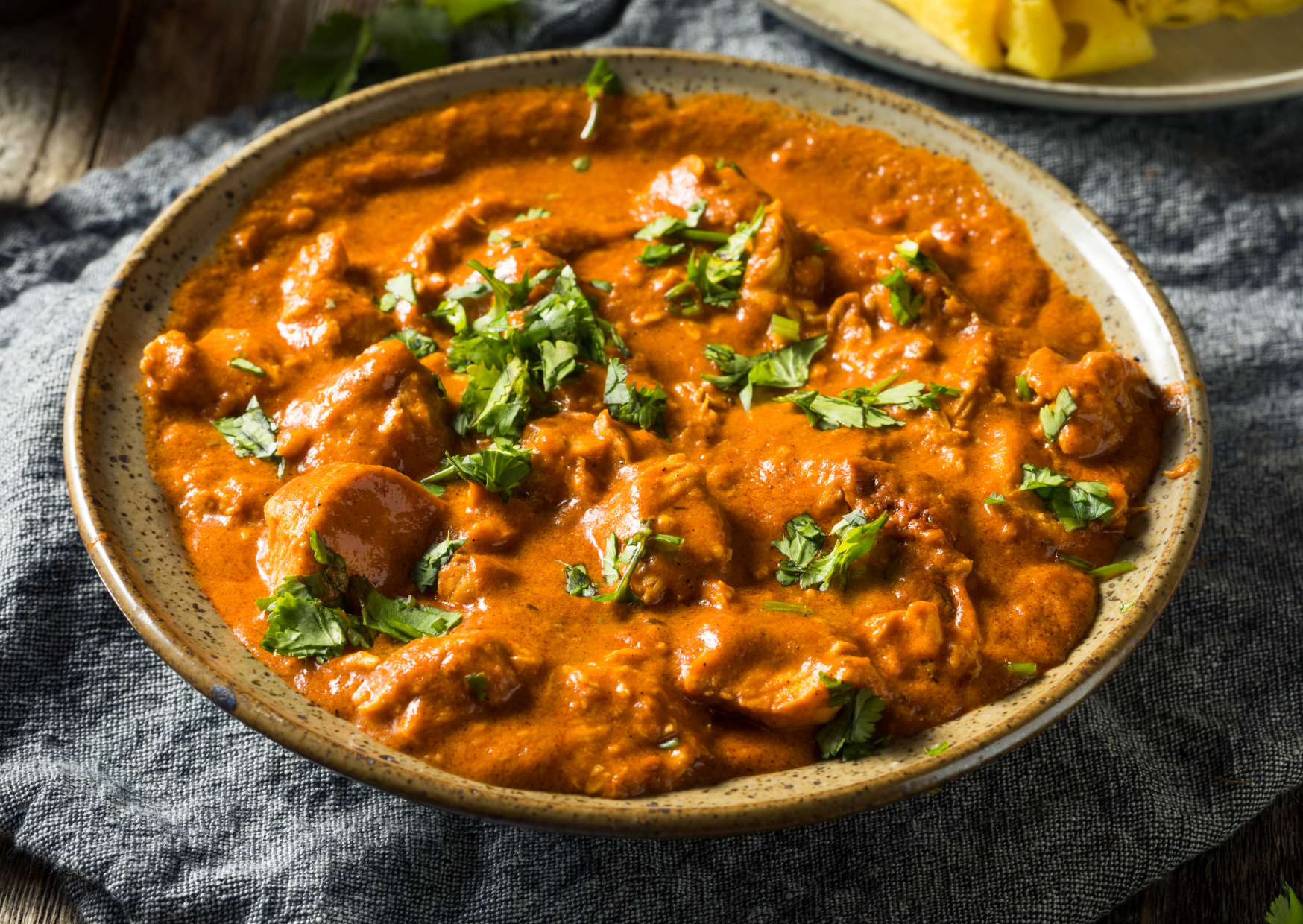
To understand the dish you love, walk through a British curry-house kitchen. The chicken tikka starts as marinated bites of boneless thigh or breast, grilled hard for smoke and char. The sauce is not a one-off stew. It is a base made for speed and consistency, often an onion-tomato gravy simmered until silky, which the line cook tunes to order with spices, tomato purée, cream, and kasuri methi. The result is a sauce that is glossy, slightly sweet, aromatic with fenugreek, and built to coat naan as much as chicken.
That last ingredient, kasuri methi (dried fenugreek leaves), is the switch that makes many home versions taste restaurant-real. It gives a soft bitter-sweet perfume that reads as curry house, not just tomato cream. Add it late so the leaves bloom in hot fat and sauce rather than scorching in oil at the start. Fenugreek makes it British-Indian, and the second it hits the pan your kitchen smells like a high street at 9 p.m.
There is also a rhythm advantage. British restaurants serve a hundred covers by batching what can be batched, then finishing with a flourish. The surprise for home cooks is that you can do the same on a small scale. Make a base and a masala concentrate, grill or broil your chicken on a separate track, then marry the two in five minutes at the end. That is not cheating. That is how the dish was designed.
Recipe: Glasgow-Style Chicken Tikka Masala, Built For A Home Kitchen
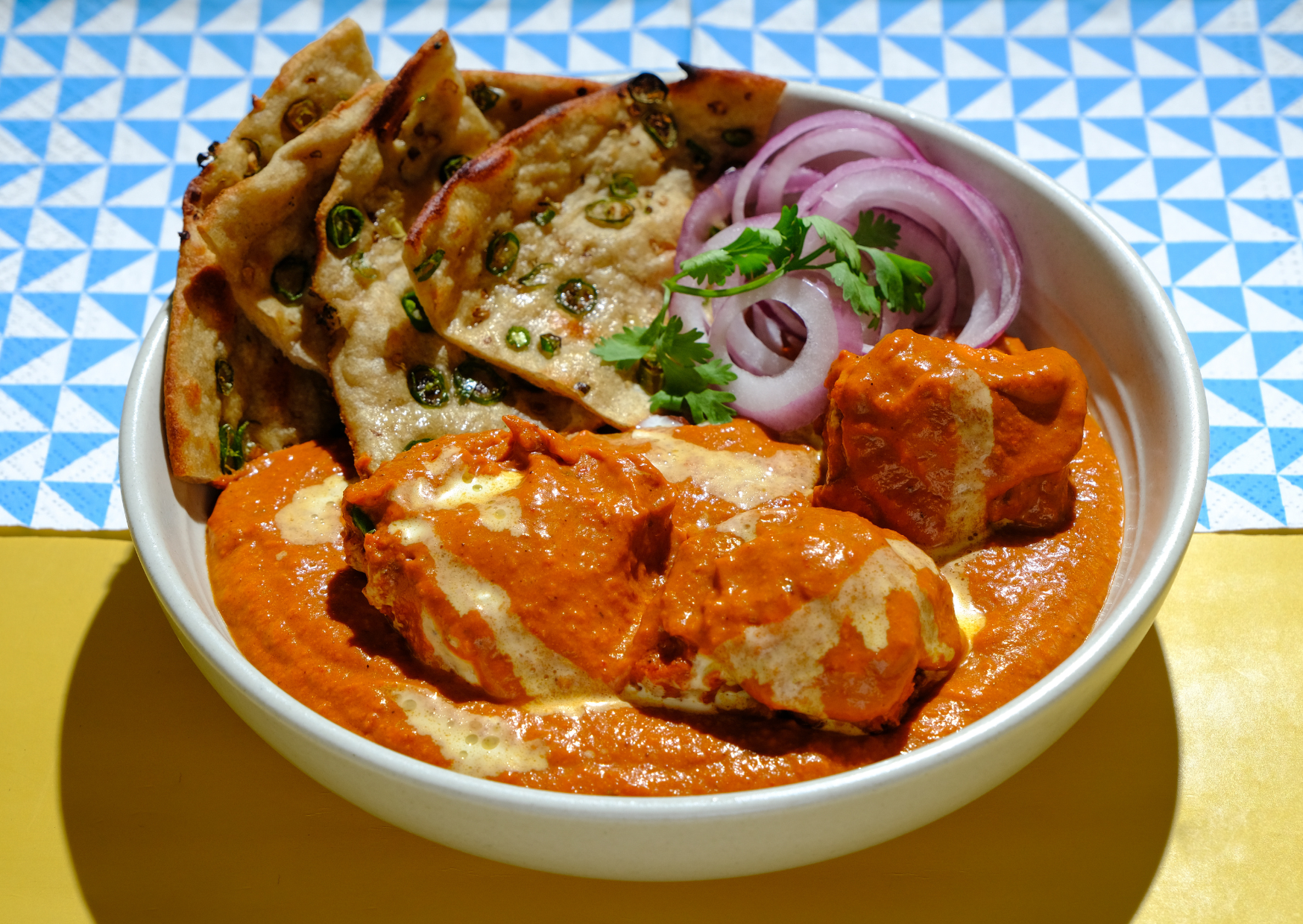
You are going to make this the way a smart curry house does. One marinade. One hot grill or broiler pass for the chicken. One masala base you can freeze. One short finish where the sauce becomes the dish. The flavor leans curry house, not Delhi dhaba, which is the point.
What You Will Make
- Masala Base: onion-tomato gravy you can freeze for next time.
- Chicken Tikka: yogurt-spice marinated bites, grilled hard.
- Finishing Sauce: tomato, cream, kasuri methi, and garam masala folded into the base.
Yields
Serves 4 generously, with a little leftover sauce for naan.
Ingredients
For the Masala Base
- 3 tbsp neutral oil or ghee
- 2 large onions, finely diced
- 1 tsp fine salt, plus more to taste
- 1 tbsp grated ginger
- 1 tbsp grated garlic
- 1 tsp ground coriander
- 1 tsp ground cumin
- 1 tsp paprika or Kashmiri chilli powder
- 1 can (400 g) crushed tomatoes or tomato passata
- 1 cup water
For the Chicken Tikka
- 800 g boneless, skinless chicken thighs, cut into 3 cm chunks
- 175 g plain yogurt
- 1 tbsp lemon juice
- 1 tbsp grated ginger
- 1 tbsp grated garlic
- 2 tsp garam masala
- 1 tsp ground cumin
- 1 tsp paprika or Kashmiri chilli powder
- 1 tsp kosher salt
- 2 tsp neutral oil
For Finishing The Sauce
- 2 tbsp butter or ghee
- 1 tsp sweet paprika or Kashmiri chilli powder
- 1 tsp sugar, or to taste
- 1 tsp kasuri methi (dried fenugreek leaves), crushed in your palm
- 120 ml double cream or heavy cream
- ½ to 1 tsp garam masala, to taste
- 2 tbsp chopped coriander or a pinch of chopped tarragon if you want a sly nod to Glasgow’s soup story
- Lemon, salt, and a splash of water to balance
Method
1) Build the Masala Base, low and slow.
Warm the oil in a wide pan over medium heat. Add onions and salt. Cook until deeply soft and light gold, 12 to 15 minutes, stirring often. You are making sweetness and body, not brown crisp. Add ginger and garlic, stir 1 minute until fragrant. Add coriander, cumin, and paprika, stir 30 seconds to bloom. Add tomatoes and water. Simmer uncovered 12 to 15 minutes until glossy and thick. Blend smooth if you want a silkier curry-house texture. Cool. This is your reusable base.
2) Marinate the chicken.
Whisk yogurt, lemon, ginger, garlic, garam masala, cumin, paprika, salt, and oil. Toss with chicken. Rest at least 30 minutes at room temperature or up to 24 hours in the fridge.
3) Grill or broil hard for char.
Heat a grill to high or set your broiler to its top setting with a rack near the element. Thread chicken onto skewers or spread on a rack set over a tray. Cook, turning once, 8 to 12 minutes total until charred at the edges and just cooked through. You are not chasing perfection here, you are chasing smoke and spots. Rest while you finish the sauce.
4) Finish the sauce like a pro.
In a clean pan, warm butter or ghee over medium heat. Add paprika and the masala base to taste, about 2 cups for 4 portions. Simmer 5 minutes to marry. Stir in sugar and kasuri methi. Add cream. Simmer 2 minutes more. Balance with salt and a squeeze of lemon. The sauce should be lush, orange, and glossy.
5) Combine and rest.
Fold in the grilled chicken and any resting juices. Simmer 2 to 3 minutes so the char kisses the sauce. Finish with garam masala and coriander. Turn off the heat and let the pan sit 2 minutes before plating, which helps the chicken reabsorb moisture.
6) Serve.
Spoon over basmati rice or mop with naan. If you want the full Glasgow pub-night vibe, serve chips on the side and watch the sauce do what it was built to do.
Why This Works
- The base gives you the restaurant’s secret weapon: speed with depth.
- The grilled chicken delivers smoke and structure that oven-poached bites never do.
- Kasuri methi and late garam masala supply the signature aroma that separates British-Indian curry from a simple tomato-cream sauce.
Substitutions For U.S. And EU Pantries
- No grill: broil on a wire rack over a sheet tray or sear in a ripping-hot cast iron pan.
- No kasuri methi: substitute a pinch of fenugreek seeds gently toasted and ground, plus a sprig of cilantro for freshness. Not the same, close enough to teach your palate.
- Dairy free: use full-fat coconut milk for finishing and coconut yogurt for marinade. The flavor shifts tropical, still delicious.
- Low spice: swap half the paprika for sweet smoked paprika, which adds warmth without heat.
- Gluten free: the recipe is naturally gluten free as written.
What Makes This Different From Butter Chicken
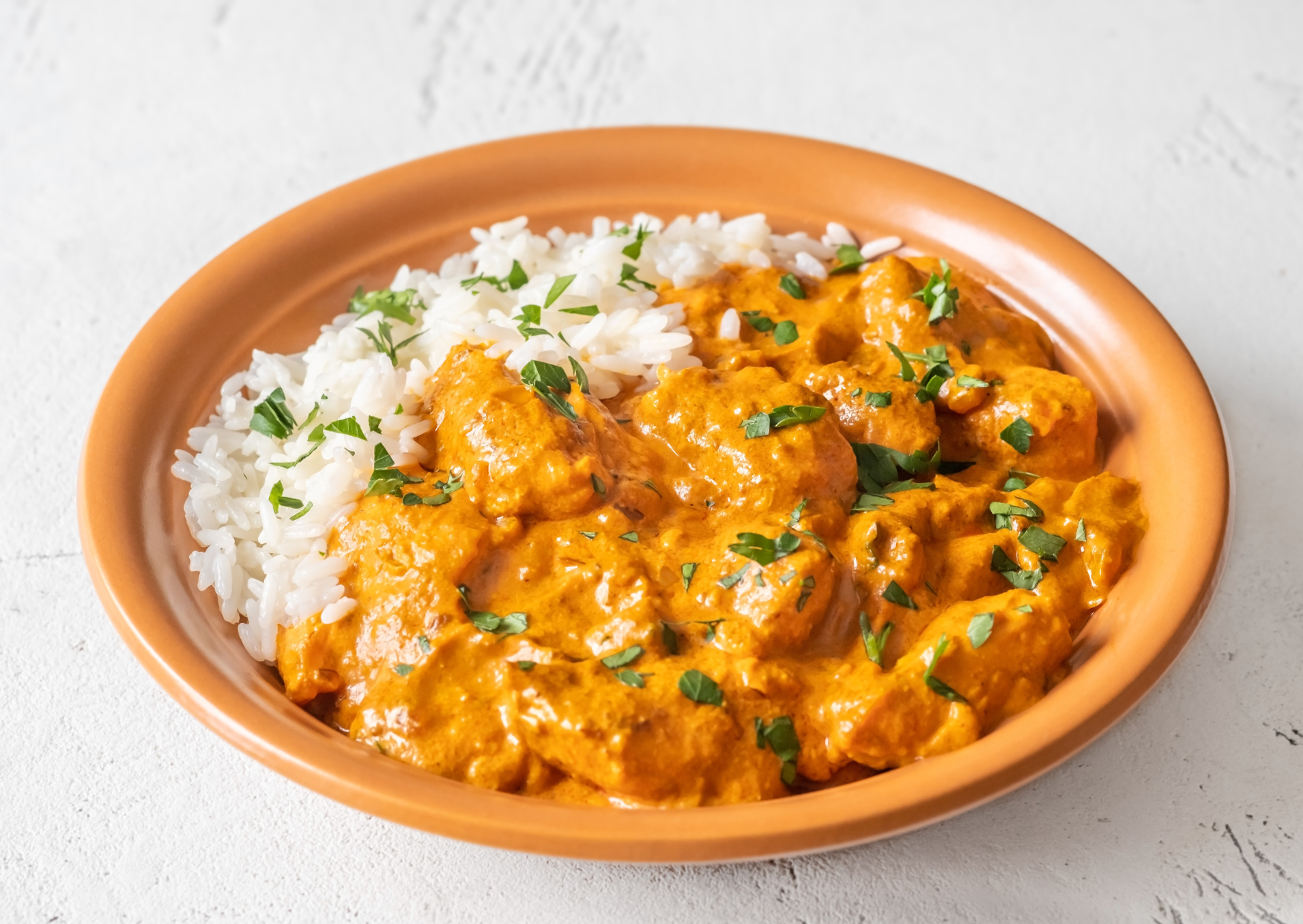
Butter chicken is Delhi hotel food that moved into homes. Tikka masala is British high-street food that moved into homes. The core move is similar, grilled chicken plus tomato-based sauce, but the texture and balance diverge. Butter chicken leans on butter and smooth passata, often with methi and a hint of sugar, but the effect is silk and sweetness. Tikka masala leans on onion body, garam masala at the end, and a brighter acidity. If you taste them side by side, butter chicken is plush, tikka masala is punchy. Both are legitimate. One was tuned for Delhi evenings. The other was tuned for British diners who wanted “gravy” on their tikka, to borrow Robin Cook’s phrasing.
There is also the matter of restaurant technique. Many British curry houses use a master base sauce for speed, then shape it into korma, madras, jalfrezi, or tikka masala by changing spices, acids, and enrichers. That is why the sauce can feel the same across the board and the aromatics do the heavy lifting. If you want that flavor, you cook like they do for this dish, then you can cook differently when you want a regional Indian curry with whole spices and no cream. Both are valid. They are different crafts.
How To Get Restaurant Flavor At Home Without A Tandoor
Three small moves transform home tikka masala from red pasta sauce into the thing you crave.
First, char the chicken. The grill, broiler, or a screaming cast iron pan gives you the smoke you cannot fake with spice. Do not overcook. Pull the pieces when the thickest bites hit done by touch and let carryover finish the centers.
Second, add fenugreek leaves at the end. You will smell why on contact. It is the signature you keep missing when you follow a generic tomato-cream recipe that forgets methi.
Third, balance with lemon and a pinch of sugar. Restaurant sauces are not shy. They juggle acid and sweet until the spice sings. Taste and adjust after you stir the cream into the base. If it tastes flat, it needs salt. If it tastes sharp, it needs a breath of sugar. If it tastes heavy, it needs lemon. If it smells dull, it needs fresh garam masala off the heat.
A bonus move for texture: blend the base for silk, then simmer until it coats a spoon. If the sauce slides off like thin soup, you have not reduced enough. If it sits like paste, beat in a splash of hot water or a bit of cream to relax it.
Some Friendly Fixes You Can Do
Sauce is too sweet. Cut with lemon and a pinch of salt. Do not chase it with more spices, which will mask the mistake but not fix it.
Sauce is too red and raw. Your tomatoes were sharp. Simmer longer, then add cream and methi. A teaspoon of butter will round the edge without turning it into butter chicken.
Chicken is dry. You overcooked it or skimped on marinade. Use thighs next time, and give the yogurt at least 30 minutes to work. Pull earlier and let resting juices rejoin the pan.
No smoky flavor. You baked instead of broiled or grilled. Hit a quick char under a hot broiler or on a grill pan, then return to the pan. Smoke is a structural ingredient here.
No kasuri methi available. Use toasted fenugreek seeds ground with a pinch of brown sugar, or order methi leaves next time and make the base ahead. The dish will taste good without it. It tastes like the restaurant with it.
Too much cream. The sauce reads heavy and flat when the cream dominates. Thin with water, brighten with lemon, and add a whisper of garam masala to lift. The base does the work, cream is a finish.
Want it closer to Delhi. Swap the oniony base for a smoother passata-heavy gravy, add a knob of butter, and reduce sugar. You will drift toward makhani on purpose.
Final Ideas
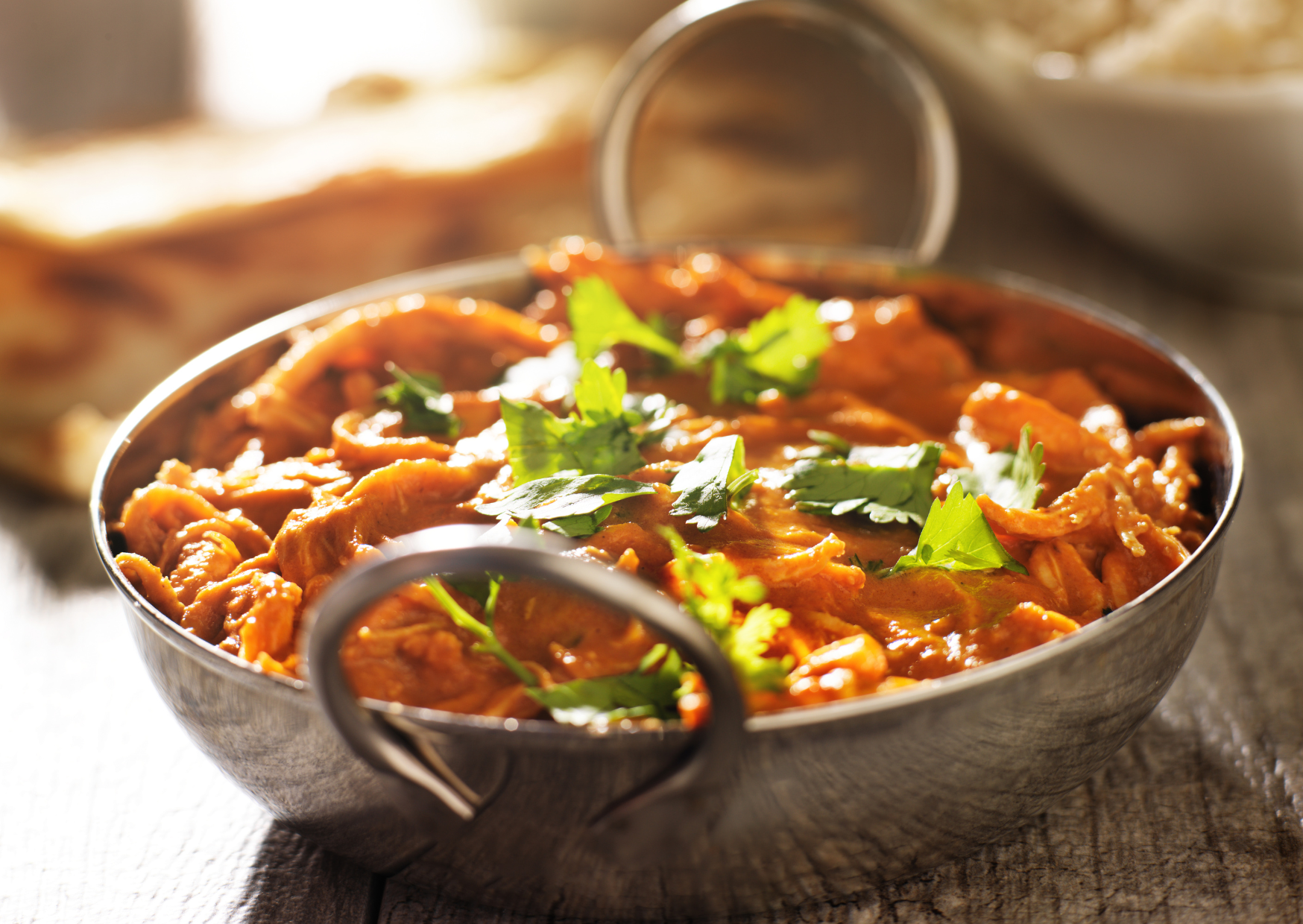
When you order chicken tikka masala, you are eating the story of migration in one bowl. South Asian techniques, British expectations, Scottish swagger. A dish that might have been born on a busy night in Glasgow now plays like comfort food in three continents.
If you cook it at home, lean into what makes it itself. Charred chicken. Onion-tomato base. Kasuri methi. Balance. Respect that the sauce was built for speed and repeatability, and do not apologize for using a base. That is professional, not lazy.
And the Scotland line in the headline? It is not clickbait. It is a reminder that national dishes often happen far from the places they are named for, written by hands that are neither one thing nor another. In the case of chicken tikka masala, that hybrid is the point. It tastes like the best of several kitchens at once, which is why it took over menus everywhere.

About the Author: Ruben, co-founder of Gamintraveler.com since 2014, is a seasoned traveler from Spain who has explored over 100 countries since 2009. Known for his extensive travel adventures across South America, Europe, the US, Australia, New Zealand, Asia, and Africa, Ruben combines his passion for adventurous yet sustainable living with his love for cycling, highlighted by his remarkable 5-month bicycle journey from Spain to Norway. He currently resides in Spain, where he continues sharing his travel experiences with his partner, Rachel, and their son, Han.