
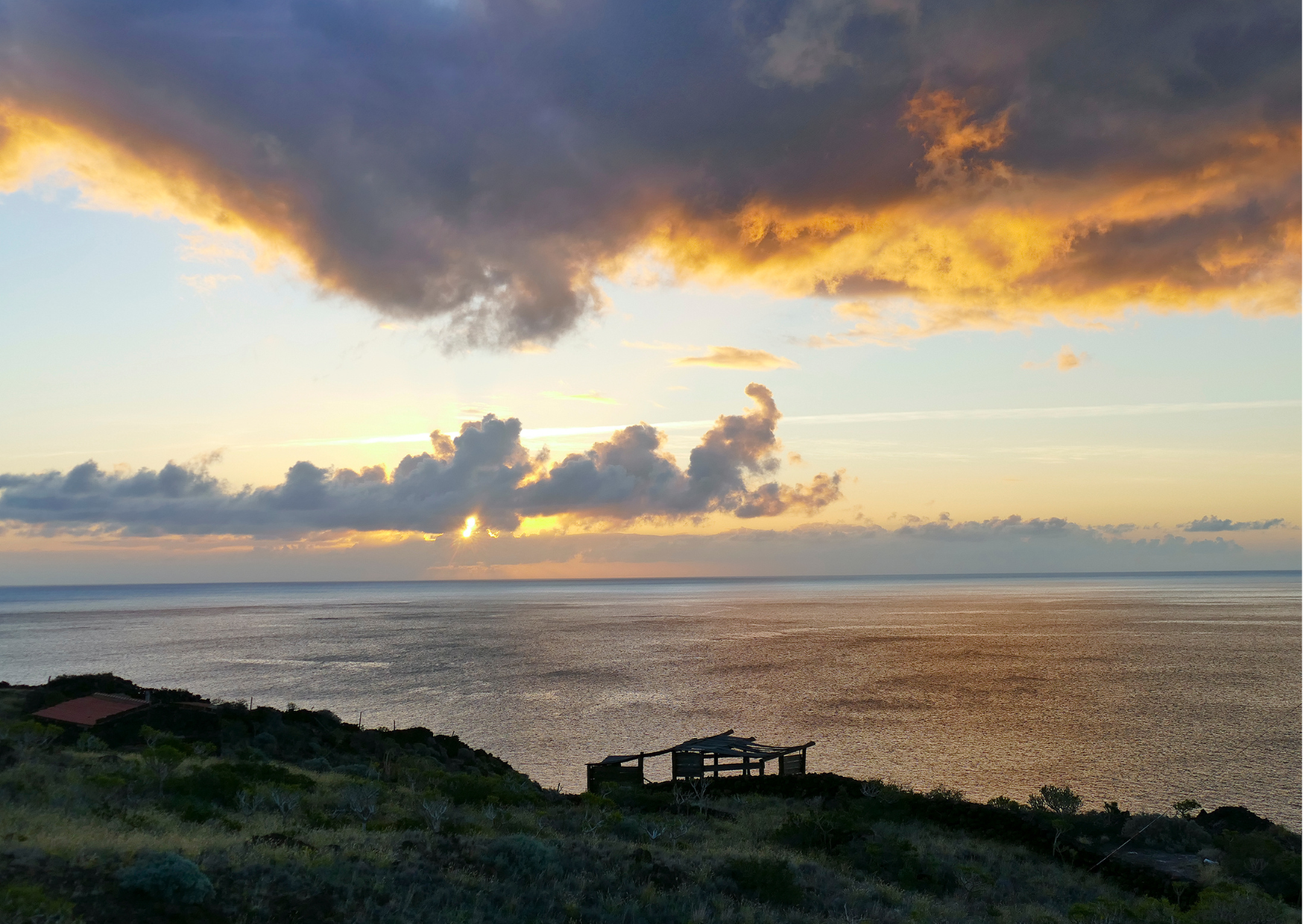
If you think you “know” the Canary Islands because you’ve heard of Tenerife, you’re missing the quiet one. El Hierro is the anti-resort Canary, and the weather is the kind that makes you question why you own a coat.
January in Spain can be bright and still annoying. The sun shows up, but the air has that sharp edge that makes you walk faster than you want to.
Then you land on El Hierro and your body does that small exhale. Not because it’s tropical. Because it’s steady. You’re not sweating, you’re not freezing, you’re just… fine.
Most Americans who say “I want an island” are picturing palm trees, cocktails, and a place that makes them feel like the main character.
El Hierro is not that. El Hierro is for people who want quiet weather and quiet days and don’t need an audience.
And yes, it’s Spanish. It’s the smallest of the main inhabited Canary Islands, and it’s the one that rarely shows up in American conversations unless someone is very into scuba diving or very done with crowds.
The 70°F claim is mostly true, but the island has a catch
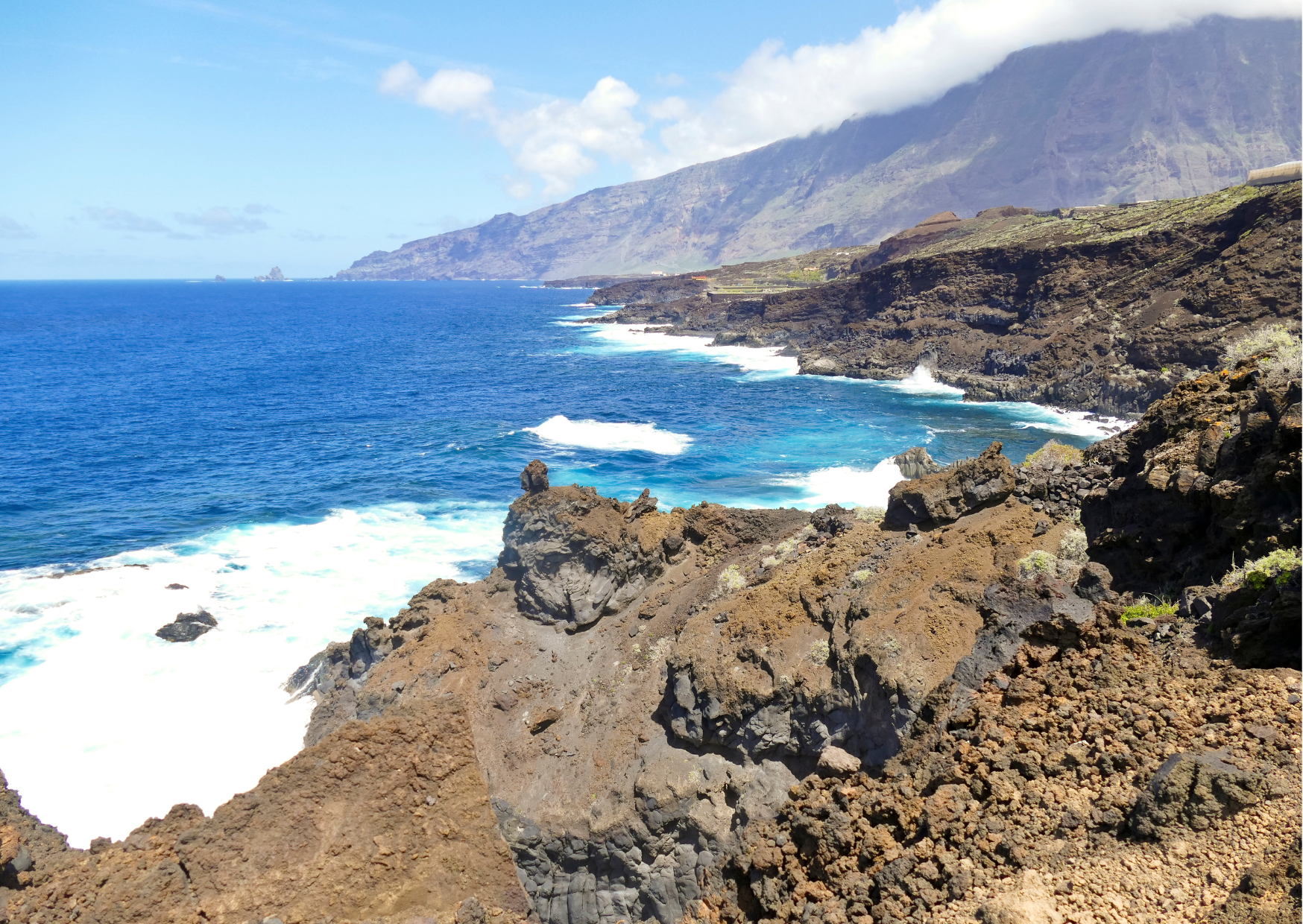
When people say “70°F year-round,” what they usually mean is that the temperature doesn’t swing wildly between seasons.
On El Hierro, that part is real. Across the year, average temperatures are often described as sitting in the mid 60s to mid 70s°F range, with the coolest month around the mid 60s°F and the warmest month around the mid 70s°F.
That’s the core reason El Hierro feels so pleasant in winter. It doesn’t feel like “summer,” it feels like “your nervous system can stop bracing.”
But here’s the catch that separates El Hierro from Instagram fantasy: it has microclimates, and they matter.
- Coastlines can feel mild and breezy.
- Higher altitudes can be noticeably cooler, especially at night.
- Wind is part of the deal, not an occasional inconvenience.
The Canary Islands’ tourism site leans into the “spring-like” feel and highlights the low thermal amplitude between seasons. That’s the polite way of saying you don’t get dramatic temperature drama. You do get differences depending on where you stay.
So if you want the “70°F feeling,” choose your base like an adult:
- Want warmer evenings and easy beach access? Look at the coast.
- Want greener landscapes and cooler air? Look higher up, and pack a layer.
If you arrive expecting one perfect temperature everywhere, you’ll accidentally book the cloudier side and then complain that the island is “windy.” It is windy. That’s part of why it stays comfortable.
Why Americans don’t know El Hierro exists
El Hierro has no direct international flights, and that single fact filters out most casual tourism. The official tourism site is blunt about it: flights connect via Tenerife and Gran Canaria, so you’re doing a stopover even if you’re already in the Canaries.
That extra step is enough to keep it off most American radar.
It’s also small, intentionally low-key, and not built for mass tourism. One Spanish radio report describing a BBC feature points out how tiny the population is (around 11,000), and cites a low visitor count (about 20,300 visitors in 2023), plus the kind of detail that becomes shorthand for the whole vibe: the island “only has one traffic light.”
This is the whole appeal if you’re trying to escape the “tourism machine” version of island life.
El Hierro is not trying to entertain you. It’s trying to stay itself.
That means:
- Fewer big hotels.
- More small local stays.
- Less nightlife.
- More mornings that feel like you can hear your own thoughts.
If you want culture as constant spectacle, pick another island. If you want nature you can actually inhabit, El Hierro starts making sense fast.
Where to stay, if you want calm instead of “resort energy”
El Hierro doesn’t have one obvious “best area.” It has three practical bases, depending on what you want your days to feel like.
Valverde and nearby villages
This is the administrative center, and it’s a solid base if you like being close to services. It can feel quieter and cooler than coastal spots. If you’re the type who wants pharmacies, banks, and everyday errands to be straightforward, Valverde is sensible.
Frontera and the El Golfo valley
This side is popular for a reason: dramatic landscapes, viewpoints, and a rhythm that feels very “small town Canary.” It’s also where you’ll see people settle in for longer stays because it’s beautiful without being performative.
La Restinga
If you’re coming for diving or you want a sleepy fishing-village feel, La Restinga is the answer. It’s not a “do everything” base, but it’s a strong choice if your goal is sea time and quiet.
Price-wise, El Hierro can be more affordable than people expect because it isn’t saturated with resort pricing. Hotel search aggregators regularly show nightly prices that start surprisingly low in slower periods, sometimes in the $50–$80/night range for simpler stays, with more comfort creeping upward depending on season and demand.
The practical retiree-style choice is usually this: pick a place with real quiet, decent insulation, and parking. A charming apartment is great until you realize your sleep depends on it.
And if you’re staying more than a week, look for self-catering. El Hierro is the kind of place where eating at home feels like part of the pleasure, not a compromise.
The money part: what El Hierro actually costs when you’re not “doing influencer island life”
Let’s talk about the budget the way normal adults travel.
El Hierro can be economical, but it’s not “cheap because island.” The savings come from not needing constant paid entertainment. The island itself is the activity.
Here’s a realistic weekly spend for two people who are not penny-pinching, but also not cosplaying luxury:
Lodging
- Simple hotel or apartment: roughly €70–€140/night depending on season and comfort.
- For 7 nights: €490–€980.
Car
You will want one. This island is not built around hopping between towns on public transport.
- Small car rentals often show averages around the $25/day mark in listings, with variation by season and availability.
- Call it €20–€40/day for planning purposes, then add fuel.
- For a week: €140–€280 plus fuel.
Food
If you eat like a normal person, costs stay sane.
- Groceries for breakfasts and some dinners: €70–€140/week for two, depending on how you shop.
- A few restaurant meals: €15–€25 per person for a straightforward meal is a common Spain baseline.
If you like the Spanish “menú del día” rhythm, it’s worth knowing what’s happened to pricing nationally. A recent report put the average menú del día in Spain around €14.2 in 2025, with Canary Islands noted as among the cheaper regions around €13. On El Hierro you’ll still see variation, but it gives you a mental anchor.
The real total
A calm, pleasant week for two people often lands around:
- €900–€1,700 all-in, depending on lodging and how much you eat out.
If you’re thinking longer-term, the math improves. El Hierro rewards longer stays because the daily spend drops once you stop moving constantly and start living in a rhythm.
Getting there without turning it into a two-day ordeal
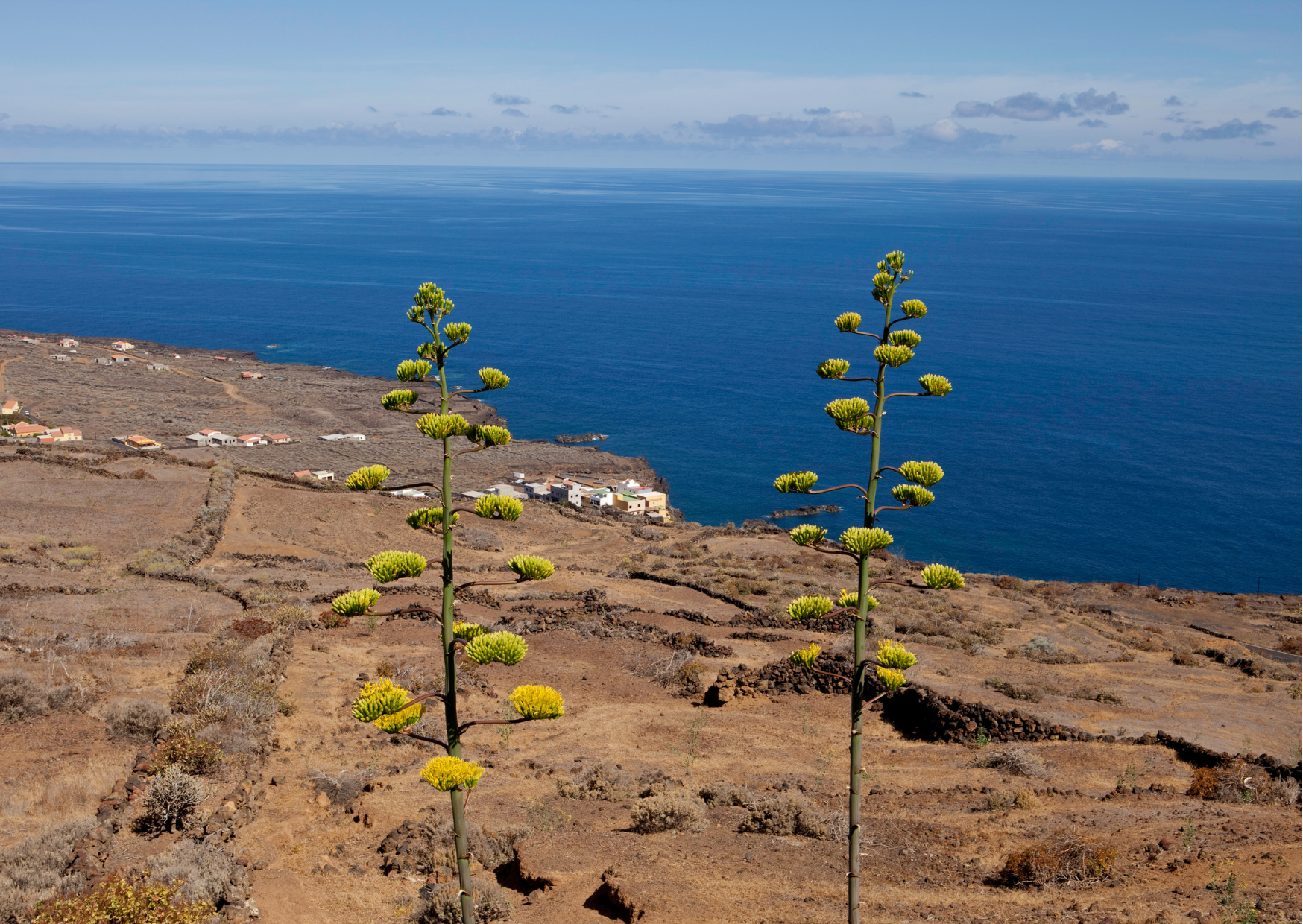
El Hierro is “close” in distance and “far” in logistics. Plan it like you respect your own time.
There are two main routes:
1) Fly via Tenerife or Gran Canaria
The official tourism info is clear: El Hierro Airport connects with Tenerife and Gran Canaria, so international arrivals need to route through one of those islands first.
This is the easiest route if you’re already in Spain or Europe, and it’s the cleanest for anyone who hates ferries.
2) Ferry from Tenerife
El Hierro has a direct sea connection to Tenerife, with ferries connecting Los Cristianos (Tenerife) to La Estaca (El Hierro) in about 2 hours and 20 minutes, per the official tourism site.
Ticket prices move, but recent listings often show one-way fares starting around €51 and going into the €60s, depending on sailing and season.
The simple planning rule:
- If you’re doing a short trip, pick flights and minimize transfers.
- If you’re doing a longer stay, the ferry can feel like part of the experience, especially if you’re already on Tenerife.
Booking windows matter more than you think because El Hierro’s scale is small. It’s not that everything sells out constantly. It’s that there aren’t infinite backups if you miss your connection.
A 72-hour El Hierro plan that actually feels like the island
This is the version of El Hierro that makes people quietly obsessed. Not “top 10 things,” just a rhythm that hits the island’s strengths.
Day 1: Viewpoints, slow lunch, and the island’s “we don’t rush” tone
- Arrive, pick up your car, and drive to Valverde to orient yourself.
- Aim for a long lunch, not because you’re trying to be European, but because it sets the pace. Lunch is the anchor on these islands.
- If you can, head to a viewpoint and let the island introduce itself. You’re not here for a checklist, you’re here for scale.
Costs to expect:
- Car for the day: €20–€40
- Lunch for two: €30–€50
- The best viewpoints cost nothing. That’s the point.
Day 2: Natural pools and volcanic drama
This is where El Hierro stops being “pleasant” and becomes “how is this real.”
Charco Azul is one of the iconic natural pools, and it gives you that volcanic coastline feeling without needing to be a hardcore swimmer. It’s a place where people sit, float, and watch the sea do its thing.
Bring water shoes. Not fashionable ones. Real ones.
Costs to expect:
- Snacks and coffees: €10–€20
- Dinner: €30–€60 depending on where you land
- Again, the main attraction is free, which is why El Hierro is such a good “value island.”
Day 3: La Restinga and a sea day that doesn’t feel touristy
If you like diving or snorkeling, La Restinga is the obvious choice. Even if you don’t dive, it’s worth spending time there for the fishing-village energy and the feeling of being at the edge of something.
This is also the day you realize why El Hierro stays under the radar. It’s not built to sell you experiences. It’s built to let you have them.
Costs to expect:
- A simple sea-facing lunch: €25–€45
- If you dive, that’s your biggest paid activity, and prices vary by operator and season.
The key to this 72-hour plan is that it’s not rushed. The island’s whole appeal is that the day has room in it.
The mistakes Americans make that make El Hierro feel “boring”
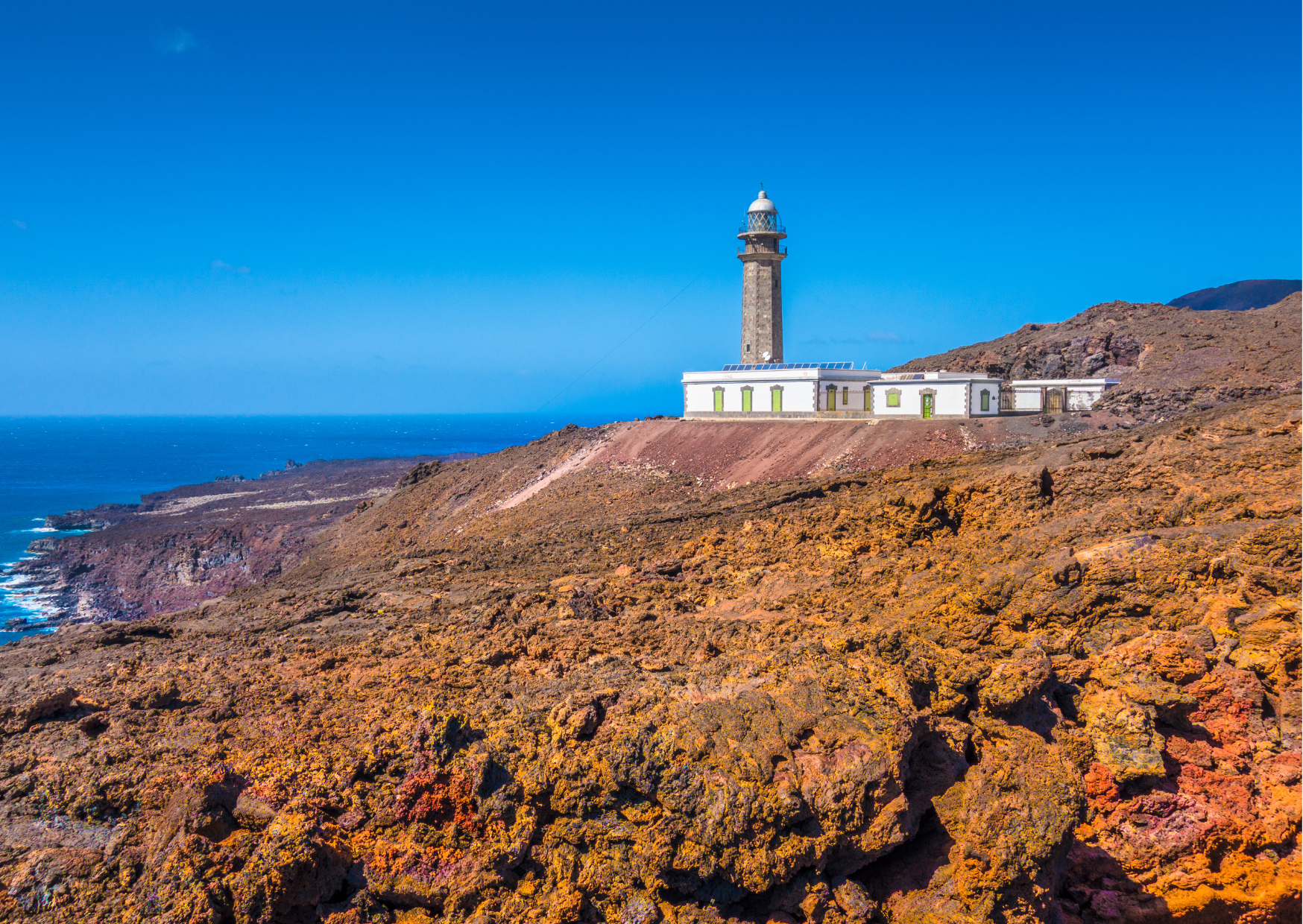
El Hierro isn’t boring. It’s quiet. Americans often confuse those two things.
Here are the common misreads:
Mistake 1: Expecting beach-resort energy
If you want lounges, nightlife, and a constant stream of entertainment, El Hierro will feel underdeveloped. That’s not a flaw. That’s the product.
Mistake 2: Not renting a car
You can technically move around without one, but you’re choosing friction for no reason. This is a small island with big geography. Mobility is freedom here.
Mistake 3: Packing like it’s the Caribbean
You need light clothes, yes, but you also need a layer for evenings and higher elevations. The tourism site literally tells you to bring something warm for nights and altitude.
Mistake 4: Underestimating wind
Wind is not an inconvenience, it’s part of the climate system that keeps the island comfortable. If you treat wind like a personal insult, pick a different destination.
Mistake 5: Trying to do “all the highlights” in two days
This is how you end up driving constantly and feeling like you didn’t relax at all. El Hierro is not a sprint island. It’s a settle-in island.
Your first 7 days, if you’re scouting El Hierro as a winter escape
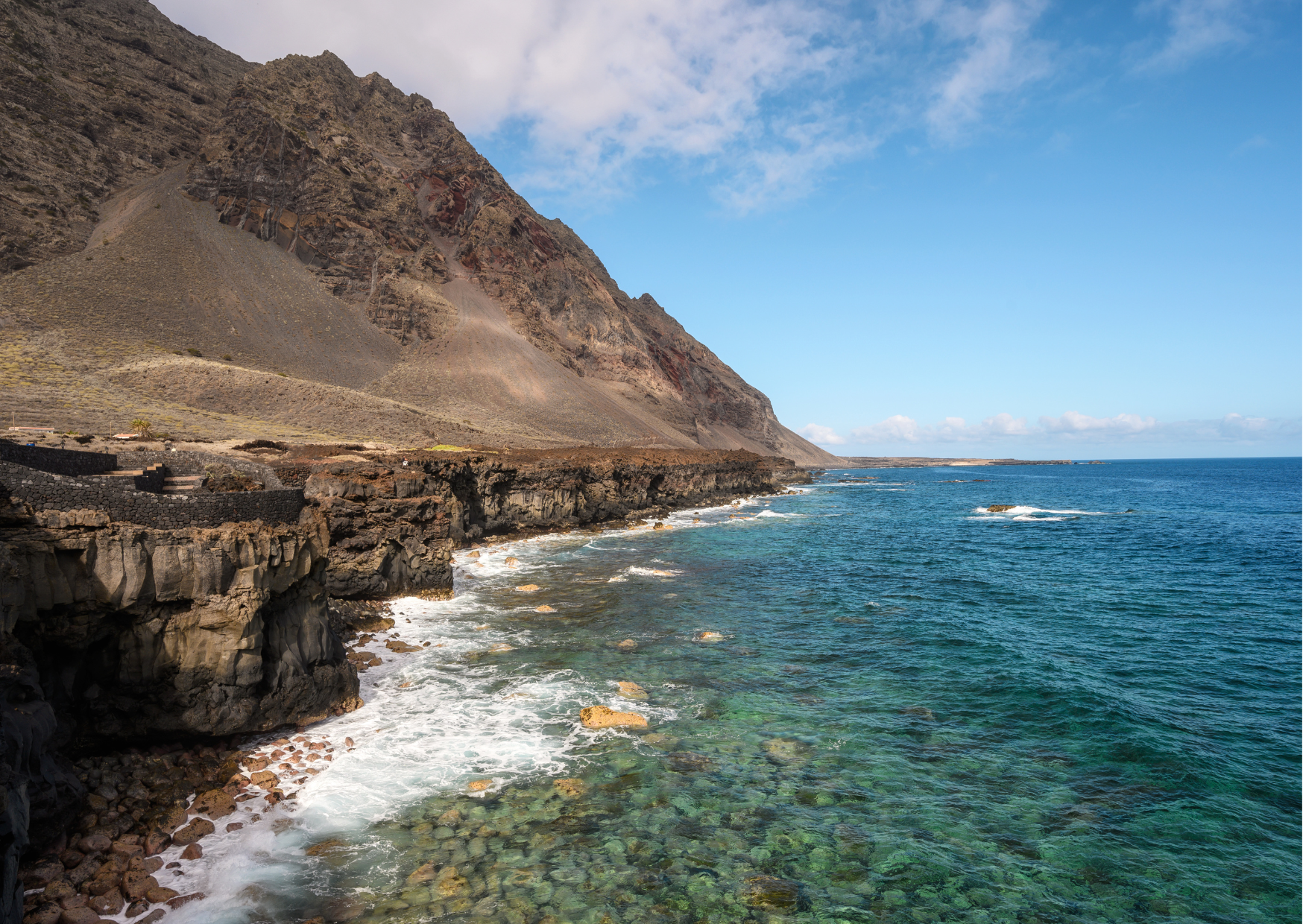
If you’re considering El Hierro for a longer stay, treat the first week like a reality check, not a vacation performance.
Day 1: Choose your base and commit for the week. Switching lodging every two nights defeats the point.
Day 2: Do a full errand day. Groceries, pharmacy, and a café you’d actually return to. Daily life tells the truth.
Day 3: Drive the island without rushing. Learn which areas feel too windy for you and which feel perfect.
Day 4: Eat at home. Not as a budget move, as a test of whether you like the ingredients and the kitchen rhythm.
Day 5: Do one long walk. The Canary Islands tourism site talks about being able to walk comfortably even in summer. See if your body agrees.
Day 6: Talk to someone local in a small way. Ask about the weather, or what changes seasonally. You’re looking for small human signals, not a grand friendship montage.
Day 7: Decide what you actually want.
If you want calm, nature, and steady weather, El Hierro can feel like the cheat code nobody markets.
If you want stimulation, nightlife, and constant novelty, you’ll be happier elsewhere.
That’s the real choice.
El Hierro is not trying to impress you. It’s offering you a life that’s quieter, steadier, and frankly better for anyone who’s tired of being marketed to.
If that sounds appealing, you’ll understand the island in about three days. And you’ll stop telling people about it so it stays the way it is.

About the Author: Ruben, co-founder of Gamintraveler.com since 2014, is a seasoned traveler from Spain who has explored over 100 countries since 2009. Known for his extensive travel adventures across South America, Europe, the US, Australia, New Zealand, Asia, and Africa, Ruben combines his passion for adventurous yet sustainable living with his love for cycling, highlighted by his remarkable 5-month bicycle journey from Spain to Norway. He currently resides in Spain, where he continues sharing his travel experiences with his partner, Rachel, and their son, Han.