
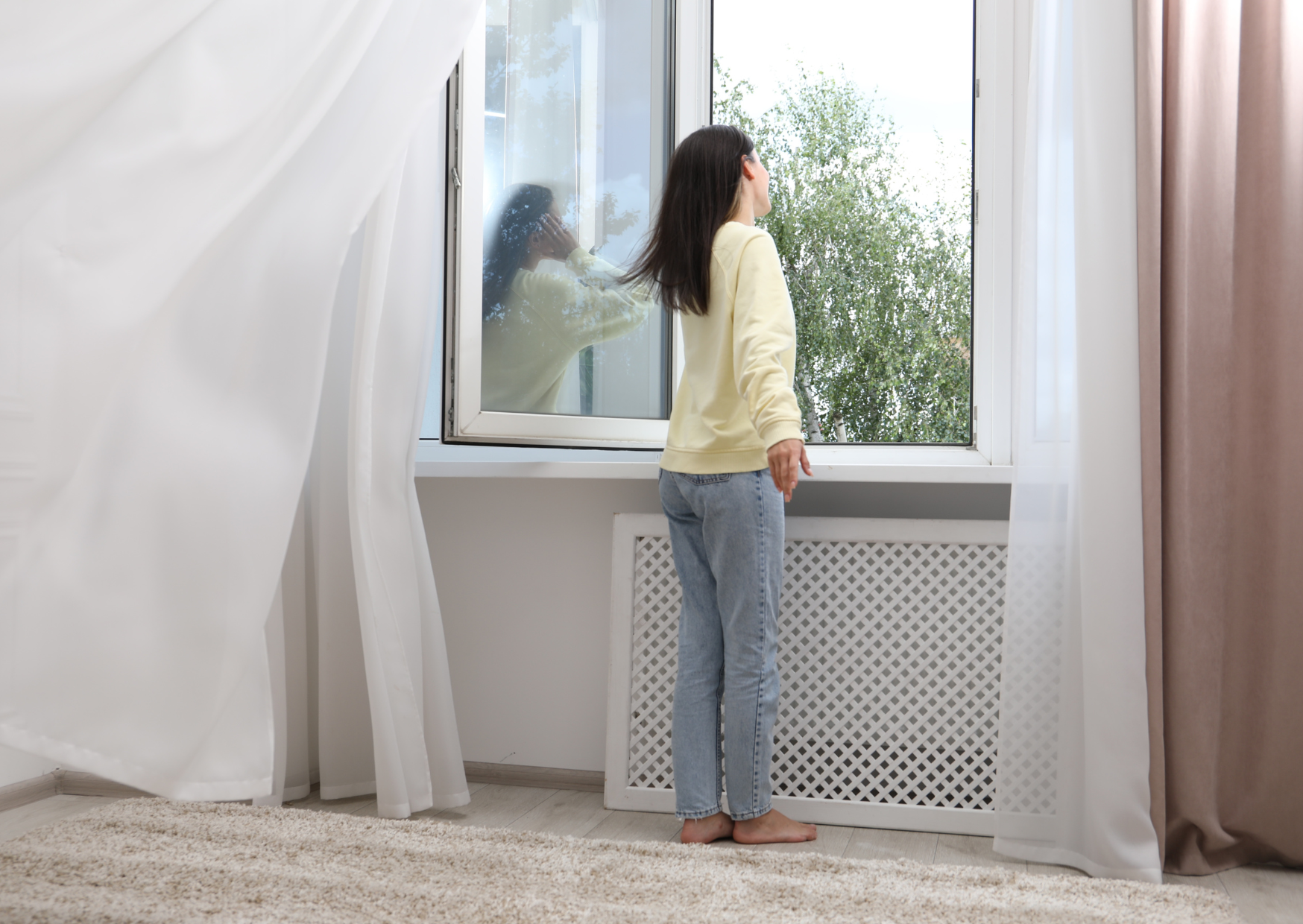
Open the windows wide, set the radiators smart, and let the apartment breathe. Five minutes later the glass is clear, the air is fresh, and the heater works less, not more. What looks like a strange winter habit is a German staple with a boring name and a big payoff.
I copied one routine for a month, the way Berlin neighbors do it. Mornings felt lighter, the water on the panes disappeared, and the heating bill stopped creeping. There was no gadget, just timed fresh air and disciplined radiator settings.
If you like simple wins, this is the one to steal. Below is exactly what to do, why it works physically, how to set the dials so you do not freeze, the mistakes that waste heat, and a quick math check that shows where €200 goes missing each winter if you do nothing.
Want More Deep Dives into Everyday European Culture?
– Why Europeans Walk Everywhere (And Americans Should Too)
– How Europeans Actually Afford Living in Cities Without Six-Figure Salaries
– 9 ‘Luxury’ Items in America That Europeans Consider Basic Necessities
Quick Easy Tips
Open windows fully for a short burst rather than cracking them for hours.
Do this once or twice a day, ideally morning and early evening.
Turn off or lower the heat during ventilation.
Close windows promptly and allow the space to reheat naturally.
One uncomfortable truth is that many homes are overheated and under-ventilated. People assume higher temperatures equal comfort, ignoring humidity and air quality.
Another controversial point is that modern buildings are sealed too tightly. Without intentional ventilation, stale air traps moisture, forcing heating systems to work harder.
There is also resistance rooted in fear of waste. The idea of letting cold air in feels irresponsible, even when it leads to lower energy use overall.
Perhaps the most challenging realization is that efficiency is behavioral, not technological. This German ritual works not because of innovation, but because it aligns with how buildings and heating systems actually function.
What Germans Actually Do Before Turning Up The Heat
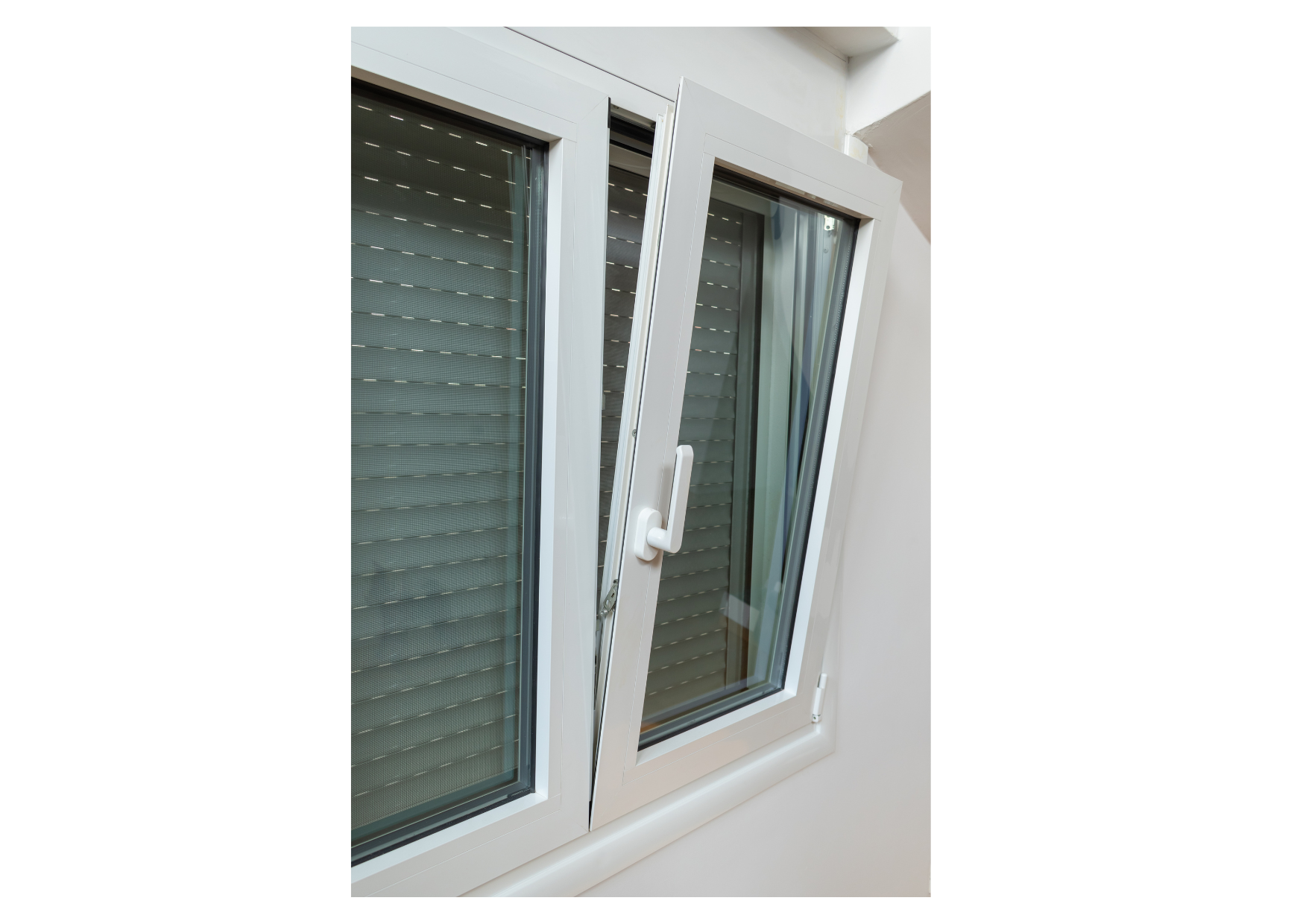
Ask a building caretaker in Munich how to warm a flat and you will hear two verbs: Stoßlüften and entlüften. They sound similar, they do different jobs.
Stoßlüften: short, sharp airing
This is windows fully open for 3–5 minutes, ideally cross-ventilated. You do it two or three times a day in winter. The goal is to swap humid indoor air for cold, dry outdoor air fast, then shut tight. Humidity leaves, heat stays in the walls.
Entlüften: bleeding radiators
Old or central systems trap air. Air pockets make radiators gurgle and stop heating evenly. Germans keep a small bleed key in the kitchen drawer and release the trapped air at the start of the season. Metal warms, rooms heat evenly, boiler rests.
Thermostatic radiator valves, set once
Those number rings on radiators are not random. 2 is roughly 16–17 °C, 3 sits near 20–21 °C, 4 about 23–24 °C. Germans pick a number per room and leave it there. Twisting to 5 does not heat faster, it just overshoots. Consistency saves energy.
Put those together and you get a winter day that feels simple: quick fresh air, quiet heaters, steady settings.
The 5-Minute Ritual: Exactly What I Do Every Morning
You can copy this without a single purchase. It takes one song’s length.
00:00–00:20: Set the stage
Turn each radiator valve in the room to 0 or the small snowflake symbol, only in the rooms you are airing. Close interior doors so the cold stays local. This prevents the TRVs from panicking and calling for maximum heat.
00:20–03:30: Air it out, fast
Open opposite windows fully for cross-breeze. If you only have one window, open it wide. Sit with your coffee, breathe the crisp air, watch condensation vanish. Wide open beats tilted, because it swaps air fast without cooling walls. Speed is the trick.
03:30–04:30: Close and reset
Shut the windows. Return each radiator valve to your normal number for that room, usually 2.5–3 for living areas, 1.5–2 for bedrooms, 0–1 for rarely used rooms. Leave interior doors closed another minute so the room regains balance.
04:30–05:00: Check the panes
If the glass is clear and the room does not feel damp, you did it right. If droplets linger, repeat a smaller airing after shower time or before dinner.
That is the whole routine. Mornings take five minutes. Evenings take two. The impact is bigger than it looks, because dry air warms with less energy than wet air.
Why This Works: Humidity, Heat Storage, And Valves That Think
There is no magic here. The physics is friendly.
Dry air warms easier
Moist air soaks up energy. When indoor humidity sits high from showers, cooking, and breathing, your system burns extra to lift the room to the same temperature. A fast exchange with cold, dry outdoor air lowers indoor moisture, so the same radiator output feels warmer. Less humidity equals less heating time.
Walls store heat, not air
A five-minute blast of cold barely touches the mass of walls and floors. The moment you close windows, that stored heat releases into the air and the room rebounds quickly. Tilted windows for an hour cool the walls, which forces the boiler to reheat the structure, not just the air. Short and sharp wins.
TRVs measure air by the valve, not by your feelings
Those little heads sense local air temperature. If you open a window above the valve or leave a curtain over it, the sensor reads wrong and overheats the room. That builds a habit of yo-yo heat, which wastes money. Keep valves uncovered, set one number, and let them do their slow logic. Steady settings stop overshoot.
Air pockets raise your bill
If a radiator top stays cold while the bottom is hot, you are heating metal, not air. Bleeding removes the bubble so the whole panel warms at a lower boiler output. That is why caretakers nag you to entlüften in November. Even heat is cheap heat.
The Room-By-Room Set Points That Feel Good
Numbers differ by house, but these land well for most apartments.
Bedroom: valve at 1.5–2
Cooler nights improve sleep and cost less. Pair a winter duvet with a 17–18 °C setting. A two-minute airing just before bed clears damp air and keeps windows dry.
Living room: valve at 2.5–3
Aim for 20–21 °C. If you sit long hours, raise to 3 on the coldest days. Keep curtains off the valve and the sofa away from the radiator front so heat can circulate.
Kitchen: valve at 1–2
Cooking warms air. Let appliances do some work. Air after big steams, lids on pots, extractor used. Moisture is the enemy in winter.
Bath: valve at 2–2.5
Warm enough to shower, then open the window fully for 2–3 minutes while the door stays closed. This dumps steam outside instead of into the hall.
Unused room: valve at snowflake or 1
Never turn fully off for weeks. A little baseline heat prevents mold in corners. Air briefly once a day with the door closed.
This is how Germans use numbers like gears, not like a volume knob. You pick the gear and drive.
If You’re Running The Numbers
A sketch that shows where €200 hides in a winter.
Assumptions
- Two-bedroom, 65 m² flat, central gas heat shared by building, thermostatic valves on radiators.
- Old habit: windows tilted for one hour morning and night, radiators on 3–4 all day.
- New habit: 5-minute cross airing twice daily, radiators 2–3 with doors closed during airing.
- Average winter gas price equivalent: €0.12–€0.16 per kWh billed through HOA or directly.
- Insulation average for a 1990s building, not passive house.
Typical waste from tilted airing
Hour-long tilt exchanges warm indoor air slowly and cools wall mass. Reheating the structure costs roughly 0.5–1.0 kWh per airing cycle in a medium room. Two rooms tilted twice per day for 120 winter days can burn 240–480 kWh.
Moisture penalty
Running at 60–65 percent indoor humidity instead of 40–50 percent can increase required heat time for the same comfort by 5–10 percent in lived rooms. On a 4,000 kWh winter budget, that is 200–400 kWh you do not feel as comfort, only as invoices.
What the ritual trims
Swap the tilt for Stoßlüften, shut doors, and set valves steady. You cut both the wall reheating and the moisture penalty. Realistic savings: 300–800 kWh across a season depending on shell and habits.
At €0.12–€0.16 per kWh
That range is €36–€128 for the airing alone, plus €24–€64 from better humidity control and fewer panic twists to 5. A tidy flat easily clears €150, and in drafty buildings or with four radiators, you will see €200+. The better your discipline, the closer you get to the top of the range. Small rules compound.
This is not theoretical. You feel it when the boiler cycles less, when the valves stay quiet, and when the glass stays dry.
Mistakes That Waste Heat, And The Easy Fixes
Leaving windows on tilt all day
Fix: wide open for five minutes, then shut. Fast exchange, warm walls.
Cranking valves to 5 “for speed”
Fix: pick 2.5–3 and leave it. Heat rate depends on system power, not your impatience. Overshoot costs money.
Covering radiators with curtains
Fix: trim or tie curtains so the valve senses room air, not a cold draft. Sensors need honest air.
Drying laundry in closed rooms without airing
Fix: dry where you can vent, then do two-minute airing. Wet air forces heaters to work harder.
Turning radiators fully off in spare rooms
Fix: keep a trickle heat at snowflake or 1. Cold corners breed mold, which costs more to remediate than heat to prevent.
Bleeding without protecting the floor
Fix: place a cup and cloth under the bleed valve, quarter-turn slowly, listen for air hiss, close when water flows. Wipe, done. Clean, quick, no drama.
Apartment Reality: Altbau, Neubau, And Shared Systems
Not every building behaves the same. Adjust the ritual to the shell.
Altbau with high ceilings
Gorgeous, drafty, big volumes. Air shorter but more often to manage humidity without dropping room air too much. Use door snakes at night, keep valves at 3 in living, 2 in sleeping.
Neubau with tight windows
Air exactly twice daily to prevent stale humidity. Tight shells trap moisture. You will get the clearest glass reward here. Valves can sit at 2–2.5 and feel fine.
District or central heating with risers
If your vertical pipe is hot, the room warms a little even at 0. All the more reason to air fast and keep doors closed during airing so you do not draw heat into hallways uselessly.
Underfloor heat systems
These are slow and store heat in mass. Keep thermostats steady, avoid big swings, air very short and shut. The floor returns the room to comfort without a spike.
Tiny Buys Under €25 That Multiply The Effect
You do not need to shop, but small tools make life easy.
- Analog hygrometer: park it in the living room. Aim for 40–50 percent. If it creeps above 55, air. Humidity is the steering wheel.
- Bleed key: costs coins, lives near the kettle. One turn saves a season. Even heat, low noise.
- Door draft stoppers: for the bedroom and hallway at night. Stop sneaky air leaks.
- Thermo stickers for valves: remind yourself what 2, 2.5, 3 feel like. Consistency beats tinkering.
- Timer on bath fan: five minutes after shower, then off. Steam leaves, heat stays.
Each one enforces the same idea: dry air, steady settings, short airing.
What Changed In 30 Days
Day 1, I worried the place would feel cold. It did not. The air felt lighter. Coffee tasted better without last night’s kitchen steam in the room.
Week 1, the window glass stopped fogging in the morning. The bathroom mirror cleared faster. I bled two radiators and the gurgling noise disappeared that night.
Week 2, I stopped touching the valves. Mornings were ritual, afternoons were quiet. The boiler cycled less, the meter drifted slower.
Week 4, the first building bill preview came. The number was boring. Boring is wealth in winter. The apartment felt warmer at lower settings because the air was dry and the structure held the heat.
Scripts For Housemates And Kids
“Windows wide for five, then shut.”
It is easier to sell a time box than a concept. Set a phone timer, make it a game.
“Valves are gears, not volume.”
Pick a number per room and ban the phrase “turn it to 5, I’m cold.” Add socks, keep the gear.
“Doors closed while we air.”
Tape a small note at the handles for the first week. You keep the cold local, you keep the heat where it belongs.
“If the glass cries, we air.”
Teach humidity by what kids can see. Wet panes mean water in the air. Water in the air means cold bills.
What This Means For You
You do not need a new boiler to lower a winter bill. You need a five-minute morning and radiator discipline. Open windows fully for a short exchange, bleed radiators at the start of the season, set stable valve numbers, and watch the glass, not your anxiety. The apartment will run warmer on less energy because dry air is easier to heat and walls keep their warmth when you air fast and shut.
If you only change one thing, stop tilting windows for an hour. Go wide or nothing, twice a day. That single swap, plus steady valves, is where €200 disappears from the bill and reappears in your pocket. The habit looks tiny. The math is not.
What initially felt counterintuitive ended up being one of the simplest and most effective changes I made all winter. Opening windows in cold weather sounds wasteful, yet it reshaped how heat behaved inside my home. The air felt fresher, the rooms warmed more evenly, and the thermostat worked less aggressively.
The real benefit wasn’t just financial. The indoor environment became more comfortable, with less condensation and fewer cold pockets. Heating systems function better when moisture levels are controlled, something many people overlook.
This ritual also forced awareness. Instead of constantly adjusting the thermostat, I interacted intentionally with my living space. Five minutes became a pause rather than an inconvenience.
Most importantly, the savings weren’t theoretical. Over the season, the reduction in heating costs was measurable, proving that small habits can outperform expensive upgrades.

About the Author: Ruben, co-founder of Gamintraveler.com since 2014, is a seasoned traveler from Spain who has explored over 100 countries since 2009. Known for his extensive travel adventures across South America, Europe, the US, Australia, New Zealand, Asia, and Africa, Ruben combines his passion for adventurous yet sustainable living with his love for cycling, highlighted by his remarkable 5-month bicycle journey from Spain to Norway. He currently resides in Spain, where he continues sharing his travel experiences with his partner, Rachel, and their son, Han.