
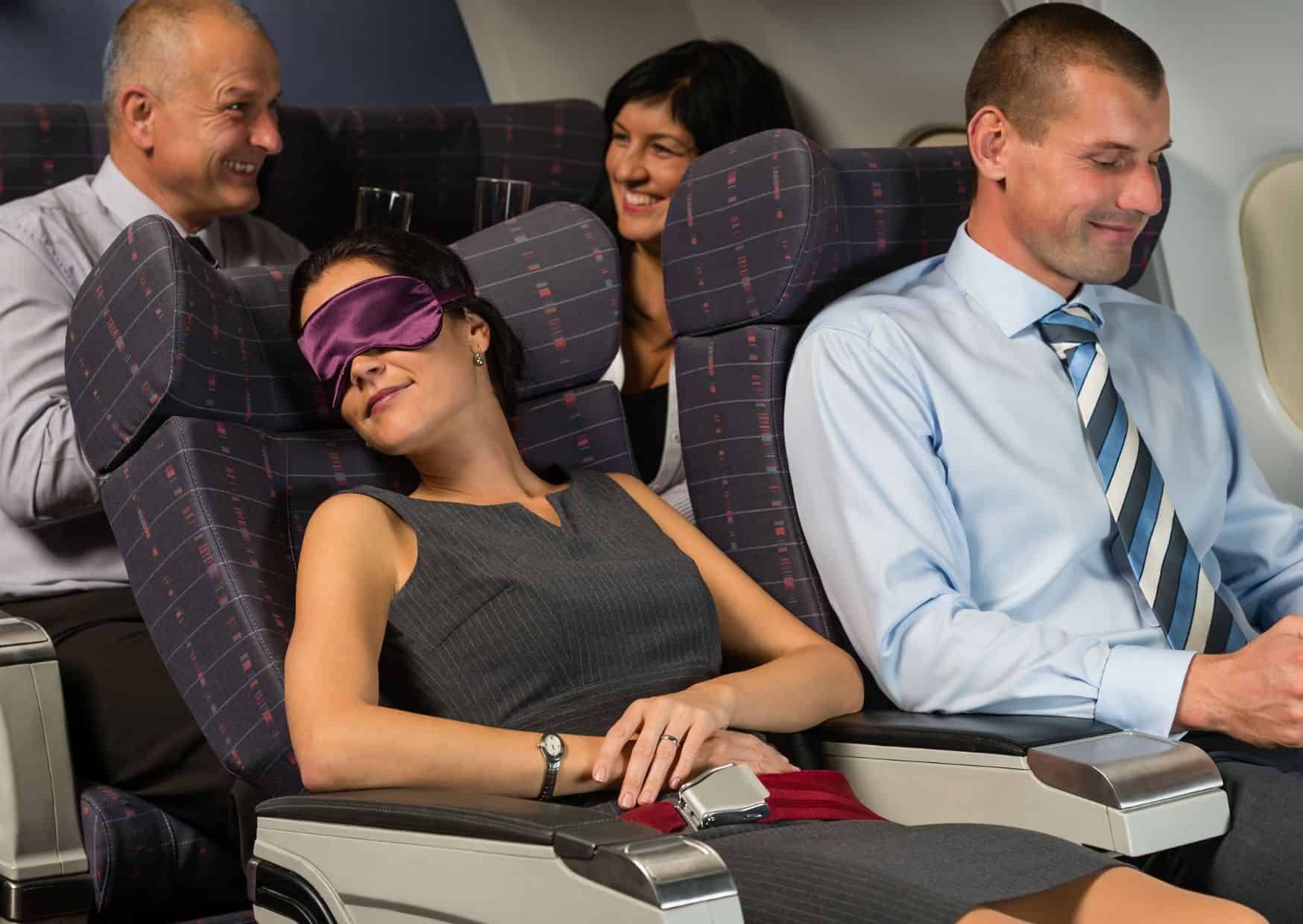
Getting quality sleep on a plane is one of the great challenges of modern travel. Whether you’re battling time zone changes, stiff seats, or the noisy hum of jet engines, trying to drift off at 30,000 feet often feels like a losing battle. Yet arriving at your destination well-rested can make or break the start of your trip especially if you’re landing early and heading straight into a full itinerary. While there’s no universal trick for sleeping perfectly in-flight, there are proven strategies to significantly increase your chances of getting real rest in the air.
Most travelers assume it’s just a matter of having the right neck pillow or eye mask, but successful airplane sleep depends on a combination of preparation, positioning, and avoiding common mistakes. Everything from what you eat beforehand to how you choose your seat can affect the quality of your rest. Even your pre-flight mindset plays a role. Luckily, a few small adjustments can drastically improve your chances of waking up refreshed instead of groggy and sore.
This post will explore smart, science-backed tips for sleeping better on planes along with common pitfalls to avoid. Whether you’re flying short-haul or embarking on a red-eye across continents, these habits and hacks will help you get the rest you need to enjoy your travels more fully upon arrival.
Read here Best eSim for International Travel and Best Travel Insurance Comparison
BOOK YOUR TRAVEL INSURANCE
Two of our favorite travel insurance: Heymondo Vs Safetwing cheapest travel Insurance. You can get for $135 USD your Heymondo Travel Insurance with Heymondo discount code valid for 90 days. Read our full comparison of Genki vs Safetywing Travel Insurance Review and the comparison Heymondo vs Genki
Quick & Easy Tips
Choose a window seat to lean against and avoid disruptions.
Use noise-canceling headphones or earplugs to drown out cabin noise.
Avoid caffeine and alcohol before and during your flight—opt for water or herbal tea.
Dress in comfortable layers; cabin temperatures fluctuate.
Bring a small sleep kit: eye mask, travel pillow, and blanket or scarf.
Set your watch to the destination time and try to align your sleep accordingly.
One of the most overlooked truths about in-flight sleep is that many of us make it harder for ourselves often without realizing it. For example, while alcohol might seem like a shortcut to relaxation, it actually reduces sleep quality and dehydrates you, making jet lag worse. Similarly, travelers often rely on sleeping pills without considering the side effects or how groggy they’ll feel upon arrival, especially on shorter flights.
Another hot topic is reclining your seat. While it may help you sleep, it’s also a contentious move if you’re in economy class, particularly on daytime flights. Some travelers avoid reclining out of courtesy but if you’re on an overnight journey, don’t hesitate. Just do it slowly, and let the person behind you know. Comfort isn’t a luxury on planes it’s survival. If you’re polite and intentional about it, there’s nothing wrong with making your seat work for you.
Tips to Get Better Sleep on Planes
Choose the Right Seat
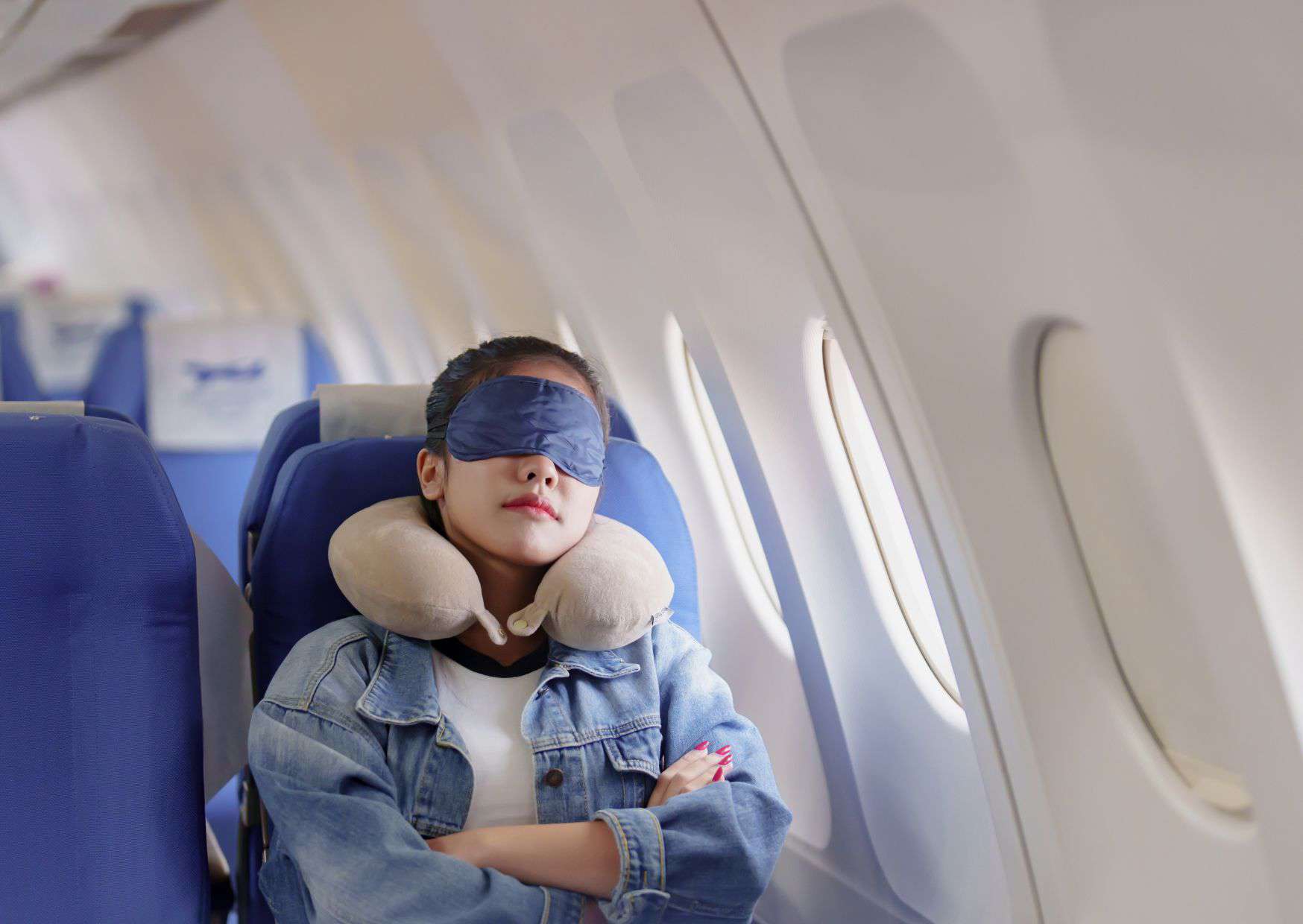
Window Seat: Choose a window seat to avoid being disturbed by other passengers moving around. It also gives you a surface to lean against and control of the window shade.
Middle and Aisle Seats: Avoid these if you plan to sleep, as you may have to move for others and have less privacy.
Front or Wing Section: Choose seats near the wing or at the front for less turbulence and quieter surroundings.
Use a Good Travel Pillow and Blanket
Invest in a neck pillow that supports your head and neck properly. Memory foam or inflatable pillows can work wonders.
Consider a travel blanket or use the airline’s provided blanket for extra comfort and warmth.
Bring Noise-Canceling Headphones or Earplugs
Noise-canceling headphones are essential for blocking out ambient noise, crying babies, or chatty seatmates.
If you prefer silence, use foam earplugs to minimize cabin noise and help you drift off more easily.
Wear an Eye Mask
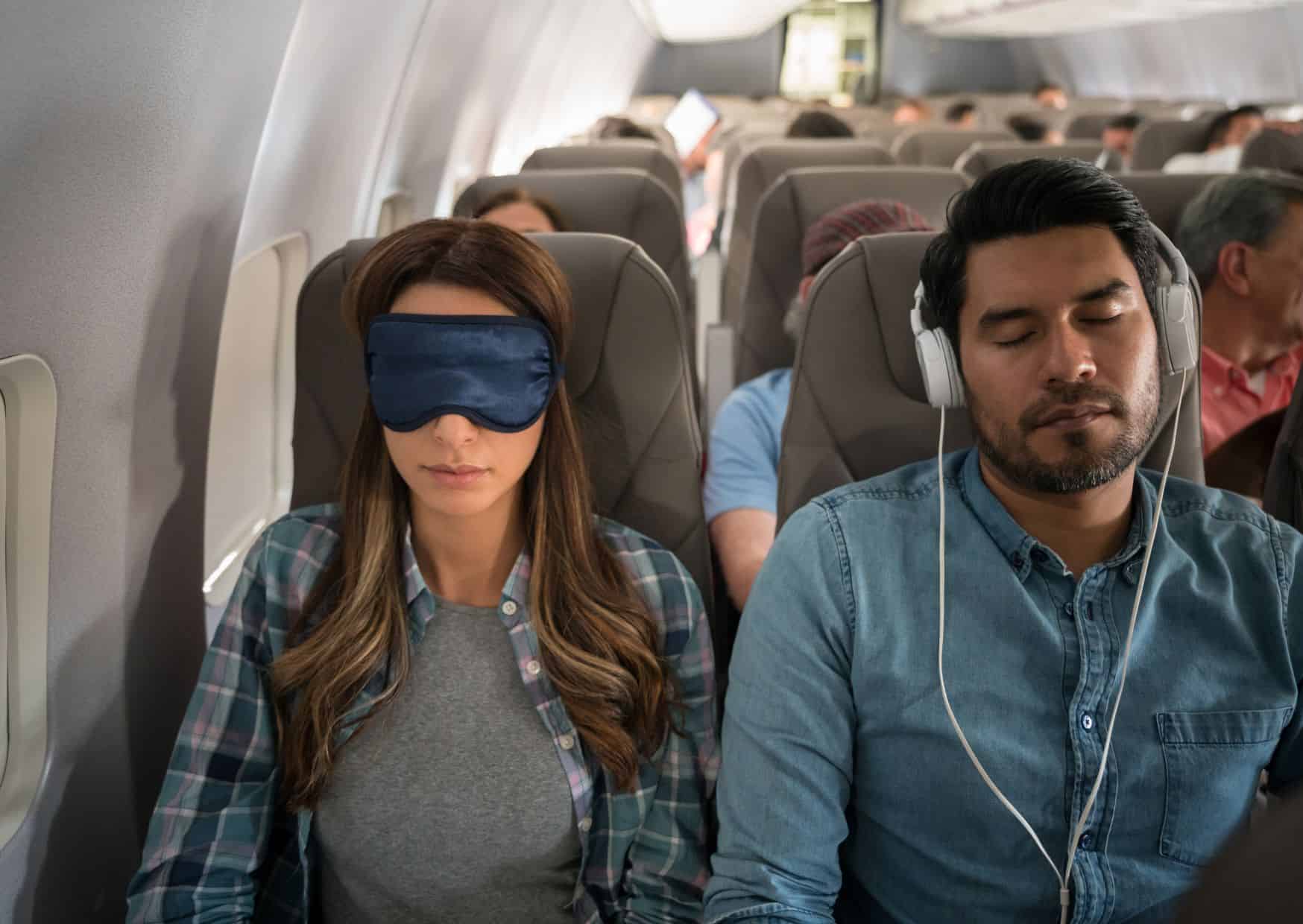
Light can disrupt your sleep cycle, so bring a soft, comfortable eye mask to create a dark environment and signal your body that it’s time to sleep.
Dress Comfortably
Choose loose, breathable clothing and wear layers to adjust according to the plane’s fluctuating temperature.
Avoid tight jeans or restrictive outfits that can make sitting for long periods uncomfortable.
Skip Caffeine and Alcohol Before and During the Flight

Avoid caffeine for at least 4-6 hours before your flight, as it can interfere with your ability to fall asleep.
While alcohol might make you feel drowsy initially, it disrupts your sleep cycle and leads to lower quality sleep.
Stay Hydrated
Drink plenty of water before and during the flight. The dry cabin air can cause dehydration, leading to discomfort and restlessness.
Keep a reusable water bottle with you and fill it up after passing security.
Eat Light Before Sleeping

Opt for a light meal before your flight. Heavy, rich, or spicy foods can cause discomfort and indigestion, making it harder to sleep.
Consider bringing healthy snacks like nuts, fruits, or a small sandwich.
Use the Right Sleeping Aids (If Necessary)
For longer flights, consider using a mild sleep aid like melatonin or herbal supplements like valerian root (consult your doctor beforehand).
Lavender essential oil can also promote relaxation—dab a bit on your pillow or use a travel-sized spray.
Adjust to Your Destination’s Time Zone
Try to adjust your sleep pattern a few days before your flight to match your destination’s time zone.
If you’re flying east (toward a later time zone), go to bed earlier than usual, and if flying west, stay up a bit later.
Recline (If Possible) and Use the Seat Belt Above the Blanket
Recline your seat slightly to get into a more natural sleeping position, but avoid doing this immediately after meal service.
Keep your seat belt visible over your blanket so that flight attendants don’t wake you up to check if it’s fastened.
Create a “Do Not Disturb” Setup
Let your seatmate know if you plan to sleep for a long period.
Use a small sign on your seatback or politely communicate to the flight attendants if you prefer not to be disturbed during meal service.
Common Mistakes to Avoid When Trying to Sleep on Planes
Avoiding Seat Selection Fees
While saving money on seat selection might seem tempting, skipping this step can leave you stuck in an uncomfortable middle seat or near noisy areas (like the bathroom or galley).
Solution: Pay a little extra to get a window seat in a quiet area if sleep is a priority for you.
Booking the Wrong Flight Time
Choosing a flight time that doesn’t align with your normal sleep patterns can make it difficult to fall asleep.
Solution: Opt for red-eye flights or evening departures, so your body is naturally more inclined to sleep.
Not Preparing Your Carry-On Properly
Relying on the airline to provide pillows, blankets, or other sleep essentials can backfire, as these are not always available or high quality.
Solution: Pack your own travel pillow, eye mask, and noise-canceling headphones.
Skipping Meals and Snacks
Some travelers skip meals to fall asleep faster, but hunger can disrupt your sleep mid-flight.
Solution: Eat a light meal or snack before sleeping to stay comfortable without feeling overly full.
Not Using the Recline Feature Thoughtfully
If you recline your seat immediately or too abruptly, you might irritate the person behind you and cause discomfort for both of you.
Solution: Recline your seat slowly and check with the person behind you if necessary.
Forgetting to Use Foot Support
Letting your feet dangle or not using proper support can cause swelling and discomfort during long flights.
Solution: Bring a small footrest, or use your carry-on bag to elevate your feet slightly.
Drinking Alcohol or Sugary Beverages

While alcohol may initially make you drowsy, it often leads to fragmented sleep and dehydration.
Solution: Stick to water or herbal teas like chamomile, which promote relaxation.
Not Moving Around Enough Before Sleeping
Staying in a cramped position for too long can cause stiffness, making it harder to fall asleep and stay comfortable.
Solution: Walk around the cabin and do some light stretches before trying to sleep.
Leaning Forward or Slouching
Many people end up slouching or leaning forward, which can lead to neck pain or an uncomfortable posture.
Solution: Use your travel pillow properly, and try to maintain a neutral spine position.
Relying on Screen Time Before Bed
Watching movies or using your phone’s screen right before trying to sleep can hinder your ability to fall asleep due to the blue light emitted.
Solution: Limit screen time an hour before you plan to sleep and use a book or listen to relaxing music instead.
Extra Tips for Long-Haul Flights
Try Different Sleeping Positions
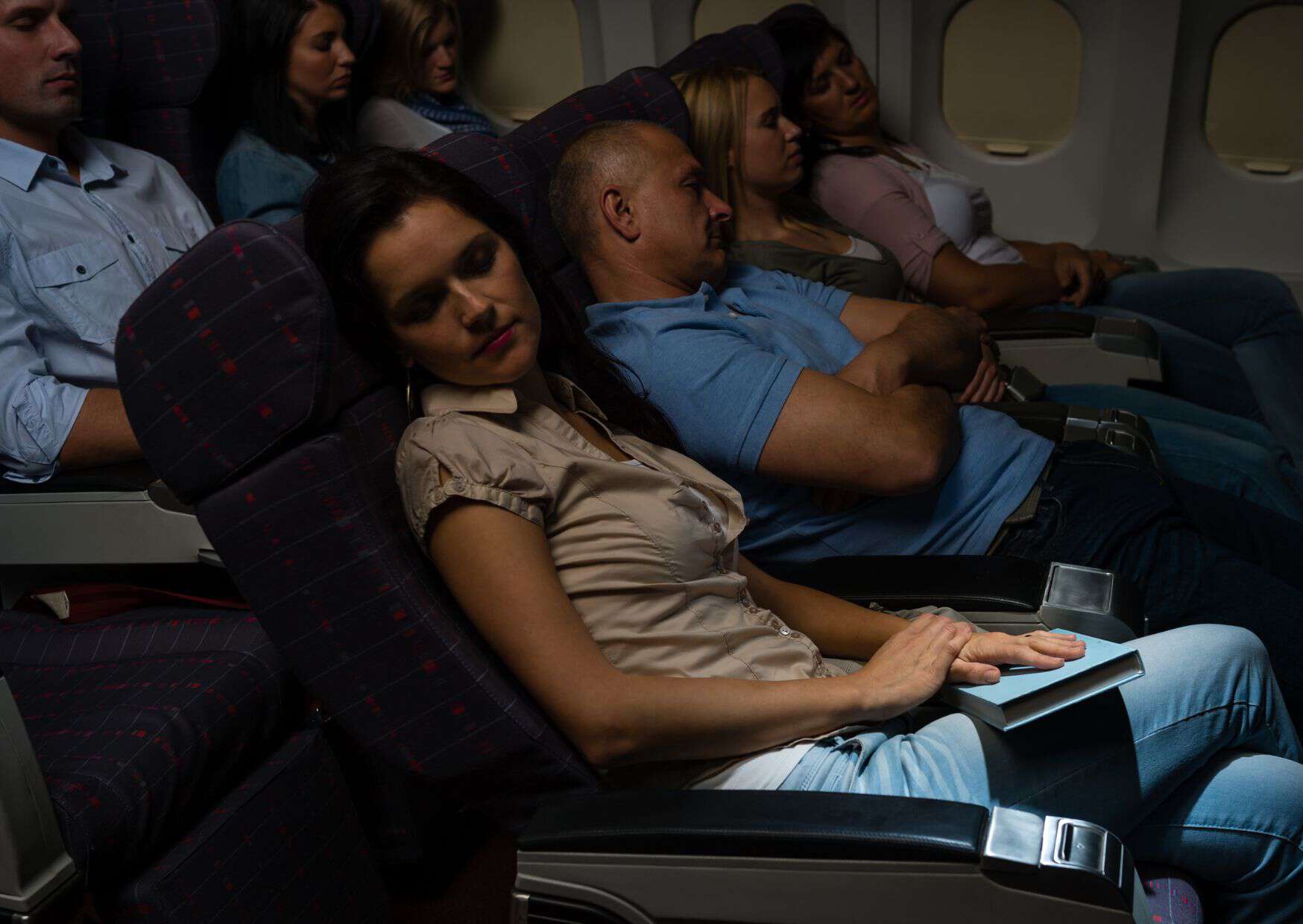
If you can’t get comfortable, try switching positions. You can lean against the window, use a foot hammock, or recline slightly and rest your head on a folded sweater.
Use Compression Socks
Compression socks help with circulation and prevent swelling, making it easier to stay comfortable.
Avoid Sleeping Right After Takeoff or Before Landing
Wait until the seatbelt sign is off and the plane has reached cruising altitude before settling in for sleep.
Try to wake up at least 30-40 minutes before landing to freshen up and adjust.
Final Thoughts
Sleeping well on a plane doesn’t require expensive gadgets or first-class tickets just thoughtful preparation and a willingness to adjust your routine. Understanding your body’s sleep cues, minimizing distractions, and creating a calming environment (as much as the airline allows) can go a long way toward helping you snooze at cruising altitude. The goal isn’t perfect sleep it’s better sleep.
Whether you’re flying for business, vacation, or to see loved ones, arriving well-rested makes the entire experience smoother. Take these tips seriously, and you’ll land more refreshed, alert, and ready to enjoy your destination. In the world of travel, a good night’s sleep mid-flight is one of the best upgrades you can give yourself no loyalty points required.

About the Author: Ruben, co-founder of Gamintraveler.com since 2014, is a seasoned traveler from Spain who has explored over 100 countries since 2009. Known for his extensive travel adventures across South America, Europe, the US, Australia, New Zealand, Asia, and Africa, Ruben combines his passion for adventurous yet sustainable living with his love for cycling, highlighted by his remarkable 5-month bicycle journey from Spain to Norway. He currently resides in Spain, where he continues sharing his travel experiences with his partner, Rachel, and their son, Han.