
And what it reveals about food rhythm, daily movement, and the invisible habits that shape a continent’s health
Walk through a typical Mediterranean neighborhood at lunchtime and you’ll see grandmothers spooning lentils onto ceramic plates, children dipping bread into olive oil, and men in suits calmly eating multi-course meals with wine all without calorie apps, low-carb rules, or protein shakes in sight.
Then walk through a suburban strip mall in the U.S., and you’ll find oversized salads served in plastic tubs, protein bars eaten in cars, 44-ounce sodas, and thousands of sugar-free products all marketed as healthy, convenient, and blood sugar-friendly.
And yet, despite American obsession with dieting, wellness, and carb counting, the rates of type 2 diabetes and obesity continue to climb.
Meanwhile, Europeans particularly those in countries like Spain, Italy, and France maintain lower obesity rates and far fewer cases of metabolic disease. All without the aggressive biohacking, extreme food restrictions, or billion-dollar supplement industries found across the Atlantic.
Why?
Because Europeans follow a quiet rhythm that manages blood sugar without realizing it. Through cultural food habits, meal timing, portion control, movement, and daily lifestyle patterns, they regulate glucose with a natural consistency that American life simply doesn’t support.
Here are the nine invisible blood sugar secrets that keep Europeans lean, energized, and metabolically healthier — while Americans struggle despite trying harder than ever.
Quick Easy Tips
Eat smaller portions of carbs and pair them with proteins or healthy fats to stabilize blood sugar.
Stick to regular meal times rather than grazing all day—this helps your body process food more efficiently.
Incorporate walking into your daily routine, even short 10–15 minute walks after meals, to improve blood sugar balance.
One major controversy lies in diet composition. Europeans often consume bread, pasta, and even desserts, yet maintain steadier blood sugar levels compared to Americans. Critics argue it’s about portion sizes and natural ingredients, while others claim it’s cultural eating patterns like slower meals and less snacking that make the difference.
Another debate surrounds processed foods. In the U.S., much of the diet relies on refined carbs, sugary drinks, and additives, which spike blood sugar. In contrast, Europeans often eat whole foods prepared fresh. Some argue this is simply cultural preference, while others believe stricter food regulations in Europe play a key role.
There’s also disagreement about lifestyle. Europeans tend to walk more, build activity into daily routines, and eat meals at set times. Americans, on the other hand, often rely on cars, fast food, and irregular eating schedules. This raises the question: is diabetes primarily a medical issue, or a cultural one shaped by habits?
1. Europeans Eat Carbs — But Not Constantly
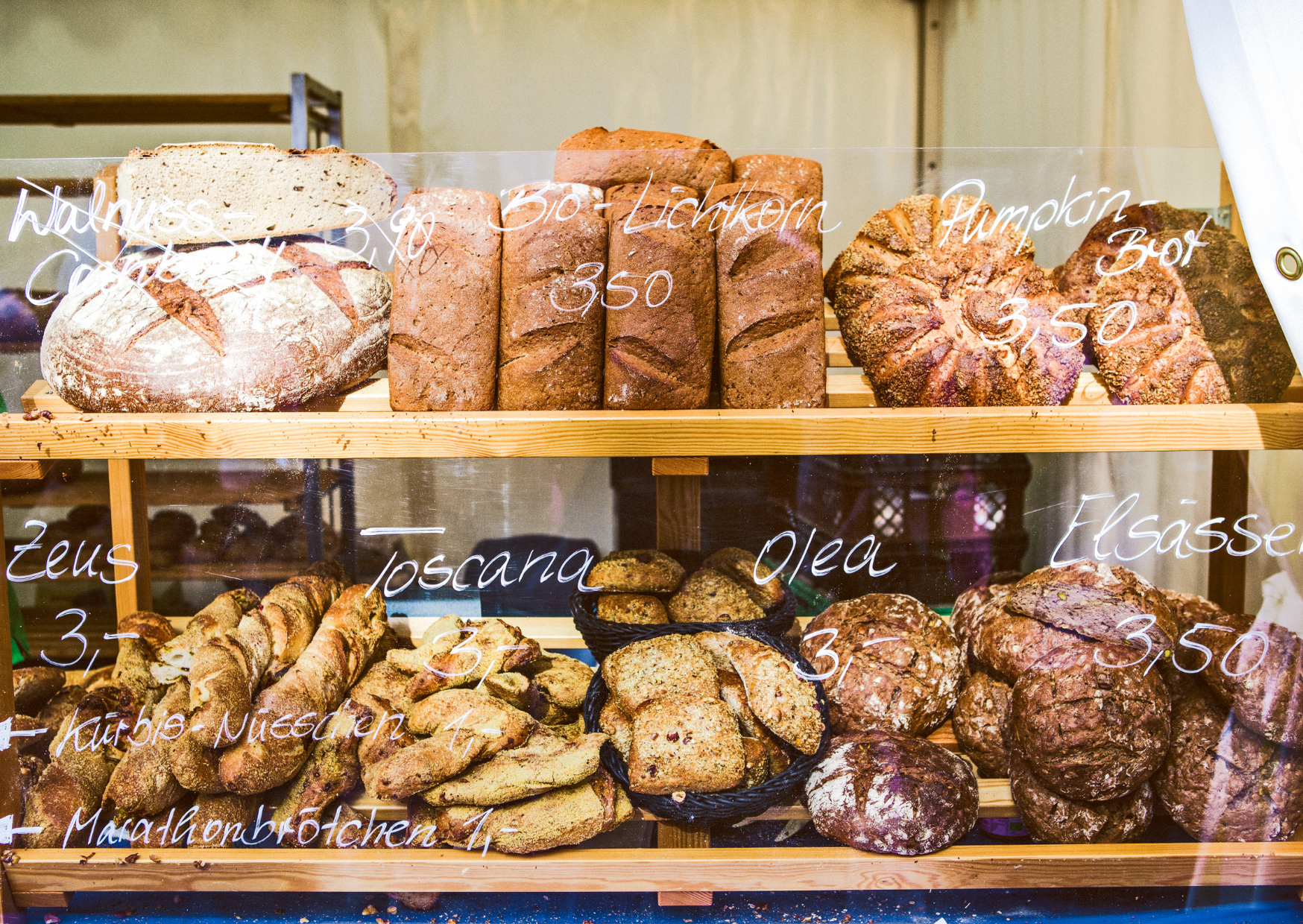
American diet culture has made carbohydrates the villain. But not in Europe.
Bread is eaten at every meal in France. Pasta is sacred in Italy. Potatoes and legumes are staples in Spain. Yet diabetes and obesity remain significantly lower.
The difference? Europeans don’t graze. They don’t eat carbs all day long.
They eat them at meals — proper, sit-down, intentional meals. Then they stop.
There are no bagels at 9, crackers at 11, sandwiches at 1, cookies at 3, and chips at 7.
There’s breakfast. There’s lunch. There’s dinner. With hours in between.
This gives the body time to process glucose without constant spikes — and it’s one of the most overlooked metabolic strategies in the world.
2. Meals Happen at the Table — Not in the Car
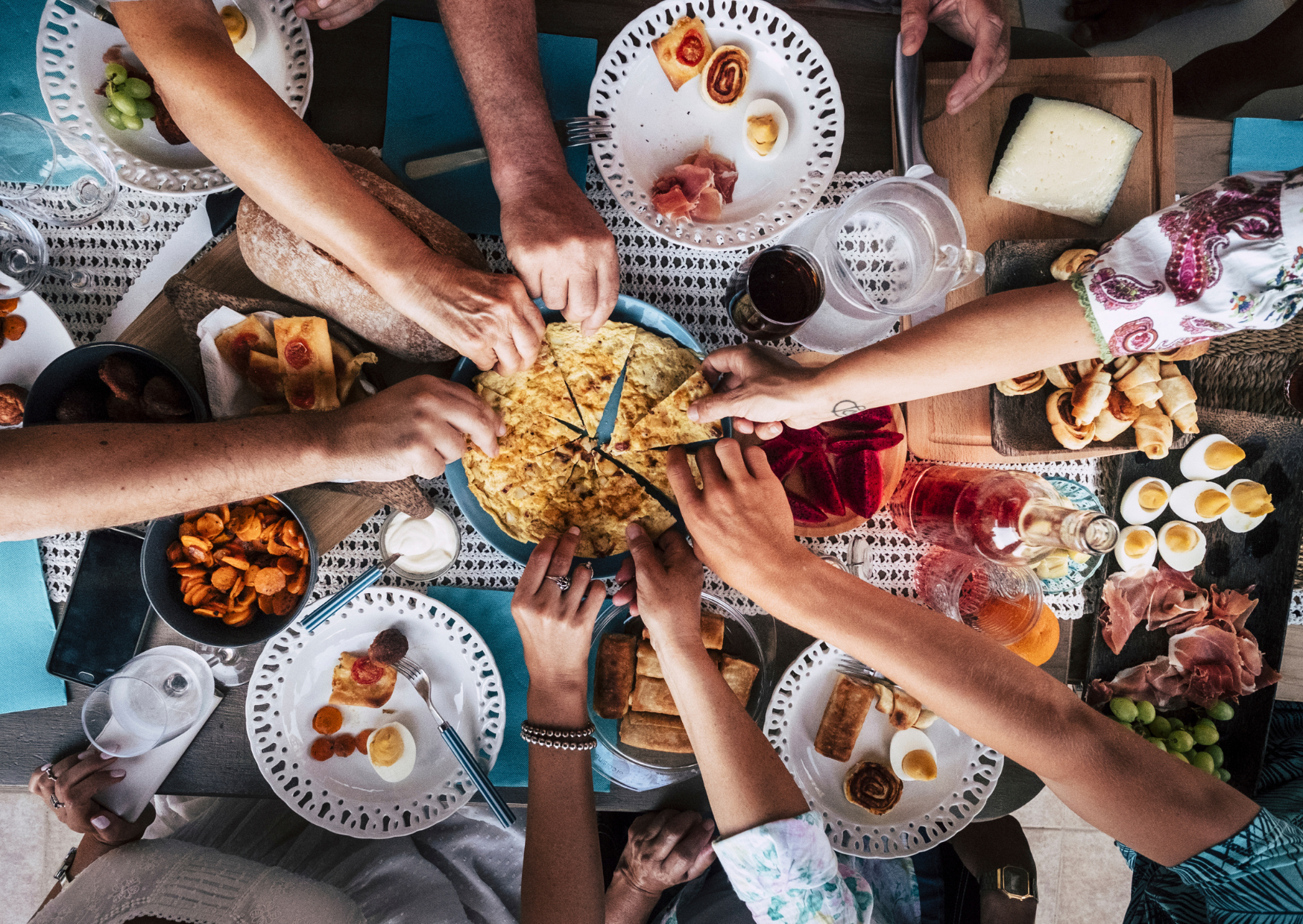
In the U.S., 20-minute meals eaten standing up are the norm. Lunches are eaten at desks, in parking lots, or while scrolling. Digestion is passive. Food is background noise.
In Europe, meals still take time. Even during workdays, people sit down to eat. They chew slowly. They eat with others. They talk. They use cutlery. The meal is an event — not a pit stop.
This matters for blood sugar.
Eating slowly, with pauses, and without stress gives the body time to regulate insulin and absorb glucose at a steady rate. It’s not about the calories — it’s about the pace.
3. Sugar Is Enjoyed — But Reserved

Europeans eat dessert. They enjoy sugar. But they don’t eat it in disguise.
In the U.S., sugar hides everywhere — in salad dressing, protein bars, ketchup, smoothies, almond milk. Americans consume sugar all day without knowing it.
In Europe, sugar is open and obvious — in pastries, chocolate, wine, or an afternoon espresso with a biscuit. But it’s eaten deliberately, in moderation, and usually after a full meal, not on an empty stomach.
This lowers the glycemic impact and prevents crashes.
It’s not about quitting sugar. It’s about knowing when to eat it.
4. Walking Is Automatic — Not Exercise
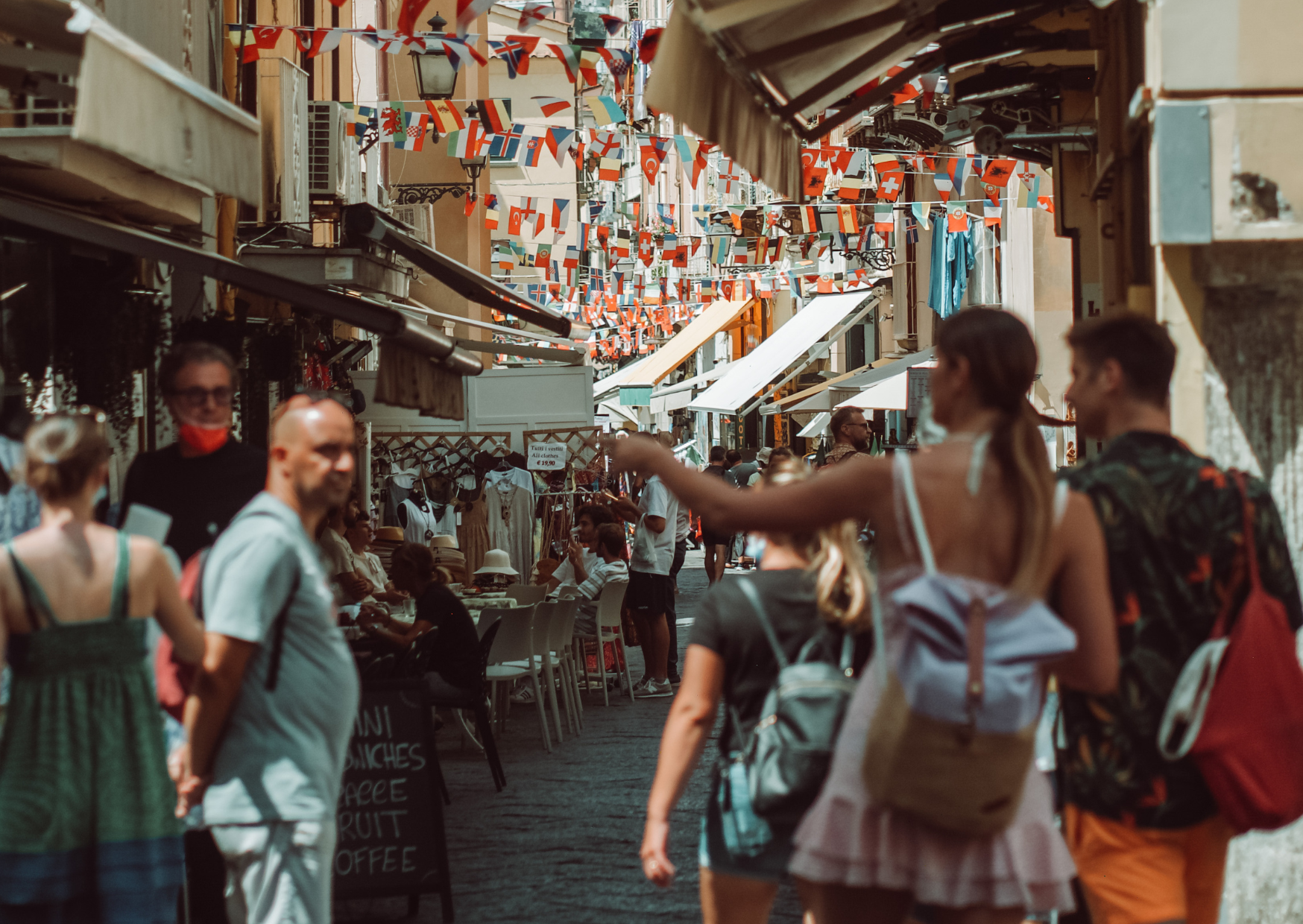
After a heavy lunch in the U.S., people head back to their chairs. Back to cars. Back to couches.
In Europe, they walk.
To the metro. To the bakery. Around the plaza. Back to the office. Movement is woven into daily life, not treated like a separate fitness appointment.
And post-meal walking, even just 10–15 minutes, is one of the most effective ways to lower blood sugar naturally.
This habit isn’t advertised. It’s not a hack. It’s tradition — and it works better than any expensive treadmill or glucose monitor subscription.
5. Breakfast Is Light — Or Skipped
American breakfasts are designed for energy: cereal, pancakes, juice, smoothies, protein shakes. But they’re also loaded with fast carbs and sugar — and eaten as soon as you wake up, often after 12 hours of inactivity.
In Europe, breakfast is often simple, late, and light. A small piece of toast. A coffee. Maybe fruit or yogurt. Or nothing.
This gives the body more time to rest, fast, and recalibrate after sleep — and avoids the early insulin spike that many Americans start their day with.
Skipping breakfast isn’t seen as a badge of discipline. It’s just normal.
6. Portions Are Smaller — But More Satisfying

Europeans don’t eat tiny meals — but they do eat modest portions.
One plate. Balanced. Not piled high. No side of fries, soda refills, or bottomless bread baskets. Meals are cooked with quality, eaten slowly, and stopped when full.
In the U.S., portion distortion is everywhere. Plates are oversized. Snacks come in bags made for families. Eating is competitive, indulgent, and driven by value — not hunger.
Even when Americans try to eat “healthy,” they often overeat foods labeled clean or low carb.
In Europe, food doesn’t need labels. It needs balance and moderation.
7. Alcohol Is Sipped — Not Drunk

In America, alcohol is often consumed in bursts: weekend benders, sugary cocktails, large pours. It spikes blood sugar, disrupts sleep, and leads to cravings later.
In Europe, alcohol — especially wine — is part of the meal.
It’s sipped slowly, paired with fat and fiber, and not treated as a separate indulgence. There’s no binge-and-recover cycle. Just a glass or two — and then water.
This prevents dramatic sugar swings and allows the liver to process alcohol without overload.
8. Food Isn’t Used to Cope — It’s Used to Connect
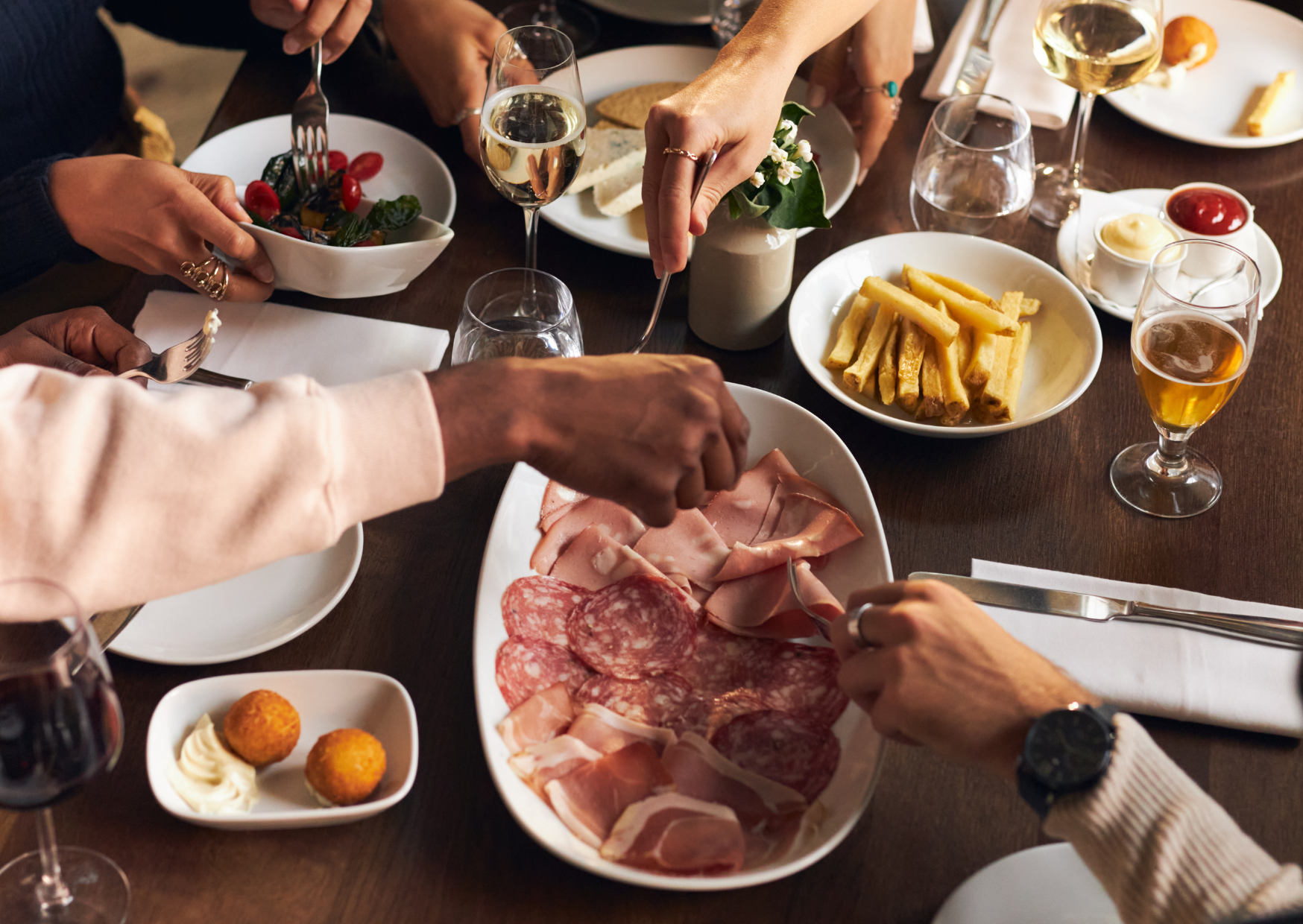
American eating culture is often emotional. Stress, boredom, sadness, anxiety — food is the comfort, the fix, the escape. Entire industries exist to sell relief in edible form.
In Europe, eating is communal and social. People eat because it’s lunchtime, because they’re gathering, because the market had good tomatoes.
Emotions are expressed through conversation, family, and time — not sugar.
This removes much of the dopamine-dependence that drives blood sugar crashes and mindless eating in the U.S.
9. The Culture Doesn’t Demonize Food — So It Doesn’t Swing Between Extremes

In America, food is either a solution or a problem. It’s functional fuel or forbidden temptation. People cycle through diets, rules, guilt, and surrender.
In Europe, food is food.
Pasta isn’t demonized. Bread isn’t banned. Oil isn’t feared. The meal isn’t a negotiation between good and bad — it’s part of life.
This consistent, emotionally neutral relationship with food keeps people from swinging between binge and restriction — which is one of the biggest triggers for insulin resistance and long-term metabolic issues.
By making food normal, Europeans make blood sugar regulation almost automatic.
One Meal, Two Realities
To Americans, food is a battlefield. To Europeans, it’s a rhythm.
In the U.S., glucose is controlled through apps, supplements, hacks, fear, and restriction.
In Europe, it’s controlled by routine, balance, and time.
No one talks about “balancing blood sugar.” But they do it — three meals a day, a glass of wine with food, a walk after lunch, and no guilt over bread.
It’s not a miracle. It’s not magic. It’s just a quiet, cultural system that works — not because people try harder, but because they try differently.
The differences between European and American eating habits show that blood sugar health isn’t just about what’s on your plate it’s about when, how, and why you eat. The European rhythm of meals and daily activity creates balance, while the American fast-paced lifestyle often works against it.
The controversies around food regulation, lifestyle, and cultural norms highlight that no single factor explains the gap. It’s a combination of systemic choices, traditions, and everyday behaviors that keep Europeans thinner and healthier.
Ultimately, adopting even a few European-inspired habits could help Americans improve their blood sugar and reduce diabetes risks. By slowing down, choosing fresher foods, and respecting mealtimes, health becomes less about restriction and more about sustainable balance.

About the Author: Ruben, co-founder of Gamintraveler.com since 2014, is a seasoned traveler from Spain who has explored over 100 countries since 2009. Known for his extensive travel adventures across South America, Europe, the US, Australia, New Zealand, Asia, and Africa, Ruben combines his passion for adventurous yet sustainable living with his love for cycling, highlighted by his remarkable 5-month bicycle journey from Spain to Norway. He currently resides in Spain, where he continues sharing his travel experiences with his partner, Rachel, and their son, Han.