
Portugal has soared in popularity over the past decade, especially among American travelers. With postcard-perfect coastlines, colorful cities like Lisbon and Porto, and a cost of living once far lower than its Western European neighbors, it seemed like the last undiscovered gem of Europe.
But in 2025, that image is starting to fade.
Behind the tiled facades and Instagram reels lies a growing tension between booming tourism and local reality. For the first time, travelers are starting to ask: Is Portugal still worth visiting right now?
The answer depends on your expectations but here’s the truth: Portugal is struggling with overtourism, and it’s changing the travel experience dramatically. Let’s unpack what’s really happening and why you might want to reconsider visiting this year.
Read here Tips for living in Portugal as Digital Nomad, best things to know before visiting Portugal, best Portugal sim card for tourist and the best Portuguese food
BOOK YOUR TRAVEL INSURANCE
Two of our favorite travel insurance: Heymondo Vs Safetwing cheapest travel Insurance. You can get for $135 USD your HeymondoTravel Insurance with Heymondo discount code valid for 90 days. Read our full comparison of Genki vs Safetywing Travel Insurance Review and the comparison Heymondo vs Genki
Quick Easy Tips
If you still plan to visit Portugal, consider exploring lesser-known towns and regions. Places like Évora, Bragança, or the Alentejo coast offer incredible culture and scenery without the intense crowds. This helps reduce strain on the most popular destinations while enriching your travel experience.
Be mindful of where you stay. Opting for family-run guesthouses or eco-lodges supports locals directly and lessens the housing pressure caused by short-term rentals. Your choices as a traveler can help tip the balance toward sustainable tourism.
Lastly, travel off-season whenever possible. Visiting in late fall or early spring not only gives you a more relaxed experience but also spreads the economic benefits of tourism more evenly throughout the year.
One of the most heated debates around Portugal’s tourism boom is the rise of short-term rentals. While they provide affordable options for travelers, many locals argue that platforms like Airbnb are pushing residents out of historic neighborhoods. Entire communities in Lisbon and Porto have been transformed, leading some Portuguese to see tourism less as a blessing and more as a force of displacement.
Another point of contention is overcrowding at cultural landmarks. Iconic spots like Belém Tower or the Douro Valley are often flooded with visitors, making it difficult for both locals and travelers to enjoy them authentically. Critics argue that the country’s charm is being diluted by mass tourism, reducing cultural encounters to quick photo opportunities rather than meaningful experiences.
Finally, environmental concerns are fueling the controversy. From cruise ships docking in Lisbon to coastal areas overrun by seasonal visitors, the strain on natural resources is undeniable. Locals worry that their landscapes and ecosystems are being sacrificed for short-term profit, raising questions about whether Portugal’s tourism model is sustainable in the long run.
1. Overtourism Is Changing the Soul of the Cities
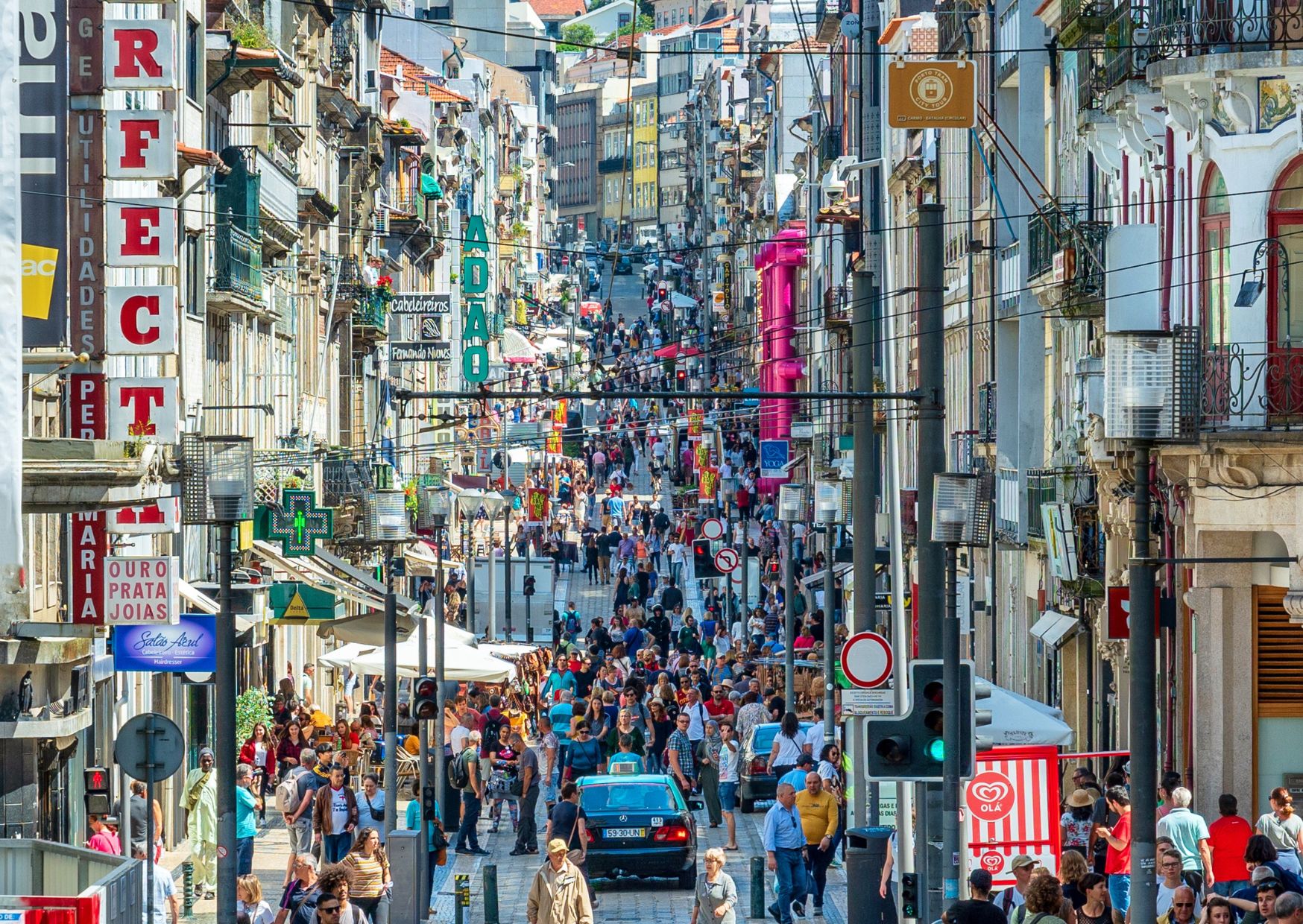
Once quiet and community-driven, Lisbon and Porto have become crowded, noisy, and gentrified. Narrow streets designed for carts are now gridlocked with tuk-tuks and scooters. Entire neighborhoods feel more like theme parks than communities.
What this looks like:
Locals being priced out by short-term rentals
Long lines at landmarks like Belém Tower or Livraria Lello
Cafés and restaurants prioritizing tourists over locals
Travelers report feeling like they’re just part of a tourist conveyor belt—and not experiencing anything authentic.
2. Prices Are No Longer “Budget-Friendly”
Portugal was once Europe’s best-kept budget travel secret. But thanks to global attention, remote workers, and real estate speculation, prices have skyrocketed—especially for tourists.
Airbnb in Lisbon (night) From 2015 €40 to €120+ in 2025
Dinner for 2 (with wine) From 2015 €25 to €60–80
Taxi from airport From 2015 €10 to €25–30
Coffee and pastry From 2015 €1.50 to €4.50+ in tourist zones
In short: Portugal isn’t cheap anymore, especially in Lisbon, Porto, or the Algarve.
3. Locals Are Pushing Back Against Tourism
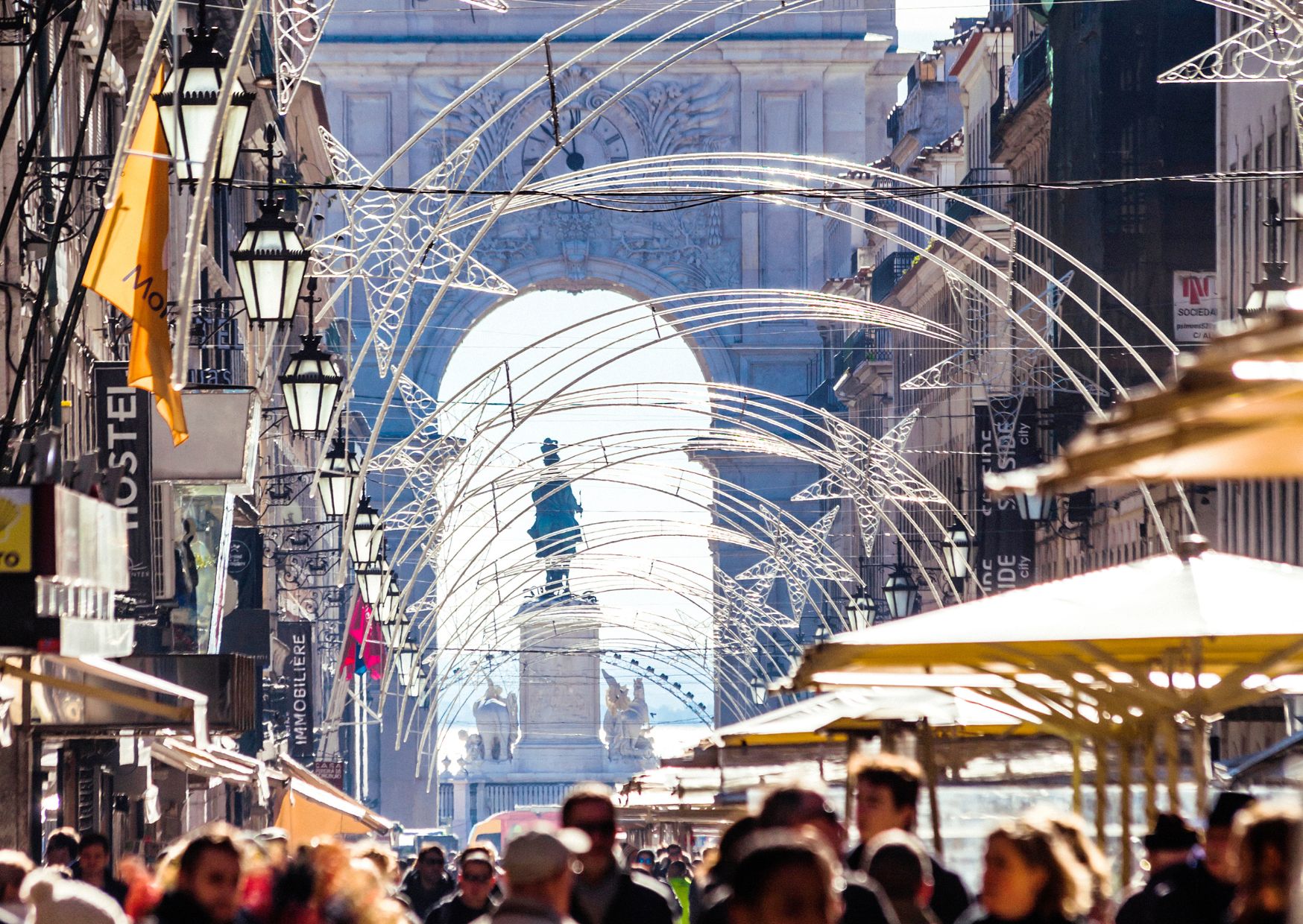
While Portugal still ranks high in hospitality, the mood is shifting in tourist-saturated neighborhoods.
What’s happening:
Graffiti like “Tourists go home” has appeared in central Lisbon.
Protests against gentrification and housing crises are frequent.
Locals in Alfama and Bairro Alto are increasingly vocal about noise, overcrowding, and displacement.
Why Americans feel it:
English-speaking tourists are often perceived as Airbnb users or digital nomads contributing to rising costs. While most locals remain polite, some interactions now feel cold or transactional.
4. The Airbnb Problem Is Out of Control

Entire districts in Lisbon and Porto have been hollowed out by short-term rentals. That means:
Fewer grocery stores and laundromats
More tourist traps and souvenir shops
Entire apartment blocks sitting empty between bookings
Even many “locals” you’ll meet are other travelers or expats, giving the cities a strangely rootless feel. The cultural exchange you’re looking for? It’s harder to find.
5. Cultural Hotspots Feel Like Tourist Factories

Portugal’s most iconic sights have lost much of their charm. Crowds, high prices, and a sense of performance over authenticity now dominate the experience.
Examples:
Sintra’s palaces are now limited-entry, time-slot-based affairs—often rushed and overcrowded.
The Jerónimos Monastery in Lisbon can have wait times exceeding an hour, even with skip-the-line tickets.
Livraria Lello (famous for inspiring Harry Potter) charges for entry, is mobbed with tourists, and bans photography inside.
What used to be magical now feels managed.
6. Infrastructure Is Struggling to Keep Up
Portugal wasn’t built for mass tourism—literally.
What this means:
Trams and buses are often too crowded for locals or daily use.
Narrow sidewalks become bottlenecks in Lisbon’s historic districts.
Small villages in the Algarve are now swamped with cars and Airbnb guests without proper parking or sanitation systems.
Result:
The experience for travelers is now more frustrating than free-flowing, especially during summer.
7. Digital Nomads and Remote Workers Are Changing the Culture

Portugal, especially Lisbon, has become a hub for remote workers, with tech entrepreneurs and freelancers flooding in. While this community brings energy and investment, it also:
Increases cost of living
Creates cultural echo chambers where expats interact mostly with each other
Alters the character of traditional neighborhoods
If you’re visiting Portugal hoping for small cafés and elderly locals chatting in Portuguese, you may find yourself instead surrounded by MacBooks, English menus, and avocado toast.
8. The Algarve Is Overdeveloped and Overhyped
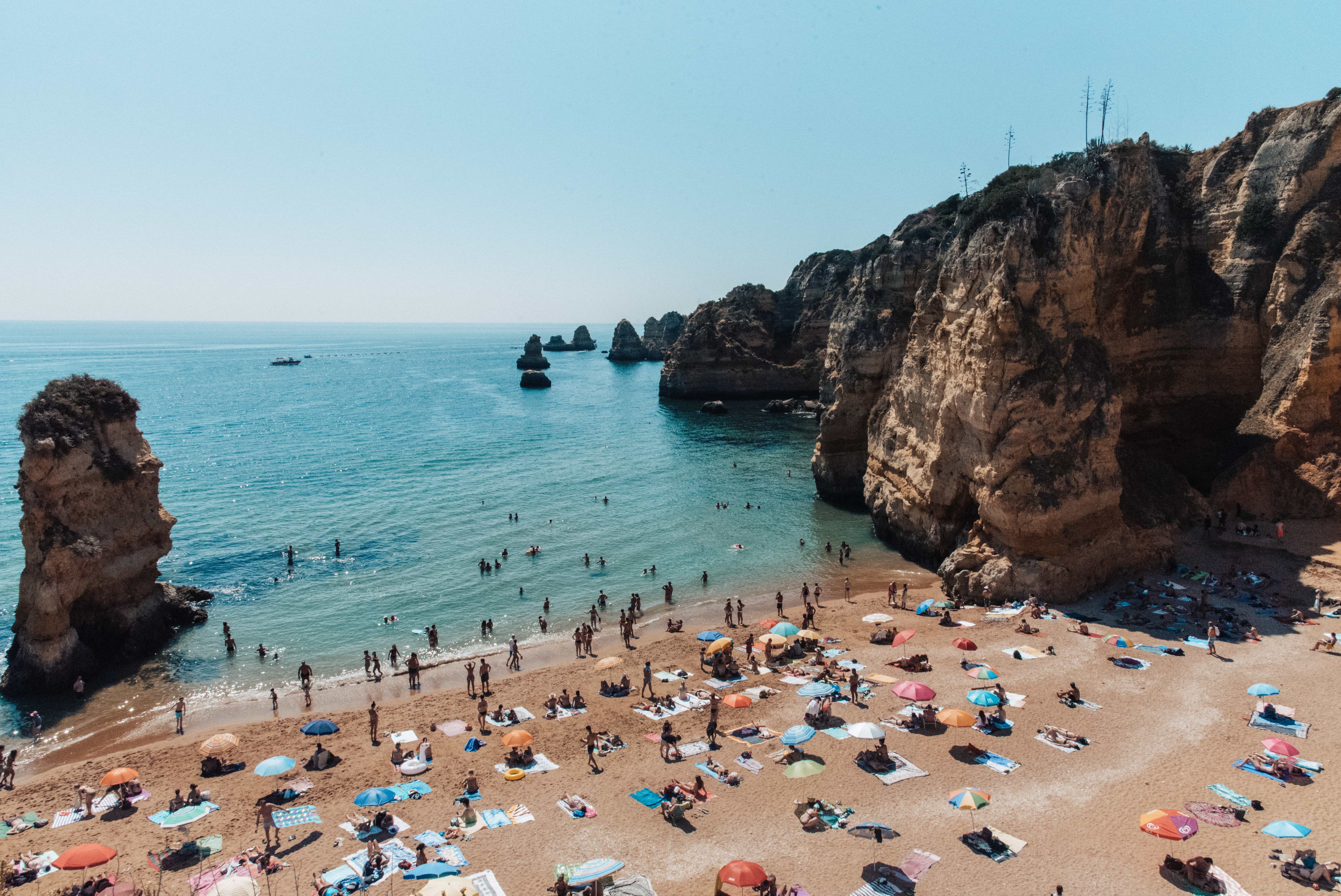
Once Portugal’s coastal gem, the Algarve is now showing the downsides of overexposure.
Current issues:
Hotel and apartment sprawl is crowding out nature
Tourist towns like Albufeira and Lagos are dominated by party culture
Some beaches are packed to the point of discomfort by 10 a.m.
Seasoned travelers now say the Algarve has lost the peace and authenticity that made it special.
So… Should You Skip Portugal Entirely?
Not necessarily. But you should skip the obvious parts and manage your expectations.
If you still go:
Travel in the shoulder season: late April to early June or September to October.
Avoid peak tourist zones: Explore beyond Lisbon, Porto, and the Algarve.
Learn some Portuguese: It shows respect and earns smiles.
Stay in guesthouses or locally owned hotels over Airbnb.
Respect noise, space, and pace—Portugal’s charm lies in its slow rhythm.
Where to Go in Portugal Instead (or Alternatives Nearby)
If you’re looking for a more grounded, relaxed experience, try:
Évora
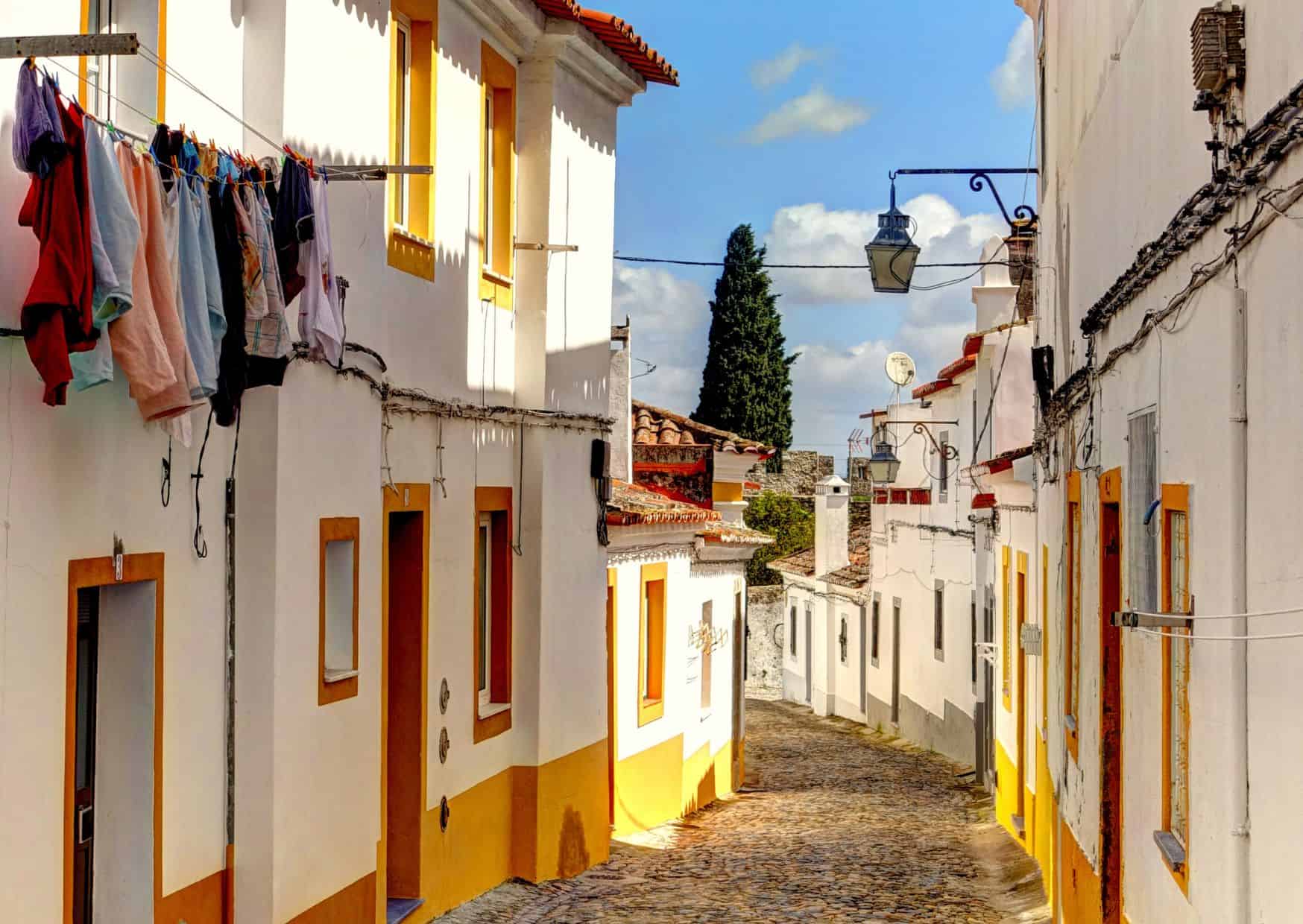
Ancient Roman ruins and traditional cuisine
Fewer tourists, more locals
Easy day trip from Lisbon or multi-day escape
Coimbra
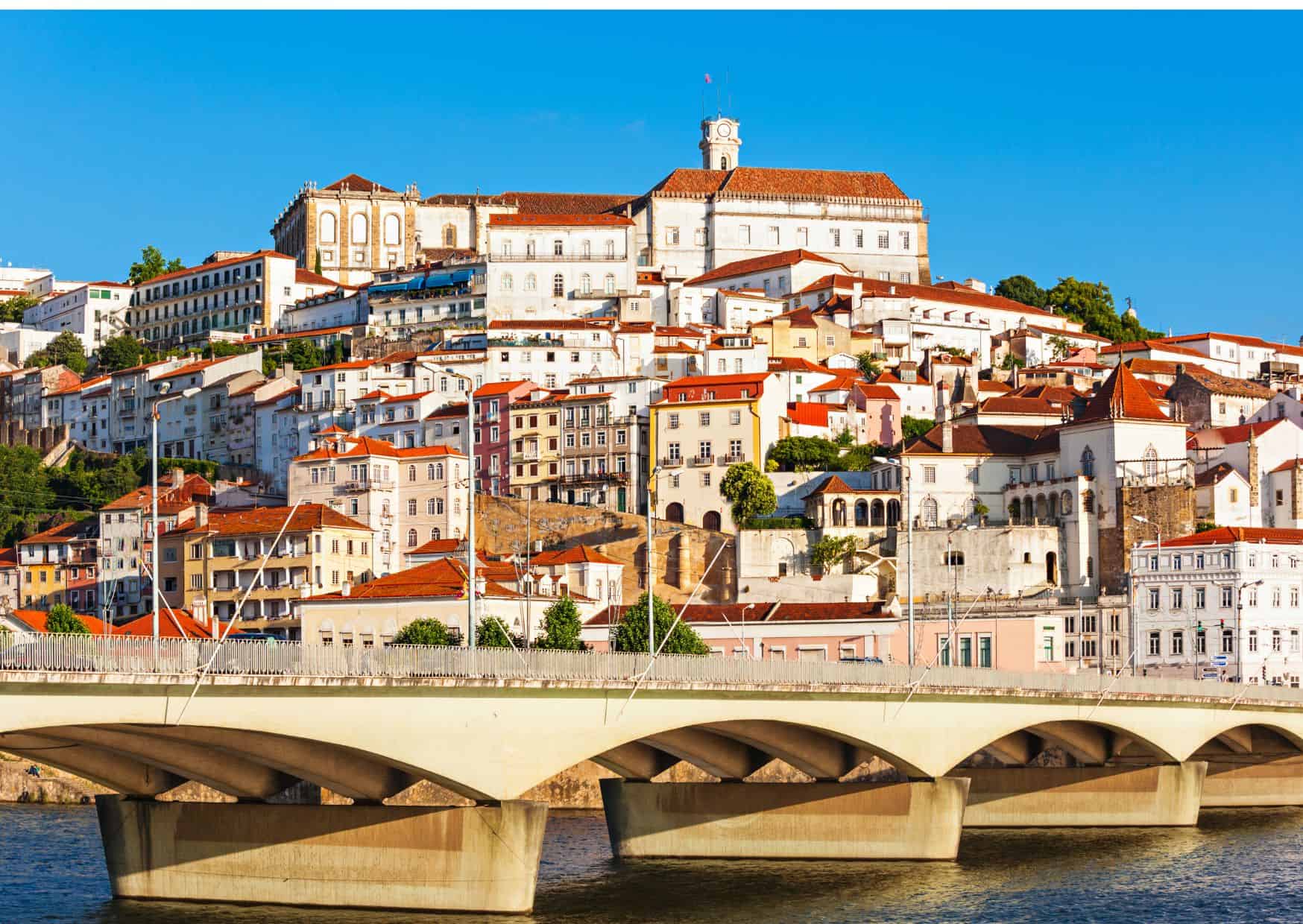
Historic university town with a lively, youthful feel
Great food, peaceful gardens, and riverside walks
Aveiro
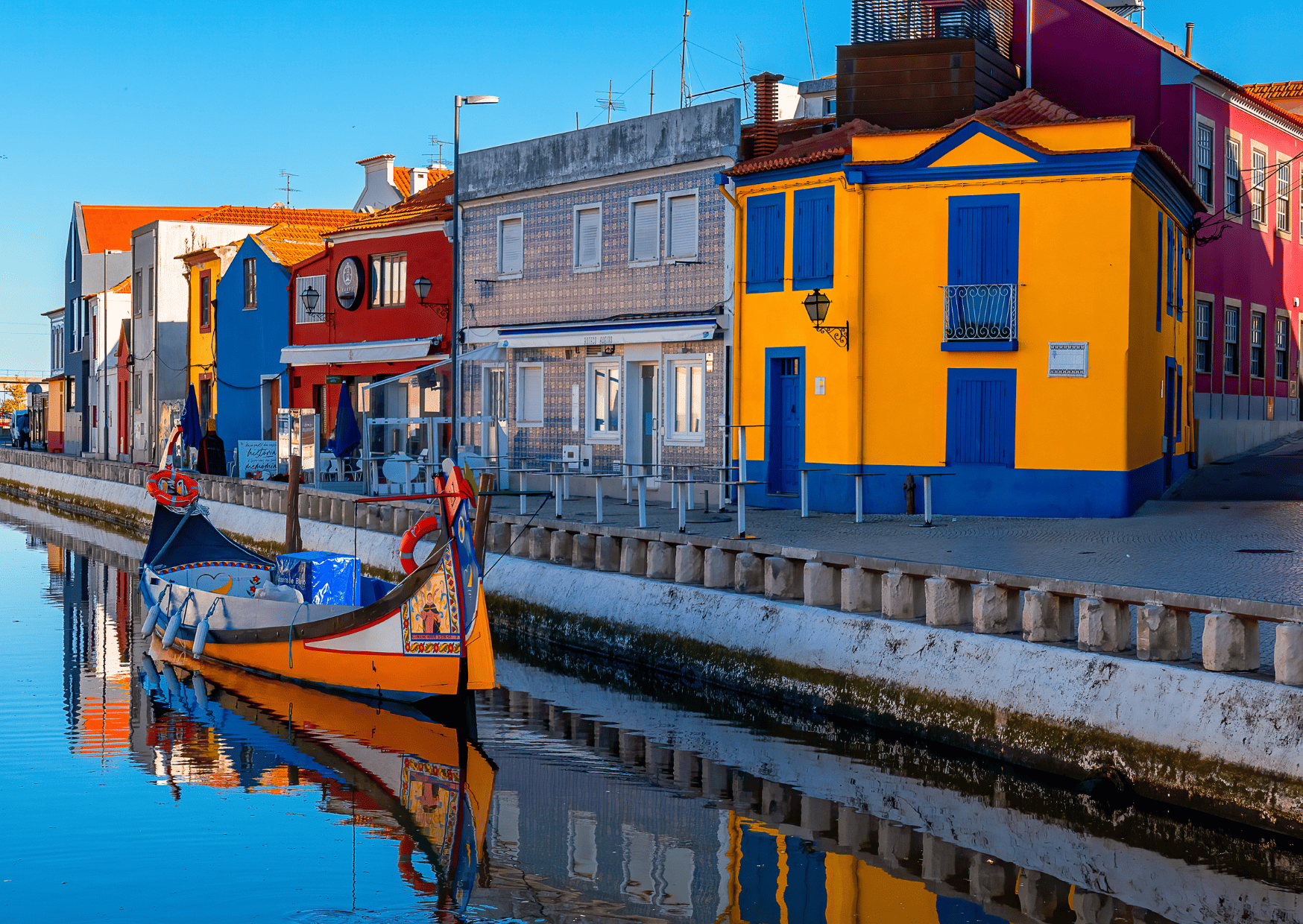
Called the “Venice of Portugal,” this colorful canal city is scenic but far less crowded than Lisbon
Serra da Estrela
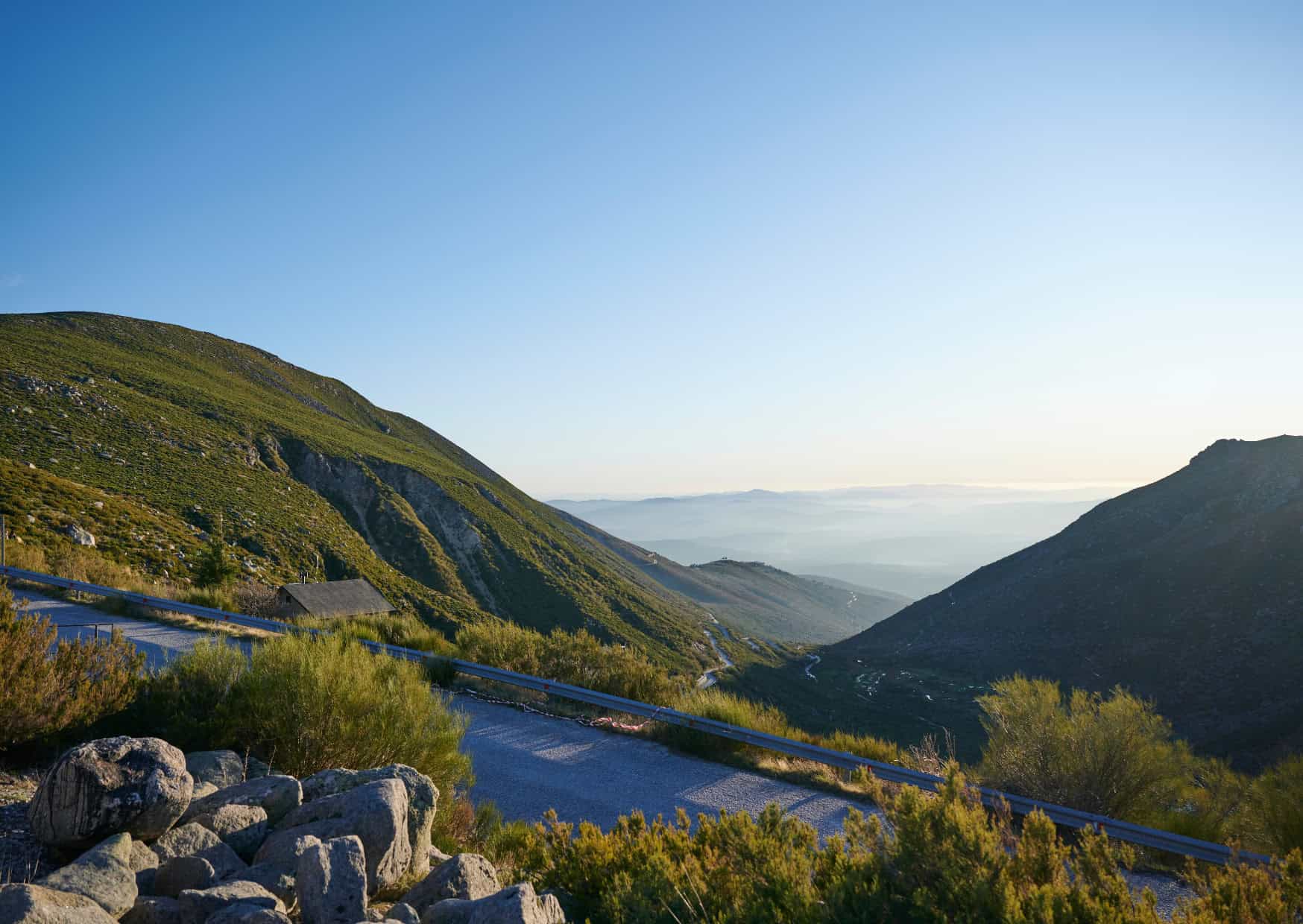
Portugal’s highest mountains offer hiking, lakes, and remote villages—no crowds, no stress
Galicia (Spain)

Just north of Portugal, Galicia offers wild beaches, incredible seafood, and warm hospitality with fewer tourists
Final Thoughts
Portugal’s rising popularity is a double-edged sword. While it has boosted the economy and put the country firmly on the global travel map, it has also sparked debates over housing, culture, and sustainability. The very qualities that make Portugal so attractive risk being eroded under the weight of mass tourism.
These issues highlight the delicate balance every destination must strike between welcoming visitors and preserving local life. Portugal’s challenge is not unique, but its rapid growth in tourism has made the tensions especially visible. The question is not whether tourists are welcome, but how many and under what conditions.
In the end, whether you choose to visit this year or wait, the key is awareness. Understanding the impact of your choices helps ensure that Portugal remains both livable for its residents and magical for its guests. Responsible tourism is not about skipping destinations altogether but about engaging with them in ways that respect their long-term well-being.

About the Author: Ruben, co-founder of Gamintraveler.com since 2014, is a seasoned traveler from Spain who has explored over 100 countries since 2009. Known for his extensive travel adventures across South America, Europe, the US, Australia, New Zealand, Asia, and Africa, Ruben combines his passion for adventurous yet sustainable living with his love for cycling, highlighted by his remarkable 5-month bicycle journey from Spain to Norway. He currently resides in Spain, where he continues sharing his travel experiences with his partner, Rachel, and their son, Han.