
Americans say they “want culture” the way they say they “want to eat healthier.” It sounds noble. It’s also vague enough to mean anything.
Do you mean museums and old buildings, the kind of history you pay €18 to walk through with an audio guide?
Or do you mean the kind of culture that ambushes you on a Tuesday night, when the neighborhood is suddenly in the street, music is loud, and you realize you live inside a calendar you didn’t grow up with?
Those are different wants. They produce different winners.
So yes, here’s the ranking. But I’m going to be honest about what I’m ranking, because culture you can live is not the same as culture you can photograph.
What Americans are really asking for when they say “culture”
Most Americans aren’t actually craving “culture.” They’re craving relief.
Relief from the beige sameness of strip malls. Relief from every social moment being scheduled and transactional. Relief from eating alone in the car while answering emails.
When people say “culture,” they usually mean a few specific things:
They want daily life with texture. Street noise, neighbor relationships, rituals, repetition.
They want food that feels like a living tradition, not a commodity.
They want a public calendar that forces people to gather, whether they feel like it or not.
They want something older than them that they can plug into, even if they never fully understand it.
And if they’re honest, they also want culture that doesn’t punish them for being a newcomer. They want access.
That last part is why a place can be objectively “more historic” and still feel less culturally satisfying day to day. Some cultures are open-air. Some are family-gated. Some are museum-gated.
So I’m ranking this primarily on participatory culture, not just heritage density.
The ranking, with one important split
Here’s the clean version first, ranked for an American who wants to feel culture weekly, not just admire it.
- Mexico
- Spain
- Colombia
- Italy
Now the split that makes people argue at dinner.
If you rank by “how much officially recognized heritage is packed into the country,” the order flips hard. UNESCO currently lists 61 World Heritage properties for Italy, 50 for Spain, 36 for Mexico, and 9 for Colombia. That ranking is Italy, Spain, Mexico, Colombia. Those numbers are real, and they matter if your definition of culture is stones, churches, archaeological sites, and preservation.
But a lot of Americans don’t move abroad to count heritage sites. They move because they want their days to feel different. They want culture in the bloodstream, not culture on a plaque.
That’s why Mexico wins my main ranking, Spain comes second, Colombia third, and Italy last, even though Italy is the heavyweight champion of formal heritage.
Italy has culture for days. It just doesn’t always hand it to you as a newcomer.
Mexico, the culture that doesn’t whisper
Mexico is what happens when culture isn’t an accessory. It’s infrastructure.
There’s a reason Americans visit Mexico and say, “I felt alive again.” It’s not because life is easy. It’s because life is loud, layered, and unapologetically communal.
If you want visible tradition, Mexico is relentless about it. Not in a staged way, in a Tuesday-morning way. Markets aren’t a cute outing. They’re how people actually shop. Street food isn’t a guilty treat. It’s part of the national rhythm.
And the big cultural moments are not subtle.
Día de los Muertos is a perfect example, because it’s not just “a holiday.” UNESCO recognizes the Indigenous festivity dedicated to the dead as intangible cultural heritage, tied to community ritual, food, offerings, and family memory.
Food culture in Mexico is also not just “good.” It’s structurally cultural. UNESCO’s listing for traditional Mexican cuisine (the Michoacán paradigm) frames it as a community system that runs from farming to cooking to eating, with ritual and shared identity baked in.
That matters because it explains why Mexico often feels more “cultural” than countries with more museums. The culture is not sitting politely inside institutions. It’s in the street, the kitchen, the public calendar, and the way people gather without needing a reason.
If you want concrete places that deliver culture without you trying too hard: Mexico City for neighborhoods, murals, museums, street life, and endless food ecosystems. Oaxaca for festivals, craft, and a food culture that feels like a whole language. Guadalajara for music and regional identity. The Yucatán for its own distinct world of history and daily tradition.
Mexico doesn’t require you to be refined. It requires you to be present. And if you show up, you get rewarded quickly.
That’s why it’s number one.
Spain, where culture is basically a schedule you inherit
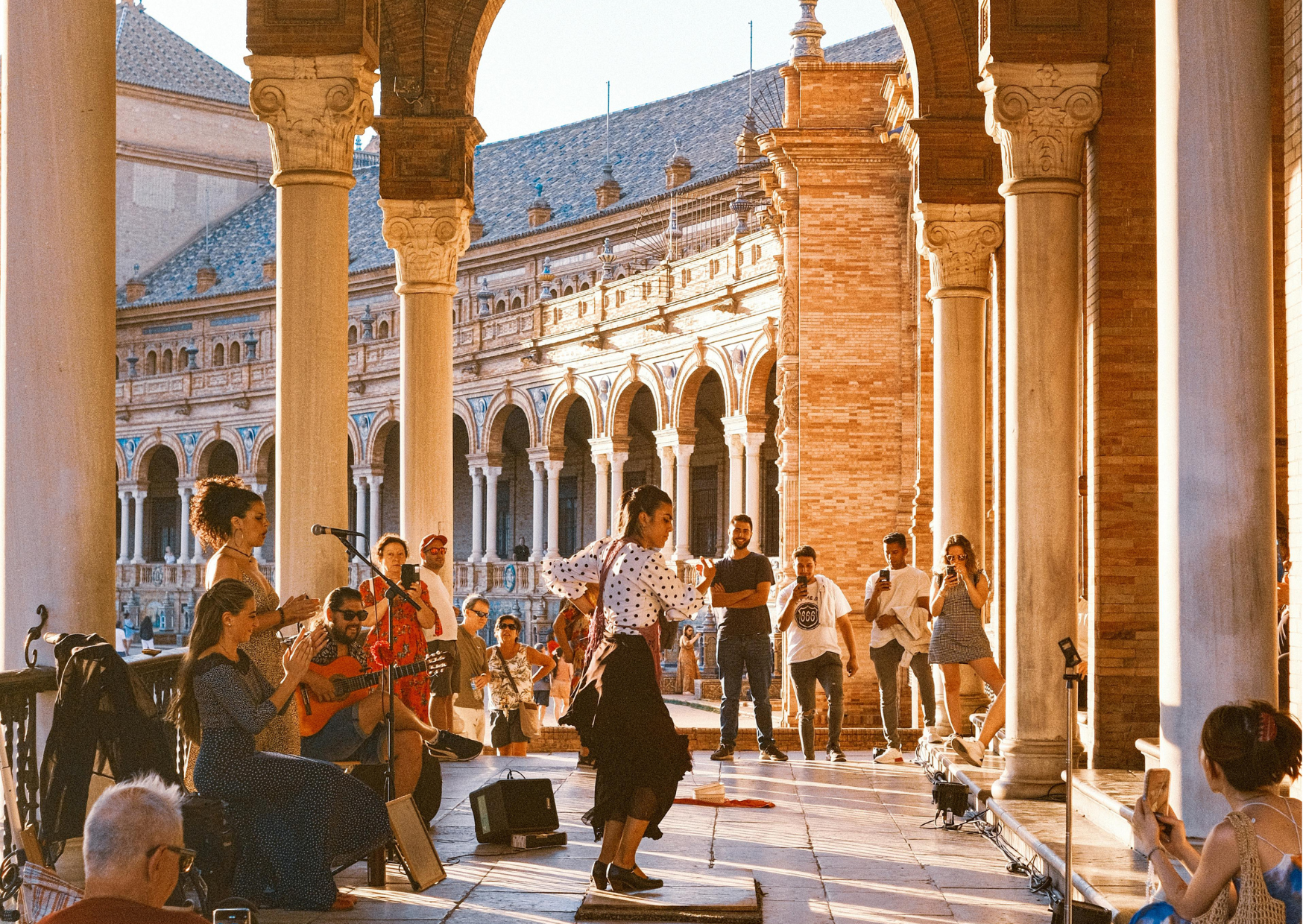
Spain is where I live, so I’m careful not to pretend Spain is a postcard. It’s not. But it is one of the easiest places to experience culture as a normal person, because so much of it is built into public life.
Spain’s culture isn’t only the big stuff like the Prado or the Alhambra. It’s the little repeated things: the bar you go to without making plans, the plaza that fills up at the same hour every day, the neighbor who doesn’t text, they just appear.
A lot of Americans think “European culture” means elegance. Spain is often less elegant than that. It’s more social, more casual, and more stubbornly physical. You walk. You stand. You talk. You spend time.
Spain is also a country of regional identities that aren’t decorative. If you want cultural variety without changing countries, Spain is basically a buffet: Andalucía feels different from Galicia, which feels different from the Basque Country, which feels different from Catalonia. That’s not marketing. It’s lived reality.
And Spain’s heritage density is legitimately huge. UNESCO currently lists 50 World Heritage properties in Spain, which is part of why you can be casually buying bread and still pass something Roman, medieval, Islamic, or all three layered into one street.
But again, the reason Spain ranks high for “culture you can live” is access. You don’t need an invitation to participate. You can sit on a terrace, learn the rhythm, and slowly slide in.
Even “high culture” has an accessible side. Flamenco is a good example. UNESCO lists flamenco as intangible cultural heritage, and it’s not a museum piece. It’s performed, argued about, taught, lived.
Spain is culture that works like a habit. Which means you can adopt it without needing to become someone else overnight.
That’s a big deal for Americans who want culture but also want to keep their nervous system intact.
Colombia, culture as warmth, music, and social gravity
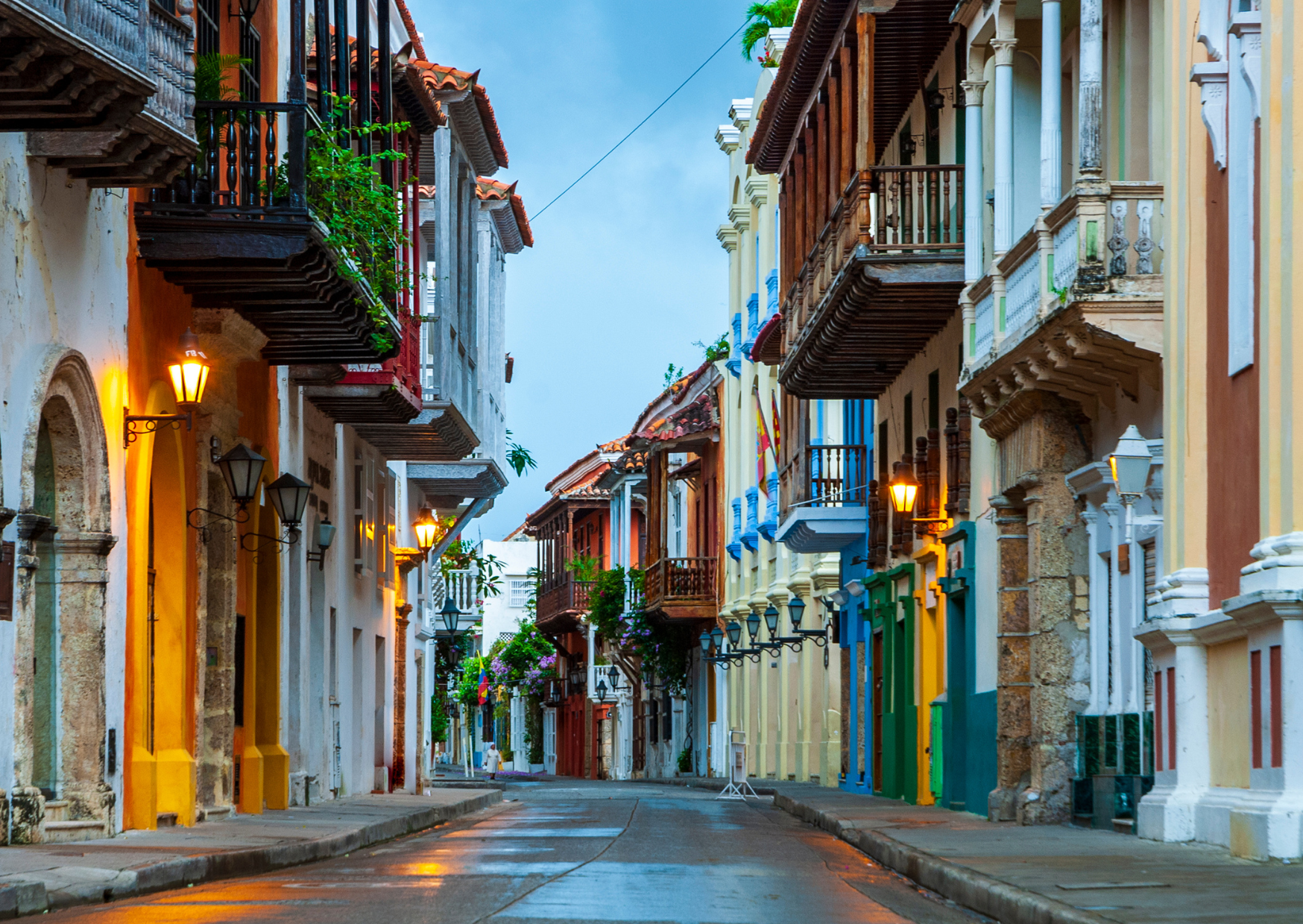
Colombia has a cultural intensity that surprises Americans, partly because too many people still reduce the country to outdated headlines.
If Mexico’s culture is loud tradition and deep ritual, Colombia’s culture often feels like social electricity. Music isn’t a “scene.” It’s a default setting. Community is less scheduled and more gravitational. You get pulled into people’s lives faster.
Colombia’s regional differences are also huge. Bogotá is not Medellín. Medellín is not Cartagena. The coast has its own logic, food, and rhythm. The coffee region has another.
If you’re the kind of person who equates “culture” with conversation, dancing, family networks, and social life that doesn’t require weeks of planning, Colombia can feel richer than Spain or Italy, fast.
It also has globally recognized cultural heritage in the living sense. The Carnival of Barranquilla is listed by UNESCO as intangible cultural heritage, inscribed in 2008 (originally proclaimed in 2003), and it’s exactly what you think it is: multi-ethnic, music-heavy, dance-heavy, and designed to spill into public space.
So why is Colombia third, not second?
Because for many Americans, access is uneven. Not in the “people aren’t welcoming” sense. In the practical sense: where you live matters more, how you move around matters more, and some expat bubbles can accidentally keep people from the culture they came for.
Colombia can absolutely deliver culture at a high level. It just asks you to be more intentional about choosing your city, your neighborhood, and your routine.
If you do that well, Colombia can beat Spain for you personally. But as a general ranking for the widest slice of Americans looking for reliable, weekly cultural immersion, I put Spain ahead.
Italy, the cultural heavyweight that can still leave newcomers lonely
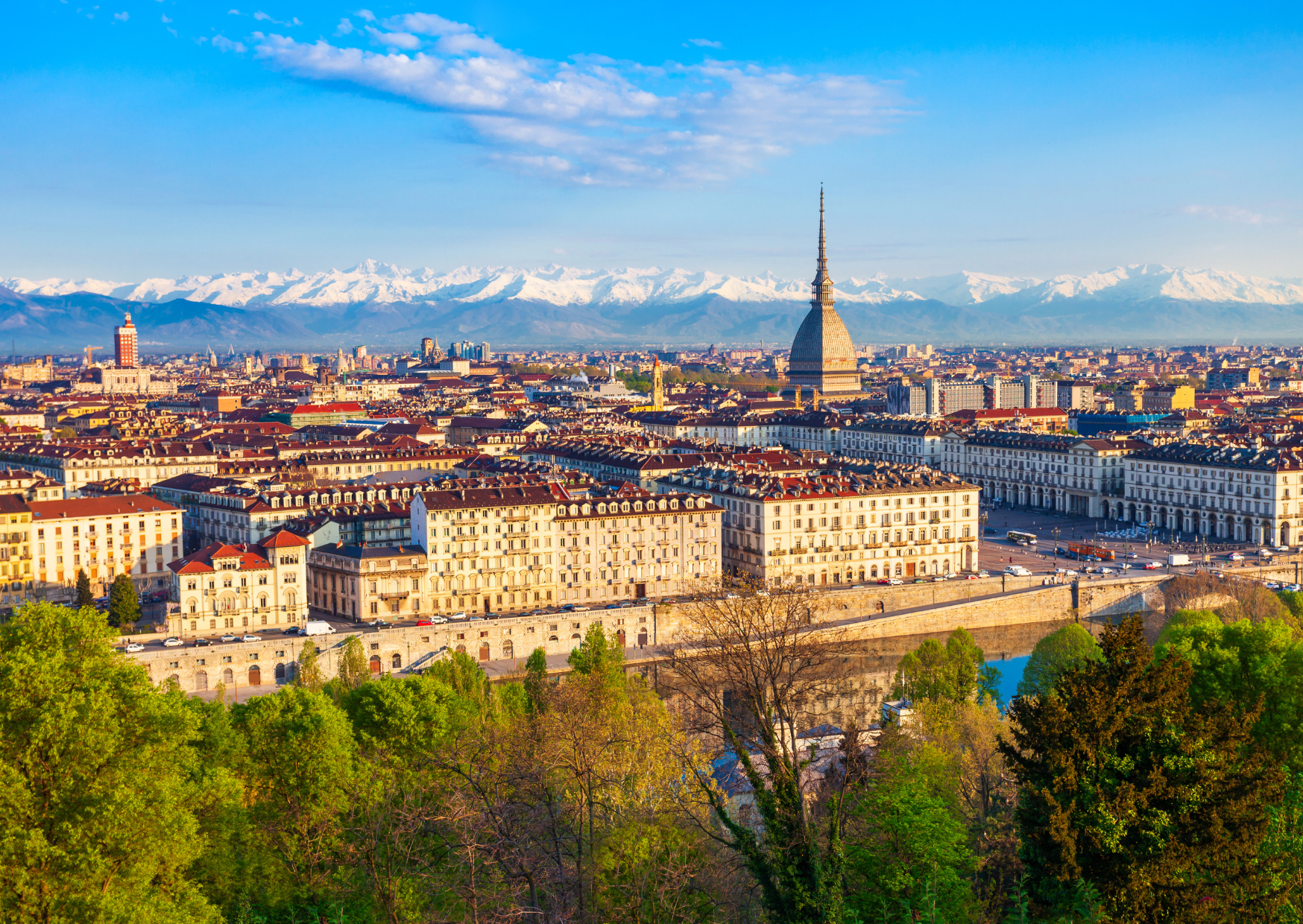
Italy is the country everyone expects to win.
And if the question is “Where is the most officially recognized heritage density?” Italy wins. UNESCO currently lists 61 World Heritage properties in Italy, more than any other country.
So why is Italy last in my main ranking?
Because Italy is often culture you admire before it becomes culture you participate in.
Italy’s social life can be more family-centered and relationship-gated. The public layer exists, but the real heart of it can take time to access. Americans arrive expecting instant belonging and spend the first year mostly interacting with the tourist version of Italy, even if they live there.
And Italy has a particular talent for making outsiders feel slightly clumsy. Not cruelly. Just culturally. The rules are often unspoken, and being “a bit off” is more visible.
That said, Italy’s food culture has been recognized in a way that reinforces how central it is to identity. In December 2025, UNESCO recognized Italian cuisine and its cultural rituals as intangible cultural heritage, emphasizing communal practices like family meals and generational transmission.
Italy is also unmatched for craftsmanship culture. Not “luxury branding,” actual craft. Food, ceramics, leather, tailoring, regional specialties. The country runs on pride in making things properly.
So no, Italy is not lacking culture. It’s overflowing with it.
But if an American says “I want culture,” what they often mean is: “I want my daily life to feel communal and textured fast.” Italy can deliver that, but it often has a longer ramp. And Americans, especially midlife and retirement age, tend to underestimate how exhausting a long ramp can feel.
Italy is worth it. It just doesn’t always feel immediately rewarding in the same way Mexico and Spain do.
A seven-day culture test you can run before you commit
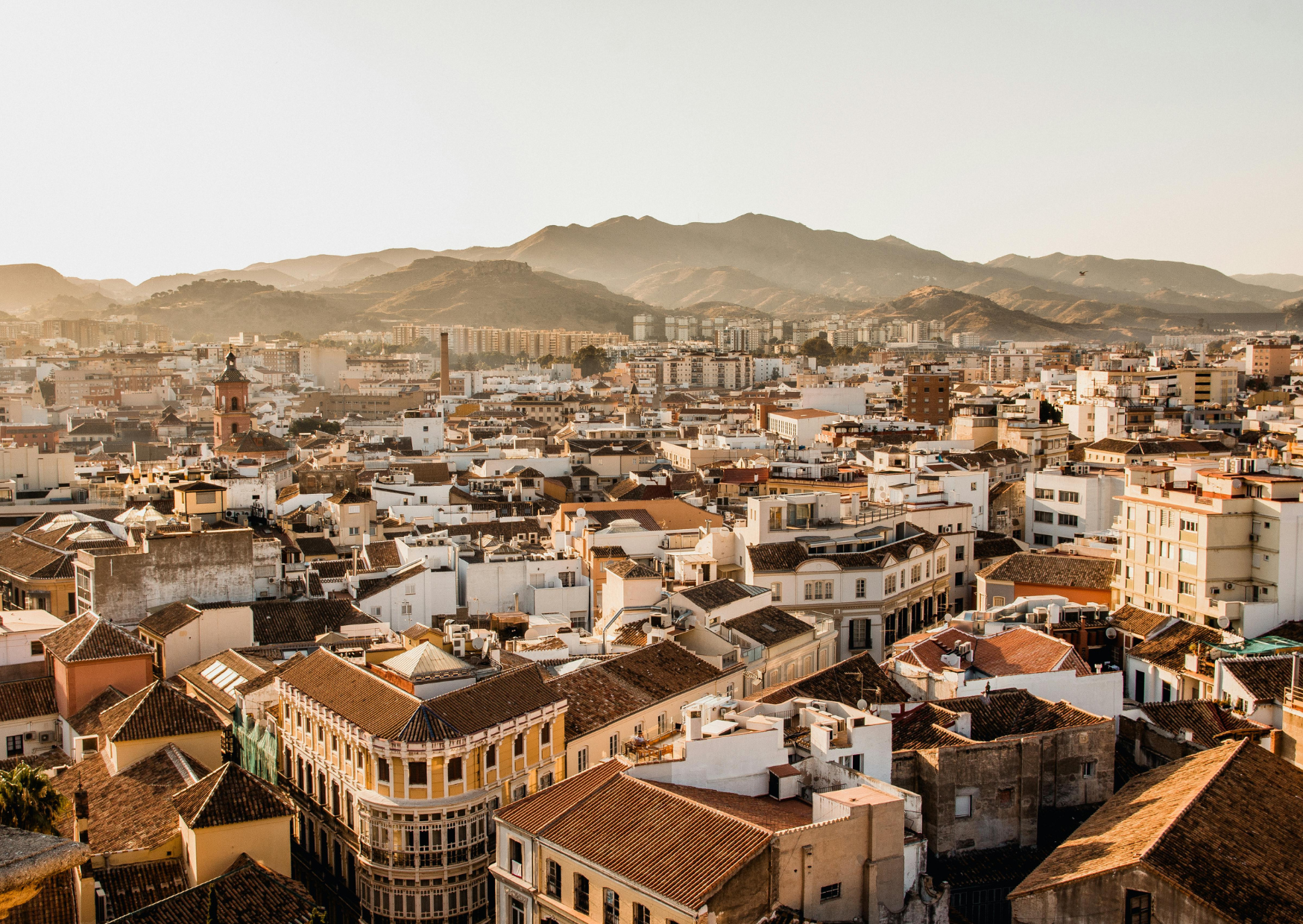
If you’re deciding where to spend months or years, don’t pick based on a highlight reel. Run a test that forces reality.
Here’s a simple week that reveals whether you like a country’s culture or just like its aesthetics.
Day 1: Choose a neighborhood, not a landmark. Walk it morning and evening. Notice who owns public space.
Day 2: Go to a market and buy ingredients you don’t recognize. Ask one question in the local language. You want low-stakes interaction, not a performance.
Day 3: Eat where locals eat at normal hours. Not “the best restaurant,” the normal one.
Day 4: Do one cultural institution, museum, concert, church, whatever fits. Then ask yourself if it changed your day or just filled time.
Day 5: Sit somewhere public for 45 minutes with no agenda. If you feel restless, that’s information.
Day 6: Find a festival, a neighborhood event, a street performance, anything. Culture isn’t only curated. The street layer matters.
Day 7: Do a normal errand day. Pharmacy, groceries, transit, banking, whatever applies. If daily friction is too high, culture won’t save you long-term.
Then make the real decision.
Do you want culture that is loud and participatory, even if it’s messy? That’s Mexico.
Do you want culture that runs as a social routine, with huge regional variety and high day-to-day livability? That’s Spain.
Do you want culture that is social, musical, and emotionally warm, but requires smarter location choices? That’s Colombia.
Do you want culture that is historically dense, aesthetically powerful, and deeply ritualized, but may take longer to access as a newcomer? That’s Italy.
The honest answer is that “culture” is not a trophy. It’s a lifestyle you have to tolerate daily.
Pick the one you can actually live inside.

About the Author: Ruben, co-founder of Gamintraveler.com since 2014, is a seasoned traveler from Spain who has explored over 100 countries since 2009. Known for his extensive travel adventures across South America, Europe, the US, Australia, New Zealand, Asia, and Africa, Ruben combines his passion for adventurous yet sustainable living with his love for cycling, highlighted by his remarkable 5-month bicycle journey from Spain to Norway. He currently resides in Spain, where he continues sharing his travel experiences with his partner, Rachel, and their son, Han.