
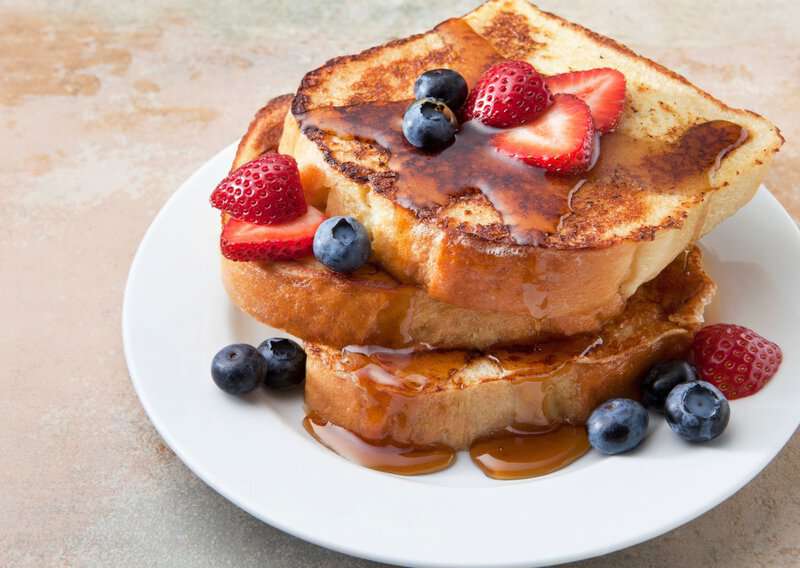
French toast, or pain perdu in its original French form, is a beloved breakfast classic that has earned a spot on tables around the world. With its golden, crisp edges and custardy center, it’s hard not to fall in love with this dish that turns simple ingredients bread, eggs, milk, and a bit of sweetness into something indulgent and satisfying. Whether dusted with powdered sugar, drizzled with syrup, or topped with fresh fruit, French toast is endlessly customizable and surprisingly easy to make at home.
Historically, French toast was born out of frugality transforming stale bread into a delicious meal, ensuring that nothing went to waste. Today, it’s a weekend favorite in many households and brunch menus, offering comfort and nostalgia with every bite. Its appeal lies in its versatility: you can go classic with cinnamon and syrup, or get creative with mascarpone, berries, or even savory toppings. No matter the version, the charm of French toast lies in its ability to turn ordinary into extraordinary.
In this recipe guide, you’ll learn how to make perfect French toast from scratch, including tips for choosing the best bread, getting the right custard consistency, and achieving that perfect golden crust. Whether you’re serving a crowd or enjoying a cozy morning at home, this timeless recipe is sure to satisfy.
Read here best French Food, vegetarian food in France, France and Switzerland 14 Days Itinerary and Classic French Breakfast
BOOK YOUR TRAVEL INSURANCE
Two of our favorite travel insurance: Heymondo Vs Safetwing cheapest travel Insurance. You can get for $135 USD your Heymondo Travel Insurance with Heymondo discount code valid for 90 days. Read our full comparison of Genki vs Safetywing Travel Insurance Review and the comparison Heymondo vs Genki
How to Eat French Toast
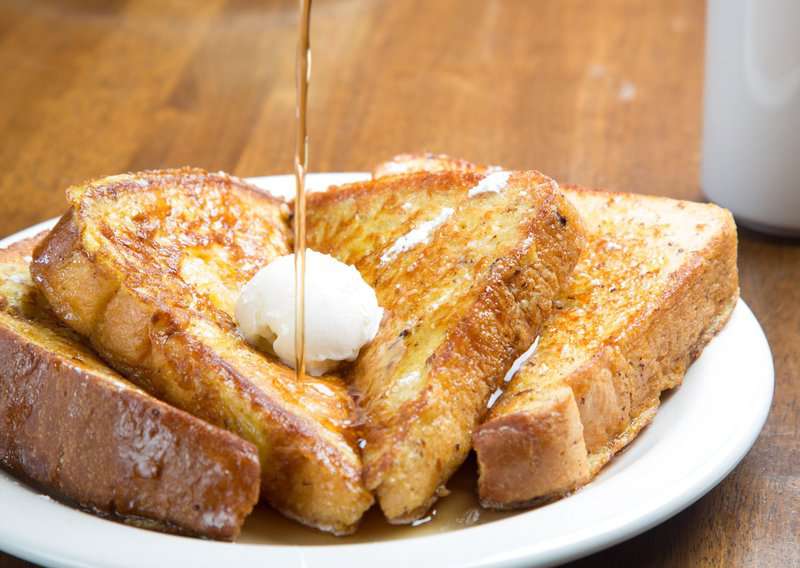
French toast is most often enjoyed sweet, topped with maple syrup, powdered sugar, or honey. The sweetness enhances the custardy bread, creating a balance of rich and light flavors that make breakfast feel like a treat.
It can also be paired with fresh fruit, such as berries, bananas, or peaches, which add freshness and acidity. The fruit balances the richness of the bread and makes the dish feel lighter and more refreshing.
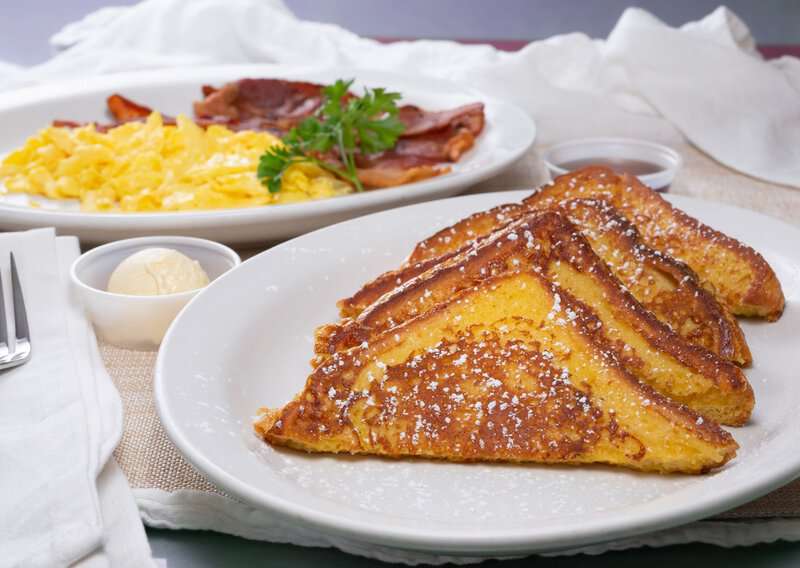
For those who prefer savory flavors, French toast can be topped with bacon, eggs, or even cheese. This version transforms it from a breakfast classic into a hearty brunch or dinner option.
How to Partner French Toast
Classic partners include a cup of coffee or tea, which cut through the richness and complement the dish’s warm flavors. A glass of fresh orange juice adds brightness and makes for a more traditional breakfast pairing.
French toast also pairs beautifully with whipped cream, yogurt, or nut butters. These additions enhance the dish with creaminess, tanginess, or nuttiness, depending on your preference.
For special occasions, consider serving French toast with a sparkling mimosa or a latte. These beverages add a celebratory touch, making the meal feel more like a weekend brunch at a café.
One point of debate is what kind of bread should be used. Some argue that only brioche or challah create the perfect French toast, while others maintain that any leftover bread can work. The discussion often comes down to texture versus tradition.
Another controversy surrounds toppings. While maple syrup and powdered sugar are classic, some critics feel that excessive toppings drown out the flavor of the bread and custard. Minimalists believe French toast should be enjoyed with restraint, while others embrace indulgence.
Finally, there’s the question of whether French toast is really “French.” In France, pain perdu is a way to use stale bread, often much simpler and less sweet than American versions. This raises questions about authenticity and how dishes evolve when adopted by other cultures.
How to Make French Toast
French Toast Recipe Ingredients
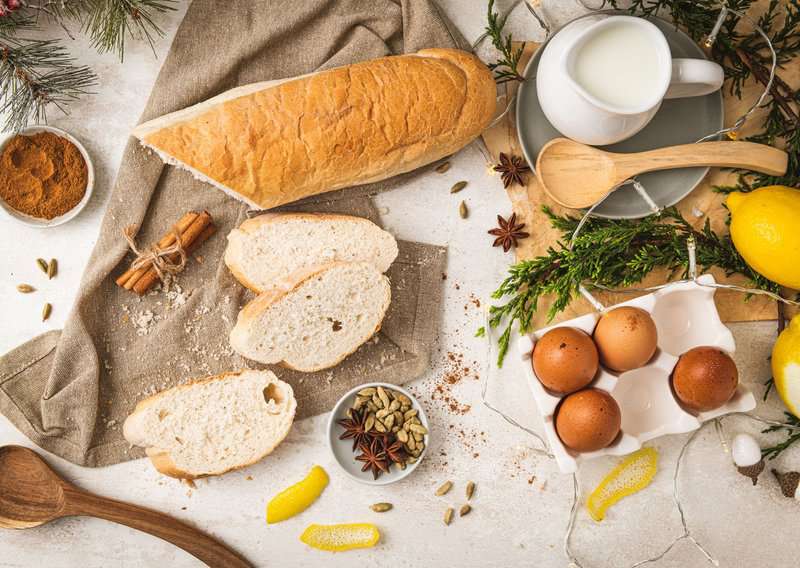
4 slices of day-old bread (thick slices of brioche or challah work best)
2 large eggs
1 cup milk (whole milk will give the richest flavor)
1 teaspoon vanilla extract (optional for added flavor)
1/2 teaspoon ground cinnamon (optional)
2 tablespoons granulated sugar (adjust to taste)
Butter for frying
Powdered sugar for serving
Maple syrup (or your choice of syrup or honey for serving)
Fresh fruits like berries or sliced bananas (optional)
Get the best deals for your home and kitchen needs
Step By Step How to Make French Toast
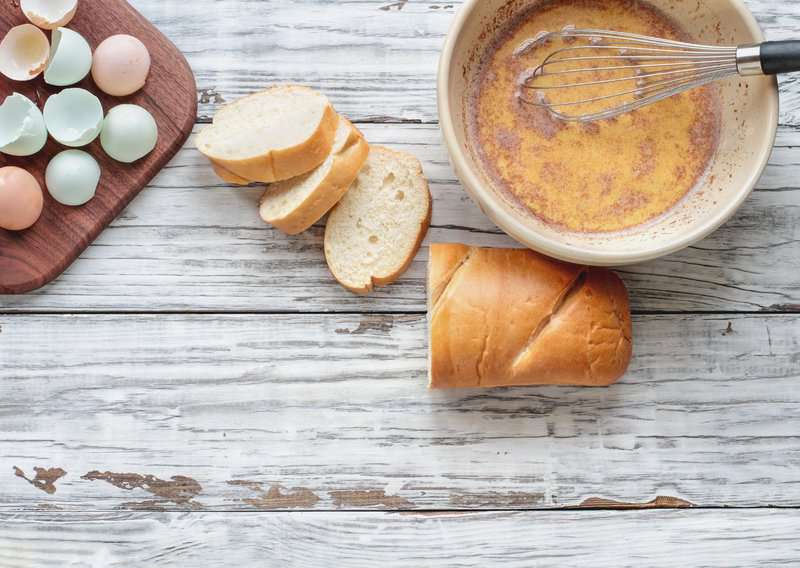
Step 1 – Prepare the Egg Mixture
In a shallow dish, beat the eggs, milk, vanilla extract, cinnamon, and sugar together until well mixed. This mixture is what gives French toast its delicious flavor and custardy interior.
Step 2 – Soak the Bread
Dip each slice of bread into the egg mixture, allowing the bread to soak for about 20-30 seconds on each side. The bread should be saturated but not falling apart.
Step 3 – Fry the French Toast
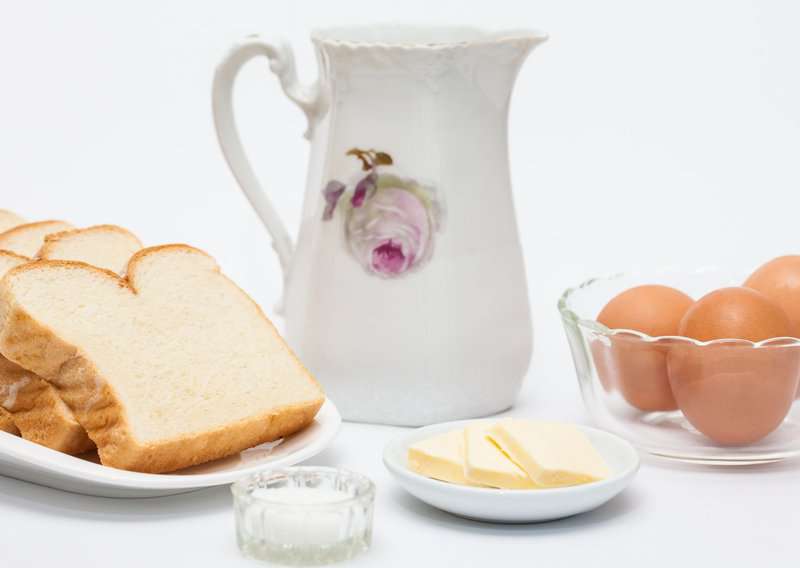
Heat a frying pan or griddle over medium heat and add a knob of butter. Let the butter melt and foam slightly, being careful not to let it brown or burn. Place the soaked bread slices in the pan. Fry until golden brown and slightly crispy, about 3-4 minutes on each side. Add more butter as needed for additional slices.
Step 4 – Serve
Serve the French toast hot from the pan. Dust with powdered sugar and top with maple syrup, honey, or your favorite syrup. Add fresh fruits or even a dollop of whipped cream if desired.
Tips To Make French Toast
The type of bread used can significantly affect the outcome. Brioche or challah are excellent choices due to their rich flavor and sturdy texture. You can infuse the milk with flavors like citrus zest or swap the vanilla extract for almond extract to give a different taste profile.
For even more flavor, you can prepare the egg mixture the night before and let the flavors meld in the refrigerator overnight.
How Many Calories Has A French Toast
One slice of brioche bread has around 130 to 150 calories, one large egg has about 70 calories, Milk is about 30 calories per slice, Butter can add 50 to 100 calories, Sugar is about 15-20 calories per slice and one tablespoon of maple syrup adds about 52 calories.
One slice of French toast with these ingredients (without heavy toppings), it could have approximately 300 to 370 calories.
Origin and History
French toast did not originate as a luxury breakfast dish. Its roots trace back to ancient times when cooks looked for ways to use stale bread rather than waste it. Soaking bread in milk and eggs was a practical solution that turned leftovers into something filling and satisfying.
In France, the dish became known as pain perdu, meaning “lost bread.” The name itself reflects its humble purpose: rescuing bread that would otherwise be thrown away. This tradition spread throughout Europe, with each region adapting the recipe based on available ingredients.
When French toast reached America, it evolved into a sweeter, more indulgent dish. Sugar, cinnamon, and syrup became common additions, shifting it away from its practical origins toward a comfort-food identity.
Despite these changes, the core technique has remained unchanged for centuries. Bread, eggs, milk, and heat are all it takes. The “pro” version isn’t about reinvention it’s about respecting the original method.
One of the biggest misconceptions is that French toast requires rich brioche or specialty bread. While those versions can be excellent, they are not historically accurate nor necessary for great results. Any sturdy, slightly stale bread works better than fresh, soft loaves.
Another controversial truth is that soaking bread too long often ruins texture. Many home cooks believe longer soaking equals better flavor, but it usually leads to soggy centers and uneven cooking. Professional kitchens rely on quick, controlled dips instead.
There’s also a widespread belief that more sugar improves French toast. In reality, excess sugar burns quickly and masks the flavor of the eggs and bread. Traditional versions rely on natural browning and post-cooking toppings rather than sweet custards.
Perhaps the most uncomfortable truth is that technique matters more than ingredients. Temperature control, pan choice, and timing separate average French toast from excellent French toast far more than expensive add-ins ever could.
How Long You Take to Prepare
French toast is often labeled a “slow weekend breakfast,” but in reality, it’s one of the fastest hot meals you can make. Preparation takes less than five minutes once ingredients are ready.
The soaking process itself should be brief. Each slice needs only a few seconds per side in the egg mixture. Anything longer adds moisture without improving flavor.
Cooking time is equally efficient. Two to three minutes per side over medium heat allows the eggs to set while creating a golden crust. Rushing this step leads to uneven cooking, but going slow doesn’t mean going long.
From start to finish, professional-quality French toast can be on the table in under fifteen minutes. The speed is part of its charm and explains why it has survived for centuries.
Serving Suggestions
Serve French toast stacked high on a plate with a light dusting of powdered sugar and a drizzle of syrup for a classic look. Add a few fresh berries on top for color and freshness.
For a more rustic presentation, cut the toast into thick halves and serve on a wooden board with bowls of toppings like fruit, nuts, and whipped cream. This makes the meal interactive and fun.
If serving for brunch, offer both sweet and savory options. For example, one platter with syrup and fruit, and another topped with cheese and herbs. This ensures there’s something for everyone.
Final Thoughts
French toast is proof that the simplest recipes can create the most joy. With just a few ingredients, it transforms humble bread into a dish that feels special every time.
Cooking it at home gives you control over flavor, texture, and presentation, allowing you to create versions that suit your mood light and fruity, rich and indulgent, or savory and comforting.
Ultimately, French toast is more than just a breakfast dish. It’s a reminder that food can be both resourceful and luxurious, making the ordinary extraordinary with just a little care and creativity.

About the Author: Ruben, co-founder of Gamintraveler.com since 2014, is a seasoned traveler from Spain who has explored over 100 countries since 2009. Known for his extensive travel adventures across South America, Europe, the US, Australia, New Zealand, Asia, and Africa, Ruben combines his passion for adventurous yet sustainable living with his love for cycling, highlighted by his remarkable 5-month bicycle journey from Spain to Norway. He currently resides in Spain, where he continues sharing his travel experiences with his partner, Rachel, and their son, Han.