
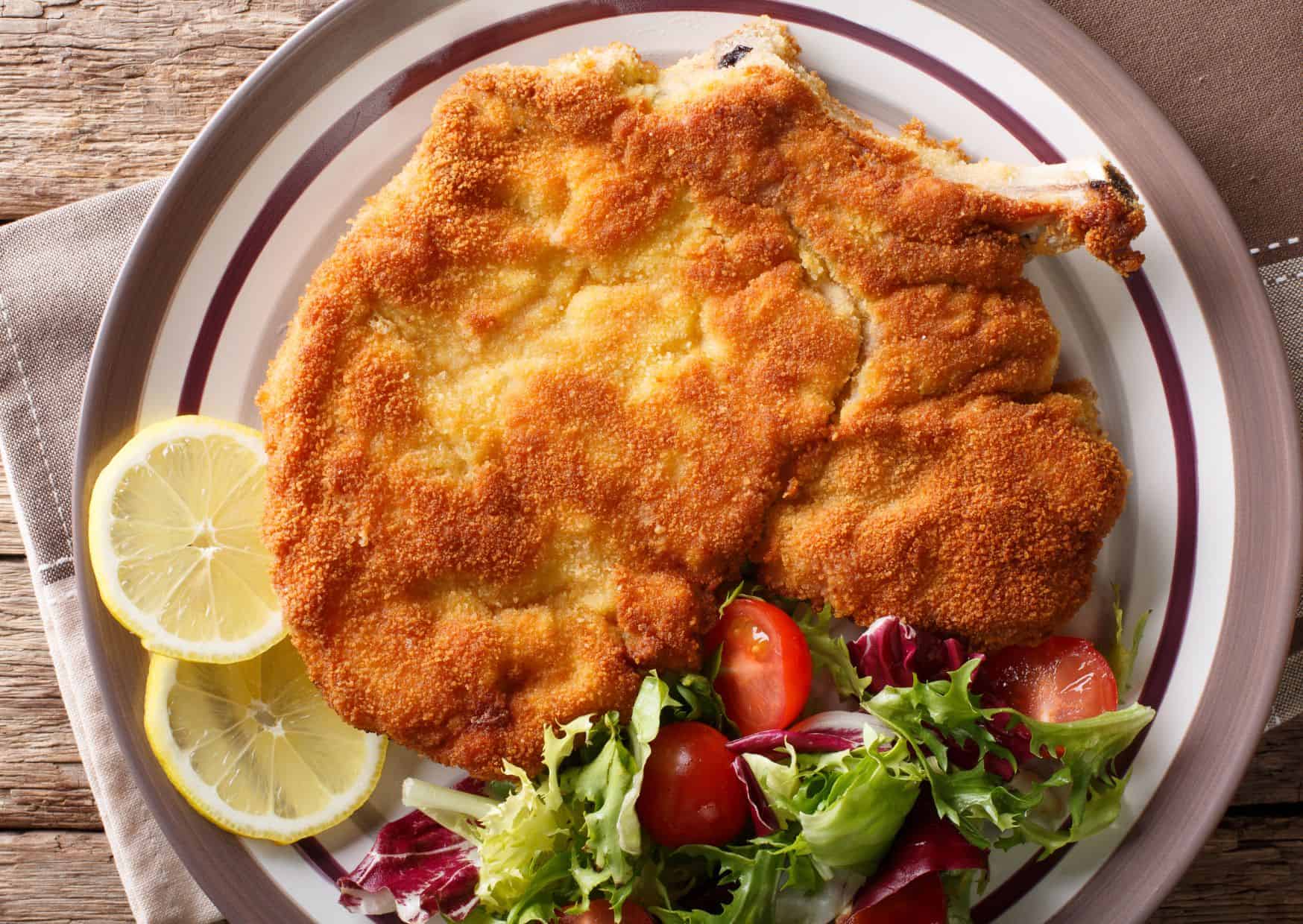
Cotoletta alla Milanese is more than just Italy’s answer to the breaded cutlet—it’s a culinary tradition rooted in the heart of Milan. Crispy on the outside, tender on the inside, and delicately flavored with butter and lemon, this dish captures the elegance of Northern Italian cooking. Though it may resemble other global favorites like schnitzel or chicken cutlets, Cotoletta alla Milanese is uniquely its own thanks to a strict attention to quality ingredients and simplicity.
This beloved dish dates back to at least the 12th century, making it one of Italy’s oldest recorded recipes. Traditionally made with veal, the cotoletta is pounded thin, coated in fresh breadcrumbs, and pan-fried in clarified butter—never oil—for that golden, crackling finish. While many modern versions cut corners with generic breadcrumbs or deep fryers, the authentic Milanese method celebrates balance, not excess.
Making it at home is not only achievable, it’s a rewarding way to bring a taste of Milan to your table. With just a few quality ingredients and a focus on technique, you can master a dish that feels both rustic and refined. Whether you’re preparing it for a weekend family dinner or to impress guests, Cotoletta alla Milanese brings classic Italian comfort to your kitchen.
Read here best Italian food, vegetarian food in Italy, best drinks in Italy and best breakfast in Italy
Read Here Things to know before visiting Italy and how to buy a sim card in Italy
BOOK YOUR TRAVEL INSURANCE
Two of our favorite travel insurance: Heymondo Vs Safetwing cheapest travel Insurance. You can get for $135 USD your Heymondo Travel Insurance with Heymondo discount code valid for 90 days. Read our full comparison of Genki vs Safetywing Travel Insurance Review and the comparison Heymondo vs Genki
How to Eat
Cotoletta alla Milanese is best enjoyed hot, fresh from the pan when the crust is perfectly golden and crisp while the meat remains tender inside. Traditionally, it’s eaten with a fork and knife, cutting through the crunchy breading to savor both texture and flavor in every bite.
This dish is meant to be eaten slowly. Italians value the act of sitting down to a proper meal, savoring each mouthful, and appreciating the balance of rich meat and light accompaniments. Rushing through cotoletta defeats its purpose—it’s a dish designed to be lingered over.
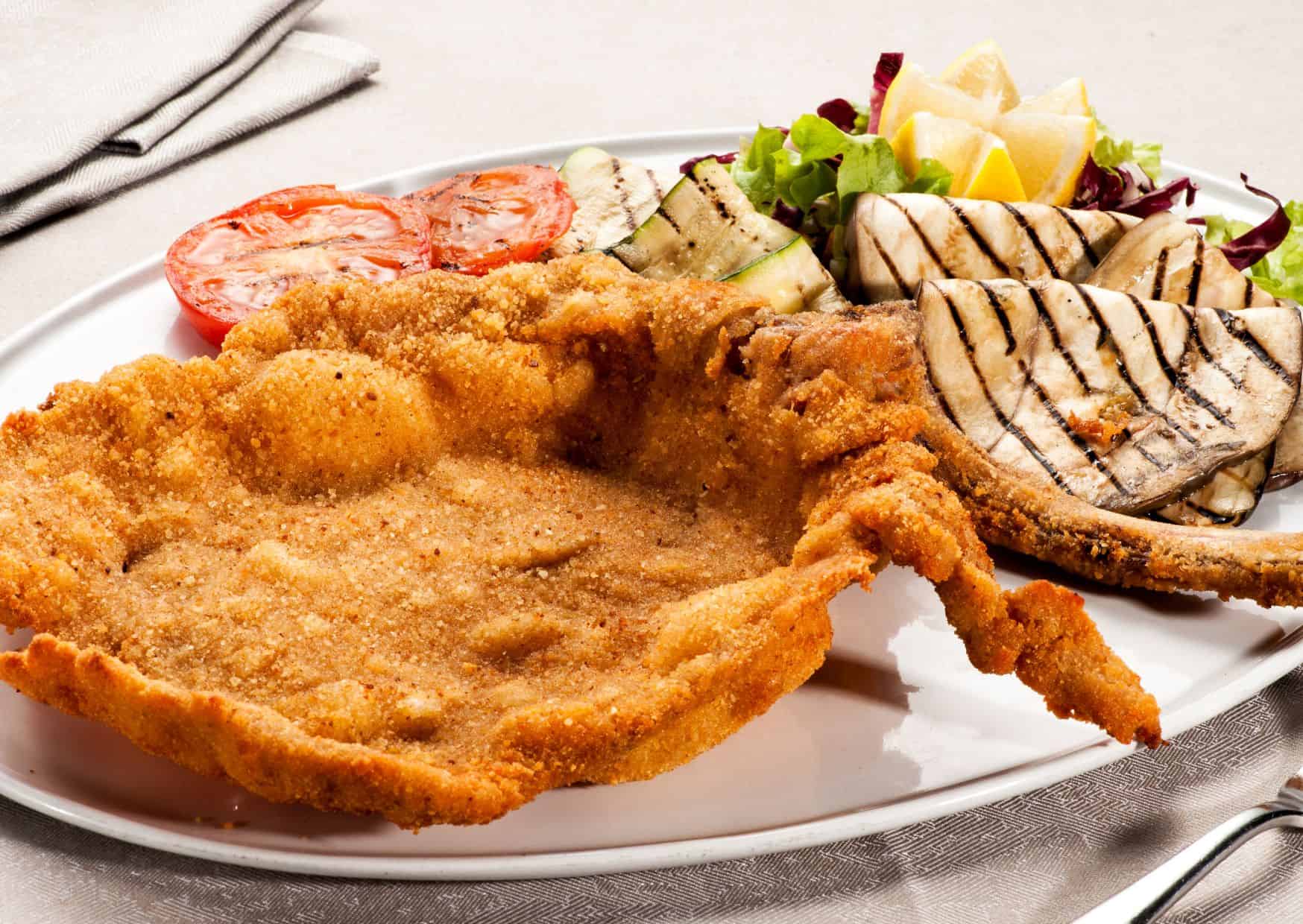
The portion size also plays a role in how it’s enjoyed. Authentic versions are served as a single, bone-in cutlet, large enough to cover a plate, making it a show-stopping centerpiece. Sharing with others is common, adding to its sense of tradition and celebration.
How to Partner
Cotoletta alla Milanese pairs beautifully with light, refreshing sides that cut through its richness. A simple arugula and tomato salad dressed with lemon and olive oil is a classic choice. The acidity of the lemon brightens the flavors and balances the breaded veal.
For drinks, crisp white wines like Pinot Grigio or a dry Italian sparkling wine complement the dish perfectly. Beer lovers can opt for a light pilsner, while non-alcoholic choices include sparkling water with lemon to keep the palate refreshed.
As for accompaniments, roasted potatoes or sautéed green beans make excellent partners without overshadowing the cotoletta. The goal is to let the meat remain the star while the sides provide freshness and variety.
One of the biggest controversies around cotoletta alla Milanese is the meat itself. Traditionalists insist it must be veal, bone-in, and pounded to the perfect thickness. However, many modern versions use pork or chicken, sparking debates about whether those adaptations can still be considered authentic.
Another heated debate centers on cooking methods. Purists argue for shallow pan-frying in clarified butter, while others turn to oil or even oven-baked versions for health reasons. Each camp believes their way honors the tradition best, creating an ongoing culinary tug-of-war.
There’s also disagreement about portion size. The massive, plate-covering cotoletta is iconic, but some chefs now serve smaller, more manageable cuts for practicality. Critics argue this dilutes the dramatic presentation that made the dish legendary in Milanese culture.
How to Make Cotoletta Alla Milanese
Cotoletta Alla Milanese Recipe Ingredients
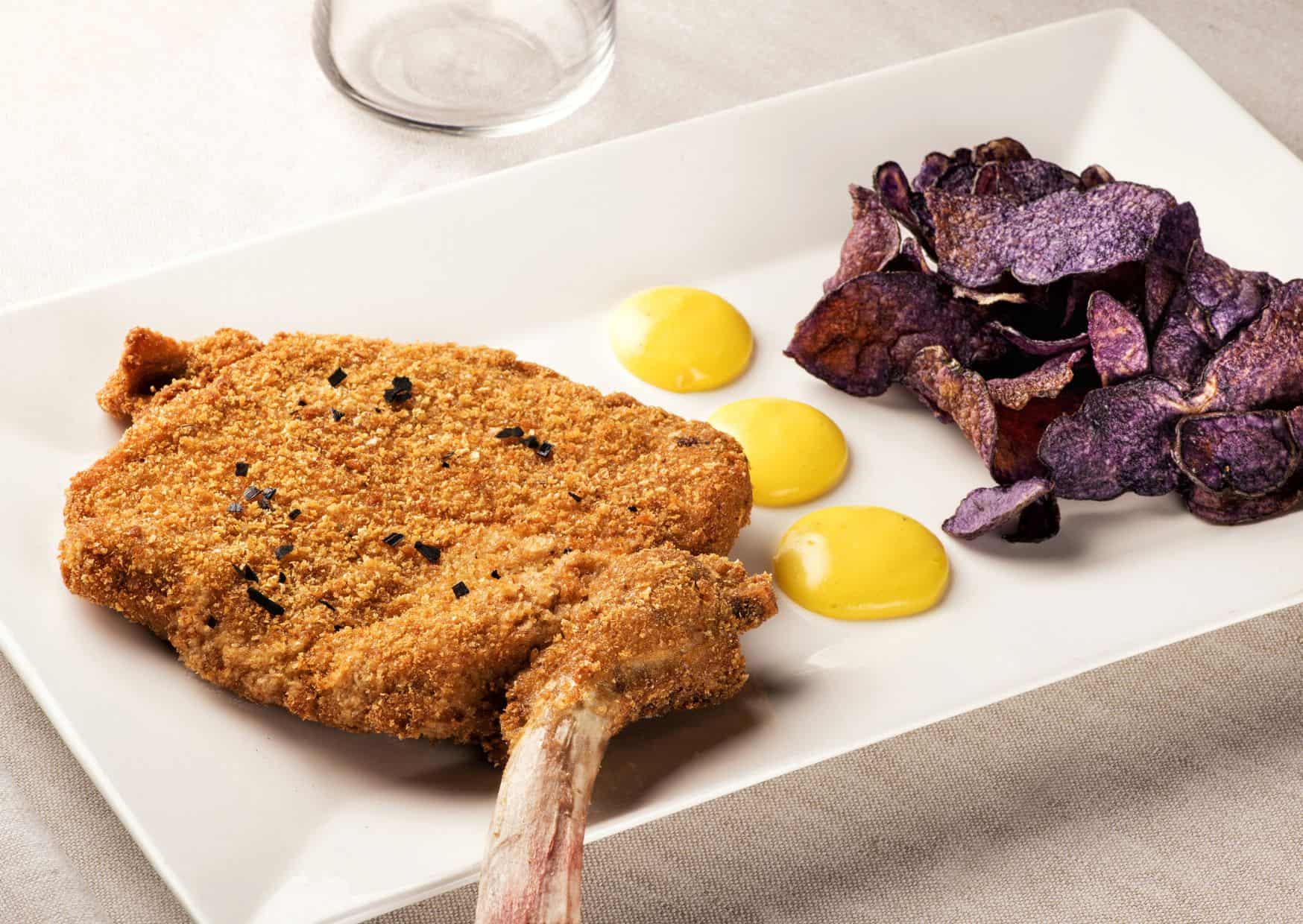
4 veal cutlets (about 6 ounces each), bone-in, pounded to about 1/4 inch thickness
Salt and freshly ground black pepper, to taste
1/2 cup all-purpose flour
2 large eggs, beaten
1 cup breadcrumbs
1/2 cup grated Parmesan cheese (optional, for added flavor)
Olive oil or clarified butter, for frying
Lemon wedges, for serving
Get the best deals for your home and kitchen needs
Step By Step How to Make Cotoletta Alla Milanese
Prepare the Cutlets
If not already done by your butcher, pound the veal cutlets to an even thickness of about 1/4 inch. This helps them cook evenly and stay tender. Season each cutlet with salt and pepper on both sides.
Dredge and Bread the Cutlets
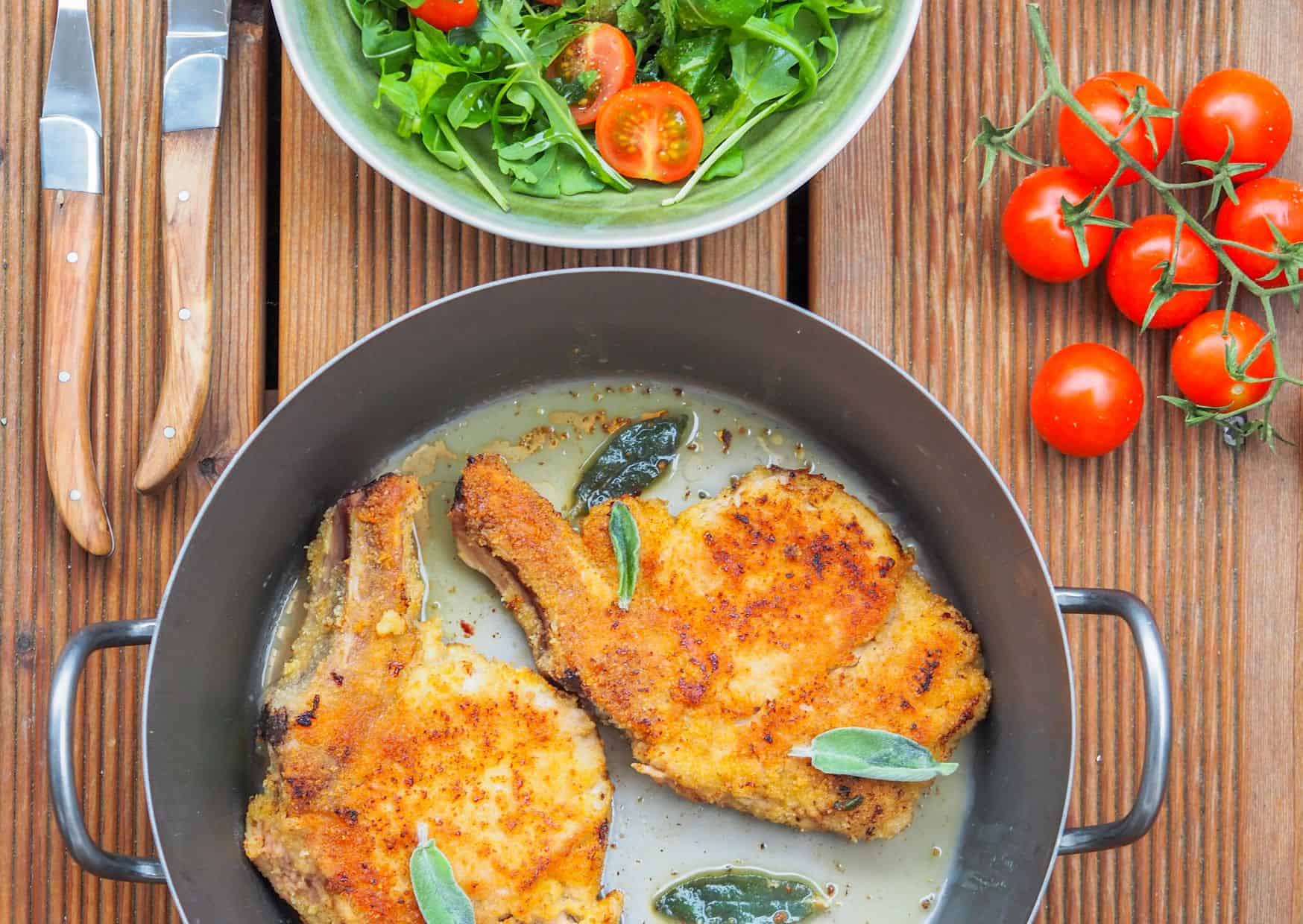
Set up your breading station with three shallow dishes: one with flour, one with beaten eggs, and one with a mixture of breadcrumbs and grated Parmesan (if using). Dredge each cutlet in flour, shaking off any excess. Dip next into the beaten eggs, allowing any excess to drip off. Finally, coat evenly with the breadcrumb mixture, pressing gently to adhere.
Fry the Cutlets
Heat a generous amount of olive oil or clarified butter in a large skillet over medium-high heat. You’ll want enough fat to come halfway up the sides of the cutlets.
Once the oil is hot, add the cutlets (working in batches if necessary to avoid overcrowding the pan) and fry for about 3 to 4 minutes on each side, or until golden brown and crispy. Transfer to a paper towel-lined plate to drain any excess oil.
Serve
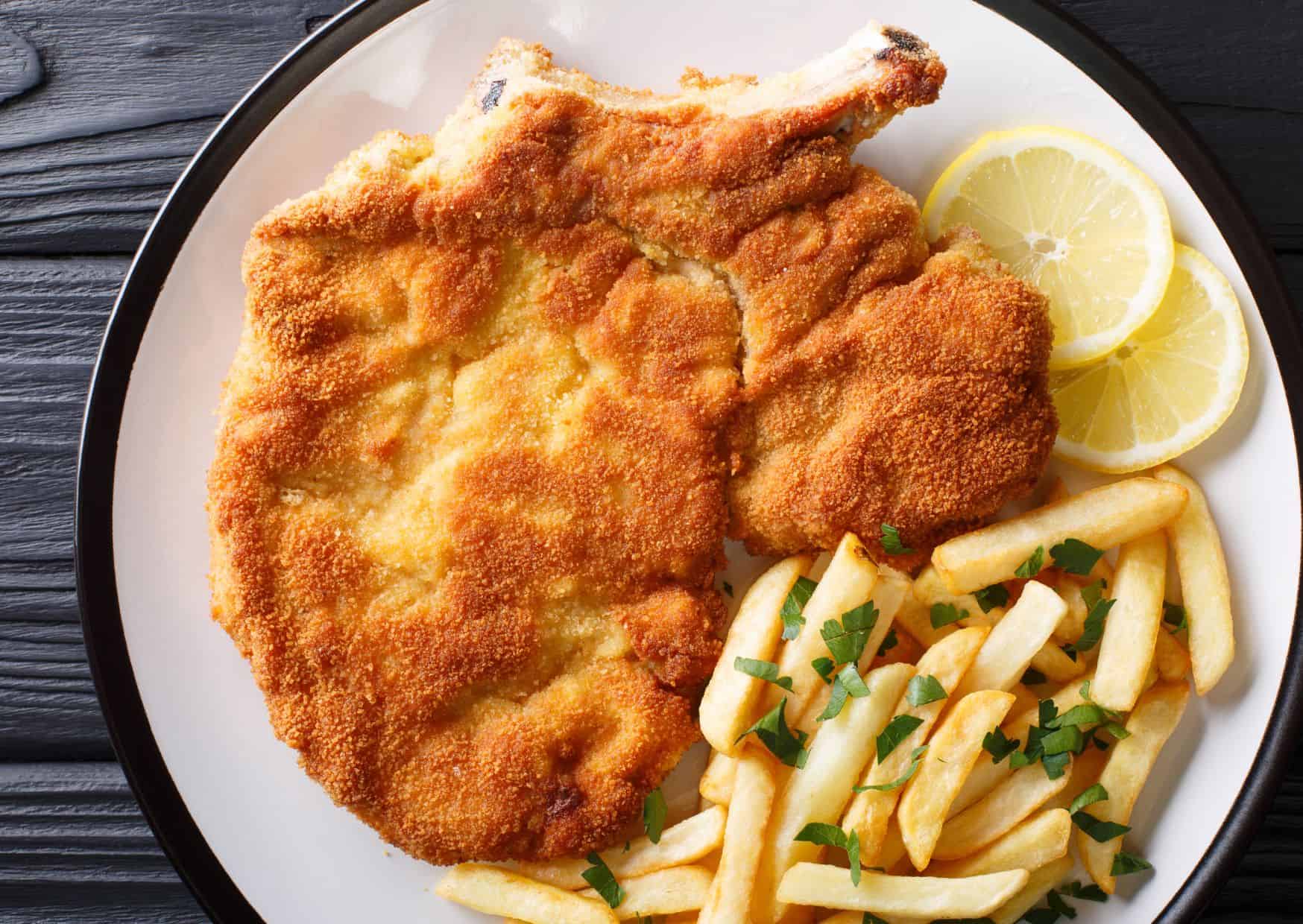
Serve the cotoletta hot, accompanied by lemon wedges. Squeezing lemon over the cutlet before eating adds a nice zesty flavor that cuts through the richness of the fried coating.
Tips To Make Cotoletta Alla Milanese
Ensuring the cutlets are pounded to an even thickness is crucial for even cooking. Make sure the oil is hot enough before adding the cutlets; if it’s too cool, the breading will absorb the oil and become soggy.
Fry the cutlets in batches if necessary to ensure they cook evenly and the temperature of the oil doesn’t drop too much. Adding Parmesan to the breadcrumbs adds a nice flavor depth, but you can omit this if you prefer a more traditional version.
How Many Calories Have Cotoletta Alla Milanese
Depending on the size of the cutlets and the depth of oil used for frying, a single serving of Cotoletta alla Milanese can range from approximately 400 to 600 calories. Adding Parmesan to the breading and the type of oil used for frying can also affect the total calorie count.
Origin and History
Cotoletta alla Milanese is one of northern Italy’s most iconic dishes, rooted deeply in Milanese tradition. Its origins trace back centuries, with references appearing as early as the Middle Ages, long before breaded cutlets became common across Europe.
Unlike many Italian dishes that evolved from peasant cooking, cotoletta has aristocratic roots. It was historically prepared using veal, a prized ingredient, and cooked simply to showcase quality rather than embellishment.
The dish’s resemblance to Austrian schnitzel has sparked debate, but Milanese cooks maintain that cotoletta predates it. Regardless of influence, Milan preserved its own strict interpretation centered on simplicity and restraint.
Over time, the recipe became a household staple rather than a restaurant novelty. Passed down through generations, it remains less about technique on paper and more about instinct learned at the stove.
One of the most controversial truths is that cotoletta is not deep-fried. Many modern recipes call for submerging the cutlet in oil, but traditional Milanese versions are shallow-fried in butter.
Another frequent misunderstanding involves thickness. Cotoletta should be thin and expansive, not thick and bulky. Thickness changes the cooking balance and disrupts the delicate crust.
There is also debate about seasoning. Authentic versions use minimal seasoning, relying on quality meat and butter for flavor rather than aggressive spices.
Perhaps the most uncomfortable reality is that shortcuts undermine the dish. Using oil blends, breadcrumbs with additives, or rushed cooking strips cotoletta of its character.
How Long You Take to Prepare
Cotoletta alla Milanese is deceptively fast. Preparation typically takes fifteen to twenty minutes, including breading.
Cooking itself is brief. Each side requires only a few minutes in a hot pan to achieve a golden crust without drying the meat.
Because timing is tight, organization matters. Once the cutlet hits the pan, there is no room for distraction.
From start to finish, the dish can be ready in under thirty minutes, making it practical despite its refined reputation.
Serving Suggestions
Serve cotoletta alla Milanese on a large plate with minimal garnish to highlight its golden crust. A simple wedge of lemon on the side allows diners to adjust acidity to their taste.
For family meals, consider presenting one or two large cutlets at the center of the table and slicing them for sharing. This approach emphasizes the communal nature of Italian dining and makes serving easier.
When preparing for gatherings, keep sides light and varied: fresh salads, roasted vegetables, and crusty bread work well. This balance ensures the dish feels indulgent without being overwhelming.
Final Thoughts
Cotoletta alla Milanese is more than just breaded meat—it’s a symbol of Milan’s culinary heritage and a dish that bridges simplicity with sophistication. Its staying power lies in its ability to turn basic ingredients into something extraordinary.
The controversies about meat choice, frying methods, and presentation reflect how much Italians value tradition in food. Yet these debates also show the dish’s adaptability and its ability to evolve with time while still keeping its essence.
Ultimately, making cotoletta alla Milanese at home is about honoring tradition without fear of personalization. With care, respect for ingredients, and a few Nonna-approved techniques, you can bring a piece of Milanese culture to your table, no deep fryer required.

About the Author: Ruben, co-founder of Gamintraveler.com since 2014, is a seasoned traveler from Spain who has explored over 100 countries since 2009. Known for his extensive travel adventures across South America, Europe, the US, Australia, New Zealand, Asia, and Africa, Ruben combines his passion for adventurous yet sustainable living with his love for cycling, highlighted by his remarkable 5-month bicycle journey from Spain to Norway. He currently resides in Spain, where he continues sharing his travel experiences with his partner, Rachel, and their son, Han.