
Want char-kissed, juicy skewers without the burnt-edge baggage? The Greek trick is not a gadget or a grill brand. It is timing and what you soak the meat in before a single coal glows.
Picture a backyard grill, late light, skewers of pork or chicken turning fast over steady heat. Nothing is lacquered in sugar. Nothing drips flames onto the coals. There is lemon on your fingers, olive oil on your knuckles, and a breeze of oregano and garlic that smells like a beach taverna. You bite, it is smoky, clean, and deeply savory. You do not taste the bitter char that Americans often mistake for flavor. You do not feel heavy. You do not get that scratchy throat you sometimes blame on “allergies” after a weekend cookout.
Greek souvlaki looks simple, which is the trap. The difference is not magic, it is chemistry made friendly. A short, smart marinade changes what forms on the meat when high heat hits it. Do that part right, then grill the Greek way, and you avoid most of the compounds that make American barbecue taste great for ten seconds and feel lousy for hours.
Below is the why, the timing that matters, the full souvlaki playbook you can copy tonight, and the specific mistakes that turn a clean cook into a smoky mess. There is a complete recipe as well as swaps for U.S. and EU pantries, so you can make this on a city stovetop or a charcoal kettle and get nearly the same result.
What Actually Forms On Meat, And Why Souvlaki Skips It
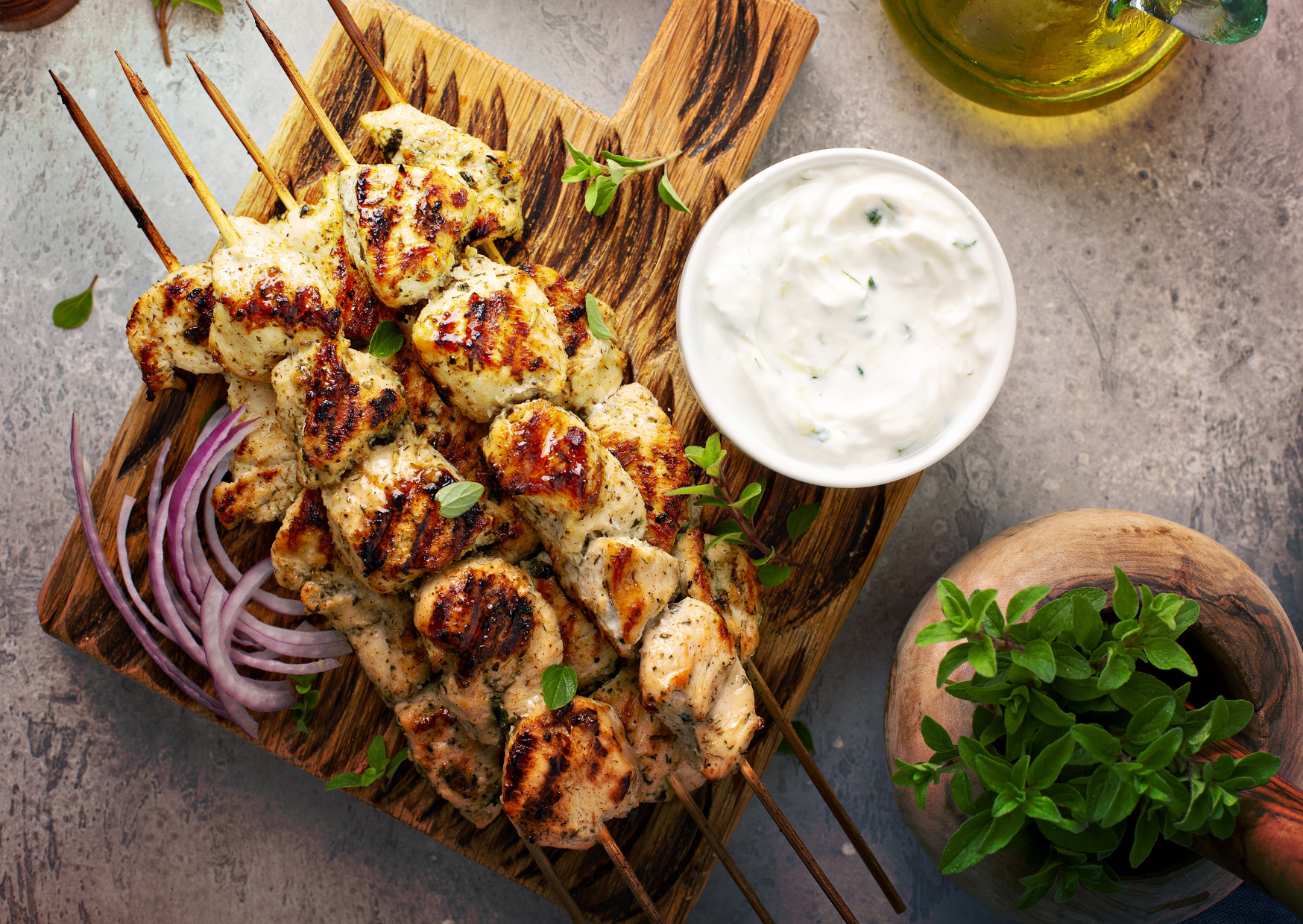
When muscle meat meets high heat, two main families of unwanted byproducts can form. One comes from the meat’s own building blocks, the other from the fire. Understanding them is the key to cleaner grill flavor, not just less smoke.
Heterocyclic amines, often shortened to HCAs, appear when amino acids, sugars, and creatine in meat react at high temperatures. These compounds are highest when meat is cooked very hot, very close to the flame, and especially when it sits still for long stretches. Polycyclic aromatic hydrocarbons, PAHs, are different. They form when fat drips, the fire flares, smoke rises, and sticky particles land on the meat. A little of either is common at American cookouts that lean on very high heat and sweet sauces painted on early.
Greek souvlaki dodges that pattern in three ways. First, the marinade is acidic and antioxidant rich. Lemon juice, yogurt, garlic, onion, and oregano create a surface that is less prone to those reactions. Second, meat is cut small and turned often, which means less time in the smoke and no long sears where a steak sits and blisters. Third, the fire is steady and moderate, not a bonfire. These are simple moves with measurable effects. You can taste the difference, and you can see it on your grates, which stay far cleaner when there is no glaze to burn and minimal flare.
The Clock Matters: How Long To Marinate, And Why
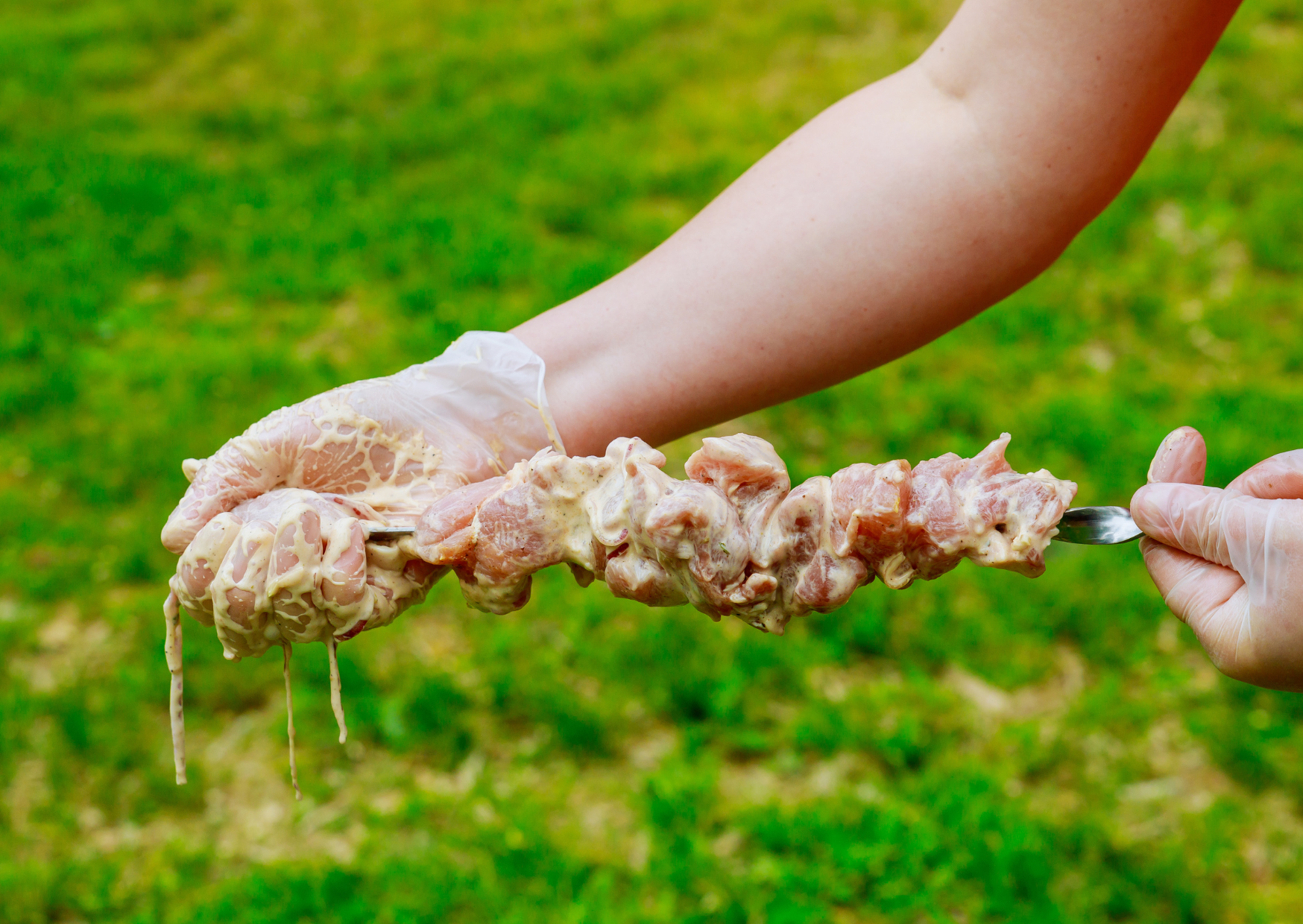
You can drown meat in herbs and still miss the point if you get the timing wrong. Marinades work at the surface. They do not travel deep like a brine. That is perfect for souvlaki, because skewered cubes have a lot of surface area. The goal is not to tenderize a brisket. The goal is to build a thin, protective, flavorful layer that changes the heat chemistry.
Here is the window that works in real kitchens, not labs:
- Thirty minutes is the floor. With pork or chicken cut into 2 to 3 centimeter cubes, half an hour in a lemon-olive oil-garlic-oregano marinade is enough to shift pH at the surface, coat the proteins with oil, and supply aromatic antioxidants. You will taste it, and you will see less harsh browning.
- Two to four hours is the sweet spot for classic lemon-oil marinades. Acids keep working at the surface, herbs steep, and oil forms a thin film that slows stick and hot-spot scorching. More than four hours with a strong acid like straight lemon can mush the surface and turn texture mealy, especially on chicken breast.
- Up to twenty-four hours is safe with yogurt-based marinades. Strained Greek yogurt is less sharp than pure lemon, and its calcium and milk proteins do gentle work on the surface while the lactic acidity helps in the same direction. Yogurt clings, carries herbs well, and it is forgiving if dinner slides to tomorrow.
Salt can live right in the marinade here. You are not brining a roast, you are seasoning the outside of small pieces. A level teaspoon of fine salt per pound of meat, dissolved in the liquids, is enough. More is not better. You can always sprinkle a pinch of flaky salt after grilling for pop.
Two important cautions that sound fussy but save you from disappointment. Do not add baking soda to a souvlaki marinade, even if you have seen “velveting” tips online. Alkaline marinades push browning fast and can drive the very reactions you are trying to avoid on a grill. Second, go light on sugar or honey. A tiny amount is fine for balance, but sugar on the surface over open flame wants to burn. If you crave a touch of sweetness, get it from ripe lemon and onion, not a sweet glaze painted on early.
The American Habit That Creates the Problem
Most backyard flare-ups are not accidents, they are recipes. Big cuts, thick steaks, a grill loaded with high flames, and a sauce loaded with sugar. It looks dramatic, it photographs well, and it paints your dinner in smoke. That is also how you build blackened edges, the sticky bits people scrape from the grate later.
The other habit is letting meat sit still. A steak under a restaurant salamander, or a burger on a flat top, can sit because the heat is controlled, the surface is even, and the time is short. A backyard grill is not like that. If you lay a pork chop on a roaring fire and do not touch it for five minutes, you cook one side too long, lose fat into the coals, and invite smoke right back. Souvlaki solves this by making each piece small, then flipping often. Less time in one place equals less exposure to high-temperature reactions, less smoke, more even browning, and more juice left inside.
A final habit that makes a mess is painting on thick barbecue sauce early, then chasing color. The sugar burns, the drips flare, and the bitter edge you taste is not complexity, it is just burnt. If you love a honeyed glaze, paint it for the last minute, away from direct flame, then rest the meat. For souvlaki, you do not need it at all. The lemon-garlic-oregano profile is bright and complete without any caramel shell.
The Souvlaki Playbook: Ingredients, Method, Timing
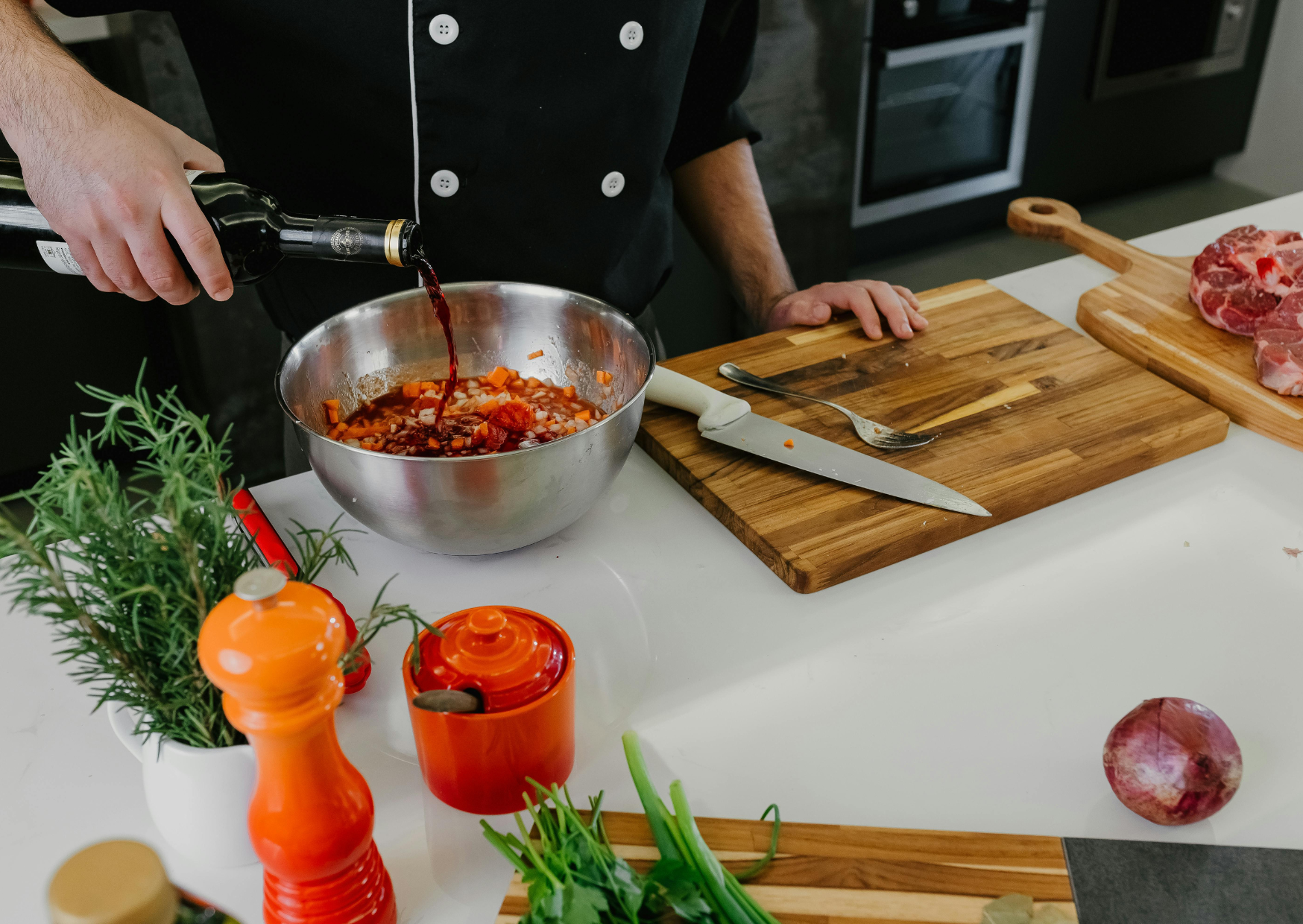
This is a weekday-proof, market-friendly approach you can use with pork, chicken, or lamb. The seasoning is classic Aegean, the timing is precise, and the method is the same whether you grill over charcoal or cook on a stovetop grill pan at home.
The marinade formula
For 1 kilogram of meat cut into 2 to 3 centimeter cubes:
- 80 ml extra-virgin olive oil
- 80 ml fresh lemon juice, about 2 lemons
- 4 large garlic cloves, minced to a paste
- 1 medium yellow onion, grated on the large holes, juices included
- 2 teaspoons dried oregano, Greek if you have it
- 1 teaspoon dried thyme or crushed rosemary, optional
- 1 teaspoon fine sea salt
- 1 teaspoon freshly ground black pepper
- Optional yogurt version: replace half the olive oil and half the lemon juice with 200 g thick Greek yogurt for a clingy, forgiving marinade
Why this mix works. The lemon and yogurt bring gentle acidity. The oil creates a thin film that helps heat transfer without stick and shields the surface. Onion and garlic contribute sulfur compounds and antioxidants. Oregano and thyme are rich in phenolics that behave like tiny heat shields. Salt seasons and helps hold moisture right at the surface where it matters for juiciness and browning.
Meat and timing
- Pork shoulder or pork neck, well-marbled: 2 to 4 hours in lemon-oil marinade, up to 24 hours in yogurt.
- Chicken thighs: 1 to 3 hours in lemon-oil marinade, up to 24 hours in yogurt.
- Chicken breast: 30 to 90 minutes lemon-oil, up to 12 hours in yogurt to avoid mush.
- Lamb leg: 2 to 4 hours lemon-oil, up to 24 hours yogurt.
Keep pieces uniform for even cooking. Aim for 2 to 3 centimeters per side. Thread tightly on soaked wooden skewers or metal ones. Press the pieces snug so they protect each other from direct blast without crowding the whole grill.
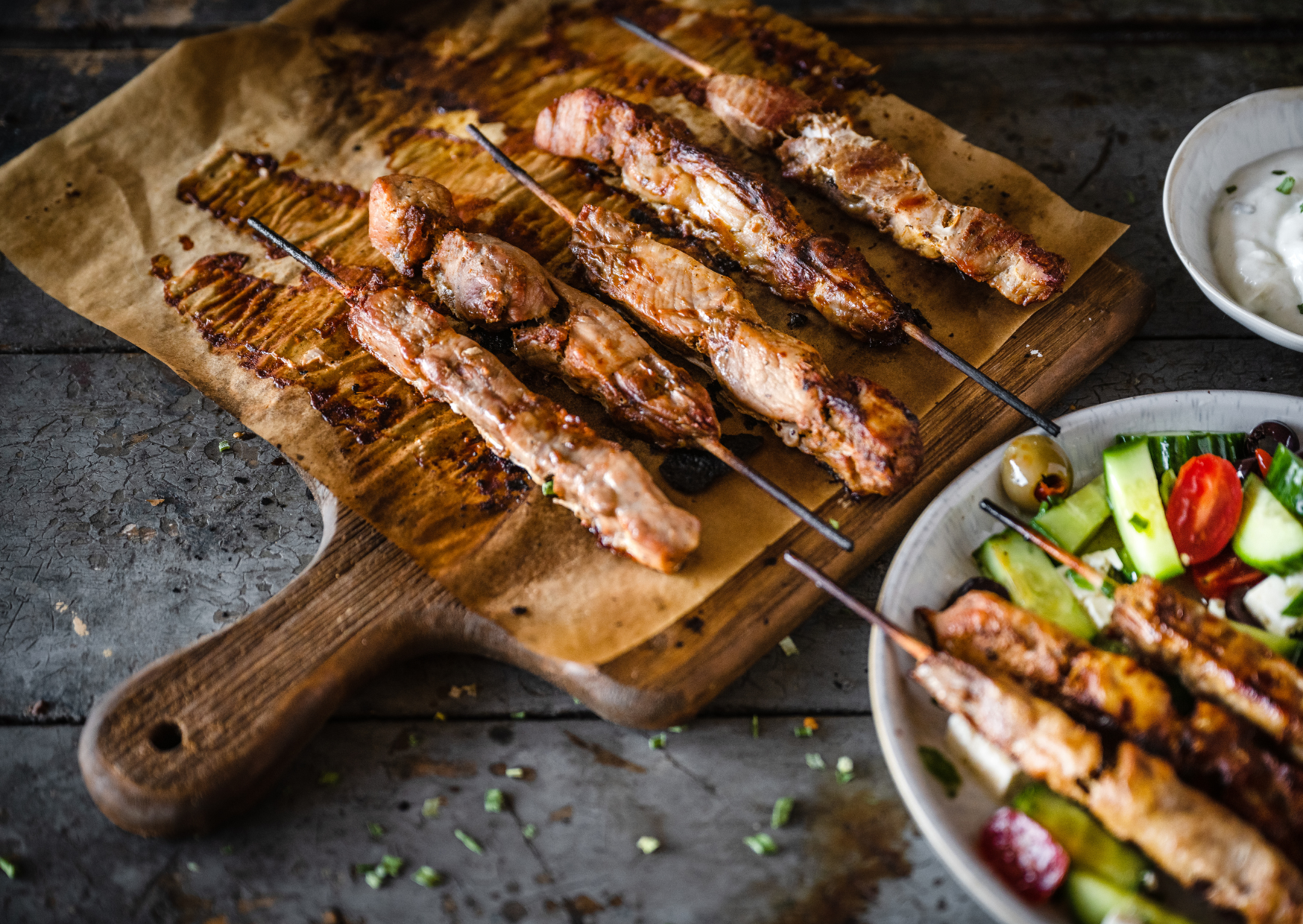
The grilling method
- Prepare a steady medium fire. On charcoal, bank coals to one side to create direct and indirect zones. You want a hot side that is not a flamethrower and a cooler side to finish. On gas, set one burner medium-high and one medium-low. On a grill pan, preheat until a drop of water skitters.
- Shake excess marinade. You want a gloss, not a drip. If there is yogurt, leave a thin coat. Dripping marinade causes flare, which means smoke that sticks.
- Oil the grates lightly, not the food. Wipe with a folded paper towel dipped in oil and held with tongs.
- Grill over direct heat, turning every 20 to 30 seconds for the first few minutes. This quick rotation keeps any one face from overheating. Browning will still happen because the pieces are small and the heat is steady.
- If you see flames, move the skewers to the cool side. Finish there, or dart them back to direct heat to touch color, then back off. The point is control, not bravado.
- Cook to doneness, not to a time. Pork cubes and chicken thighs will be ready in 7 to 12 minutes depending on heat and size. Chicken breast cooks faster. Lamb is similar to pork. Pull just past opaque and juicy.
- Trim any char flakes you see clinging to edges before serving. These taste bitter and they are not the goal. A thin lacquered brown is right. Black is not.
- Rest 3 to 5 minutes. Toss with a spoon of fresh lemon juice and a spoon of olive oil, scatter chopped parsley or oregano, and serve immediately with pita, a tomato-cucumber salad, and thick yogurt or tzatziki.
Why this works in practice
Small pieces plus frequent turning mean the outer layer never overheats long enough to build a thick crust of trouble. The marinade’s acidity and antioxidants make the surface less reactive and more resistant to harsh browning, and the oil film evens heat and prevents sticking. A two-zone fire gives you a safe lane to finish without smoke. The result is deep browning without bitter black, juice without grease, and clean grill flavor that does not cling in your throat.
Common Missteps That Ruin Clean Grilling
You do not need to memorize a textbook to get this right. You just need to avoid a few predictable mistakes that most Americans learned from TV shows, not from cooks.
Painting on sweet sauce early. Sugar burns before meat cooks. If you love a glaze, brush it on at the very end, off direct heat, then return for seconds to set it. For souvlaki, skip sweet entirely. Lemon and onion give natural balance.
Letting fat rain on fire. Big steaks and chops shed fat into the coals. The flare looks impressive and it smokes your food. Choose modest flames, trim visible fat, and keep a cool zone so you can move skewers the second you see licking fire.
Marinating overnight in straight lemon. Acids turn proteins mushy when they sit too long. If you need to go long, switch to a yogurt marinade that delivers the same protective surface with a gentler texture.
Thinking gas equals safe and charcoal equals dirty. Either can be clean or messy. A charcoal fire banked to one side, with a grill set higher over the coals, can be cleaner than a gas grill run too hot under a sweet glaze. Control and spacing are what matter, not the fuel logo.
Touching the meat too little. The romantic, “one flip” rule is for low, even heat. On a home grill with small skewers, frequent turning is a feature, not a flaw. It prevents hotspots and harsh edges and builds even color.
The Weeknight Recipe You Can Memorize
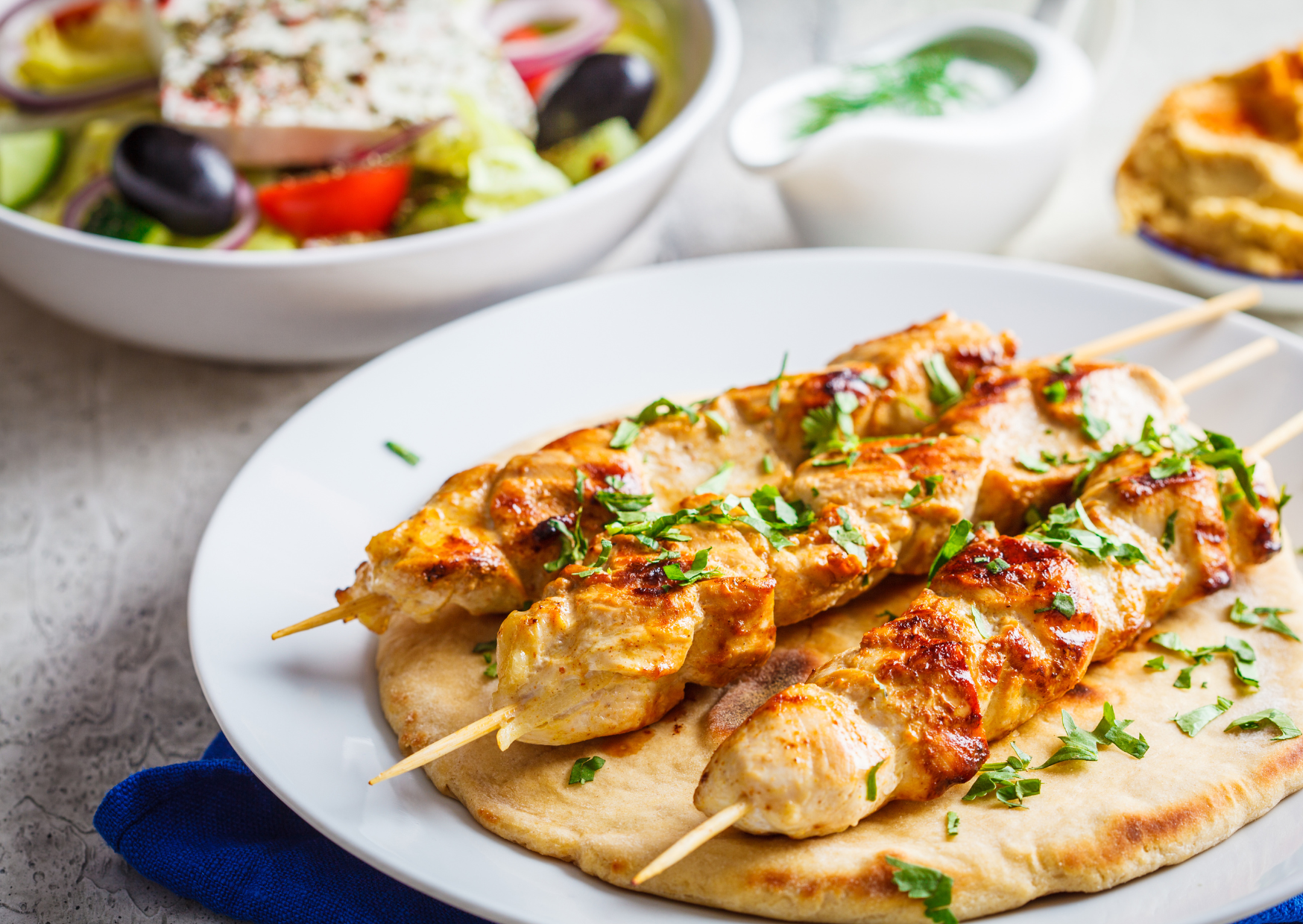
Here it is cleanly so you can copy it, then tweak it for your crowd. Measurements work in both U.S. and EU kitchens.
Greek Souvlaki, Lemon-Garlic or Yogurt Style
Serves 4 to 6
- 1 kg pork shoulder or chicken thighs, trimmed and cubed
- 80 ml extra-virgin olive oil
- 80 ml fresh lemon juice
- 200 g Greek yogurt if using the yogurt version, replace 40 ml oil and 40 ml lemon with the yogurt
- 4 garlic cloves, minced
- 1 medium onion, grated with juices
- 2 tsp dried oregano
- 1 tsp dried thyme or crushed rosemary, optional
- 1 tsp fine sea salt
- 1 tsp black pepper
- Wooden skewers, soaked 30 minutes, or metal skewers
- To finish: lemon wedges, olive oil, chopped parsley or oregano, flaky salt
- Mix marinade. In a bowl, whisk oil, lemon, yogurt if using, garlic, grated onion and juices, oregano, thyme, salt, and pepper.
- Toss meat in marinade, coat well. Cover and chill. Time it based on your meat: pork or lamb 2 to 4 hours, chicken thighs 1 to 3 hours, chicken breast 30 to 90 minutes. Yogurt version can go up to 24 hours for pork, lamb, or thighs.
- Heat grill to medium hot with a cool zone. Thread meat snugly on skewers.
- Wipe grill grates with a lightly oiled towel. Shake excess marinade from skewers and lay them over direct heat.
- Turn every 20 to 30 seconds for the first few minutes, then every minute, moving to the cool zone at the first sign of flare. Cook until just done, 7 to 12 minutes depending on meat and heat.
- Rest 3 to 5 minutes. Slide off skewers onto a platter. Spoon over a little olive oil and lemon. Scatter herbs. Taste, add a pinch of flaky salt if needed, and serve with warm pita and a simple salad.
Why it works. You have acid plus antioxidants at the surface, oil to even heat, small pieces for fast cooking, frequent turns to avoid harsh edges, and a cool zone to finish without smoke. It is the opposite of sticky sweet sauce over a bonfire.
Smart Swaps, Sides, And How To Eat It
You can do this with a different flavor profile and keep the chemistry advantage. The pattern is acid, oil, herbs, and garlic or onion. Try lime, olive oil, crushed coriander, and mint for a Levantine note. Or white wine, olive oil, garlic, rosemary, and lemon peel for a more mainland Greek vibe. Keep sugar low, avoid baking soda, and keep the pieces small.
Pair souvlaki with acidic, fresh sides that match the marinade. Tomato-cucumber salad with olive oil and vinegar. Bitter greens with lemon. Grilled zucchini brushed with oil and herbs. Tzatziki for coolness and extra lactic tang. Pita warmed on the cool side of the grill, never directly over flames until crisp, so you avoid charring your bread.
If you want that shiny glaze moment, save it for vegetables or grill-safe fruit where the stakes are lower. Brush halved peaches or thick pineapple slices with a tiny spoon of honey and lemon for the last minute on the cool side, then pull before any dark spots appear.
If You Only Change Three Things
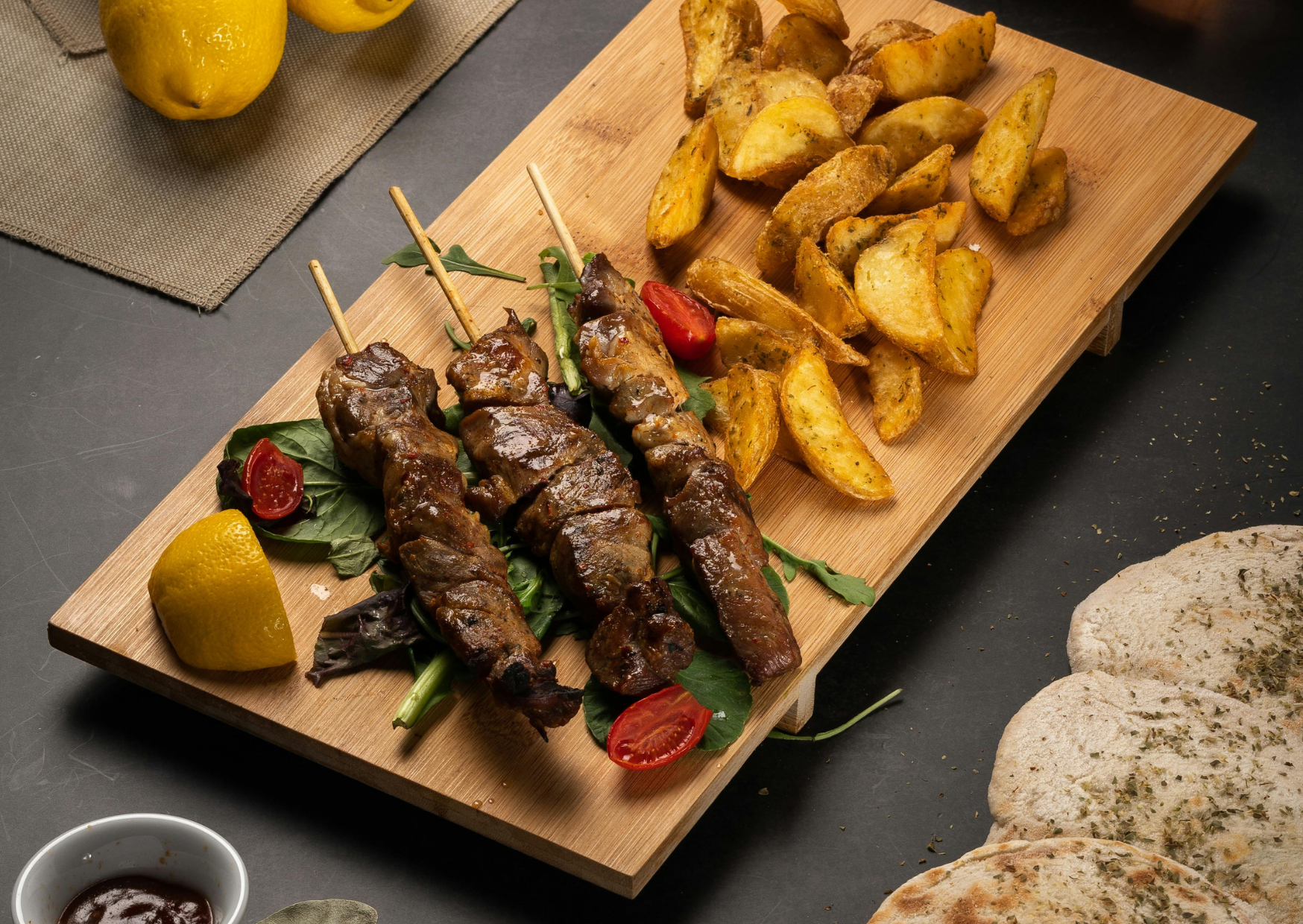
You do not need to overhaul your summer to feel the difference at your next cookout. Start here.
Marinate for at least thirty minutes in an acid-and-herb blend, or up to a few hours, to build a protective, flavorful surface. Yogurt buys you time if your schedule slips.
Cut small and turn often. Skewers change the game. You spread the heat, reduce drips, and keep the surface moving. That lowers the chance of the reactions you do not want and makes for even, appetizing browning.
Control the fire. Two zones, moderate flames, a quick move off heat at the first sign of lick. Finish where the meat can coast. Trim char flakes before serving.
The payoffs are immediate. You get better flavor, less bitterness, fewer throat-catch burns, and a backyard grill that does not smell like an oil fire. Souvlaki proves you can keep the pleasure and skip the penalty. It tastes like vacation and feels like you can go back for one more skewer without regret.
Origin and History
Souvlaki traces its roots back to ancient Greece, where skewered meats were cooked over open fires and seasoned simply with salt and herbs. Early versions focused on technique and timing rather than heavy sauces or complex marinades.
As olive oil and citrus became staples of Greek cooking, marinades evolved to include lemon, garlic, and herbs. These ingredients were not used to mask flavor, but to complement the meat and prepare it for high heat.
Unlike many modern grilling traditions, Greek cooking emphasized patience before cooking rather than intervention during it. Marinating became a preparatory step that ensured tenderness and even cooking.
Over generations, souvlaki developed into a street food icon, but its preparation remained rooted in home cooking wisdom. Time, not novelty, became the defining factor.
One common misconception is that marinating longer makes meat mushy. With souvlaki, the balance of acid and oil prevents breakdown while enhancing structure when used correctly.
Another controversy lies in the belief that marinades are purely for flavor. In Greek cooking, marination also prepares the meat for intense heat, reducing toughness and uneven cooking.
There is also debate over whether short marinades are sufficient. Many rushed versions rely on aggressive seasoning to compensate for lost time, resulting in surface flavor without depth.
Finally, some assume grilling skill alone can fix poor preparation. Greek tradition treats marination as non-negotiable, not optional.
How Long You Take to Prepare
Actual hands-on preparation is minimal. Cutting meat and mixing the marinade takes less than 15 minutes.
The real commitment is time. Traditional souvlaki marinates for several hours, often overnight, allowing flavors to integrate fully.
Grilling itself is quick, requiring only minutes per skewer over high heat. The marinade does its work before the meat ever touches the fire.
From start to finish, the process spans a day, but active effort remains low. Patience replaces complexity.
Serving Suggestions
Souvlaki is traditionally served simply, often wrapped in pita with minimal additions. The meat is meant to carry the meal.
Fresh elements like tomatoes, onions, and yogurt-based sauces provide contrast without overpowering the marinade.
Portions are modest, emphasizing balance rather than excess. Souvlaki is filling without feeling heavy.
It pairs best with shared dishes, reinforcing its role as social food rather than a standalone centerpiece.
Final Thoughts
Souvlaki succeeds because it respects time. The marinade is not a shortcut, but a foundation.
Understanding its history explains why rushing undermines the dish. Flavor, tenderness, and balance are earned, not forced.
Making souvlaki at home reveals how little intervention is required when preparation is done correctly. The grill becomes a finishing tool, not a rescue mission.
Ultimately, Greek souvlaki reminds us that patience in cooking often matters more than technique.

About the Author: Ruben, co-founder of Gamintraveler.com since 2014, is a seasoned traveler from Spain who has explored over 100 countries since 2009. Known for his extensive travel adventures across South America, Europe, the US, Australia, New Zealand, Asia, and Africa, Ruben combines his passion for adventurous yet sustainable living with his love for cycling, highlighted by his remarkable 5-month bicycle journey from Spain to Norway. He currently resides in Spain, where he continues sharing his travel experiences with his partner, Rachel, and their son, Han.