
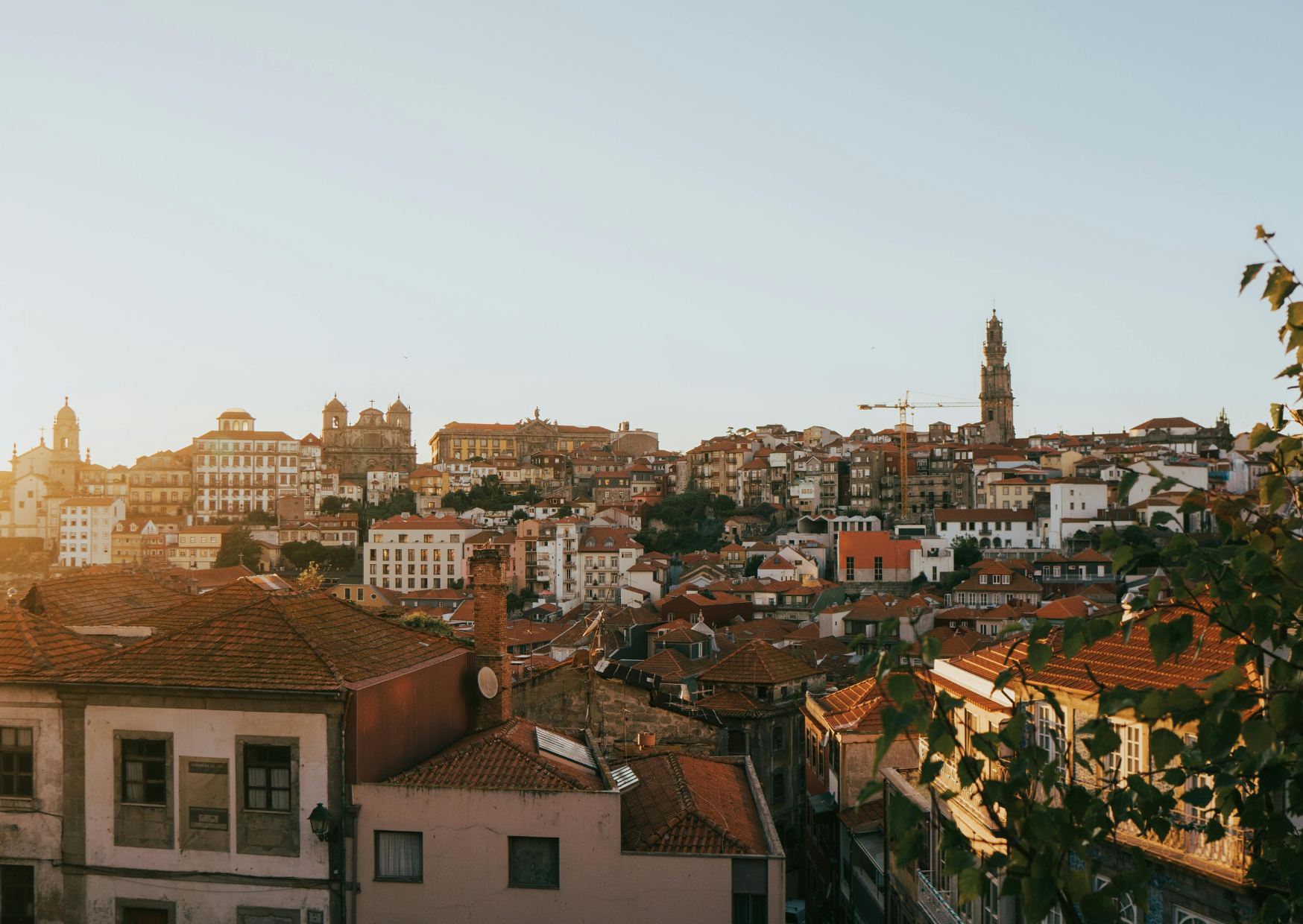
Portugal is still beautiful, still safe, still wildly livable in the right setup. But as of January 2026, the reasons Americans choose Portugal are often the exact reasons they burn out and quietly pivot to Spain.
Portugal gets sold to Americans like a cheat code.
Warm, walkable, “cheap,” friendly, ocean, pastries, and a visa pathway that sounds like it was designed for your laptop and your nervous system.
Then people land in Lisbon, post the tiled staircases and the sunset miradouros, and by month four their group chats turn into spreadsheets. By month eight they are muttering about landlords, AIMA appointments, and how the “simple life” somehow turned into four new bureaucratic errands and a housing situation that feels like a reality show.
From Spain, you can almost watch the pattern like weather. Someone arrives in Portugal high on the dream. Then they start asking about Valencia, Málaga, Barcelona, Madrid. Not because Portugal is terrible, but because the day to day friction is different than the fantasy.
Here’s what’s actually happening under the pretty photos.
The 64% number is not a census, but the churn is real
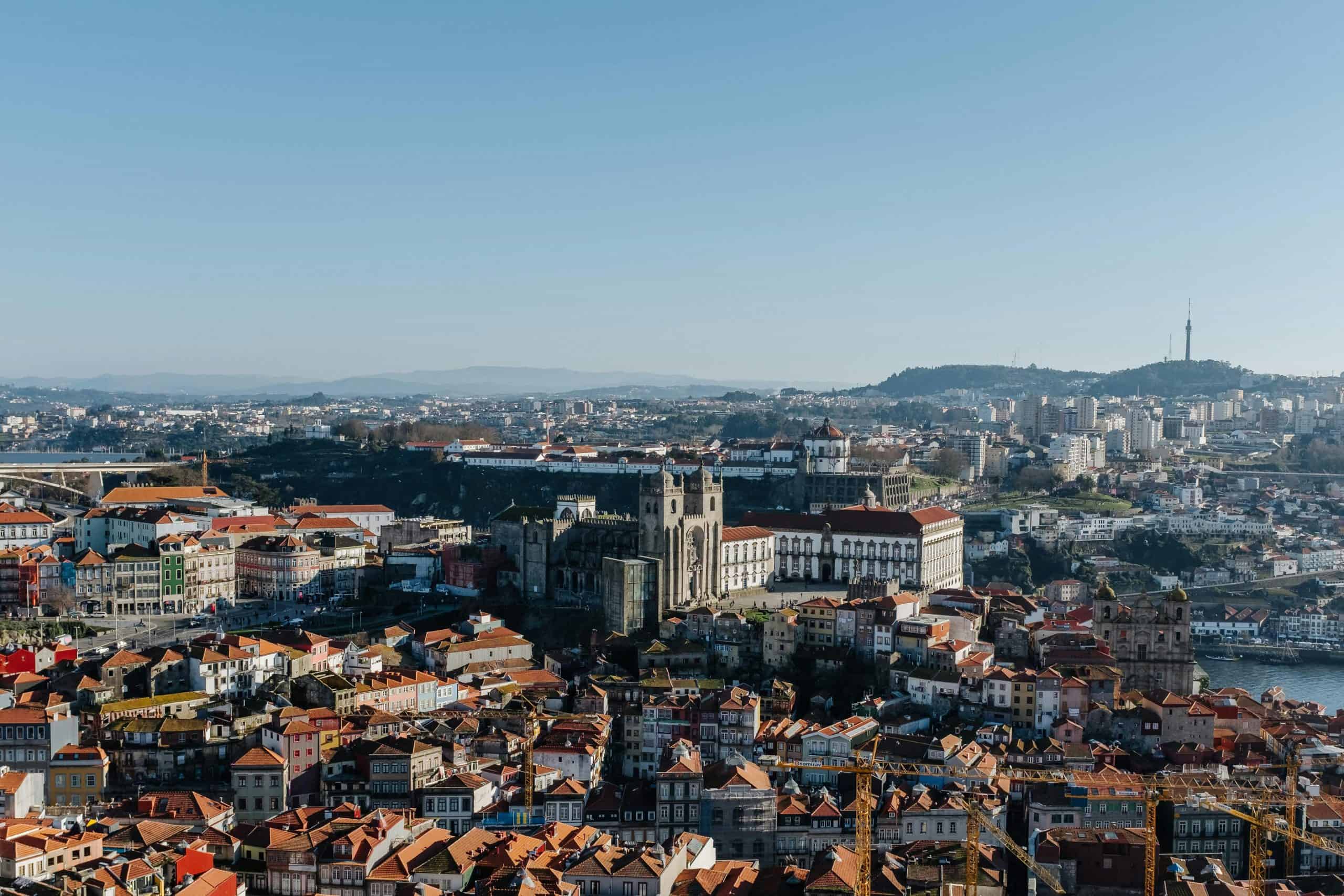
Let’s be blunt: there is no official Portuguese statistic that says “64% of American remote workers leave Portugal within 12 months.” Countries do not track “people who came for vibes and left because of rent plus paperwork.” What you do have is a pile of signals that point in the same direction: remote work attracts a lot of short stay newcomers, and Portugal in particular produces a fast “this is harder than I thought” moment.
Portugal’s expat satisfaction is genuinely high in some areas. In the 2025 InterNations Expat Insider survey, Portugal sits mid pack overall, with strong Quality of Life and weaker “working abroad” and admin related categories. That combination is exactly how you get churn: people love the country, then struggle with the practical scaffolding that makes daily life feel easy.
And churn is baked into the remote worker personality profile. Remote work enables exit. If your income is mobile, your tolerance for friction is lower. You do not “push through” the way someone with a local job contract might. You just switch countries.
Also, Portugal stopped being the cheap secret. In a market where housing is the main pain point, the moment rent starts resembling richer countries, you lose the biggest reason people were willing to tolerate the admin, the language barrier, and the expat bubble effect.
So if you came for a bargain and a breeze, and you find paperwork plus rising rent, your brain does a simple calculation: why stay here specifically when Spain, France, and even parts of Italy can offer similar lifestyle with different trade offs?
That’s the real meaning behind the “64%” vibe. Not mass failure. Just a high rate of people treating Portugal like a chapter, not a home.
Housing is the trap door, not pasteis or prices at the café
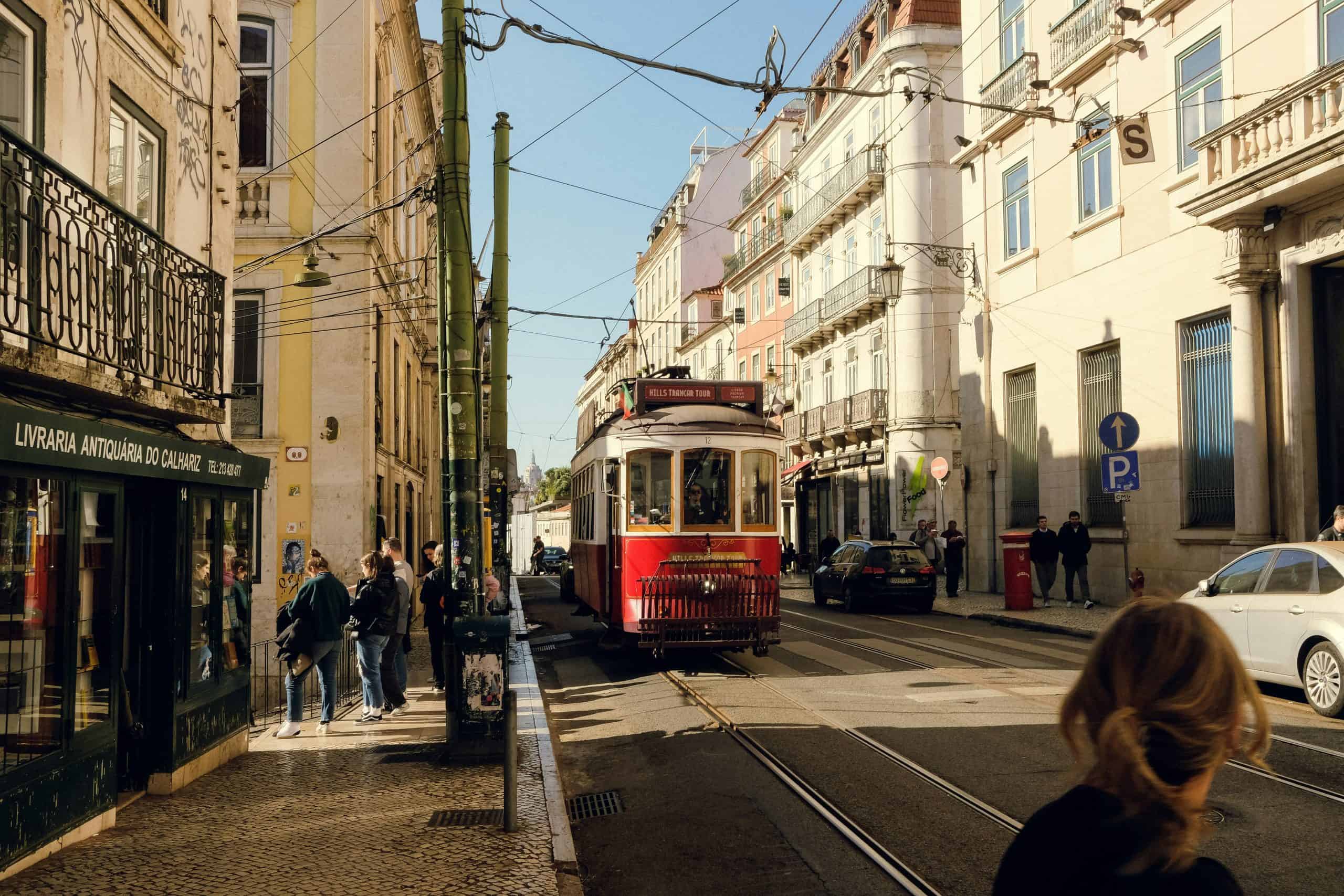
Everyone thinks the budget killer will be dinners and wine and daily coffees.
It is rent.
Portugal’s rental market has been setting records, and Lisbon is the headline. By late 2025, reporting tied to idealista data put the national median around €17 per m², with Lisbon around €22.8 per m² and Porto not far behind. Do normal math on a normal apartment and it stops feeling like a hack.
An 80 m² flat at €22.8 per m² is roughly €1,824 per month before you have paid electricity, internet, or the “you need a dehumidifier or you will grow mushrooms” winter reality in older buildings.
Now layer in the newcomer tax:
- Deposits that feel heavier than expected.
- Landlords asking for multiple months up front.
- Competition from short term rentals in central neighborhoods.
- Apartments that look charming online and feel damp in real life.
Portugal’s broader housing politics reflect this pressure. There have been repeated protests about surging house prices and rents, and policy fights about short term rentals and housing supply. When locals are protesting, it tells you the market is not just “a little tight.” It’s structurally strained.
This is where remote workers hit their first emotional wall. They moved for affordability, then their biggest line item looks like a smaller American city, except with fewer creature comforts and more landlord control.
Once housing stops being a bargain, the tolerance budget collapses. Everything else becomes less cute.
The visa looks straightforward, and then the paperwork phase eats your year
Portugal’s digital nomad framework is real, and in many cases it works. But the lived experience is not just “apply, arrive, relax.” It’s “apply, arrive, and then manage a sequence of administrative steps that can feel slow and unpredictable.”
Two practical realities collide here:
- Portugal’s remote work pathways are tied to minimum income thresholds that move with the minimum wage. In January 2026, Portugal’s minimum wage increased to €920, which pushes the common “4x minimum wage” remote worker benchmark up to €3,680 per month. If you are an American remote worker, you might qualify, but the bar is not symbolic. It shapes who can enter, and it shapes expectations once you arrive.
- Portugal’s immigration administration has been under strain, especially through the SEF to AIMA transition and the backlog era. In mid 2025, there were official extensions of certain residence permit validity dates tied to that disruption. This matters even if you are not personally in the affected cohort, because it signals what the system has been juggling: a lot of people, a lot of documents, and a lot of delayed renewals.
Here’s how this turns into churn:
- You arrive and you are functional as a visitor.
- You start needing local infrastructure: appointments, renewals, proof of status, smooth access to services.
- The timeline is slower than your American brain expects.
- You spend too many mornings refreshing portals, sending emails, chasing stamp like confirmations.
Remote workers do not mind doing paperwork once. What breaks them is paperwork as a recurring lifestyle.
And once someone starts saying “Spain looks simpler,” it is hard to unsee the option.
Taxes changed, the “Portugal discount” got narrower, and people notice late
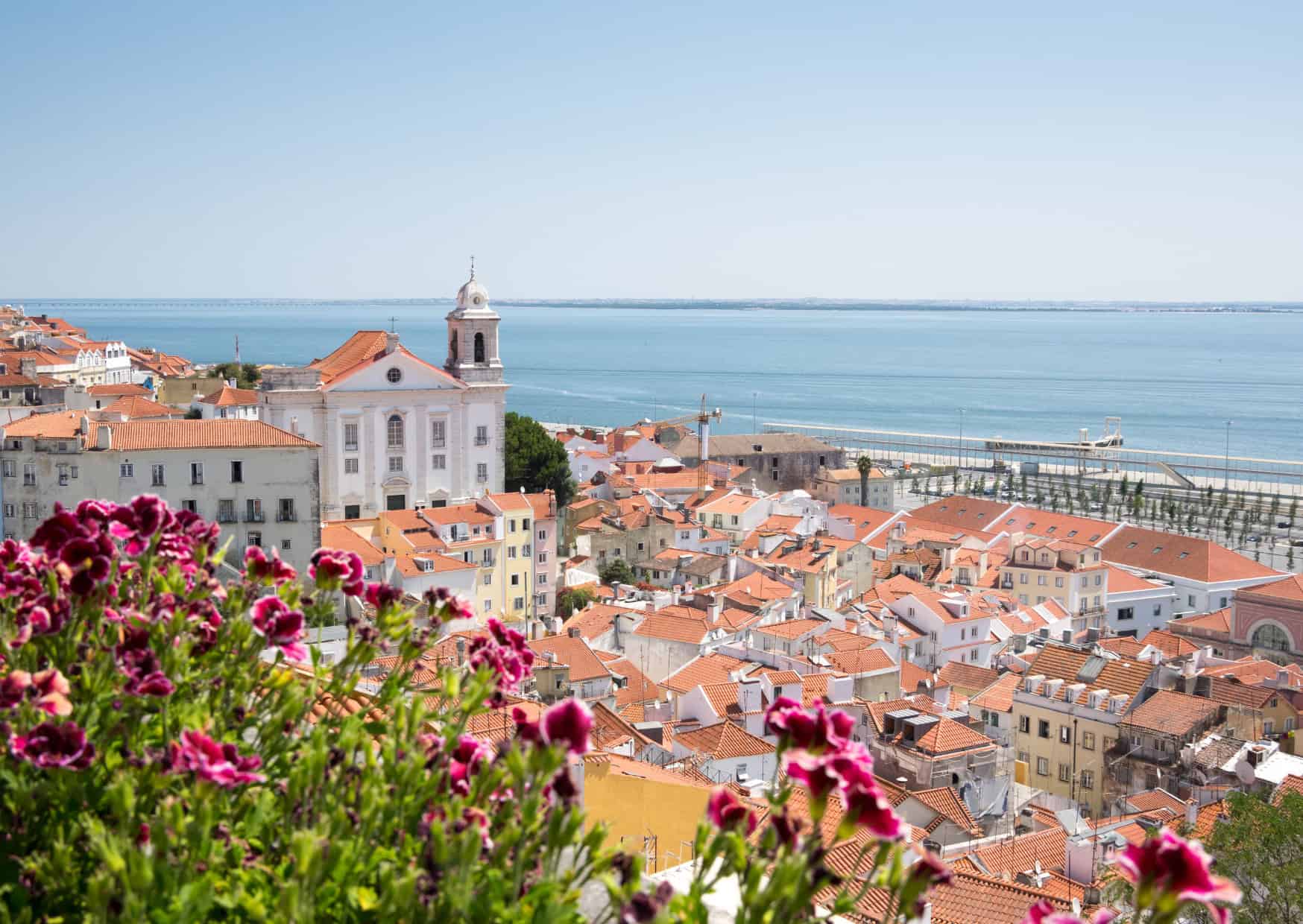
A huge chunk of the Portugal dream used to be the tax story.
That story shifted.
Portugal’s old Non Habitual Resident regime is no longer the universal shiny magnet it once was for new arrivals, and the replacement incentives are narrower and more targeted. The practical outcome is that a lot of Americans arrive with an outdated mental model, then discover they are simply in normal tax territory, often with complexity on top.
You do not need a dramatic tax disaster to trigger churn. You just need disappointment.
Here is the common sequence:
- Someone plans their Portugal move around a friend’s older tax outcome.
- They arrive and discover the current incentive landscape is not the same.
- They realize their remote income, their US filing obligations, and their local tax residency reality will require real planning.
- They look at rent again and ask if the full package is still worth it.
And that is before you get into the softer tax adjacent costs: accountants, consultations, and the mental load of doing it “right.”
The Spain comparison shows up here too. Spain is not universally “cheaper” and it has its own tax complexity, but the lifestyle value proposition can feel higher for some people because the cities are bigger, the internal transport network is intense, and the social integration can be easier in certain places if you are willing to learn Spanish.
So Portugal loses some people not because it is worse, but because its advantage narrowed and the internet did not update the sales pitch.
The day to day life is gorgeous, and then week eight hits
Portugal is an easy country to fall in love with quickly.
It is also an easy country to feel strangely unrooted in, especially if you land in a foreigner heavy Lisbon bubble.
This is the part nobody wants to admit online because it makes you sound ungrateful. But it is real.
A lot of remote workers come from American cities where social life is built into work, speed, and constant movement. Portugal moves differently. It is calmer. It is slower. That can feel like healing for a month, and like isolation by month three.
A few friction points that show up again and again:
- Time zone drag if you are working US hours. The schedule looks glamorous until your body realizes you are starting meetings at 6pm and finishing late.
- Seasonal reality. Portuguese winters can feel damp and indoor cold in older buildings, even when the outside temperature looks mild on paper.
- Service culture mismatch. Not rude, just different. Americans interpret “not performative” as “hostile,” and Portuguese staff interpret American eagerness as intense.
- Language ceiling. You can survive in English in parts of Lisbon. But survival is not belonging.
Some people push through and build a real life. Many do not. They treat Portugal like a long vacation with paperwork, and eventually they crave a city that feels more plugged in.
Spain often becomes that outlet because it is close, culturally adjacent, and full of mid sized cities where remote workers can live well without Lisbon level pressure.
Portugal is not the villain here. The villain is the expectation that a pretty place automatically becomes home.
The budgets that work, and the budgets that quietly push people out
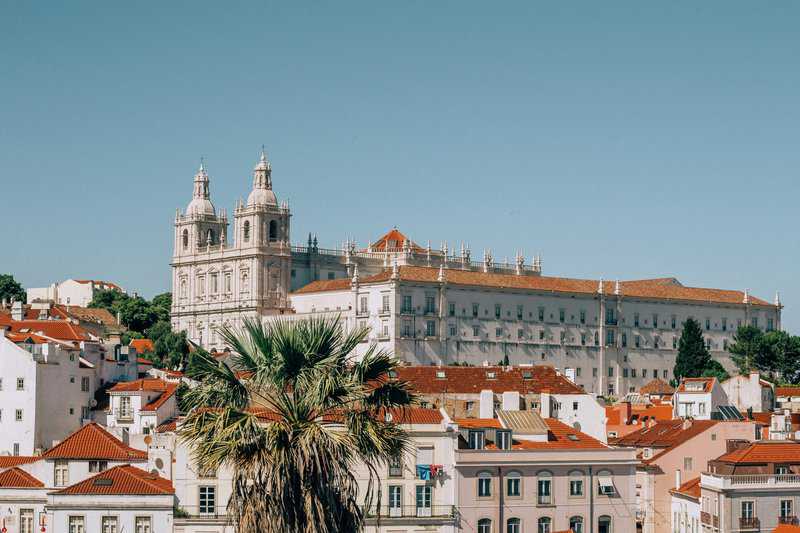
Let’s talk numbers in the way remote workers actually experience them, with one simple conversion so you can sanity check it. The European Central Bank reference rate on 2 January 2026 was €1 = $1.1721.
Here are three realistic monthly shapes for a single remote worker renting a one bedroom, living a normal life, not eating out like a tourist every night.
Lisbon, “I want the postcard life”
- Rent (1 bedroom, well located): €1,300 to €1,900 ($1,524 to $2,227)
- Utilities + internet + mobile: €110 to €180 ($129 to $211)
- Groceries: €280 to €380 ($328 to $445)
- Eating out and coffees: €180 to €300 ($211 to $352)
- Transport: €50 to €90 ($59 to $105)
- Health and pharmacy extras: €40 to €80 ($47 to $94)
- Admin and misc: €120 to €220 ($141 to $258)
That is roughly €2,080 to €3,150 per month ($2,438 to $3,692) before travel, before furnishing, before a surprise dental bill, before your laptop dies.
Porto, “I want city energy but less pressure”
You can often bring rent down a bit, and the vibe is still urban. Your total monthly can drop a few hundred euros, sometimes more, depending on rent.
Braga, Coimbra, smaller cities, “I want calm and a runway”
Here is where Portugal can still feel like a cheat code. But you have to actually want that life, not just tolerate it.
Now add the one offs that kill people in the first year:
- Security deposit and move in costs.
- Furnishing and appliances in partially equipped flats.
- Multiple trips for appointments, documents, renewals.
- A flight back to the US for family or medical reasons.
Remote workers who leave within a year often have the same story: they did not run out of money, but their margin disappeared. Living on margin is stressful, and it turns every inconvenience into a crisis.
Couples handle this better because fixed costs split. Singles feel every euro personally, and Portugal’s rising housing costs make that difference sharp.
Why Portugal becomes Spain in the second year for so many people
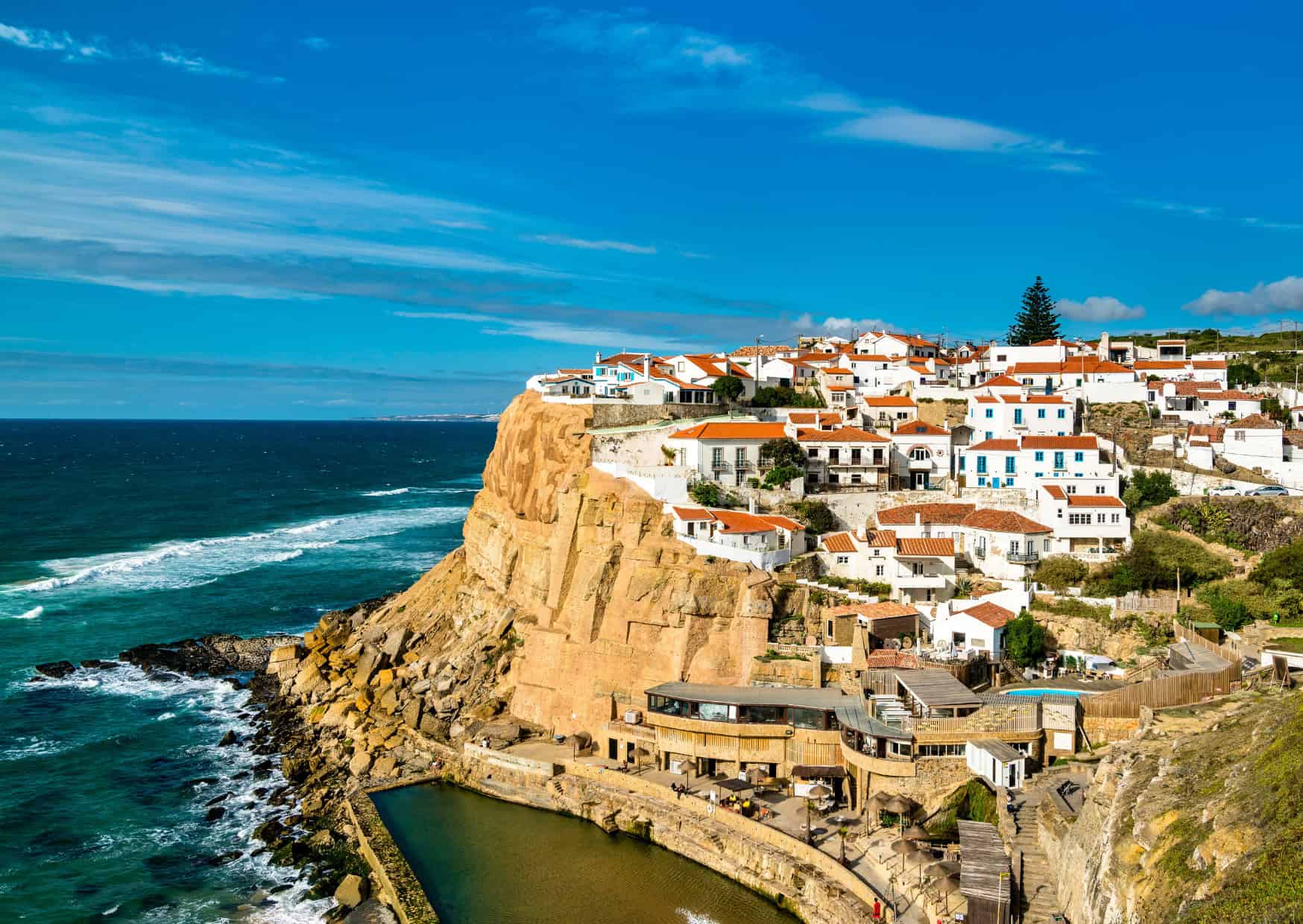
The most common pivot is not “back to America.” It is “Portugal was great, but Spain fits us.”
Here’s why that happens, in plain terms:
- Spain has more large and mid sized cities where you can be car free and still feel fully plugged into culture, transport, and services.
- The internal rail and bus networks between big population centers can make weekend travel feel easier, which matters more than people think when you are building a life.
- The social fabric in many Spanish cities is loud and communal and repetitive. Repetition makes you visible, and Spain rewards routine friendships.
- The housing crunch exists in Spain too, but remote workers often find more “second tier city” options that still feel cosmopolitan.
Portugal has equivalents, but the Portugal dream sold to Americans is usually Lisbon and coastal fantasy. Spain’s equivalent fantasy includes multiple on ramps.
So a typical story looks like this:
- Portugal first, because it is the loudest Instagram pitch.
- Spain second, because the lifestyle feels more scalable long term.
Not always. Not for everyone. But the migration path is common enough that you should plan for it as a possibility, not a personal failure.
Your first seven days should be a stress test, not a honeymoon
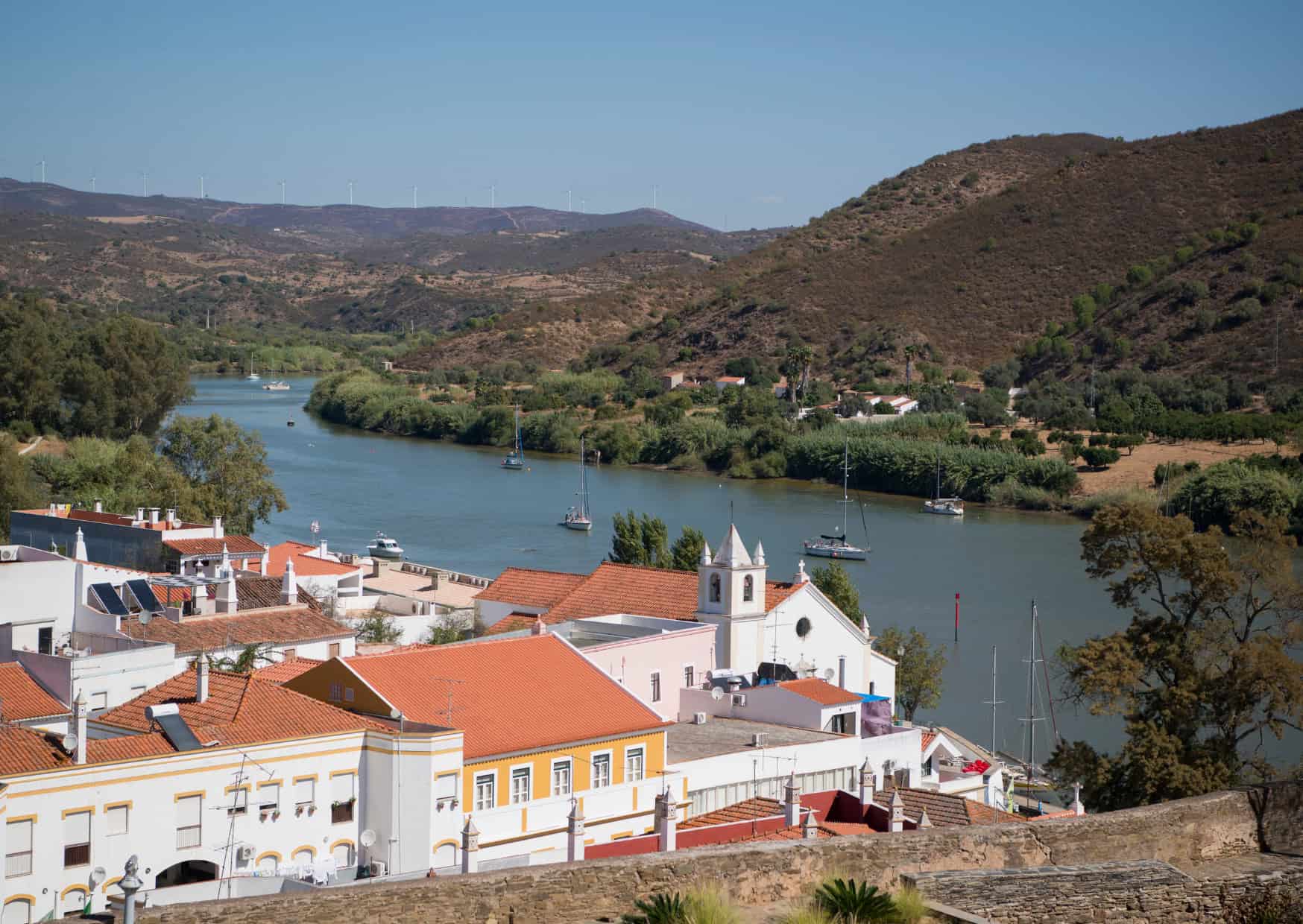
If you are considering Portugal as a remote worker, the smartest thing you can do is treat the first week like a test run, not a romance.
Day 1: Price housing with brutal honesty
Run rent scenarios for Lisbon and one alternative city. Decide your ceiling. Housing sets the whole game.
Day 2: Build a real monthly budget
Do not guess. Create a line item plan that includes utilities, groceries, transport, health extras, admin, and a buffer.
Day 3: Decide your work hours
If you are on US time, write the weekly schedule down. Be honest about what it does to your body and your social life. Timing beats willpower.
Day 4: Choose your “integration lane”
Pick one: Portuguese lessons, a gym, a local market routine, a hobby group. One lane, not ten.
Day 5: Map your admin sequence
Make a checklist of the IDs, appointments, and renewals you will need, and what you will do if timelines slip. People quit when they feel trapped.
Day 6: Run the Spain comparison on purpose
Not to sabotage Portugal, but to clarify it. Compare Lisbon to Valencia. Compare Porto to Málaga. See which trade offs you actually prefer.
Day 7: Decide what success looks like
Is success “I stay forever,” or is success “I try Portugal for a year, and then choose again”? You are allowed to treat this like a chapter.
Portugal works best when you move there for the real Portugal, not for a viral version of it. If you want slower, calmer, and you can handle the admin and the housing math, it can be excellent.
If you are chasing a bargain beach life with zero friction, you will probably join the people quietly leaving. Not because you failed.
Because the dream you bought was never the product.

About the Author: Ruben, co-founder of Gamintraveler.com since 2014, is a seasoned traveler from Spain who has explored over 100 countries since 2009. Known for his extensive travel adventures across South America, Europe, the US, Australia, New Zealand, Asia, and Africa, Ruben combines his passion for adventurous yet sustainable living with his love for cycling, highlighted by his remarkable 5-month bicycle journey from Spain to Norway. He currently resides in Spain, where he continues sharing his travel experiences with his partner, Rachel, and their son, Han.