
I used to do the American thing where food turns into math, and math turns into mood. You know the cycle. “Good” day, “bad” day, and a weird moral scoreboard built out of almonds and regret.
Then a very unglamorous moment in our kitchen in Spain snapped it.
I was tired, hungry, and one minor inconvenience away from ordering something expensive and sad. Not a feast, not a treat, just that hollow convenience meal that somehow costs more than it should and leaves you rummaging again at 10 p.m.
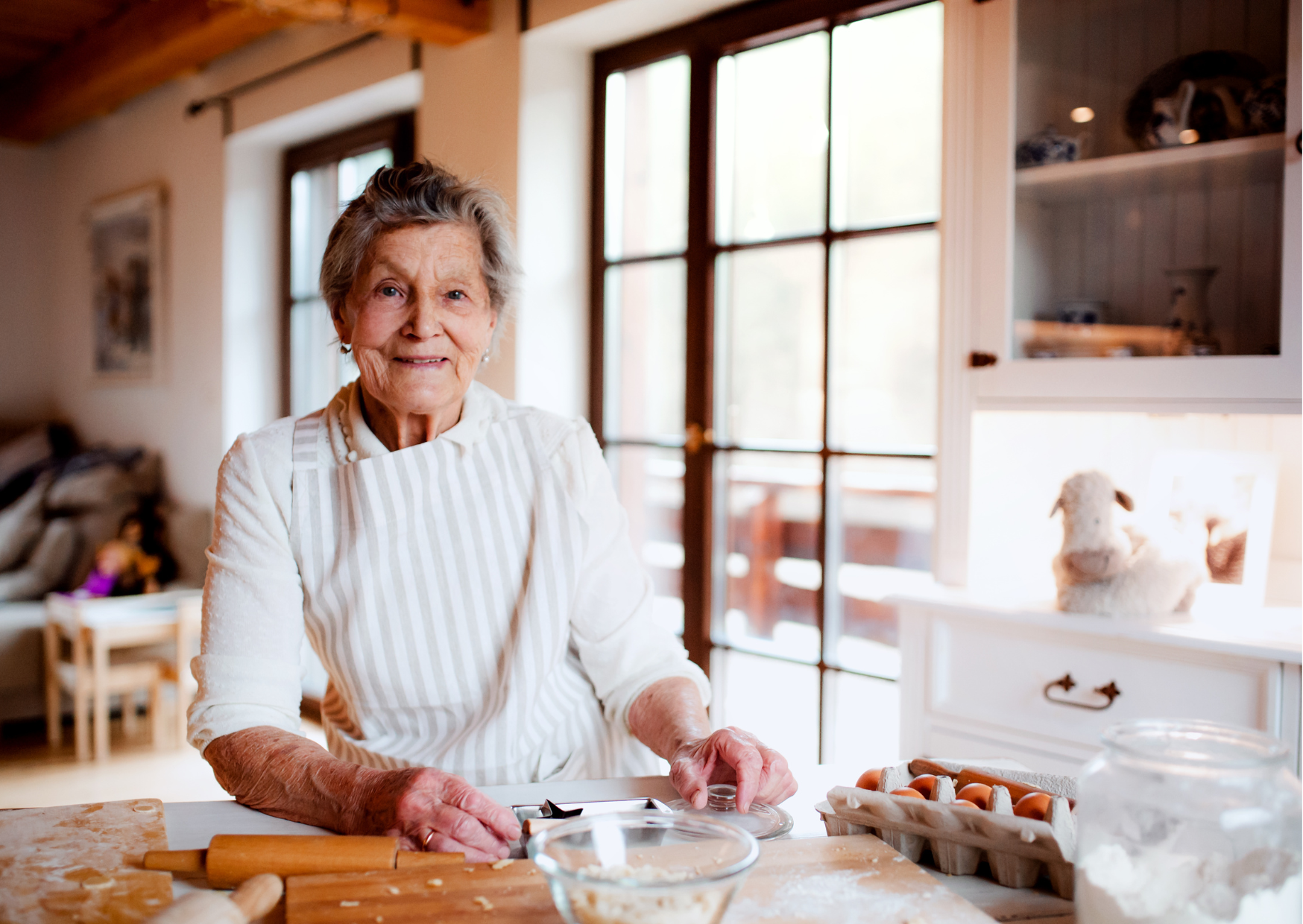
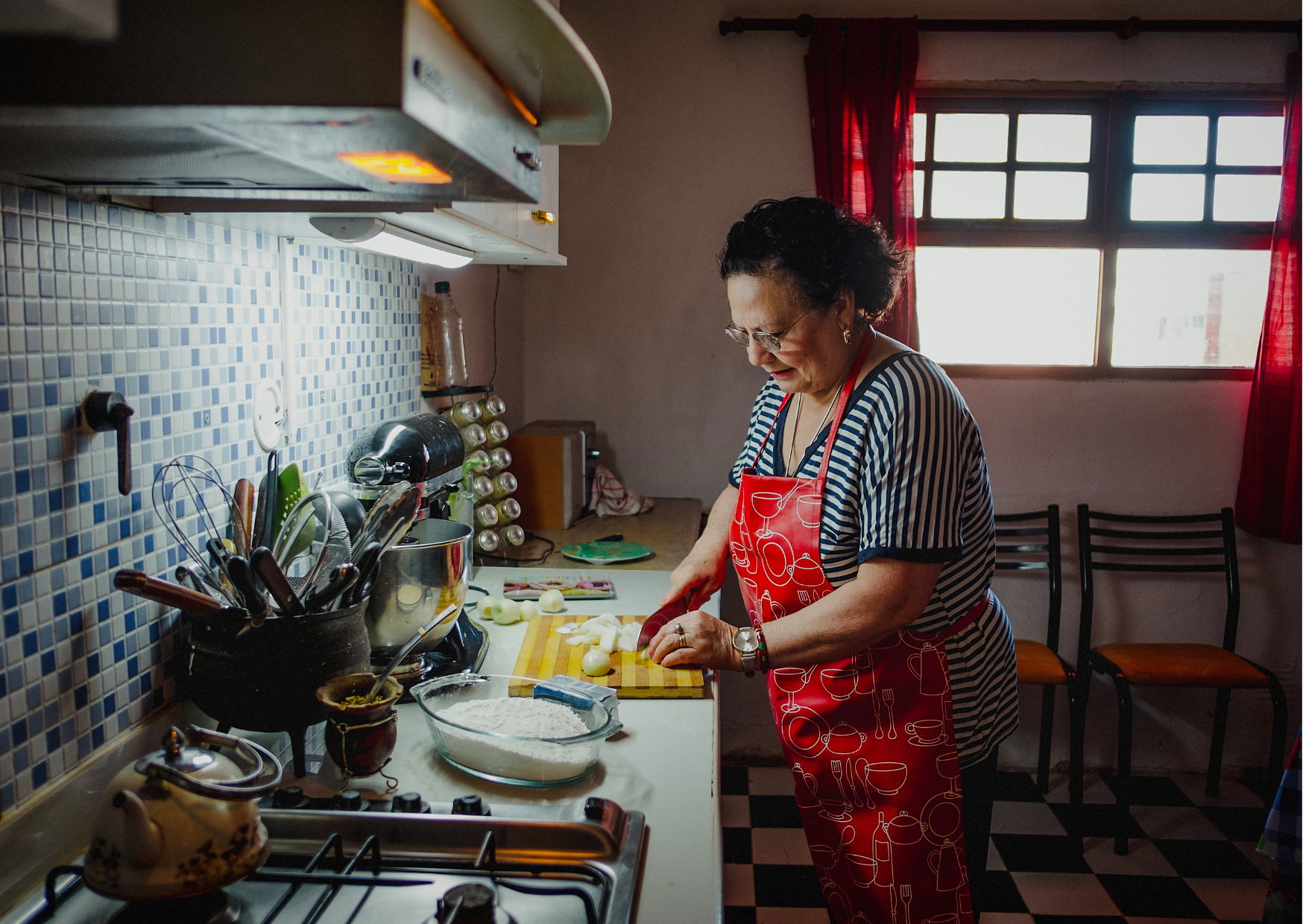
An older Italian woman in our building has this solution to basically everything: a pot. A real pot. Not a cute one. A heavy one that sits on the stove and makes enough food to shut down chaos for days.
Her version of “diet food” is what most Americans would call a carb crime. Pasta. Beans. Olive oil. Real cheese if you want it. And yet her plate looks like food, not punishment.
So I copied the method, not the mythology. For 7 weeks, I stopped tracking calories and started cooking one big pot meal the way she does: pasta as part of a system, not pasta as a dare. I still ate pasta several times a week, and I was down 11 pounds by the end.
Not from suffering. From finally eating in a way that didn’t trigger snack spirals and last-minute decisions.
Pasta didn’t “make me gain weight,” the way I was eating did
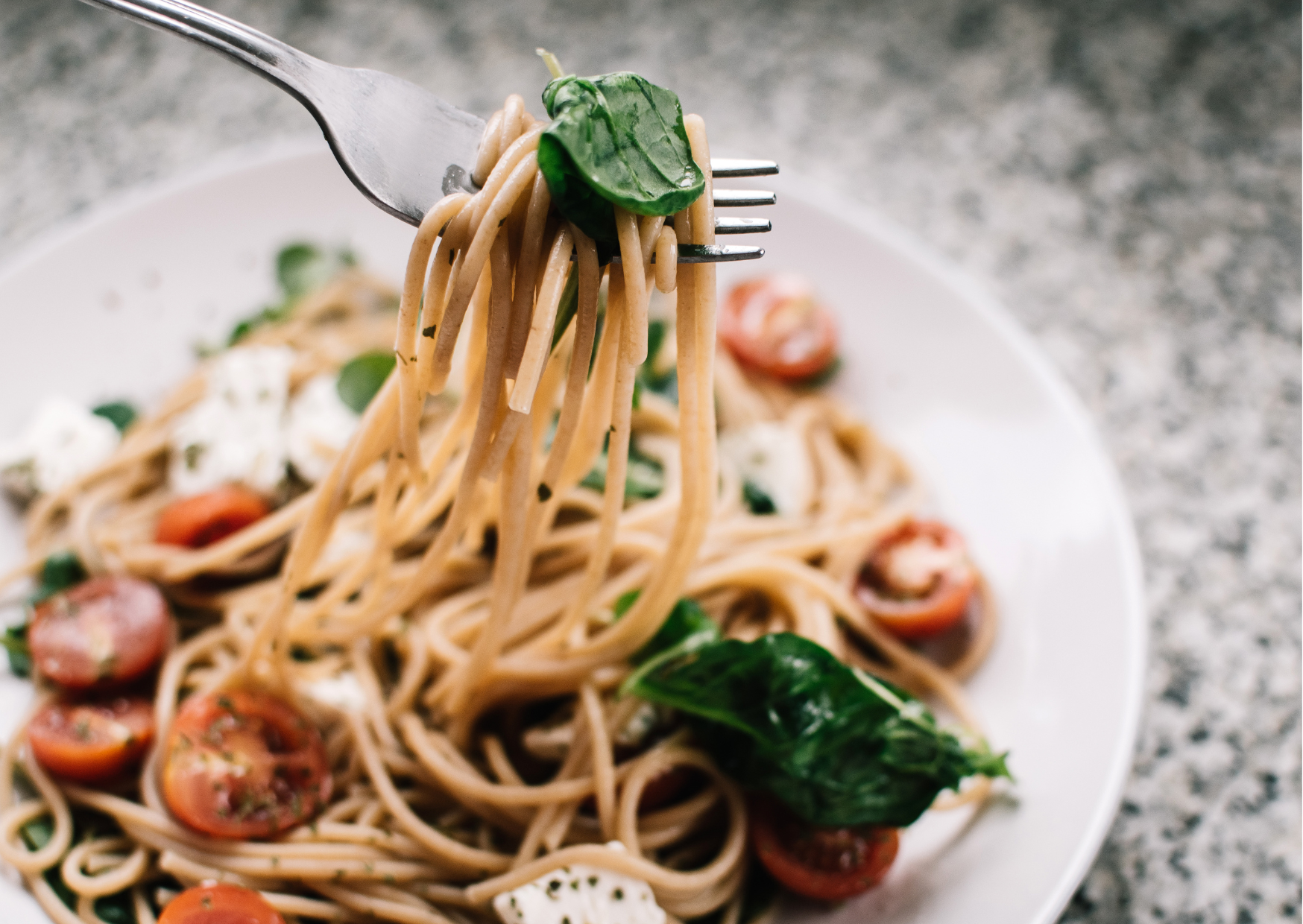
The American pasta problem usually isn’t pasta. It’s the context.
It’s pasta as the whole meal, in a huge bowl, with a sauce that’s basically oil and cheese and “why am I still hungry.” It’s eaten late, fast, and alone, and then dessert happens because the brain is still looking for satisfaction.
Italian grandmother cooking treats pasta like a lever. You pull it, it moves the whole week.
A normal plate has structure: something starchy, something plant-heavy, something that actually fills you up. Pasta shows up, but it doesn’t arrive alone like a needy toddler.
And the serving sizes are not American restaurant servings. They’re portion-sized on purpose, because pasta is meant to be satisfying, not to knock you out.
When I stopped treating pasta like an all-or-nothing food, a few predictable things happened:
I stopped thinking about food all day.
I stopped needing “a little something” after dinner.
I stopped doing that weird daytime restriction that turns into nighttime revenge.
Also, the biggest shift wasn’t even what I ate. It was when and how often I cooked. I stopped outsourcing my appetite to random decisions and started feeding it like an adult.
The Italian grandmother rules that replaced calorie counting
This is the part people want to romanticize, so let’s make it blunt.
Italian grandmother style is not “eat pasta and magically be thin.” It’s not vibes. It’s guardrails.
Here are the rules that mattered in real life.
First, pasta is rarely lonely. If pasta is in the pot, there’s almost always beans, vegetables, or greens in there too. That’s fiber, bulk, and actual fullness.
Second, the pot decides the week. You cook once, and you eat like a sane person for multiple meals. That alone kills the constant decision fatigue that fuels overeating.
Third, the fat is measured. Not counted like a spreadsheet, measured like a cook. A spoon. Not a free pour while distracted. Olive oil is wonderful, and olive oil can also quietly become half your calories if you’re not paying attention. The rule is olive oil with intention.
Fourth, bread and snacks aren’t forbidden, they’re just not the emotional support system. The food in the pot does that job.
Fifth, meals have timing. Not because of a trend, because it prevents the late-night hunger spiral. If you keep dinner late and light, you will snack. If you eat a real meal and then walk, you usually don’t. Timing beats willpower is annoyingly true.
And yes, this fits a Mediterranean rhythm most Americans aren’t used to: a more substantial lunch, a calmer dinner, and fewer frantic “I forgot to eat” moments that end in snacks.
The recipe: Pasta e Ceci, the weeknight pot that feeds you twice
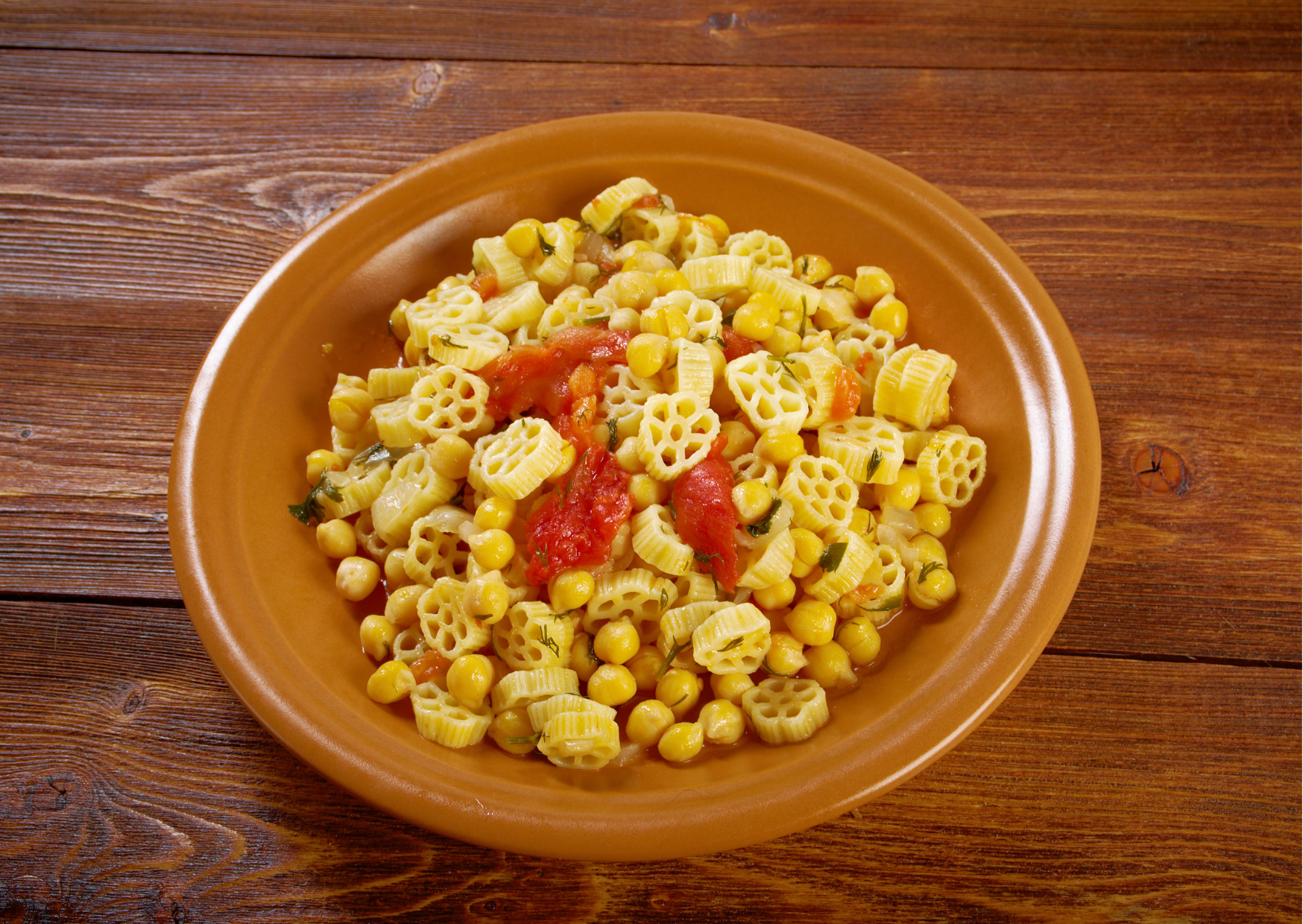
This is the dish that made the whole thing click for me. It’s classic Roman comfort food, chickpeas simmered into a thick stew, then finished with small pasta. It tastes like you did something noble with your life, even if you cooked it in old pajamas.
It’s also quietly perfect for anyone trying to lose weight without living in a tracking app, because it’s high-satiety by design.
Pasta e Ceci (Chickpea Pasta Stew)
Servings: 6 big bowls
Prep time: 15 minutes
Active time: 25 minutes
Simmer time: 35 to 45 minutes
Rest time: 10 minutes
Total time: About 1 hour 15 minutes
Equipment
- Large heavy pot or Dutch oven
- Cutting board and knife
- Wooden spoon
- Ladle
- Fine grater (for cheese, optional)
- Immersion blender (optional, but helpful)
Ingredients (with US-friendly measures)
- Extra virgin olive oil: 45 ml (3 tbsp), plus more to finish
- Onion: 150 g (1 medium), finely chopped
- Carrot: 100 g (1 medium), finely chopped (optional but great)
- Celery: 60 g (1 stalk), finely chopped (optional)
- Garlic: 3 cloves, minced
- Tomato paste: 30 g (2 tbsp)
- Rosemary: 2 sprigs, or 1 tsp dried
- Chili flakes: 1/4 tsp (optional)
- Chickpeas: 2 cans (400 g each), drained and rinsed (about 480 g drained, about 3 cups)
- Stock or water: 1.5 liters (6 cups), plus more if needed
- Small pasta (ditalini, tubetti, small shells): 240 g dry (about 2 1/2 cups)
- Salt and black pepper
Optional, nonna-style extras
- Pancetta: 60 g (about 2 oz), diced
- Parmesan or Pecorino: 30 to 50 g (about 1/3 to 1/2 cup grated)
- Lemon zest for finishing (surprisingly good)
Method
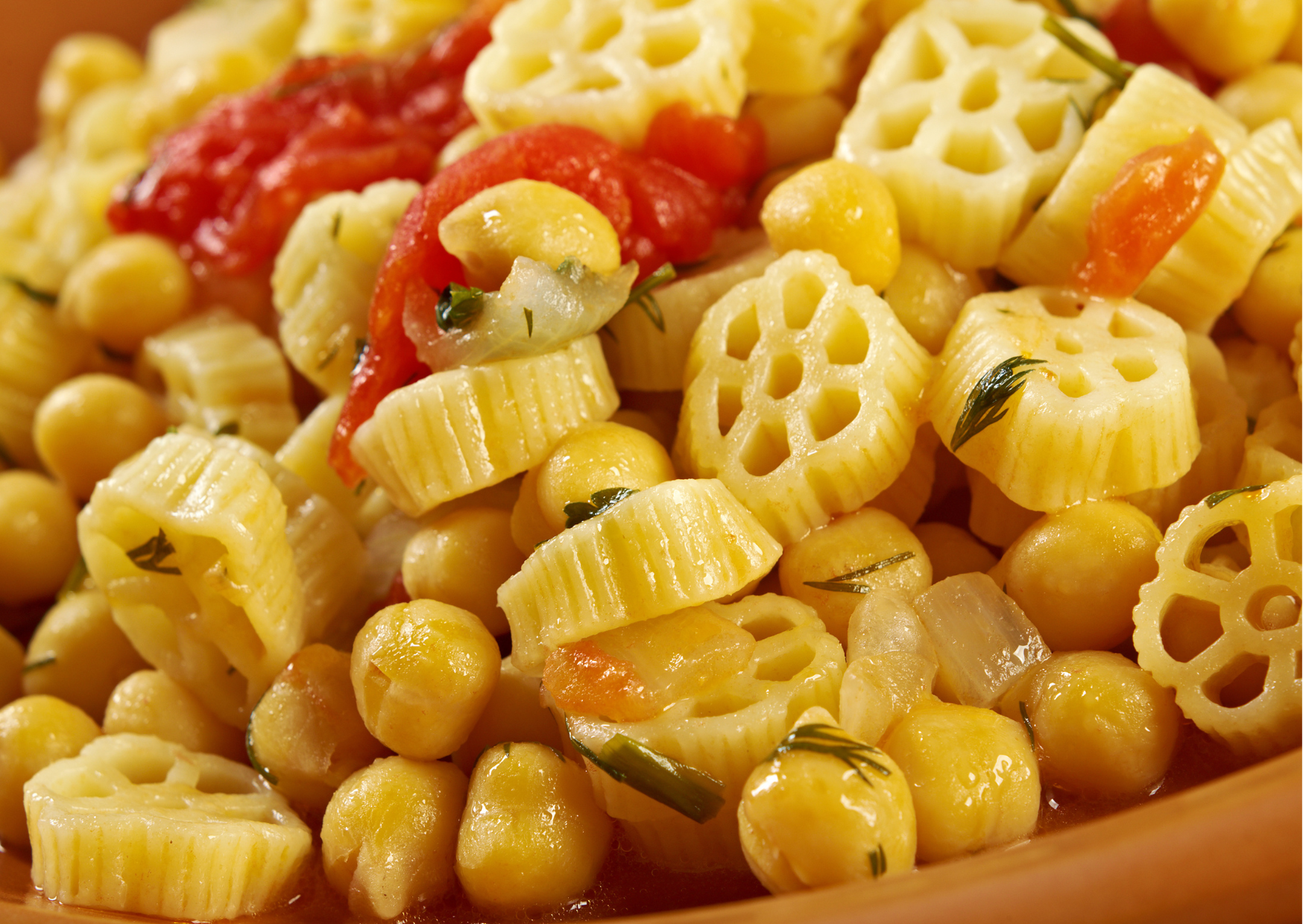
- Start the base. Heat the olive oil in your pot over medium heat. Add onion (and carrot and celery if using). Cook 8 to 10 minutes until soft and sweet, not browned. This is the flavor foundation, and it’s worth the time.
- Add the flavor. Stir in garlic, rosemary, and chili flakes. Cook 30 seconds. Add tomato paste and cook 1 to 2 minutes, stirring, until it darkens slightly. That tiny step makes it taste like it simmered all day.
- Bring in the chickpeas. Add drained chickpeas and stir to coat. Add stock or water. Bring to a simmer.
- Thicken it on purpose. Take a ladle of chickpeas and broth and mash it with a fork, or use an immersion blender for 5 seconds right in the pot. You’re not making purée. You’re making the stew creamy without cream. This is beans doing the heavy lifting.
- Simmer. Let it simmer 25 to 35 minutes, partially covered. Stir occasionally. If it gets too thick, add a splash more water.
- Cook the pasta in the pot. Add the pasta and cook until just tender, stirring so it doesn’t stick. If it starts looking dry, add more water in small splashes. Pasta will keep absorbing liquid.
- Rest, then finish. Turn off the heat and let it sit 10 minutes. It thickens into that perfect spoonable texture. Finish with black pepper, a small drizzle of olive oil, and cheese if using.
Short Shopping List (take this to the store)
- 2 cans chickpeas
- Small pasta (ditalini, small shells, tubetti)
- Tomato paste
- Onion, garlic, and rosemary
- Optional soffritto veg (carrot, celery)
- Olive oil
- Parmesan or Pecorino (optional)
Storage and leftovers
This dish is a dream, with one caveat: pasta keeps absorbing liquid.
- Fridge: 4 days, tightly covered. Add water when reheating.
- Freezer: Freeze the chickpea base before adding pasta, up to 3 months. When you’re ready, thaw, simmer, and cook fresh pasta in it.
- Reheat: Low heat, splash of water, stir slowly. It comes back to life.
Substitutions that still work
- No chickpeas: use cannellini beans or lentils.
- Gluten-free: use gluten-free small pasta, cook gently and watch the time.
- Want more greens: stir in spinach or chopped kale in the last 3 minutes.
- Want more protein: add a can of tuna at the end, very Spanish kitchen, very effective.
- Want the richer version: start with pancetta, then continue as written.
Why this works when you want to lose weight without tracking
A lot of “healthy” eating advice collapses because it ignores real hunger.
This doesn’t.
First, the energy density is lower than an American-style pasta bowl. This is pasta inside broth and beans, not pasta swimming in sauce. You get volume without the accidental calorie flood. That’s a fancy way of saying the bowl looks generous, and you’re not starving afterward.
Second, chickpeas pull two jobs at once: fiber and protein. That combo tends to produce fullness that lasts, which is the entire point if you’re trying to stop snacking out of desperation.
Third, the meal has a built-in speed bump. You eat it with a spoon. It’s hot. You slow down. You notice when you’re satisfied instead of inhaling food like a task.
Fourth, the routine matters as much as the recipe. When you have a pot like this in the fridge, you stop doing the “I’ll just grab something” dance. You eat real food earlier, and you don’t spend your evening bargaining with yourself.
Finally, pasta itself isn’t automatically a weight-gain button. In research contexts where pasta is eaten as part of a healthier dietary pattern, it hasn’t shown the scary effect people assume. The demon is usually the modern Western combo of huge portions, ultra-rich sauces, and constant eating opportunities, not the pasta in isolation.
The nonna logic is simple: make the food filling, repeatable, and available. Then your appetite stops acting like a feral animal.
How to eat pasta all week without turning it into a calorie bomb
This is where people mess it up. They cook one decent meal, then treat the rest of the week like a free-for-all.
Here’s the practical rhythm that kept my results boring and consistent.
Sunday or Monday: Cook the pot. Eat one bowl, and put the rest away immediately. Not later. Immediately. It stops the “just one more scoop” problem.
Next day lunch: Reheat a bowl and add a side salad or sliced tomatoes with salt. That’s it. Lunch becomes quietly high-quality without effort.
Next day dinner: Smaller bowl, add greens if you want. Then a 10 to 20 minute walk. Not a workout. Just movement that marks the end of eating.
Midweek reset: If you’re sick of it, don’t force it. Freeze the base next time. Or turn the leftovers into a different form: thin it into soup, add extra vegetables, or top with a fried egg if you’re feeling brave and slightly chaotic.
Weekend: Eat what you want, but keep one anchor meal that’s normal. The goal isn’t perfection. It’s not having five off-the-rails meals in a row because you got tired.
A pot like this also changes what “treat food” looks like. When your baseline meals are satisfying, you don’t need dessert to feel emotionally okay. That alone is a weirdly big win.
Common mistakes that make pasta “fattening” in the American way
If pasta has “never worked” for you, it’s usually one of these.
- You’re eating restaurant portions at home
A normal dry pasta portion is smaller than most Americans think. If you’re pouring pasta until the pot looks full, you’re probably doubling what you need. - Your sauce is doing the damage
Cream sauces, oil-heavy pestos, piles of cheese, and meat sauces that are basically fat delivery systems. Delicious, yes. Daily, no. - You made pasta the meal, and removed the structure
Pasta can be part of a balanced plate, or it can be the whole thing. When it’s the whole thing, you usually end up hungry again. - You’re eating it late
Late dinner plus screens plus “one more episode” is a snack trap. People blame pasta when the real culprit is the evening routine. - You didn’t cook enough food
This sounds ridiculous, but it’s the truth. If you only cook one portion, you will be back in decision fatigue tomorrow. The system works when you cook enough to make tomorrow easy. - You’re trying to be “good” instead of being consistent
A week of salad followed by a weekend of chaos is not a strategy. It’s a mood swing.
Italian grandmother cooking doesn’t chase perfect. It chases repeatable.
The next seven days, a non-dramatic Italian-grandmother reset
If you want to try this without turning it into another personality change, do this.
Day 1: Make Pasta e Ceci. Put half in the fridge, and if you’re smart, freeze one container of chickpea base before you add pasta next time.
Day 2: Eat it for lunch. Add something fresh on the side, tomatoes, cucumber, a simple salad. Keep it simple and normal.
Day 3: Eat a smaller bowl for dinner. Walk 10 to 20 minutes after. Don’t negotiate with yourself. Just go.
Day 4: Use the same method, different pot. Lentils, vegetable soup, bean stew, whatever. The point is the pot, not the exact recipe.
Day 5: Have pasta again, but do it the same way: beans or veg involved, portion sane, meal earlier.
Day 6: Eat out if you want, but choose one meal to be normal. One anchor meal keeps the week from sliding.
Day 7: Look at what changed. Not on the scale first. Look at cravings, late-night snacking, and how often you had to decide what to eat while tired.
If the week feels calmer, you’re on the right track. Weight loss is usually just the delayed receipt.

About the Author: Ruben, co-founder of Gamintraveler.com since 2014, is a seasoned traveler from Spain who has explored over 100 countries since 2009. Known for his extensive travel adventures across South America, Europe, the US, Australia, New Zealand, Asia, and Africa, Ruben combines his passion for adventurous yet sustainable living with his love for cycling, highlighted by his remarkable 5-month bicycle journey from Spain to Norway. He currently resides in Spain, where he continues sharing his travel experiences with his partner, Rachel, and their son, Han.