
The first batch was a disaster.
Sticky dough clinging to my fingers, flour covering every surface of my Spanish kitchen, and something that looked less like pasta and more like a toddler’s art project. My husband walked in, surveyed the destruction, and wisely said nothing.
I almost gave up that afternoon. The boxed pasta in my cupboard was right there, dry and perfect and requiring zero skill. Twenty years of cooking experience, and I couldn’t make something Italian grandmothers have been making since childhood.
But I tried again the next day. And the day after that.
Three weeks later, I rolled out a sheet of pasta so thin I could see my hand through it. Cut it into ribbons. Watched them cook in ninety seconds. Tasted something that made every box of Barilla I’d ever eaten feel like cardboard.
That was two years ago. I haven’t bought dried pasta since.
This isn’t a story about becoming an expert. I’m not Italian. I don’t have a nonna who taught me family secrets. I learned from YouTube videos, failed batches, and stubborn repetition in a rented apartment in Madrid.
But that’s exactly why I’m writing this. If a 43-year-old American with no formal training can learn to make fresh pasta that tastes better than anything from a box, so can you. The barrier isn’t skill. It’s the belief that fresh pasta is complicated.
It’s not.
What Fresh Pasta Actually Is
Fresh pasta contains four ingredients: flour, eggs, salt, and olive oil. Some recipes skip the oil. Some add water. But the foundation is just flour and eggs, mixed together until they form a smooth dough.
That’s it. No yeast. No rising time. No special equipment if you’re willing to use a rolling pin and some arm strength.
The ratio most Italian home cooks use is roughly 100 grams of flour per egg. For two people, that’s 200 grams of flour and two eggs. For four people, 400 grams and four eggs. The math scales perfectly.
The flour matters more than most recipes admit. In Italy, pasta is typically made with “00” flour, a finely milled wheat flour that creates silky, tender noodles. You can find it at most European grocery stores for around €1.50 per kilo. In the US, it’s available at specialty stores or online, usually for $4-6 per bag.
All-purpose flour works. The texture is slightly different, a bit more chewy, less silky. But if you’re starting out and don’t want to hunt for specialty ingredients, regular flour from your cupboard will produce good pasta. Not perfect. Good. And good is enough to understand why fresh pasta is worth making.
The First Time Will Be Humbling
I want to be honest about what learning fresh pasta actually looks like.
Your first dough will probably be too wet or too dry. Mine was a sticky mess that refused to come together. I added more flour, which made it crumbly. I added a splash of water, which made it sticky again. The cycle continued until I had something that technically held together but looked deeply unwell.
Your first attempt at rolling will test your patience. Without a pasta machine, you’re using a rolling pin to flatten a ball of dough into a sheet thin enough to see through. This takes time. My arms ached. The dough kept springing back. I had to let it rest, then roll again, then rest again.
Your first cutting will be uneven. My ribbons looked like they’d been attacked rather than sliced. Some were wide as pappardelle, others thin as angel hair, all in the same batch.
And then I cooked them.
They tasted incredible anyway.
That’s the secret nobody tells you: even bad fresh pasta tastes better than good boxed pasta. The texture is different. The way it holds sauce is different. The experience of eating something you made from flour and eggs is different.
Perfection isn’t the goal when you’re starting. Completion is. Make the pasta, however ugly. Cook it. Eat it. Decide if the result is worth pursuing.
For me, it was. Even that first disaster made me want to try again.
The Recipe
This is how I make pasta now, after two years of practice. It’s not the only method, and Italian grandmothers might object to various details. But it works consistently, requires no special equipment, and produces pasta that makes guests ask what restaurant I ordered from.
Servings: 4 portions Prep time: 15 minutes Active time: 20 minutes Rest time: 30 minutes Cook time: 3 minutes Storage: Fresh dough keeps wrapped in the fridge for 2 days. Cut pasta can be dried at room temperature for up to 24 hours or frozen for 3 months.
Ingredients
- 400g “00” flour (3 cups plus 2 tablespoons) or all-purpose flour
- 4 large eggs, room temperature
- 1 teaspoon fine salt
- 1 tablespoon olive oil
- Extra flour for dusting
Short Shopping List
For your first batch, you need only: flour, eggs, salt, olive oil. Total cost in Europe runs about €1.20. In the US, roughly $2.50 if using specialty “00” flour, less with all-purpose.
Substitutions
Flour: All-purpose flour works but produces slightly chewier pasta. Semolina flour (25% semolina, 75% “00”) creates a firmer texture that holds up to hearty sauces. Whole wheat flour (50/50 with white) adds nuttiness but makes rolling harder.
Eggs: Some Italian regions use only yolks for richer pasta (use 8 yolks instead of 4 whole eggs). For larger batches, the ratio stays consistent: 100g flour per egg.
Olive oil: Optional. Traditional recipes from Emilia-Romagna skip it entirely. The oil adds slight elasticity and makes the dough more forgiving for beginners.
Equipment
Essential: Large clean surface, rolling pin, sharp knife, large pot
Helpful but not required: Pasta machine (manual or electric), bench scraper, drying rack
Instructions
Make the dough:
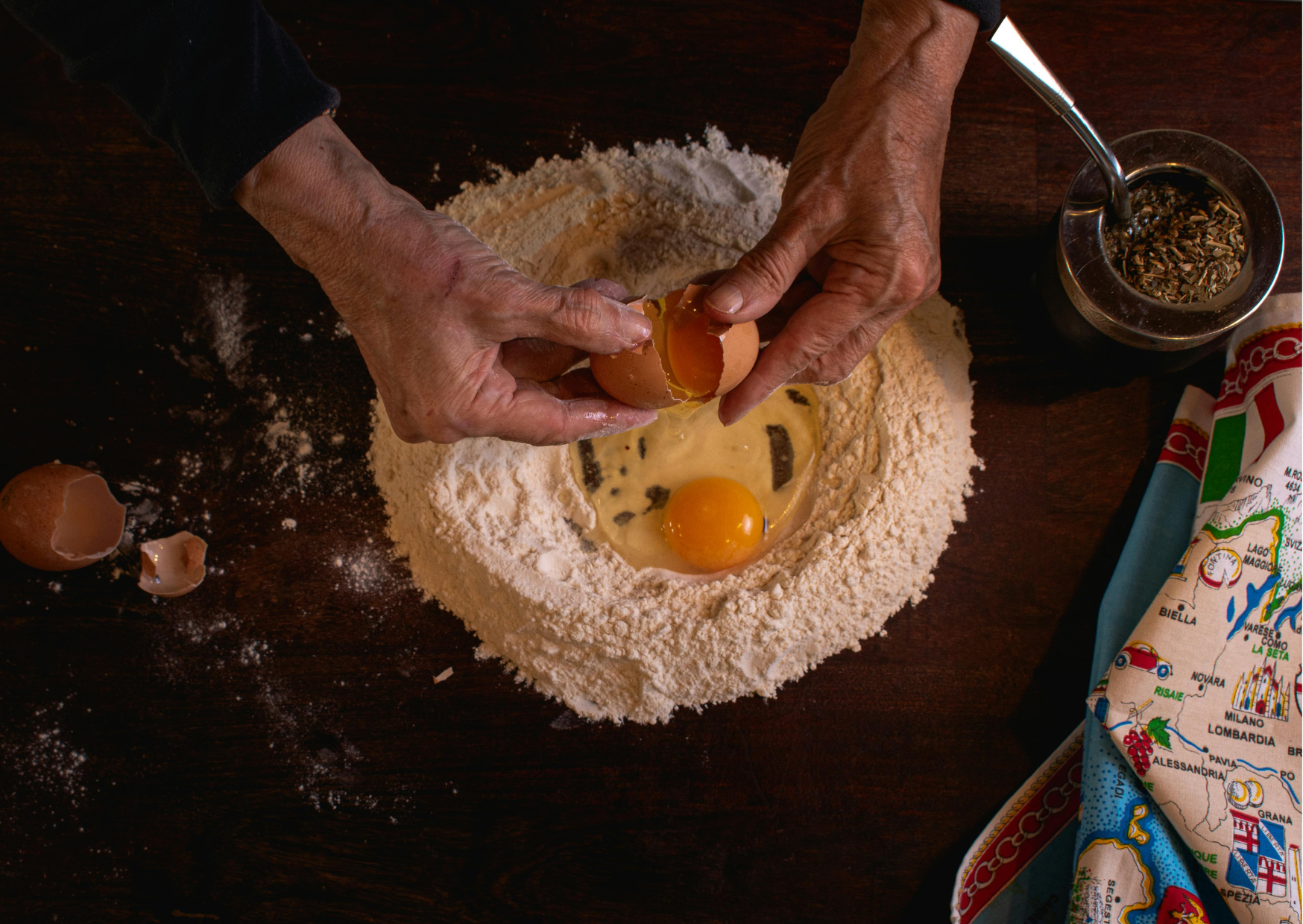
Pour your flour onto a clean surface in a mound. Create a well in the center, like a volcano. Crack your eggs into the well. Add the salt and olive oil.
Using a fork, beat the eggs gently while slowly incorporating flour from the inner walls of the well. Work gradually. If you break the walls too fast, eggs run everywhere. I’ve cleaned egg off my kitchen floor more times than I’d like to admit.
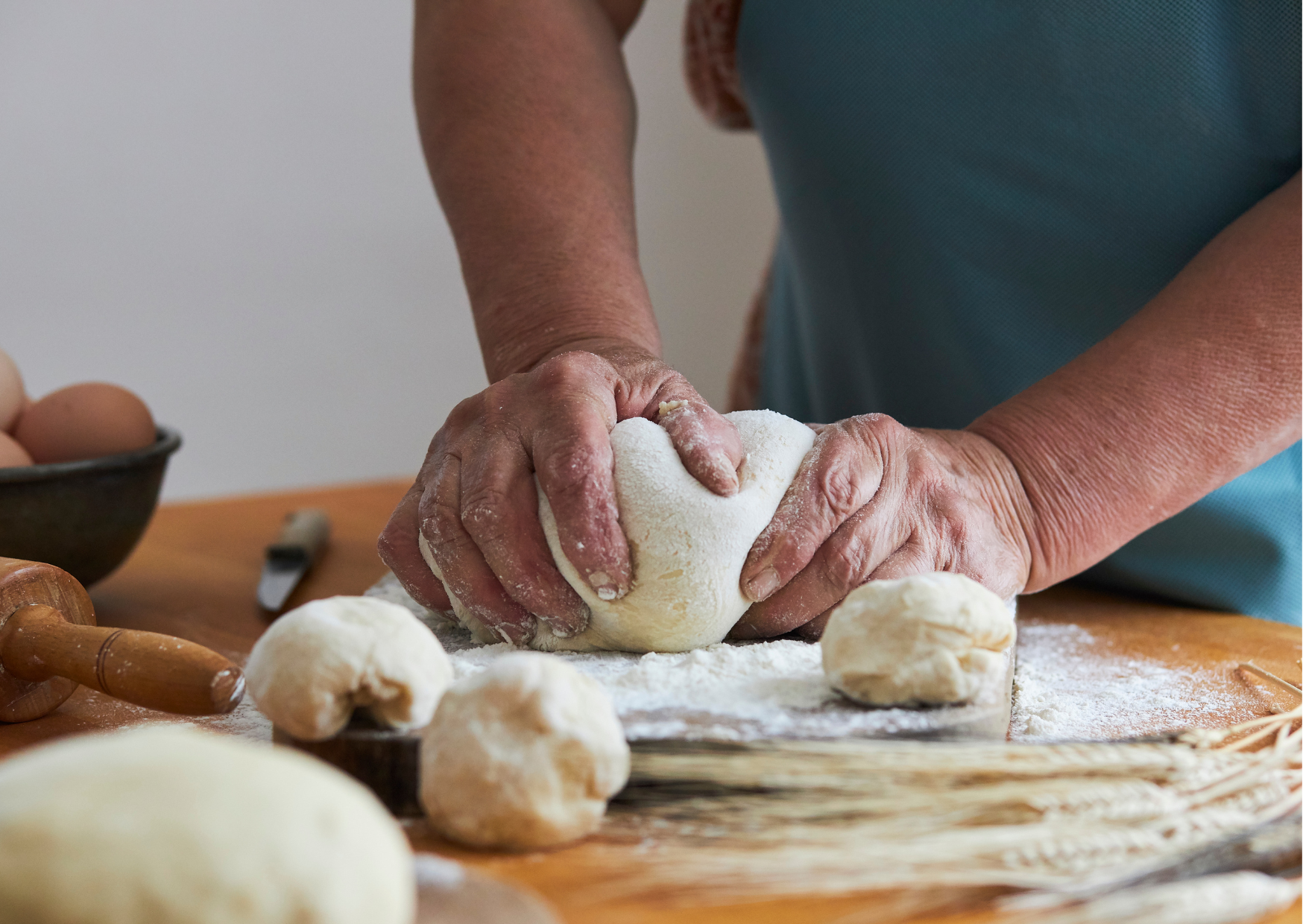
Once the mixture becomes too thick to stir with a fork, switch to your hands. Knead the dough by folding it over itself and pressing down with the heel of your palm. Push, fold, turn. Push, fold, turn. Continue for 8-10 minutes until the dough is smooth and springs back slightly when you press it.
Wrap the dough in plastic wrap and let it rest for 30 minutes. This step is essential. Resting allows the gluten to relax, making the dough easier to roll thin.
Roll the dough:
After resting, cut the dough into four portions. Keep the pieces you’re not rolling covered so they don’t dry out.
Flatten one portion with your palm. Using a rolling pin, roll from the center outward, rotating the dough quarter-turns to keep it roughly circular. The goal is a sheet thin enough that you can see your hand through it, or at least see shadows through it.
This takes time. The dough fights back. When it keeps shrinking, let it rest for five minutes, then continue. Don’t rush. Thin pasta cooks fast and has the right texture. Thick pasta is gummy.
If using a pasta machine, start at the widest setting and work down to the second-thinnest. Pass the dough through each setting twice for smoothest results.
Cut and cook:
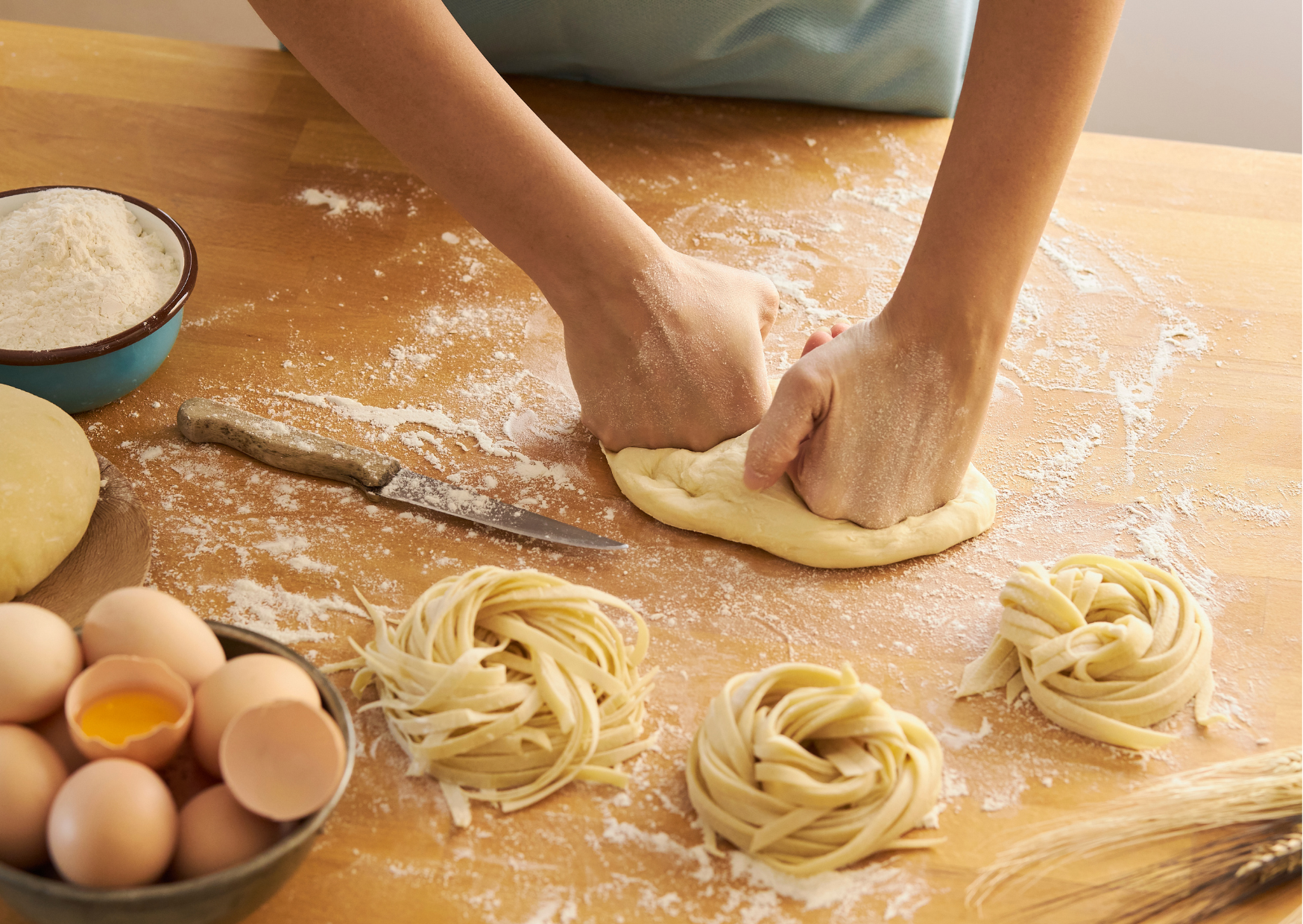
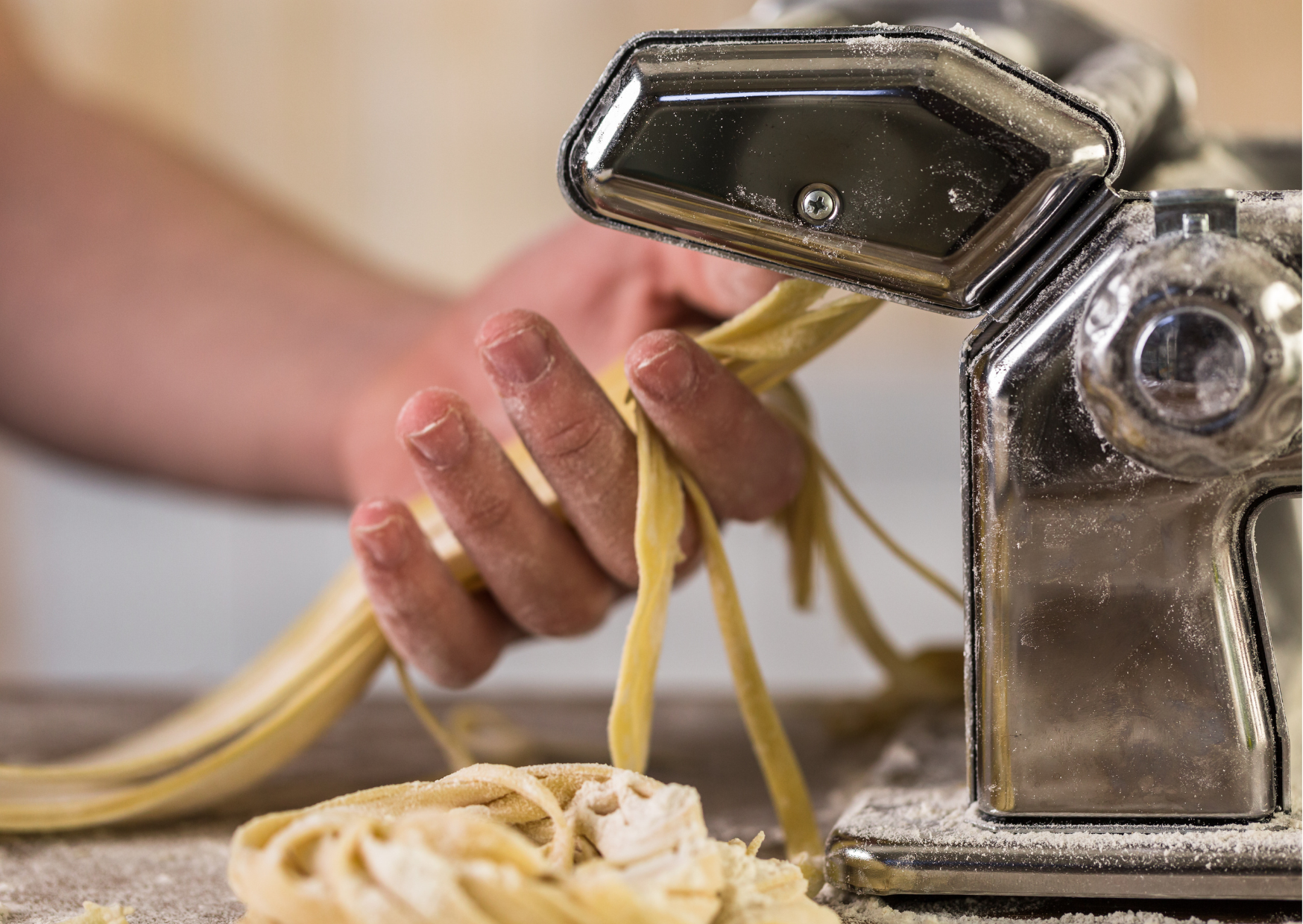
Dust the rolled sheet lightly with flour, then roll it up loosely like a jelly roll. Using a sharp knife, cut the roll into ribbons. For fettuccine, cut about 6mm wide. For tagliatelle, slightly wider. For pappardelle, about 2cm.
Unroll the ribbons and toss them with a bit of flour to prevent sticking. At this point, you can cook immediately or let them dry for a few hours.
Bring a large pot of water to a rolling boil. Salt it generously (it should taste like mild seawater). Add the pasta and stir immediately to prevent sticking. Fresh pasta cooks in 2-3 minutes. It’s done when it floats and tastes tender but not mushy.
Reserve a cup of pasta water before draining. The starchy water helps sauces cling to the noodles.
Why This Works
Fresh pasta’s superiority comes down to three factors: egg richness, texture, and sauce absorption.
The eggs add fat and protein that dried pasta lacks. This creates a more tender bite and richer flavor without any sauce at all.
The texture of fresh pasta is fundamentally different. Dried pasta is extruded through bronze or teflon dies and dried at high temperatures, creating a firm, almost brittle structure. Fresh pasta retains moisture and softness, yielding to the tooth rather than resisting it.
The surface of hand-rolled fresh pasta is rougher than machine-extruded dried pasta, even if it doesn’t look it. This microscopic texture grabs sauce. Where dried spaghetti lets sauce slide off, fresh fettuccine holds it in every fold and crevice.
Serving Suggestions
Fresh pasta wants simple sauces that let the noodles shine. The classics work best:
Burro e Parmigiano: Toss hot pasta with good butter and finely grated Parmigiano-Reggiano. Add pasta water to create a silky coating. Black pepper. Nothing else.
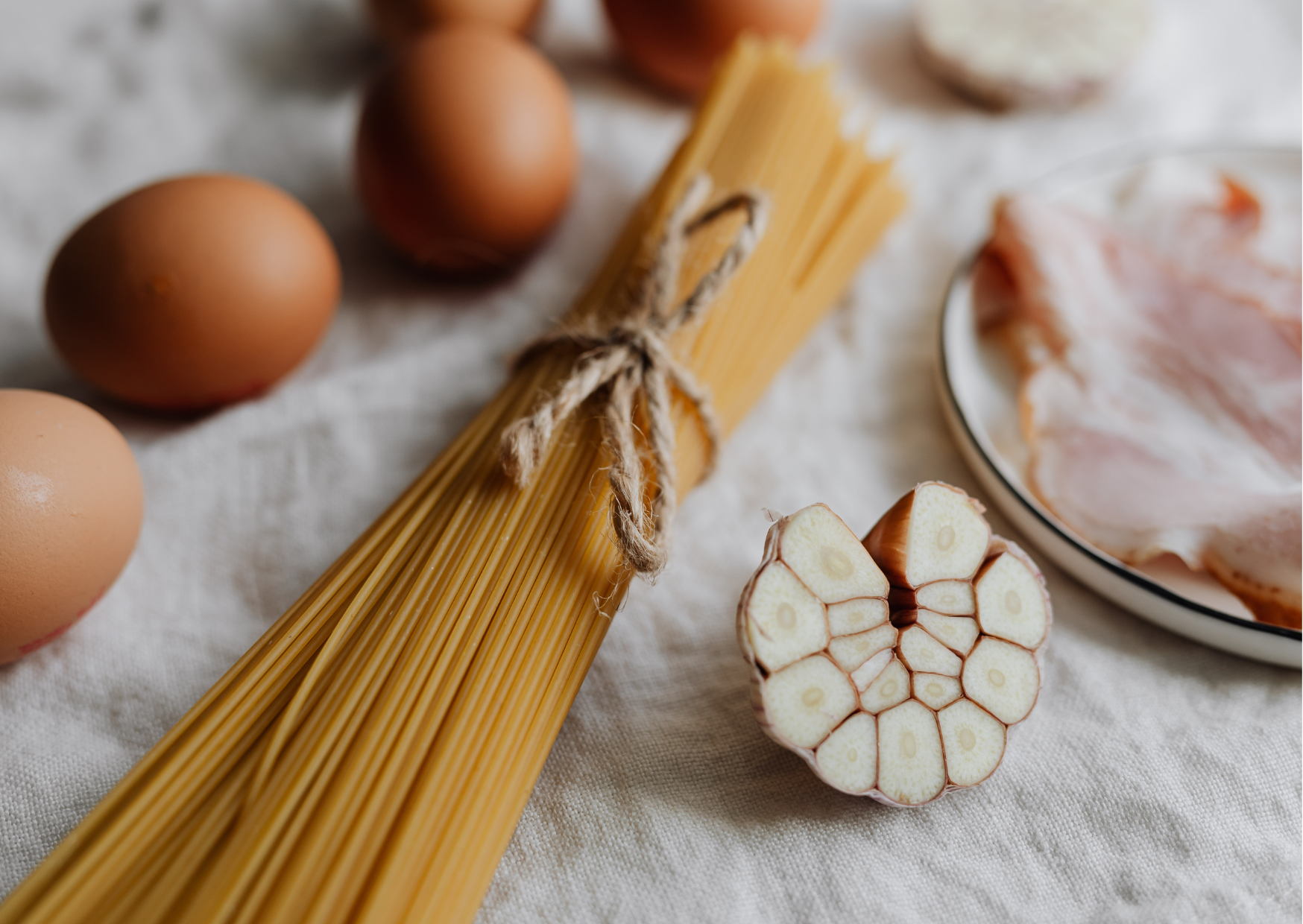
Aglio e Olio: Garlic sliced thin, cooked gently in olive oil until golden. Red pepper flakes. Parsley. Toss with pasta and a splash of pasta water.
Simple Tomato: San Marzano tomatoes crushed by hand, simmered with garlic and basil. Fresh pasta in tomato sauce tastes different than dried. Try it once.
Ragù: If you’re making a meat sauce, fresh pappardelle or tagliatelle are the traditional pairing. The wide ribbons catch the meat.
Why Boxed Pasta Stopped Making Sense
After making fresh pasta regularly for a few months, I bought a box of dried spaghetti for a quick weeknight dinner. The noodles were fine. Perfectly acceptable. I’d eaten them happily for decades.
But I noticed things I’d never noticed before.
The texture was harder, almost brittle even after cooking. The way sauce slid off instead of clinging. The slightly cardboard aftertaste that I’d always attributed to “pasta flavor” but now recognized as the flavor of industrial drying.
Fresh pasta absorbs sauce. It becomes part of the dish rather than a vehicle for it. The eggs add richness. The texture has give without being mushy.
Once you’ve experienced the difference, boxed pasta feels like a compromise. Not a bad compromise, necessarily. But a compromise.
The cost argument doesn’t hold up either. A box of decent dried pasta costs €1.50-2.00. A batch of fresh pasta requires about 200 grams of flour (€0.30) and two eggs (€0.40). The fresh version costs roughly half as much.
The time argument is more complicated. Fresh pasta takes 45 minutes from start to table. Boxed pasta takes 15 minutes. But I’ve started to view pasta-making as the activity itself, not just the preparation for eating. The kneading is meditative. The rolling is satisfying. The cutting feels like craft.
If you’re exhausted after work and need food fast, boxed pasta makes sense. But for weekend lunches, dinner parties, or any meal where you have an extra thirty minutes, fresh pasta transforms the experience.
What Most Recipes Get Wrong
Most fresh pasta recipes written for Americans assume you’ve never touched dough before and need extensive hand-holding. Ironically, this makes the process seem more complicated than it is.
Other recipes assume you’ll nail it the first time and skip the troubleshooting that beginners actually need.
Here’s what I wish someone had told me:
Too sticky: Add flour a tablespoon at a time while kneading. The dough should be tacky but not actively sticking to your hands.
Too dry and crumbly: Wet your hands slightly and continue kneading. Adding water directly often creates uneven hydration. The moisture from your hands incorporates more gently.
Dough keeps springing back: Let it rest. The gluten is too tight. Five minutes of rest makes a dramatic difference.
Pasta tears while rolling: The dough is too dry, or you’re rolling too aggressively. Roll gently, let it rest, try again.
Pasta sticks together after cutting: More flour. Toss the cut noodles in flour immediately. Spread them on a floured surface rather than piling them.
Pasta is gummy after cooking: You either rolled it too thick or overcooked it. Fresh pasta should be thin enough to see through and should cook in 2-3 minutes maximum.
These problems plagued my first dozen batches. Knowing they’re normal and fixable would have saved me significant frustration.
The Shapes Worth Learning
Start with ribbons. Fettuccine, tagliatelle, pappardelle. They require only a rolling pin and a knife. The skills transfer to everything else.
Once ribbons feel comfortable, try filled pasta. Ravioli are more forgiving than they appear. Roll out two sheets, place small mounds of filling on one, lay the second sheet on top, press around the filling to seal, cut into squares. The folding technique takes practice, but the flavors are spectacular.
Shapes like orecchiette (little ears) or cavatelli don’t require rolling at all. You form small pieces of dough with your thumb. These are the pastas Southern Italian grandmothers make while watching television, more about feel than precision.
I don’t bother with shapes that require special equipment. No bronze dies, no extruders. Hand-formed pasta made with basic tools has served Italian families for generations. It’s enough.
What Changes After You Learn
Learning to make fresh pasta changed how I think about cooking generally.
I became less intimidated by techniques that seemed advanced. If I could learn pasta, maybe bread wasn’t impossible either. Maybe homemade tortillas. Maybe dumplings. The barrier between “things I buy” and “things I make” shifted permanently.
I started noticing quality differences in restaurants. Fresh pasta on a menu became a signal worth paying attention to. Restaurants that make their own are usually serious about food generally.
I appreciated simple ingredients more. Good eggs produce better pasta, visibly richer in color. Good flour matters. When a dish has four ingredients, each one counts.
And I developed a practice. Not a hobby, exactly. A practice. Something I do regularly that requires presence, produces tangible results, and gets better over time.
The pasta itself is almost secondary. The real product is the competence. The knowledge that you can make something from nothing, that the skill lives in your hands now and nobody can take it away.
The Decision You’re Actually Making
If you’re considering learning fresh pasta, here’s an honest assessment.
This is for you if:
You enjoy process as much as product. The making is part of the appeal.
You have 45-60 minutes occasionally. Not every meal, but some meals.
You’re comfortable with imperfection while learning. Early batches won’t be Instagram-worthy.
You want a kitchen skill that impresses people. Fresh pasta at dinner parties creates genuine reactions.
You’re curious about why Italian food tastes different in Italy. The pasta is part of the answer.
This might not be for you if:
You need dinner fast every night. Fresh pasta isn’t a weeknight-efficient choice.
You’re frustrated by activities that require practice. This isn’t instant gratification.
You don’t enjoy hands-on cooking. Pasta is tactile. You’re touching dough for extended periods.
You have dietary restrictions around eggs or gluten. Fresh pasta contains both, essentially.
Neither choice is wrong. Boxed pasta is a perfectly good product that has fed families well for over a century. The fresh version isn’t morally superior. It’s just different.
But if you’ve read this far, you’re probably curious enough to try.
The First Attempt Assignment
Buy flour and eggs. Clear your counter. Block out an hour when you won’t be interrupted.
Follow the method above. Accept that the result will be imperfect. Make the pasta anyway.
Cook it simply. Butter, parmesan, black pepper. Or olive oil and garlic. Nothing complicated. You want to taste the pasta itself.
Eat it. Decide if the experience was worth the effort.
If yes, make it again next week. And the week after. By the fourth or fifth batch, you’ll understand what the dough should feel like. By the tenth, you’ll have preferences about thickness and shape. By the twentieth, you’ll be the person your friends ask for pasta advice.
The nonna skill isn’t genetic. It’s accumulated. Every Italian grandmother who makes perfect pasta started with a first batch that probably looked a lot like yours will.
The difference is she made the second batch. And the hundred after that.
That’s the only secret.

About the Author: Ruben, co-founder of Gamintraveler.com since 2014, is a seasoned traveler from Spain who has explored over 100 countries since 2009. Known for his extensive travel adventures across South America, Europe, the US, Australia, New Zealand, Asia, and Africa, Ruben combines his passion for adventurous yet sustainable living with his love for cycling, highlighted by his remarkable 5-month bicycle journey from Spain to Norway. He currently resides in Spain, where he continues sharing his travel experiences with his partner, Rachel, and their son, Han.