
This is not a hack. It is a timetable. I ate like the people around me in Spain, kept breakfast light, waited for a real 3 PM lunch, moved a little, and let dinner shrink by itself. The strange part is how normal it felt.
The Rule I Borrowed
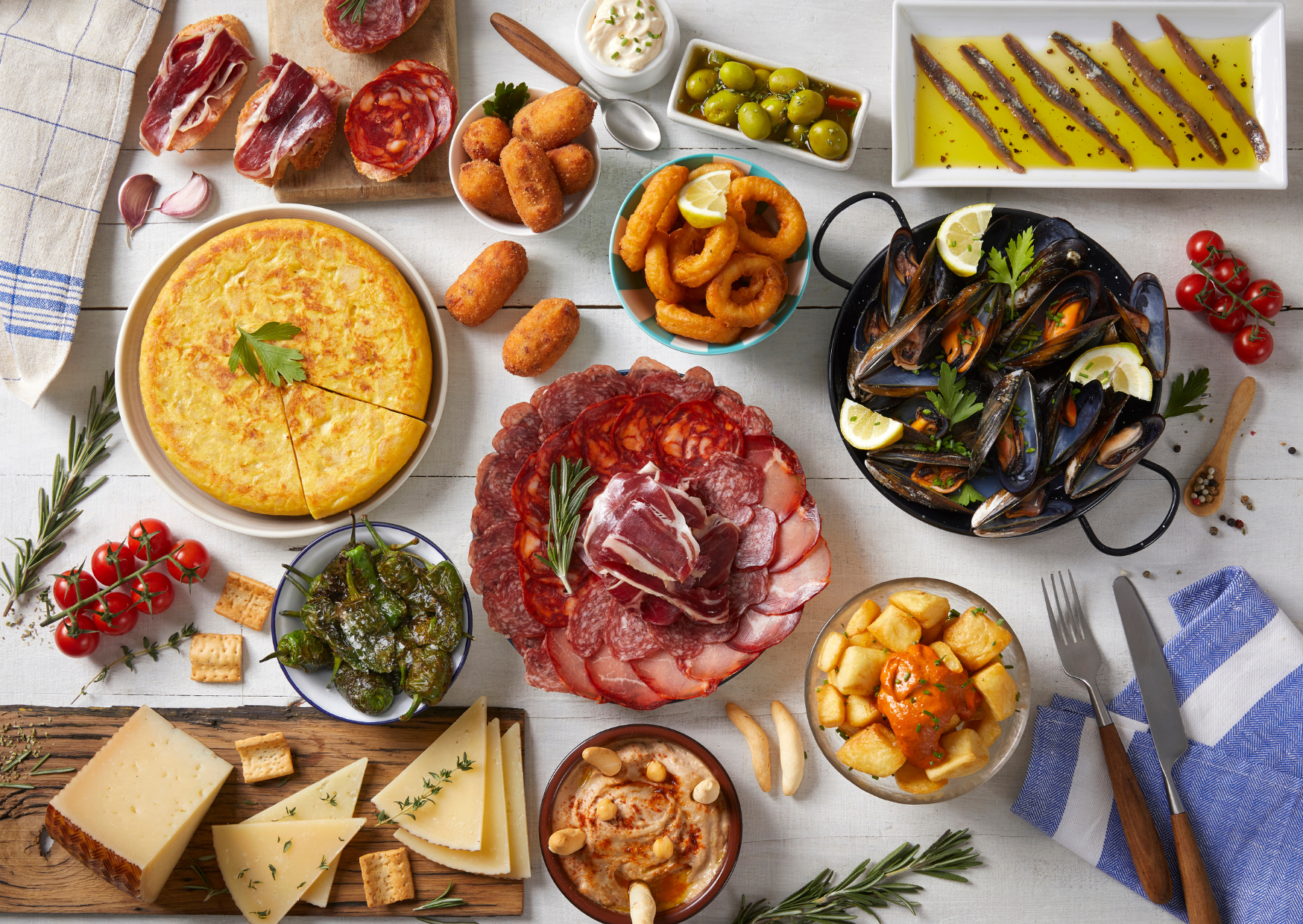
Spain organizes the day around a late, generous lunch and a lighter evening. Shops close, the streets quiet, and kitchens do their best work when Americans are usually wrapping up lunch meetings. I copied that. I kept coffee and something small in the morning, shifted the main meal to about 15:00, and made the evening meal brief. There was no calorie counting in the moment, only time discipline.
The first shock is social. You eat when restaurants are full of workers and families, not tourists. The second shock is metabolic. Big lunch, small dinner leaves you calm instead of sleepy. I did not plan to lose exactly sixteen pounds. I planned to stop thinking about food all day. The weight loss followed the clock.
Quick Easy Tips
Gradually push lunch later over a week instead of changing overnight.
Eat a complete lunch with protein, fat, and carbohydrates to stay full.
Keep mornings light with coffee, tea, or a small snack if needed.
Move dinner earlier or make it smaller to avoid late-night overeating.
One uncomfortable truth is that constant eating may be driving hunger rather than preventing it. Eating every few hours trains the body to expect fuel constantly, increasing cravings instead of stabilizing appetite.
Another controversial idea is that late lunches don’t slow metabolism. In many cases, they improve insulin sensitivity by consolidating calories into fewer, more meaningful meals.
There is also cultural resistance to eating “off schedule.” Americans often equate early meals with discipline and late meals with laziness, despite evidence that timing is deeply contextual.
Perhaps the most difficult realization is that weight gain isn’t always about what you eat, but when. Changing meal timing challenged years of nutritional advice — and quietly delivered results without deprivation.
The Exact Protocol I Used

I will keep this practical so you can test it. For thirty days I used the same scaffold.
- Breakfast at 08:00: coffee, water, and one of these: plain yogurt, a slice of toast with tomato, or a piece of fruit. I chose foods that felt like enough, not entertainment.
- Lunch at 15:00: a complete plate or a menú del día. I aimed for protein, starch, vegetable, plus normal bread because bread is part of the rhythm here. I did not graze.
- Movement between 13:30 and 14:45: errands on foot, stairs, small tasks. Nothing heroic. The point was light motion before eating.
- Dinner at 21:00: soup, eggs, salad, or leftovers. One plate. If I was hungry at ten, I drank mint tea and waited.
I kept water near me at work so I would not confuse thirst with hunger. I stopped buying afternoon snacks. I stopped “saving up” for dinner. The structure did more than willpower ever did.
Inside each day I made sure to include one generous plate at lunch and one honest snack only if needed. The hunger curve smoothed out by the third afternoon.
Why 3 PM Works On A Human Body
I can explain this in simple terms. The body follows a clock. The clock likes predictable meal windows. A larger meal in the middle of the day lands when digestion is strong and insulin sensitivity is higher, which means you store less and use more. A small evening meal lets your system wind down and keeps sleep clean.
There is also the walking. In Spain people move during the midday gap. That stacks NEAT calories on top of a proper meal. The appetite hormone picture changes when you stop snack-punctuating the day. Less nudging means fewer false hunger signals.
I am not pretending the science is magic. It is just circadian rhythm plus routine. The dramatic part is how quickly your body agrees when the clock is steady.
What I Actually Ate At 3 PM
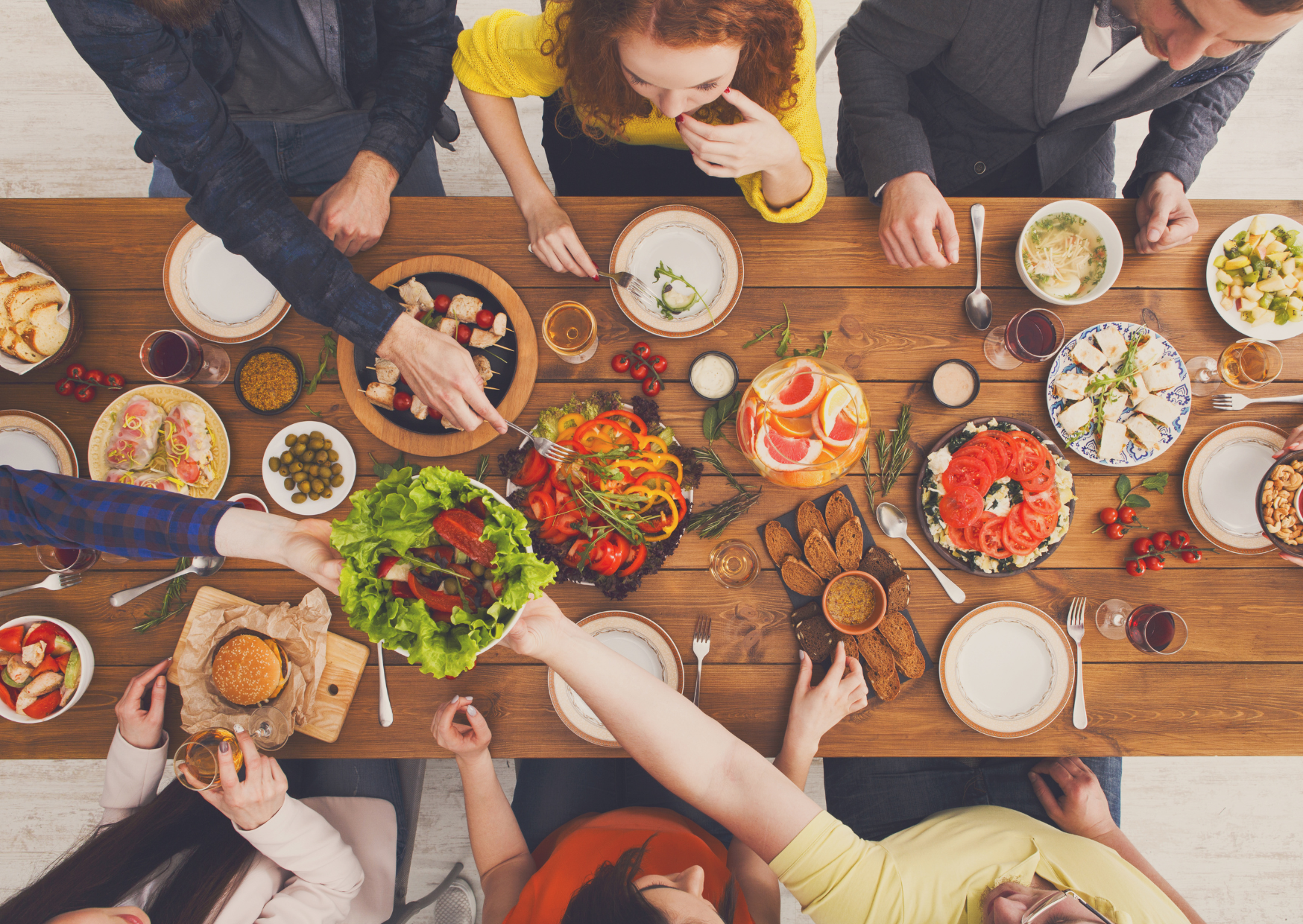
I cooked at home most days and ate out two or three times a week. A typical home lunch looked like this:
- Lentejas estofadas with carrots and onion, a slice of bread, and a salad.
- Arroz con pollo with peppers, peas, and a squeeze of lemon.
- Merluza a la plancha with potatoes and green beans.
- Garbanzos con espinacas with a spoon of yogurt on top.
When I ate out, a menú del día in Valencia or Madrid usually included a first course, second course, bread, water, and sometimes coffee. Prices ran from €12 to €16 and the portions were sensible. I did not chase dessert. I did not forbid it either. The guiding idea was real food, real portion, eaten sitting down.
The trick that made this work was boring. I plated meals on normal dishes, not bowls that hide volume. I used olive oil without fear and avoided cream sauces during the week. The food felt abundant because the clock made it feel earned
Movement Without Trying
I did not add a gym routine. I doubled down on walking before lunch, especially on days I ate out. On a normal weekday that meant 4,000 to 6,000 steps before I sat down. Stairs instead of an elevator. A round trip to the bakery even if I did not need bread. The goal was easy motion, not achievement.
After lunch I did a ten-minute loop outside or tidied the kitchen. Even small movement helped digestion and kept me from falling asleep. I kept coffee to one cup in the morning. A second cup at 16:00 hurt sleep the first week, so I cut it. Sleep improved. Hunger dropped further. It is all connected.
Dinner Shrinks By Itself
Here is the part that surprised me. When lunch is complete and honest, dinner becomes functional. I craved warm, not heavy. The default dinner turned into soup, or an omelet with salad, or a wedge of tortilla with tomatoes. I stopped performing dinner.
A normal evening plate was 350 to 450 calories. A normal lunch was 700 to 900 calories. The day still totaled a normal amount of food. The difference was timing and appetite. I did not end nights crawling through the fridge. I did not end nights bargaining with myself.
If I had a social dinner, I did not skip it. I kept the plate small and stayed with the group. There is a Spanish talent for enjoyment without escalation. That was new to me.
The Weight Loss Math

I tracked enough numbers to make sense of the result without turning it into a spreadsheet life. My average before this trial hovered around 2,400 to 2,600 calories on weekdays and more on weekends. During these thirty days I averaged about 1,900 to 2,100 without trying to hit a target. The missing calories came from no afternoon snacks, lighter dinners, and less evening alcohol.
Sixteen pounds in thirty days sounds like a lot. Some of it was water from better sleep and less late sodium. The rest was consistent deficit plus movement. I am not telling you this will happen exactly to you. I am telling you the structure created the deficit quietly.
A typical day:
- Breakfast, 150 to 250
- Lunch, 800 to 900
- Dinner, 350 to 450
- Fruit or yogurt somewhere, 100 to 150
- Olive oil and little things, 100
Call it 1,600 to 1,900 on a clean day and 2,100 on a social day. The important part is not precision. It is predictable windows.
How My Hunger Changed Week By Week
Week 1: mild head hunger at 12:30. Water and a short walk fixed it. By the third day I felt the first snap into calm hunger. I reached 15:00 without feral thoughts.
Week 2: energy returned in the mornings. I noticed the 3 PM window was not a fight anymore. Evenings felt shorter in a good way. I stopped scrolling food at night.
Week 3: sleep clicked. I fell asleep faster and woke up with clean appetite, not sugar noise. I started looking for simple lunches more than impressive ones.
Week 4: this is where I forgot I was doing an experiment. The timing felt like ordinary life. My belt moved a notch and my mood steadied. I ate out twice this week and the system held.
It was not a straight line. One Friday I ate lunch at 13:00 and dinner with friends at 22:30 and felt foggy the next day. I went back to the clock and it reset.
What To Order When You Eat Out
You need a few phrases and a bias.
Order from the menu del día. If there is a cocido, take it. If there is pisto with egg, take it. If there is merluza with potatoes, take it. You are trying to eat what the kitchen is cooking for locals, not a tourist plate.
If you cannot decide, look at the next table and say, “Lo mismo para mí.” People roll their eyes at this in July. In November, it gets you fed properly. Ask “pan incluido” so you do not order extra bread. Ask “agua del grifo” if you want tap water. You will get mineral water sometimes anyway. Let it go.
The point is to eat the day’s lunch. You are not curating an experience. You are fitting into a rhythm.
Shopping Like Lunch Matters
This only works if your kitchen backs you up. I kept a short list that did not change much:
- Eggs, yogurt, olive oil
- Onion, garlic, carrots, potatoes
- Leafy greens and tomatoes when they were real
- Lentils, chickpeas, rice
- One fish, one chicken, sometimes pork
- Bread from a place that bakes daily
I cooked one base pot on Sunday. Lentils or stock. Then I let the rest flex with the market. Lunch was easier when I had one ready thing to stretch into something better. The Spanish habit of adding an egg to anything saved several days. A fried egg on warm vegetables is dinner. A poached egg on soup makes you quiet.
What Went Wrong And How I Fixed It
I made three predictable mistakes.
- Too much coffee at 16:00. It ruined sleep and made me snack. I cut second coffee and switched to mint tea. Less caffeine, better night, fewer cravings.
- Pretending bread does not count. Bread counts. I kept one slice and used it with intention. One bread, not three turned out to be the rule that mattered.
- Late social dinners every night. A week of this cracked the system. I kept the social calendar and shrank the plates. People remember the conversation, not the portion.
The only time hunger got weird was when I skipped breakfast and tried to carry willpower to 15:00. That is not a principle. That is a mistake. Tiny breakfast, big lunch is smoother than no breakfast, rage lunch.
Can You Do This In The U.S.
Yes, mostly. You will not get a menú del día on every corner, but you can still move lunch to the center and stop performing dinner. Pack a real lunch. Schedule a walk at 13:30 if you can step away. Push dinner later and smaller. If your work forbids a 3 PM break, aim for 14:00 and keep the idea. The clock matters more than the exact minute.
You can also cook a pot of beans or rice on Sunday and use it to build fast plates. If your family eats at 18:30, put your large plate there and keep a small supper later if you need it. The shape still works. The secret is one real meal and one simple meal, not two shows.
The Social Part Nobody Mentions
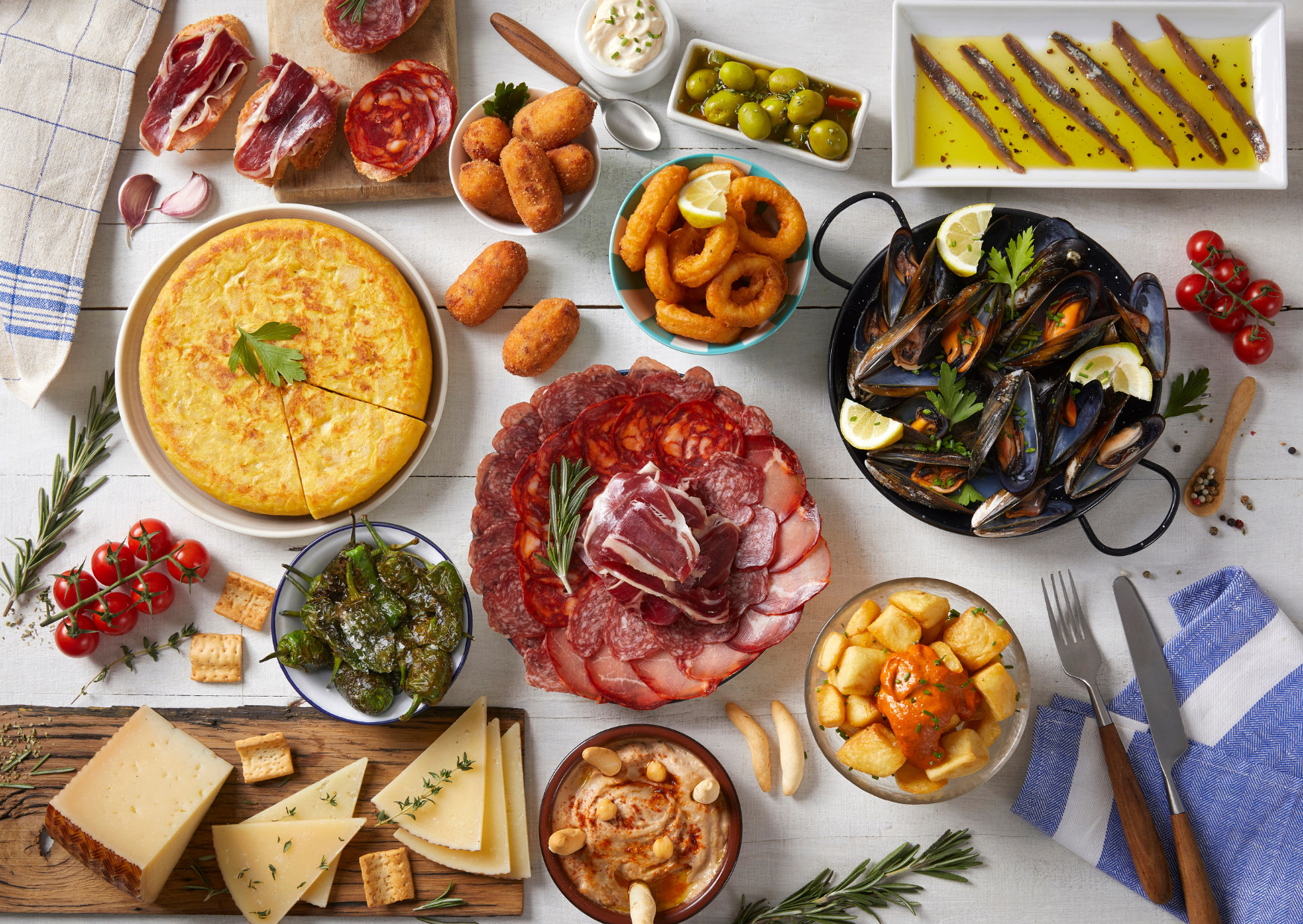
Spanish lunch is not silent. People sit together, talk, and then go back to their day. The nervous system reacts to that. Cortisol drops, digestion improves, and the meal leaves you steady. I kept a watered-down version by inviting someone to walk before lunch once or twice a week. When I ate with people, the food felt enough. When I ate alone and scrolled, I wanted more. Company is an appetite regulator that does not show up in nutrition labels.
I know that sounds sentimental. It is also what changed the most for me.
When This Will Not Work
If your job blocks any flexibility in the middle of the day, you will have to improvise. If you are running marathons at 18:00, you will need more evening food. If you have a history of disordered eating, skip timing experiments and talk to someone who can help you personalize a plan. If your home is chaotic at night with kids and schedules, make late lunch your anchor and treat dinner as grazing. The structure is not a religion. It is a scaffold.
There were days when I ate a full dinner with family because it mattered more. The next day I went back to 3 PM lunch and it held.
What I Would Tell A Friend
Keep breakfast small. Move lunch to 3 PM and make it real. Walk a little before it. Keep dinner light and warm. Do this for one month and ignore your scale for the first two weeks. If you feel head hunger at noon, drink water and go for a loop around the block. You are not broken. You are just moving the day.
Use one plate at lunch and one plate at dinner. Do not graze. Sit when you eat. Stop treating bread like decoration. Buy a soup pot and one good pan. Let the clock do the heavy lifting. That is the whole thing.
Where I Leave It

I lost sixteen pounds because I kept a promise to the clock. The meals were ordinary. The pleasure returned. I stopped running uphill against my own day. You can copy this without living in Spain, but it helps to act like lunch matters. If you do it for thirty days, you will feel the same quiet I felt by the second week.
I am not promising identical numbers. I am promising that timing, movement, and a quiet dinner will do more than another list of forbidden foods. When the plate lands at 3 PM and you taste it fully, you will understand why people here still build the day around lunch. The scale is just late to the party.
What surprised me most wasn’t the weight loss, but how natural the change began to feel. Eating later shifted my entire day’s rhythm, reducing constant snacking and eliminating the urge to “power through” hunger with quick fixes. Meals became intentional instead of reactive.
The Spanish lunch isn’t just about time, it’s about structure. A larger, balanced midday meal changed how much I needed in the evening. Dinner stopped being an emotional or compensatory event and became lighter without effort.
This approach also removed the mental fatigue around food. Instead of managing hunger all day, I experienced one clear, satisfying peak. That alone reduced stress, which often plays a bigger role in weight gain than calories.
The biggest lesson was that weight loss doesn’t always come from restriction. Sometimes it comes from aligning meals with how the body actually wants to function.

About the Author: Ruben, co-founder of Gamintraveler.com since 2014, is a seasoned traveler from Spain who has explored over 100 countries since 2009. Known for his extensive travel adventures across South America, Europe, the US, Australia, New Zealand, Asia, and Africa, Ruben combines his passion for adventurous yet sustainable living with his love for cycling, highlighted by his remarkable 5-month bicycle journey from Spain to Norway. He currently resides in Spain, where he continues sharing his travel experiences with his partner, Rachel, and their son, Han.