
We asked a diverse set of American readers who lived in or spent extended time in Europe to document how care actually worked for them: what they paid, how they got in the door, what felt confusing, and what felt obvious. No dramatization, no fake names, just patterns that repeat when you’re the outsider learning a new system.
Disclaimer: This is practical information, not medical or legal advice. Coverage rules, fees, and policies change by country and region. Last reviewed January 2026.
You notice different things when your habits are American. You expect to call a number, sit on hold, hand over an insurance card, and then receive an envelope that may or may not make sense. In much of Europe, the choreography looks different. Cards still matter, but they are national. Prices exist, but they are visible. The friction shows up in other places: paperwork to register, strict referral paths, or waiting times for non-urgent care. What you rarely see is surprise line items.
Across five systems that Americans bump into most often France, Germany, the Netherlands, Spain, and Portugal—the week-to-week experience is not identical. The on-ramp differs for a student versus a salaried employee. Paper forms still lurk. The “fast lane” might be a small private policy in one country and a patient portal message in another. Yet one country, again and again, left the deepest mark on how our readers now think about healthcare: France.
Below is what they learned, organized so you can copy the steps, avoid the traps, and understand the money.
Want More Deep Dives into Other Cultures?
– 9 Italian Style Rules That Instantly Outshine American Fashion
– Why Europeans Walk Everywhere (And Americans Should Too)
– How Europeans Actually Afford Living in Cities Without Six-Figure Salaries
– 9 ‘Luxury’ Items in America That Europeans Consider Basic Necessities
1) The European Baseline Americans Meet First

For an American, the first shock is not the bill. It is the front door. In these systems, you generally do one of three things to access care: you register as a resident, you carry a local insurance product when legally required, or you enter as a visitor and pay straightforward prices.
In France, the “front door” for residents is the state system paired with a plastic card called the Carte Vitale. It stores your entitlements so the doctor can bill the national insurer instantly. Reimbursements for a standard GP visit use a published tariff. Since December 22, 2024, the conventional fee at a sector-1 GP is €30, with national insurance typically reimbursing 70% of that base and a small fixed participation staying with the patient, commonly picked up by a supplemental “mutuelle.”
In Germany, most salaried employees must join statutory health insurance (GKV). Contributions are a percentage of gross wages up to a cap, split with your employer. For 2025, the general contribution is 14.6% plus an average additional contribution set at 2.5%, again split, with a separate long-term care contribution alongside. The wage cap for calculating contributions is €5,512.50 per month.
In the Netherlands, everyone who lives and works there buys a regulated basic policy from a private insurer at a controlled price. In 2025 the average premium runs around €157–159 per month per adult, with an annual deductible (eigen risico) of €385. Crucially, GP visits are covered outside the deductible. Children are co-insured at no extra premium.
In Spain, the public system covers residents at the point of use. You will pay prescription copays that scale with income and status. Employees generally pay 40%–60% of the official price; most pensioners pay 10% with monthly caps. This is set nationally, though regions implement it.
In Portugal, the National Health Service (SNS) removed most user fees in 2022. You still pay in specific emergency scenarios when you did not come with a referral and are not admitted, but for primary care and referred services, charges are largely gone.
Those are the doors. Once inside, here is how it actually feels.
2) France: The System That Changed How Americans Think About Care
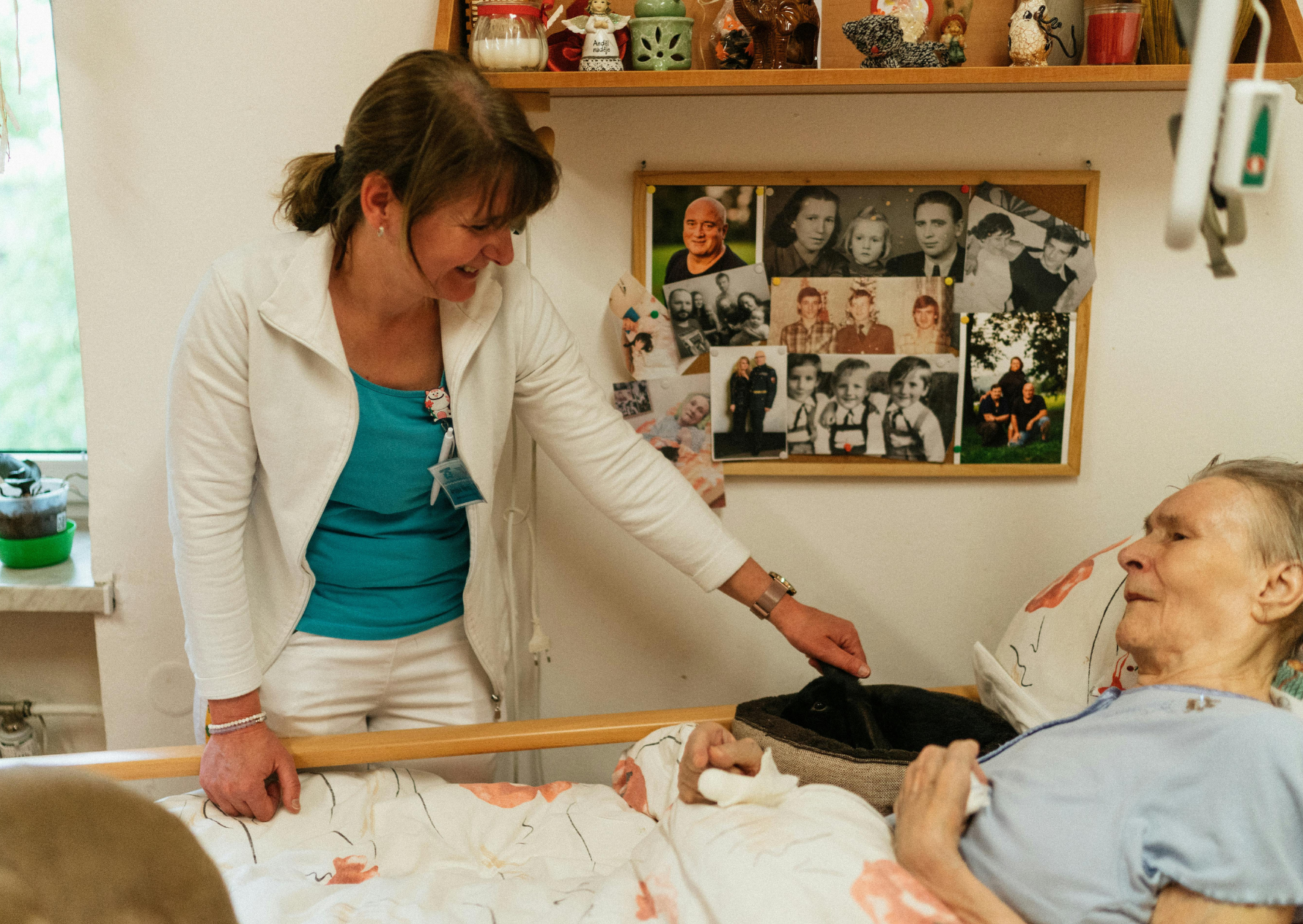
The surface story is simple: a published price, a known reimbursement rate, and near-automatic payment. The deeper story is how quickly strangers become regulars. That happens through two small actions.
First, residents file for PUMA coverage and receive the Carte Vitale. At the clinic or pharmacy, the card pushes your claim directly to Assurance Maladie. Your 70% reimbursement on standard GP care is processed, the small participation applies, and your mutuelle fills most of the rest. The logic is boring and that is the magic. The absence of guesswork makes you trust prices.
Second, published tariffs shape expectations. A GP consult at €30 is not a maybe; it is the starting point. If you go off the coordinated care pathway or choose a physician who exceeds the tariff, you accept that choice and the extra cost. But the default is predictable, and predictability is what many Americans crave. The government confirmed the €30 GP fee from December 22, 2024, and reiterated that the national insurer covers 70% of the base, with complimentary plans covering most of the remainder, after the fixed participation.
Three practical notes from readers:
- Speed of reimbursement was often days when the card was used correctly. Paper “feuilles de soins” took longer but still landed in a reasonable window. Third-party payment sometimes meant you never advanced the full amount at all.
- Children’s tariff differs slightly, and many pediatric consults now reflect the December 2024 revaluation. The reimbursement logic stays the same.
- Supplemental coverage is normal. Most families hold a mutuelle through work or directly so their out-of-pocket remains tiny for routine care.
Why this “changed everything” for Americans: once you learn the card, the tariff, and the care pathway, money stops being the main character. The conversation returns to the visit itself.
3) Germany: Employee Logic, Regulated Percentages, Predictable Ceilings

If France teaches you to think in tariffs, Germany teaches you to think in percentages. Your payroll stubs show it clearly.
Employees pay into GKV at a general rate of 14.6% plus an additional contribution that varies by insurer, averaging 2.5% in 2025. Employers pay half. A separate contribution funds long-term care insurance. Income above the Beitragsbemessungsgrenze (€5,512.50 per month in 2025) is not assessed for these premiums. This is how a system with broad benefits keeps contributions bounded.
What this feels like on the ground:
- The card (elektronische Gesundheitskarte) is presented at the desk. Bills go to the insurer. You may see small copays for prescriptions or devices rather than at the GP’s front desk.
- Practice fees at the point of entry disappeared years ago; you are not handing over €10 just to be seen.
- Access to specialists is mixed. In cities you can call directly; in some areas you wait weeks for popular specialties. Americans from HMO-style plans are surprised they can often self-refer, yet still encounter wait times for non-urgent specialty care. The main comfort is that emergencies move fast and planned care has a clear path.
Two details Americans asked most about:
- Can you choose private? Yes, a subset of higher earners can opt for private coverage if they meet criteria. Most employees remain in GKV, especially families who value dependents being covered without separate premiums.
- Who pays how much when the Zusatzbeitrag moves? The premium is shared by employer and employee for the statutory plan. Some big funds publicly list their 2025 rates so you can compare.
Germany leaves Americans with the sense that the system is a payroll rule more than a shopping experience. You pick a sickness fund, you follow processes, and the bill is not a source of suspense.
4) Netherlands: A Regulated Market That Feels Like a Subscription

The Dutch model can be summed up in three parts: mandatory basic policy, annual deductible, and broad access.
Every adult resident buys the regulated basic package from a private insurer. In 2025, the average monthly premium sits roughly €157–159; the deductible is €385 and resets each January. GP care is excluded from that deductible, which means you can see your huisarts without worrying that the visit will eat your annual excess. Children are co-insured without a premium.
What Americans tend to like:
- Portal culture is mature. Secure messages, nurse callbacks, and routine renewals are built into practices.
- Clear add-ons exist. Dental and physio coverage are common supplemental choices, priced in a way that is easy to compare.
- Predictability is high. You pay the premium each month, you mentally set aside the deductible, and you rarely meet mystery line items.
What confuses newcomers:
- Choice overload in November when plans are announced. The trick, readers say, is to pick a plain basic policy, confirm your GP is in network, and add only the riders you will truly use. Government guidance and comparison sites publish the national average to keep your bearings.
The net effect is that healthcare feels like a utility bill with a few discrete knobs. You do not hunt for prices at the door; you configure your year.
5) Spain: Free At The Clinic, Structured Copays At The Pharmacy
Spain’s public system covers residents at the point of care. Americans living there report that primary care and hospital visits carry no bill at check-in. The main out-of-pocket appears later at the pharmacy, where copays follow nationally set brackets by income and status, administered by the regions.
The short version of the prescription rules:
- Active workers and dependents: 40%, 50%, or 60% of the official price depending on income.
- Pensioners: generally 10% with monthly caps that vary by income.
- Exemptions: certain low-income categories and chronic treatments have reductions or caps.
Spain’s challenge is not at checkout. It is time. National summaries for the last half of 2024 showed an average 126 days for elective surgery and about 105 days for a first specialist consult, with wide variation by region and specialty. These figures are improving in some communities but remain a lived reality, so residents often combine public care with small private policies to accelerate non-urgent diagnostics.
What readers learned to do:
- Use the GP as your quarterback. The family doctor who knows the referral web can cut weeks from your path.
- Keep documents tight: empadronamiento (local registration), health card for your region, and ID at every visit.
- Expect regional flavor. Andalusia publishes its waiting-list cuts separately. Catalonia and Madrid do the same. You will see progress reports and political debate around them.
Spain teaches Americans to separate access from speed. Access is easy, speed is the variable, and the pharmacy copay is the main predictable cost.
6) Portugal: Primary Care Without The Price Tag, As Long As You Follow The Path

Portugal’s National Health Service removed most taxas moderadoras (user fees) on June 1, 2022. For residents using the family health center and referrals, routine care is free at the point of use. You can still be charged in emergency if you arrive without a referral and are not admitted, but the baseline is simple: get in the system, follow the path, and bring your documentation.
What Americans liked most:
- The health center model. Once you are assigned to a unit and a doctor, routine care, vaccinations, and maternal-child services are straightforward.
- The SNS 24 line. It gives triage advice and can produce the referral that keeps an emergency visit from incurring a fee.
- Clear divide between SNS and private. Many residents layer an inexpensive private plan on top for faster imaging or specialist consults when timing matters.
What to watch:
- Some guides still describe symbolic co-pays everywhere. The official change removed most fees, and reputable overviews now reflect that nuance, though you will see emergency exceptions and occasional administrative bills. If you stick to the pathway, your front-desk payment is usually zero.
For Americans, Portugal feels like a membership clinic at national scale. The main skill is getting registered and using referrals correctly.
7) Money, Admin, and Time: What The Five Systems Actually Cost You
Here is the compact way our readers now think about the money, the paperwork, and the calendar in each place.
France: Think tariff + percentage + mutuelle. A €30 GP visit with 70% national reimbursement leaves a small, known remainder that a supplemental plan usually covers, after a tiny fixed participation. Pharmacies run on published lists with clear reimbursement categories. Reimbursements are fast when the Carte Vitale is used. Your biggest risk is being off-path without a declared primary doctor, which can lower your reimbursement rate.
Germany: Think payroll percentages + ceilings. Your contribution is a function of wage up to a cap and is shared with your employer. Out-of-pocket at the doctor is minimal, with small pharmacy copays common. Choose your statutory fund, carry the card, and expect solid hospital care with variable waits for popular specialties. The numbers are public, and the 2.5% average additional contribution in 2025 is widely reported.
Netherlands: Think monthly subscription + deductible. Budget roughly €157–159 per adult per month in 2025 plus a €385 annual deductible for non-GP care. Use your GP as the orchestrator. Add dental or physio only if you will actually use it. The national average premium is published so you can benchmark your plan.
Spain: Think free clinic, pharmacy copay, variable waits. Visits at the public clinic do not present a bill, but prescriptions carry income-based copays. Time is the currency for non-urgent care. National statistics at the end of 2024 placed elective surgery waits around 126 days and first specialist consults around 105 days. People who want faster imaging often add a modest private policy.
Portugal: Think no fee at primary care and referrals. For most services, especially primary care, there is no user fee. Emergency use without referral can still trigger a charge, so call the SNS 24 line or start at your health center. Many residents carry a small private policy to shorten queues for non-urgent diagnostics.
8) Pitfalls, And How Americans Worked Around Them

Even calm systems have edges. This is what repeatedly tripped people up and the fixes that worked.
Documentation gaps. In all five countries, your first practical hurdle is registration. In Spain and Portugal, local registration and national ID numbers unlock the health card. In France, the Carte Vitale requires paperwork and patience. In Italy, if you ever add it to your list, registering with the SSN demands residence proofs and the famous tessera sanitaria. When in doubt, ask the clinic which documents to bring before your first appointment. Official pages spell the card mechanics out so you do not guess.
Assumptions about deductibles. Americans often assume every country uses big deductibles. In the Netherlands, yes, the €385 deductible exists, but GP care is excluded. In France, there is no American-style deductible; there is a base price and a reimbursement percentage plus a small fixed participation. Seeing those two models back-to-back resets expectations.
Waiting times versus prices. Spain teaches a hard lesson: free at check-in does not mean quick. National reports show the averages; regions publish their own cuts and plans. Plan non-urgent care in advance, and ask your GP whether a cross-region referral or private imaging would accelerate a specific step.
Employer payroll timing in Germany. Moving jobs mid-month can make contribution math look strange on a single stub. The safe move is to read your fund’s explainer and verify whether you selected the sick pay option that changes your base rate. TK and others publish their 2025 contribution splits and calculators.
Emergency fees in Portugal. People see “free” and walk into emergency without a referral, then wonder about a bill. The rule change in 2022 is clear: most fees were removed, but emergencies without referral are the common remaining charge if you are not admitted. Use SNS 24 or your health center first when possible.
9) What France Taught Americans To Bring Home
Readers keep coming back to France not because every metric is perfect, but because the design is understandable. They learned three habits that travel well even if you never live in Europe.
Know the base price up front. A published tariff reduces anxiety. In the U.S., you can simulate this by asking for cash prices for primary care and labs before you go, then deciding whether to run them through insurance. The emotional relief of a known number is larger than the dollars saved.
Automate the supplement. The mutuelle concept is simply gap coverage. In the U.S., this can be a high-value clinic membership, an FSA/HSA strategy that pairs with transparent primary care, or a careful selection of employer riders. What matters is that you pre-solve the remainder, not that you guess at it visit by visit.
Let the card do the work. The Carte Vitale reduces paperwork exactly because it encodes eligibility. Your American version is keeping insurance info, ID, and prior authorizations organized and accessible, and using your patient portal early so your record is ready when you walk in.
The French experience made Americans realize that clarity is a medical service. When money and process are predictable, you can focus on your health.
10) A Quick, Country-By-Country “Do This First” Checklist
France
- Apply for PUMA if eligible, then obtain your Carte Vitale.
- Choose or declare a médecin traitant to stay on the coordinated pathway.
- If you can, add a mutuelle to cover the ticket modérateur and small fixed participation. Expect a standard GP consult base of €30 and 70% national reimbursement of that base.
Germany
- As an employee, enroll in GKV, confirm the additional contribution rate for your chosen fund, and note that contributions are split with your employer.
- Learn your pharmacy copay rules and bring your e-card to every visit.
- If you need faster specialty access, ask your GP’s office which clinics accept direct booking and whether their Vertragsarzt network has sooner slots.
Netherlands
- Pick a basic policy that fits your region and confirm your GP is in network.
- Budget the €385 deductible for non-GP care.
- Add dental or physio riders only if useful. The government publishes the average annual premium so you know whether your plan is roughly on target.
Spain
- Complete local registration and obtain your health card.
- Expect no charge at check-in for public care, but plan for pharmacy copays by income bracket.
- For non-urgent specialty care, ask about timelines and consider whether a low-cost private policy for imaging would help. National reports provide the context for waits.
Portugal
- Register at your health center, get assigned to a family doctor, and store your numbers in the SNS app or paperwork.
- Remember that most user fees were removed in 2022, but emergency services can still charge if you arrive without a referral and are not admitted.
- Use SNS 24 for triage and referrals so you stay on the fee-free path.
No single system is a mirror of the United States. What these five offer is a set of repeatable behaviors that make care calmer: publish the price or reimbursement rule, encode eligibility in a card or portal, and build pathways that ordinary people can follow on a tired Tuesday. Americans told us France is where it clicked. A card, a tariff, a percentage. The bill lost its mystery. The visit regained its point.

About the Author: Ruben, co-founder of Gamintraveler.com since 2014, is a seasoned traveler from Spain who has explored over 100 countries since 2009. Known for his extensive travel adventures across South America, Europe, the US, Australia, New Zealand, Asia, and Africa, Ruben combines his passion for adventurous yet sustainable living with his love for cycling, highlighted by his remarkable 5-month bicycle journey from Spain to Norway. He currently resides in Spain, where he continues sharing his travel experiences with his partner, Rachel, and their son, Han.