
Last updated on February 27th, 2026 at 10:37 am
(And Why It Might Be the Key to Better Digestion, Energy, and Mood)
If you were raised in the U.S., you’ve probably heard this your whole life:
“Don’t lie down after eating.”
In American health culture, the rule is practically sacred. Lying down or worse, napping after a meal is considered a recipe for weight gain, acid reflux, sluggish digestion, or just plain laziness.
But across the Mediterranean?
It’s not just tolerated. It’s recommended.
By doctors. By grandparents. And by entire communities.
Because in much of Southern Europe, the post-lunch nap the siesta isn’t viewed as unhealthy.
It’s seen as a natural, even protective, rhythm of daily life.
And here’s the surprise: science is starting to agree.
So why do Mediterranean doctors (and cultures) continue to recommend something Americans avoid and what does that say about how each culture views the body, rest, and time itself?
Let’s break it down.
Want More Deep Dives into Everyday European Culture?
– Why Europeans Walk Everywhere (And Americans Should Too)
– How Europeans Actually Afford Living in Cities Without Six-Figure Salaries
– 9 ‘Luxury’ Items in America That Europeans Consider Basic Necessities
Quick Easy Tips
If you want to adopt Mediterranean-inspired habits, start small. Replace processed snacks with fresh fruits, nuts, and olives to get closer to their nutrient-dense approach to eating.
Incorporate olive oil as your primary cooking fat. Drizzle it over salads, vegetables, or whole grains instead of reaching for butter or heavy dressings. This simple swap aligns with the health benefits Mediterranean doctors emphasize.
Finally, prioritize rest and slower meals. Take time to savor food, chew thoroughly, and put away distractions while eating. Even if you cannot take a full siesta, carving out a short midday pause can reset your energy and improve overall well-being.
One of the biggest controversies is the Mediterranean practice of drinking a small glass of wine with meals. While Americans often view alcohol consumption as unhealthy or indulgent, Mediterranean doctors argue that moderation is the key. They emphasize that when paired with food, enjoyed slowly, and limited to one serving, wine can actually contribute to heart health and improved digestion.
Another debated practice is the midday nap, or siesta. In many parts of the Mediterranean, resting in the afternoon is seen as essential for longevity and productivity. However, in the United States, napping during the day is often equated with laziness or lack of discipline. The clash highlights how cultural perceptions shape what people label as “healthy” or “unhealthy.”
Even dietary fat creates controversy. Olive oil, a staple in Mediterranean diets, is consumed generously, whereas Americans have long been conditioned to fear fats in general. Doctors in the region point to olive oil’s proven anti-inflammatory and cardiovascular benefits, while critics in other countries worry about calorie intake. The divide shows how science and cultural attitudes don’t always align.
1. Yes, It’s True: People Really Do Rest After Lunch

The Mediterranean siesta isn’t a myth. It’s real. Especially in Spain, Greece, southern Italy, and parts of rural Portugal.
Traditionally, the day was structured like this:
- Early morning work
- Main meal at midday (large, slow, communal)
- A rest or nap after eating
- Late afternoon work resumes
- Light dinner at night
While not everyone takes a nap these days (modern schedules have crept in), the habit of resting after a big lunch remains deeply embedded in the cultural DNA—and medically supported in many cases.
2. Why Do Mediterranean Doctors Support It?

Because they’re not talking about collapsing into a food coma. They’re talking about:
- Gentle rest
- A short nap (20–30 minutes max)
- Digestion in a horizontal (but not fully flat) position
- Resetting the nervous system after the main caloric load of the day
Here’s what this rest period helps with:
- Digestive flow: After a large meal, the body needs blood and energy directed toward the stomach and intestines—not toward movement or mental focus.
- Nervous system regulation: Lying down after lunch promotes parasympathetic activation—the “rest and digest” mode.
- Blood sugar control: Short naps after meals can reduce post-meal glucose spikes.
- Cardiovascular health: Some studies show lower rates of hypertension among habitual siesta-takers (when naps are short and consistent).
The key? It’s not lazy. It’s strategic.
And it works with the body’s natural rhythms, rather than fighting them.
3. Americans, on the Other Hand, Power Through
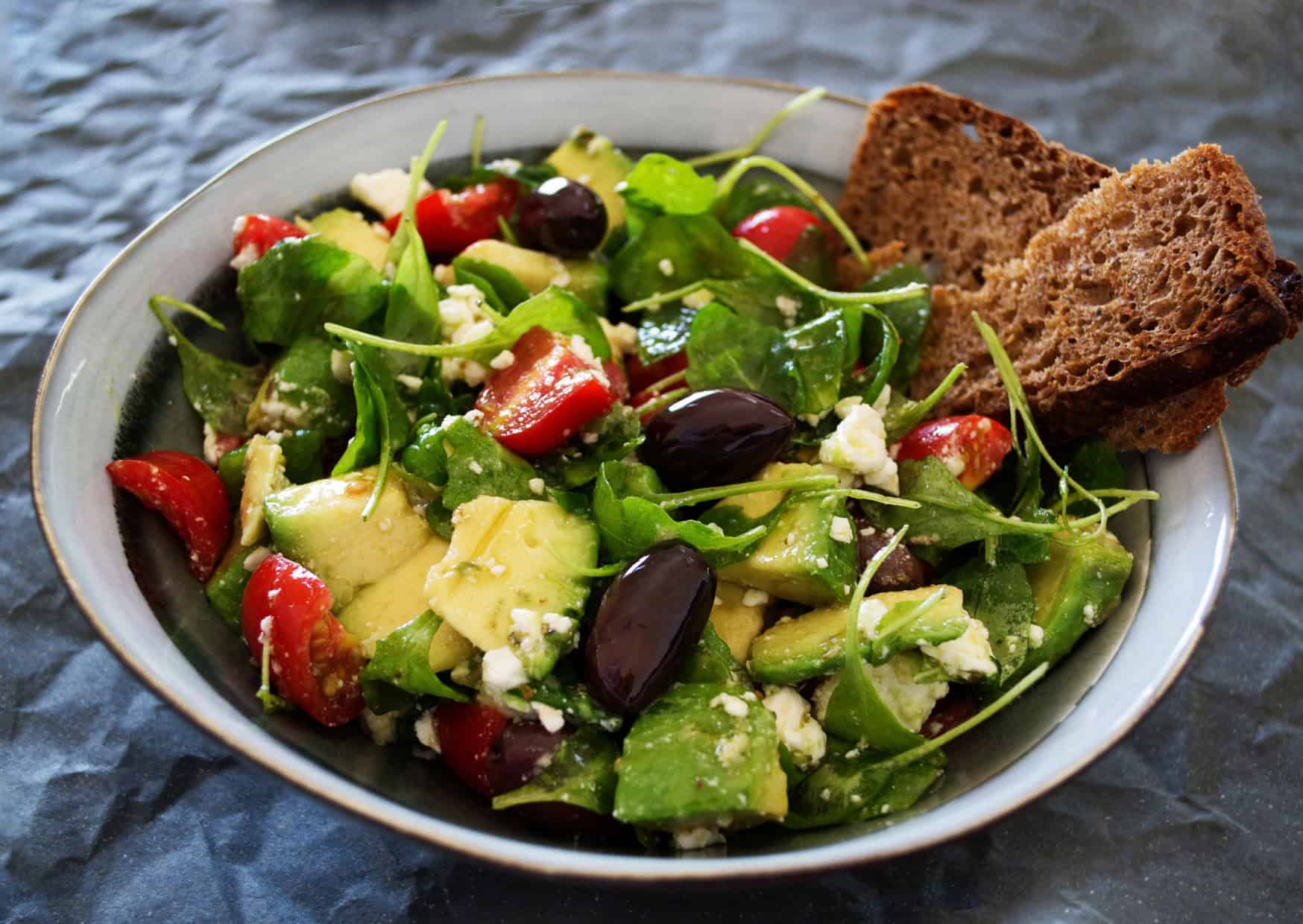
In American culture, the post-lunch dip is treated like an inconvenience:
- Coffee, not rest
- Hustle, not pause
- “Push through” is the mindset
Lunch is often:
- Eaten at a desk
- Rushed, processed, and cold
- Followed by emails, calls, and caffeine
Resting afterward feels taboo. Even admitting you’re tired after lunch can feel like weakness.
But here’s the irony:
The American approach leads to more stress, worse digestion, and higher burnout.
Mediterranean doctors recognize this. So they recommend exactly what American culture warns against.
4. Resting Isn’t the Same as Sleeping Off a Buffet
Let’s clear up the biggest misconception:
Mediterranean-style rest isn’t about lying flat and unconscious for two hours.
Instead:
- It’s often a semi-reclined rest, like lying on a couch or propped on a pillow
- Many people nap for just 15–30 minutes—not long enough to disrupt nighttime sleep
- Others don’t nap at all—they just pause, reflect, read, digest, or be still
It’s more of a digestive intermission than a deep slumber.
And yes—many doctors in the region recommend this habit, especially for:
- Older adults
- Those with digestive sensitivities
- People working early shifts
- Those with hypertension or stress-related conditions
5. The Cultural Mindset: Rest is Human, Not Weak

This is where the real contrast lies.
In the U.S., there’s a deeply embedded belief that:
- Productivity = value
- Rest = laziness
- Success requires sacrifice, not softness
But in Mediterranean cultures, rest isn’t a flaw—it’s part of functioning well.
You don’t earn your rest by working to collapse. You incorporate rest so you can keep working well and living better.
Doctors here don’t just treat illness. They support rhythms that prevent it. And post-lunch rest? That’s one of the oldest rhythms around.
6. It’s Aligned with Circadian Rhythms
Your body isn’t designed to go full-speed all day.
Around 1–3 p.m., most people experience a natural dip in energy:
- Core body temperature lowers
- Alertness drops
- Digestion peaks (especially after a meal)
The Mediterranean lifestyle aligns with this.
The American one ignores it—with caffeine, screens, and guilt.
But that “afternoon slump” isn’t a bug. It’s biological.
And when you work with that slump—by resting or napping—you feel better, digest better, and often sleep better at night.
7. Even Modern Clinics Are Bringing It Back
Some Mediterranean doctors now advise post-lunch rest as part of treatment for:
- IBS and digestive disorders
- High stress or burnout
- Insomnia
- Migraines or hormonal imbalance
Some hospitals in Spain and Italy even encourage rest periods after meals for certain patients.
It’s not old-fashioned. It’s proactive care.
And unlike endless supplements or prescriptions, this habit is free, accessible, and rooted in cultural tradition.
8. What Americans Miss By Avoiding This Habit
By rejecting post-meal rest, Americans often trade:
- Calm for constant stimulation
- Digestion for distraction
- Satisfaction for shame
The result?
Chronic bloating. Afternoon brain fog. Stress that builds all day.
Mediterranean doctors would say:
“Eat well. Then rest. Even briefly. Let the body do what it’s built to do.”
9. How to Try It—Without Moving to Greece
You don’t need to adopt a full siesta lifestyle to get the benefits.
Try this:
- Eat your largest meal at lunch, if possible
- After eating, lie down in a quiet space for 15–20 minutes
- Support your upper body with pillows—avoid lying totally flat
- No phones. No scrolling. Just rest, breathe, and digest
- Get up slowly, drink water, and return to your day
Even two or three times a week can shift your energy, digestion, and focus.
Why You Should Consider the Mediterranean Perspective
Looking at how different cultures approach health can reveal useful blind spots in our own habits. Mediterranean countries often evaluate lifestyle practices within the context of overall diet, activity level, and social patterns. What appears risky in isolation may function differently when embedded in a balanced routine.
Many Mediterranean health models emphasize moderation rather than strict avoidance. Instead of labeling certain behaviors as universally harmful, physicians often consider frequency, quantity, and individual risk factors. This nuanced approach can help people avoid all-or-nothing thinking about wellness.
There is also strong epidemiological interest in the Mediterranean lifestyle. Regions following traditional patterns often show favorable outcomes in areas like cardiovascular health and longevity. While no single habit explains these trends, studying them can provide valuable clues about sustainable living.
Adopting a broader viewpoint may also reduce unnecessary anxiety. When people understand the difference between occasional exposure and chronic excess, they can make more informed decisions without constant fear. Context matters in health more than isolated headlines.
Finally, cultural humility improves personal decision-making. Being open to how other medical communities interpret risk encourages better questions and more personalized choices rather than rigid adherence to one national viewpoint.
Why You Should Be Cautious Before Changing Your Habits
Different populations have different baseline health profiles. A practice that fits well within Mediterranean lifestyles may not translate directly to American patterns of diet, stress, sleep, and activity. Removing a habit from its cultural context can change its risk profile significantly.
Public health guidance in the United States often reflects local risk factors such as higher rates of certain chronic conditions. What seems overly cautious may be tailored to population-level data that differs from Mediterranean countries. Ignoring that context can lead to misinterpretation.
Individual variability also matters. Age, medical history, medications, and genetic predispositions all influence how the body responds to specific habits. What works safely for one person may not be appropriate for another without medical guidance.
There is also the risk of oversimplifying research. Media comparisons between countries sometimes highlight appealing lifestyle elements while overlooking confounding factors like healthcare access, walking habits, meal patterns, and portion sizes. Focusing on one behavior can create a misleading picture.
Most importantly, any meaningful health change should be discussed with a qualified professional who understands your personal risk profile. Cross-cultural insights are valuable, but they work best as conversation starters rather than standalone medical advice.
Final Thoughts: The Habit That Changes How You Feel—All Day
Mediterranean doctors aren’t handing out wine and naps like magic cures.
They’re observing what’s worked for centuries and applying modern research to support it.
Resting after a meal isn’t laziness. It’s wisdom.
It’s the body’s way of resetting, absorbing, and preparing for the rest of the day.
And while the American mindset might tell you to “push through,” Mediterranean culture whispers something else:
“Sit down. Breathe. Let life digest a little.”
Maybe it’s time to listen.
Pro Tip: Instead of rushing back to your desk after lunch, try giving yourself just 15 minutes to lie down or even recline quietly in a chair. Your body will thank you more than coffee ever will.
Mediterranean doctors highlight that health is not about strict rules or deprivation it’s about balance, rhythm, and connection. What Americans often dismiss as indulgent or unproductive may actually reflect a lifestyle designed for longevity.
The gap in perception reminds us that health advice is never one-size-fits-all. Context matters, and what works in one culture may challenge assumptions in another. By looking beyond stereotypes, travelers and readers alike can learn to appreciate the wisdom behind practices that stand the test of time.
Ultimately, the Mediterranean way shows that small, sustainable habits whether a glass of wine with dinner, a drizzle of olive oil, or a mindful pause in the day can add up to a healthier, more enjoyable life. The real lesson is not about copying everything, but about embracing the idea that health is lived, not forced.

About the Author: Ruben, co-founder of Gamintraveler.com since 2014, is a seasoned traveler from Spain who has explored over 100 countries since 2009. Known for his extensive travel adventures across South America, Europe, the US, Australia, New Zealand, Asia, and Africa, Ruben combines his passion for adventurous yet sustainable living with his love for cycling, highlighted by his remarkable 5-month bicycle journey from Spain to Norway. He currently resides in Spain, where he continues sharing his travel experiences with his partner, Rachel, and their son, Han.