
You scoop a silky panna cotta with a spoon and notice something odd: the craving quiets and your knees do not complain later. There is a reason the Italian version feels different from the box mix at home.
Italian panna cotta is cream gently set with gelatin, not starch. That single choice changes what the dessert does for your body. Gelatin is partially denatured collagen, packed with glycine, proline, and hydroxyproline, the very amino acids your body uses to build and repair cartilage, tendons, and other connective tissue. American-style puddings and most instant mixes, by contrast, rely on cornstarch and modified starches for texture, sometimes with carrageenan for extra firmness, and they deliver little to no collagen protein.
This is not a miracle claim and it is not a scold about dessert. It is a practical, kitchen-level way to get a small, regular dose of collagen-building amino acids while eating something you already want. Below is the what and why, the science on gelatin and collagen synthesis, the right serving size and pairing that make the effect more likely, and a café-size panna cotta recipe you can keep on rotation without turning dinner into a supplement aisle.
What Panna Cotta Is, What American Pudding Is, And Why It Matters
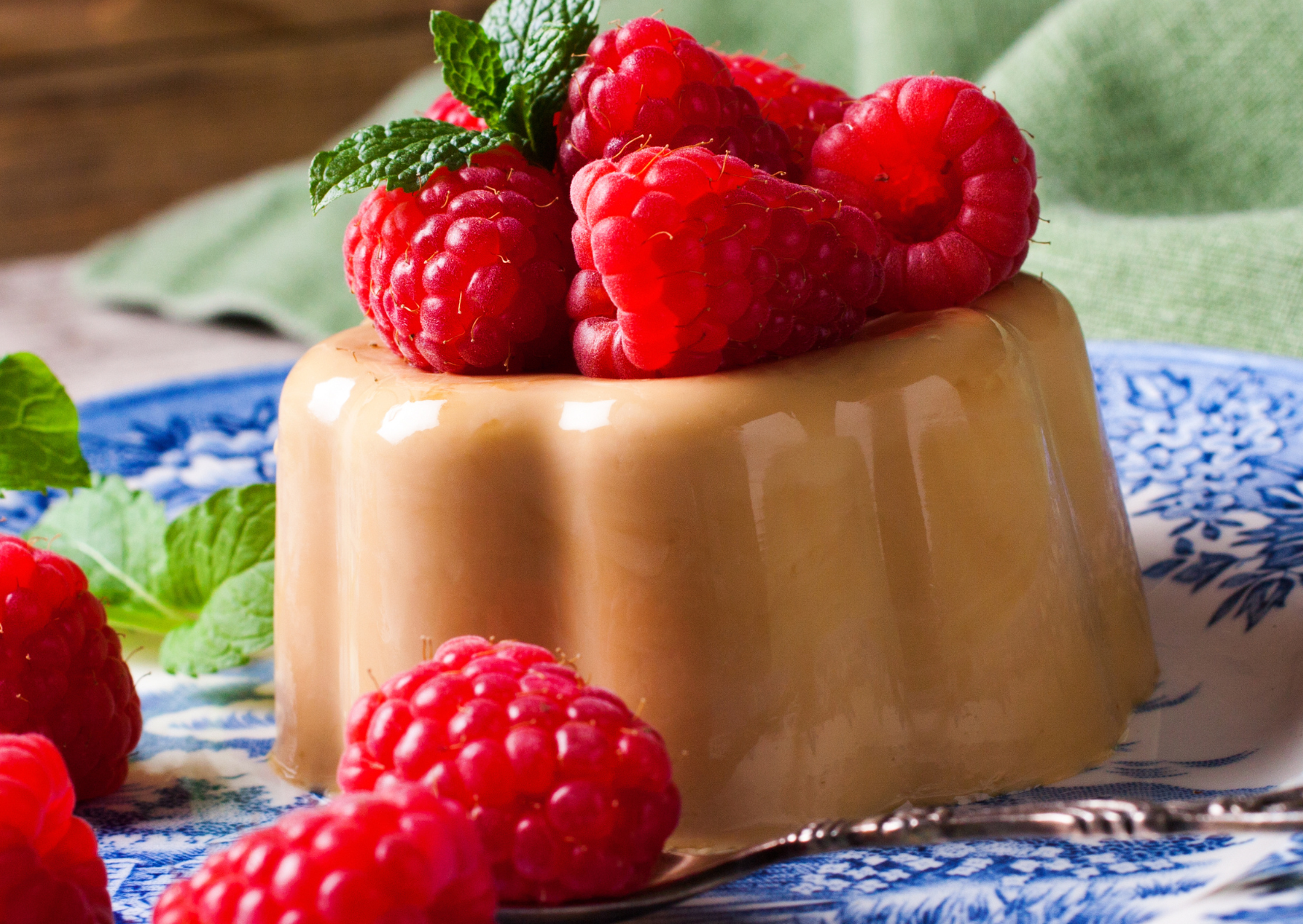
Classic panna cotta is sweetened cream or milk set with gelatin, poured into small cups, and chilled until it gently wobbles. No eggs, no flour. The set comes from gelatin strands that form a delicate network as they cool. In practical terms that means each serving contains a few grams of a true protein gel, not just thickener. Real gelatin, no starch, protein in the base.
Box-pudding and most supermarket refrigerated puddings are different. Their thick body comes from modified starches and stabilizers. Nutrition panels for common mixes and ready-to-eat cups show about 1 to 2 grams of protein per 100 grams, far less than even a modestly set gelatin dessert. Ingredient lists read sugar, modified food starch, phosphates, colors, flavors, and often carrageenan. Good puddings can taste great, but from a joint-support point of view they are mostly carbs and water. Starch sets, not protein, protein is minimal, label confirms it.
A typical panna cotta recipe uses one 7 g envelope of gelatin to set about 600 to 700 ml of dairy. Divide that into 5 to 6 espresso-cup portions and you are in the ballpark of 1 to 2 grams of gelatin per serving, sometimes a bit more depending on how firmly you set it. That is not a supplement dose, but it is meaningful food protein in a dessert that otherwise would have none. A few grams per cup, every serving counts, still dessert, not medicine.
What Gelatin Actually Delivers To Your Joints
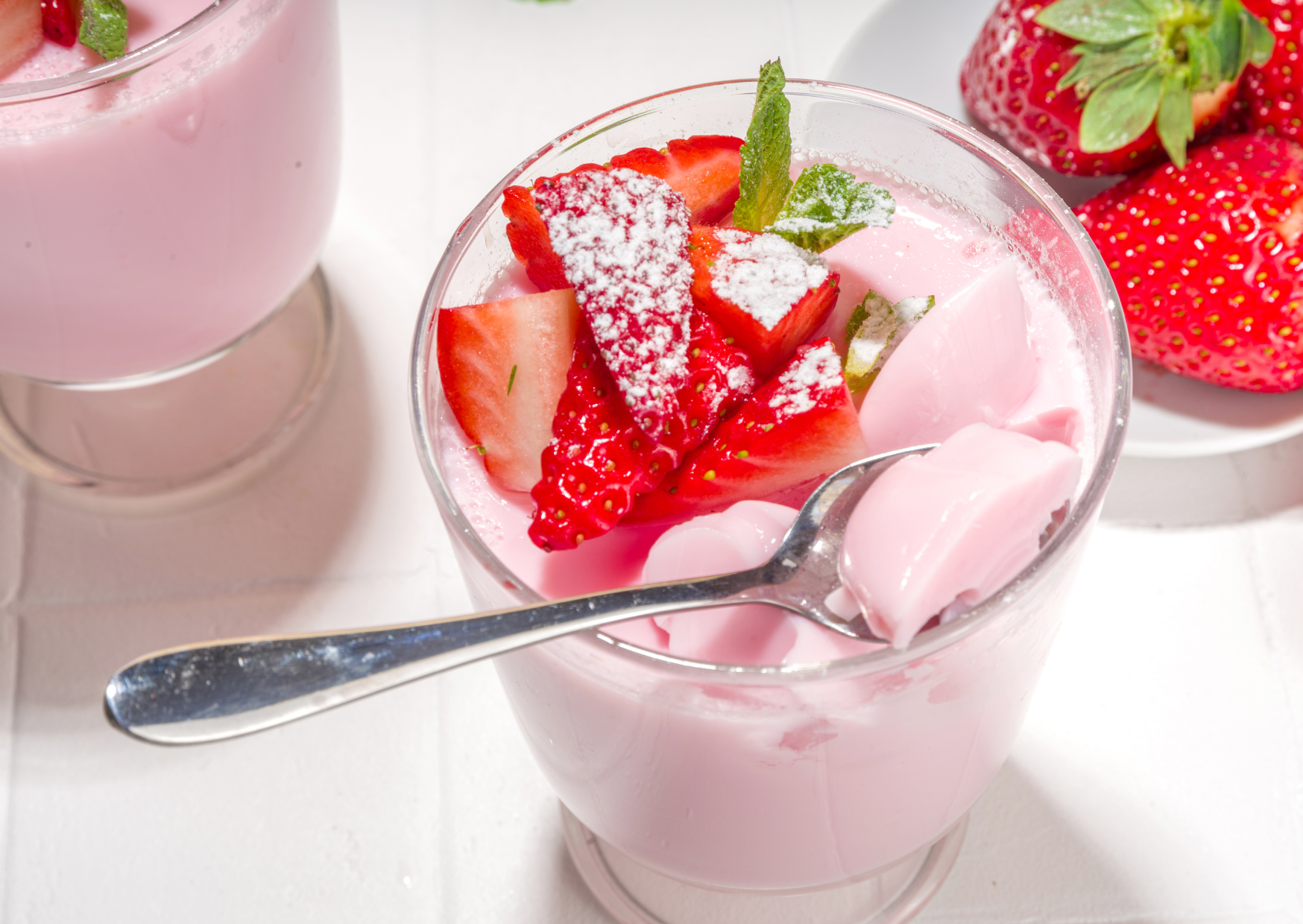
Gelatin is collagen that has been denatured and dried, then rehydrated in your kitchen. Its amino acid profile is unusual. Gelatin contains high levels of glycine and proline, plus hydroxyproline, all of which are overrepresented in joint cartilage and tendon collagen compared with other body proteins. In compositional studies, gelatin often shows roughly 27 to 35 percent glycine and 20 to 24 percent combined proline and hydroxyproline, depending on the animal source. Cartilage-building amino acids dominate, different from meat or dairy, made for connective tissue.
Why does that matter. Your body can make glycine and proline, but demand rises when you are repairing tissues after activity or injury, and dietary availability can become a limiting factor. In controlled human work, a small study using vitamin C enriched gelatin before brief exercise bouts showed increased markers of collagen synthesis in engineered ligaments and in blood. The practical protocol was simple: a gelatin drink plus vitamin C an hour before activity. That combination delivered the building blocks and the cofactor at the moment the body was primed to build. Human data show a stimulus, vitamin C matters, timing helps.
Larger clinical pictures look at collagen peptides for osteoarthritis symptoms. Multiple modern reviews and trials report modest improvements in knee pain and function with daily collagen-derived peptides. Most of those supplements use hydrolyzed collagen, not kitchen gelatin, yet both originate from collagen and both deliver the same signature amino acids once digested. The point is not that panna cotta cures arthritis. The point is that a habitual, palatable source of collagen amino acids fits what the better studies suggest: regular intake, with vitamin C, alongside movement. Clinical signals exist, forms differ, amino acids align, consistency is key.
Mechanistically, laboratory work shows glycine availability can be rate limiting for collagen synthesis in cartilage. Raise glycine and proline in the diet and you may tilt the balance toward making more collagen where the body is trying to repair. Again, this is supportive evidence, not a magic wand. It lines up with why a small, consistent gelatin dessert can make sense for people who train, walk a lot, or simply want joint-friendly choices in their routine. Glycine can be limiting, diet helps supply it, food is an easy compliance tool.
Why Panna Cotta Satisfies Instead Of Starting A Sugar Spiral
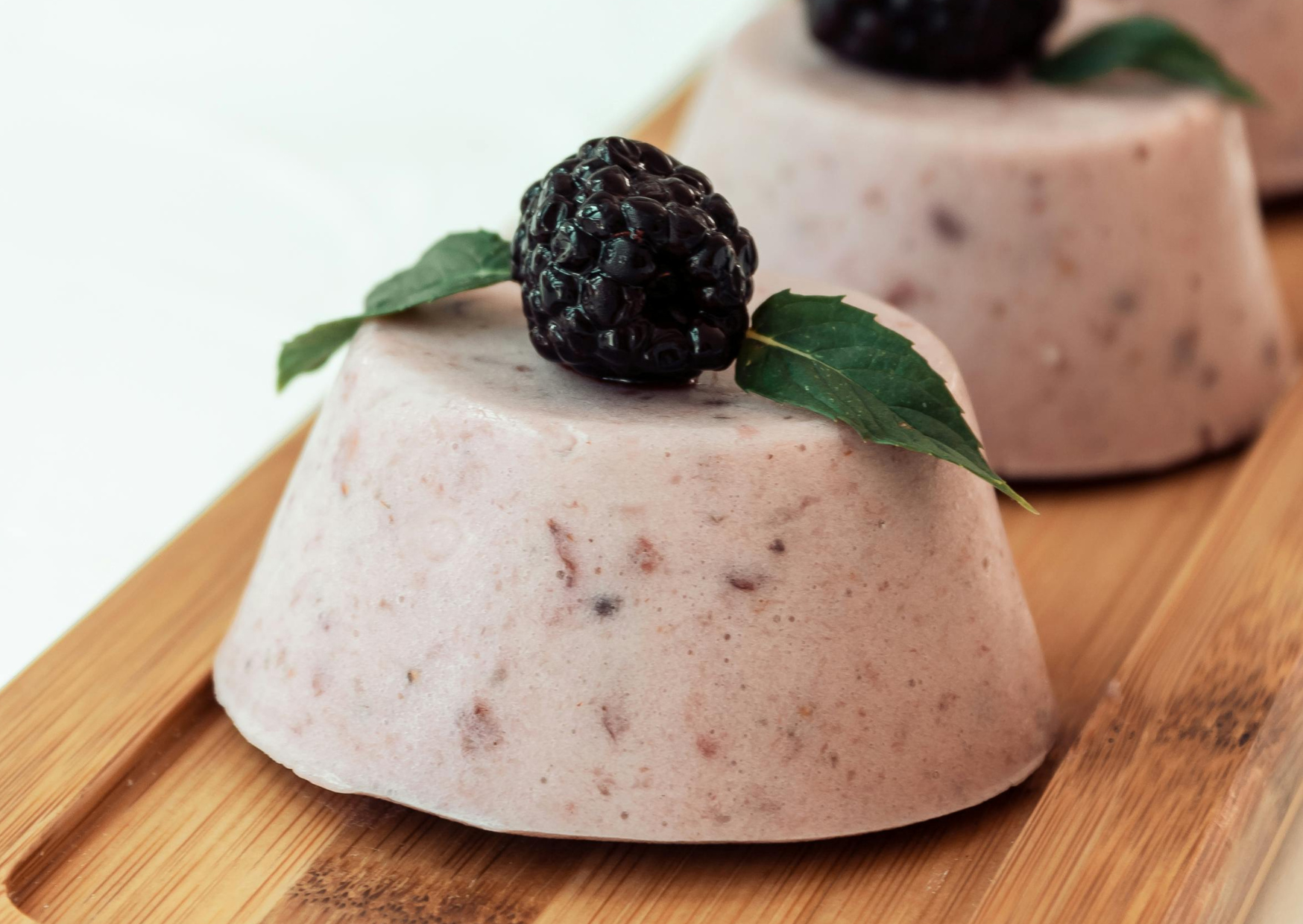
Beyond joints, there is a behavioral win. The protein gel in panna cotta changes the mouthfeel and perceived richness of a very small portion. A tight set in a 60 to 100 ml espresso cup, a pinch of salt, and toppings that lean bitter or tart make a tiny serving feel complete. When you sauce with unsweetened cocoa, espresso syrup, macerated berries, or citrus, you get contrast without needing extra sugar. You also avoid the starch-thickened sweetness that encourages bigger spoonfuls in a pudding bowl. Protein gel slows you, contrast finishes the bite, espresso-cup size builds a stop.
If you want to make that cup joint smarter, finish with vitamin C at serving. Collagen synthesis requires vitamin C, and the study that moved the needle used gelatin plus vitamin C before exercise. A spoon of macerated strawberries, a twist of lemon, or a bit of orange zest on top supplies the cofactor without turning dessert into a lecture. Vitamin C pairs naturally with dessert, cofactor without a pill, studied combo in humans. PMC
The Practical Playbook: How To Get The Benefit Without Turning Dessert Into Homework
You do not need to weigh supplements at the dinner table. You need reliable gelatin technique, small cups, and a habit.
Buy the right gelatin. Any plain culinary gelatin works. Powder is common in the U.S. and EU. Sheets are traditional in some European kitchens. They are interchangeable if you bloom correctly and set your ratios. Plain gelatin, no flavored boxes, bloom first.
Bloom like a pro. Sprinkle powder gelatin over cold water and let it absorb for 5 to 10 minutes until spongy. Heat your dairy and sugar just enough to dissolve the sugar. Stir the bloomed gelatin off heat until dissolved. Do not boil. Boiling breaks the delicate network and can weaken the set.
Hit a firmness that carries. For a café cup, target 0.9 to 1.2 percent gelatin by weight of your total liquid. In home terms, that is about 7 g gelatin for 600 to 700 ml dairy for a gentle set, or 8 to 9 g for a slightly firmer spoon stand. That keeps each 90 to 120 ml serving in the 1 to 2 g gelatin range.
Portion like Italians do. Use small ramekins or espresso cups. Two or three polite bites beat a cereal bowl. It is the difference between finishing and foraging.
Sauce for contrast, not sugar. Macerate strawberries or citrus with a pinch of sugar and a squeeze of lemon. Drizzle espresso syrup made from equal parts brewed espresso and a little sugar reduced by half. Dust with unsweetened cocoa. The bitter or tart layer lets you lower base sugar in the cream.
Pair with movement when you can. The collagen-synthesis study dosed gelatin about an hour before short jump-rope intervals. That does not mean you need a panna cotta before the gym. It does suggest coordinating vitamin C plus gelatin with daily walking or your normal activity gives the idea more chance to matter. Food timing can help, movement multiplies the signal, make it a routine.
The Recipe: Espresso-Cup Panna Cotta That Loves Your Joints
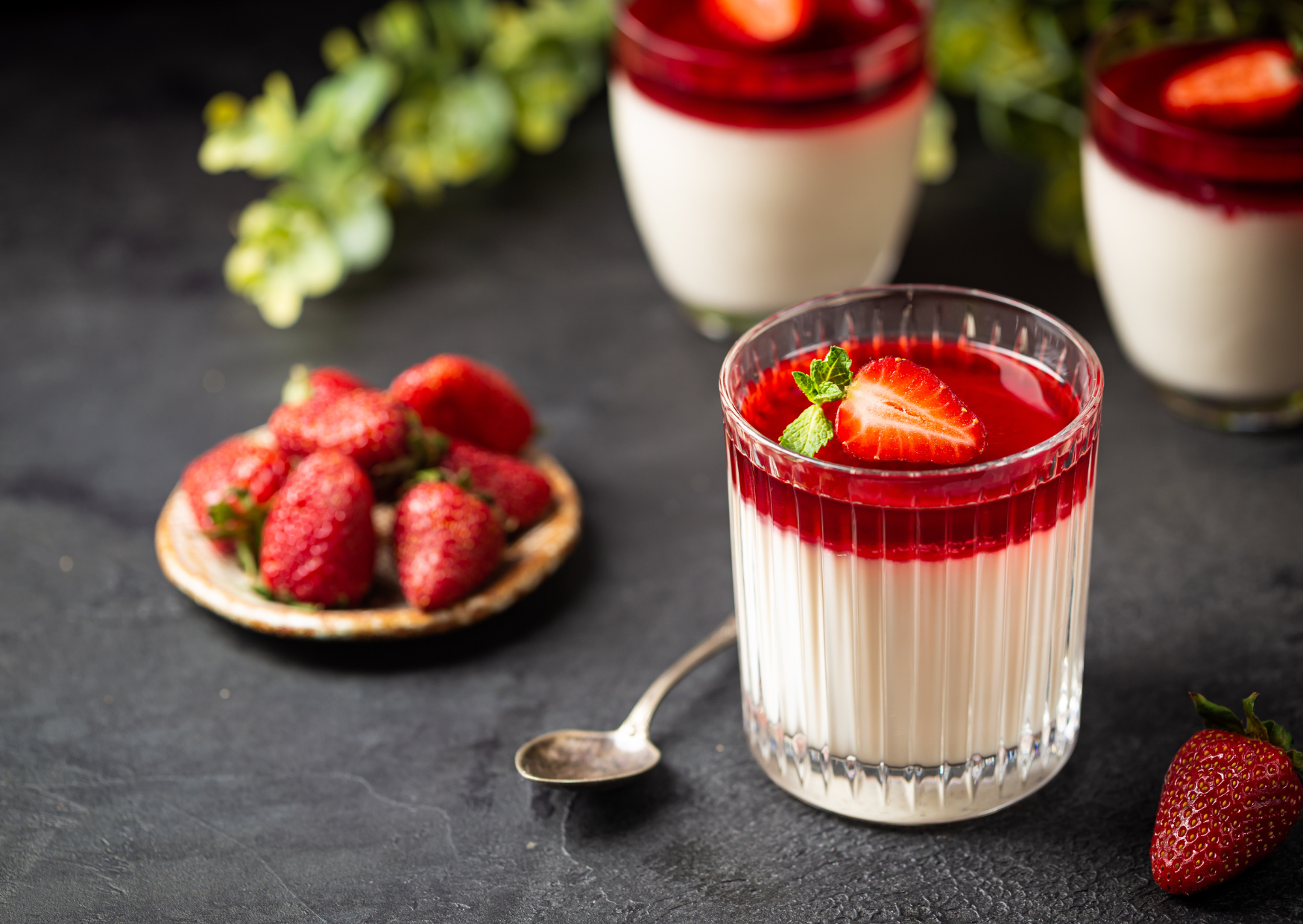
This is a small, firm-but-silky panna cotta sized like a Lisbon coffee service. The set is confident enough to un-mold, but it shines served in the cup with a tart top. The sugar is modest, the gelatin is steady, and the garnish brings vitamin C.
Yield: 6 to 8 espresso cups
Base
- 600 ml dairy: 400 ml whole milk, 200 ml cream
- 45 to 60 g sugar, to taste
- 7 to 8 g powdered gelatin (1 standard envelope is 7 g)
- 1 tsp vanilla extract or the scraped seeds of ½ vanilla pod
- Small pinch of fine salt
Topping choices
- 150 g strawberries, diced and tossed with 1 tsp sugar and 1 tsp lemon juice
- Or orange segments with a little zest and juice
- Or a quick espresso syrup: reduce 120 ml strong coffee with 1 tbsp sugar to 60 ml, cool
Method
- Bloom the gelatin: sprinkle it over 50 ml cold water in a small bowl. Wait 5 to 10 minutes until spongy.
- Warm the dairy, sugar, salt, and vanilla in a saucepan just until the sugar dissolves. Do not simmer.
- Dissolve the gelatin off heat, stirring until no granules remain. If needed, return to the lowest heat briefly, but never boil.
- Strain into a jug for a perfectly smooth pour. Divide into 6 to 8 espresso cups. Chill at least 4 hours.
- Serve cold but not fridge-icy. Spoon on berries with their juice, or orange with zest, or a thin trail of espresso syrup. Finish with a tiny pinch of flaky salt if you like chocolate notes to pop.
Why this works: gelatin provides the collagen amino acids, the cup size makes a few grams a daily habit rather than a rare event, and the vitamin C topping mirrors how researchers paired gelatin with a cofactor in human work. Small, regular, and paired beats a heroic dessert once a month.
Common Mistakes And Easy Fixes
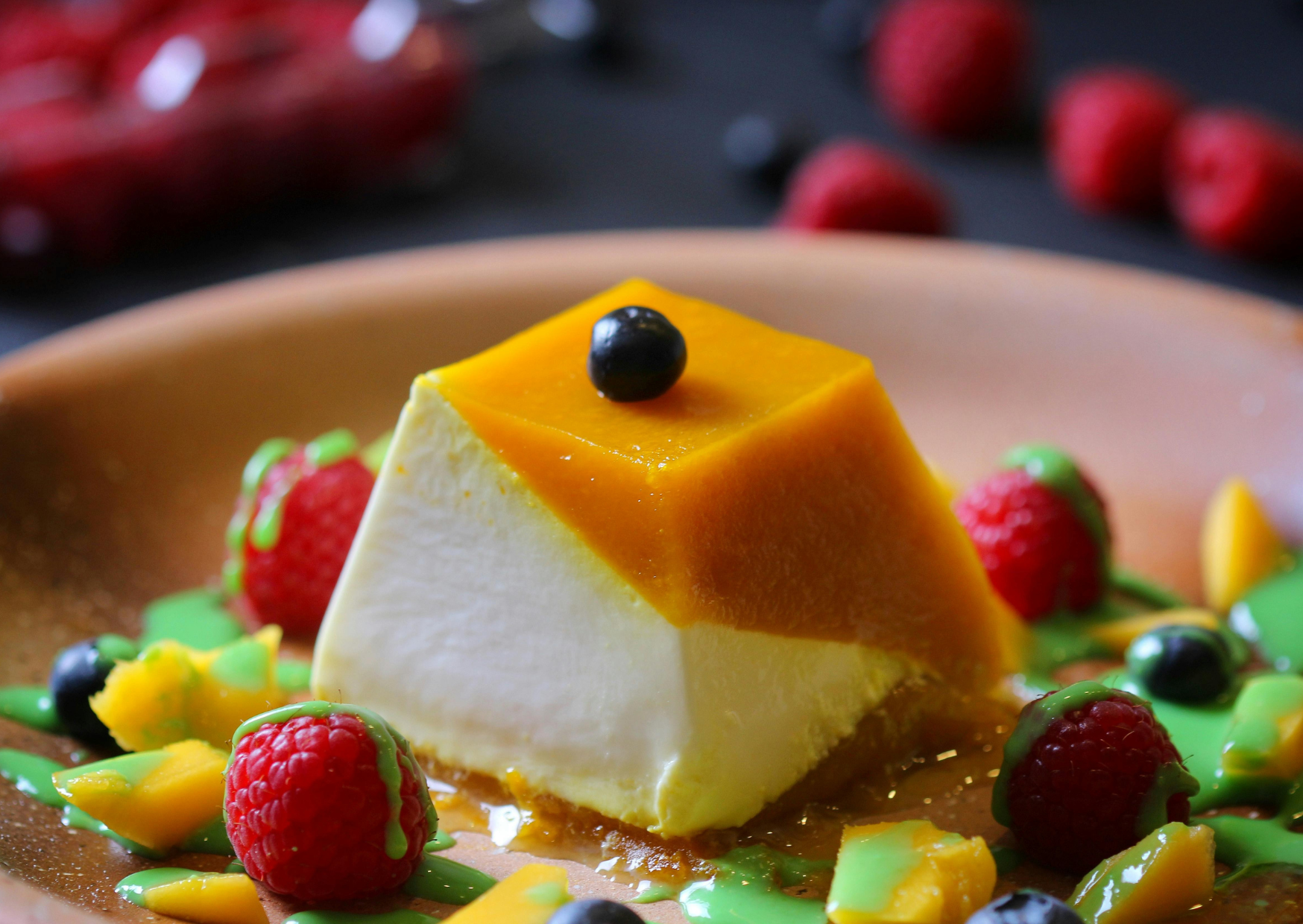
A few predictable moves will wreck the set, the texture, or the point.
Boiling the gelatin. Heat kills bloom and weakens the network. If your panna cotta slumps, you probably simmered. Next time, dissolve off heat and strain.
Setting it too soft. If the gel barely holds, you will serve bigger portions to feel satisfied. Aim for 1.0 percent gelatin by weight so a 90 to 120 ml cup feels complete. A firm, clean set reduces grazing.
Sugaring like a pudding cup. Box pudding expects sweetness to carry. Panna cotta expects contrast. Keep base sugar modest and let bitter coffee or tart fruit do the finishing work.
Skipping the salt. A pinch in the base makes chocolate, coffee, and dairy taste rounder, so you need less sugar to feel finished.
Trying to “fortify” pudding mix. Stirring gelatin into a starch-thickened pudding rarely sets cleanly. The starch competes for water, the gel network breaks, and the result turns gluey. If you want protein gel, start with gelatin as the only set.
Expecting dessert to replace treatment. If you already have joint disease, talk to a clinician about comprehensive care. Dessert can be an adjunct, not a therapy.
How To Choose Gelatin And Make It A Habit
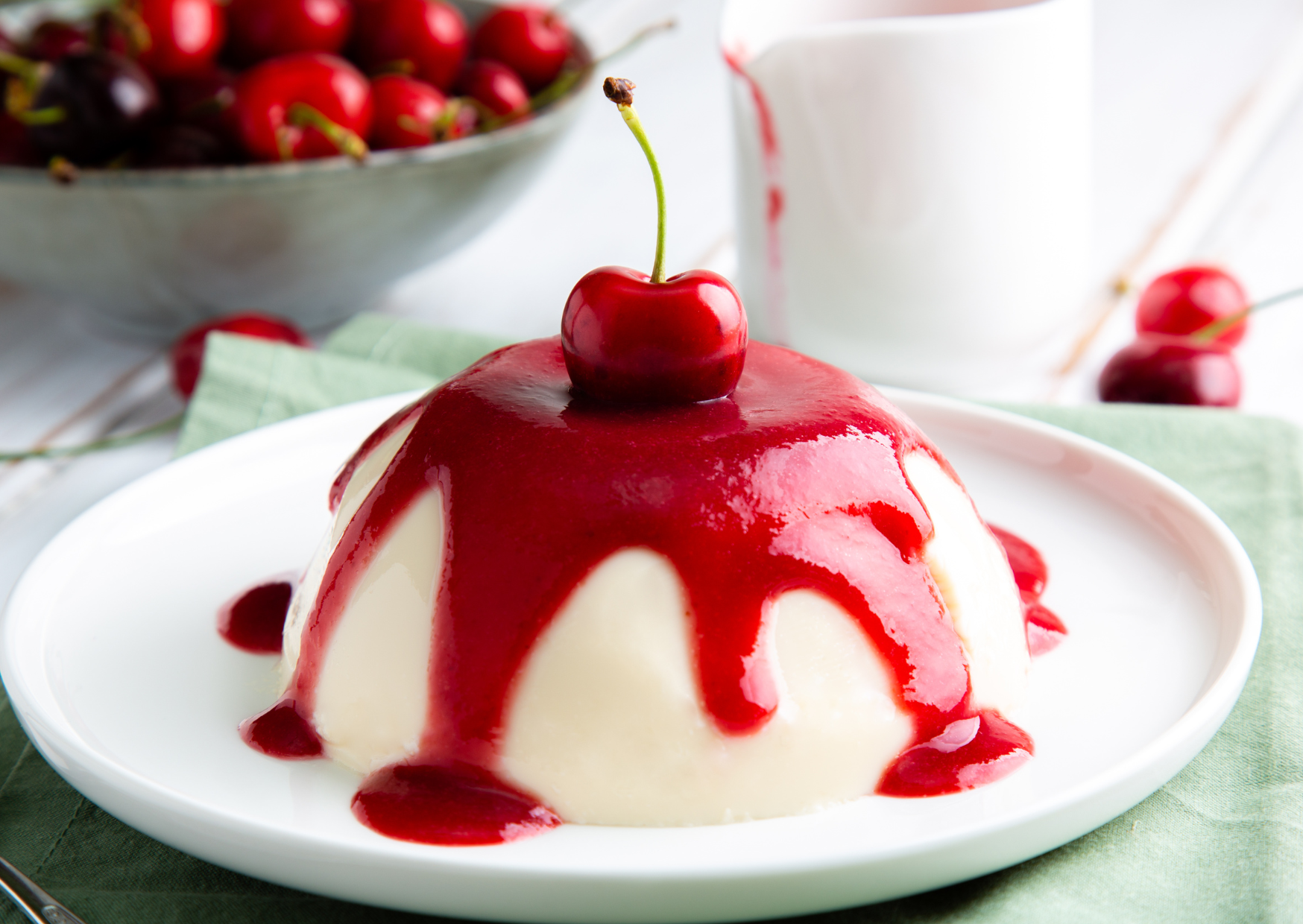
Not all kitchen gels are equal. A few small choices keep the routine easy.
Powder vs sheets. Powder is easy to measure by the gram. Sheets are foolproof to bloom. Both make identical gels at equal bloom strength. Pick the format you will actually use.
Bovine vs porcine vs fish. All are collagen-derived. Amino acid profiles vary a little by source, not by enough to change the point for desserts. If you keep kosher or halal, fish or certified products are your lane.
Carrageenan and starch are not bad. They are just not collagen. Carrageenan is considered safe at food levels by EU and U.S. authorities, but it does not deliver collagen amino acids. If the aim is joint-friendly protein, you need gelatin. Stabilizers are fine, they are not collagen, read labels with your goal in mind.
Routine beats novelty. Make a batch once or twice a week in espresso cups. Top with fruit or citrus most nights. Tie it to your evening walk or light exercise when you can. Habit is where the small grams add up.
Why This Beats Box Pudding For Your Body
Set the romance aside and look at the plate. Panna cotta delivers collagen amino acids, especially glycine and proline, in a portion that is naturally small, satisfying, and easy to pair with vitamin C. Box pudding delivers starch, sugar, and additives, with very little protein and no collagen. If dessert is going to be a habit, choose the one that feeds connective tissue a little every time.
Small, regular nudges often matter more than big, rare leaps. Two or three espresso cups of panna cotta across a week is not a supplement regimen. It is dessert used smartly. You eat it anyway. This way it also adds the right bricks to the right wall.
Origin and History
Gelatin has a long, practical history in Italian kitchens, well before it became a packaged ingredient. Traditionally, it came from slow-cooked bones, skin, and connective tissue, extracted through broths and set dishes rather than isolated powders.
In rural Italy, nothing was wasted. Long simmering was not a culinary trend but a necessity, and gelatin-rich preparations naturally emerged as a byproduct of everyday cooking. Desserts made with gelatin were extensions of this mindset, not indulgent inventions.
Unlike pastry traditions built around sugar and flour, many Italian desserts evolved from dairy, eggs, and natural thickeners. Gelatin provided structure without heaviness, allowing sweets to feel complete without excess.
Over time, this approach shaped a quiet rule: dessert should finish a meal gently. Gelatin-based sweets became a way to close eating, not spike it.
One common misconception is that gelatin is only about texture. In Italian cooking, texture is secondary to function. Gelatin is used to stabilize, bind, and calm rather than impress.
Another controversy lies in how modern desserts treat gelatin as optional or artificial. Traditional Italian use relied on naturally derived gelatin from cooking, not synthetic shortcuts.
There is also resistance to the idea that dessert can serve a supportive role. Many cultures draw a hard line between nourishment and pleasure, while Italian traditions blur it intentionally.
Finally, people often assume gelatin-heavy desserts are old-fashioned. In reality, they reflect a restraint that modern desserts frequently lack.
How Long You Take to Prepare
Gelatin-based Italian desserts are simple to assemble. Most of the effort goes into measuring and gently heating rather than mixing or baking.
Setting time matters more than active work. Once prepared, the dessert rests in the refrigerator while structure forms naturally.
This waiting period is intentional. It allows flavors to mellow and textures to stabilize without intervention.
From start to finish, preparation takes under 30 minutes, followed by several hours of rest. The dessert finishes itself.
Serving Suggestions
These desserts are served cold or lightly chilled, reinforcing their role as a calming end to a meal.
Portions are small by design. Gelatin delivers satisfaction without heaviness, making excess unnecessary.
They are often served plain or with minimal accompaniment, such as fruit or a light drizzle, to preserve balance.
Timing matters. These desserts work best after substantial meals, where they act as a gentle close rather than a standalone event.
Final Thoughts
The Italian gelatin rule isn’t about turning dessert into medicine. It’s about respecting how food lands in the body.
Understanding its history explains why this approach persists. Desserts were never meant to overwhelm or restart hunger.
Making these dishes at home highlights how restraint can feel more satisfying than abundance. Less stimulation often creates more comfort.
Ultimately, gelatin-based Italian desserts endure because they serve a purpose beyond pleasure. They complete the meal rather than compete with it.

About the Author: Ruben, co-founder of Gamintraveler.com since 2014, is a seasoned traveler from Spain who has explored over 100 countries since 2009. Known for his extensive travel adventures across South America, Europe, the US, Australia, New Zealand, Asia, and Africa, Ruben combines his passion for adventurous yet sustainable living with his love for cycling, highlighted by his remarkable 5-month bicycle journey from Spain to Norway. He currently resides in Spain, where he continues sharing his travel experiences with his partner, Rachel, and their son, Han.