
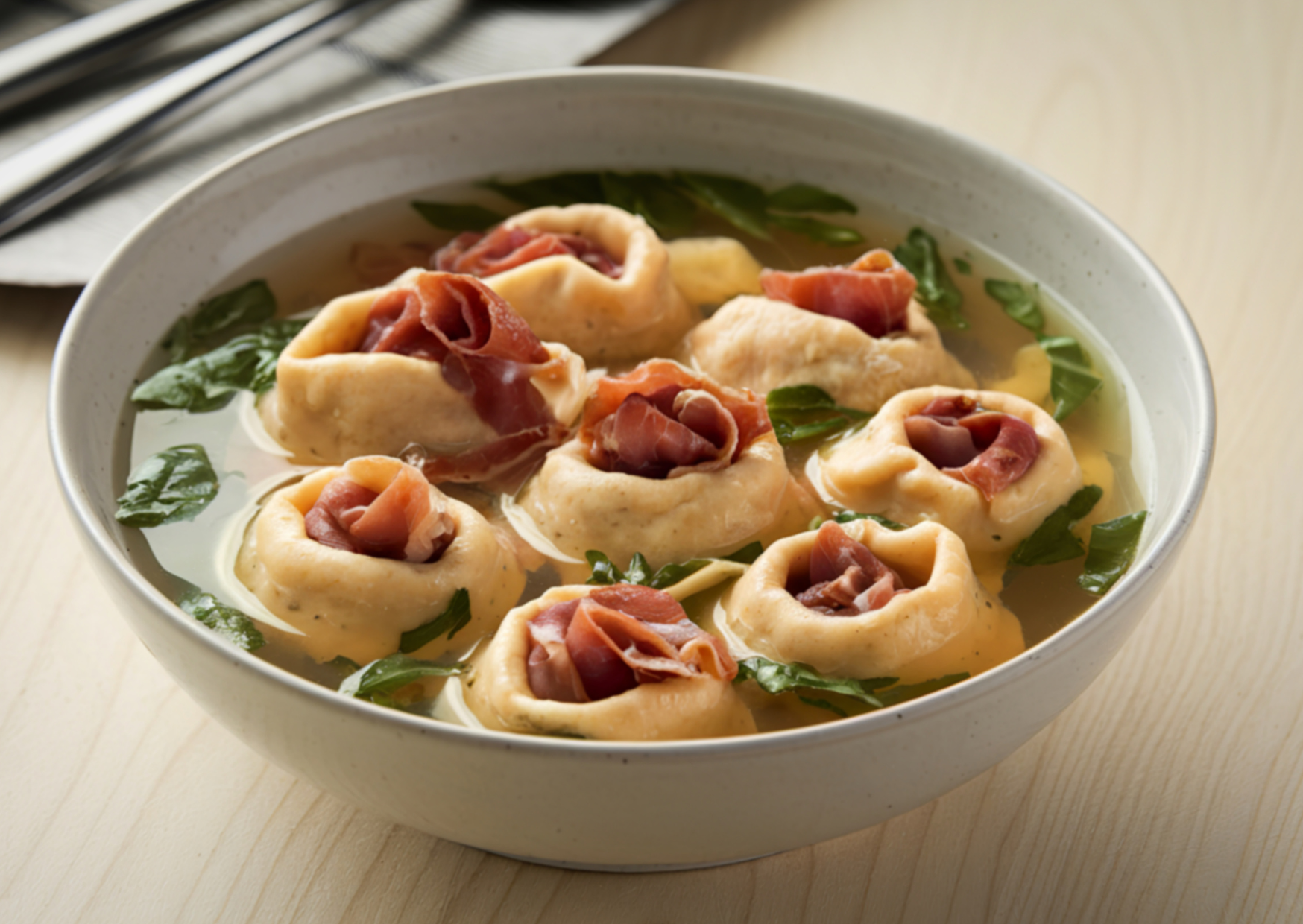
It’s not magic. It’s a pot of broth that makes the house feel normal again, and that’s sometimes the only “cure” you actually get.
My mother-in-law doesn’t do dramatic wellness. She’s Spanish, practical, and allergic to anyone selling “immune support” in a pastel label.
But she does have one Italian habit she picked up years ago from an Italian colleague and never let go: when someone in the family is wobbling, stressed, sick, heartbroken, or just running on fumes, she makes brodo. Slow, clear, and annoyingly soothing.
She calls it “the soup that cures everything.” I call it the soup that goes down when you can’t be bothered to chew.
The truth is simpler and better. It’s a three-hour pot that turns a random week into a predictable meal, and that predictability is half the relief.
If you’re American, this is one of those moments where the cultural gap shows up quietly. In the U.S., hard weeks often trigger outsourcing, delivery apps, supplements, and a lot of spending that feels like self-care but lands like chaos. Here in Europe, the reflex is often: make a pot, portion it, and get through Tuesday.
This is that pot.
Why this soup shows up when the week falls apart
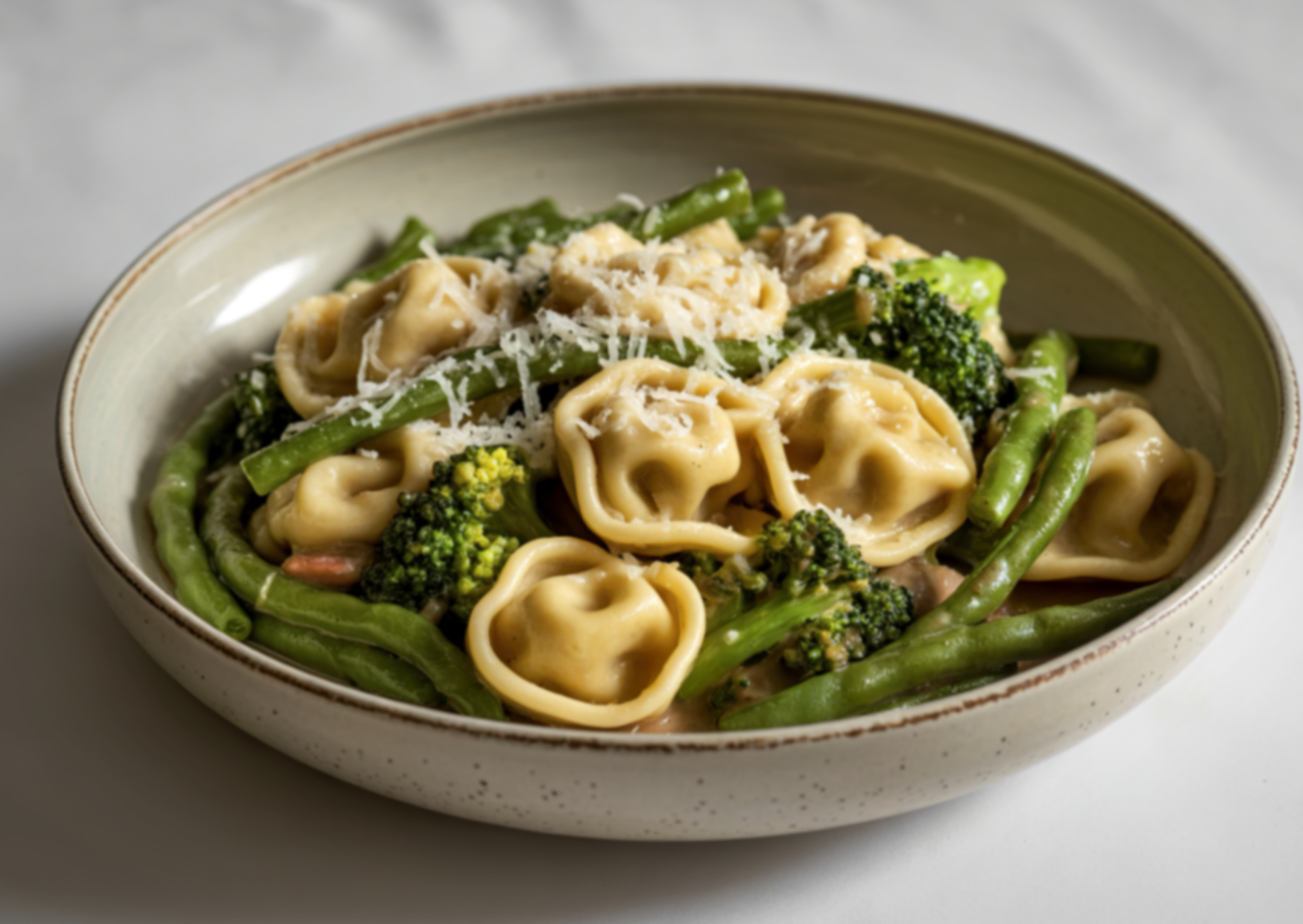
Nobody makes a three-hour soup because they love standing around for three hours. They make it because it buys them a week where dinner doesn’t require negotiation.
That’s the real function of brodo in an Italian household: it’s not a recipe, it’s a household stabilizer.
When someone’s appetite is low, heavy food feels wrong. When someone’s stress is high, decision-making feels expensive. Brodo solves both with the least drama possible. It’s warm, salty enough to be satisfying, and gentle enough that even picky, exhausted people usually accept it.
It also gives you something the modern life pattern keeps stealing: a “default meal” that isn’t junk. A pot in the fridge means you don’t have to invent dinner. You don’t have to “be good.” You just heat the thing you already made.
This is why it shows up around bad news. Not because soup fixes bad news, but because it keeps the body from sliding while the brain is busy processing.
And it’s why the timing matters. In a lot of Mediterranean families, lunch is still treated like the anchor meal, but brodo is often a dinner move too because it’s easy to digest and easy to serve. You can feed a kid. You can feed an older parent. You can feed yourself at 22:00 without regretting it at 03:00.
If you’ve been living on random meals, this soup feels like a reset. Not a cleanse. A reset.
It’s not glamorous. It’s not trendy. It’s just warm structure, and structure is what people actually need when the week goes sideways.
What it actually is, and why it takes three hours
Brodo is not “chicken soup” in the American sense of big noodles and big chunks and big opinions.
Brodo is broth first. Clear, light, and flavorful in a way that makes you think, “Oh. This is what comfort tastes like when it’s not sugar.”
Then you turn that broth into a meal with one of three classic add-ins:
- pastina (tiny pasta stars or similar)
- rice
- a beaten egg stirred in gently
The three-hour part is the broth itself. You’re not cooking pasta for three hours. You’re building a base that tastes like effort even though the effort is mostly patience.
The best brodo is made with:
- chicken (whole, or bone-in pieces)
- onion, carrot, celery
- garlic, bay leaf, peppercorns
- and the Italian cheat code: a Parmesan rind (optional but brilliant)
You simmer low, skim the foam, and don’t stir like you’re making a stew. Clarity comes from gentleness. You’re letting flavors drift out slowly, and you’re avoiding the violent boil that turns everything cloudy.
This is also why it’s so practical. Once you have the broth, the actual “soup” takes 10 minutes any night you want it.
It’s a two-stage system:
- do the long work once
- cash the rewards all week
That’s the logic your mother-in-law is really selling. Not curing anything. Just front-loading effort so the rest of the week is easier.
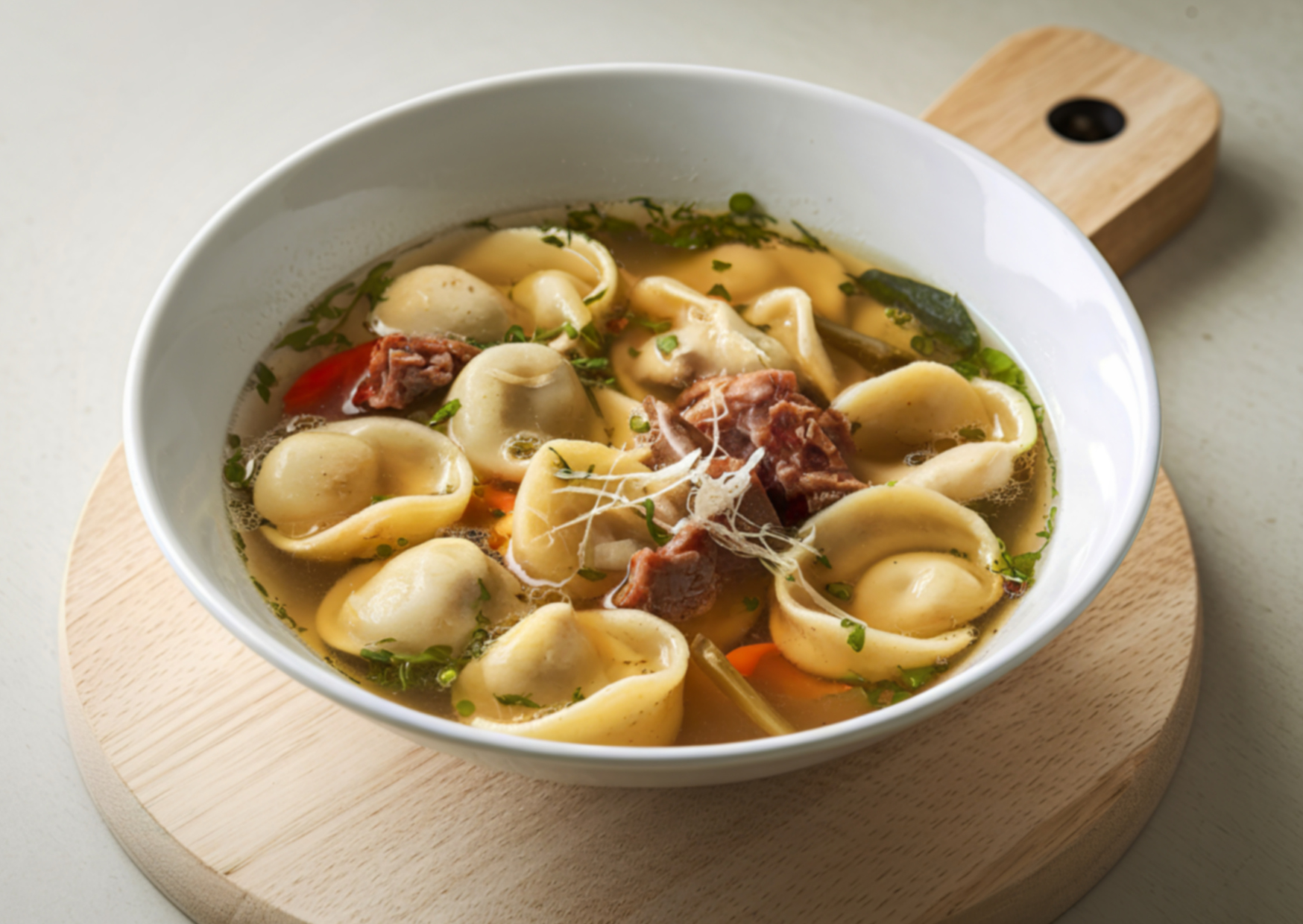
Recipe guide: Italian brodo with pastina
Servings and timing
- Serves: 6 to 8
- Prep time: 20 minutes
- Active time: 30 minutes
- Simmer time: 3 hours
- Rest time: 20 minutes (for clarity and easier handling)
- Total: about 3 hours 50 minutes
Equipment
- Large stockpot (at least 6 to 8 liters)
- Fine mesh strainer
- Ladle
- Tongs
- Large bowl or another pot for straining
- Optional: thermometer for chicken and reheating
Ingredients
For the brodo
- Whole chicken: 1.6 to 1.8 kg (3.5 to 4 lb)
(or 1.2 kg bone-in thighs plus 500 g wings) - Cold water: 3.5 liters (about 15 cups)
- Onion: 1 large (about 250 g), halved
- Carrots: 2 large (about 250 g), cut into chunks
- Celery stalks: 2 (about 120 g), cut into chunks
- Garlic: 4 cloves, smashed
- Bay leaves: 2
- Black peppercorns: 1 tsp
- Parsley stems: a small handful (or a few sprigs)
- Parmesan rind: 1 piece (optional but highly recommended)
- Salt: start with 2 tsp, then adjust at the end
For serving (per pot)
- Pastina (stelline or any tiny pasta): 150 g (about 1 cup)
- Shredded chicken from the pot: 2 to 3 cups (as much as you like)
- Grated Parmesan: to serve
- Optional: lemon zest or a tiny squeeze of lemon at the table
Short shopping list
- Whole chicken (or thighs and wings)
- Onion, carrots, celery, garlic
- Bay leaves, peppercorns
- Pastina (tiny pasta)
- Parmesan (rind plus grating)
Method
1) Start the pot
Put chicken, vegetables, aromatics, and cold water into your stockpot. Bring it up slowly over medium heat until it reaches a gentle simmer. Don’t rush this. Slow heat helps a clear broth.
2) Skim the foam
In the first 20 to 30 minutes, you’ll see foam rise. Skim it off with a spoon or ladle. This is not optional if you care about clarity.
3) Simmer low for 3 hours
Turn heat down so you get lazy bubbles, not a rolling boil. Partially cover. Let it go 3 hours, skimming occasionally. Do not stir like a stew. Leave it alone.
4) Remove chicken and strain
Lift the chicken out carefully. Strain the broth through a fine mesh strainer into a clean pot or bowl. Discard the cooked vegetables and herbs, and pull out the Parmesan rind if used.
5) Shred chicken
Once chicken is cool enough to handle, shred some meat for the soup. Keep it simple. You don’t need to strip every gram. Save extra meat for salads, sandwiches, or rice bowls.
6) Season properly
Taste the broth. Add salt until it tastes like something you want to drink. This is where the soup becomes actually comforting.
7) Make the pastina soup
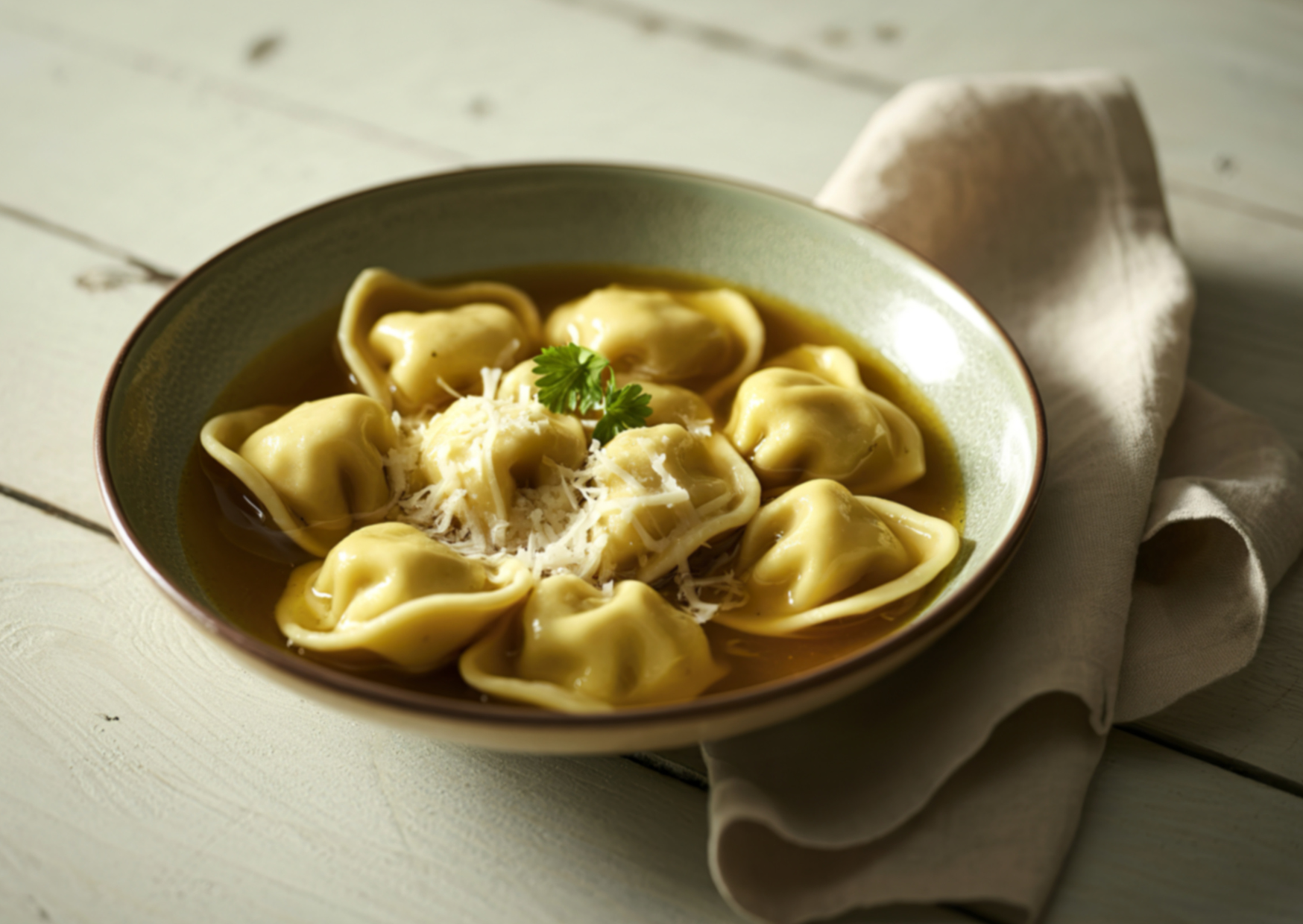
Bring the broth to a simmer. Add pastina and cook until tender, usually 6 to 8 minutes depending on shape. Stir in shredded chicken for the last minute to warm it through.
Serve with Parmesan. If someone in your family is dramatic, they’ll say it tastes like childhood. They’re not wrong.
Storage and food safety basics
- Cool and refrigerate the broth within 2 hours.
- Fridge: broth and soup keep well for up to 4 days.
- Freezer: broth freezes well for 2 to 3 months for best quality.
- Reheat leftovers to 74°C (165°F) for safety, especially if serving older adults or kids.
Substitutions that still taste right
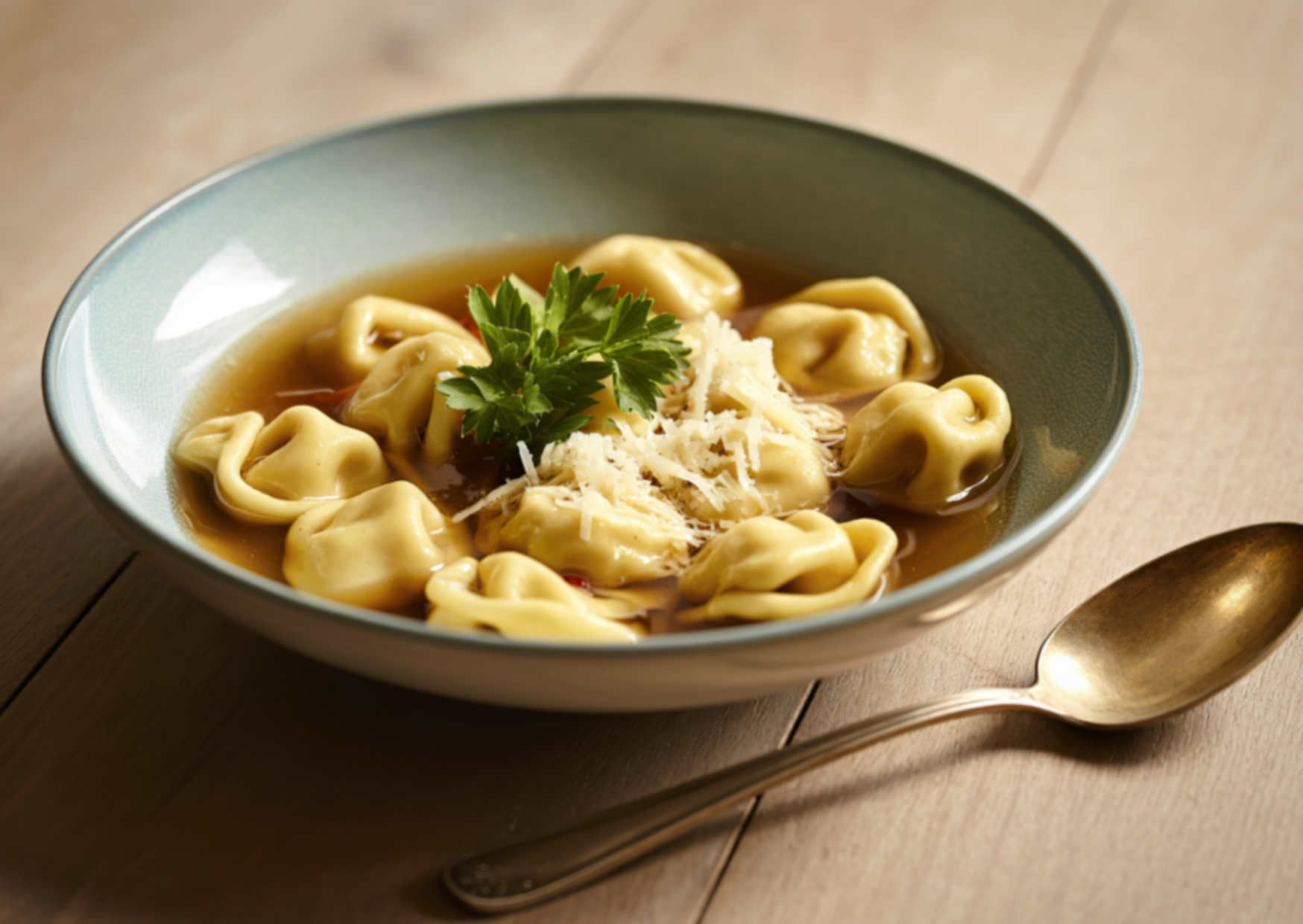
- No whole chicken: use bone-in thighs and wings, or a carcass plus thighs
- No Parmesan rind: still good, just slightly less deep
- No pastina: use rice, or small pasta like orzo
- Want it richer: add a beaten egg slowly while stirring to make gentle ribbons
- Want it lighter: skim fat after chilling, and keep the broth clean
Why this works
This soup works because it’s built on salt, warmth, and repetition. The collagen-rich bones give body, the vegetables give sweetness, the long simmer gives depth without heaviness, and the tiny pasta makes it feel like a meal instead of “just broth.”
What it costs in Spain, and why it’s secretly a budget flex
This is one of those recipes that looks expensive until you price it per bowl.
A realistic Spain range, depending on where you shop:
- Whole chicken (1.7 kg): €5 to €9
- Onion, carrots, celery, garlic: €2 to €4
- Pastina: €1 to €2 (and you won’t use the whole bag)
- Parmesan: varies wildly, but per pot you’re often around €1 to €2 worth
- Bay leaf, peppercorns: pantry pennies
So you’re looking at roughly €9 to €17 for a pot that feeds 6 to 8. Call it €1.50 to €2.80 per serving, and that’s with real chicken in it.
This is where American “healthy eating” spending looks unhinged. People will pay €12 for two salads that don’t keep them full, then claim cooking is expensive. Meanwhile, brodo quietly gives you dinner, lunch, and a fallback option that stops delivery spending when you’re tired.
Also, the chicken is not just soup meat. You’ll likely pull 2 to 3 cups of shredded chicken out of the pot, which becomes tomorrow’s lunch. The broth is dinner, and the chicken is a second meal. That’s two meals from one buy, and it’s why older households rely on this kind of cooking.
If you want the real comparison, it’s not Spain vs U.S. groceries. It’s:
- one pot that creates a whole week of fallback meals
versus - five “we’re too tired” purchases that cost more and feel worse
Brodo is not only comfort. It’s anti-chaos budgeting.
How to use one pot all week without hating it
Brodo is at its best when you treat it like a base, not a single dish.
Here’s a simple seven-day rhythm that actually happens in real households:
Day 1: Brodo with pastina
Keep it classic. Parmesan. Done. Don’t overthink it.
Day 2: Thermos lunch
Warm broth with a little chicken and pasta, pack it for school or work. The tiny pasta holds up if you keep it separate and combine when serving.
Day 3: Rice version
Simmer rice in broth. Add shredded chicken. Finish with lemon zest. This one feels lighter, and it’s great when people are tired of pasta.
Day 4: Egg-drop style
Heat broth, then slowly stream in a beaten egg while stirring gently. It turns into a silky, filling bowl fast. This is dinner in 7 minutes.
Day 5: “Clean the fridge” soup
Add spinach, peas, or leftover roasted veg to broth. Keep it simple. You’re not making minestrone. You’re keeping the week afloat.
Day 6: Freeze portions
Freeze broth in 2-cup containers. Future-you will feel weirdly cared for. Frozen broth is insurance.
Day 7: Reset meal
Use the last broth for a small bowl, then move on. The goal is comfort and structure, not eating the same thing forever.
One practical tip: if you know you want leftovers, cook pastina separately and add it to bowls when serving. Pastina keeps drinking broth and can go soft if it sits. If you don’t care, ignore this and live your life.
Mistakes that ruin it, and the fixes that save it
If you’ve tried making broth before and thought “why is mine sad,” it’s usually one of these.
Boiling hard
Hard boiling makes cloudy broth and can make chicken meat dry. Keep lazy bubbles, not a rolling boil.
Not skimming early
Skimming in the first 30 minutes is the difference between “restaurant clear” and “murky.” You don’t have to be obsessive, just consistent.
Under-salting
Most people stop too early. Salt is not the enemy here. Salt is what makes the broth taste like food.
Overcooking pastina
Pastina goes from perfect to mush quickly. Cook it just until tender. If you want the easiest life, cook it separately and add per bowl.
Greasy broth
Chill the broth. The fat rises and solidifies. Skim it if you want a lighter bowl. Keeping some fat is part of why it tastes good, so don’t turn it into punishment.
Expecting it to “feel like medicine”
It’s not medicine. It’s a meal that helps you eat when you’re not okay. That’s the real benefit.
Once you’ve made it twice, you’ll stop needing a recipe. It becomes muscle memory, which is the whole point.
Your first seven days with a brodo habit
If you want this to become one of your household defaults, don’t start by trying to be an Italian grandmother. Start by making the system easy.
Day 1
Buy the basics: chicken, onion, carrots, celery, pastina. Keep it boring.
Day 2
Make the broth. Portion half into the fridge and half into the freezer. This is where you win. Portioning is the habit.
Day 3
Make one bowl the classic way with pastina and Parmesan. Learn the baseline flavor.
Day 4
Use the shredded chicken for a non-soup meal so you feel the value: sandwiches, rice bowls, salad.
Day 5
Try one variation: rice-in-broth or egg-drop style. Now it’s a tool, not a one-note recipe.
Day 6
Write down your friction point. Was it time? Skimming? Storage containers? Solve that one thing, and the habit sticks.
Day 7
Decide when this lives in your calendar. For many households, it’s Sunday afternoon. Timing beats willpower, and broth is the perfect example.
If you do this once, you’ll understand why my mother-in-law treats it like a household policy. Not because it cures everything. Because it makes hard weeks less chaotic, and sometimes that’s the closest thing to a cure you get.
Origin and History
In Italy, long-simmered soups developed as practical food for households that valued nourishment over speed. These soups were built from bones, vegetables, legumes, and herbs, slowly extracted to create depth without waste. Time was the key ingredient, not complexity.
Many of these soups trace their roots to rural kitchens, where families cooked once and ate for days. The pot stayed on the stove, evolving gently as flavors merged. Soup wasn’t a starter; it was the meal, designed to sustain rather than impress.
Italian cooking traditions often blurred the line between food and care. When someone was tired, run down, or recovering, a pot of soup was the default response. This habit predated modern healthcare and relied on familiarity and routine.
Over generations, each family refined its own version. Ingredients shifted by region, but the method remained constant: low heat, patience, and trust that time would do the work.
One common misunderstanding is that long-cooked soups are outdated or inefficient. In reality, they were designed for efficiency in a different sense, maximizing nutrition and minimizing waste.
Another controversy is the belief that soup must be light or minimal to be beneficial. Traditional Italian soups are often substantial, layered, and deeply savory, contradicting modern notions of “clean” eating.
There is also skepticism toward the idea that slow cooking changes anything meaningful. Yet texture, digestibility, and flavor all shift dramatically when ingredients are allowed to break down gently.
Finally, many dismiss family food wisdom as sentimental rather than practical. Italian households continue these traditions not out of nostalgia, but because they reliably deliver comfort and consistency.
How Long You Take to Prepare
Preparation begins with basic chopping and assembly, which rarely takes more than 20 minutes. There is no elaborate mise en place or technical precision required.
The real commitment is time on the stove. The soup simmers slowly for several hours, allowing flavors to concentrate and ingredients to soften fully.
Active involvement during cooking is minimal. Occasional stirring and adjustment are enough to guide the process without hovering.
From start to finish, the soup takes about three hours, but most of that time is hands-off. The rhythm encourages patience rather than effort.
Serving Suggestions
This soup is traditionally served simply, without heavy garnishes. Bread is often the only accompaniment, used to soak up broth rather than distract from it.
Portions are moderate but satisfying. The soup is meant to be eaten slowly, often as the main meal rather than a prelude.
Leftovers are expected and valued. Like many Italian dishes, the soup often tastes better the next day as flavors settle.
It is commonly served warm rather than piping hot, reinforcing its role as steady, comforting food rather than something dramatic.
Final Thoughts
This Italian soup endures because it respects time. Its value isn’t in novelty, but in reliability and restraint.
Understanding its history explains why shortcuts rarely work. Speed undermines the very qualities the soup is meant to develop.
Cooking it at home reveals how forgiving traditional recipes can be when given enough time. The soup doesn’t demand perfection, only patience.
Ultimately, the reason my mother-in-law swears by it has little to do with mystery. It works because it was never designed to do anything flashy only to nourish, steadily and well.

About the Author: Ruben, co-founder of Gamintraveler.com since 2014, is a seasoned traveler from Spain who has explored over 100 countries since 2009. Known for his extensive travel adventures across South America, Europe, the US, Australia, New Zealand, Asia, and Africa, Ruben combines his passion for adventurous yet sustainable living with his love for cycling, highlighted by his remarkable 5-month bicycle journey from Spain to Norway. He currently resides in Spain, where he continues sharing his travel experiences with his partner, Rachel, and their son, Han.