A Greek family we know here in Spain has a line they repeat like it’s household law: when someone starts sliding into that “I feel off” week, their village GP back home tells them to do the boring things first.
Sleep. Fluids. A real meal. Walk a little. Stop pretending coffee is a food group.
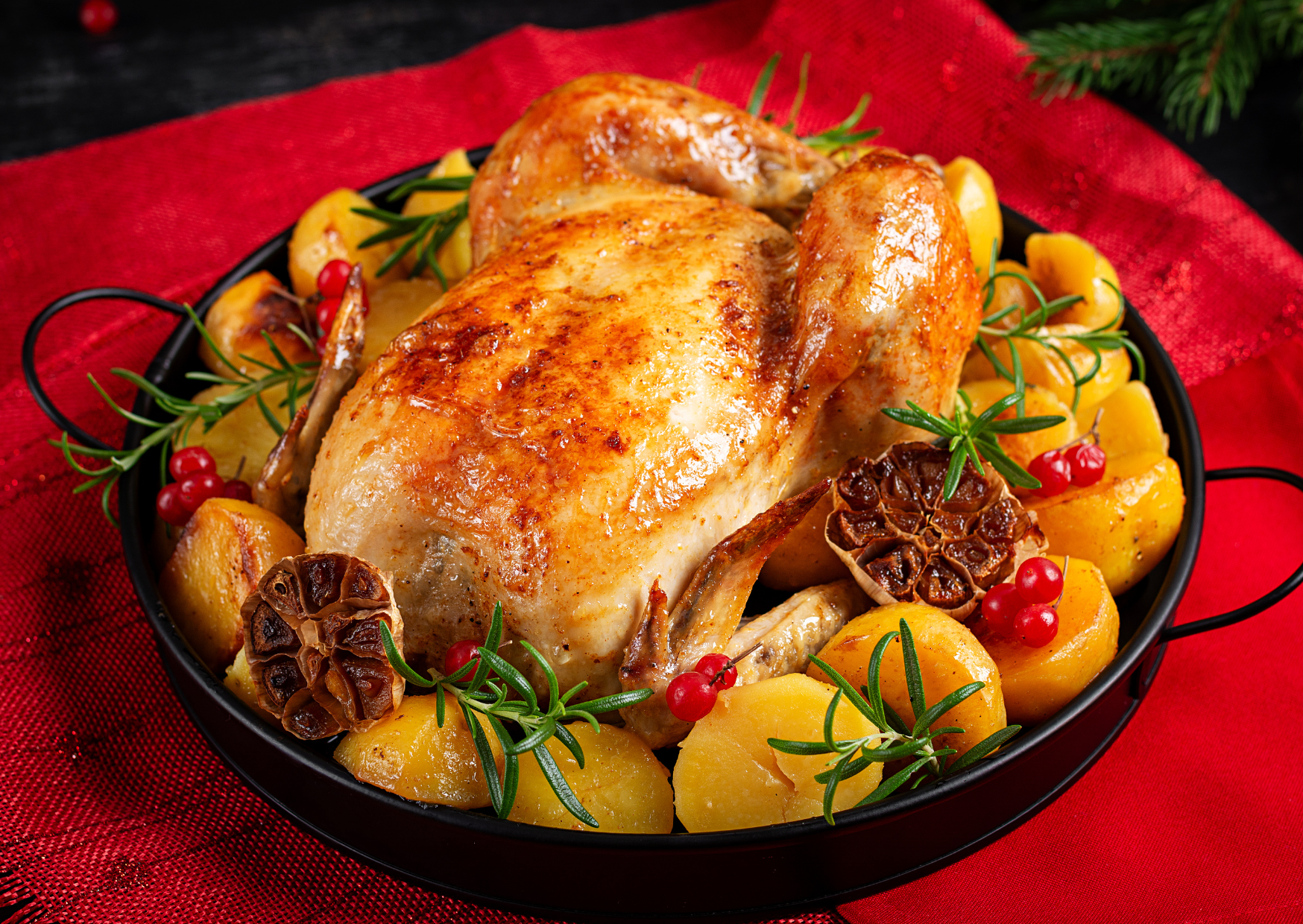
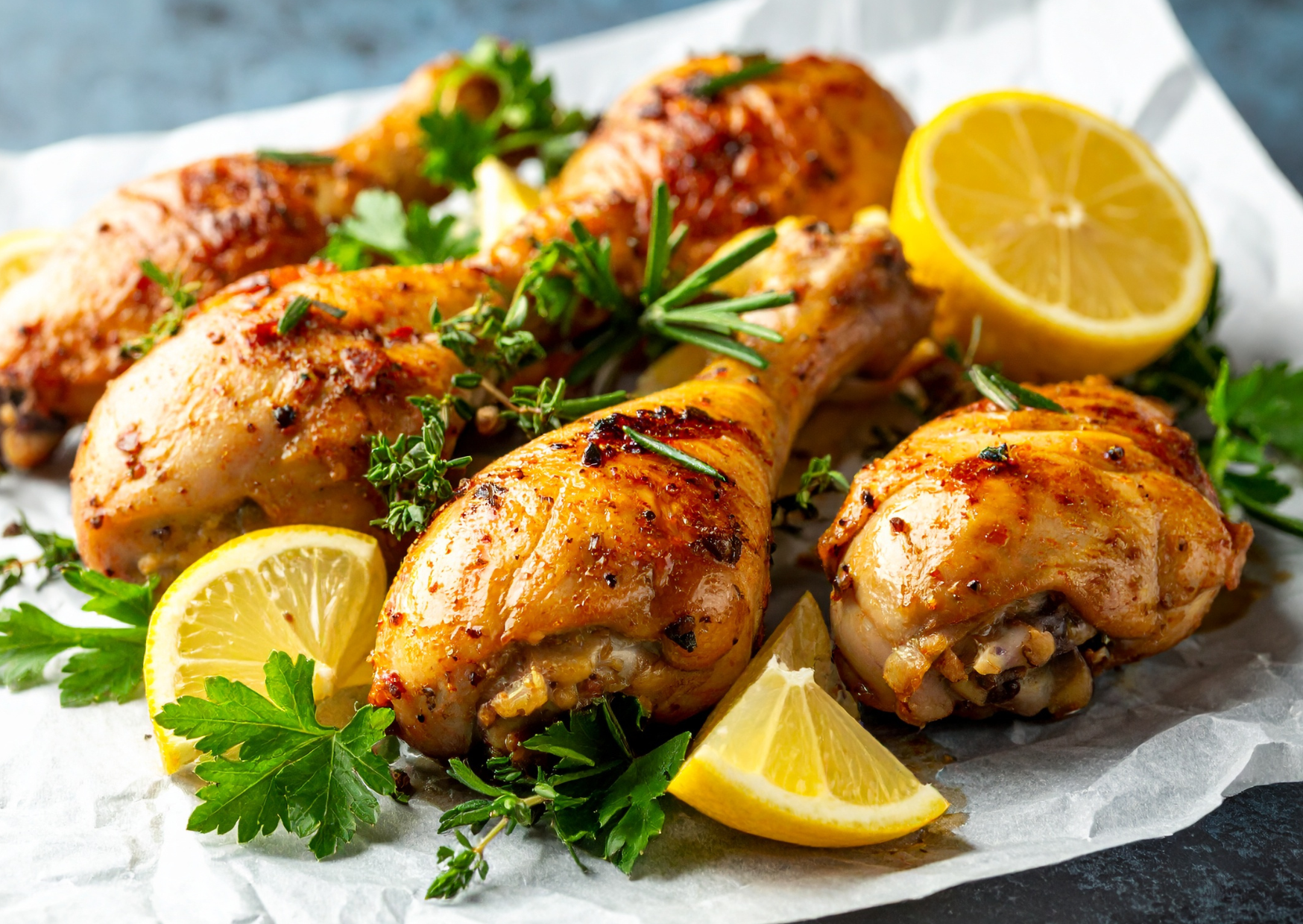
And the “real meal” he points at is almost always the same: lemony roast chicken with potatoes, olive oil, oregano, and enough salt to make you actually eat it. Not because chicken is magical, but because it’s simple protein plus warm carbs in a form people will tolerate when they’re tired and slightly miserable.
This is the part Americans sometimes miss when they move to Europe. The food culture isn’t only about pleasure. It’s often about keeping the body stable so you don’t need drama. You can’t out-hack exhaustion. You can’t supplement your way out of a cold apartment and a long workday. But you can feed yourself like you’re going to be alive tomorrow.
This chicken is that. It’s not fancy. It’s not a “health recipe.” It’s a tray of food that makes the week less sharp.
Why a doctor would point to a roast tray instead of a prescription
Nobody is saying roast chicken replaces medicine. That’s not what this is.
This is what it looks like when a primary care doctor has seen the same pattern for 30 years: people come in depleted, underfed, under-slept, and mildly inflamed from stress, then ask for something to fix the feeling fast.
A lot of the time, the fastest fix is not a pill. It’s getting someone to do the unglamorous basics for 48 hours.
That’s where this dish makes sense. It quietly covers the bases without feeling like “sick food”:
Salt and liquid so you actually rehydrate and your appetite comes back
Protein you can chew even when you feel meh
Carbs that don’t fight you when you need energy
Olive oil and herbs so it tastes like food, not punishment
One pan, which matters when your brain is tired
It’s also deeply Greek in the most practical way. Greek home cooking is not obsessed with novelty. It’s obsessed with a few reliable combinations that work: lemon plus olive oil, oregano, garlic, and slow heat.
You’ll see versions of this dish called kotopoulo lemonato, or roast chicken with lemon potatoes. Same idea, slightly different execution. In a village setting, it’s the kind of food that shows up because it feeds a house, it reheats well, and it doesn’t require you to be inspired.
The hidden reason it helps: it buys you time. If you have a full tray in the fridge, you stop negotiating with dinner, and that alone makes you feel more functional.
And yes, there’s a cultural difference here worth naming. In a lot of American households, the default response to a hard week is to outsource food. In a lot of Mediterranean households, the default is to cook one thing big, then coast. One big decision beats ten small ones when you’re depleted.
What you’re actually making
This is not a delicate dish. It’s not “roast chicken, but fancy.”
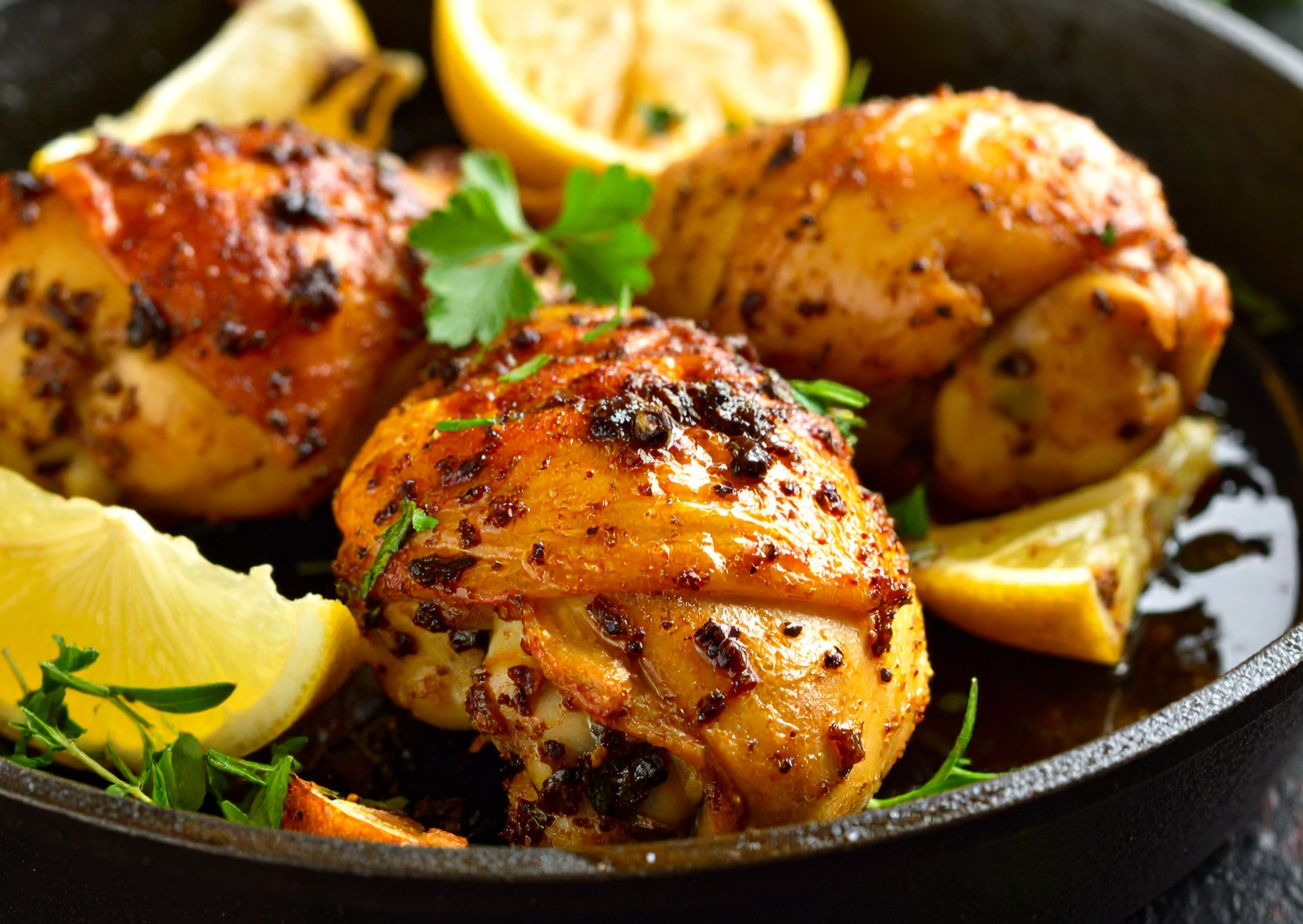
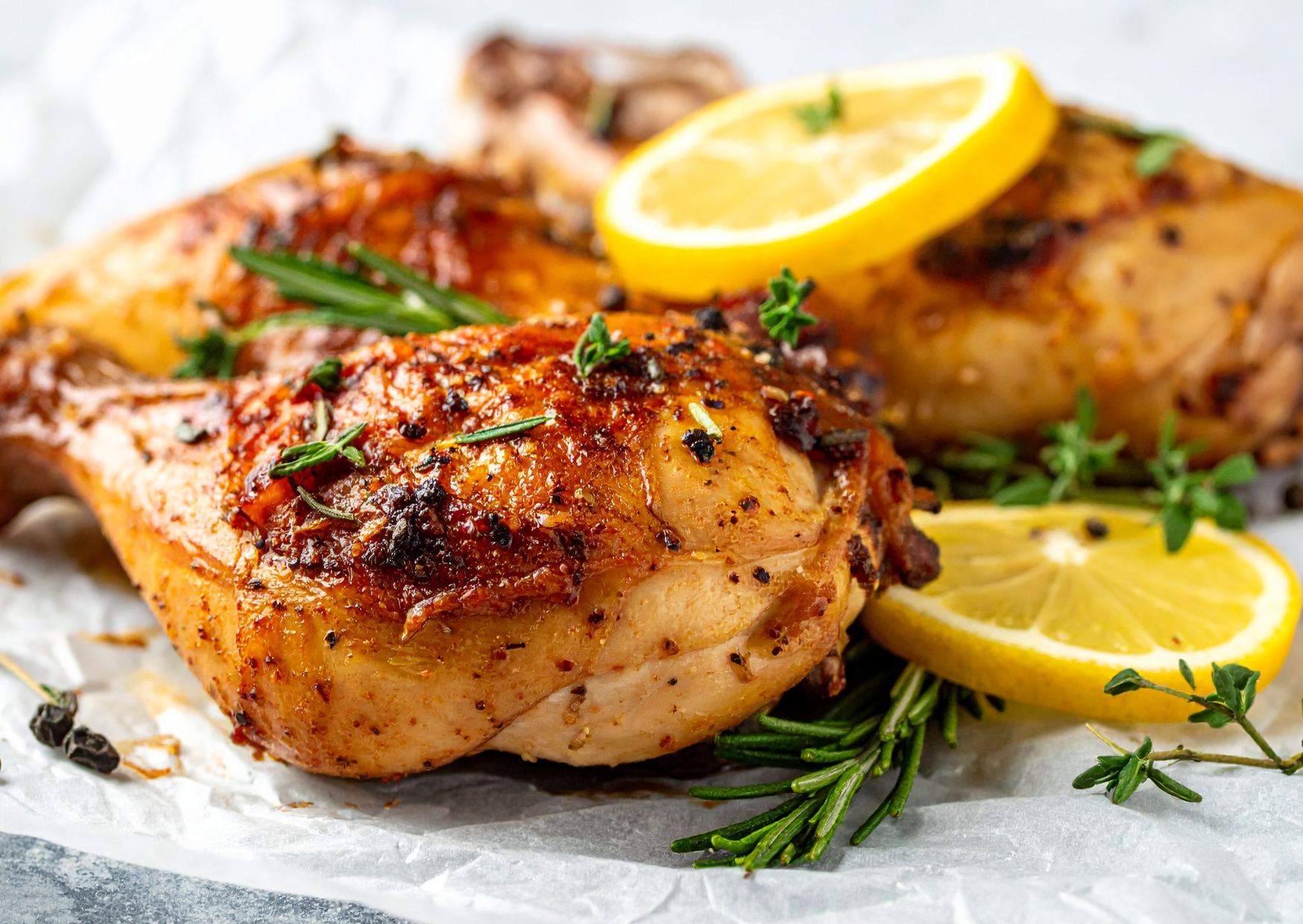
It’s a tray bake where the potatoes cook in lemony juices and chicken fat, and the chicken skin turns crackly while the inside stays juicy. The sauce that forms is basically lemon, olive oil, and rendered fat turning into something you’ll want to mop up with bread.
There are two versions people argue about:
One-pot, where potatoes go under and around the chicken to soak up everything, and they end up softer and more flavorful.
Two-pan, where potatoes roast separately so they get crisp edges.
Greek home logic usually chooses the first one because it’s easier and tastes like the chicken actually lived there. You sacrifice some crispiness and gain juicy, lemony potatoes that feel like the whole reason the dish exists.
We’re going to do a hybrid that works well in a Spanish kitchen: potatoes start with the chicken, then finish uncovered so they get some color. You get the comfort and some crunch, and you don’t need a second tray unless you want one.
Recipe: Greek lemon chicken with potatoes
This is written to be realistic. Normal supermarket ingredients in Spain. No rare herbs. No special Greek sausage detour. Just a tray that works.
Servings and timing
Serves: 4 to 6
Prep time: 15 minutes
Active time: 20 minutes
Roast time: 70 to 85 minutes
Rest time: 10 minutes
Optional marinate time: 30 minutes to overnight (nice, not required)
Equipment
Large roasting pan or deep sheet pan (about 33 x 23 cm)
Large bowl for mixing marinade
Tongs
Microplane or zester (optional)
Instant-read thermometer (optional but helpful)
Ingredients
Chicken
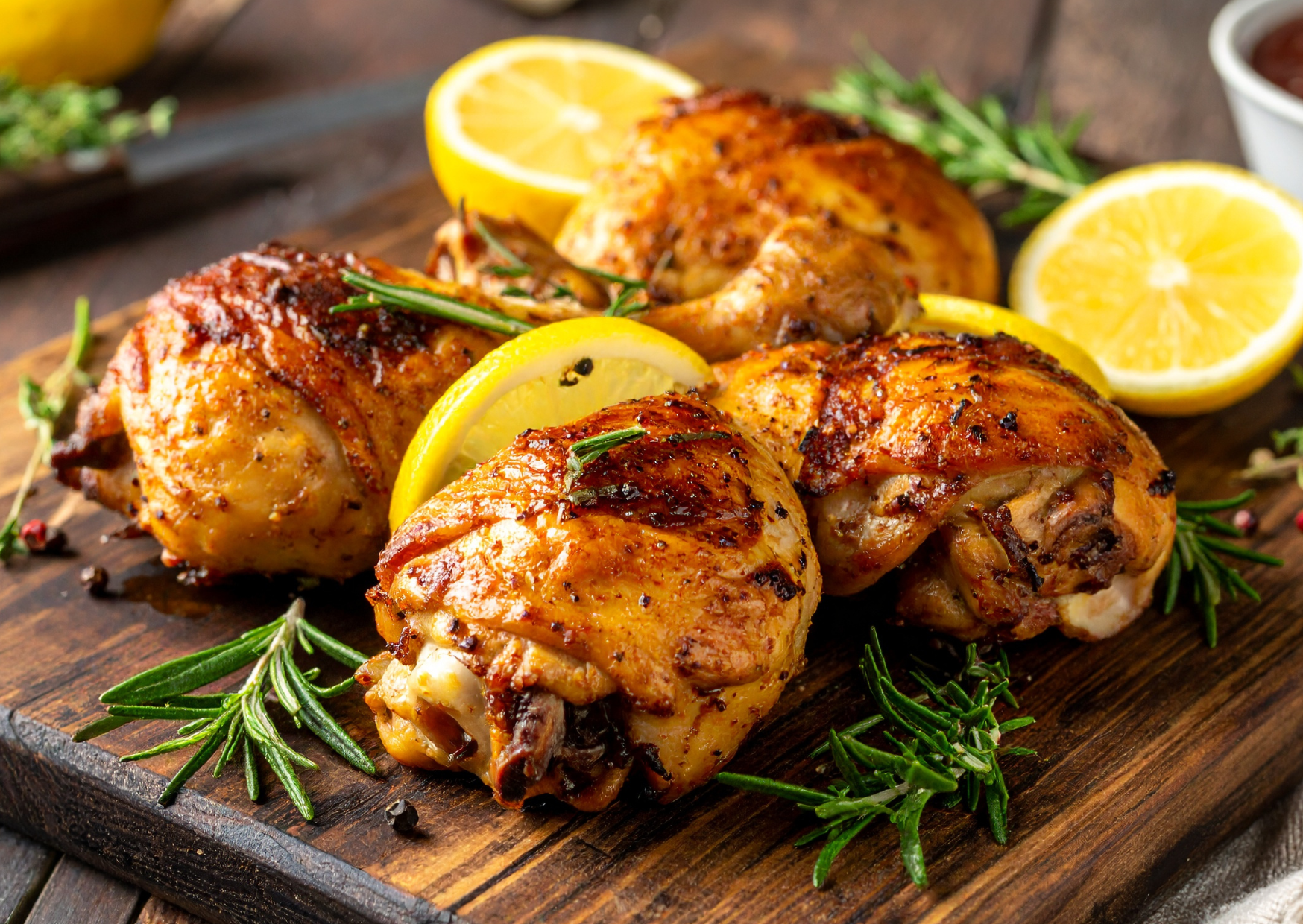
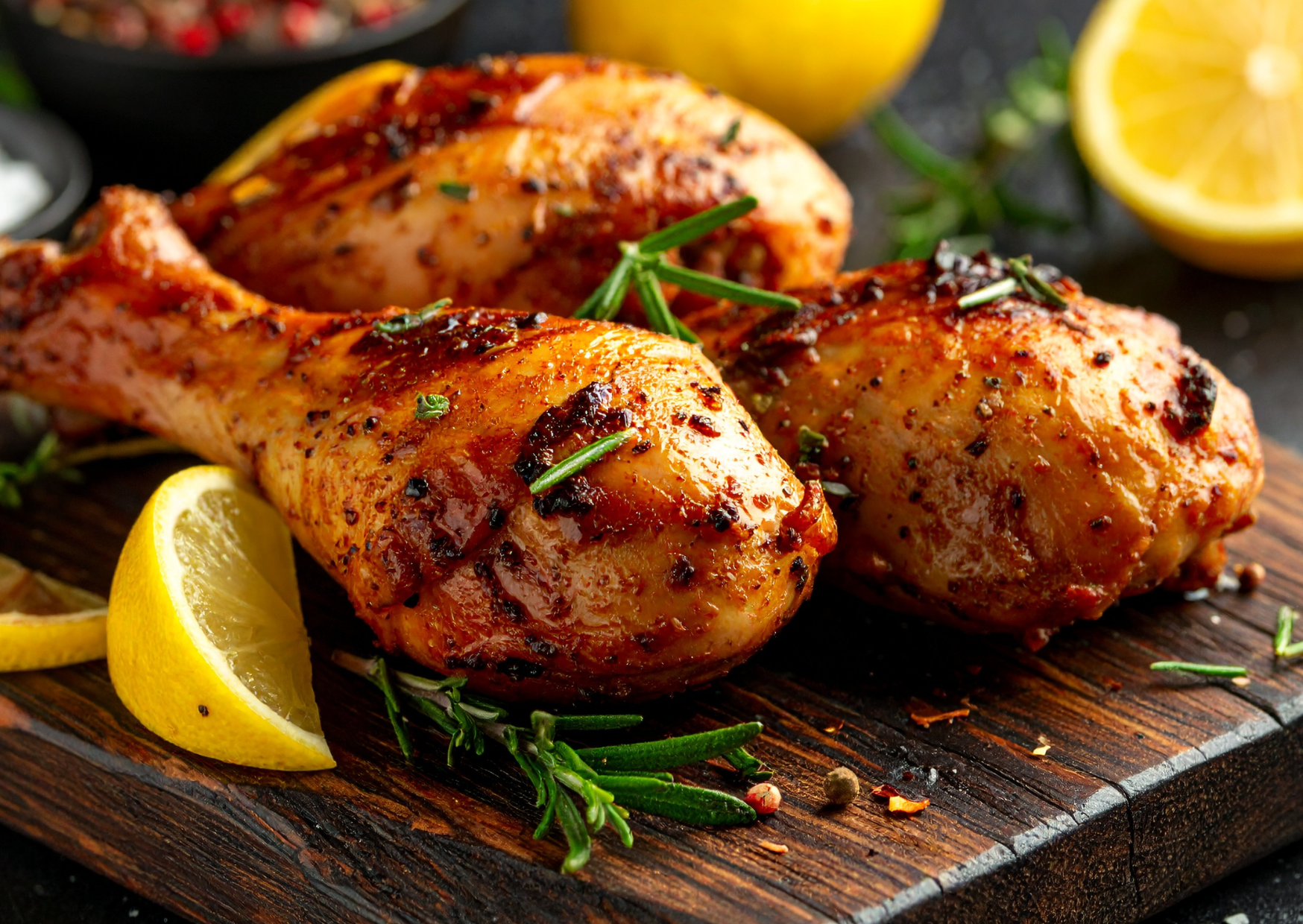
Bone-in, skin-on chicken thighs: 1.2 to 1.5 kg (2.6 to 3.3 lb) (You can also use drumsticks or a mixed tray)
Potatoes
Potatoes: 1.2 kg (about 2.6 lb), peeled or scrubbed, cut into wedges
Marinade and sauce
Extra virgin olive oil: 80 ml (1/3 cup)
Lemons: 2 (juice of both, zest of 1)
Garlic: 5 cloves, grated or finely chopped
Dried oregano: 2 tbsp
Dijon mustard: 1 tbsp (optional, but it helps the sauce cling)
Salt: 2 tsp (start here, adjust to taste)
Black pepper: 1 tsp
Water or chicken stock: 250 ml (1 cup)
Optional: 1 bay leaf, or a small pinch of chili flakes
Optional finishing: fresh oregano or parsley, and extra lemon wedges
Short shopping list
Chicken thighs (skin-on)
Potatoes
Lemons
Garlic
Oregano
Olive oil
Method
Heat oven to 200°C (392°F).
In a bowl, whisk olive oil, lemon juice, zest, garlic, oregano, salt, pepper, and mustard if using. It should smell aggressively good. That’s the point.
Toss potatoes in about half the marinade. Spread them in the roasting pan. Pour in 250 ml (1 cup) water or stock around the potatoes.
Coat chicken with the remaining marinade and place on top of the potatoes, skin side up. If you have time, you can marinate the chicken earlier, but this still works without it. The oven does a lot of the work.
Roast 45 minutes. Then flip or stir the potatoes gently so they cook evenly and don’t glue themselves to the pan.
Roast uncovered another 25 to 40 minutes, until chicken is deeply golden and the potatoes are tender. If you use a thermometer, aim for 74°C (165°F) in the thickest part of the chicken.
Rest 10 minutes before serving. The tray juices settle into a sauce instead of running everywhere.
Serve with a simple salad, or just bread and something green. This is one of those meals where extra sides can feel like noise.
This is the whole trick: you make one tray, and you get multiple easy meals out of it without it tasting like “meal prep.”
Why this works, in plain language
Lemon, olive oil, oregano, garlic. It’s almost boring on paper. In the tray, it turns into a very specific flavor that feels clean and rich at the same time.
The lemon does two jobs. It makes the dish feel bright, and it cuts through the fattiness of chicken skin so you don’t feel weighed down after eating. It also keeps leftovers from tasting dull.
Olive oil does the heavy lifting. It carries oregano and garlic, it helps browning, and it gives the sauce body. This is why Greek cooking can feel “simple” but still satisfying. Fat plus acid is a structure, not a secret.
Oregano and garlic give the dish that unmistakable Greek scent. You don’t need a spice rack. You need one herb used confidently.
And then there’s the real magic ingredient: the potatoes cooking in the tray juices. That’s where the comfort comes from. The potatoes soak up lemony chicken fat and become the kind of food you keep picking at from the fridge with a fork. Not glamorous. Very effective.
If you want the bigger health context without turning dinner into a lecture, it’s this: patterns that look like Mediterranean eating, lots of olive oil, herbs, vegetables, fish and poultry more often than red meat, are consistently studied for cardiovascular and metabolic outcomes. You don’t need to “diet.” You just need a few meals that behave like normal food, made at home, eaten on repeat.
This is one of those meals. It’s ordinary food with structure, which is why it’s the kind of thing a practical village doctor would push before turning every tired week into a medical event.
The cost reality in Spain, and the part Americans miscalculate
In Spain, this tray is one of the best “real dinner” bargains because it looks like a roast but behaves like a budget tool.
A realistic cost lane, depending on where you shop:
Chicken thighs 1.3 kg: €6 to €10
Potatoes 1.2 kg: €1.20 to €2.50
Lemons (2): €0.60 to €1.40
Garlic, oregano: pantry cheap, or €0.30 to €1 if you’re restocking
Olive oil: the wild card, but per tray you’re often around €0.70 to €1.50 depending on bottle price
So you’re roughly €8.50 to €15.50 for 4 to 6 servings, which lands around €2 to €3.50 per serving if you’re not shopping at a boutique butcher.
Now compare that to the “I’m tired” spending pattern. A single delivery dinner can eat the same money as this entire tray. That’s the real comparison, not U.S. grocery prices.
This is also where people moving from the U.S. get tripped up. They see cheap ingredients, then they spend like tourists anyway: constant cafés, constant small purchases, constant convenience. The cheapest food in Europe is often the food you repeat at home.
Also, this dish teaches a useful grocery habit: buy ingredients that cross over into other meals. Lemons go into salads and fish. Oregano goes into beans and roasted veg. Olive oil goes into everything. Pantry overlap is how a European food budget stays calm.
Storage, leftovers, and a seven-day plan that does not feel depressing
This is the part that makes the dish a strategy, not just dinner.
Storage
Fridge: up to 3 to 4 days
Freezer: up to 2 months for best quality
Reheat: until piping hot, and if you’re using a thermometer, reheat to 74°C (165°F)
Substitutions that keep the soul
No thighs: use drumsticks, or a cut-up whole chicken
No fresh lemons: bottled juice works in a pinch, but zest is where the aroma lives
No mustard: skip it, still good
Want it lighter: remove skin after roasting, not before
Want it sharper: add extra lemon at the table, not more lemon in the tray
Seven-day usage plan
Day 1: Tray dinner Eat it properly the first night. Don’t “save it for later” and end up ordering something else. Eat the plan.
Day 2: Lunch is value, dinner is theater Lunch: leftover chicken and potatoes. Dinner: something lighter like a simple salad, yogurt, fruit, or soup.
Day 3: Greek-ish bowl Shred chicken over rice or couscous, add chopped cucumber, tomato, olive oil, and a squeeze of lemon. It becomes a new meal with almost no work. Repetition becomes comfort when you give it a small twist.
Day 4: Potato reset Chop leftover potatoes and crisp them in a pan with olive oil. Add an egg. This turns leftovers into “breakfast-for-dinner” without feeling like you’re scraping the fridge.
Day 5: Soup shortcut Simmer leftover chicken bones (if you have them) or use stock, add lemon and oregano, throw in shredded chicken and a handful of greens. Not fancy. Very functional.
Day 6: Freeze two portions Do it before you’re sick of it. Future-you will have one bleak evening and this will feel like a gift. Frozen portions are insurance.
Day 7: Clean-out meal Whatever is left becomes a final plate, then you reset. A clear fridge makes weekday cooking easier than most people admit.
The point is not to live on chicken forever. The point is to have one reliable tray that buys you a calmer week when life gets loud.
The mistakes that ruin it, and the fixes that save it
Dry chicken Usually heat too high for too long, or using very lean cuts without enough fat. Thighs forgive you. If you use breast, shorten cook time and add more liquid.
Bitter lemon This happens when you add too much pith or roast lemon slices aggressively on top until they scorch. Zest is fine. Juice is fine. Avoid thick roasted slices unless you tuck them under the chicken.
Pale potatoes Potatoes need space and they need a little stirring midway. If your tray is crowded, use a bigger pan. Crowded trays steam.
Greasy sauce If your chicken is very fatty, you can spoon off a little surface fat after roasting. Do not panic and drain everything. The fat carries the flavor, you just don’t need a lake.
Bland tray This is almost always under-salting. People get nervous about salt and then wonder why the dish feels flat. Salt is part of why you actually eat the meal when you feel run down. Salt makes it feel like dinner.
No rest time Resting keeps juices in the chicken and thickens the tray sauce slightly. Ten minutes feels annoying, but it makes the food better.
This is the honest promise: cook it once, and you’ll understand why it gets recommended in a “before we escalate this” kind of way. Not because it’s medicine. Because it’s a stable, warm, real meal that makes the next 48 hours easier.
Origin and History
Across rural Greece, food has long been the first response to discomfort, fatigue, or recovery. Before pharmacies were common, village doctors leaned on kitchens that emphasized simple, nourishing preparations built from what was locally available. Chicken cooked gently with olive oil, herbs, and vegetables became a cornerstone of that tradition.
This approach drew from ancient Greek ideas about balance, where meals were chosen to restore strength without stressing the body. Light proteins, slow cooking, and modest seasoning were seen as supportive rather than stimulating. Chicken fit that philosophy perfectly.
Over time, this style of cooking embedded itself into family routines. Recipes were passed down not as remedies, but as commonsense meals made when someone needed care. The consistency of ingredients mattered more than the exact method.
While modern medicine changed healthcare, these food traditions never disappeared. They remained trusted because they were familiar, digestible, and rooted in lived experience rather than theory.
One point of contention is the idea that food can play a meaningful role before medical intervention. In many cultures, this is dismissed as outdated thinking, yet it reflects a preventative mindset rather than a replacement for care.
Another controversy lies in how modern diets prioritize stimulation over restoration. Highly processed foods and aggressive flavors dominate, while gentle, nutrient-dense meals are labeled bland or ineffective.
There is also misunderstanding around simplicity. Because the dish uses few ingredients, it is often underestimated. In reality, restraint is intentional, allowing digestion to remain efficient and stress-free.
Finally, some confuse cultural practice with medical advice. The tradition isn’t about avoiding doctors, but about starting with nourishment before escalation becomes necessary.
How Long You Take to Prepare
Preparation for this Greek chicken dish is minimal. Chopping vegetables and seasoning the chicken takes only a short amount of time.
Cooking happens slowly, usually over low heat. This allows flavors to develop gently and keeps the meat tender without requiring constant attention.
Most of the process is passive. Once everything is in the pot, time does the work while the cook steps away.
From start to finish, expect about 60 to 90 minutes, with very little active effort beyond the initial setup.
Serving Suggestions
This dish is traditionally served warm, not hot, making it easy on digestion and comfortable to eat slowly.
It is often paired with simple sides such as rice, potatoes, or bread to absorb the cooking juices without competing for flavor.
Portions are modest, reinforcing the idea of nourishment rather than indulgence. Leftovers are common and often taste better the next day.
The meal is typically eaten quietly, reinforcing its role as restorative food rather than a social centerpiece.
Final Thoughts
This Greek chicken dish endures because it reflects trust in fundamentals. Gentle cooking, familiar ingredients, and moderation form its backbone.
Understanding its origins clarifies why it remains relevant. It wasn’t designed to impress, but to support everyday life when energy was low.
Cooking it at home highlights how little intervention is required to produce something deeply satisfying. The dish relies on balance rather than intensity.
Ultimately, this tradition reminds us that before reaching for solutions, cultures often begin by returning to food that feels safe, steady, and sustaining.
About the Author: Ruben, co-founder of Gamintraveler.com since 2014, is a seasoned traveler from Spain who has explored over 100 countries since 2009. Known for his extensive travel adventures across South America, Europe, the US, Australia, New Zealand, Asia, and Africa, Ruben combines his passion for adventurous yet sustainable living with his love for cycling, highlighted by his remarkable 5-month bicycle journey from Spain to Norway. He currently resides in Spain, where he continues sharing his travel experiences with his partner, Rachel, and their son, Han.
Disclaimer:This post may contain affiliate links. If you click on these links and make a purchase, we may earn a commission at no extra cost to you. Please note that we only recommend products and services that we have personally used or believe will add value to our readers. Your support through these links helps us to continue creating informative and engaging content. Thank you for your support!