
And what it reveals about shame, gender norms, and the quiet confidence woven into everyday life in Spain
If you spend time in Spain walking along the beach, sitting at a café, or simply people-watching on public transport you may notice something that stands out quietly, but powerfully, to many American visitors.
Women with visible leg hair. Armpit stubble. Natural eyebrows untouched by wax. Arms that haven’t been shaved since winter. And they are not covering it up.
They are not apologizing. They are not explaining. They are not turning it into a campaign or a defiant gesture. It just exists.
To most Spaniards, it’s barely worth noticing. To many Americans especially those raised with early grooming expectations and a culture of body management it can feel shocking. Even taboo.
In fact, it’s not uncommon for American mothers to intentionally shield their children especially daughters from this kind of “noncompliance.” Hair, in their cultural framework, is something to tame, remove, control, and eventually pass down as a duty of femininity.
In Spain, however, the rules around female body hair are far more relaxed not in theory, but in quiet, daily practice.
Here’s why Spanish women accept body hair in ways that American mothers would hide and what that reveals about deeper cultural differences in beauty, autonomy, and what it means to raise girls without shame.
Want More Deep Dives into Everyday European Culture?
– Why Europeans Walk Everywhere (And Americans Should Too)
– How Europeans Actually Afford Living in Cities Without Six-Figure Salaries
– 9 ‘Luxury’ Items in America That Europeans Consider Basic Necessities
Quick Easy Tips
Challenge beauty norms by asking where they came from, not just following them.
Teach children body acceptance early—before shame can take root.
Choose grooming habits based on personal comfort, not outside pressure.
Celebrate differences between cultures rather than judging them.
Talk openly about body hair to normalize what is natural.
Many people assume that removing body hair is simply “good hygiene,” but this is more cultural than biological. In many European countries, including Spain, body hair isn’t treated as something dirty or unkempt it’s just part of being human. The American view often frames it differently, linking hairlessness to femininity and respectability.
Another controversial point is how these standards are passed down. When mothers hide their own body hair from their children, it subtly teaches that hair is something to be ashamed of. Meanwhile, in Spain, seeing mothers and older women embracing their natural bodies sets a completely different tone for self-image.
Finally, the beauty industry profits heavily from convincing women to see their natural state as a problem to fix. This isn’t about personal preference alone; it’s about decades of marketing shaping what’s considered “normal.” When cultural narratives shift, personal choices can become genuinely free not forced by invisible pressure.
1. Body Hair Isn’t a Public Statement — It’s a Private Choice
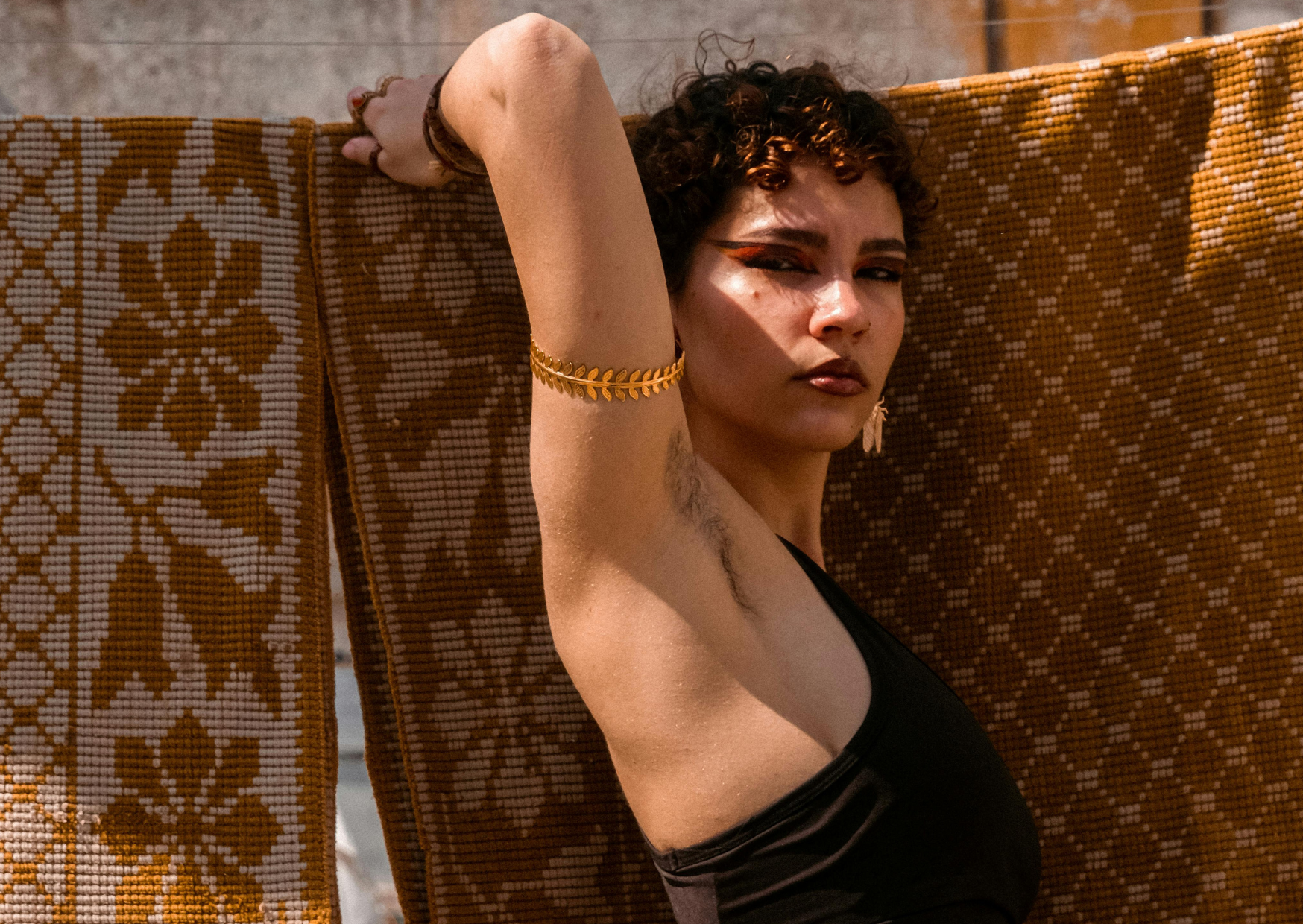
In the U.S., visible female body hair often becomes a symbol. A rebellion. A TikTok post. A protest. If a woman walks around with armpit hair or skips shaving her legs, she’s expected to have a reason — and defend it.
In Spain, it’s rarely political. It’s practical.
Some women wax, some shave, some don’t. Many alternate depending on season, convenience, or mood. There’s no campaign. No declarations. No “I’m doing this to challenge beauty standards.” It’s just how some women live.
This lack of drama, paradoxically, gives women more freedom. You don’t have to explain your stubble. You just exist.
2. Young Girls Don’t Get Grooming Lessons in Elementary School
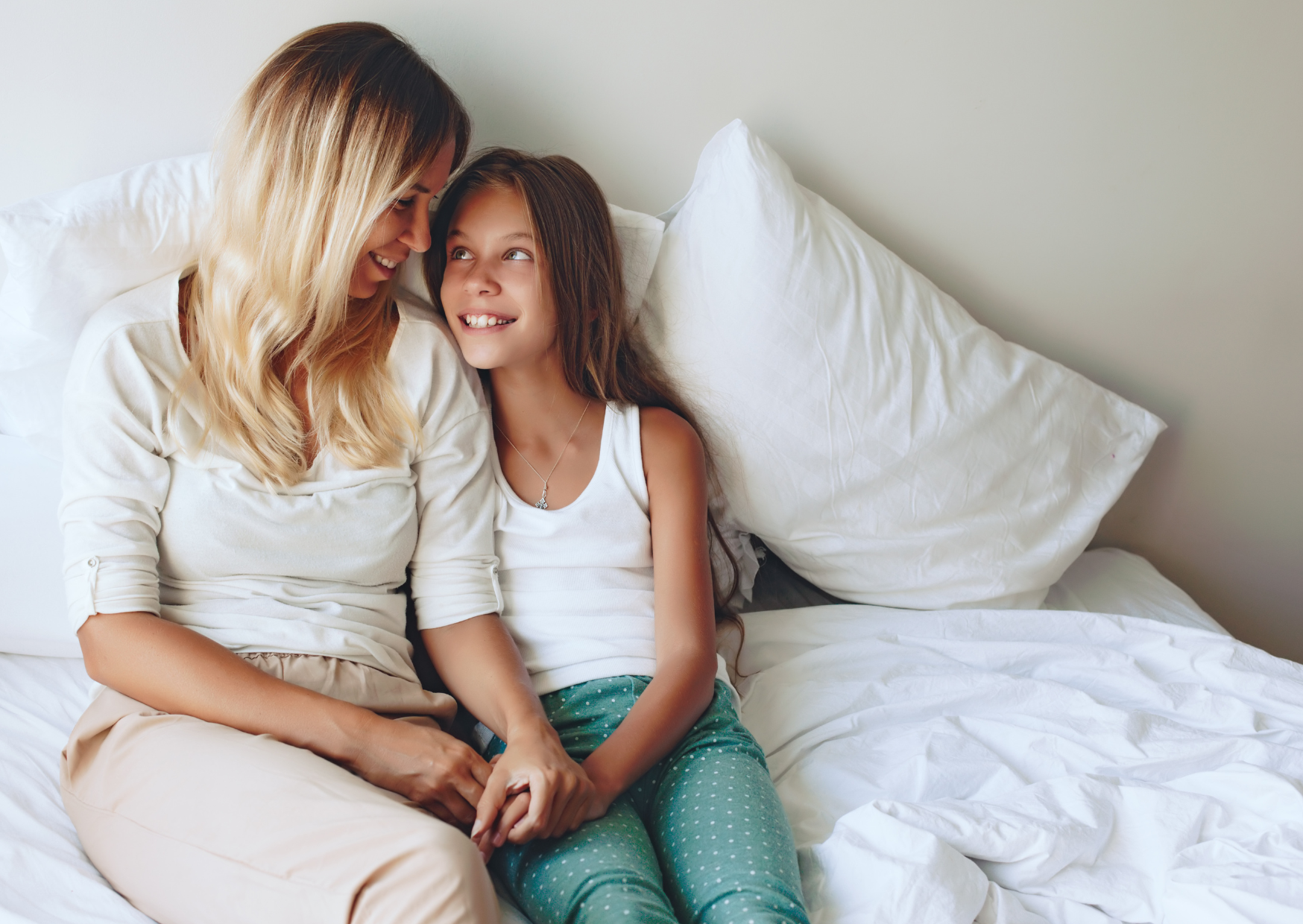
In American households, girls are often taught from a young age that body hair is something to manage. Razors appear around middle school. Some start even earlier — often guided by maternal approval or social pressure.
In Spain, the transition comes later and more softly. There is less urgency to start shaving legs at ten. Fewer conversations framed around “keeping it clean” or “looking like a lady.”
Instead, Spanish girls are given space to grow into their own comfort — without adult panic guiding the timeline.
This isn’t about neglect. It’s about trusting girls to find their own preferences, without layering those preferences with guilt.
3. Women at the Beach Don’t Hide “Unfinished” Hair Removal
American beaches are full of cover-ups, quick shaves, and apologies.
“She missed a spot.”
“I forgot to do my bikini line.”
“Don’t look at my legs!”
In Spain, women walk freely — even if they have visible stubble, shadowed armpits, or unshaved thighs. No one points. No one gasps. No one turns it into a social event.
Why? Because in Spain, the body is functional before it is decorative. The beach is for swimming, playing, sunning — not performing perfection.
A little hair? It’s not a crisis. It’s human.
4. Armpit Hair Isn’t a Red Flag — It’s Just a Detail
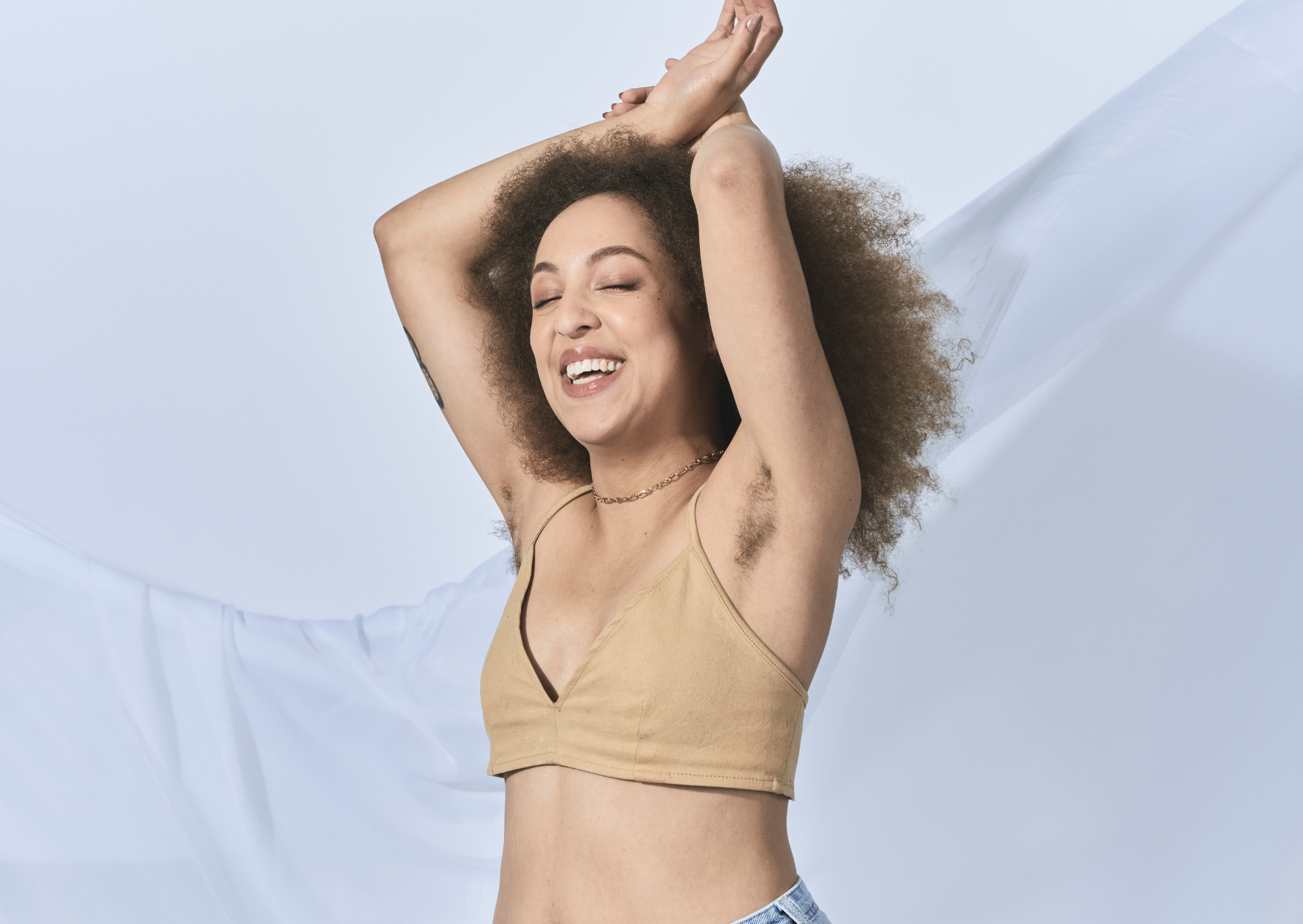
In the U.S., a woman raising her arms in public and revealing armpit hair is often treated like she’s made a bold feminist statement.
In Spain, no one cares.
At yoga. At the pool. On the metro. In a tank top at the grocery store. It’s not a moment. It’s not a rebellion. It’s a reminder that grooming is a personal rhythm — not a public promise.
Some shave daily. Others wax monthly. Others let it grow in winter. And that fluidity is normal, not radical.
5. Older Women Don’t Feel Obligated to Keep Up the Routine
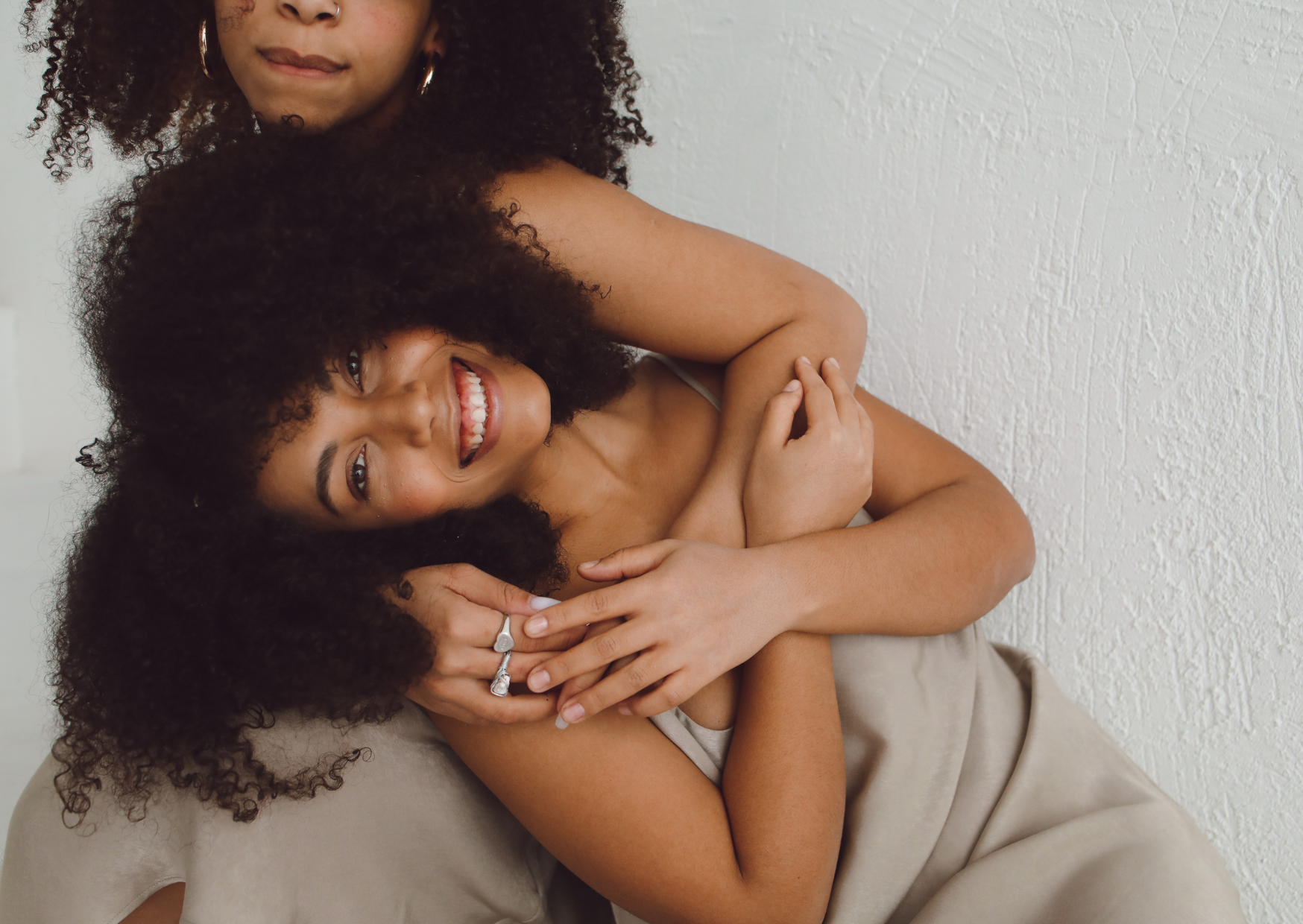
In American beauty culture, grooming doesn’t slow down with age — it often increases. Women are expected to continue waxing, lasering, plucking, and coloring well into their sixties and beyond.
In Spain, mature women visibly let go of grooming routines — and no one treats it as giving up.
Gray hair appears. Chin hairs stay. Legs go natural. And older women still wear short sleeves, dresses, sandals. They don’t hide. They don’t apologize. They don’t retreat.
The body isn’t meant to be corrected forever. It’s meant to live.
6. Mothers Don’t Hide Their Own Body Hair from Daughters
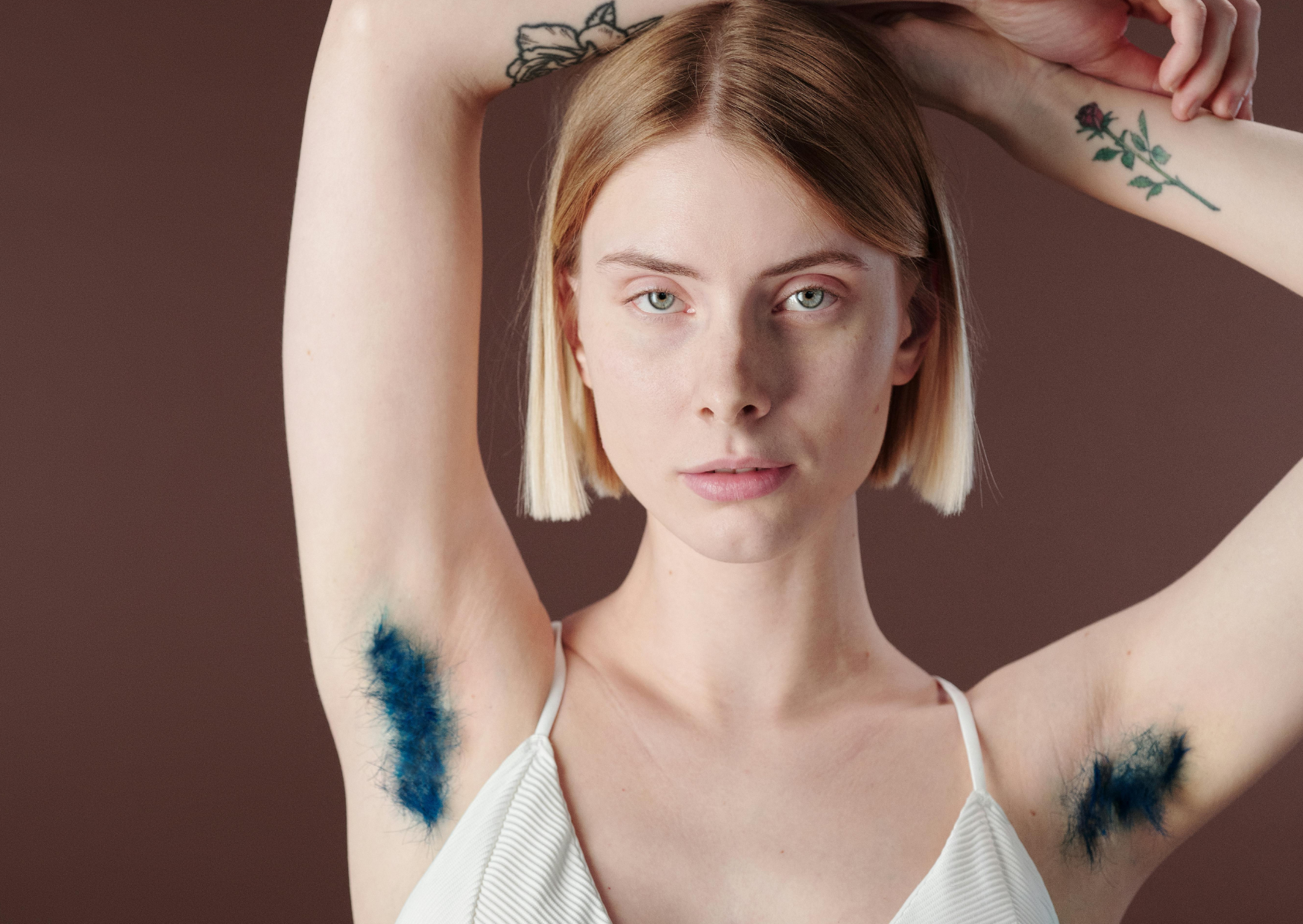
In many American homes, the maternal body is edited. Even at home. Mothers wear long pants to hide unshaved legs. They close the door while shaving. They apologize if caught mid-regrowth.
In Spain, girls grow up seeing their mothers as real bodies. Hair included.
If mom hasn’t shaved in a few weeks, she doesn’t explain. If she has a bikini line that’s not “clean,” she wears the swimsuit anyway. The message is: “This is normal. And you’ll figure out what works for you.”
That unspoken permission is powerful.
7. Waxing Is Common — But Not Required
Spain has a strong waxing culture. Many women do it regularly, especially before summer. But the tone is different than in the U.S.
It’s not compulsory. It’s situational. It’s not “gross” if skipped. It’s not shameful if postponed.
You wax because you want to feel a certain way — not because someone will judge your legs at the café.
This distinction means women feel less trapped. Grooming becomes a tool — not a rule.
8. Boys Grow Up Seeing Hairy Legs — And It Doesn’t Scandalize Them
In the U.S., children are often shielded from body hair — as if it’s inappropriate. A mother may rush to cover her underarm. A woman may feel uncomfortable wearing shorts if she hasn’t shaved, even around her son or nephew.
In Spain, children grow up seeing natural bodies, hair included. They don’t recoil. They don’t ask why. They don’t associate body hair with ugliness or failure.
It’s just something some women have. Some remove it. Some don’t.
Because of that early exposure, boys grow up with less shock and less entitlement. They don’t expect polished bodies. They expect real ones.
9. The Goal Isn’t to Be Perfect — It’s to Be Comfortable
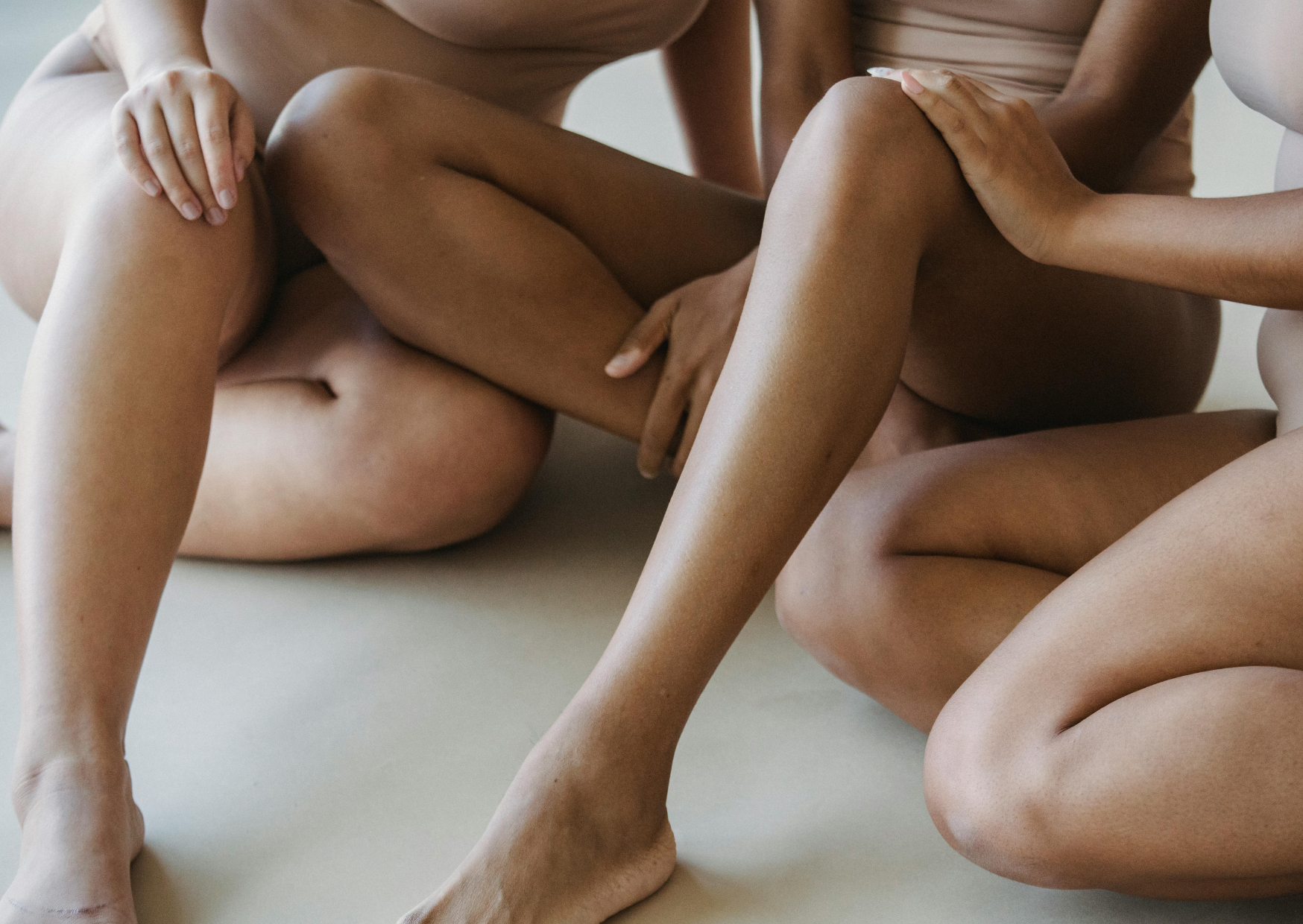
At the heart of this cultural difference is a simple idea: comfort matters more than control.
American grooming culture is built around managing impressions. Spanish grooming culture is built around managing life.
If you want to shave, you shave. If you don’t, you don’t. If you’re at the beach and your legs are hairy, you still swim. You still stretch out on the sand. You still exist.
No woman has to announce her choice. And no child needs to be shielded from a normal, living body.
One Body, Two Messages
To American mothers, body hair is often something to remove before anyone sees it — especially children.
To Spanish mothers, it’s something that comes and goes — and isn’t hidden in the meantime.
To American girls, the message is: Be clean. Be smooth. Be ready.
To Spanish girls, the message is: Your body is yours. Learn it. Live with it. Do what feels right.
One approach trains girls to perform. The other trains them to trust themselves.
And while both cultures have their complexities, one leaves less room for panic, shame, or last-minute hiding in the bathroom.
Because in Spain, a hairy leg isn’t a crisis.
It’s just a leg going to the beach, walking to school, or dancing through life anyway.
Body image standards are shaped as much by culture as by personal choice. In Spain, many women grow up seeing body hair as a normal, natural part of being human not something shameful to be erased. This perspective fosters a more relaxed relationship with their own bodies and with beauty standards in general.
In contrast, many American women are raised in an environment where body hair is hidden, controlled, or removed at all costs. This difference isn’t about who’s “right” or “wrong,” but about the messages societies send and how they shape generations of women. When something natural becomes taboo, it impacts how girls grow up viewing themselves.
The conversation isn’t just about grooming habits; it’s about autonomy, confidence, and cultural expectations. Accepting or rejecting body hair is a personal choice, but how that choice is framed within a culture can either empower or limit people’s sense of self-worth.

About the Author: Ruben, co-founder of Gamintraveler.com since 2014, is a seasoned traveler from Spain who has explored over 100 countries since 2009. Known for his extensive travel adventures across South America, Europe, the US, Australia, New Zealand, Asia, and Africa, Ruben combines his passion for adventurous yet sustainable living with his love for cycling, highlighted by his remarkable 5-month bicycle journey from Spain to Norway. He currently resides in Spain, where he continues sharing his travel experiences with his partner, Rachel, and their son, Han.