
Last updated on January 10th, 2026 at 05:18 pm
Italian cuisine is known for its simplicity, and nothing embodies this better than pomarola, Tuscany’s beloved tomato sauce. Unlike heavy, long-simmered ragùs, pomarola is fresh, light, and versatile, made with ripe summer tomatoes, olive oil, garlic, onion, and fragrant herbs. This sauce is the backbone of countless Tuscan dishes, from pasta and rice to grilled vegetables and rustic soups.
In Tuscany, pomarola is not just a recipe but a seasonal ritual. Families gather in late summer to prepare huge batches using freshly harvested tomatoes, bottling the sauce to enjoy throughout the year. Its vibrant, sweet, and herb-infused flavor transforms even the simplest pasta into a comforting meal that tastes like the Italian countryside on a warm August afternoon.
This recipe guide will teach you how to make authentic pomarola at home, even if you don’t have access to Tuscan sun-ripened tomatoes. Whether you want a quick dinner solution or a base for stews, soups, and casseroles, pomarola will become your go-to sauce for adding depth and freshness to any dish.
Read here best Italian food, vegetarian food in Italy, best drinks in Italy and best breakfast in Italy
What Is Pomarola?
Pomarola is Tuscany’s go-to homemade tomato sauce. It’s made with ripe tomatoes, aromatics like onion, garlic, and carrot, and plenty of olive oil. Unlike some southern Italian sauces, it’s not spicy, and it’s more herbal and delicate.
Tuscan nonnas often make Pomarola in summer, jar or freeze it, and use it all year long for everything from pasta to meat dishes.
Best Time to Eat and How to Partner
Pomarola is typically enjoyed at lunch or dinner, used as a quick pasta sauce on busy weekdays or as a base for heartier dishes on weekends. In Tuscany, it is most often served with spaghetti, penne, or pici pasta, topped with grated Parmigiano-Reggiano and a drizzle of raw olive oil.
To partner pomarola like a true Tuscan meal, serve it alongside fresh crusty bread for dipping, a simple green salad with lemon and olive oil, and a glass of Chianti Classico or Sangiovese red wine to bring out the sauce’s rich yet fresh tomato flavor.
One controversial truth about pomarola is that many Italian-American tomato sauces are heavier, cooked longer, and seasoned with sugar or excessive spices, which traditional Italians find overpowering. In Tuscany, pomarola is prized for its lightness, natural sweetness, and minimal seasoning, allowing the quality of the tomatoes and olive oil to shine through.
Another often misunderstood aspect is that while pomarola is a quick sauce, its quality depends entirely on using the ripest, sweetest tomatoes. Many home cooks opt for bland supermarket tomatoes, then overcompensate with sugar or tomato paste. In Italy, if fresh tomatoes are not at their peak, good canned San Marzano tomatoes are preferred to maintain the sauce’s authentic depth and sweetness.
Finally, while pomarola is simple, it is not considered “basic” in Tuscan cooking. It is a cherished recipe passed down through generations, with families often debating the best herb combination or whether to add carrot for extra sweetness. Treating it as just another generic tomato sauce misses its cultural significance as a staple of Tuscan home life and seasonal traditions.
Pomarola Ingredients (Makes about 5–6 cups, serves 6–8 with pasta)
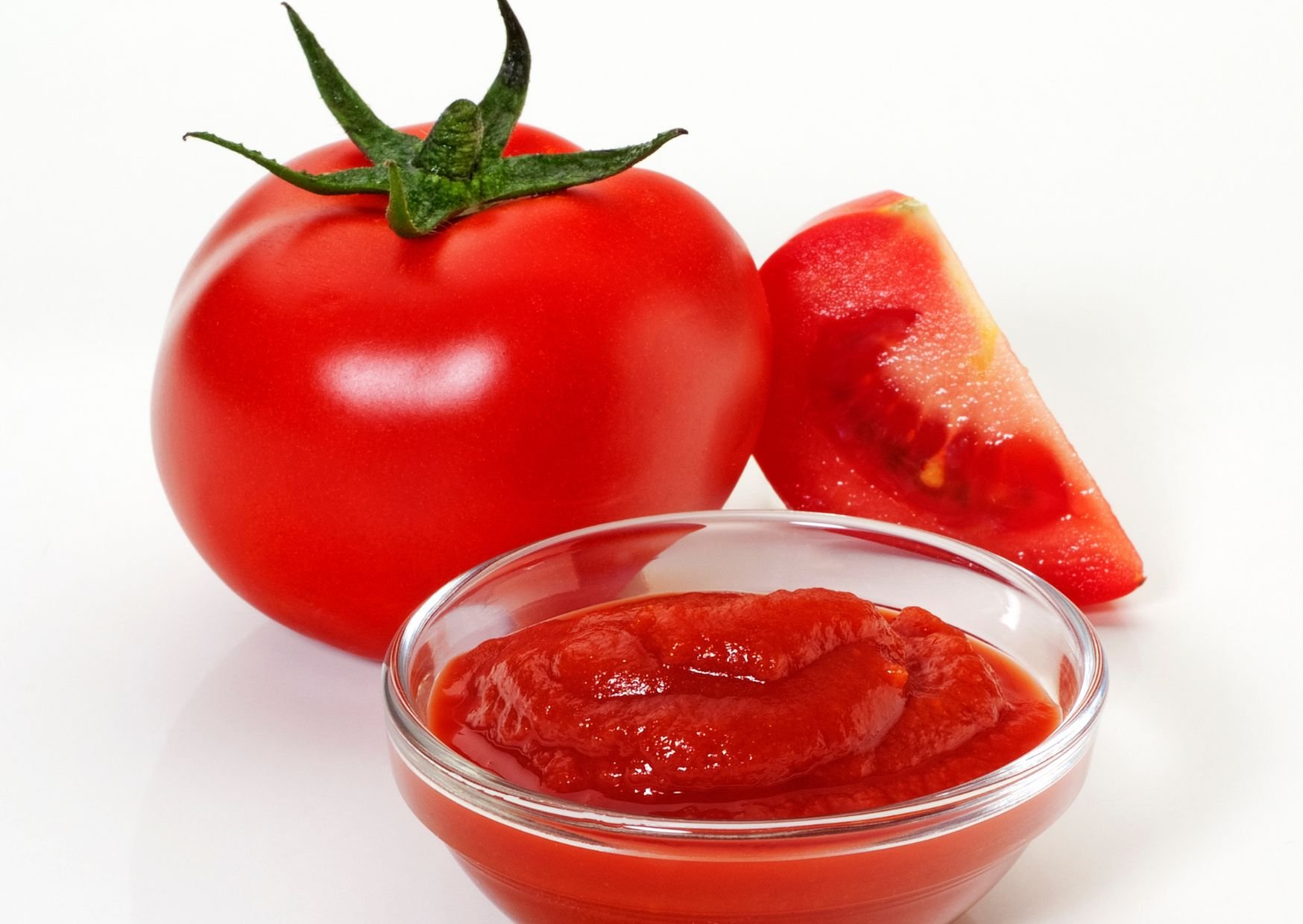
3 lbs (1.5 kg) ripe tomatoes (San Marzano, Roma, or vine-ripened)
1 medium onion, chopped
1 medium carrot, chopped
1 celery stalk, chopped (optional but traditional)
2–3 cloves garlic, peeled
1/4 cup extra virgin olive oil
1 handful fresh basil leaves
Salt to taste
Optional: Pinch of sugar (if tomatoes are very acidic)
Pomarola Step-by-Step Instructions
Blanch and Peel the Tomatoes (If using fresh)
Cut an X on the bottom of each tomato.
Boil in water for 30–60 seconds, then transfer to an ice bath.
Peel off the skins and remove any cores or seeds if desired.
Tip: You can also use high-quality canned peeled tomatoes (2 x 28 oz cans) when fresh tomatoes aren’t in season.
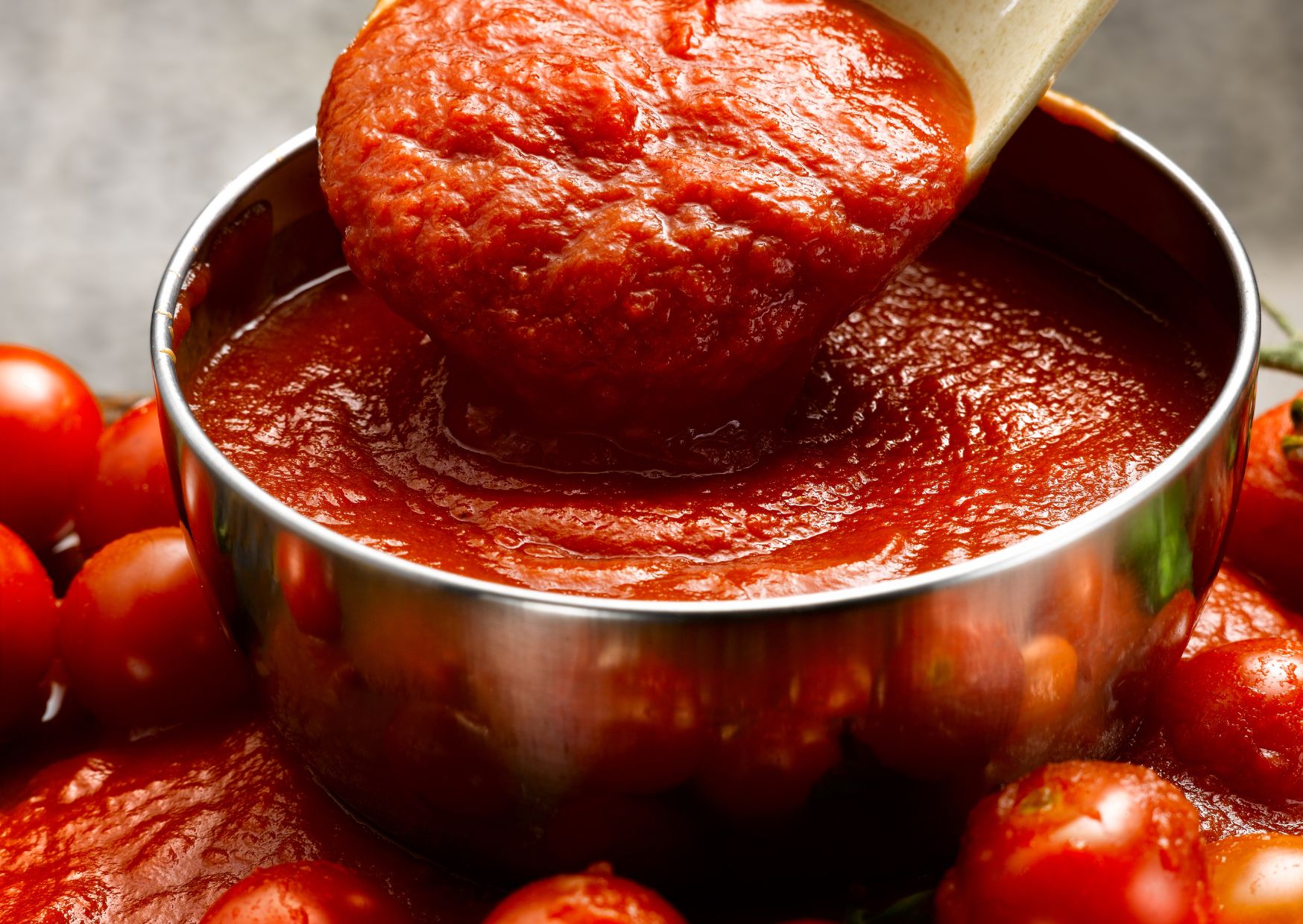
Sauté the Aromatics
In a large pot, heat olive oil over medium heat.
Add onion, carrot, and celery (if using). Sauté until soft, about 7–10 minutes.
Add garlic and cook for 1 more minute until fragrant.
Add the Tomatoes
Chop peeled tomatoes (or crush with hands) and add to the pot.
Stir in salt and a few basil leaves.
Simmer uncovered on low heat for 45–60 minutes, stirring occasionally.
Tip: The longer it simmers, the richer the flavor. Reduce to thicken.
Blend and Strain (Optional)
For a smoother sauce, blend with an immersion blender or regular blender.
For ultra-smooth results, pass through a food mill or fine sieve.
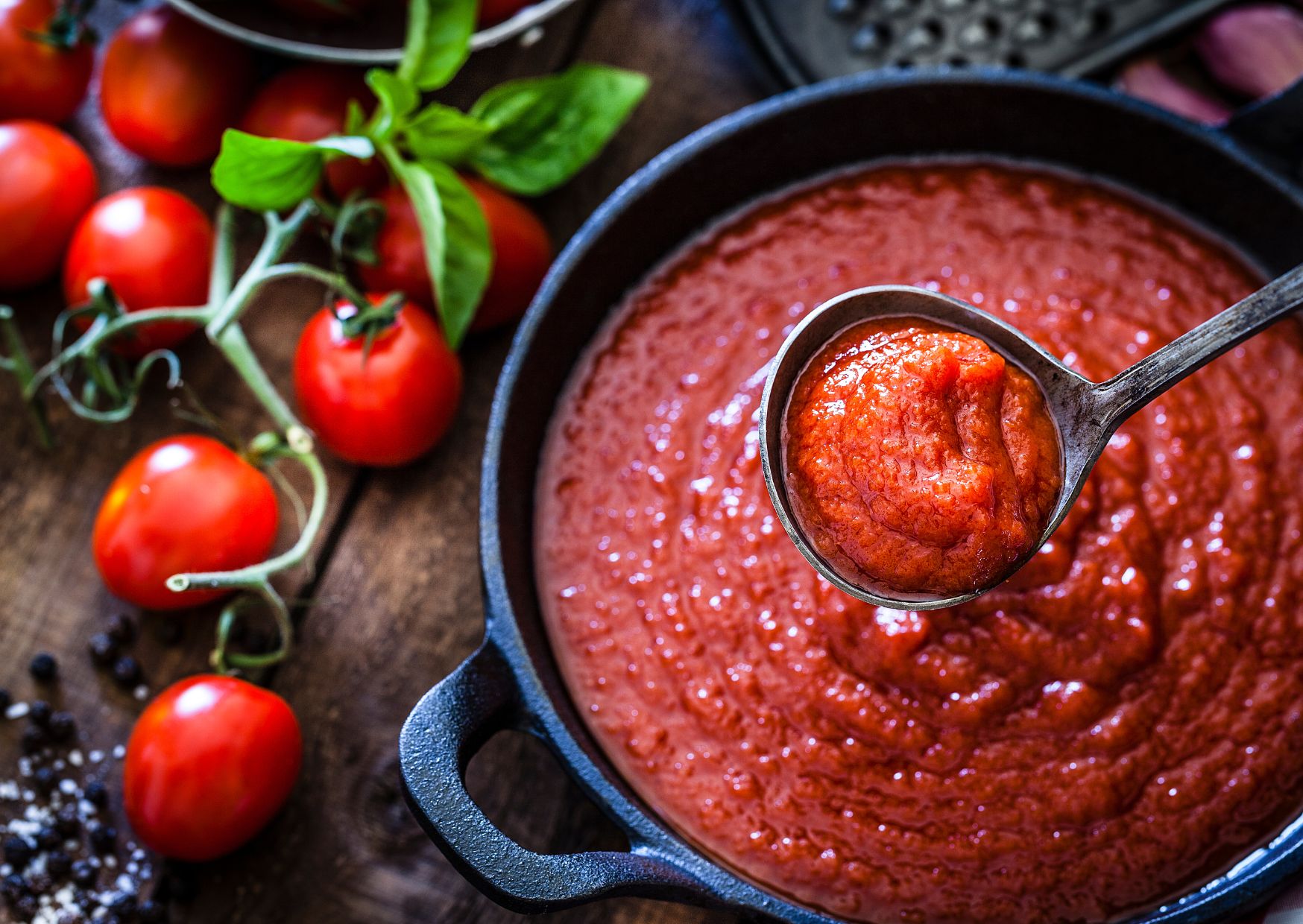
Taste and Adjust
Add more salt if needed.
If the tomatoes were acidic, add a pinch of sugar.
Stir in more fresh basil at the end for brightness.
Serve or Store
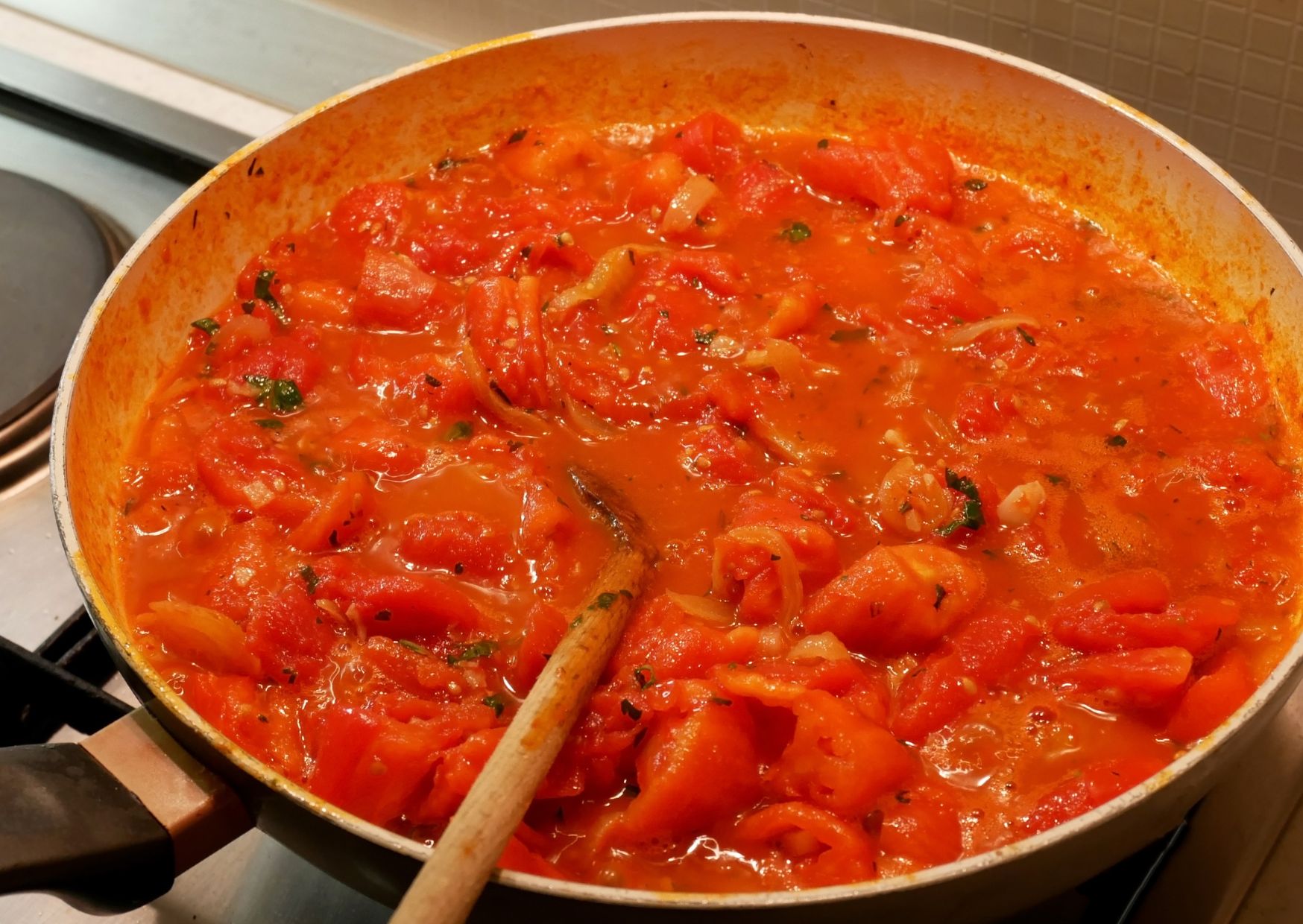
Serve hot over pasta, use as pizza sauce, or store in jars.
Keeps for up to 1 week in the fridge, or 3 months in the freezer.
Tips for Perfect Pomarola
Use very ripe tomatoes or high-quality canned tomatoes.
Don’t rush the simmer—it builds depth.
Add basil at the end for fresh flavor, not the beginning (or do both!).
No need for butter or cream—this is meant to be a light, garden-fresh sauce.
Optional Add-Ins (Not traditional, but delicious)
Pinch of chili flakes for heat
Rosemary or thyme for an herbal twist
Mushrooms, zucchini, or bell peppers to bulk it up
A splash of red wine or vegetable broth while simmering
Serving Suggestions
Pomarola is traditionally paired with fresh egg pasta such as tagliatelle, pappardelle, or gnocchi, allowing the sauce to cling beautifully to every bite. A drizzle of extra-virgin olive oil and a sprinkle of grated Parmigiano-Reggiano complete the dish without overpowering the delicate flavors.
For a rustic Tuscan twist, serve Pomarola with a loaf of crusty bread. Italians often use the sauce as a topping for bruschetta or as a base for hearty vegetable soups like ribollita. Its versatility makes it a cornerstone of countless meals.
If you’re looking to elevate a weeknight dinner, Pomarola also pairs well with grilled meats or roasted vegetables. It’s a reminder that the simplest sauce can bring an extraordinary richness to the table, no matter what it’s served with.
Pomarola Nutrition Info (Per 1/2 cup serving)
Calories: ~90
Fat: 7g
Carbs: 6g
Fiber: 2g
Protein: 1g
Sodium: ~150mg
Origin and History
Pomarola is Tuscany’s beloved tomato sauce, a simple yet elegant staple that has been prepared in family kitchens for centuries. Unlike heavy, meat-based ragùs, Pomarola celebrates the natural sweetness of ripe tomatoes, enhanced only by a handful of fresh herbs, onions, garlic, and good olive oil. It is the sauce that embodies the Tuscan philosophy of cucina povera creating rich flavors from humble, everyday ingredients.
The origins of Pomarola date back to when tomatoes became common in Italian cuisine in the 17th and 18th centuries. Tuscans quickly developed their own take, focusing on balance and simplicity rather than spice or complexity. It wasn’t just a recipe it was a way of preserving summer’s bounty, with families cooking huge pots of sauce to bottle and store for the colder months.
Today, Pomarola is more than just a sauce it’s a cultural symbol. Many Tuscans will tell you that every family has their own version, each slightly different but all rooted in tradition. To Italians, Pomarola isn’t just about feeding people; it’s about keeping culinary heritage alive.
How Long You Take to Prepare
One of the beauties of Pomarola is its balance between patience and ease. While the recipe itself requires minimal ingredients, the magic lies in slow cooking. From start to finish, making Pomarola usually takes about 1 to 2 hours, depending on how concentrated and rich you want the sauce to be.
The actual hands-on time is minimal just sautéing onions, garlic, and herbs before adding in the fresh tomatoes or tomato passata. Once everything is combined, the sauce simmers gently, allowing the flavors to meld into a velvety texture. During this time, you can prepare pasta, bread, or other dishes to pair with it.
If you want to capture the true Tuscan spirit, make a larger batch. Like wine, Pomarola improves with time, and the sauce can be stored in jars or frozen for later use. In fact, many Italian families spend a full day preparing Pomarola in bulk at the end of summer, ensuring they have a taste of Tuscan sunshine year-round.
Final Thoughts
Pomarola is proof that the best recipes don’t require endless ingredients or complicated steps. It shows how much flavor can come from just tomatoes, herbs, and olive oil when treated with care and patience. This is why Italians continue to swear by it as their go-to sauce.
More than a recipe, Pomarola is a tradition a dish that connects generations and celebrates the beauty of seasonal, local produce. Cooking it at home allows you to step into that Tuscan way of life, where food is slow, simple, and deeply satisfying.
By mastering Pomarola, you’re not just learning how to make a sauce—you’re embracing a piece of Tuscany’s soul. Whether served over pasta, spread on bread, or stored for future meals, Pomarola is the secret Italian sauce that proves less truly is more.

About the Author: Ruben, co-founder of Gamintraveler.com since 2014, is a seasoned traveler from Spain who has explored over 100 countries since 2009. Known for his extensive travel adventures across South America, Europe, the US, Australia, New Zealand, Asia, and Africa, Ruben combines his passion for adventurous yet sustainable living with his love for cycling, highlighted by his remarkable 5-month bicycle journey from Spain to Norway. He currently resides in Spain, where he continues sharing his travel experiences with his partner, Rachel, and their son, Han.