
Watched an American family pay €480 in fees at Barcelona airport last week. Four hundred and eighty euros. For problems that would’ve taken five minutes to prevent. They were literally crying at the Ryanair counter.
I fly monthly between Spain and everywhere. Haven’t paid an airport fee in three years. Not because I’m special. Because I’m not stupid. The difference between a €20 flight and a €200 disaster is knowing seven basic things that Europeans assume everyone knows but Americans absolutely don’t.
Quick Easy Tips
Always take photos of your boarding pass, baggage tags, and gate screens, especially during delays or gate changes. These images are often the proof airlines ask for.
If your flight is delayed or canceled, ask staff for the reason in writing. The cause determines whether compensation applies, and verbal explanations can conveniently change later.
Check compensation rules immediately, not weeks later. Many claims expire quickly, and airlines count on passengers waiting too long.
Never assume international rules don’t apply to you. Americans flying through or from Europe are often covered under EU passenger protection laws.
Here’s the uncomfortable truth: airlines benefit when passengers don’t understand their rights. The system isn’t designed to educate you; it’s designed to exhaust you. Long lines, vague explanations, and complex claim portals aren’t accidents they’re filters.
Another hard reality is that customer service agents are rarely trained to proactively help you claim compensation. Their job is to resolve immediate operational issues, not ensure you receive €500 later. If you don’t ask the right questions, nothing happens.
Even more controversial is that many “travel experts” oversimplify the problem. They blame weather, security, or “unavoidable issues” without explaining how often airlines incorrectly use those excuses to deny valid claims.
Finally, the biggest mistake Americans make isn’t missing a form or deadline it’s assuming fairness is automatic. Compensation systems reward informed persistence, not patience. Understanding that changes how you travel forever.
The Ryanair Check-In Disaster That’s Completely Avoidable

That crying family? Didn’t check in online. Showed up at the airport thinking they’d check in there like Delta. Ryanair charges €55 per person for airport check-in. Family of four. €220 gone in thirty seconds.
“But nobody told us!”
It’s in the booking. The confirmation email. The reminder email. The second reminder. The terms you agreed to. The huge signs at the airport. Everywhere.
European budget airlines aren’t American airlines with worse service. They’re buses with wings. You wouldn’t show up to a Greyhound station without a ticket. Don’t show up to Ryanair without a boarding pass.
Check-in opens 60 days before for free. Or 24 hours before for free if you’re cheap. Check in on your phone. Screenshot the boarding pass. That’s it. Five seconds. Saves €55.
But Americans assume airlines work like American airlines. They don’t. They really, really don’t.
The Baggage Scam That Isn’t Actually a Scam
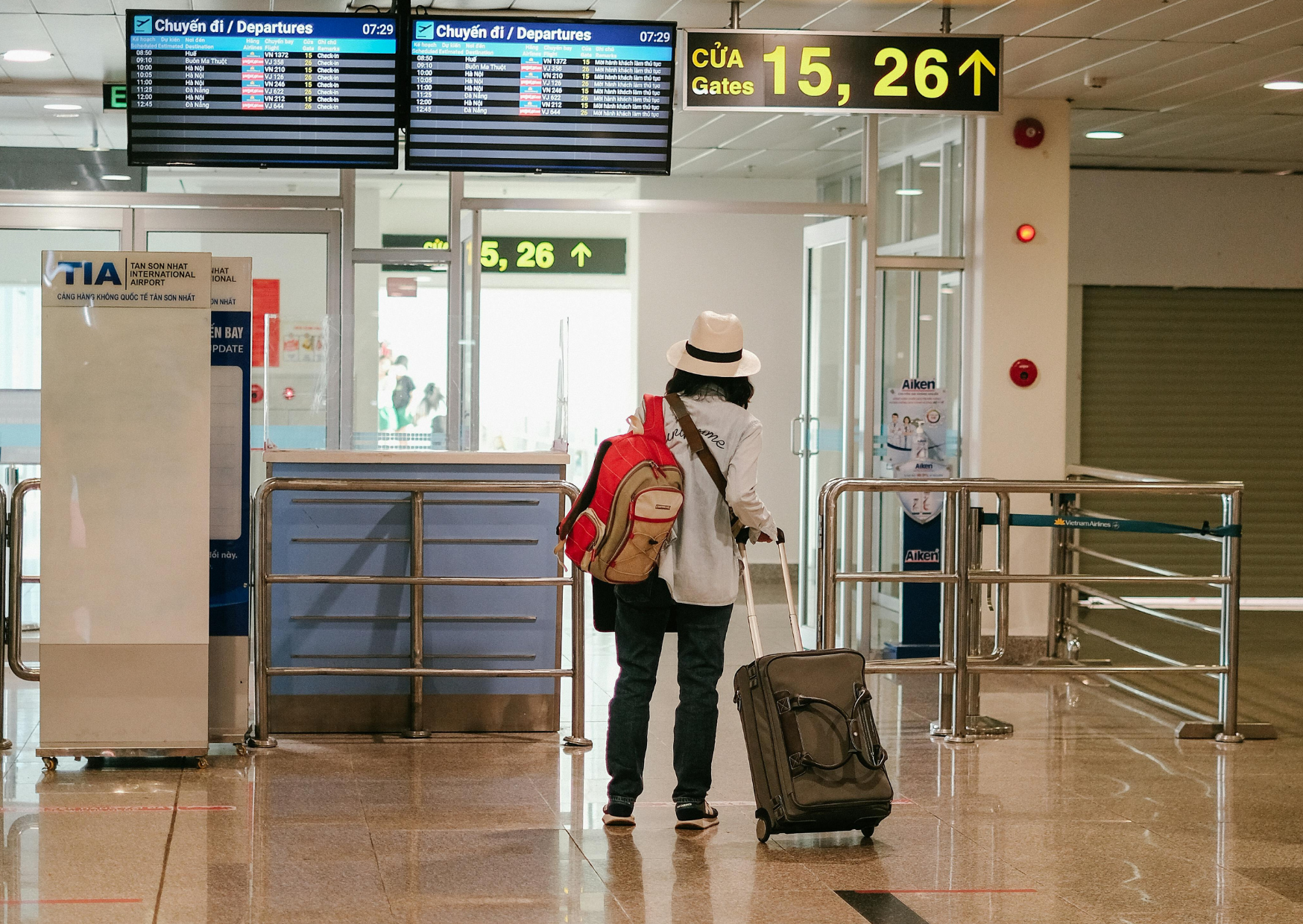
Same family had four carry-ons. Normal American carry-ons. The ones that barely fit in overhead bins but flight attendants let slide.
European budget airlines measure bags. With metal boxes. Your bag doesn’t fit? €50-70 to check it. Each bag. At the gate. The most expensive possible way.
Here’s what Europeans know:
- Personal item is free (40x25x20cm)
- That’s a backpack, not a small suitcase
- Priority boarding adds a real carry-on for €15-30
- Checking a bag online costs €25-40
- Checking a bag at the gate costs €70
That family paid €280 for bags that would’ve cost €60 if they’d just read the rules.
But here’s the five-minute fix: Packable bags inside your backpack. I carry a backpack that’s regulation size. Inside is a foldable bag. At the gate, I put my jacket, snacks, whatever in the foldable bag. Two bags, both “personal items.” Been doing it for years. Never questioned.
Or just pay €25 for a checked bag when booking. But Americans think that’s “giving in” then pay triple at the gate.
The Passport Control Line That Costs €200
Watched Americans miss flights standing in the wrong line. EU citizens have their own line. Sometimes it’s empty while non-EU line has 200 people. Americans join the long line because it’s longer so it must be right.
Missed flight? Ryanair doesn’t care. New ticket at last-minute price. €200 if you’re lucky. €500 if it’s summer.
Look for the signs. They’re in English. “EU Passports” and “All Passports.” Join the correct line. Revolutionary.
But here’s what nobody tells Americans: Some airports have automated gates for Americans. Scan passport, look at camera, done. Thirty seconds. While others wait an hour in line.
Madrid, Lisbon, Amsterdam, Frankfurt – all have e-gates Americans can use. But Americans join the manual line because that’s what we’ve always done. Then miss flights.
The Priority Pass Stupidity
Americans buy Priority Pass thinking it works in Europe like America. It doesn’t. Most European budget airline terminals don’t have lounges. The ones that do often don’t take Priority Pass.
But Americans show up three hours early (because that’s what we do), can’t find a lounge, and spend €100 on airport food and drinks instead of the €6 sandwich from the shop outside security.
Ryanair flies from terminal 2 in Barcelona. No lounges. Vueling uses Terminal 1. No Priority Pass lounges. Mallorca airport has one lounge. Doesn’t take Priority Pass.
That $500 credit card benefit you’re proud of? Useless for European budget travel. But the credit card company didn’t mention that.
The Boarding Pass Disaster Everyone Falls For
Your boarding pass expires if your flight time changes. Even by five minutes. Airlines update departure times constantly. Your screenshot from last week? Might be invalid.
American woman at Stansted had a printed boarding pass from a month ago. Flight time had changed by 10 minutes. Pass invalid. €20 to reprint. She screamed about lawsuits. They didn’t care.
Check the app before leaving for airport. Every time. Take new screenshot. Or use mobile pass that updates automatically. Five seconds. Saves €20.
But Americans print boarding passes at home like it’s 2003 then act shocked when airlines want current information.
The Water Bottle Racket That Isn’t
Americans buy €5 water bottles after security because we assume European airports are like American airports where water fountains don’t exist or are broken.
Every major European airport has free water fountains. Or bathroom taps with potable water. Bring an empty bottle. Fill it after security. Save €5. Do this three times per trip, save €15.
But here’s what Europeans really do: Bring a frozen water bottle. Frozen liquid isn’t liquid according to security rules. Frozen 500ml bottle sails through security. Melts by boarding. Free cold water.
Barcelona airport has fountains every 50 meters. Madrid has filtered water stations. Even Ryanair’s home base (Stansted) has free water everywhere. But Americans don’t look. We just buy.
The Food Rules Nobody Explains
You can bring food through European security. Any food. Sandwiches, fruit, entire pizzas if you want. Security doesn’t care about food like TSA does.
Spanish families bring entire picnics. Tortilla española, jamón sandwiches, oranges, everything. Eat on the plane while Americans pay €15 for a sad Ryanair sandwich.
Make sandwich at home: €2 Buy sandwich at airport: €8 Buy sandwich on Ryanair: €15
The math is obvious but Americans assume food isn’t allowed because TSA makes everything complicated. European security only cares about liquids and weapons. Your sandwich isn’t a threat.
The Currency Exchange Massacre
American family at Madrid airport exchanging $500 at Travelex. Rate was 0.75 when real rate was 0.92. They lost $85 immediately.
Then paid for everything in cash because “that’s safer.” Paid in dollars at one shop because they accepted them. At 0.70 rate. Lost another $30.
Use a card with no foreign transaction fees. Revolut, Wise, Charles Schwab. Real exchange rate. No fees. Works everywhere.
Or if you need cash, any ATM outside the airport. Never exchange at airports. Never pay in dollars when they offer. It’s always a scam. Always.
That family lost €115 on currency before they left the airport. Could’ve been avoided with one decent debit card.
The Seat Selection Scam
Ryanair shows you a seat map. Makes it look like only middle seats are left unless you pay €15 for seat selection. Americans panic, pay for whole family to sit together. €60 for a family of four.
If you don’t select seats, they assign them at check-in. Families with children almost always get seated together anyway. It’s EU law for children under 12. They have to seat kids with at least one parent.
Couples? Yeah, you might be separated. For a two-hour flight. You’ll survive. Or one person pays for selection and the middle seat next to them stays empty because nobody wants middle seats.
€15 to sit next to your spouse for 90 minutes. Or €0 to sit three rows apart and have nobody talking to you. I know which I prefer.
The Credit Card Roulette
Using American Express in Europe is like using Monopoly money. Nobody takes it. Okay, hotels take it. Some restaurants. But budget airlines? Small shops? Trains? Nope.
American at Lisbon airport trying to buy metro ticket with Amex. Machine doesn’t take it. Ticket office doesn’t take it. Has no other card. Has to go back outside to ATM.
Visa or Mastercard only. Better yet, contactless payment. Apple Pay or Google Pay works everywhere. But Americans show up with Amex and cash like it’s 1995.
Then they’re shocked when they can’t buy a €2 metro ticket to get to their hotel.
The Liquid Rules That Aren’t Like America
EU liquid rules: 100ml containers in a clear bag. Same as America. Except they actually enforce it. Strictly.
Your 120ml toothpaste that TSA let through? European security will bin it. Your liquids in an opaque bag? Rejected. Everything out, in a clear bag, or in the trash.
American woman had €200 of cosmetics thrown away at Frankfurt because they were 125ml bottles. “But TSA didn’t care!”
European security doesn’t care what TSA did. Rules are rules. 100ml maximum. Clear bag. No exceptions.
Buy travel containers: €5 at any store. Transfer your liquids. Save hundreds in thrown-away products.
The Gate Change Game
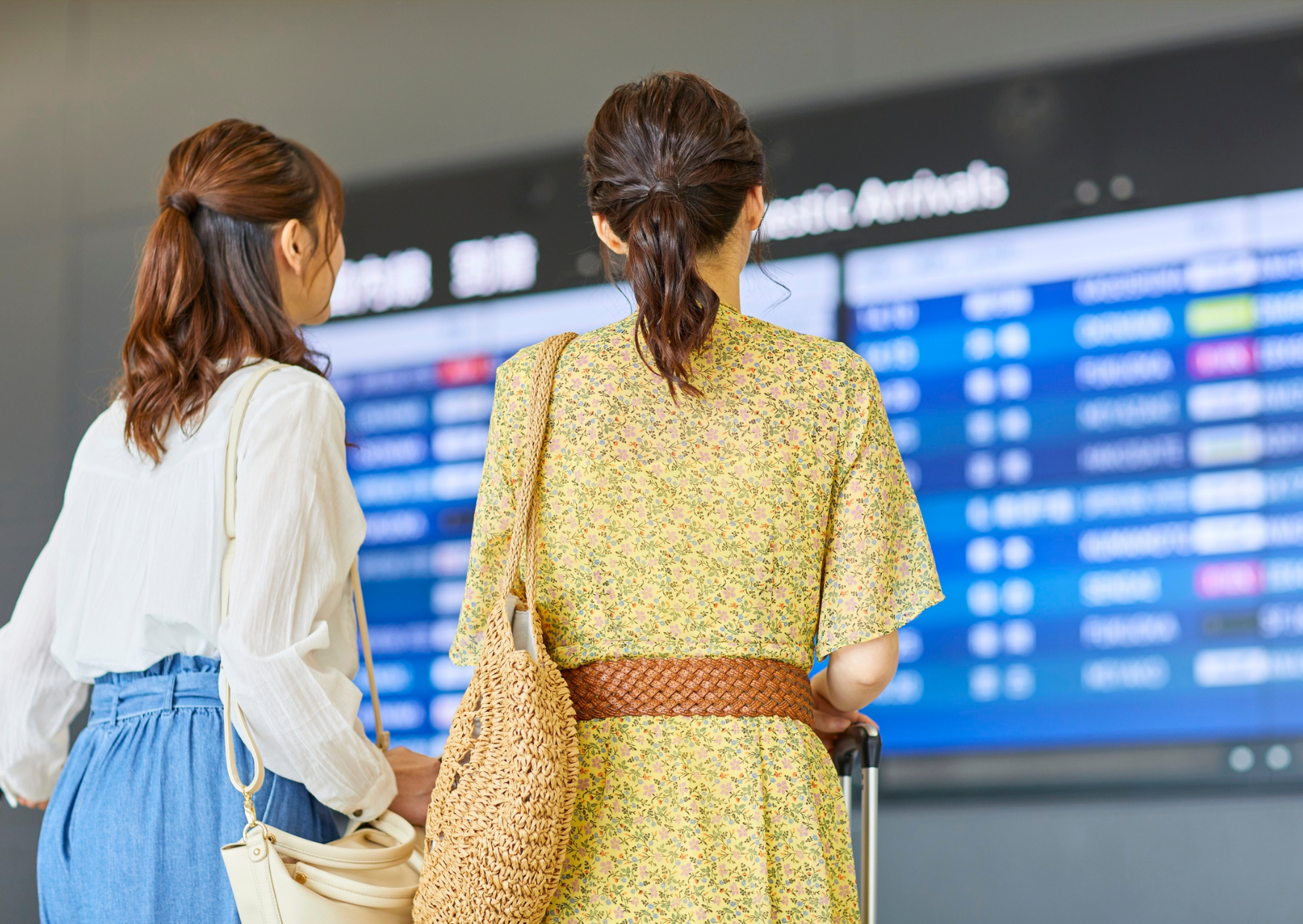
European airports change gates constantly. Your boarding pass says Gate 45. You go to Gate 45. Sit down. Start watching Netflix.
Gate changes to Gate 12. Announced in languages you don’t speak. Displayed on screens you’re not watching. You miss it. You miss your flight.
Check the screens every 20 minutes. Don’t trust your boarding pass. Don’t trust the initial gate. Don’t get comfortable until you’re on the plane.
Amsterdam is the worst. Gate changes 10 minutes before boarding. Different terminal. You’re running through Schiphol like you’re in the Olympics.
The FastTrack Waste
Americans buy FastTrack/Priority Security for €20-30 because we’re traumatized by TSA lines. Then discover European security takes five minutes anyway.
Tuesday morning at Barcelona? No line. Thursday afternoon at Milan? Three-minute wait. Paid €25 to skip a line that didn’t exist.
Check real-time airport apps. They show current security wait times. Usually under 10 minutes. Save your €25 for overpriced sandwiches.
Only worth it at:
- London Heathrow (always)
- Amsterdam (summer)
- Paris CDG (existence is pain)
- Frankfurt (if flying morning)
Everywhere else? You’re paying to skip empty lines.
The Lounge Access Myth
Americans think European lounges are like American lounges. They’re not. Most are sad rooms with crackers and instant coffee. The nice ones don’t take Priority Pass or cost €60 to enter.
Spending €30 for lounge access to eat €10 worth of stale croissants and bad coffee? Just buy real food outside.
Exception: Turkish Airlines lounge in Istanbul. It’s basically a restaurant. Worth connecting through Istanbul just for the lounge. But that’s not budget airline territory.
The Uber/Taxi Disaster
Taking Uber from European airports often costs more than your flight. €60 from Barcelona airport to city center. €80 from Rome Fiumicino.
Trains exist. Barcelona airport to center: €5. Rome airport to center: €14. Amsterdam airport to center: €4.60.
But Americans see a train and panic. “What if we get lost?” You won’t. It’s one train. One direction. Follow the crowd.
That family crying at Ryanair? Took a taxi to the airport. €65. Could’ve taken the R2 train for €4.60 per person. €18.40 total versus €65.
The Connection Time Bomb
Americans book one-hour connections in huge European airports. Frankfurt. Amsterdam. Paris CDG. Then act surprised when they miss connections.
These airports are cities. You might need to take a train between terminals. Go through passport control. Security again. One hour? Impossible.
Minimum connection times:
- Amsterdam: 90 minutes (if lucky)
- Frankfurt: 2 hours
- Paris CDG: 3 hours (not joking)
- Munich: 90 minutes
- Madrid: 75 minutes (actually doable)
Miss your connection on separate tickets? You’re buying a new flight at last-minute prices. €300 if you’re lucky.
The Documentation Disaster
EU changed rules post-Brexit. Now they want to see return tickets. Accommodation bookings. Proof of funds. Americans show up with nothing because “I’m American.”
Denied boarding. €400 for new tickets after scrambling to book random hotels on phone.
Have screenshots of:
- Return ticket
- First night’s hotel
- Bank balance (weird but they ask)
- Travel insurance if you have it
Takes two minutes. Saves potential disaster.
The Strike Nobody Talks About
European transportation strikes constantly. Air traffic control. Airlines. Trains. Random Tuesdays. No warning for tourists.
Americans book non-refundable everything then act shocked when French ATC strikes cancel their flights.
Book refundable rates or have insurance. Check for strikes 48 hours before travel. Have backup plans.
“But that costs more!” Not more than being stuck in Paris for three extra days because of strikes.
The Real Cost of Ignorance
That family at Barcelona:
- Airport check-in: €220
- Baggage fees: €280
- Currency exchange: €100
- Taxi from city: €65
- Water and food: €60
- Total excess: €725
For a family of four on a €200 flight. They paid €925 for a €200 flight because they didn’t know the rules.
The Five-Minute Prevention
- Check in online 24-48 hours before. Screenshot boarding pass.
- Measure your bag. If bigger than 40x25x20cm, pay for priority or checked bag online.
- Bring empty water bottle and food. Fill after security.
- Use contactless payment. Forget cash and Amex.
- Arrive 90 minutes early. Not three hours, not 30 minutes.
- Check gate screens constantly. Don’t trust initial gate.
- Take public transport. Trains exist and they’re cheap.
That’s it. Seven things. Five minutes of reading. Saves €500.
Why Europeans Think We’re Idiots
Europeans grow up with these rules. They know Ryanair is basically a sky bus. They know to bring sandwiches. They know to check in online.
Americans apply American logic to European systems then act shocked when it doesn’t work.
We’re not idiots. We’re just using the wrong manual. Like showing up to cricket with baseball rules then wondering why everyone’s annoyed.
The Psychology of Cheap Flights
€20 Ryanair flight isn’t really €20. It’s €20 if you follow every rule perfectly. Break one rule? €75. Break five rules? €300.
Europeans know this. They follow the rules or pay for regular airlines. Americans think we’re beating the system by finding “cheap” flights then pay triple in fees.
Just flew Barcelona to Rome: €24. Total actual cost: €24. Because I checked in online, brought correct bag, brought sandwich, filled water bottle after security. The system works if you work the system.
The Privilege Check
Yes, these are first-world problems. Yes, people are dying in wars while we’re complaining about baggage fees. Yes, we’re lucky to travel at all.
But if you’re going to travel, why pay €500 extra for being ignorant? That €500 could be five more trips. Or donations to people who need it. Or literally anything besides Ryanair’s profit margin.
The Airlines Want You to Fail
Budget airlines make money on fees, not tickets. They want you to forget to check in. Want your bag to be too big. Want you to buy their €15 sandwiches.
The entire system is designed for you to fail. The website is confusing on purpose. The rules are hidden on purpose. The gates change to create panic purchases.
But once you know the game, you can’t lose. I’ve taken 47 budget flights in three years. Total fees paid: €0. Not because I’m smart. Because I learned the rules.
What This Really Means
Europeans live with these systems. They adapted. They know the rules. They pay €300 to fly a family of four across the continent for vacation.
Americans pay €300 per person in fees because we refuse to adapt. Then complain Europe is expensive.
Europe isn’t expensive. We’re just doing it wrong. Every single time.
That crying family at Barcelona? They’ll probably never fly budget airlines again. They’ll tell everyone how horrible Ryanair is. How expensive Europe is. How unfair the system is.
Meanwhile, the Spanish family next to them flew for €80 total. Same plane. Same destination. Different knowledge.
The Conclusion Nobody Wants to Hear
Your vacation doesn’t start when you land. It starts when you book the ticket. Reading the rules isn’t optional. It’s the difference between a €50 flight and a €500 disaster.
Americans want convenience. We want American-style customer service. We want flexibility. We want to be treated special.
European budget airlines offer none of that. They offer cheap transportation if you follow the rules. That’s the entire business model.
You can rage against it. You can demand better. You can write angry reviews.
Or you can spend five minutes learning the rules and fly for basically nothing.
Your choice. But if you’re crying at the Ryanair counter paying €480 in fees, that’s not their fault.
That’s yours.
The rules are clear. The fees are avoidable. The system is beatable.
But only if you stop assuming Europe works like America.
It doesn’t. It really, really doesn’t.
And that’s actually fine once you stop fighting it.
€24 to fly across Europe. But only if you can follow seven simple rules.
Most Americans can’t.
That’s why that family paid €725 for a €200 flight.
Don’t be that family.
Five minutes of preparation. €500 saved.
The math isn’t complicated.
But apparently, reading is.
Most Americans assume airport fees, denied boarding, or lost baggage compensation are just “part of travel.” That assumption alone is costing travelers hundreds of euros every year. Airlines and airports rely on confusion, time pressure, and lack of awareness to avoid paying what they legally owe.
The reality is that many of these costly mistakes happen not because of bad luck, but because travelers don’t know the rules that protect them. From incorrect boarding passes to mishandled connections, small errors quietly snowball into €500 losses that could have been avoided or reclaimed.
What makes this especially frustrating is how fast most fixes actually are. In many cases, the solution takes less time than buying a coffee at the terminal. A quick check, a form submission, or a firm but informed conversation can completely change the outcome.
Travel will always involve stress, but losing money unnecessarily doesn’t have to be part of the experience. Awareness is the difference between walking away frustrated and walking away compensated.

About the Author: Ruben, co-founder of Gamintraveler.com since 2014, is a seasoned traveler from Spain who has explored over 100 countries since 2009. Known for his extensive travel adventures across South America, Europe, the US, Australia, New Zealand, Asia, and Africa, Ruben combines his passion for adventurous yet sustainable living with his love for cycling, highlighted by his remarkable 5-month bicycle journey from Spain to Norway. He currently resides in Spain, where he continues sharing his travel experiences with his partner, Rachel, and their son, Han.
Amiga
Monday 5th of January 2026
So right and complete... don't worry, there are European ignorant flyers that fall in the same traps.
Just one mistake: BCN T2 lounge and PMI lounge DO take Priority Pass (I'm there all the time)