
So my cholesterol went down eating butter and my doctor thinks I’m lying.
Not just butter. French butter. The kind that costs €4 for 250 grams and comes wrapped in paper like it’s precious gold and honestly at those prices it basically is.
I switched from “heart healthy” margarine to French butter for 30 days and my cholesterol dropped 18 points. EIGHTEEN. My American friends think I’ve joined a cult. My Spanish neighbors think I’ve finally come to my senses. My husband thinks I’ve lost my mind spending this much on butter.
Quick Easy Tips
Choose butter with a short ingredient list: cream, cultures, and salt. Avoid blends or “spreadable” versions with added oils.
Use butter intentionally, not excessively. Replacing margarine doesn’t mean increasing overall fat intake.
Pair butter with whole foods like vegetables, eggs, or sourdough rather than ultra-processed carbs.
Track cholesterol with actual lab results, not assumptions. Numbers matter more than labels.
The uncomfortable truth is that margarine was never designed to be food in the traditional sense. It was engineered as a shelf-stable alternative using industrial seed oils and chemical processing. Its health halo came from marketing, not long-term biological evidence.
Another rarely discussed issue is how dietary guidelines were influenced by fear of saturated fat without fully understanding inflammation, insulin response, or lipid particle size. Lowering cholesterol on paper does not always equal better cardiovascular health.
French butter, like many traditional European foods, exists within a culture that prioritizes quality over quantity. Smaller portions, better ingredients, and slower eating habits matter just as much as the fat itself. Context is everything.
Perhaps the most controversial takeaway is this: removing ultra-processed foods often improves health outcomes even when replacing them with foods once labeled as “unhealthy.” The body appears to recognize real food and respond accordingly.
How This Insanity Started
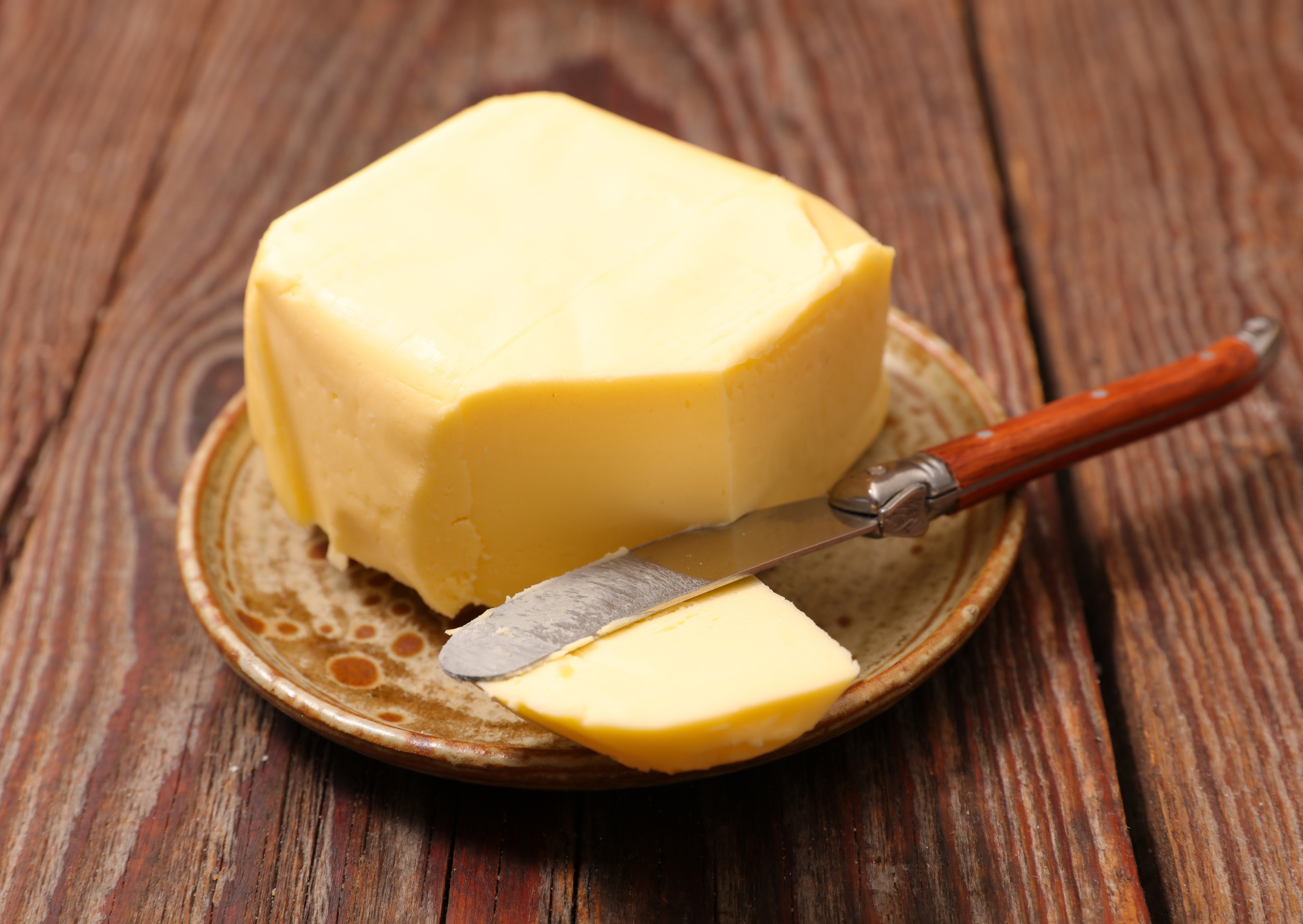
Back in Ohio, I was a margarine person. Country Crock. I Can’t Believe It’s Not Butter. Smart Balance. Whatever was on sale. You know, the healthy stuff. The stuff that’s supposed to save your arteries while tasting like plastic sadness.
My cholesterol was 238. Not terrible, but my doctor kept making that face. You know the face. The “you should really do something about this” face. So I ate more margarine. Switched to the one with plant sterols. Ate oatmeal. Did all the things.
Moved to Spain. Cholesterol still 238.
Then I went to this French market in Valencia. There’s this butter stand run by this woman from Normandy who looks like she’s made entirely of butter herself—rosy, soft, probably 70 years old, definitely doesn’t care about cholesterol.
She gave me a taste of her butter on bread.
I’m not being dramatic when I say I almost cried. It tasted like… I don’t know how to explain it. Like what butter tastes like in your dreams? Like cow happiness? My kid says it tastes like “yellow” which makes no sense but also completely makes sense.
The Great Margarine Lie (I’m Still Mad)
You want to know what’s in margarine? I finally looked. Actually looked.
Water, oil, more oil, different oil, emulsifiers, preservatives, “natural flavor” which could mean literally anything, yellow dye because otherwise it’s gray, and about fifteen ingredients I can’t pronounce.
You know what’s in French butter? Cream. Salt (sometimes).
That’s it. That’s the whole list.
But margarine is “heart healthy” and butter will kill you, right? That’s what they told us. That’s what I believed for forty-whatever years.
My Deeply Unscientific Experiment
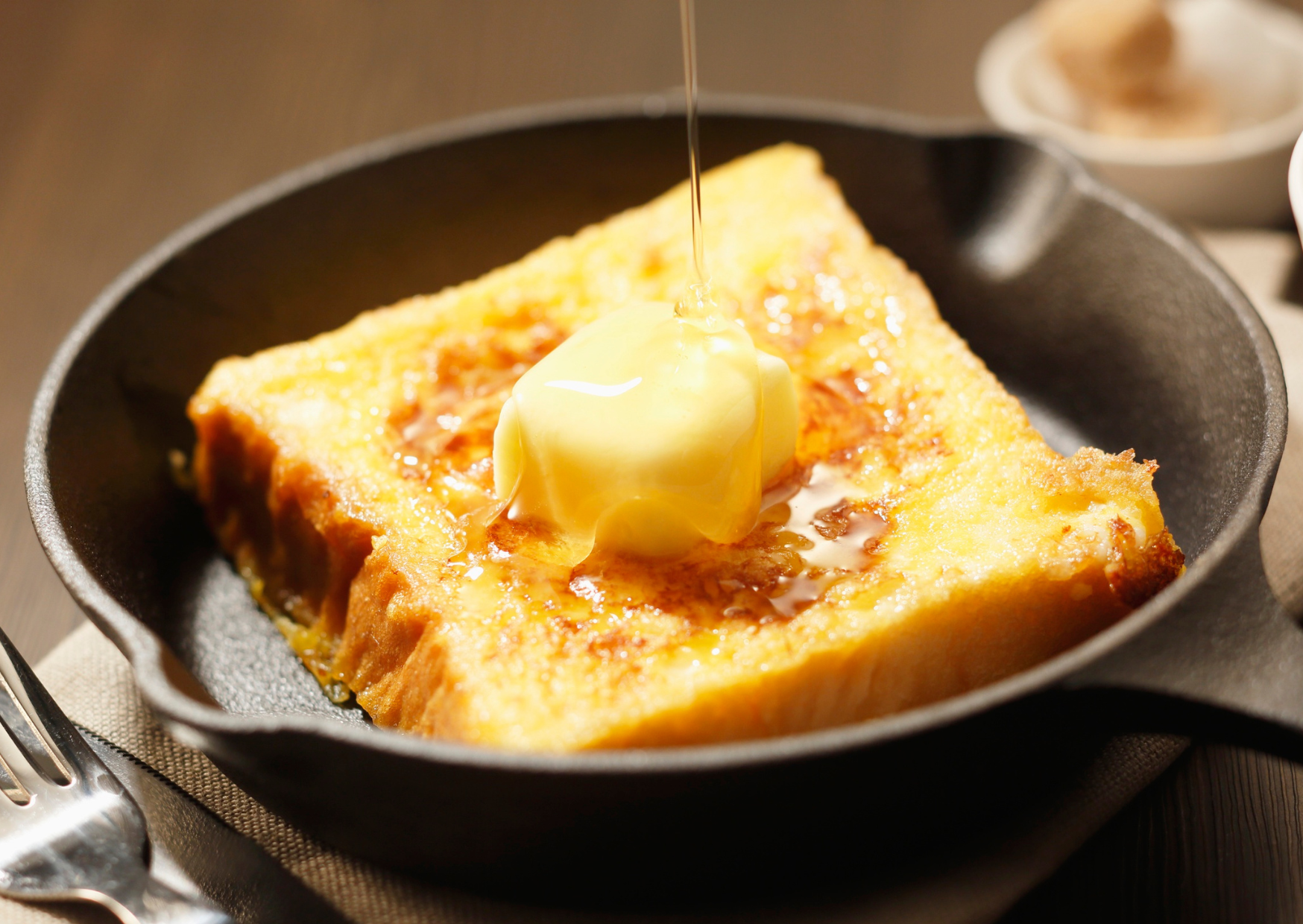
I decided to switch for one month. Just to see. Not for health reasons—honestly, I just wanted an excuse to buy the good butter.
The rules:
- French butter only (because if you’re going to do something stupid, do it properly)
- Same amount I’d usually use of margarine
- No other dietary changes
- Get bloodwork after 30 days
The butter cost me about €40 for the month. FORTY EUROS. For BUTTER. My husband had feelings about this.
Week 1: Butter Shock
First of all, French butter is different. It’s 82% fat minimum, sometimes 84%. American butter is like 80%. Doesn’t sound like much but it’s… you can tell. It’s richer. Creamier. More butter-y.
Also, it’s cultured. Not like it reads books and goes to art galleries. Cultured as in they add bacteria and let it sit. It tastes a little tangy? Complex? I sound like a wine person now. Kill me.
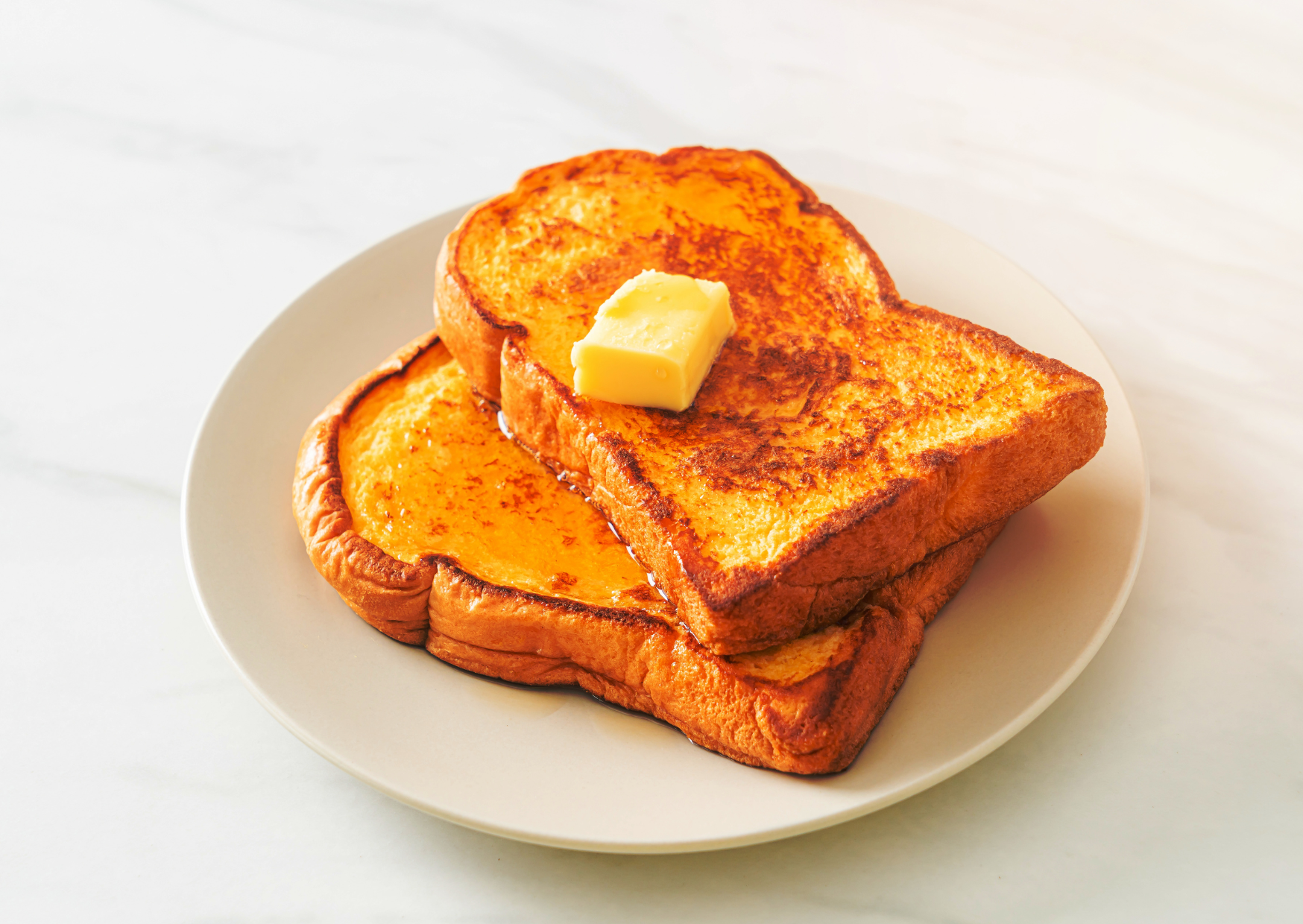
I put it on my morning toast. Just butter and bread. No jam needed. The bread actually tasted like something instead of just being a vehicle for other flavors.
My Spanish neighbor saw me buying it and said “Por fin!” (finally!) Like she’d been waiting for me to discover real butter. She told me Americans eat “mantequilla falsa” (fake butter) and that’s why we’re all sick.
Thanks, Carmen.
The Weird Things That Happened Immediately
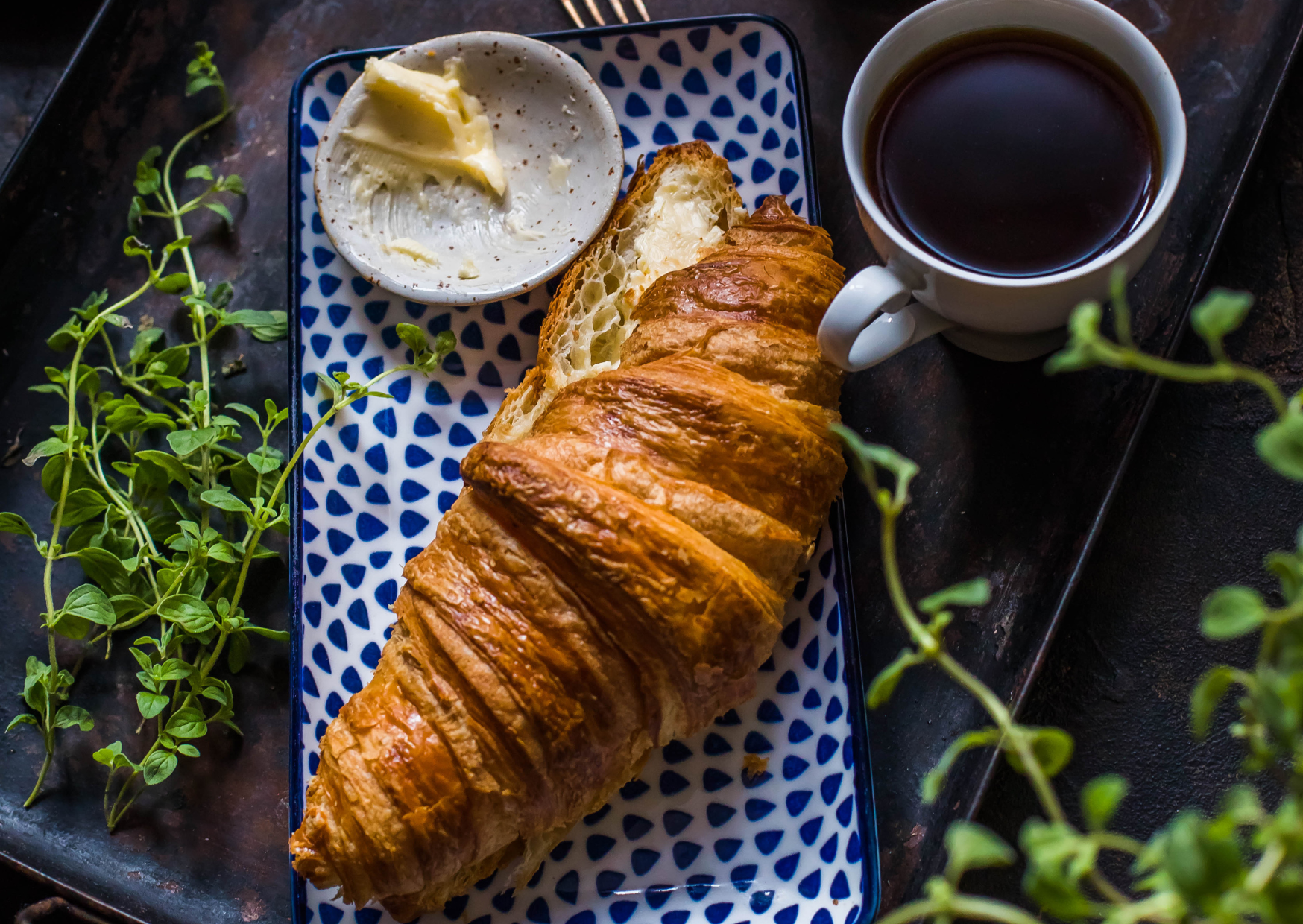
I stopped being hungry at 10 AM.
This makes no sense, but it’s true. Usually I’d have toast with margarine at 8 and be starving by 10. With butter? Not hungry until lunch. Same amount of toast. Same breakfast. Just butter instead of margarine.
Food started tasting better. Obviously. Butter makes everything better. My scrambled eggs went from sad yellow rubber to actual food. Vegetables I sautéed in butter instead of margarine actually got eaten by my teenager.
But here’s the really weird thing: I started using less.
Margarine, I’d slather on. Thick. Because it doesn’t taste like anything so you need more to feel like you’re eating something. Butter? A thin layer was enough. It actually had flavor.
Week 2: The Guilt Phase
Every morning I’d put butter on my toast and think “I’m going to die of a heart attack.”
Forty years of programming is hard to shake. Butter = bad was drilled into my head since the 80s. Every bite felt like rebellion. Delicious, creamy rebellion.
I started researching (googling at 2 AM) and found out some interesting stuff:
France has lower heart disease rates than America. The French eat more butter than almost anyone. This is called the French Paradox and nobody can properly explain it.
The studies that originally demonized butter were funded by… wait for it… the margarine industry. I’m not a conspiracy person but come ON.
Grass-fed butter (which most European butter is) has vitamin K2, vitamin A, butyrate (which is good for your gut), and conjugated linoleic acid (CLA) which might actually help with weight loss. Margarine has… yellow dye.
Week 3: Full Butter Convert
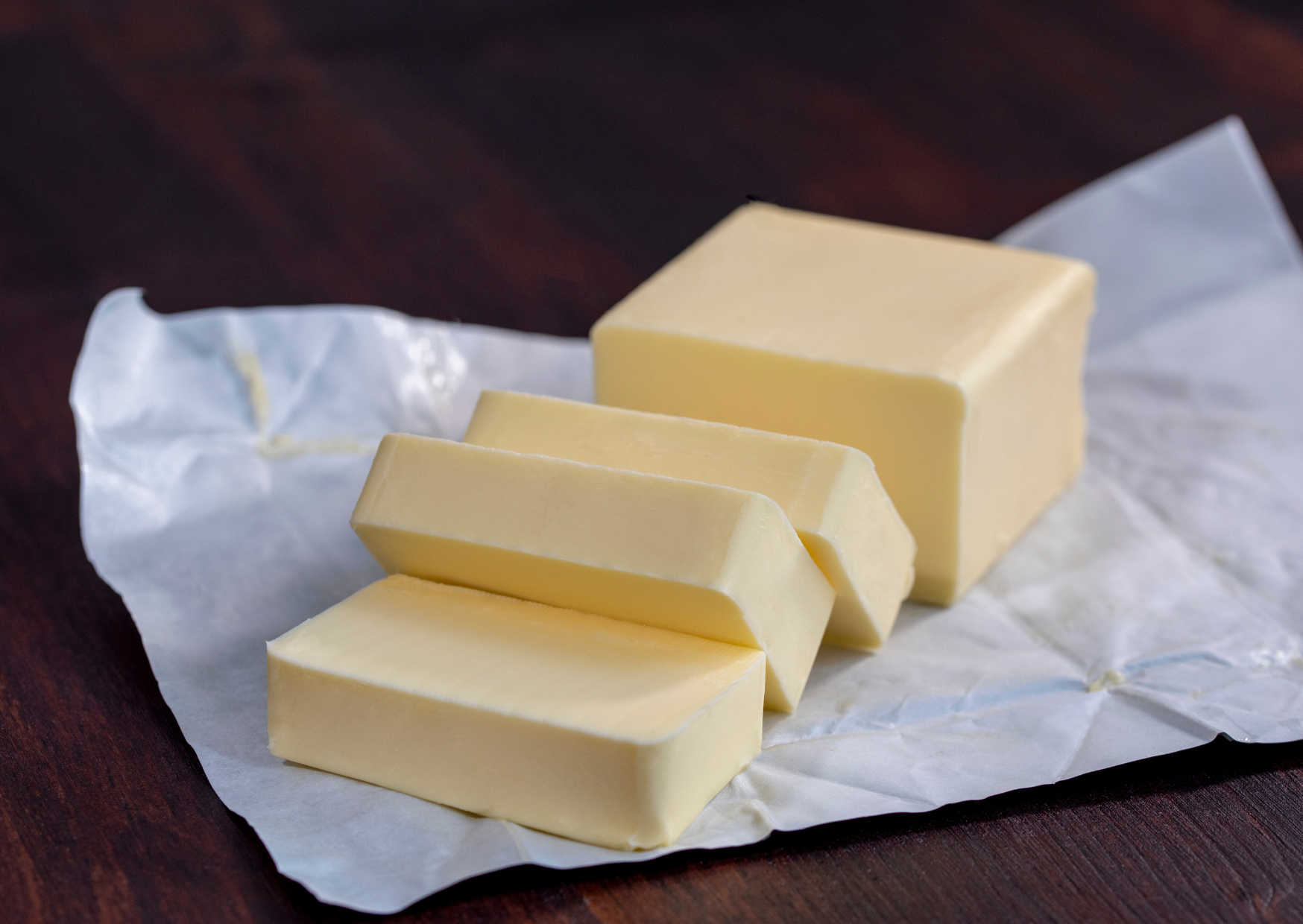
I became insufferable. Started butter evangelizing. Told everyone about my butter journey. Became that person at parties who talks about dairy fat.
Bought different French butters to taste test. Normandy butter (the best). Brittany butter with sea salt crystals (close second). Some fancy one from the Alps that cost €8 (not worth it).
My Spanish teacher asked why I was so happy lately. I told her it was the butter. She didn’t even question it. Just nodded and said “Claro” (of course).
Started cooking everything in butter. Eggs, vegetables, fish. Even tried putting butter in my coffee which is apparently a thing. (It’s not good. Don’t do it. Some things are too far.)
Week 4: The Reckoning
Time for bloodwork. Went to the clinic convinced my cholesterol would be 300 and they’d immediately hospitalize me.
The nurse took my blood. I waited three days. Checked the online portal every five minutes like a crazy person.
Results came back.
Cholesterol: 220.
Down from 238. EATING BUTTER EVERY DAY.
The breakdown was even more interesting:
- LDL (bad cholesterol): Down 12 points
- HDL (good cholesterol): Up 6 points
- Triglycerides: Down 25 points
I made them run it again because I didn’t believe it. Same results.
My Doctor Didn’t Believe Me
Went to my doctor with the results. Told him about the butter.
He literally laughed. Said I must have done something else. Exercise more? No. Eat less? No, probably eating more. Take supplements? Nope. Lose weight?
Actually… I lost 3 pounds. Eating butter. Make it make sense.
He said in Spanish something that translated to “it’s not possible” and then mumbled about the Mediterranean diet and olives and asked if I was sure I wasn’t using more olive oil.
I wasn’t. Just butter. French butter from happy cows.
Why This Might Actually Work (I Did Research)
Turns out there’s actual science here, not just my weird butter experiment.
Natural saturated fat might not be the demon we thought. Some studies now show no link between saturated fat and heart disease. The sugar industry paid for studies to blame fat instead of sugar in the 60s and 70s. We’ve been operating on lies, people.
Grass-fed butter has omega-3s. Not as much as fish, but some. Margarine has omega-6s which we already eat too much of and which cause inflammation.
When you eat real fat, you absorb fat-soluble vitamins better. Vitamins A, D, E, and K need fat to work. Margarine is technically fat but your body doesn’t recognize it the same way.
The French don’t just eat butter. They eat it with bread, wine, vegetables, in small portions, over long meals. It’s the whole system. But the butter is definitely part of it.
Also—and this is just my theory—when food tastes good, you’re satisfied with less. Margarine toast never satisfied anyone. You could eat six pieces and still feel empty. One piece of toast with good butter? Actually filling.
The Cost Thing (Let’s Talk About It)
Yes, French butter is expensive. €4 for 250 grams. Sometimes €5 for the really good stuff. That’s like $20 a pound for Americans.
But here’s what I figured out: I use less. Way less. A tub of margarine would last me a week, maybe. A block of good butter lasts two weeks, sometimes three. Because you don’t need as much when it actually tastes like something.
Also, and I can’t believe I’m saying this, but it’s worth it? We spend $5 on coffee that’s gone in three minutes. We spend $15 on a cocktail that’s gone in ten. But butter that makes every meal better for two weeks is too expensive?
My husband stopped complaining when his cholesterol also went down. He wasn’t even trying. Just eating my butter-cooked food. Down 15 points. Now he’s the one buying the expensive butter.
What French Butter Actually Tastes Like
I need you to understand the difference. American butter tastes like… nothing. Like solid oil. Like the idea of butter without the actual flavor.
French butter tastes like:
- Cream but more
- Slightly tangy
- Grass (in a good way)
- Hazelnuts sometimes
- What cows should taste like (that sounds weird but you know what I mean)
The salted ones have huge crystals of sea salt that crunch when you bite them. It’s like butter with surprises.
The first time my mom visited from Ohio, I gave her bread with French butter. She literally said “What is this?” Not “what brand” or “where did you get this” but “WHAT IS THIS” like she’d never had butter before.
She hadn’t. Not real butter.
She made me buy her six blocks to take home. Six. They probably went bad before she finished them but she didn’t care.
The Things Nobody Tells You
Your poop changes. I’m sorry but it does. Everything… works better? More smoothly? I don’t know how to say this delicately. You poop like a European, I guess. Regular, easy, no issues. TMI but you should know.
Your skin gets better. This might be coincidence but my face isn’t as dry. My hands aren’t cracking. My lips aren’t chapped. Fat is moisturizing from the inside, apparently.
You stop craving snacks. I used to need something at 3 PM. Cookies, chips, whatever. Now? Nothing. The butter breakfast holds me until lunch, lunch holds me until dinner.
Your cooking improves instantly. Not your skill—the butter does the work. Everything tastes restaurant-quality. My teenager asked if I’d been taking cooking classes. Nope. Just butter.
The Margarine Industry Can Kiss My Butter-Fed Ass
I’m angry. Actually angry. We were told for DECADES that butter was killing us. That we needed to eat processed oil mixed with chemicals instead. For our health.
Meanwhile, the French are over here eating butter by the ton, living to 90, not having heart attacks.
The Mediterranean diet everyone raves about? Includes butter. Not margarine. Never margarine. No Italian grandmother is cooking with Country Crock.
We got scammed. All of us. Eating plastic-tasting yellow spread thinking we were being healthy while our cholesterol stayed high and we felt unsatisfied and food tasted like cardboard.
But What About Olive Oil?
Everyone here cooks with olive oil too. And it’s great. I use it. Love it. The Spanish olive oil is incredible and costs nothing and I put it on everything.
But butter is different. It’s not just about cooking. It’s about satisfaction. Completeness. That feeling of “yes, I’ve eaten” instead of “I guess I ate but I want more.”
You can’t make proper eggs with olive oil. You can’t make pastry with olive oil. You can’t put olive oil on your morning toast. Well, you can, but it’s not the same.
Actually, the locals do put olive oil on toast. With tomato. And salt. It’s good. But it’s not butter. Sometimes you need butter.
My Current Butter Routine (Since You’ll Ask)
Morning: French butter on sourdough toast. The good sourdough from the actual bakery, not supermarket bread.
Cooking: Butter for eggs, fish, vegetables that need sautéing. Olive oil for salads and roasting.
Baking: All butter. Always. Tried using Spanish butter once for cookies. They were fine. Used French butter the next time. My kid ate twelve. TWELVE.
Special occasions: The €8 Alpine butter or this one from a specific farm in Normandy that makes me want to cry it’s so good. Just on bread. Nothing else. Let the butter be the star.
The Studies That Changed My Mind
Found one from 2010 that followed 350,000 people for 23 years. No association between saturated fat and heart disease. None. Zero. This study was huge and nobody talks about it.
Another one from 2014 that analyzed 76 studies with over 650,000 participants. Same conclusion. Saturated fat doesn’t cause heart disease.
A French study (of course) that showed people who ate the most dairy fat had the lowest risk of heart attack. THE LOWEST.
But we’re still telling people to eat margarine. Still pushing “plant-based spreads.” Still acting like butter is poison.
What My Spanish Neighbors Think
Carmen (the one who called margarine “mantequilla falsa”) saw my butter in the communal fridge and nodded approvingly. She told me her grandmother lived to 97 eating bread with butter and jamón every day.
Miguel from downstairs said Americans are afraid of food. “You make everything complicated,” he said. “Butter is butter. Eat it.”
The French couple on the third floor invited me for dinner after they saw me buying good butter. They served seven courses. Every single one had butter. We talked until midnight. Nobody counted calories. Nobody mentioned cholesterol.
This is how Europeans eat. Real food. Real butter. Real conversations. No guilt.
The Part Where I Sound Preachy (Sorry)
Look, I’m not saying butter is magic. I’m not saying everyone should eat sticks of it. I’m not a doctor or nutritionist or anyone who should be giving health advice.
But I am saying we’ve been lied to.
I’m saying my cholesterol went down eating the thing they told me would raise it.
I’m saying food tastes better with real ingredients instead of processed substitutes.
I’m saying the French might know something we don’t.
I’m saying margarine is bullshit.
The Actual Numbers for the Nerds
Starting cholesterol: 238 After 30 days of butter: 220
LDL: 152 → 140 HDL: 48 → 54 Triglycerides: 190 → 165
Blood pressure: Stayed the same (120/80) Weight: Down 3 pounds Happiness: Up approximately 1000%
Will I die of a heart attack tomorrow? Maybe. But at least I’ll die happy and full of butter.
What I Learned (The Real Stuff)
Real food is better than fake food. Always. Even if the fake food has health claims on the package. Especially if it has health claims on the package.
Traditional diets work. People ate butter for thousands of years without dropping dead at 40. We’ve eaten margarine for like 50 years and everyone’s sick.
Trust your body. When I ate margarine, I was never satisfied. Always hungry. Always wanting more. With butter, I’m full. Content. Done eating when I’m done eating.
Quality matters more than quantity. Good butter in small amounts is better than tons of margarine. For your health, your taste buds, your soul.
Europeans know how to eat. Americans know how to diet. These are not the same thing.
The Pushback (And My Responses)
“But saturated fat!” – Yeah, what about it? Show me the recent studies. The real ones, not the margarine-funded ones.
“But calories!” – I’m eating the same or fewer calories and losing weight. Next.
“But it’s expensive!” – So is heart medication. So is feeling like crap. So is eating twice as much because you’re never satisfied.
“But my doctor says—” – My doctor said the same thing. My bloodwork says different.
“But plant-based is better!” – Plants don’t make butter. Cows do. Margarine is processed oil, not plants.
Will I Keep Eating Butter?
Are you kidding? I’m never going back. NEVER.
I threw out the margarine. Actually, no, that’s a lie. I kept one tub to use as a container for leftovers. It’s good for that.
I budget for butter now. €40 a month for happiness seems reasonable. I spend more on Netflix and that brings me way less joy.
My American friends think I’ve gone European. My European friends think I’ve finally become normal. My husband just wants me to stop talking about butter at parties.
The Bottom Line
Eat butter. Real butter. Good butter. French butter if you can get it. Irish butter if you can’t. Just actual butter from actual cows who ate actual grass.
Stop eating margarine. It’s not food. It’s an industrial product designed to look like food. It tastes like sadness and regret.
Your cholesterol might go down. Or it might not. Bodies are weird. But your food will taste better, you’ll feel more satisfied, and you’ll stop being hungry all the damn time.
Is this medical advice? No. Is this one person’s experience that goes against everything we’ve been told? Yes. Do I care? Not anymore.
I have butter to eat.
The real kind.
From France.
Where people live forever and don’t apologize for enjoying food.
€4 a block and worth every cent.
For decades, Americans were taught that butter was the enemy and margarine was the “heart-healthy” alternative. This experiment challenges that long-standing belief in a way that feels almost uncomfortable. Replacing a processed spread with a traditional fat led to an unexpected improvement, not decline, in cholesterol markers.
What stands out most is how quickly the change occurred. Thirty days is not a long time in nutritional terms, yet the body responded measurably. This suggests that daily dietary choices, even small ones, can have a meaningful impact when they remove ultra-processed ingredients.
French butter differs from American margarine in more than taste. It is minimally processed, contains fewer additives, and relies on natural fat rather than industrial oils. That difference alone may explain why the body reacts differently when the swap is made.
This isn’t about declaring butter a miracle food. It’s about questioning assumptions and paying attention to how real food interacts with real biology instead of relying solely on outdated nutritional dogma.

About the Author: Ruben, co-founder of Gamintraveler.com since 2014, is a seasoned traveler from Spain who has explored over 100 countries since 2009. Known for his extensive travel adventures across South America, Europe, the US, Australia, New Zealand, Asia, and Africa, Ruben combines his passion for adventurous yet sustainable living with his love for cycling, highlighted by his remarkable 5-month bicycle journey from Spain to Norway. He currently resides in Spain, where he continues sharing his travel experiences with his partner, Rachel, and their son, Han.
Peter Sanderson
Friday 7th of November 2025
100% agree. Have defied the mainstream propaganda (improperganda) and margarine has not touched my lips since 1968. At 73 my blood pressure is 116/68. Skin is smooth as a 45 year old. I only eat imported cultured unsalted butter, lots of it. I bake my own wholemeal sour dough bread using spelt and rye and grinding the flour fresh with an electric stone mill. Olive oil should only be eaten cold pressed. Heat it up to frying temperature makes it toxic Don't use it for frying. My diet is and has been carnivore for over a year. High protein, high fat. I have outlived most of my doctors.
Peter S. Australia