
Open a cupboard in a European kitchen and the labels do half the thinking. Bottles say “extra virgin olive oil.” Biscuit packets list “vegetable oils (sunflower, rapeseed)” in plain print you do not need a microscope to read. You can decide what to cook based on a sentence. Two weeks of using that clarity as a rule, not a theory, produced changes I could feel before the challenge ended.
This is not a diet. It is a label experiment you can run in any EU supermarket. The constraint is simple. If an ingredient list includes industrial seed oils, you put it back. If the oil is extra virgin olive oil or butter, it passes. If a restaurant cooks in unknown oils, you order differently. Fourteen days later, the note on the fridge shows steadier mornings, fewer digestive complaints, and a grocery receipt that ditched two aisles and gained nothing you will miss.
How EU Labels Make This Easy
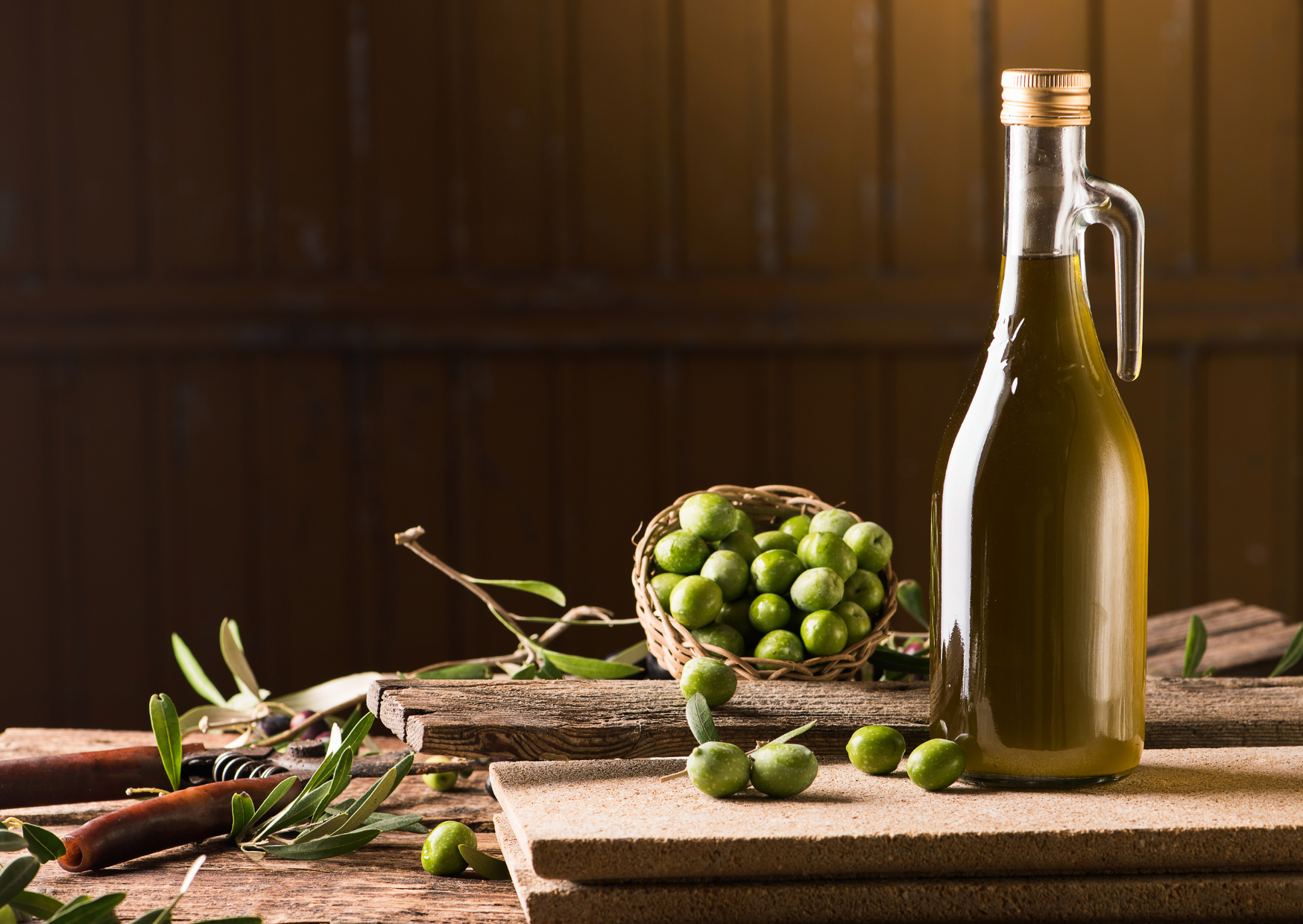
Europe’s food labels are built to tell you the oil source. Refined vegetable oils must be named by plant origin, which means a packet cannot hide behind the phrase “vegetable oil” alone. You will see “vegetable oils (sunflower, rapeseed)” or “vegetable oils (palm)” in the ingredient list. That single rule becomes a switch you can flip. If you are avoiding seed oils, the packet tells you in the first ten seconds.
If you want olive oil, labels carry their own grammar. “Extra virgin olive oil” is a protected category with quality standards and controls across the EU. Free acidity for extra virgin, for example, must not exceed 0.8 percent. That is a mouthful of chemistry, but the practical reading is simple. Buy bottles that say extra virgin, ideally in dark glass, and cook most meals with that one product.
The second piece of label power is honesty about additives. Europe has tightened rules over time and removed titanium dioxide E171 from food. This challenge is about oils, not colorants, but the habit is the same. You read the list, then you decide. Packets that need a paragraph go back on the shelf. Packets that read like food go in the basket.
Two practical consequences fall out of this without effort. You cook more food and buy fewer industrial snacks, and you swap polyunsaturated-heavy seed oils for monounsaturated-rich olive oil. That swap is not a trend. It is the Mediterranean table in one sentence.
The 14-Day Plan That Fits A Life
This plan uses the same groceries you can find in any EU city, a short list of rules, and recipes that do not require a new personality.
The rules
- If the label lists sunflower, rapeseed, corn, soybean or generic “vegetable oils,” skip it.
- Cook with extra virgin olive oil as your default. Butter is fine for flavor and baking.
- Choose whole foods that announce themselves. Bread with flour, water, salt, yeast. Yogurt with milk and cultures. Cheese that is cheese.
- When eating out, ask for olive oil for cooking or choose items that are grilled, roasted, or steamed.
- No heroics. This is not a cleanse. It is a label constraint.
The shopping list
Olive oil, butter, onions, garlic, carrots, celery, potatoes, leafy greens, tomatoes in a jar or box, dried beans, canned fish in olive oil, eggs, yogurt, fruit, rice, pasta, herbs, vinegar, lemon, salt. If you want meat, buy cuts that cook fast in a pan or slow in the oven.
The rhythm
- Week 1 is about removal. You replace snack foods and bottled dressings that contain seed oils, then rebuild with simple plates.
- Week 2 is about comfort. You add two anchor recipes that carry leftovers and eliminate the 6 p.m. panic.
You keep breakfast, lunch, and dinner predictable and generous enough that you do not go hunting for the aisle you just removed.
A day that works
- Breakfast: yogurt with fruit and nuts, plus a slice of toast brushed with olive oil.
- Lunch: bread, tomatoes, hard cheese, and a can of tuna in olive oil.
- Dinner: bean and greens soup, or roasted chicken with potatoes and a salad dressed with olive oil and vinegar.
The three swaps that make the difference
- Olive oil for seed oil in every pan and on every salad.
- Canned fish in olive oil instead of seed oil brines, which is a line-by-line label choice in the same aisle.
- A pot of beans and a tray of roast vegetables prepped once, used three times.
You do not need a spreadsheet. You need a bottle, a pot, and a tray.
What Changed By Day 10
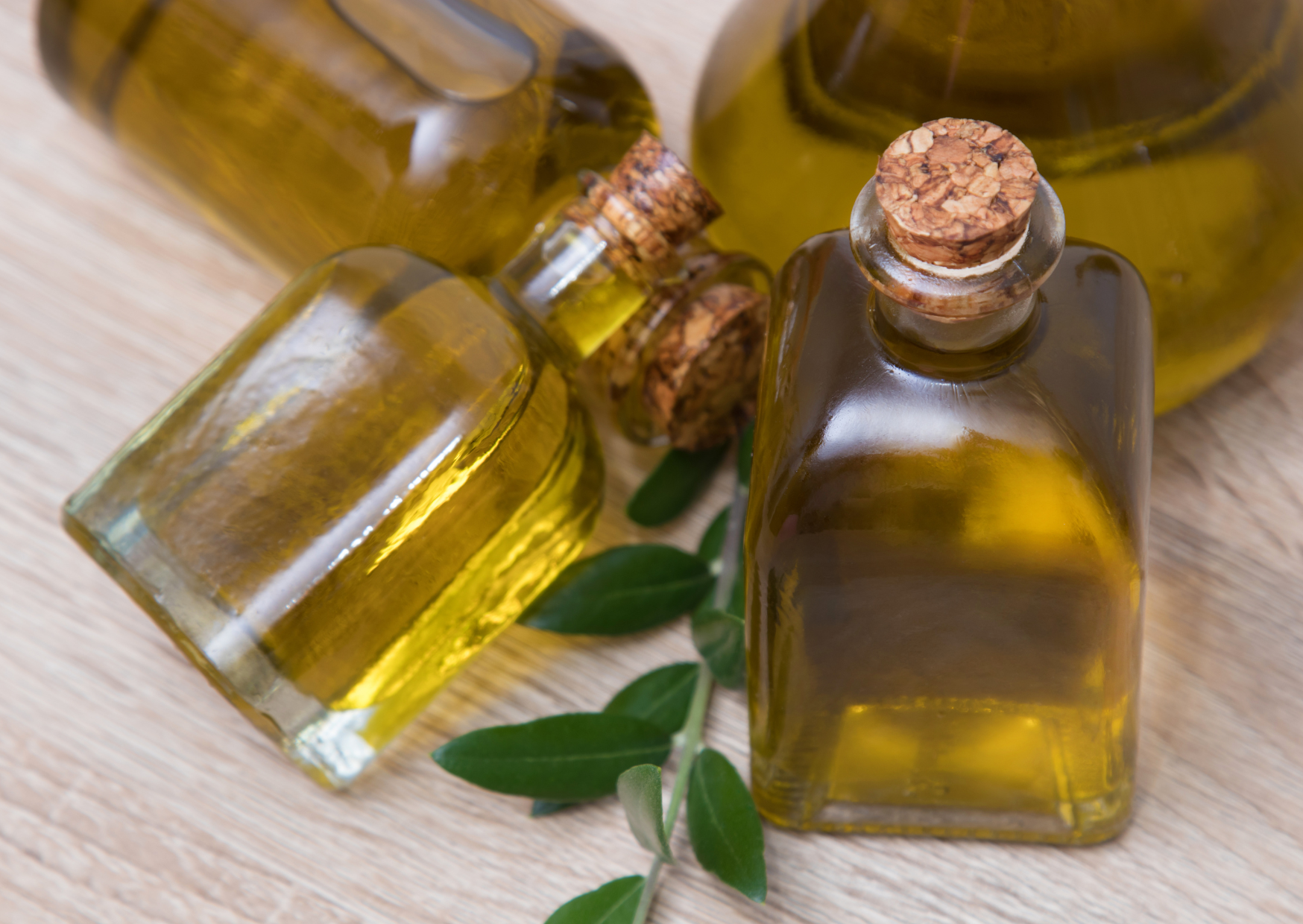
This is what I saw and what readers report when they run the same plan. Your body and your calendar are not mine. The pattern is still striking.
Mornings got steadier. Breakfast stopped causing a late morning dip. A slice of toast brushed with olive oil and a bowl of yogurt behaved better than a sweet cereal with skim milk. Energy felt flat in the good sense, not like a roller coaster that rewards snacks for existing.
Digestion calmed down. Bean and greens soup and roasted vegetables do not sound like medicine, yet bloating and heaviness moved in the right direction. Olive oil carries flavor and has a natural laxity in the gut that beats emulsified bottled dressings with mysterious line items.
Cravings fell. Removing the aisle of seed oil snacks and keeping meals salty, fatty, and fibrous reduced the late-night reach for packaged sweets. Nobody is promising a halo. The urge simply shows up with less force when dinner was real food cooked in a pan.
Cooking got faster. The bottle lives by the stove. You pour, you cook, you eat. “What oil should I use” stopped being a decision. When the choice shrinks, the meal arrives earlier.
Sleep and skin followed. This is the most subjective category, yet enough people report it to mention honestly. Fewer spikes and drops during the day lead to calmer nights. Skin often looks less reactive. The cause map is not simple. The effect is consistent enough to notice.
If you want a line you can screenshot for motivation, it is this. By day 10, the absence of packaged oils became visible in how the day felt, and the only real effort was the first grocery trip.
What To Buy, What To Avoid
This section is the brain of the plan. It is not moral. It is shopping rules that the EU label system enables.
Bottles and tins
- Buy extra virgin olive oil as your main fat. The category is defined in EU law and supervised by marketing standards. You can cook with it, including pan frying, and you will not ruin it by using heat like a normal person. Olive oil is stable because of its fatty acid profile and antioxidants, not because of a myth about smoke points.
- Keep butter for flavor and baking. You will use less than you think because olive oil carries most meals.
- If you must fry at higher heat for a recipe, choose olive oil or high oleic options clearly labeled as such, not standard seed oils. High oleic sunflower is a different product from the usual bottle because its fatty acid profile mimics olive oil. Read the word “high oleic” on the label if you go this route.
Canned fish and vegetables
- Pick “in olive oil” versions. The shelf usually holds both options. If the tin says sunflower, you put it back.
- Canned tomatoes and vegetables rarely contain added oils. They are safe shortcuts.
Bread and dairy
- Choose bread with flour, water, salt, yeast. If the loaf includes vegetable oils in the list, it is not your loaf.
- Choose yogurt with milk and cultures. Skip long lists with thickeners and seed oil-based toppings. Add your own fruit.
Snacks and condiments
- Skip the seed oil aisle entirely. Chips, crackers, biscuits, and bottled dressings are the most frequent offenders. If you want crisps, some kettle-style brands use olive oil, but they are rare. Make a tray of roasted potatoes instead.
- Make vinaigrette in a jar with olive oil, vinegar, salt, lemon. It tastes better and costs less than bottles built to travel oceans and sit for months.
Restaurant habits
- Ask how the kitchen cooks. If the answer is “sunflower oil,” order grilled fish, roasted meats, or stews. You are buying a dish, not a lecture. Good kitchens will accommodate or point you to the right plate on the menu.
The most helpful rule for the aisle is the simplest. If the label lists specific seed oils, you pass. If it lists extra virgin olive oil or butter, you proceed.
A Recipe You Should Try
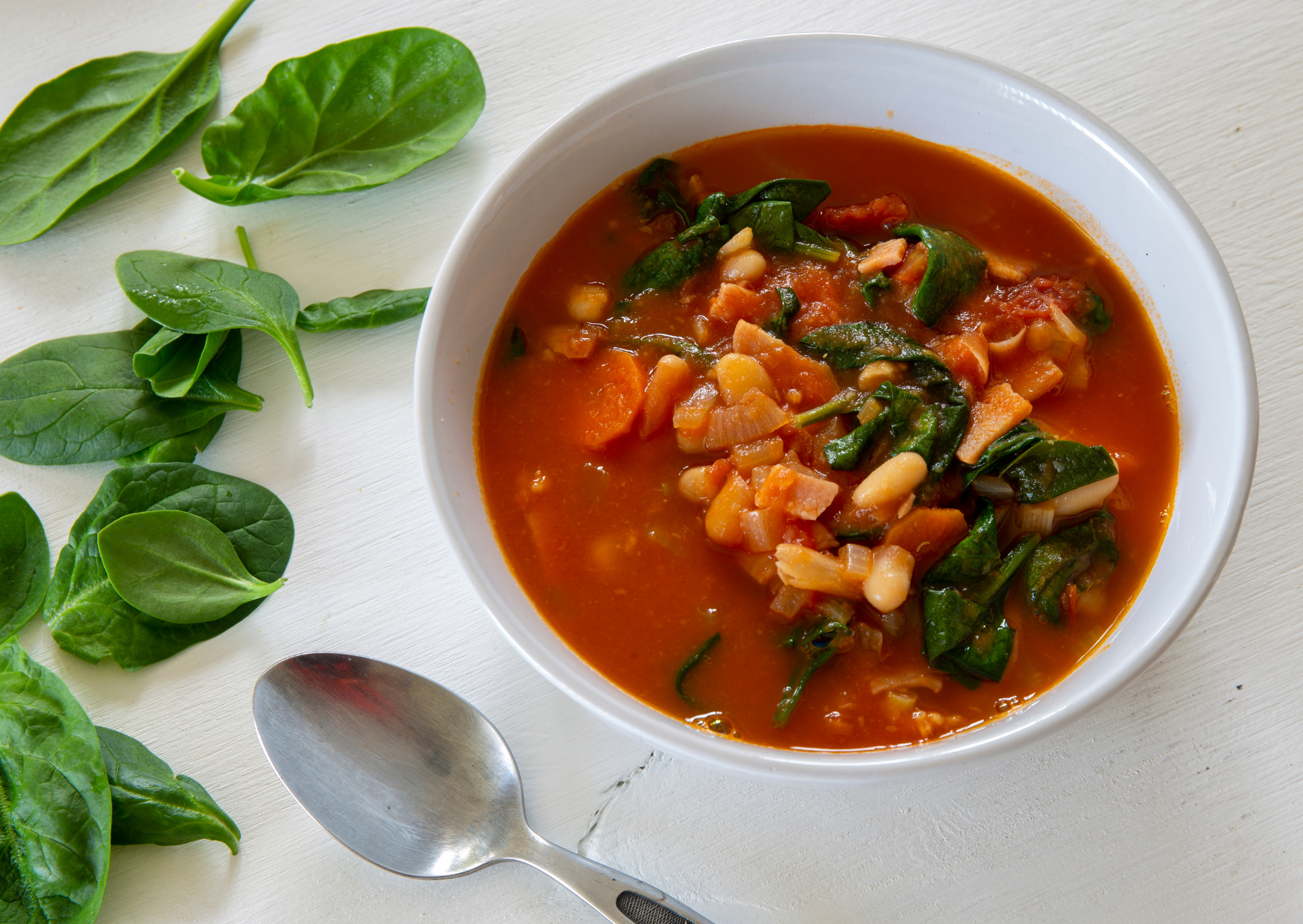
These are not decorative recipes. They are anchors that generate leftovers and make the 6 p.m. hour feel calm. Both are seed oil free by design.
Tuscan Bean And Greens Soup
A pot that tastes like it took five grandmothers and actually takes forty minutes. Olive oil, beans, greens, and bread do most of the work.
Ingredients
Olive oil, 1 large onion, 2 carrots, 2 celery ribs, 4 garlic cloves, 2 tablespoons tomato paste, 2 cans cannellini or 350 g cooked beans, 1 liter light stock or water, a big bunch of cavolo nero or chard, a heel of stale bread, salt, pepper, red pepper flakes if you like, lemon.
Method
Film a heavy pot with olive oil and sweat the chopped onion, carrot, and celery with a pinch of salt until soft. Add garlic and tomato paste and cook until the paste darkens. Stir in the beans and stock. Simmer 15 minutes. Tear the greens into strips and simmer until tender, about 10 minutes. Tear in the bread to thicken, drizzle more olive oil at the end, and finish with lemon. It freezes well, feeds lunches, and avoids every aisle you are skipping.
Why it works
Beans and greens bring fiber and minerals. Olive oil brings satiety and flavor. The bowl replaces two packaged snacks and a bottled dressing without willpower.
Why This Works And How To Keep It
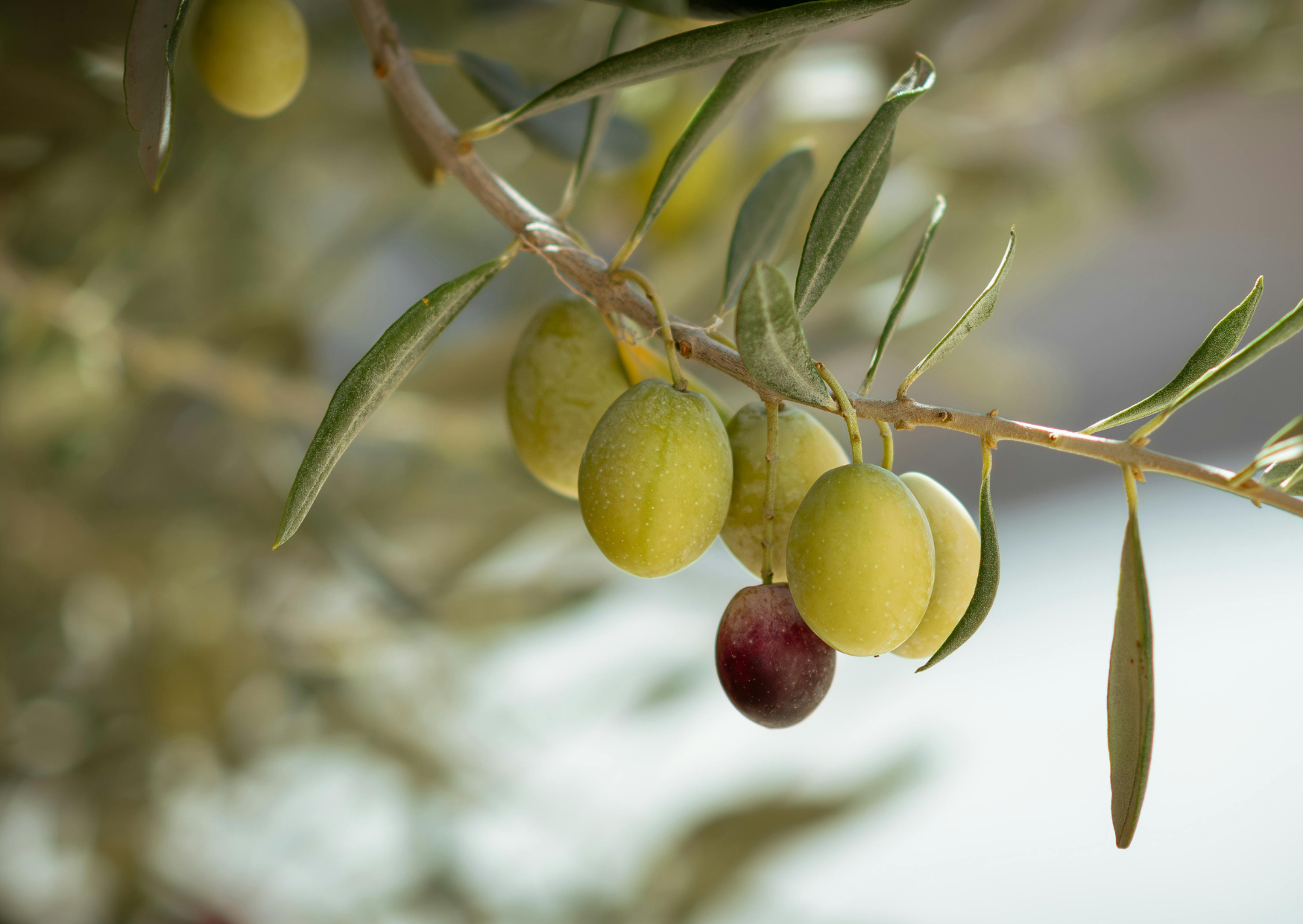
The health case for olive oil is not a fad. Large studies link higher olive oil intake with lower cardiovascular risk and lower all-cause mortality, especially when it replaces other fats like margarine or butter. Trials and cohort analyses connect olive oil’s polyphenols and monounsaturated fats with improved cardiometabolic markers. This is population data, not a prescription for your body, but the direction is consistent.
There is also a policy layer behind the kitchen. European and global health authorities moved to eliminate industrial trans fats from the food supply, and European labeling rules make fat sources and additives legible. The system nudges you toward a shorter ingredient list before you have to become a scholar of chemistry. This is why the label experiment works. The street and the sticker are on your side.
If you want the habit to last past day fourteen, keep three simple rules.
- Keep a liter of extra virgin olive oil on the counter and another in the cupboard. When it is visible, you use it.
- Batch one pot and one tray every Sunday. Soup and escabeche will carry you through the nights that usually invite seed oil snacks.
- Make a standing vinaigrette in a jar. Equal parts olive oil and vinegar with salt and a squeeze of lemon solves lunches, roast vegetables, and fish. If it is there, you will not buy the bottle.
The goal is not olive oil purity. The goal is defaulting to it and letting that default squeeze out the rest.
What Happens After Day 14
You keep most of it because the day feels simpler. Breakfast is not a negotiation. Lunch comes from a pot or a tin you trust. Dinner repeats in variations you can cook half-asleep. The plan is portable across European supermarkets because the labels do not change, and it works in restaurants because grilled fish, roast chicken, and salads with olive oil live on every menu.
If you want to loosen the rule, loosen it on holidays and at other people’s tables. At home, keep buying food with short labels and oil you recognize. You will slip sometimes. The cushion is that your default has changed.
A quiet side effect appears in the receipts. You stop paying for seed oil snacks and sauces that were pretending to be time. Time returns when the bottle and the tray solve dinner. Money follows when packets go back on the shelf.
The full story of food and health is bigger than one bottle. Two weeks is not a medical protocol. For many households, it is enough to reset the pantry, reset the palate, and turn labels into allies. If you run this once, you will run it again, not out of virtue, but because the day got easier and the food tasted better.

About the Author: Ruben, co-founder of Gamintraveler.com since 2014, is a seasoned traveler from Spain who has explored over 100 countries since 2009. Known for his extensive travel adventures across South America, Europe, the US, Australia, New Zealand, Asia, and Africa, Ruben combines his passion for adventurous yet sustainable living with his love for cycling, highlighted by his remarkable 5-month bicycle journey from Spain to Norway. He currently resides in Spain, where he continues sharing his travel experiences with his partner, Rachel, and their son, Han.