
You cream butter and sugar, the bowl smells like a bakery, and your cookies still spread flat. The problem was not the recipe. It was the butter’s temperature.
French pastry cares about butter the way a watchmaker cares about springs. Not just the brand or whether it is salted or unsalted. The exact state. Cold enough to hold layers. Soft enough to trap air. Warm enough to flow when you want shine, then cool enough to set when you want snap.
American recipes often say room temperature and leave you guessing. That vagueness works when kitchens stay around 19 to 21 degrees. It fails when your apartment runs hot or when your butterfat is higher than the book assumed. French bakers solve this by naming states with real ranges. Beurre pommade sits soft and spreadable. Lamination butter stays cool and plastic. Browned butter is melted and controlled. If you match the state to the technique, dough behaves and results repeat.
This guide explains what those states are, why French butterfat percentages change the rules, and how to hit the number without fuss. Then you get two recipes built to show the difference in your hands, a salted butter sablé from Brittany that needs butter at pommade, and a brown butter financier that turns temperature into tender crumb. After that, a short, practical plan for lamination at home and a fix list for the mistakes that flatten cookies, split creams, and break pastry layers.
Quick Easy Tips
Use room-temperature butter that still feels cool, not soft or shiny.
Chill butter intentionally for pastry instead of guessing by feel.
Match butter temperature to the technique, not the recipe name.
If butter starts melting, stop and reset before continuing.
One controversial idea is that butter temperature is optional as long as ingredients are measured correctly. In reality, temperature alters how ingredients interact at a molecular level, making measurements meaningless if ignored.
Another resistance point is the belief that American recipes skip butter precision because it doesn’t matter. More often, they compensate by adding sugar, stabilizers, or leavening to mask inconsistency rather than preventing it.
There is also a misconception that butter temperature is about elitism or culinary snobbery. Historically, it was about avoiding waste. Precision ensured success when ingredients were scarce and mistakes costly.
Finally, this challenges the idea that baking is forgiving. French baking accepts that small details matter and designs recipes around control, not correction. That mindset difference explains why outcomes diverge so dramatically between traditions.
Why Butter Temperature Decides Texture More Than Ingredients
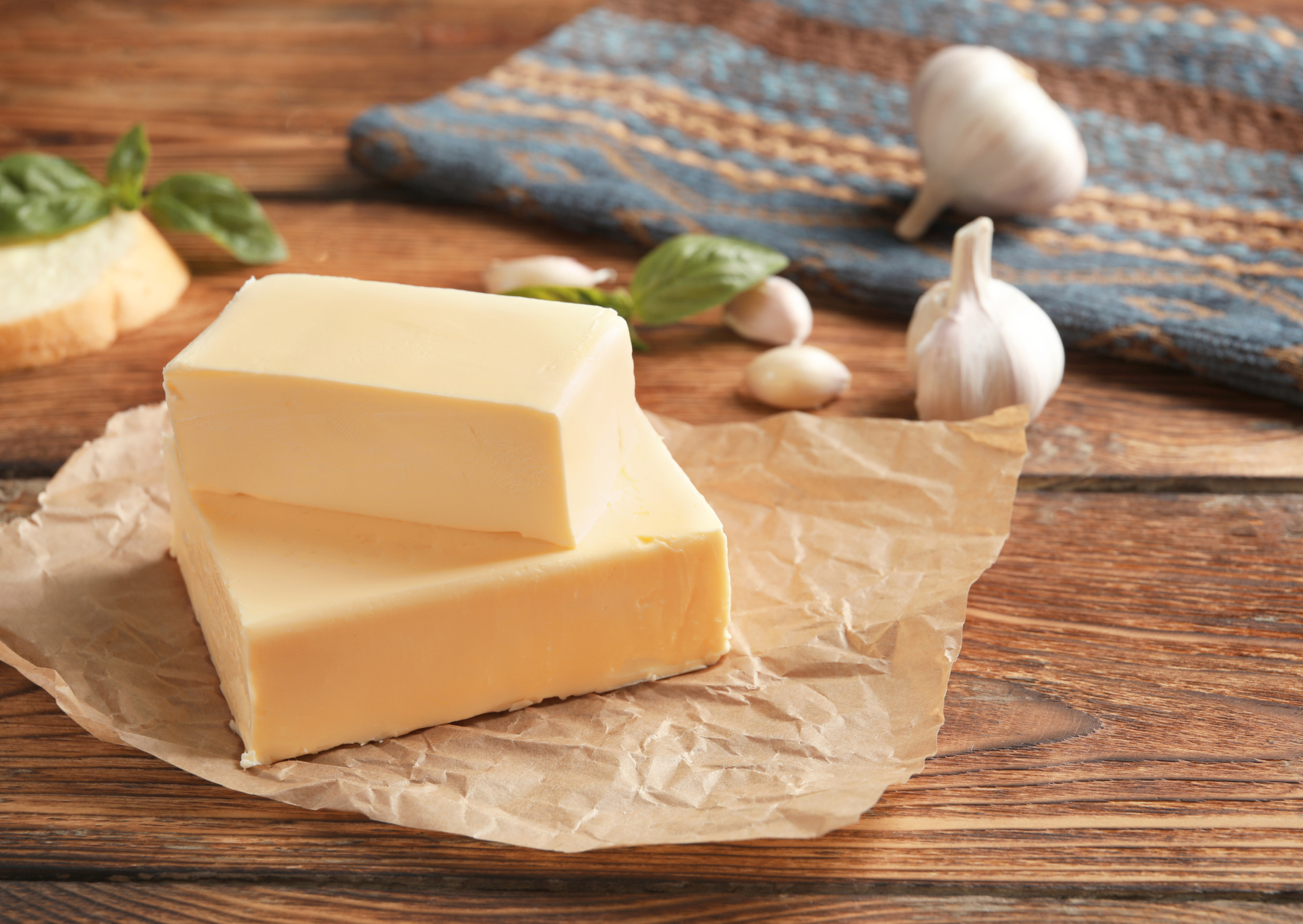
French butter is not magic. It is defined. Standard French and EU pack butter lists 82 percent fat as the baseline for unsalted, with salted versions typically a touch lower. American butter’s legal floor is 80 percent. Two points sounds small until you realize fat and water trade places. More fat and less water changes plasticity, aeration, and how quickly butter softens on your counter. That is why a French stick can feel pliable at the same point where an American stick is still firm, and why the same “room temperature” note gives two different textures if your kitchen runs warm.
The other difference is culture. Many French and German butters are cultured. Lactic bacteria add aroma and a slight tang. That culture also produces diacetyl, the compound that reads as buttery. You taste it even after baking. None of this matters if your butter is at the wrong state for the job. Plastic butter builds layers. Pommade butter traps air. Melted or browned butter enriches and perfumes cakes that do not need aeration. If you mix the states, you fight physics.
The last lever is crystal structure. Butter wants to set into different crystal forms as it warms and cools. The form called beta prime is the one that gives plasticity and good aeration. You get more of it when you keep butter in a narrow cool range while you work, especially for lamination. Too cold, the butter shatters and streaks. Too warm, it smears and leaks. You can feel this through a rolling pin without looking at a thermometer once you know the target.
The Three Working States French Bakers Use
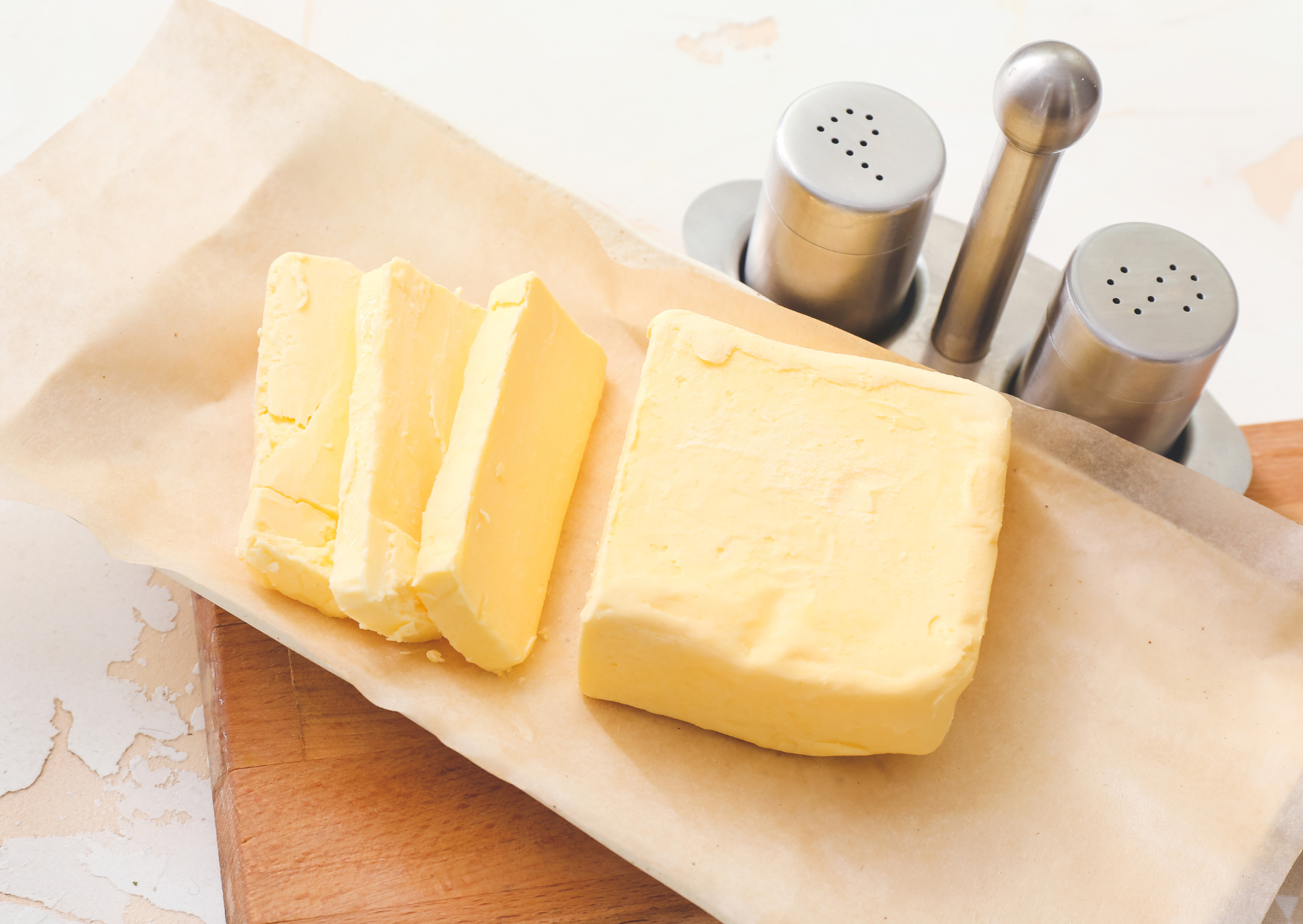
You will see the words, sometimes spelled out, sometimes assumed. Treat them like gear positions.
Cold and plastic, 11 to 16 degrees. This is lamination butter. It bends under the pin without cracking, holds shape when cut, and stacks clean layers in puff pastry and croissants. Your dough should be a touch cooler so it does not squeeze the butter out while you roll. If the butter breaks, it was too cold. If it smears, it was too warm.
Pommade, 18 to 21 degrees. This is softened and worked butter that still feels cool to the touch. Press a finger and it indents without collapsing. Pommade is the state for creaming with sugar, for pâte sucrée, pâte sablée, sablés bretons, and French buttercreams. It traps air and builds emulsions. Above this range, butter goes glossy and greasy. Aeration falls off. Below it, the sugar cuts channels rather than dissolving and you get uneven crumb.
Melted or browned, warm not hot. Melted butter does not aerate. It coats starch and gives tenderness, which is perfect for financiers, madeleines, and some cakes. Brown butter starts by melting, then cooks until the milk solids turn nutty and amber. The key is cooling it before it hits eggs or batter. Warm butter folds in smoothly. Hot butter scrambles and deflates.
If you get these three states right, you can use almost any good butter and still bake like a professional.
Recipe: Sablés Bretons With Beurre Pommade
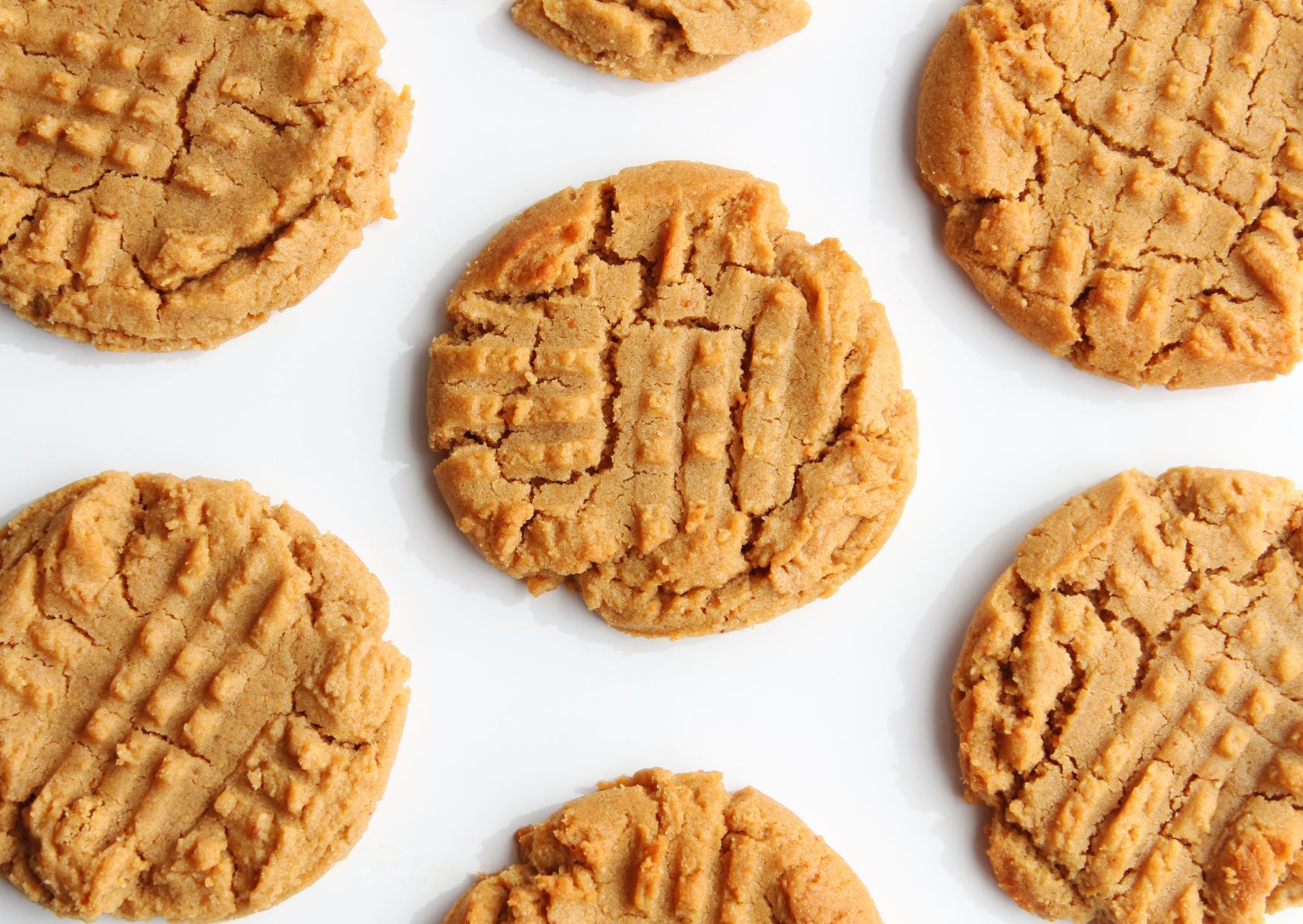
Brittany’s salted butter cookies are the cleanest way to taste what pommade does. The dough is simple. The butter state is the trick. When the butter sits in the 18 to 21 degree range, the sugar creams evenly, the yolks emulsify, and the cookies bake with fine crumb and a gentle, sandy snap.
Yield: about 24 round cookies, 6 to 7 centimeters across
Time: 25 minutes active, plus chill, plus 16 to 20 minutes bake
Ingredients
- 150 g high fat salted butter, at pommade temperature
If you prefer unsalted, add 2 g fine sea salt. - 200 g granulated sugar
- 4 large egg yolks, room temperature
- 210 g all purpose flour
- 12 g baking powder
- 1 egg beaten with 1 teaspoon water for glaze
Equipment
Stand mixer or hand mixer, paddle preferred; two sheet pans; parchment; a 6 to 7 cm cutter; a small brush for the glaze.
Method
- Set the butter. Cut the butter into pieces. Leave on the counter until it indents like clay, cool and pliable. If you own a thermometer, you are aiming for 18 to 21 degrees. If the room is hot, set the bowl over a bag of frozen peas for one minute, stir, and test again.
- Cream. Beat the butter and sugar until the mix lightens and looks like frosting. Scrape the bowl. Add the yolks one by one. Beat until smooth and glossy. Do not whip to fluffy. You want air, not foam.
- Add dry. Whisk flour and baking powder. Add to the bowl and mix just to combine. The dough will be soft but not sticky. If the butter was too warm, it may feel glossy. Chill it briefly to firm.
- Chill. Pat into a 2 cm slab. Wrap and refrigerate 1 hour. This sets the butter crystals so the cookies keep their shape.
- Heat and cut. Heat the oven to 170 degrees. Line two pans. Roll the dough to 8 to 10 mm. Cut rounds and place with space. Brush lightly with egg wash in one direction. Rotate the pan and brush again to make a subtle crosshatch.
- Bake. Bake 16 to 20 minutes until edges color and centers set. Cool on the sheet five minutes. Move to a rack.
Why temperature made these work
Pommade butter trapped air during creaming without melting. The yolks emulsified into that fat. The short chill reset the butter so the cookies held shape. If the butter had been warmer, the dough would have felt greasy and the cookies would have spread. If colder, the sugar would have stayed grainy and the crumb would have baked coarse.
Variations
Swap 30 g of flour for 30 g of fine almond flour for a rounder crumb. Use beurre demi sel for a real Breton profile. Add a strip of lemon zest at the creaming stage for perfume. Keep the butter at pommade and all of these behave.
Recipe: Brown Butter Financiers That Stay Tender
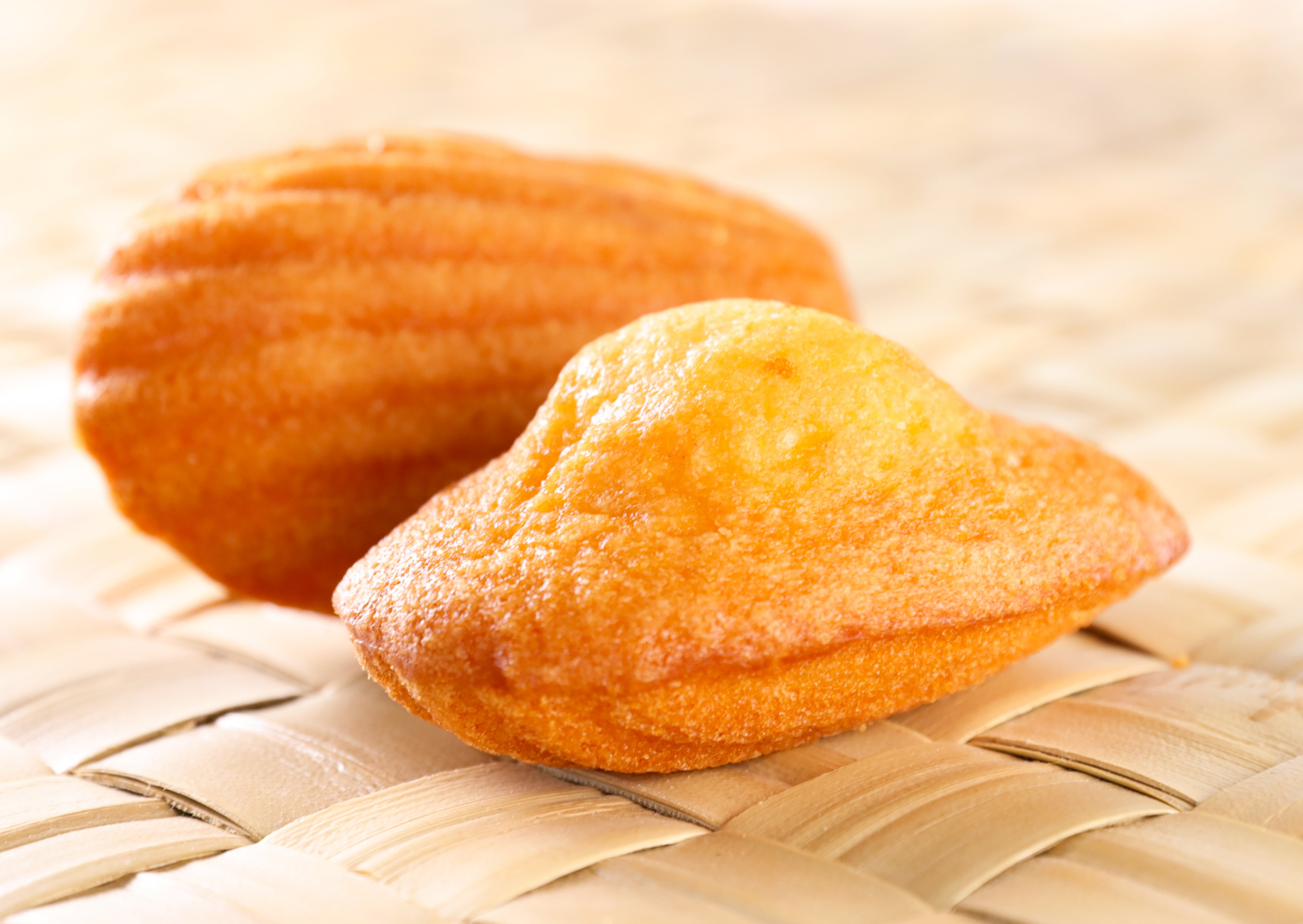
Financiers are small almond cakes that live or die on butter control. You brown the butter to hazelnut aroma. You cool it until warm. You fold it into a chilled batter so the crumb bakes plush instead of greasy. The whole recipe is a lesson in why melted butter still has a temperature.
Yield: 12 small financiers in a standard muffin tin or financier mold
Time: 20 minutes active, plus 1 hour rest, 12 to 15 minutes bake
Ingredients
- 120 g unsalted butter
- 120 g icing sugar, sifted
- 60 g almond flour, fine
- 40 g all purpose flour
- 1 g fine salt
- 4 large egg whites, 120 g, at room temperature
- 5 g honey or invert sugar, optional for moisture
Method
- Brown the butter. Melt the butter in a small saucepan. Cook over medium heat until the milk solids turn amber and the butter smells nutty. Pour into a cool bowl to stop cooking. You can pass it through a fine strainer if you want a smoother look. Let it cool until it is warm, not hot. Aim around body temperature. A finger dipped in should feel warm with no bite.
- Mix dry. Whisk icing sugar, almond flour, flour, and salt.
- Add whites. Whisk in the egg whites until smooth. Do not whip to a meringue. You want a batter that flows.
- Add honey and butter. Whisk in the honey if using. Stream in the warm brown butter, whisking until the batter is glossy.
- Rest. Chill the batter at least 1 hour. Overnight is better. The rest hydrates flour and firms the fat.
- Bake. Heat the oven to 200 degrees. Butter the molds lightly if not nonstick and dust with flour. Fill each well two thirds. Bake 12 to 15 minutes until the edges are brown and the center springs back.
- Cool. Rest one minute. Ease the cakes out. Cool on a rack.
Why temperature made these work
If the brown butter is hot, it cooks the proteins and deflates the batter. If it is cool and thick, it streaks and forms greasy pockets. Warm and fluid folds in, then sets during the rest. The chill firms the fat so the cakes rise around it instead of sinking into it. You get a moist crumb, not a slick one.
Variations
Press a raspberry into the top before baking. Swap 20 g of flour for cocoa and add a small splash of vanilla for a chocolate version. Add a pinch of grated orange zest to the dry mix to echo the brown butter aroma.
How To Hit And Hold The Right Butter Temperature At Home
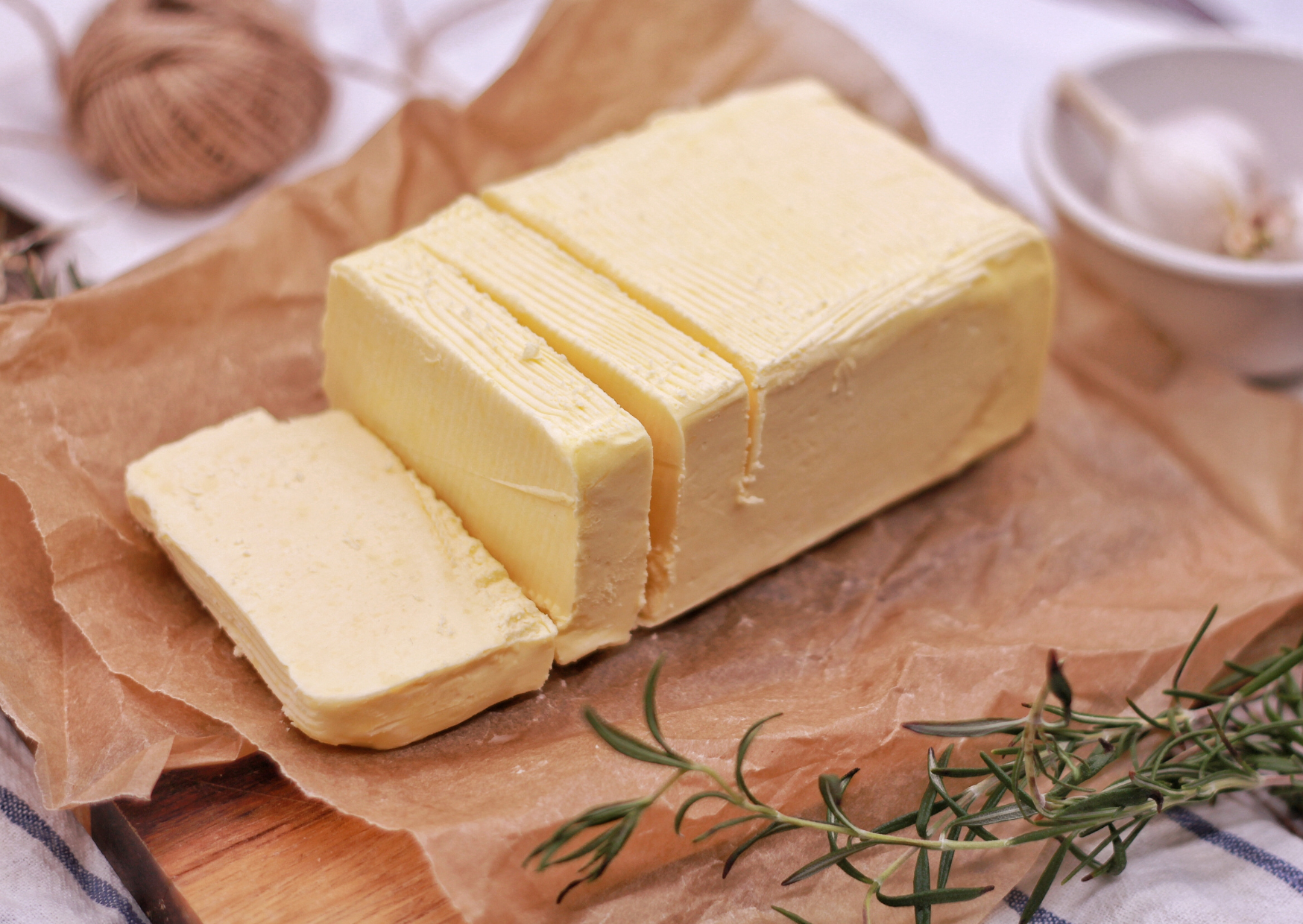
You do not need a pastry lab. You need a cheap thermometer and simple habits.
Cut to control speed. Butter softens from the outside in. Cut sticks into cubes to move faster. Keep the cubes together so they warm evenly.
Check with a finger and a number. For pommade, 18 to 21 degrees feels cool and pliable. For lamination, plastic butter sits closer to 11 to 16 degrees and bends without cracking. For brown butter, warm to the touch is what you want before it meets eggs.
Use reversible fixes. If butter runs warm, set the bowl over a bag of frozen peas for thirty seconds and stir. If it runs cold, set it in a barely warm spot and stir every minute. Avoid microwaves. They heat unevenly and push butter past the sweet spot in seconds.
Match butter to dough. For lamination, the butter and the dough should feel like the same firmness. A slightly colder dough with slightly warmer butter works. The reverse squeezes butter out. If your dough feels soft, chill it and flex the butter gently so it bends.
Choose butter to fit the job. Higher fat European style butters are wonderful for lamination and sablés because of their plasticity and low water. They spread earlier on the counter than lower fat butter. That is a feature, not a flaw, if you watch the dial.
Know your salted butter. In France, demi sel usually sits between about half a percent and three percent salt. Beurre salé runs higher. If you bake with demi sel, reduce added salt by a gram or two in small doughs. If you bake with beurre salé, taste and adjust down.
Common American pitfalls that vanish once you watch butter
- Room temperature in a 24 degree kitchen is not pommade. Your “soft” butter will be greasy, cookies will spread, and cakes will rise flat.
- Creaming until very fluffy breaks the emulsion. Aim for light and cohesive, not meringue.
- Laminating with fridge hard butter gives you cracks and shattered layers. Laminating with warm butter gives you leaks and mud. Bring both components to plastic.
- Pouring hot brown butter into eggs cooks them. Cool it to warm, then add in a stream.
Troubleshooting: What Can Go Wrong (and How to Fix It)
Cookies spread and bake greasy.
Your butter was too warm at the creaming stage or you creamed too long in a hot room. Next time, work with butter in the pommade range and stop when the mix is light and cohesive, not shiny. Chill shaped cookies before baking.
Cakes bake dense with a tight crumb.
Butter was too cold or too warm when you creamed, so you did not trap air. Start with pommade in the 18 to 21 degree zone. Make sure eggs are not fridge cold. They help keep the emulsion stable.
Buttercream splits.
Either the butter was colder than the meringue or much warmer than the egg emulsion. Work both parts to the same cool room range before combining. If it splits, a few seconds of gentle heat or cold, then continued whipping, usually brings it back.
Pâte sucrée shrinks or cracks.
Butter was too warm when you mixed or you overworked the dough. Mix to just combined with pommade butter. Chill the lined shell well. Bake cold.
Croissant butter breaks into shards.
Too cold. Let the butter flex until it bends. Tap it with a rolling pin between parchment to make it plastic. If the dough is firm from the fridge, keep the butter a few degrees warmer so both feel the same under the pin.
Laminated dough leaks butter.
Too warm. Chill the packet briefly between turns. Work in shorter sessions. Dust lightly so you do not add friction and heat.
Financiers feel oily.
Brown butter was too cool when added or the batter did not rest. Warm the butter to fluid and chill the batter so fat sets before the bake.
Sablés bake with a coarse, uneven crumb.
Butter was too cold when you creamed. Sugar did not dissolve and cut channels. Use pommade and scrape the bowl. Rest the dough so crystals reset.
What This Means For You
Better pastry is not only better ingredients. It is better control. The French approach treats butter like a tool with positions. Cold and plastic for layers. Pommade for air and emulsions. Warm, melted, or browned when you want tenderness and perfume instead of lift. Once you aim for those ranges, your recipes stop feeling fickle. Your cookies bake with shape. Your cakes crumb like a bakery. Your laminations hold.
The best part is that this control does not cost anything. It asks for attention and a number. After a weekend with the sablés and financiers above, you will start reaching for butter with intent. You will warm it or cool it to fit the job. That small habit is why French pastry reads as calm when it lands on a plate. Temperature did the heavy lifting. You just pointed it in the right direction.
French recipes obsess over butter temperature because butter is not just an ingredient; it is a structural element. Its physical state determines how dough forms, how air is trapped, and how fat interacts with flour. Ignoring this detail changes the entire outcome, not just the texture.
What feels like unnecessary precision is actually restraint. French cooking reduces variables by controlling temperature instead of compensating later with sugar, baking powder, or shortcuts. The result is consistency rather than surprise.
Once you respect butter temperature, recipes become more predictable. Dough behaves better, pastries bake evenly, and flavor develops without forcing it. Baking stops feeling mysterious and starts feeling repeatable.
The obsession exists because French cuisine values technique over fixes. When the foundation is right, nothing else needs exaggeration.

About the Author: Ruben, co-founder of Gamintraveler.com since 2014, is a seasoned traveler from Spain who has explored over 100 countries since 2009. Known for his extensive travel adventures across South America, Europe, the US, Australia, New Zealand, Asia, and Africa, Ruben combines his passion for adventurous yet sustainable living with his love for cycling, highlighted by his remarkable 5-month bicycle journey from Spain to Norway. He currently resides in Spain, where he continues sharing his travel experiences with his partner, Rachel, and their son, Han.