
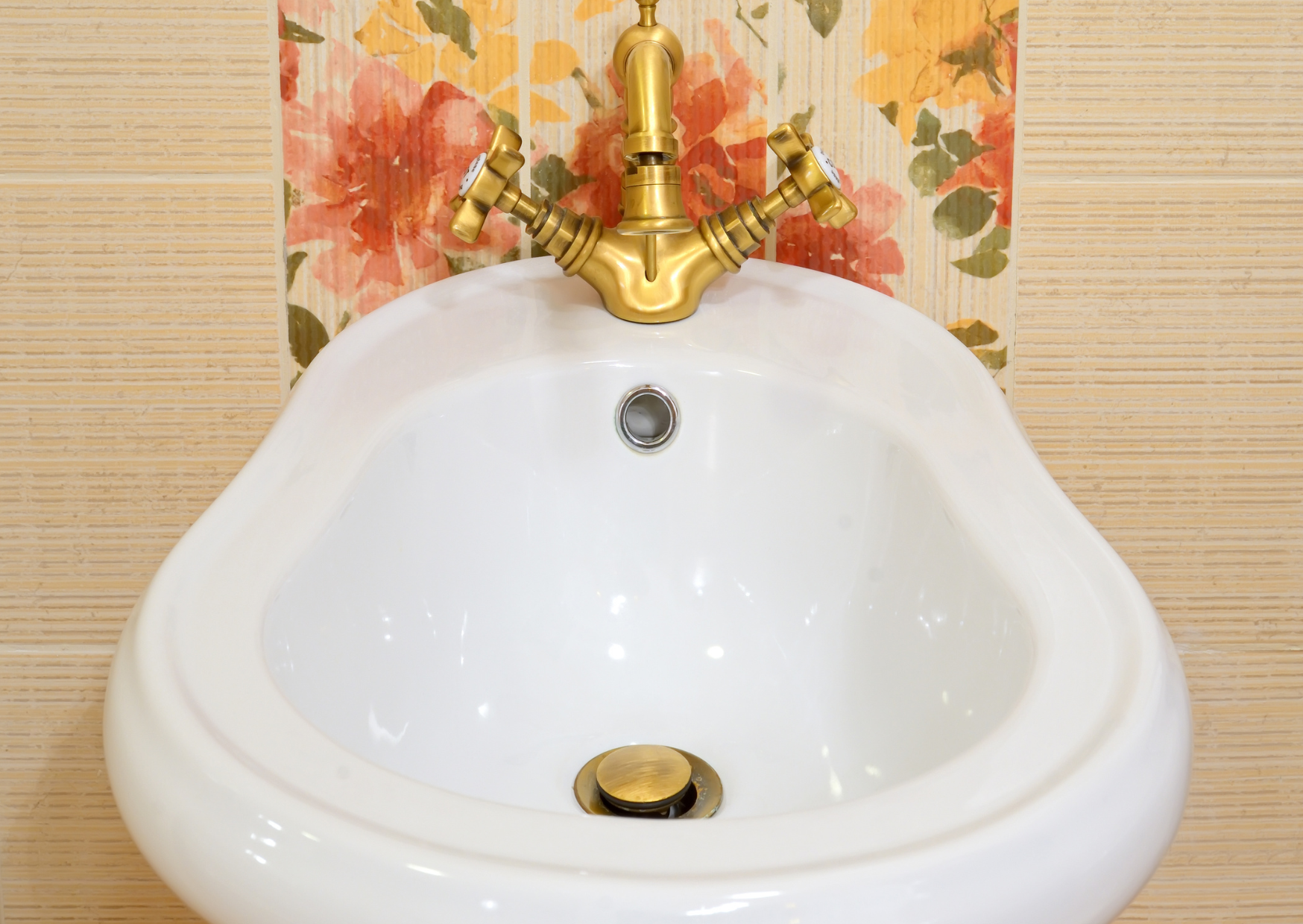
She stared at it for three days straight.
My friend Sarah was staying at an Airbnb in Lyon and there was this thing next to the toilet. She knew what it was. Bidets aren’t exactly a mystery. But actually using one? That felt like a whole different situation.
Day four, she caved. Curiosity won. And fifteen minutes later she’s texting me like she just discovered electricity. “Why don’t we have these??”
I’ve lost count of how many Americans have told me some version of this story. They show up in Europe thinking bidets are weird or gross or just unnecessary. They leave completely converted. And then they won’t stop talking about it. You know the type. They become bidet evangelists. It’s a whole thing.
I was one of them honestly. Took me years to try one and about five minutes to wonder why I’d waited so long. Now I’m that annoying person who brings it up at dinner parties.
How We Ended Up Without Them
So here’s what happened. Bidets started in France way back in the 1700s. The name actually means “pony” because of how you sit on it. French fancy people loved them and the idea spread around Europe pretty fast.
Then World War II happened.
American soldiers went overseas and where did they run into bidets? Mostly brothels and sketchy hotels. So they came home with this association between bidets and, well, not great stuff. The whole thing got labeled as dirty instead of clean.
And that was basically it. The association stuck. Europe kept installing bidets everywhere. Japan took the idea and made it high tech. America just… didn’t. We built millions of bathrooms without them and toilet paper became a massive industry and bidets became a joke.
Meanwhile the rest of the developed world kept wondering what our deal was. I’ve had European friends ask me about this with genuine confusion on their faces. “But you have running water. Why don’t you use it?”
The funny part is we rejected a cleaning device because we thought it was unclean. Make it make sense.
What’s Actually Happening Over There
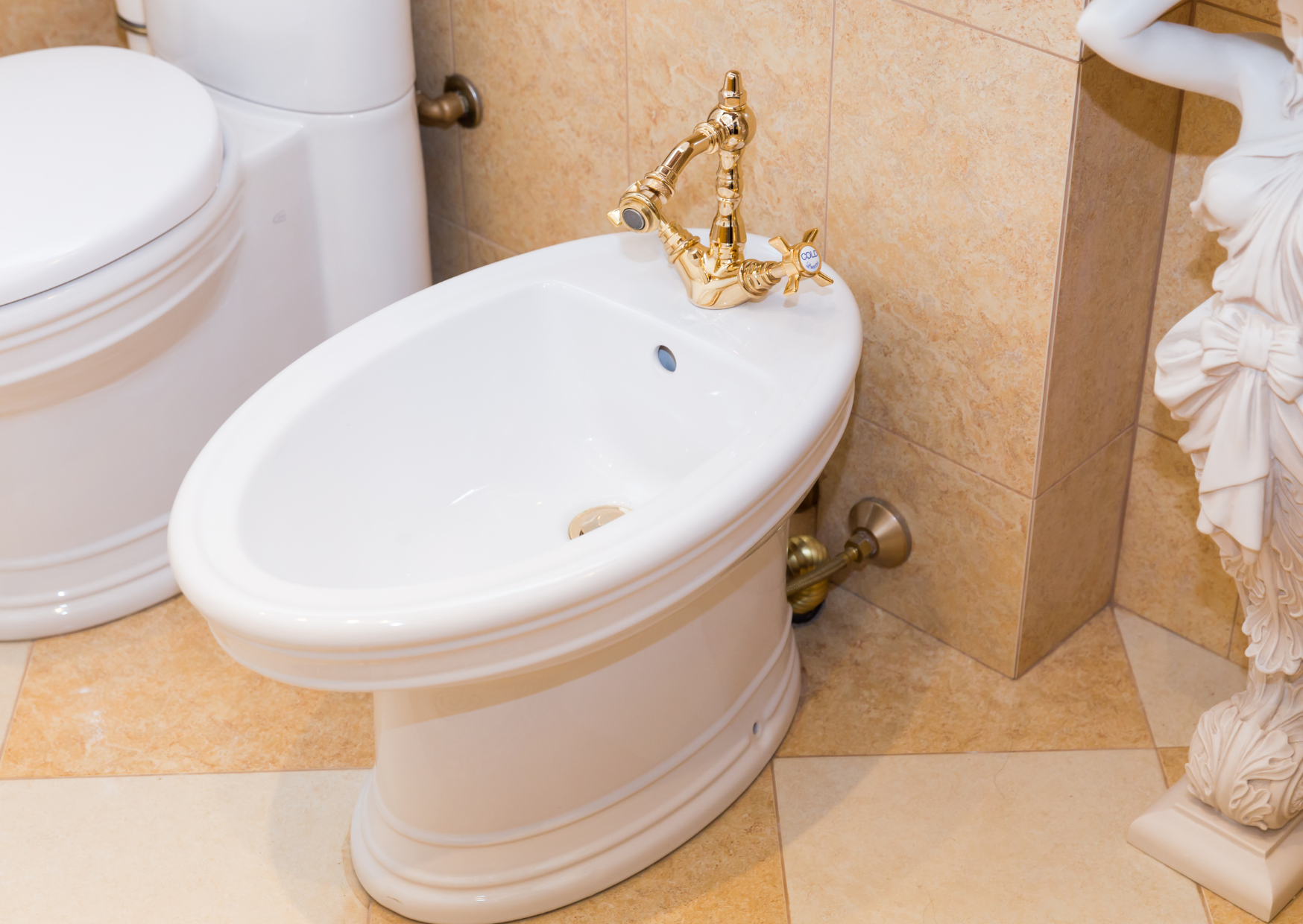
In Italy you literally cannot build a residential bathroom without a bidet. It’s the law. Not a suggestion. The law. Italians think cleaning with water is just basic hygiene.
And the way it works is pretty simple:
- You use the toilet
- You move over to the bidet
- Water does what toilet paper can’t
- You dry off with a little towel
- Done
Takes like thirty seconds.
Spain does this. Portugal does this. Greece, France, lots of places. The bidet is just there. Nobody thinks twice about it. Kids grow up with it. It’s as normal as having a sink.
I remember the first time I saw one in a hotel in Barcelona. I had no idea what to do with it. Took a picture and sent it to friends like “look at this weird thing.” Now I can’t imagine going back to paper only. Funny how that works.
The logic is hard to argue with honestly. If you got something gross on your hand would you just wipe it with dry paper and call it good? No way. You’d wash it. So why is it different for other body parts?
When you think about it that way it seems so obvious. But we’ve been so trained on the toilet paper thing that most Americans genuinely get weirded out by the alternative. We’ve just never questioned it.
The Stages of American Bidet Discovery
There’s this pattern that happens and once you know about it you’ll see it everywhere.
Stage one: Total avoidance. The bidet just sits there being mysterious while the American pretends it’s not in the room. Some people make it the whole trip without touching it. I know someone who covered hers with a towel so she wouldn’t have to look at it. That’s how strong the avoidance can be.
Stage two: Curiosity mixed with embarrassment. How does this thing even work? What if I mess it up? What if I spray water everywhere? These feel like questions you can’t ask anyone so they end up googling it in incognito mode like they’re looking up something illegal. Nobody wants to admit they don’t know how to use a bathroom fixture.
Stage three: The attempt. Maybe they ran out of toilet paper. Maybe something digestive happened and wiping just wasn’t cutting it. Maybe the hotel didn’t stock enough toilet paper and they didn’t want to call the front desk for more. Whatever the reason, they finally give it a go.
Stage four: The lightbulb moment. It’s not weird at all. It’s actually kind of nice. And the clean feeling after is noticeably different. Like, actually different. Not just placebo different.
Stage five: Full convert mode. They start telling everyone about bidets. They research attachments for their toilet at home. They complain about how backwards America is. I’ve been on the receiving end of these conversations many times. They really do become evangelical about it.
The numbers back this up too. Most Americans who actually try a bidet like it. The problem isn’t that people try them and hate them. The problem is most people never try one at all.
The Body Stuff Nobody Mentions
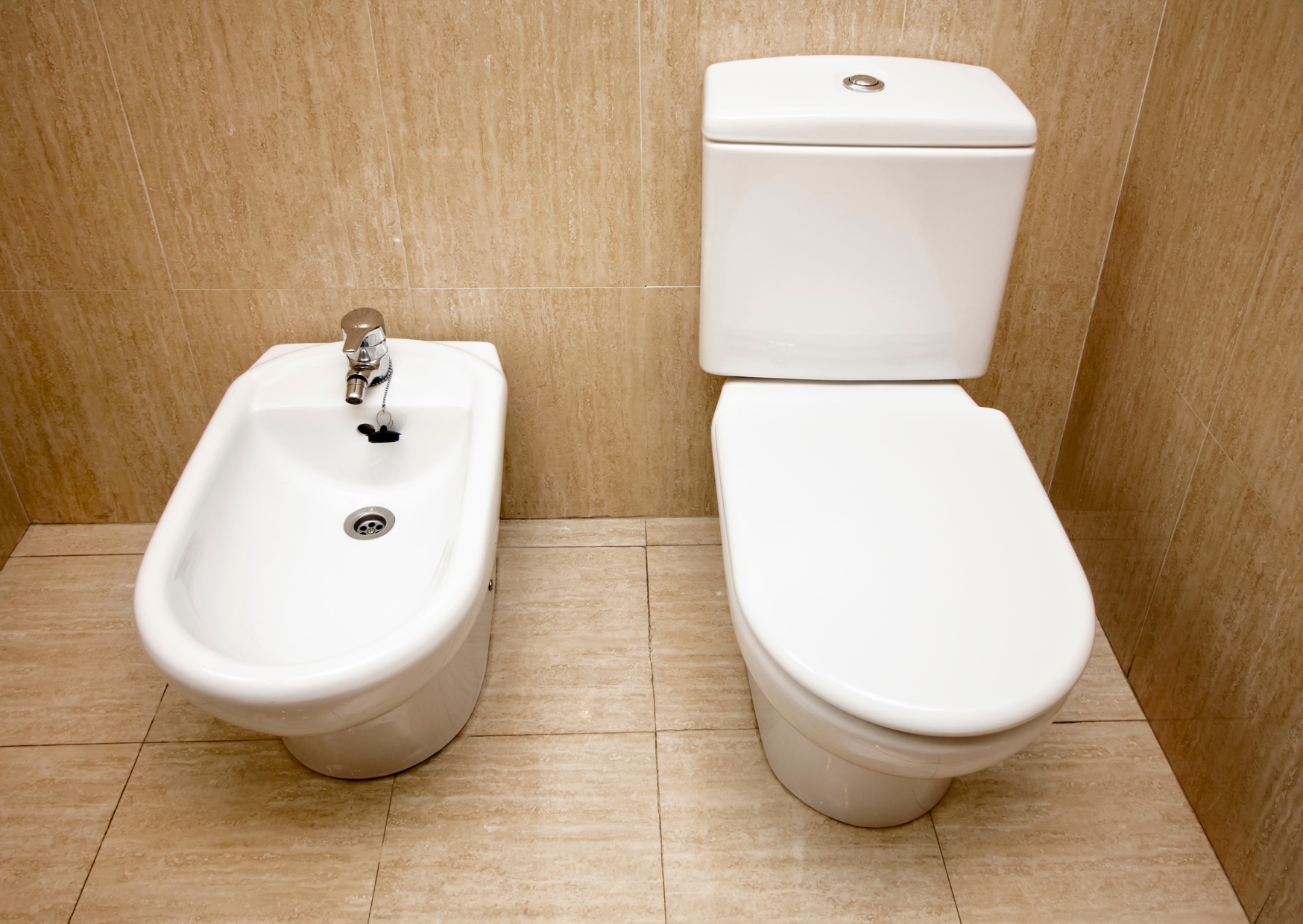
Americans really don’t like talking about bathroom stuff which means the health reasons for bidets basically never come up.
But here’s the thing. Toilet paper, especially if you’re really going for it, can cause tiny little tears in sensitive areas. That leads to irritation and sometimes infection. People dealing with hemorrhoids or similar issues often don’t connect those problems to wiping because who wants to think about that?
Water doesn’t cause friction. Doctors who specialize in that part of the body recommend bidets all the time and patients are usually surprised there’s a better option.
Bidets also help with:
- Mobility issues where the physical part of wiping is difficult
- Recovery from surgery when you need to avoid friction
- Digestive problems that mean lots of bathroom trips adding up
- Pregnancy and postpartum when everything down there is sensitive
- Getting older when skin gets more fragile
Europeans talk about this stuff more openly because they grew up with bidets being normal. We treat it like some big secret.
The Planet Thing
Americans use something like 140 rolls of toilet paper per person every year. Way more than anywhere else. Making all that paper uses tons of water and energy and either trees or recycled stuff. It’s actually kind of wild when you add it all up.
A bidet uses barely any water per use. Like a fraction of what goes into making the toilet paper it replaces. So if you care about that stuff, the math is pretty clear.
Nobody in Europe adopted bidets to save the planet. This started centuries before anyone was thinking about that. But it turns out the old school European way lines up pretty well with what environmental people recommend now. Sometimes the traditional way ends up being the sustainable way.
Why People Stay Converted
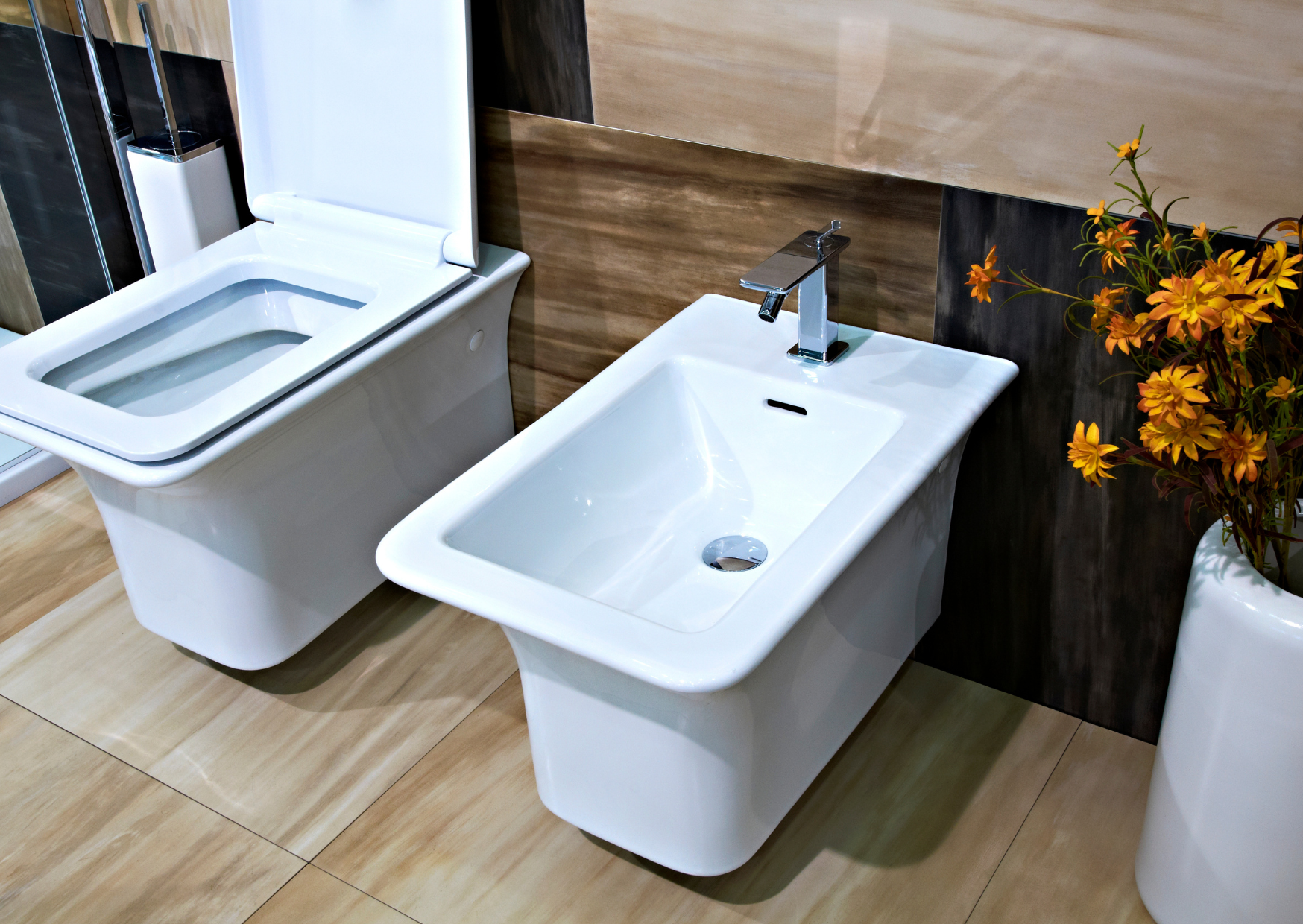
When you talk to Americans who switched to bidets you hear the same things over and over.
The clean feeling is just different. People say stuff like “actually clean for the first time” or compare it to the difference between showering after the gym versus just changing your shirt. Once you know the difference you can’t unknow it.
They use way less toilet paper which saves money and causes less irritation. Some people notice their skin gets better and they didn’t even realize there was a problem before. Like they’d just gotten used to low level discomfort without knowing it.
The mindset shift sticks. Once you’re used to water cleaning, paper only feels wrong. People get genuinely annoyed when they’re somewhere without a bidet. I’ve heard people say they plan trips around bidet availability now. That might be a bit much but I get where they’re coming from.
Then the bigger question starts bugging them. Why does every American bathroom have a toilet and a sink but not a bidet? Why is one way of using water for cleaning totally normal and another one completely missing? It starts to seem really arbitrary. Because it kind of is.
Japan Went Even Further
European bidets are great but Japan took the whole thing to another level.
Those fancy Japanese toilets you might have heard about? They’re in like 80% of homes there now. You don’t even get up. The water comes to you. Temperature controlled. Air dryers so you don’t need a towel. Heated seats. Settings for everything. Little control panels that look like they belong in a spaceship.
Americans who visit Japan come back even more intense about this than the ones who went to Europe. Japanese bathrooms make ours look like we’re still living in caves. People post photos of the toilet controls online like they’re showing off some incredible discovery. And honestly fair enough. The first time you use one of those heated seats in winter you start wondering what you’ve been doing with your life.
The technology has been around for decades there. It’s completely normal. Meanwhile we’re still having arguments about whether water near your butt is weird.
Getting One Is Actually Easy
If you’ve been converted by a trip and want a bidet at home it’s really not complicated.
You can get a bidet attachment or seat that hooks up to your existing toilet:
- Basic attachments run like thirty to fifty bucks
- Fancy heated ones with all the features cost a few hundred
- Installation takes basic tools and less than an hour
- No plumber needed for most setups
The thing sits between your toilet bowl and seat and connects to your water line and that’s pretty much it.
So the reason most Americans don’t have bidets isn’t that they’re hard to get. Anyone who wants one can have one. It’s just that most people never consider it because it’s outside what seems normal.
The European style standalone bidets are harder to add since most American bathrooms don’t have space for a whole extra fixture. But the attachments work fine.
The Excuses People Make
Some Americans really resist this whole thing. The reasons tend to be pretty predictable.
“It’s weird.” That just means unfamiliar. Everything’s weird until you try it.
“I don’t want water there.” It’s gentle. It’s controlled. Not that different from shower water hitting various places.
“Toilet paper works fine.” Fine isn’t the same as good. It works. That doesn’t mean it’s the best option.
“It’s not sanitary.” This one really misses the point. Bidets use clean water from the same supply as your sink. The nozzle doesn’t touch you. Nothing about it adds germs.
“It’s too European.” And there it is. For some people using a bidet feels like admitting America got something wrong. If your whole identity is wrapped up in thinking we do everything best, that’s a tough pill to swallow no matter how much sense it makes.
Younger people seem way less hung up on all this. More travel, more internet exposure to how other places do things. The resistance is fading.
Things Might Be Changing
A few things are pushing more Americans toward bidets.
The pandemic toilet paper shortages made people think about alternatives for maybe the first time ever. When the stores were empty, bidet sales went through the roof. Some of those panic buyers became permanent converts. Necessity forced them to try something they never would have tried otherwise and turns out it was better anyway.
Environmental awareness is growing and bidets make sense from that angle. Using way less paper, using less water overall than making all that toilet paper takes. It adds up.
The population is getting older and older bodies appreciate what bidets offer in practical terms. When the physical act of wiping becomes harder, a bidet is just easier. I’ve heard from people who got them for elderly parents and ended up installing one for themselves after trying it.
You can just order one on Amazon now. Used to be you had to hunt through specialty stores or plumbing supply places. Now you add it to your cart with your paper towels and it shows up in two days. Lower barriers mean more people trying it.
What It All Means
The bidet thing tells you something about how culture works.
Whatever gets established first tends to stick around even when something better comes along. America built its bathrooms without bidets, made that normal over generations, and created whole industries with reasons to keep it that way. Toilet paper companies aren’t exactly promoting alternatives.
Breaking out of patterns like that takes some kind of push. Travel does it. You see how other places handle things and suddenly your normal doesn’t seem so inevitable anymore. You realize there’s nothing special about the way you’ve always done it.
Europe and America ended up with different bathroom setups basically by accident. Nobody sat down and decided toilet paper was better than water. It just happened. And looking at it now you can see how random the whole thing actually is. We could have easily gone the other way.
The bidet is just a bathroom fixture. But the way Americans react to it, the grossed out avoidance followed by the life changing revelation, shows how deep these arbitrary habits go. And how fast they can flip once you actually try something different.
Next time you’re in a European bathroom looking at a bidet and feeling uncertain, you’re not just dealing with plumbing. You’re bumping up against the edges of what your culture taught you was normal. That feeling of weirdness isn’t about the bidet. It’s about you.
Most people who try it never go back to paper only. That probably tells you something.
And honestly the people who do try it despite the initial weirdness have already proven something about themselves. They’re willing to question what they grew up with. They can sit with discomfort long enough to discover something better on the other side. That kind of openness comes in handy way beyond the bathroom. But the bathroom is a pretty good place to start.

About the Author: Ruben, co-founder of Gamintraveler.com since 2014, is a seasoned traveler from Spain who has explored over 100 countries since 2009. Known for his extensive travel adventures across South America, Europe, the US, Australia, New Zealand, Asia, and Africa, Ruben combines his passion for adventurous yet sustainable living with his love for cycling, highlighted by his remarkable 5-month bicycle journey from Spain to Norway. He currently resides in Spain, where he continues sharing his travel experiences with his partner, Rachel, and their son, Han.