
The phrase “digital nomad visa” has become marketing gold. Countries announce programs with press releases, influencers promote them on social media, and Americans imagine working from Barcelona cafes or Lisbon coworking spaces.
What most applicants don’t realize until they’re deep in the paperwork: the majority of these visas are dead ends. They grant one or two years of legal residency, then expire. Holders must leave the country, start over elsewhere, or find a different immigration pathway. The visa that seemed like freedom was actually a timer.
But six European Union countries have structured their digital nomad programs differently. Their visas don’t just provide temporary work authorization they count toward permanent residency. They slot into existing immigration frameworks that, after five years of continuous legal residence, can lead to EU permanent residency and eventual citizenship.
This distinction matters enormously. The difference between a two-year visa and a path to permanent residency is the difference between an extended vacation and immigration. Between renting your status and owning it.
What follows is the 2026 breakdown of the six EU digital nomad visas that actually lead somewhere including the real income requirements, the actual timelines, and the integration steps that separate tourists from immigrants.
Portugal: The D8 Path to Citizenship
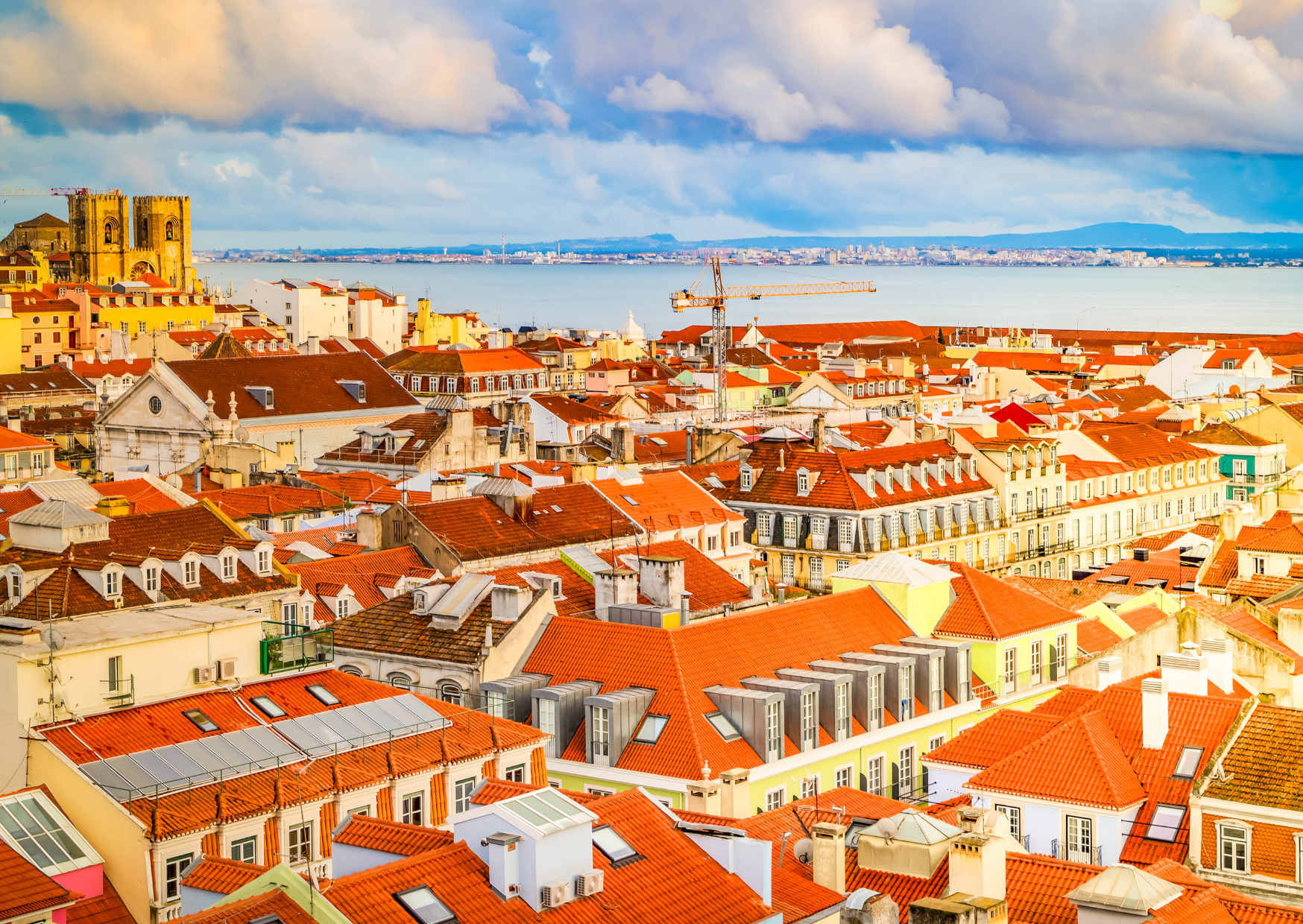
Portugal’s D8 digital nomad visa, launched in October 2022, has become the benchmark for digital nomad programs that take immigration seriously.
The income requirement as of 2025: approximately €3,480 per month, which equals four times the Portuguese minimum wage. This threshold is higher than many other programs but reflects Portugal’s positioning as a serious immigration pathway rather than a budget nomad destination.
Recommended savings: €10,440 (roughly three months of the income requirement) in accessible funds.
The structure works like this: Applicants begin with a temporary stay visa valid for four months. Upon arrival in Portugal, this converts to a two-year residence permit. That permit is renewable for an additional three years. After five years of continuous legal residence, holders become eligible for both permanent residency and Portuguese citizenship.
The citizenship pathway is Portugal’s distinctive advantage. Portugal requires only A2 Portuguese language proficiency for naturalization roughly equivalent to being able to handle basic conversations, follow simple directions, and manage everyday transactions. This is among the lowest language requirements in Europe.
The physical presence requirement is meaningful: holders must spend at least six months per year in Portugal to maintain residency status. This isn’t a flag-convenience program it’s for people who actually intend to live in Portugal.
Tax implications: Portugal residents become tax residents after 183 days of presence, meaning worldwide income becomes subject to Portuguese taxation. However, Portugal’s tax system includes favorable treatment for certain income categories, and the Non-Habitual Resident (NHR) regime though recently modified may still provide advantages for some digital nomads. Recent arrivals should consult with Portuguese tax professionals about current structures.
Cost of living reality: Lisbon has become expensive €2,500-3,500 monthly for comfortable solo living, more for couples or families. Porto is somewhat cheaper. Interior cities like Braga, Coimbra, and Évora offer significantly lower costs while maintaining good infrastructure and quality of life.
The processing reality: Portuguese bureaucracy is legendary for its slowness. Consulate appointments can require weeks of waiting. AIMA (the immigration authority) has improved processing times but still moves at European administrative pace. Applicants should budget 3-6 months from application to approval.
Spain: The Five-Year Residency Track

Spain launched its digital nomad visa (officially the Telework Visa) in 2023, creating a formal pathway for remote workers that integrates with Spain’s existing residency-to-citizenship framework.
The income requirement: approximately €2,760 per month (200% of Spain’s minimum wage as of 2025). This is lower than Portugal’s threshold, making Spain somewhat more accessible for mid-range earners.
Professional requirements: Applicants must either hold a bachelor’s or master’s degree OR demonstrate at least three years of professional experience in their field. Spain wants skilled professionals, not anyone with a laptop.
The visa grants one year of initial stay, renewable for periods of up to two years, continuing up to five years total. After five years of continuous legal residency, holders become eligible for permanent residency.
The citizenship timeline is longer: Spain requires ten years of legal residency for naturalization (compared to Portugal’s five). Additionally, Spain has historically not recognized dual citizenship with the United States though enforcement has varied, and legal developments continue to create ambiguity. Americans pursuing Spanish citizenship should understand they may face pressure to renounce US citizenship, though practical enforcement of this requirement has been inconsistent.
The work restriction: Holders can work remotely for companies outside Spain. If income from a Spanish company exceeds 20% of total income, different visa categories apply. This limit prevents the digital nomad visa from being used as backdoor employment authorization.
Tax consideration: Spain’s Beckham Law regime provides favorable tax treatment for new residents for up to six years. Under this regime, qualifying income is taxed at a flat 24% up to €600,000, rather than Spain’s progressive rates that reach 47%. Digital nomads meeting Beckham Law criteria receive significant tax advantages.
Physical presence: Holders must maintain Spain as their primary residence generally interpreted as spending at least six months per year in-country.
Cost of living: Madrid and Barcelona are expensive €2,500-3,500 monthly for comfortable solo living. Smaller cities like Valencia, Seville, and Málaga offer lower costs (€1,800-2,500) while maintaining excellent infrastructure and increasingly developed digital nomad communities.
Germany: The Freelancer Visa Framework
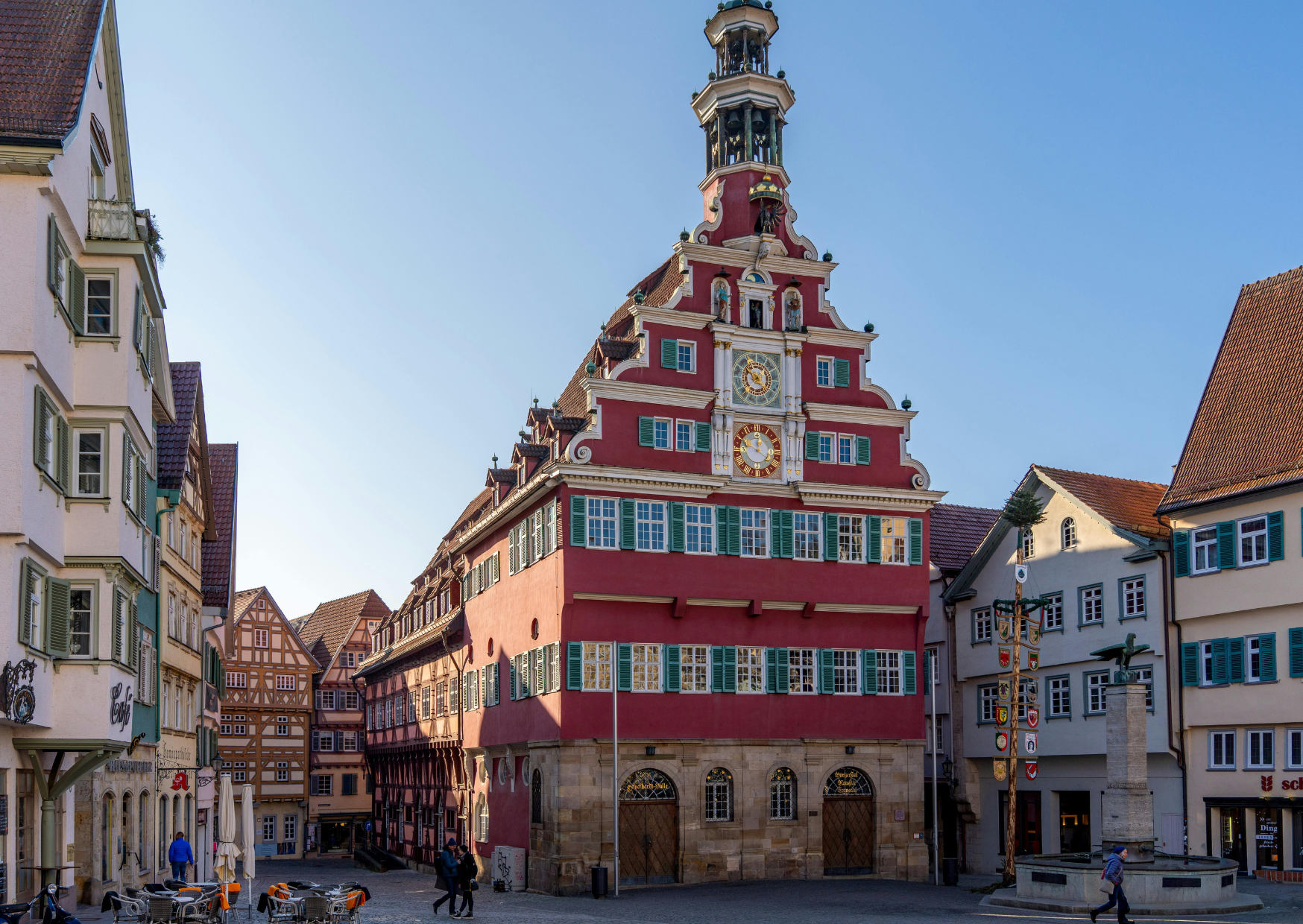
Germany doesn’t have a program marketed as a “digital nomad visa,” but its Freelancer Visa (Freiberufler) provides equivalent functionality with a robust path to permanent residency.
The structure: Self-employed professionals in liberal professions (including writers, consultants, designers, IT professionals, and other remote-work-compatible fields) can obtain residence permits lasting up to three years, renewable indefinitely.
The requirements are less standardized than other countries. Applications are evaluated by local immigration offices (Ausländerbehörden), and decisions depend on demonstrating:
Viable business or client base (contracts, income history, client letters) Sufficient income to support oneself without accessing German welfare systems Benefit to the German economy (this is evaluated loosely most legitimate professional activities qualify) Professional qualifications relevant to the freelance activity
There is no fixed income threshold, but applicants should demonstrate at least €1,500-2,000 monthly income for credible applications. Higher income strengthens applications.
The path to permanent residency runs through five years of continuous residence. The path to citizenship requires eight years of residence (reduced to seven with successful integration course completion) plus B1 German language proficiency.
Germany’s language requirement is notably higher than Portugal’s A2—B1 represents intermediate proficiency capable of handling most everyday situations and understanding main points of clear standard input. For Americans without German-speaking backgrounds, reaching B1 requires sustained study.
Tax implications: Germany taxes residents on worldwide income. While the country has an extensive tax treaty network (including with the United States), digital nomads should expect to pay German taxes on their freelance income. Germany’s progressive rates can reach 45% at higher income levels.
Physical presence: German residence permits require actually living in Germany. Extended absences can result in permit revocation. The expectation is genuine residency, not occasional visits.
Cost of living: Berlin remains relatively affordable by Western European standards €2,000-2,800 monthly for comfortable living. Munich is significantly more expensive (€3,000-4,000). Smaller cities offer lower costs but may have less developed English-speaking infrastructure.
The bureaucracy reality: Germany’s administrative processes are thorough. Applications require extensive documentation, and processing times of 2-4 months are common. The system works, but it works at German bureaucratic pace.
Italy: The 2024 Launch

Italy launched its Digital Nomad Visa in April 2024, joining the European digital nomad landscape relatively late but with a program structured for serious immigration rather than temporary tourism.
The income requirement: approximately €24,789 per year (roughly €2,066 monthly), making Italy’s threshold among the lowest in Western Europe.
Additional requirements: At least six months of remote work experience and proof of ongoing remote work arrangement with an employer or clients outside Italy.
The visa grants a one-year residence permit, renewable for additional one-year periods. Holders can live and work remotely in Italy, travel freely within the Schengen Area, and bring family members on dependent permits.
The path to permanent residency runs through five years of continuous legal residence. The path to citizenship requires ten years of residence plus B1 Italian language proficiency and a civics test.
Italy does allow dual citizenship Americans need not renounce their US nationality to naturalize Italian.
Tax considerations: Italy offers the Impatriati regime (worker relocation incentive) that can reduce taxable income by up to 70% for qualifying new residents. This regime has undergone modifications and its availability to digital nomads varies based on specific circumstances. Recent arrivals should consult Italian tax professionals about current applicability.
What makes Italy distinctive: Regional programs in southern Italy actively recruit remote workers to address depopulation. Some towns offer support packages including housing assistance, administrative help, and community integration. These programs are concentrated in Calabria, Basilicata, and interior Sicily areas with lower costs of living and genuine local interest in attracting new residents.
Cost of living: Northern Italy (Milan, Turin) costs €2,500-3,500 monthly for comfortable living. Central Italy (Florence, Bologna) is somewhat cheaper. Southern Italy and small towns can be managed on €1,500-2,200 genuine Mediterranean living at prices that make financial sense for mid-range remote workers.
Physical presence: Standard EU residence rules require spending the majority of time in-country. Extended absences can jeopardize permit renewal.
Greece: The Extended Tax Advantage
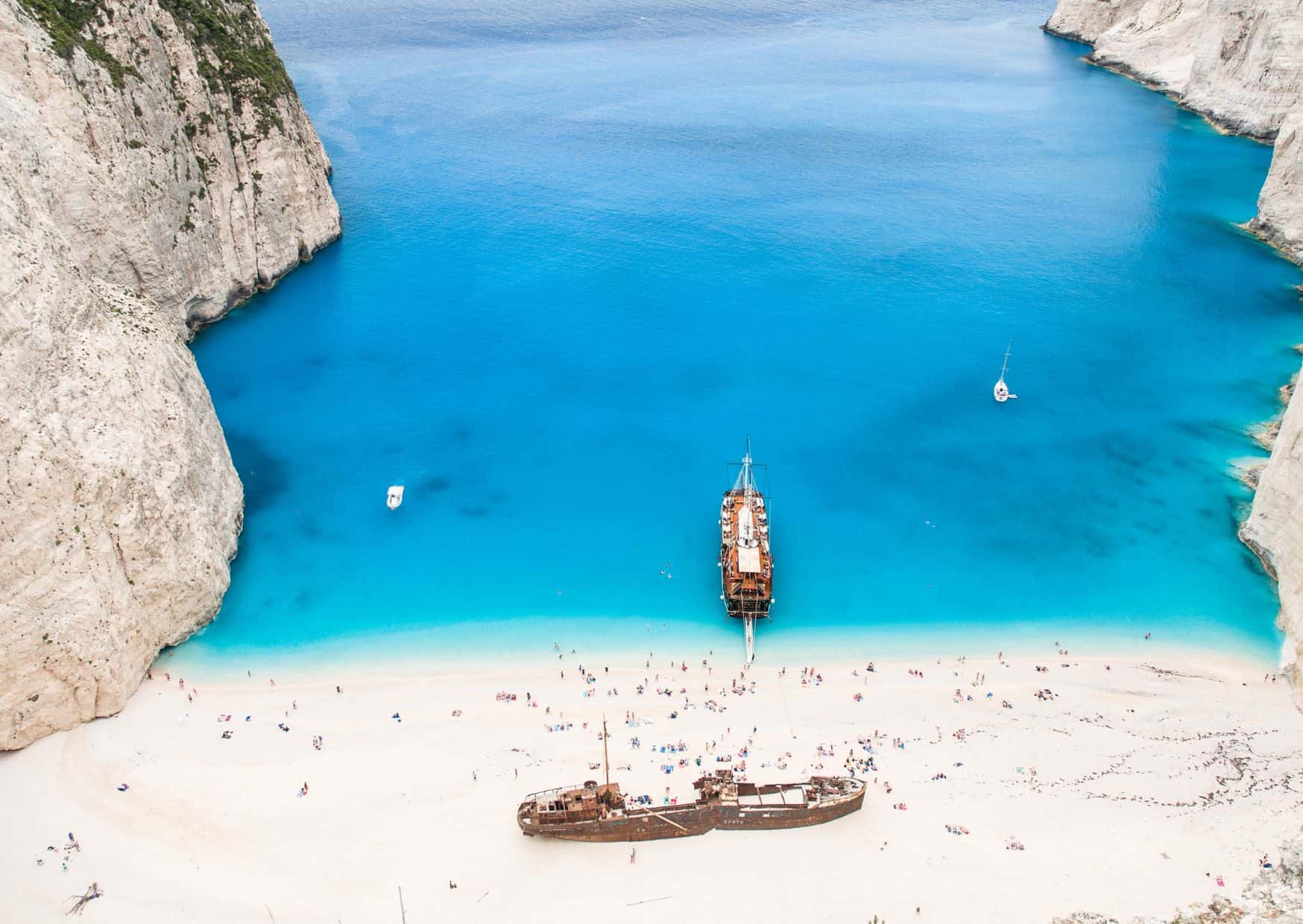
Greece’s digital nomad visa launched in 2021 and has matured into a structured pathway with notable tax advantages.
The income requirement: €3,500 per month (€42,000 annually). This is higher than Italy or Spain but includes a significant sweetener.
The tax advantage: Greece offers a 50% income tax reduction for up to seven years for qualifying new residents who relocate for employment purposes. This effectively halves the tax burden on income earned during the initial residency period a meaningful financial incentive that can offset the higher income threshold.
The visa structure: One-year initial visa, convertible to a two-year residence permit. The permit is renewable, and continuous residence counts toward permanent residency eligibility.
The path to permanent residency: Five years of continuous legal residence. The path to citizenship requires seven years of residence plus B1 Greek language proficiency a higher bar than Portugal or Spain.
Cost of living reality: Athens costs €1,800-2,500 monthly for comfortable living. Island life varies dramatically tourism-heavy islands like Santorini and Mykonos are expensive, while less-discovered islands remain remarkably affordable (€1,200-1,800). Thessaloniki and smaller mainland cities offer urban amenities at moderate prices.
The honest assessment: Greece’s digital nomad community is less developed than Portugal’s or Spain’s. Infrastructure, coworking spaces, and English-speaking professional networks are growing but remain thinner than Western European alternatives. For those who prioritize community and professional networking, Portugal or Spain may suit better. For those prioritizing tax efficiency, Mediterranean climate, and lower costs, Greece merits serious consideration.
Latvia: The Hidden Opportunity
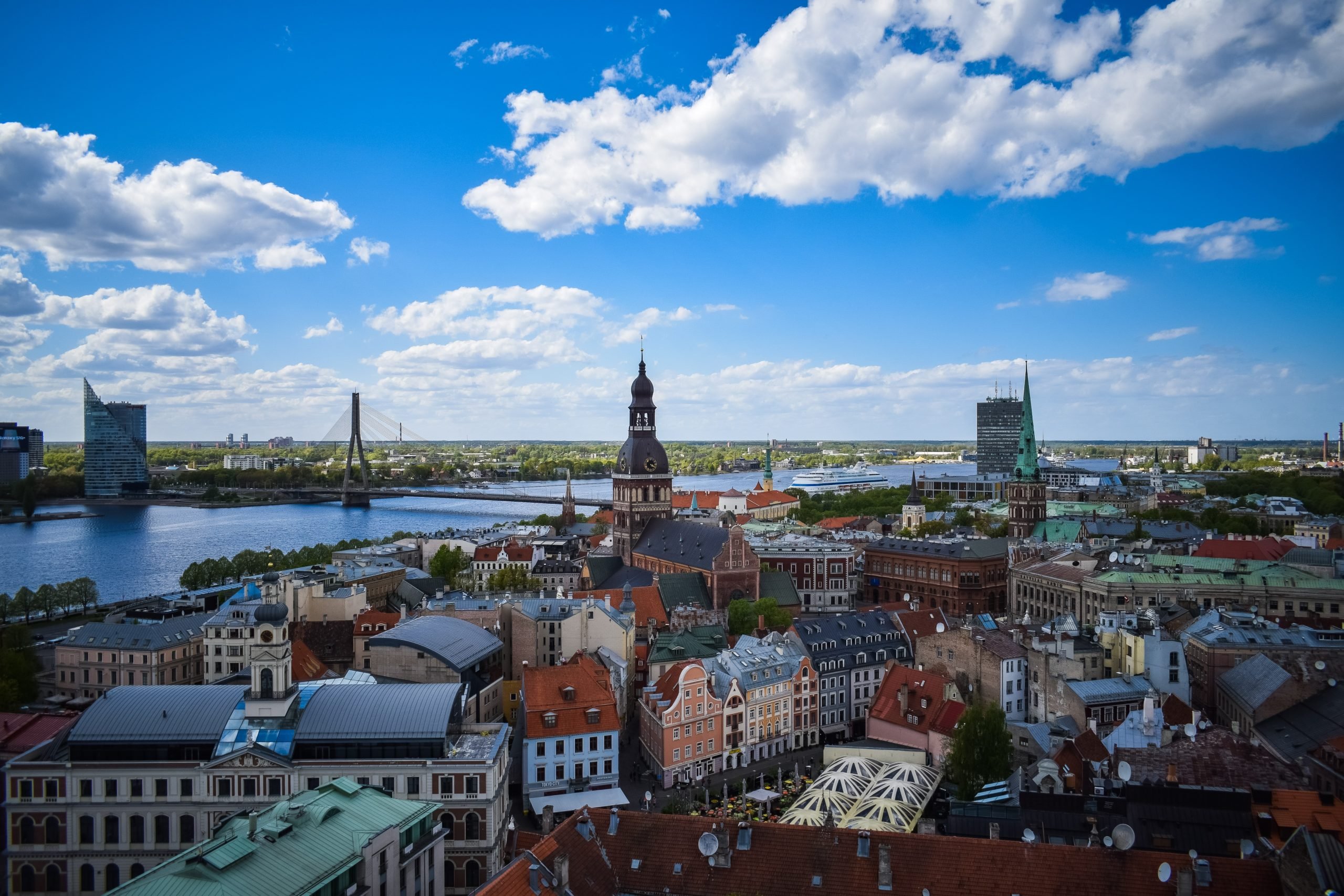
Latvia is rarely mentioned in digital nomad discussions, which may be precisely why it merits attention. The country offers one of Europe’s lowest barriers to remote work residency with a clear path to permanent residency.
The income requirement: approximately €2,217 monthly (varying with minimum wage adjustments). This places Latvia among the most accessible EU digital nomad destinations.
The work flexibility: Unlike some countries that restrict digital nomad visa holders to remote work only, Latvia permits holders to work for non-Latvian clients or employers. This flexibility allows consulting arrangements, freelance work, and remote employment without strict source-of-income limitations.
The visa structure: One-year residence permits, renewable. Continuous residence counts toward permanent residency (five years) and citizenship (ten years).
The tax advantage: Latvia has a flat 20-30% income tax rate structure (varying by income type), simpler than the progressive systems in Western Europe. For some income profiles, this creates advantages compared to higher-tax jurisdictions.
The honest reality: Latvia is not Mediterranean. Riga is a beautiful Baltic capital with excellent architecture, good restaurants, and developing tech infrastructure. But winters are cold and dark genuinely cold, with limited daylight from November through February. For remote workers who thrive in northern climates and value affordability over sunshine, Latvia works well. For those prioritizing weather, the Mediterranean options suit better.
Cost of living: €1,500-2,000 monthly for comfortable living in Riga. Smaller cities cost less. These are among the lowest costs in the EU for genuine European urban living.
Path to citizenship: Ten years of residence plus Latvian language proficiency. Latvian is not an easy language for English speakers, making the citizenship path more demanding than Western European alternatives.
The Strategic Comparison
Each of these six programs offers a genuine path from digital nomad visa to EU permanent residency to potential citizenship. The right choice depends on individual priorities:
Fastest path to citizenship: Portugal (5 years with A2 language requirement) offers the shortest timeline with the easiest language test.
Lowest income requirement: Latvia (€2,217/month) and Italy (€2,066/month) have the most accessible thresholds.
Best tax treatment: Greece’s 50% reduction for seven years provides meaningful savings for higher earners. Latvia’s flat tax structure benefits certain income profiles. Spain’s Beckham Law offers advantages for qualifying applicants.
Strongest expat infrastructure: Portugal and Spain have the most developed English-speaking communities, coworking spaces, and professional networks for remote workers.
Best weather: Portugal, Spain, Italy, and Greece all offer Mediterranean or Atlantic climates. Germany and Latvia involve real winters.
Dual citizenship allowed: Portugal, Italy, Germany, Greece, and Latvia all permit dual citizenship without requiring US passport renunciation. Spain’s situation is more complex.
The Integration Reality
What separates these six programs from dead-end digital nomad visas is their integration into genuine immigration frameworks. They’re not tourism products with work authorization. They’re immigration pathways with digital nomad entry points.
This distinction creates obligations. Holders must actually live in their chosen country not just maintain addresses while living elsewhere. They must learn at least basic local language to complete integration requirements. They must engage with local tax systems, healthcare systems, and administrative processes.
For those seeking a two-year European adventure with no strings attached, these programs may actually be wrong choices. The obligations are real, the integration expectations are genuine, and the bureaucratic involvement is substantial.
For those seeking immigration permanent European residency with eventual citizenship potential these six programs offer what the marketing-heavy alternatives don’t: an actual destination rather than just a journey.
The visas that convert to permanent residency exist. Most Americans don’t know about them because they’re not promoted by influencers optimizing for clicks. They’re promoted by immigration attorneys optimizing for outcomes.
The difference matters.

About the Author: Ruben, co-founder of Gamintraveler.com since 2014, is a seasoned traveler from Spain who has explored over 100 countries since 2009. Known for his extensive travel adventures across South America, Europe, the US, Australia, New Zealand, Asia, and Africa, Ruben combines his passion for adventurous yet sustainable living with his love for cycling, highlighted by his remarkable 5-month bicycle journey from Spain to Norway. He currently resides in Spain, where he continues sharing his travel experiences with his partner, Rachel, and their son, Han.