
Dinner arrived on a plate that looked sensible instead of cinematic. A palm-sized piece of roast chicken, a scoop of lentils the size of a cupped hand, a fist of salad glistening with vinaigrette. Bread sat in a basket to share, not a loaf to conquer. Dessert was a yogurt jar with two spoonfuls of jam, not a slab that needed its own postcode. The meal felt complete, then it ended. No second act. No stretch to full. For thirty days I kept this shape and cadence, and the change was not willpower. It was portion geometry and a calmer pantry.
By week two my belt moved in a notch. By week four the meal hangovers were gone, the ring of afternoon bloat had disappeared, and the scale settled three kilos lower. The trick was not a new superfood. It was less on the plate, more on the calendar, guided by French portion habits that hide in plain sight: smaller servings, longer meals, water on the table, and dessert that behaves like punctuation, not a second dinner. What follows is the method, the numbers that explain why it works, and a one-page plan you can copy at home without counting macros or buying special cookware.
Quick Easy Tips
Serve food on smaller plates to reset visual expectations.
Pause halfway through meals to check actual hunger.
Stop eating when satisfied, not when full.
Avoid refilling plates automatically.
One controversial idea this challenges is that bloating is inevitable or purely food-specific. In many cases, quantity matters more than ingredients.
Another resistance point is the belief that smaller portions equal hunger. French eating culture proves satisfaction depends on pacing and context, not volume.
There is also skepticism toward cultural approaches to eating. Yet portion size is a learned behavior, not a biological requirement.
Finally, this experiment questions the idea that more food equals better value. Feeling lighter and more comfortable turned out to be far more valuable than extra bites.
What “French Portion Size” Really Means
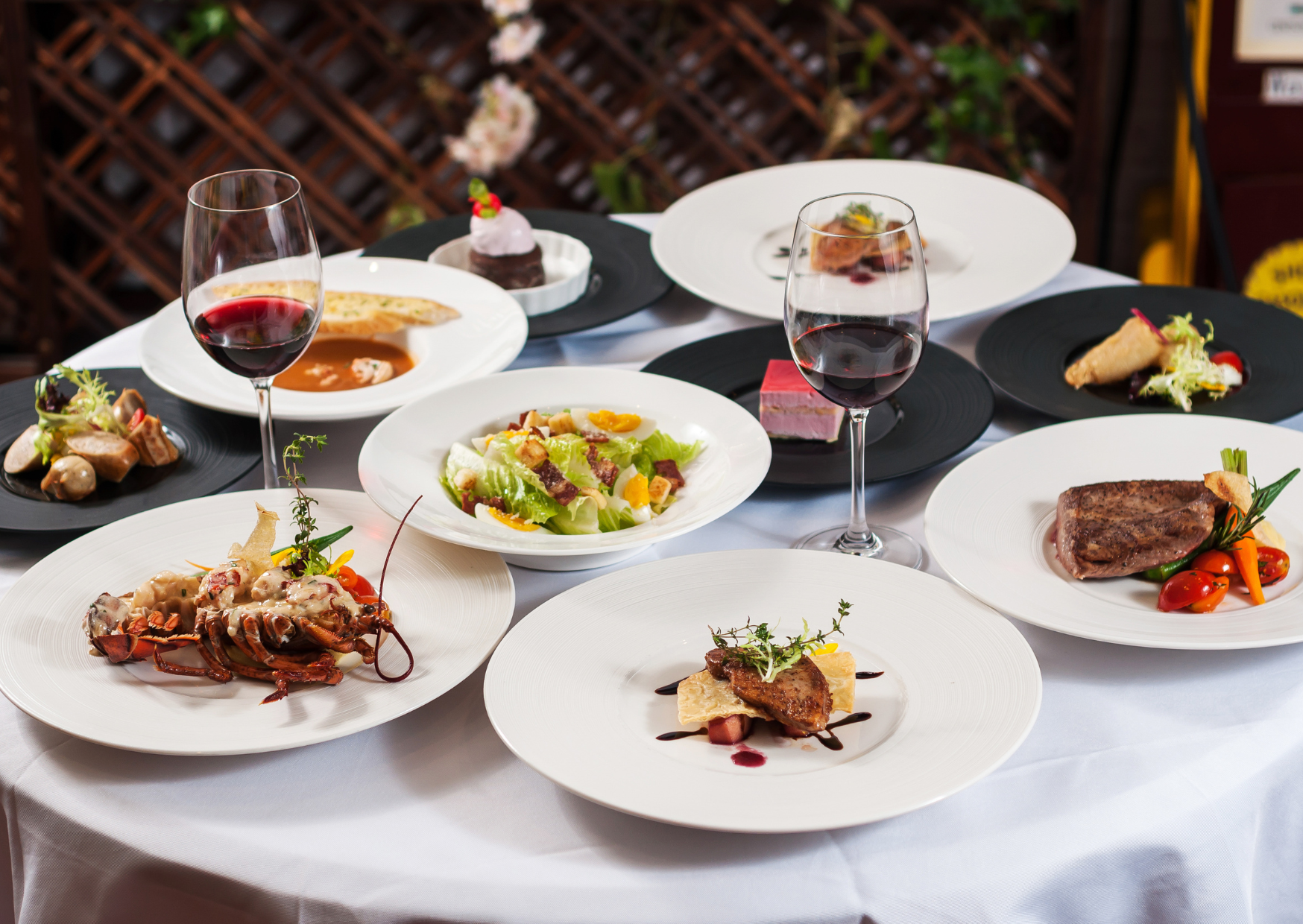
French eating looks mysterious from a distance, then ordinary at the table. In practice it is a set of quiet defaults. Portions are smaller, courses are paced, and water is the drink that never leaves. The same pattern shows up in restaurants, cookbooks, and household habits. Researchers who went looking for proof found it two decades ago and keep finding it now: like-for-like portions run smaller in France than in the United States, not just in cafés but also in packaged foods and recipe guidance. Less arrives, less gets eaten, and satisfaction comes from time and variety, not volume.
Public guidance mirrors the table. French food-based recommendations emphasize fruits and vegetables as standard, legumes several times a week, whole grains more often, and red and processed meats in modest weekly totals, with sugar intake kept low. The guidance does not tell you to be hungry. It tells you to build a plate from basic foods, then stop at enough. Enough is a portion, not a performance.
Two more pieces matter. Speed and setting. The French famously take longer to eat the same meal than Americans do, and time changes satiety. When you chew and talk, your hormones have a chance to send the “enough” signal before your plate turns into a dare. A slow table is a portion-control tool that does not feel like a tool.
Why Smaller Portions Work On Your Body, Not Your Willpower
The science is blunt. Portion size predicts intake, and the modern American environment quietly increased portions across four decades, from fast food cups to “family” plates at chains to default bag sizes on shelves. Larger default portions push energy intake up, day after day, and the curve follows the plate. Shrink the portion and you reduce intake without an argument in your head. This is not a moral victory. It is math and design.
There is another lever hiding inside the portion story. Ultra-processed foods dominate energy intake in the United States, often more than half of daily calories, while France and several European countries sit lower on that scale. These products are convenient and affordable, but they are engineered for texture and bliss, and they tend to encourage fast eating and generous scoops. When your plate holds simple foods with water and fiber intact, a small portion satisfies more quickly. Satiety per bite rises, and the urge for a second helping fades.
Sugar is the third rail. French recommendations keep added sugars low. Many American days do not. When a glass of sweet tea or a 20-ounce soda rides alongside a large portion, bloat is not just volume, it is fluid shifts and fermentation. Replacing sweet drinks with water and coffee or tea without sugar is not glamorous, and it works. Small plates, slow meals, unsweetened drinks is a brutally simple triangle that changes how a month feels.
The 30-Day Test: What I Did, What I Measured, What Changed
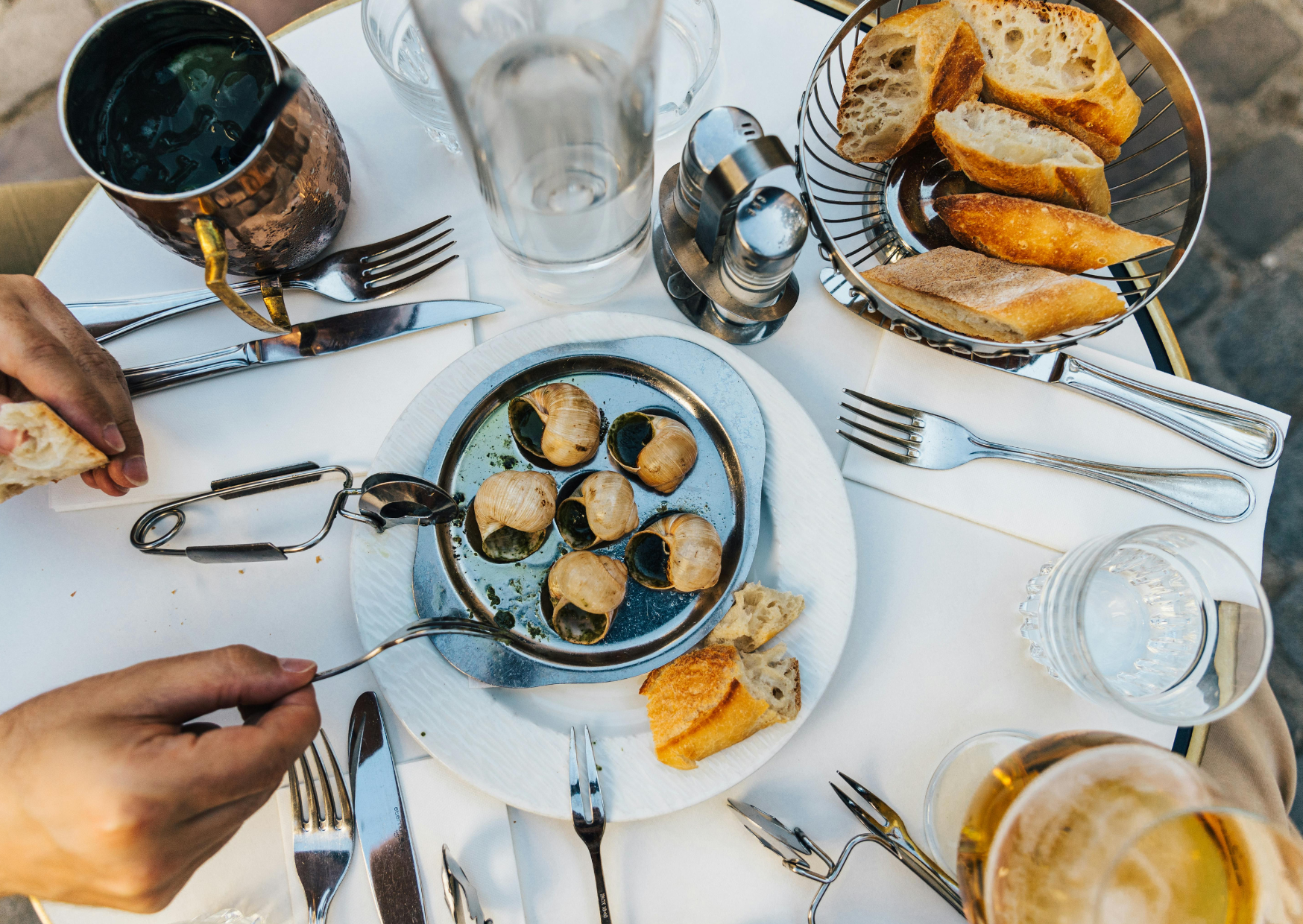
I ran a straightforward experiment and wrote it down like a ledger. No special brands, no meal kits, no scales on the counter. The portion shapes came first, the shopping list second.
Week 1: Plate geometry, not calories
I built every lunch and dinner around one palm of protein, one cupped hand of starch or legumes, one fist of vegetables, and a small dairy or fruit finish. Bread lived in the middle of the table as a share, not as a personal project. Water sat on the table, chilled. Meals lasted twenty to thirty minutes, with the fork resting when someone spoke. The rule was to end at satisfied, not at stuffed.
Week 2: Breakfast and restaurant discipline
Breakfast shrank to yogurt with fruit and a spoon of nuts, or two eggs and a small slice of bread. When eating out, I scanned the menu for entrée plus sides, not a single platter that tried to be the day’s calorie budget. Dessert appeared but shrank: a café gourmand with tiny tastes, a yogurt with jam, a scoop, not a sundae.
Week 3: Grocery routine
I shopped like a French list, not an American haul. Fresh produce twice a week, legumes on rotation, smaller meat cuts, yogurts in sensible jars, and no bulk sweets in the house. For snacks I kept fruit, nuts, carrots, and olives, and treated pastries as a once or twice weekly joy eaten at a table, not in a car.
Week 4: Maintenance and social life
I hosted a simple dinner with courses instead of piles: soup, roast chicken with lentils and greens, cheese and salad, then fruit. Guests left pleasantly full, not sleepy. I kept every habit that felt easy and dropped anything that required theater.
Measurements
- Weight down 3.0 kilograms.
- Waist down 3 centimeters.
- Afternoon bloat gone except on the one day I broke the rules with a large, fast lunch.
- Sleep improved, hunger cues more honest, no 4 p.m. sugar search.
The notable surprise: I did not feel restricted. By shrinking portions and slowing time, the meals looked elegant and felt sufficient. The mind did not rebel because nothing dramatic was banned.
How French Portions Compare To U.S. Defaults

Plenty of studies have mapped the difference. Restaurant portions in the United States grew through the 1970s and 1980s and never truly came back to earth. Supermarket single-serve sizes drifted upward. Even recipes in cookbooks aimed at families often landed larger than their French counterparts. Same dish, different default.
French national surveys add another angle. INCA 3, the most recent complete survey of the French diet, documented realistic consumption patterns and refined the tools used to estimate serving sizes. While it is not a portion-police manual, it shows the cultural cadence that supports smaller plates: water as the main beverage, modest dessert portions, regular inclusion of legumes, and meats in quantities that fit on a palm more often than not. This lands next to ANSES-CIQUAL, the national composition database, which nudges recipes toward whole foods that deliver satiety per calorie. The whole ecosystem points to enough, not more.
The United States does not lack guidance. It lacks compliance and convenience. Portions are set by counters and cups, then blown apart by menu engineering and package creep. When your neighborhood offers a 32-ounce cup called medium, your table has to fight your street every day. The fight is exhausting. The French approach ends the argument by removing the provocation.
Exactly How To Plate The French Way At Home
You do not need a scale. You need hand cues and a calm table. Here is the template that worked for thirty days and will keep working without a spreadsheet.
Lunch and dinner
- Protein: one palm for most adults, two for large appetites on training days. Chicken thigh, fish fillet, tofu steak, two eggs, or a palm of cheese and beans.
- Starch or legumes: one cupped hand. Lentils, chickpeas, potatoes, rice, or pasta. Legumes twice a week or more is a French-friendly anchor.
- Vegetables: one fist, sometimes two. Raw or cooked. Dress with olive oil and vinegar, not bottled sugar.
- Bread: shared basket, small slice as needed. Bread is a side, not a reflex.
- Dessert: fruit, yogurt, or a small square of chocolate. Sweet is punctuation, not a second course.
- Drink: water on the table at all times. Coffee or tea after. Wine is a treat, not a quota.
Breakfast
- Option A: yogurt with fruit and a spoon of nuts.
- Option B: two eggs and a small slice of bread with butter.
- Option C: oatmeal portioned by the packet instructions, not by the size of the bowl, with grated apple and cinnamon.
- Skip the pint glass of juice. Eat your fruit.
Restaurants
- Choose an entrée and a side or two small plates instead of a platter.
- Ask for half the bread basket.
- Share dessert or pick the smallest sweet on the menu.
- Eat slowly, and put the fork down between bites. Time replaces volume.
Two simple tools
- Smaller dinner plates if your cabinets allow. The evidence on plate size is mixed, but in real life a proportional rim helps.
- A water carafe on the table. You pour without thinking, which is the point.
The Pantry And Fridge That Make Portions Easy
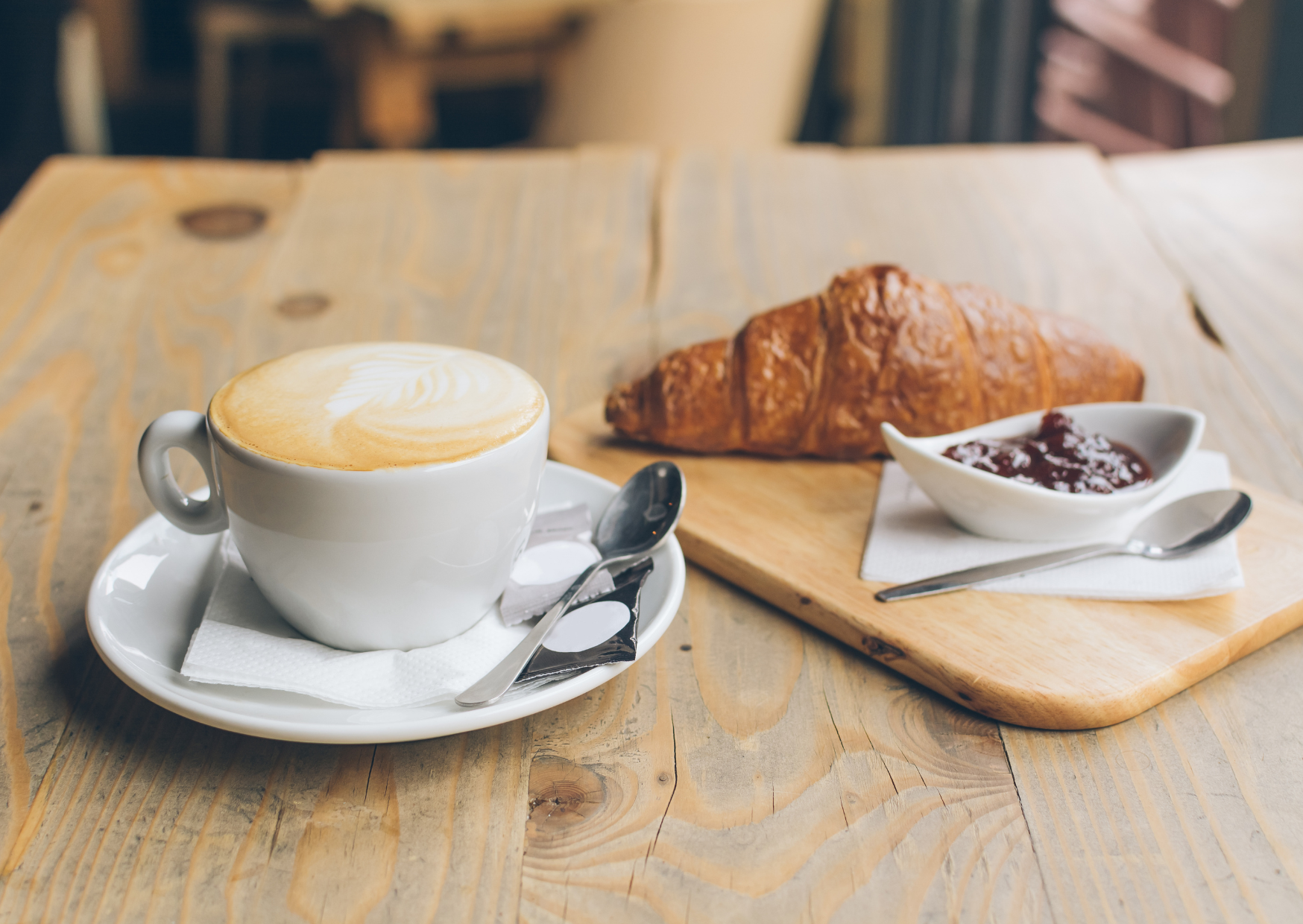
Portion control collapses if your kitchen is stocked to fight you. A French-leaning pantry feels light because it is heavy on ingredients, light on products.
Keep
- Legumes: lentils, chickpeas, beans.
- Grains and starches: rice, potatoes, wholegrain pasta.
- Vegetables and fruit: fresh, frozen, or canned with minimal salt and sugar.
- Dairy: plain yogurts, milk, a modest wedge of cheese.
- Proteins: eggs, chicken thighs, fish, tofu.
- Flavor: olive oil, vinegar, mustard, garlic, herbs.
- Sweets: dark chocolate, jam for yogurt or toast.
Limit
- Individual desserts larger than a yogurt cup.
- Sweet drinks and large bottles of juice.
- Bulk snack packs that turn handfuls into bowls.
- Sauces with added sugar leading the label.
Cook with water-rich foods and you will feel full at lower energy cost. That is not a trick. It is how fruits and vegetables behave. French guidance has repeated the “five a day” idea for years, and while many families in France still underachieve on that target, the cultural baseline supports it more often than not. Availability wins the plate.
The Numbers Behind Bloat, Satiety, And Sugar
“Bloat” is not a medical term, but everyone knows the feeling. Large portions of refined starches, quick alcohol, and sweetened drinks pull fluid, ferment in the wrong place, and put pressure where you notice it. The month-long switch to smaller, slower meals with water removed the trigger most afternoons.
Satiety anchors the rest. When foods arrive with fiber, water, and protein in balance, stretch receptors and hormones tell the brain that the meal is ending. If you cut portion size while keeping water and fiber high, fullness arrives on time. If you cut portion size while serving dry, sweet, ultra-processed foods, fullness is late, and the diet fails. The French table ends hunger with composition and tempo, then relies on habit to keep portions sane. That is why the change feels effortless once the routine is installed.
Sugar is the accelerant. Public reviews in France warn against high added sugar intake and push for lower routine exposure. Global tables keep placing the United States at the top of the sugar-consumption chart by various measures. The signal is consistent even when the exact grams differ by method. Replace sweet drinks with water and dessert with fruit or yogurt most days, and sugar drops enough to change the afternoon.
Costs Nobody Expects When Portions Are Big
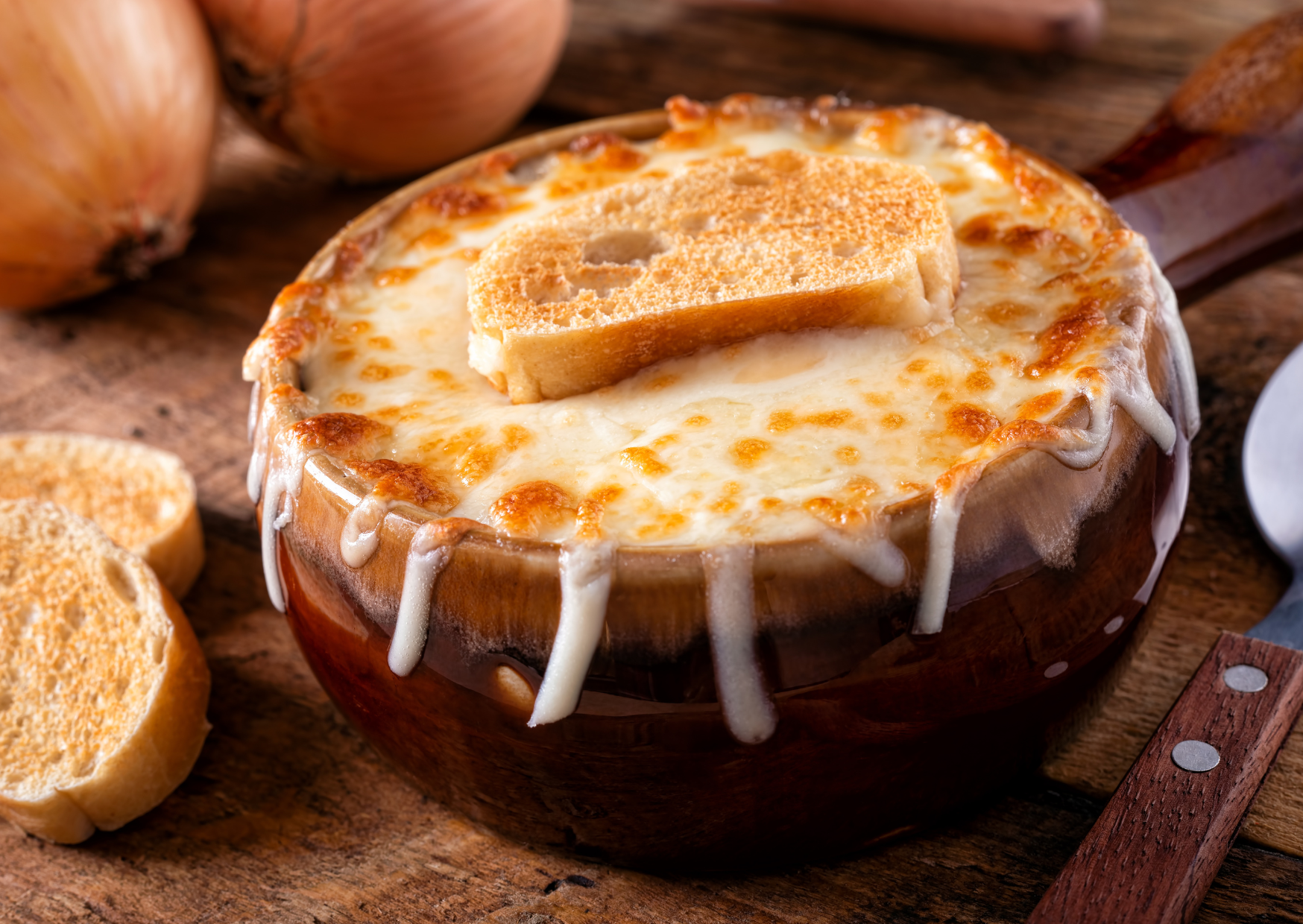
Large portions are not just a health problem. They are a money problem. When a restaurant trains you to see a kilo of food as normal, home cooking looks stingy, and you overshop. When a supermarket sells “family” bags as everyday sizes, snacks turn into side dishes. When a chain pushes unlimited refills, your grocery budget inherits the habit.
The French approach reversed those flows for thirty days. Smaller cuts of meat cost less and cooked faster. Legumes replaced half the animal protein without a fight. Fruit and yogurt replaced premium desserts that used to sneak into the cart. My grocery total fell by €35 to €50 each week without coupons or drama, and restaurant bills dropped because I stopped chasing value by volume. The best value was leaving satisfied, not leaving full.
What To Do In The Next Seven Days
You do not need a reboot. You need one week of smaller plates and water on the table. Do these moves and the rest will follow.
Day 1
Switch to hand-based portions at lunch and dinner. Palm protein, cupped hand starch or legumes, fist of vegetables, small dessert. Eat sitting down, without a screen.
Day 2
Remove sweet drinks from the house. Keep coffee and tea, keep milk if you like it, keep seltzer if a bubble helps.
Day 3
Buy yogurts in small jars and fruit you enjoy. Make dessert a habit of three bites, not a project.
Day 4
Cook lentils or beans and serve them warm with vinaigrette beside a small protein. Notice how the meal lands and how long the calm lasts.
Day 5
Set a water carafe on the table for every meal. Pour when you talk. The glass refills itself during conversation.
Day 6
Eat in a restaurant. Choose two small courses or one entrée and a side, not a platter. Share dessert. Leave at satisfied.
Day 7
Weigh and measure if you like, or just notice how your clothes sit. Decide which habits felt easy. Keep only those. The test continues next week.
Pitfalls Most People Hit In Week One
Shrinking the plate and keeping the candy. If the pantry still runs on ultra-processed sweets, your satiety signal will lag and you will resent the portions. Change both together.
Eating fast with small portions. A small portion inhaled feels like nothing. Slow down just enough that your brain can read the meal.
Calling hunger at the first stomach noise. The first week includes withdrawal from oversized normal. Drink water, finish the plate, wait ten minutes, then decide.
Overcomplicating breakfast. Keep it yogurt and fruit, or eggs and toast, or oats with grated apple. The portion is the point.
Using diet language. This is not a diet. It is portion literacy. The moment you declare a war, your head will fight you.
Who This Works For, And Who Should Be Cautious
Works for people who feel puffy after lunch, who snack because lunch was a sprint, who struggle with “clean eating” that turns into big-but-healthy meals, and anyone who wants a routine that teaches “enough” without measuring.
Be cautious if you have a medical condition that requires specific intake, if you are underweight, if you are pregnant, or if a clinician has set targets for protein, sodium, or carbohydrate. Portion literacy is a tool, not a substitute for medical care.
What I Kept After The 30 Days
Three habits stayed because they were easy.
Water on the table. The carafe is now furniture. Everyone drinks more without trying.
Fruit, yogurt, small chocolate. Dessert stopped being a mood and became a tiny ritual that tells my brain the meal has ended.
Palm, cupped hand, fist. When I serve family-style, I still plate those shapes for the first pass. If someone is hungry after a pause, seconds happen, but seconds happen less. The table is calmer. The kitchen is calmer. Afternoons are calmer.
The number on the scale is nice. The absence of bloat is better. The best change is the feeling that meals fit back into a day instead of pushing against it.
A Quick Comparison You Can See In Your Kitchen
Take one classic dinner and watch the portions do the work.
Old plate
Large chicken breast or two thighs. Mountain of pasta with sauce. Side salad that is garnish, not food. Sweet drink. Big dessert because there is still space.
French-sized plate
One palm of roast chicken. One cupped hand of lentils or potatoes with herbs. One fist of salad dressed with olive oil and vinegar. Water. Yogurt with a spoon of jam. Same flavors, different geometry, easier night.
Once you have lived the geometry for a week, you will not want to go back. Fullness without fog is addictive.
The Quiet Point Behind The Headlines
Headlines love a paradox. There is nothing paradoxical here. People who are served less eat less, especially when meals include water, fiber, protein, and time. French habits make that outcome boring and consistent. American habits make the opposite outcome boring and consistent. Choose the environment you can repeat, then let repetition handle the weight and the bloat.
You do not need to move countries. You do not need new genes. You need smaller portions on normal plates, a slower fork, and a kitchen that offers food instead of products. A month from now your belt may move. A week from now your afternoon will already feel lighter.
What stood out most during this experiment was how little willpower it required. French portion sizes didn’t feel restrictive once my body adjusted. Meals felt complete, not cut short, which made consistency effortless.
The reduction in bloating wasn’t tied to specific foods but to volume and pacing. Eating less at each sitting gave my digestion space to function instead of constantly playing catch-up.
Another unexpected change was mental. Smaller portions removed the pressure to finish everything. I stopped eating out of habit and started eating to satisfaction.
By the end of 30 days, the change felt permanent. The absence of bloat became the new normal, not a temporary win tied to discipline.

About the Author: Ruben, co-founder of Gamintraveler.com since 2014, is a seasoned traveler from Spain who has explored over 100 countries since 2009. Known for his extensive travel adventures across South America, Europe, the US, Australia, New Zealand, Asia, and Africa, Ruben combines his passion for adventurous yet sustainable living with his love for cycling, highlighted by his remarkable 5-month bicycle journey from Spain to Norway. He currently resides in Spain, where he continues sharing his travel experiences with his partner, Rachel, and their son, Han.