
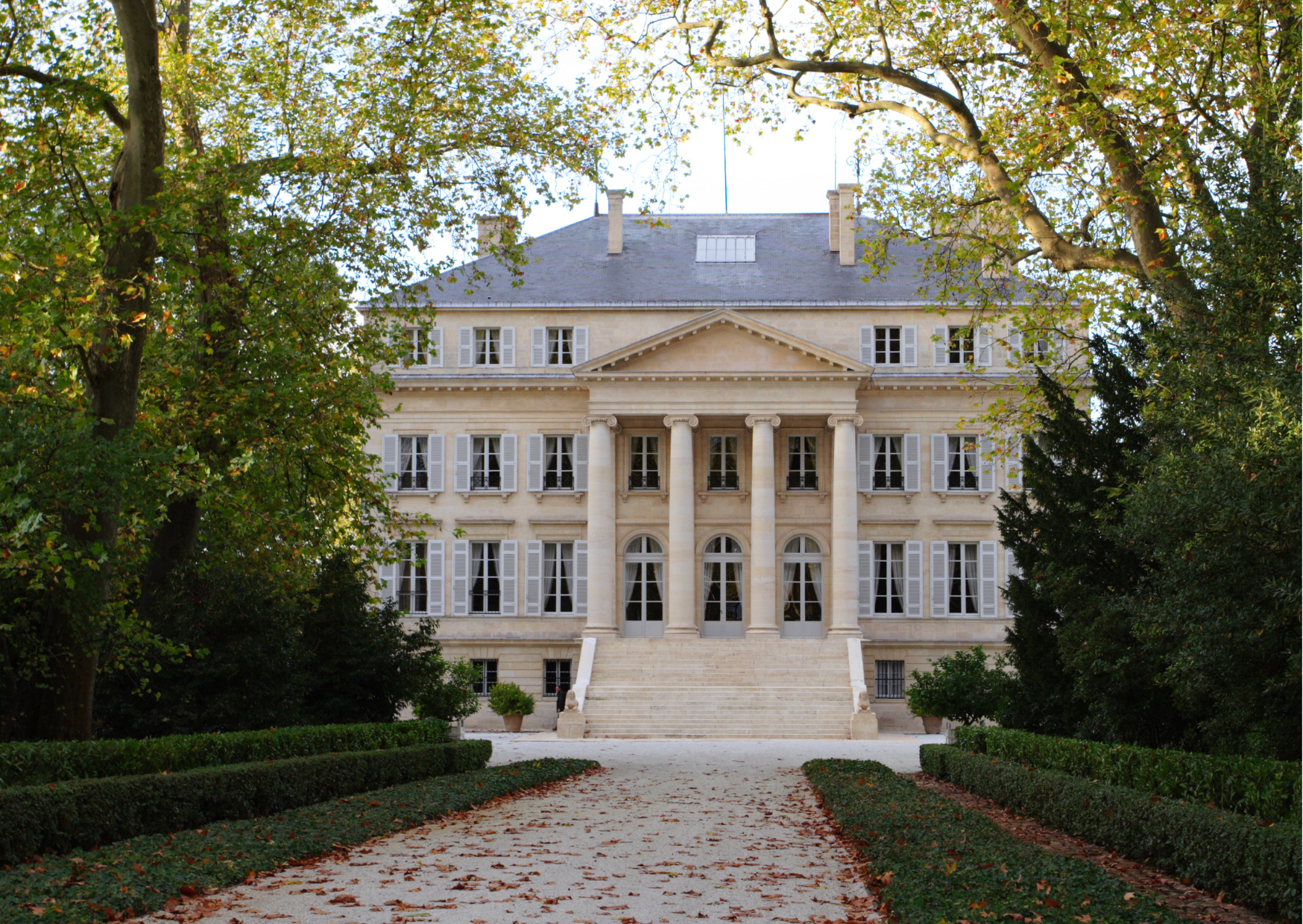
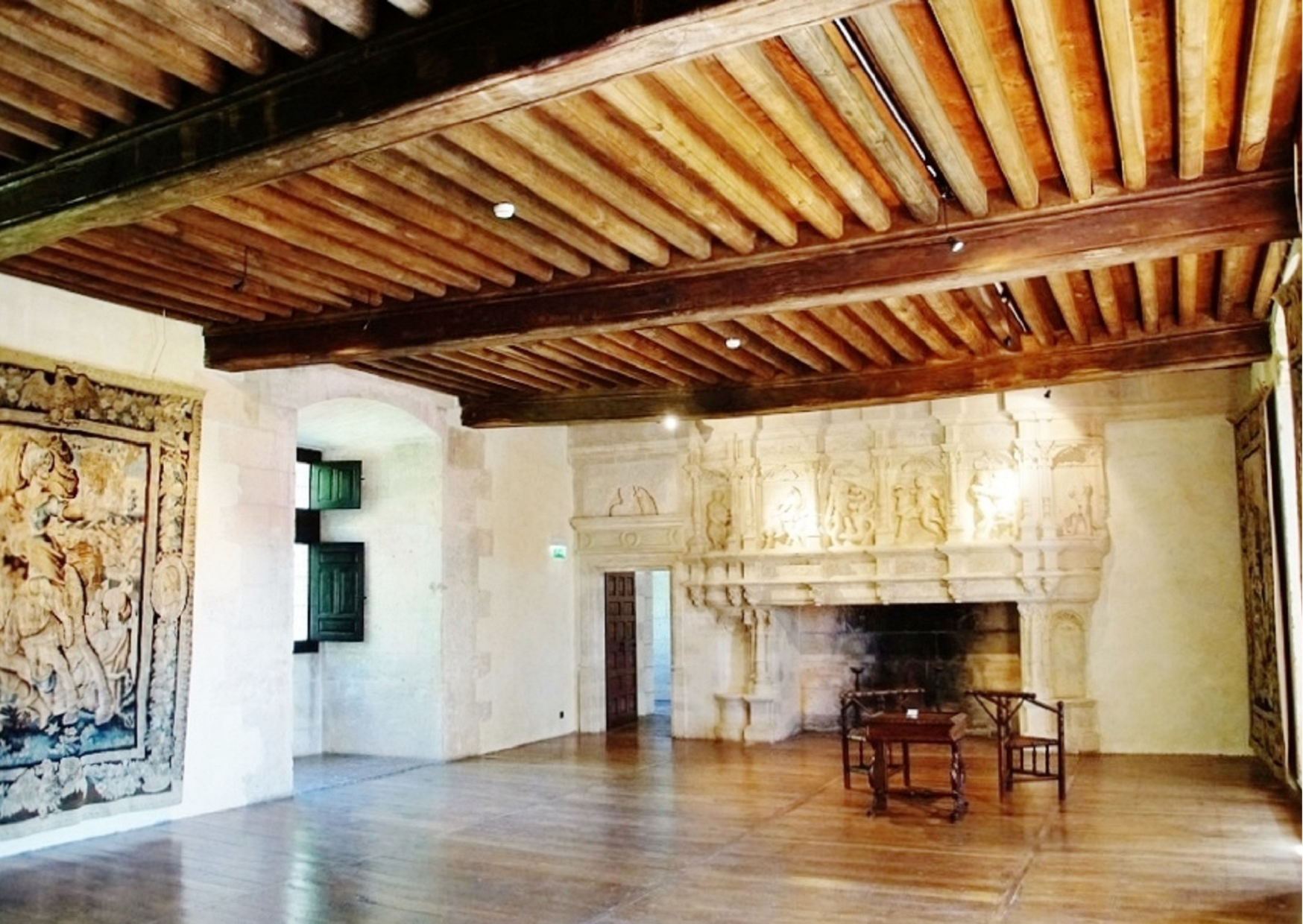
The listing photos showed a stone farmhouse in the Dordogne, two hours east of Bordeaux. Three bedrooms, exposed beams, original fireplace, nearly an acre of land. Needs work. €45,000.
My friend James, a semi-retired architect from Denver, saw exactly what the listing intended him to see: a dream waiting to be uncovered beneath decades of neglect. He’d renovated properties before. He understood construction. He spoke passable French from childhood summers with relatives in Lyon.
He was the ideal buyer for a French renovation project.
Two and a half years later, the house was finished. It’s beautiful—featured in a French design magazine, the kind of place that makes visitors gasp when they walk through the front door.
It cost €167,000 total. Nearly four times the purchase price.
I asked James to walk me through the complete breakdown, not to embarrass him but because every American I know who’s considered buying a cheap European fixer-upper deserves to see what “needs work” actually costs.
The Purchase: €45,000
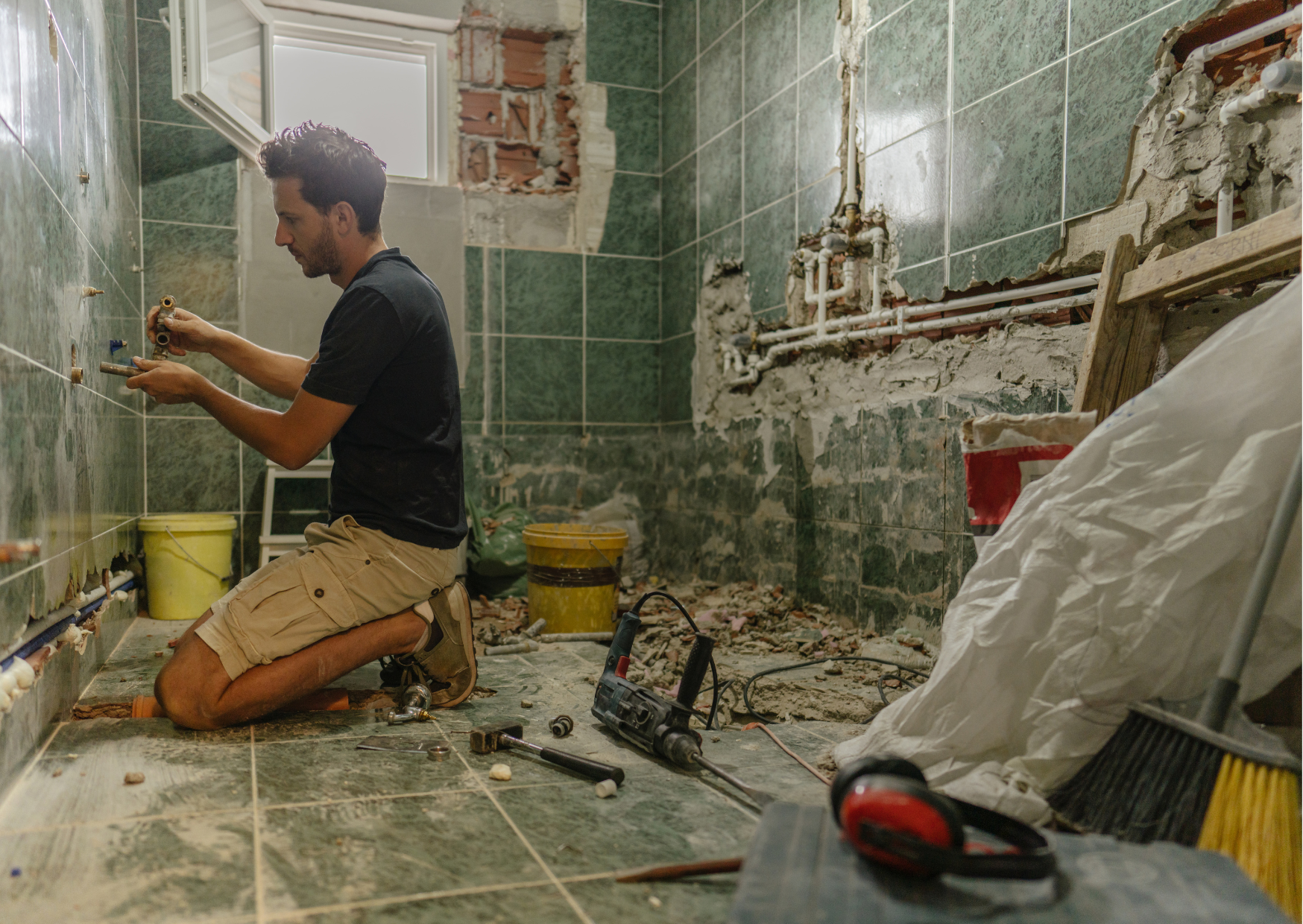
The farmhouse dated to approximately 1840. It had been partially occupied until the 1990s, then abandoned. The stone walls were solid. The roof was questionable. The interior was categorically uninhabitable.
Purchase price: €45,000
Notaire fees (approximately 8% in France): €3,600
Survey/inspection: €800
Initial legal consultation: €400
Total acquisition: €49,800
Already over budget on the “€45,000 house,” but James expected this. French property transaction costs are higher than US equivalents, and he’d budgeted 10% for fees.
At this point, he estimated total renovation would cost €60,000-80,000, bringing his all-in investment to around €130,000. A fully renovated stone farmhouse in the Dordogne for €130,000 seemed like an extraordinary value.
He was off by €37,000.
Phase 1: Making It Structurally Sound – €47,200
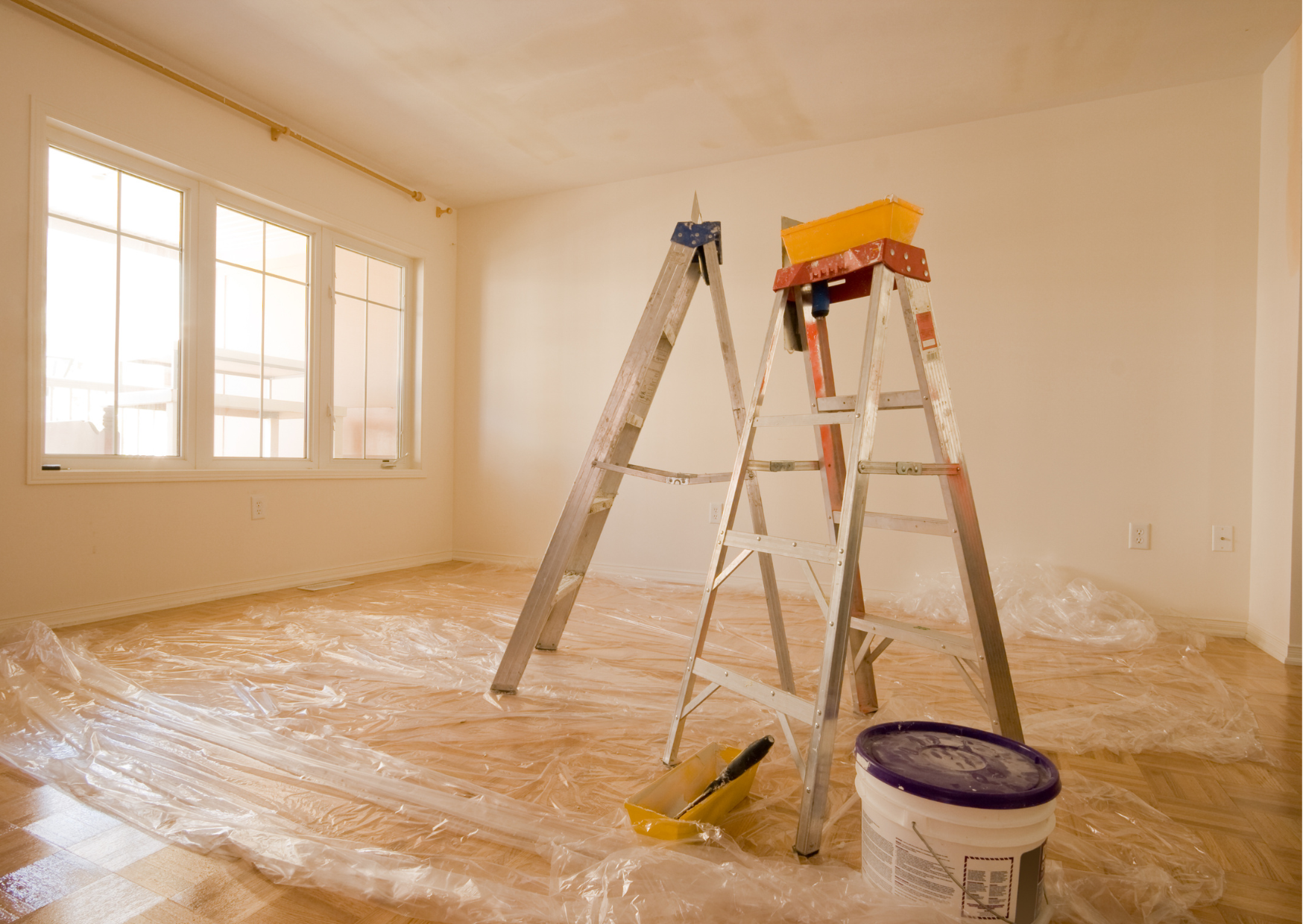
Before any aesthetic work could begin, the house needed to not fall down.
Roof replacement: €28,000
The existing roof was salvageable in places, but the underlying structure had water damage, some timbers were rotted, and the tiles were a mix of periods and styles that couldn’t be repaired coherently. James initially hoped to repair rather than replace, but the roofer’s assessment was clear: partial repair would cost €18,000 and last perhaps 10 years. Full replacement cost €28,000 and would last 50+.
This is where renovation math gets cruel. The “cheap” option often isn’t cheap over time, but the “right” option exceeds your budget immediately.
French roofing costs run approximately €180-250 per square meter depending on region and materials. James’s roof was approximately 140 square meters.
Structural reinforcement: €8,500
Two interior walls needed additional support. A beam in the main living area had cracked and required sistering. The foundation showed minor settling that needed addressing before it became major settling.
Structural work in France requires licensed professionals (often distinct from general contractors) and can’t be DIY’d legally for a property you intend to insure.
Chimney repair and relining: €4,200
The original fireplace was a selling point, but the chimney hadn’t been properly maintained since roughly the 1970s. Relining for safe operation and meeting current fire codes cost more than James expected.
Electrical system removal: €2,500
The existing electrical system was so outdated and unsafe that the electrician refused to work with it. Complete removal before new installation added labor costs.
Drainage and exterior grading: €4,000
Water pooled against the foundation during heavy rain. French countryside properties often have drainage issues that urban properties don’t, and addressing them prevents foundation problems later.
Phase 1 Total: €47,200
James was now €97,000 into a house he’d budgeted €130,000 total. He hadn’t yet installed a single appliance, painted a wall, or made the interior livable.
Phase 2: Major Systems – €38,400

With structure secured, the house needed systems that make modern life possible.
Electrical installation: €14,000
French electrical codes (NF C 15-100) are strict and detailed. A full electrical installation in a renovation runs €80-120 per square meter depending on complexity. James’s house was approximately 140 square meters of living space.
This included new panel, wiring throughout, outlets, switches, and preparation for fixtures. Light fixtures themselves were additional.
Plumbing: €11,500
New pipes throughout, two bathrooms worth of rough-in, kitchen rough-in, water heater, and connection to the municipal water supply (the property had been on well, but municipal water was available).
Septic system: €8,400
Rural France often means septic rather than sewer. The existing septic was non-functional and didn’t meet current environmental standards. A new system compliant with SPANC (Service Public d’Assainissement Non Collectif) regulations was required before the property could be legally occupied.
Heating system: €4,500
A combination of restored fireplace for ambiance, plus electric radiators in bedrooms and bathrooms. Central heating would have cost €15,000+, so James chose a middle approach.
He’d later describe this as one of his few regret decisions. Electric heating in a poorly insulated stone house is expensive to operate, and the €10,000 he saved on installation has probably cost him €3,000+ in energy bills over subsequent years.
Phase 2 Total: €38,400
Running total: €135,400. Already exceeding his original €130,000 all-in estimate, and the house still had no floors, no kitchen, no bathrooms, no interior walls finished.
Phase 3: Making It Livable – €41,600
Kitchen: €12,000
A modest but functional kitchen: cabinets, countertops, sink, appliances. This wasn’t a showpiece kitchen—simple, practical, IKEA-grade materials installed by local workers.
Kitchen renovation costs in France run €8,000-30,000 depending on quality and size. James’s approach was deliberately budget-conscious, but budget-conscious in France still costs more than expected.
Bathrooms (2): €9,500
Two bathrooms: one main with tub/shower combination, one smaller with just shower. Tile, fixtures, vanities, toilets, mirrors. Again, mid-range materials, not luxury.
French bathroom renovations average €5,000-15,000 each depending on size and finish level.
Flooring throughout: €8,200
Original floors were unsalvageable in most areas (stone in some places, rotted wood in others, concrete in others). New flooring throughout: tile in wet areas and kitchen, engineered wood in living spaces and bedrooms.
Flooring runs €20-80 per square meter installed, depending on material. James’s average was approximately €55/sqm.
Interior walls and plastering: €6,400
Stone walls needed interior finishing. Some areas received drywall over furring strips (necessary for insulation), others received plaster directly on stone where the original texture was desired.
Painting throughout: €3,500
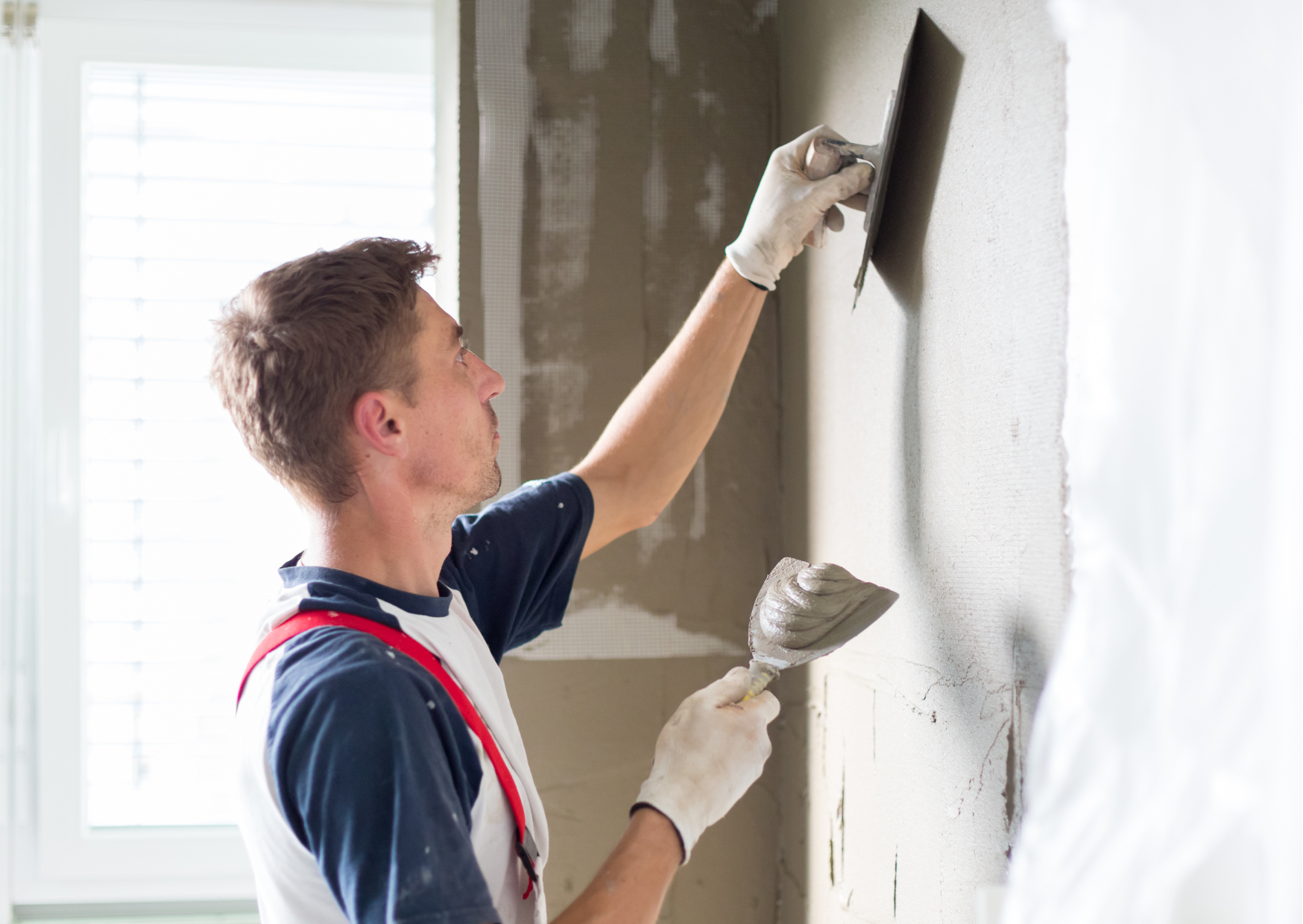
Professional painting in France costs €25-40 per square meter. James painted some areas himself but hired out the difficult spots (high ceilings, detailed trim).
Interior doors (8): €2,000
Basic but appropriate style doors for a farmhouse renovation, installed.
Phase 3 Total: €41,600
Running total: €177,000. Wait—that’s more than the €167,000 I mentioned at the start. What happened?
The Adjustments: -€10,000
Several factors brought the final number down:
DIY savings: -€6,000
James did significant work himself: some painting, landscaping, minor carpentry, fixture installation. Had he hired every task, the total would have been €6,000 higher.
VAT recovery: -€3,200
Certain renovation work on primary residences in France qualifies for reduced VAT rates (10% instead of 20%). James’s accountant helped him recover VAT where applicable.
Neighbor’s tractor: -€800
A neighboring farmer did the initial site clearing and grading work with his equipment at friend rates, rather than James hiring a professional excavation company.
These savings brought the actual total to €167,000.
The Final Breakdown
| Category | Cost (€) |
|---|---|
| Purchase + fees | 49,800 |
| Structural/roof | 47,200 |
| Major systems | 38,400 |
| Interior finishes | 41,600 |
| Subtotal | 177,000 |
| DIY/adjustments | -10,000 |
| Final Total | €167,000 |
A €45,000 house cost €167,000 to make livable. The renovation cost 2.6x the purchase price.
Where The Estimates Went Wrong
James is a professional architect. He’s renovated properties before. He speaks French. He had every advantage. Yet he still underestimated by approximately €37,000.
Here’s where his estimates failed:
Roof underestimate: €10,000
He initially budgeted €18,000 for roof repair. Full replacement cost €28,000. The scope expanded once the roofer actually inspected the structure.
Hidden structural issues: €8,500
The structural reinforcement wasn’t visible during purchase inspection. Problems revealed themselves once walls were opened.
Systems complexity: €8,000
Electrical and plumbing in old stone houses cost more than in modern construction. Running wires through 180-year-old walls is harder than through new studs.
Septic surprise: €4,000
He’d budgeted €4,000 for septic work based on initial estimates. Actual cost was €8,400 due to soil conditions requiring a larger system.
Scope creep: €6,500
Small decisions add up. Choosing tile instead of vinyl flooring: €2,000 more. Upgrading bathroom fixtures: €800 more. Better kitchen countertops: €600 more. Twenty such decisions totaled €6,500.
The Cost Per Square Meter Reality
French renovation industry data suggests the following cost ranges per square meter:
- Light renovation (cosmetic only): €200-400/sqm
- Medium renovation (some systems, updated finishes): €700-900/sqm
- Complete renovation (everything new): €1,000-1,600/sqm
- Historic/premium renovation: €1,500-2,000+/sqm
James’s house was 140 square meters. His €117,200 renovation cost (excluding purchase) equals approximately €837/sqm—right in the middle of “medium renovation” territory.
He thought he was doing a light-to-medium renovation. He was actually doing a complete renovation. The house’s age and neglect pushed every category higher than expected.
What The Blogs Don’t Tell You
Every article about buying cheap French property focuses on the purchase price. “€45,000 for a farmhouse!” The renovation costs get mentioned vaguely: “budget for repairs.”
Here’s what that vague advice actually means:
Budget 2-4x the purchase price for renovation. For genuinely cheap properties (under €50,000), the renovation typically costs more than the purchase. The property is cheap because it needs massive work. That work has a price.
Add 30% to every estimate. This isn’t pessimism; it’s statistics. French renovations routinely exceed estimates. Older properties exceed estimates more. Foreign owners exceed estimates most.
Structural unknowns are expensive. A property inspection in France isn’t like a US home inspection. Inspectors check specific systems and issue specific reports. They don’t necessarily identify every structural concern. Budget €10,000-20,000 for surprises you can’t predict.
Materials cost more than in the US. French building materials are often more expensive than American equivalents, partly due to VAT and partly due to stricter standards. Your cost intuitions from US renovations won’t translate directly.
Labor is expensive and scarce. French artisans (skilled tradespeople) are excellent but in high demand. Wait times for good contractors can be months. Expedited work costs premium rates.
Permits and regulations multiply. Any significant renovation requires permits. Historic properties (and any property in a protected zone) require additional approvals from Architectes des Bâtiments de France. These add time and sometimes mandate specific materials or methods.
The Payoff
After all this, was it worth it?
James answers unambiguously: yes.
His €167,000 all-in cost bought a 140-square-meter renovated stone farmhouse on nearly an acre of land in one of France’s most beautiful regions. A comparable finished property in the Dordogne sells for €280,000-350,000. He has approximately €120,000 in equity on paper.
More importantly, he has the house he wanted, built to his specifications, with every system brand new. He’ll live there for decades with minimal maintenance costs, in a property that will only appreciate as French countryside becomes more desirable to international buyers.
But he could afford the overruns. His €130,000 budget was optimistic; his actual financial capacity was higher. Had €130,000 been his hard limit, the project would have stalled mid-renovation, a nightmare scenario that afflicts more buyers than anyone admits.
The Pre-Purchase Calculation You Must Do
Before buying a cheap French property, do this math:
- Purchase price: €X
- Acquisition costs (10%): €X × 0.10
- Realistic renovation: €X × 2.5 to €X × 4 (depending on condition)
- Contingency (20%): Add 20% to renovation estimate
- Carrying costs: Budget €500-1,000/month during renovation for insurance, utilities, travel to property
For James’s €45,000 purchase:
- Purchase: €45,000
- Acquisition: €4,500
- Renovation (×3): €135,000
- Contingency (20%): €27,000
- Total realistic budget: €211,500
His actual spend of €167,000 came in under this realistic budget—because he did work himself, got VAT recovery, and had good luck on several fronts.
Someone without his advantages would have spent €180,000-200,000.
Who Should Do This
Buying a cheap French renovation project makes sense if:
- You have budget 3-4x the purchase price available (not just hoped for)
- You can tolerate 2-3 years of project management
- You have construction knowledge or can hire trusted project management
- You speak French well enough to communicate with contractors
- You accept that final costs will exceed estimates
- You’re doing this for love of the process, not purely for investment returns
It doesn’t make sense if:
- Your budget is fixed at purchase price plus modest renovation
- You need to occupy the property within 12 months
- You have no construction experience and limited French
- Cost overruns would create financial hardship
- You’re primarily viewing this as an investment rather than a lifestyle choice
The Final Word
My friend James bought a €45,000 farmhouse. He spent €167,000 total.
He’d do it again. But he’d budget differently from the start.
The €45,000 dream property in France is real. The dream just costs €120,000+ more than the price tag suggests. Anyone telling you otherwise is selling something.
Budget for the reality. Then you might get to enjoy the dream.

About the Author: Ruben, co-founder of Gamintraveler.com since 2014, is a seasoned traveler from Spain who has explored over 100 countries since 2009. Known for his extensive travel adventures across South America, Europe, the US, Australia, New Zealand, Asia, and Africa, Ruben combines his passion for adventurous yet sustainable living with his love for cycling, highlighted by his remarkable 5-month bicycle journey from Spain to Norway. He currently resides in Spain, where he continues sharing his travel experiences with his partner, Rachel, and their son, Han.