
The investment migration industry loves to showcase programs requiring $500,000 or more. Golden visas. Citizenship by investment. Real estate purchases in prime locations.
But for Americans with $50,000 in accessible savings—not wealthy by investment migration standards, but not nothing either—a different category of programs exists. These pathways don’t make headlines. They don’t generate five-figure commissions for migration consultants. And they rarely appear in the glossy brochures.
They do, however, lead to legal permanent residency in countries with genuine quality of life, functioning infrastructure, and—in most cases—eventual pathways to citizenship.
What follows is the 2026 breakdown of eleven countries where $50,000 or less in savings can secure permanent residency. The requirements are real, the pathways are legal, and the catches are explained honestly.
Ecuador: The $46,000 Real Estate Path
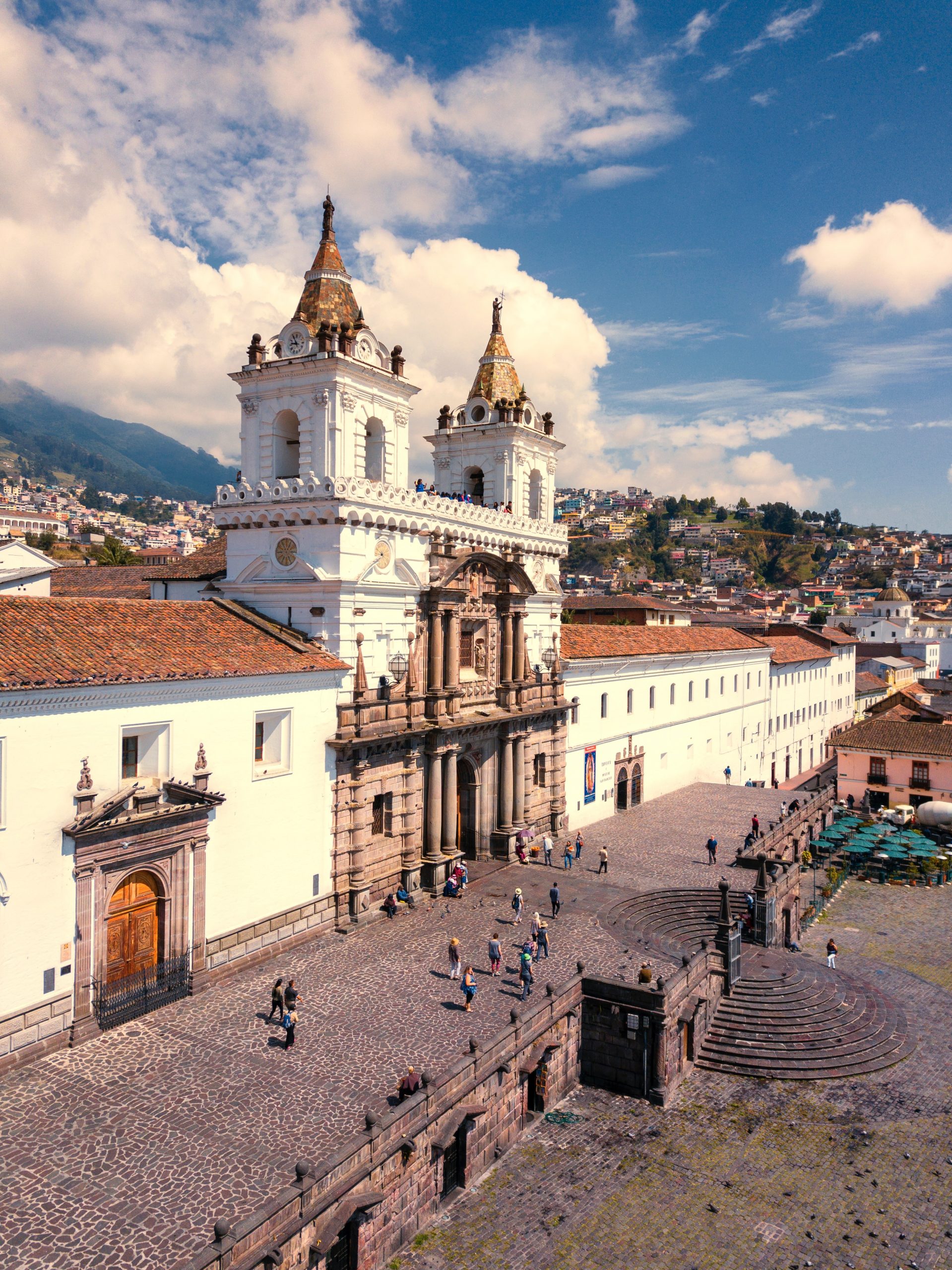
Ecuador offers one of the most accessible residency-by-investment programs in the Western Hemisphere. The minimum investment: approximately $46,000 in Ecuadorian real estate (pegged to 100 times the minimum wage, which adjusts periodically).
The program grants investor residency immediately upon completing the property purchase and registration process. No ongoing income requirements. No physical presence minimums. No employment restrictions—investors can work, start businesses, or remain retired.
The path to permanent residency runs through 21 months of holding investor status, after which permanent residency is available. The path to citizenship opens after three years of continuous residency.
The $46,000 buys meaningful property in Ecuador. Outside major cities, that amount secures a modest house or a decent apartment. In Cuenca—the country’s most popular expat destination—$46,000 represents a small apartment or a building lot. In smaller towns and coastal areas, it stretches further.
Alternative pathway: Ecuador’s Pensionado visa requires just $1,275 monthly income (approximately three times minimum wage), with no savings requirement. For retirees with Social Security or pension income meeting this threshold, residency is available without any investment at all.
Cost of living: Ecuador uses the US dollar as its currency, eliminating exchange rate concerns. A comfortable retirement in Cuenca costs $1,600-2,200 monthly for a couple; smaller towns and coastal areas can be managed on $1,200-1,600.
The realistic assessment: Ecuador offers genuine value. The climate in the highlands is temperate year-round. Healthcare costs a fraction of American prices. The country is politically stable by regional standards and increasingly popular with American retirees. The $46,000 investment threshold is among the lowest in the Americas.
Panama: The Friendly Nations Bank Deposit
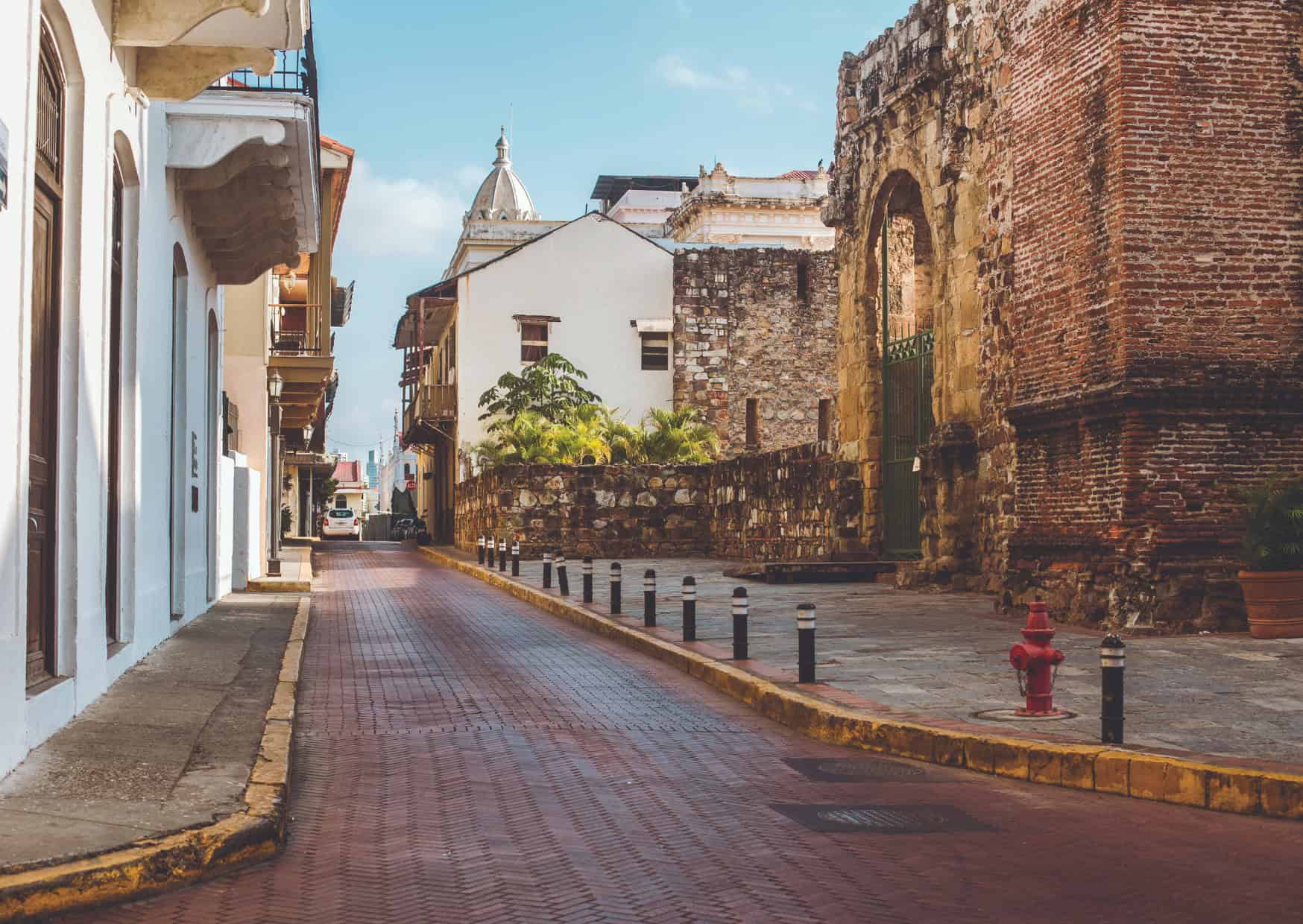
Panama’s Friendly Nations Visa targets citizens from approximately 50 countries on its “friendly” list—including the United States—with one of the world’s fastest residency pathways.
The requirement for Americans: A $200,000 bank deposit in a Panamanian bank, or a $100,000 real estate purchase, or establishing economic ties through employment or business ownership.
For those with $50,000, the economic ties option is most accessible. This can include starting a small business, securing employment with a Panamanian company, or demonstrating professional activities that contribute to Panama’s economy. The bar is not impossibly high—small-scale consulting operations, online businesses serving international clients, or even investment in local businesses can qualify.
Alternatively, the Pensionado program requires just $1,000 monthly pension income—the lowest retirement visa threshold in the region—with no savings requirement whatsoever.
Processing time: Panama is fast. Properly documented Friendly Nations applications complete in 30-60 days. The country genuinely wants American residents and has streamlined its systems accordingly.
The path to permanent residency is immediate for Friendly Nations applicants—the visa itself is a permanent residency permit. The path to citizenship runs through five years of residency plus a Spanish language and civics test.
Panama uses the US dollar. It has modern infrastructure including excellent hospitals, international schools, and reliable internet. Cost of living in Panama City is higher than most Latin American capitals—$2,500-3,500 monthly for a comfortable couple’s lifestyle—but smaller cities and beach towns cost considerably less.
Tax advantage: Panama taxes only locally-sourced income. Foreign-sourced income—including US Social Security, pensions, and investment returns—is not taxed in Panama.
Paraguay: Direct Permanent Residency
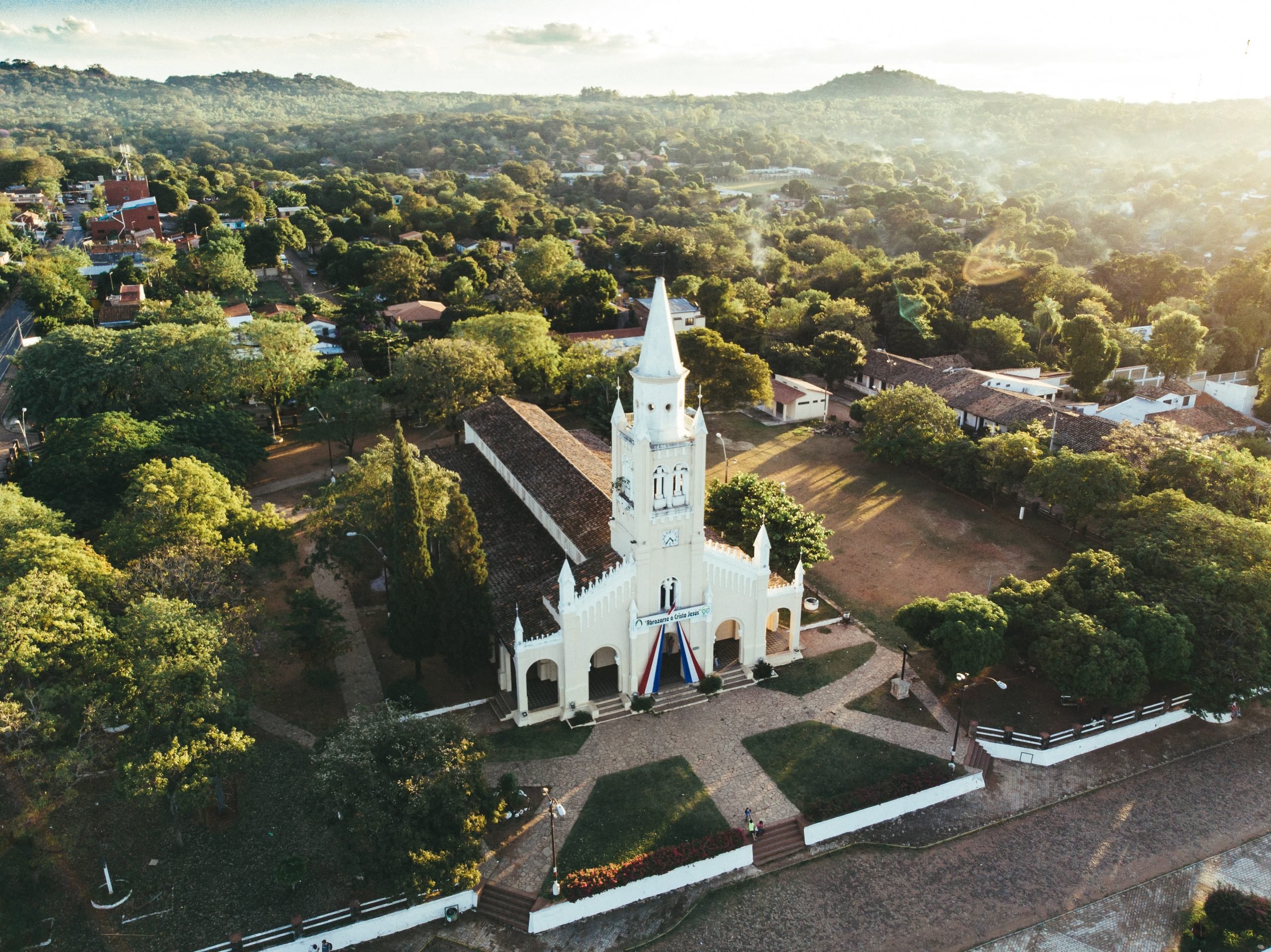
Paraguay remains Latin America’s most accessible pathway to permanent residency, though the program changed in 2022.
The current requirements: A commitment to invest approximately $70,000 over ten years in a Paraguayan business, OR proof of approximately $1,300 monthly income, OR employment with a Paraguayan company.
The key distinction: Paraguay grants permanent residency directly. There is no temporary visa phase. Applicants who qualify receive permanent residency immediately.
For someone with $50,000 in savings, the income pathway is most practical. Demonstrating $1,300 monthly passive income—from investments, dividends, rental properties, or pension sources—qualifies for permanent residency without any investment requirement.
The $70,000 business investment option can be structured over ten years, meaning annual contributions of $7,000 satisfy the requirement. However, this requires actually operating a business in Paraguay.
Path to citizenship: Three years after receiving permanent residency, applicants can apply for Paraguayan citizenship. Paraguay allows dual citizenship.
The practical reality: Paraguay is the least-developed country on this list. Infrastructure is improving but remains behind Argentina or Uruguay. The capital, Asunción, is a modest city by Latin American standards. The country’s appeal is primarily regulatory—easy residency, territorial taxation, minimal bureaucracy—rather than lifestyle-based.
Cost of living is remarkably low: $800-1,200 monthly covers basic comfortable living. But amenities available in more developed countries require either travel to Buenos Aires or significant local spending.
For someone prioritizing legal residency and citizenship access over lifestyle amenities, Paraguay delivers unmatched value. For those prioritizing quality of life, other options may suit better despite higher barriers.
Colombia: The Real Estate Investment Route
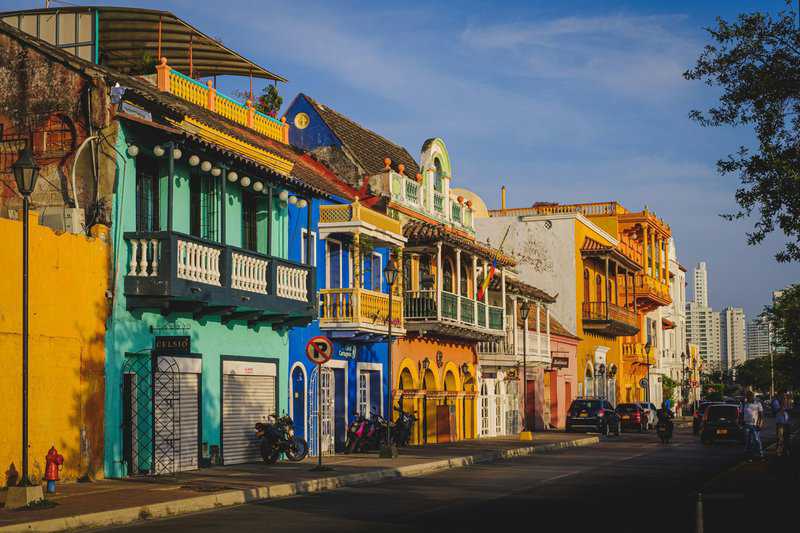
Colombia’s investor visa requires a minimum real estate investment of approximately $165,000 at current exchange rates. That exceeds the $50,000 threshold—but Colombia offers an alternative.
The Rentista Visa requires proof of approximately $2,500 monthly income for three consecutive years. There’s no investment requirement, but the income threshold is higher than most Latin American alternatives.
More accessible is Colombia’s Pensionado Visa, requiring just $900 monthly pension income. For Americans with Social Security or pension income meeting this threshold, Colombian residency is available without any savings requirement.
For those with $50,000 in savings but limited monthly income, a creative approach combines small real estate investment with income demonstration. Purchasing a $30,000 apartment in a secondary Colombian city and showing $1,200 monthly income has been accepted by some migration offices, though requirements are applied somewhat variably.
The realistic picture: Colombia’s residency pathways are in transition. Requirements have tightened over the past few years as the country became increasingly popular with digital nomads and remote workers. What worked in 2022 may not work in 2026.
Cost of living: Colombia offers exceptional value. A comfortable couple’s retirement in Medellín costs $2,000-2,500 monthly; smaller cities like Pereira or Bucaramanga can be managed on $1,400-1,800. Healthcare quality is high in major cities at a fraction of US costs.
Path to citizenship: Five years of continuous residency, followed by a Spanish language test and civics evaluation.
Montenegro: The European Real Estate Bargain
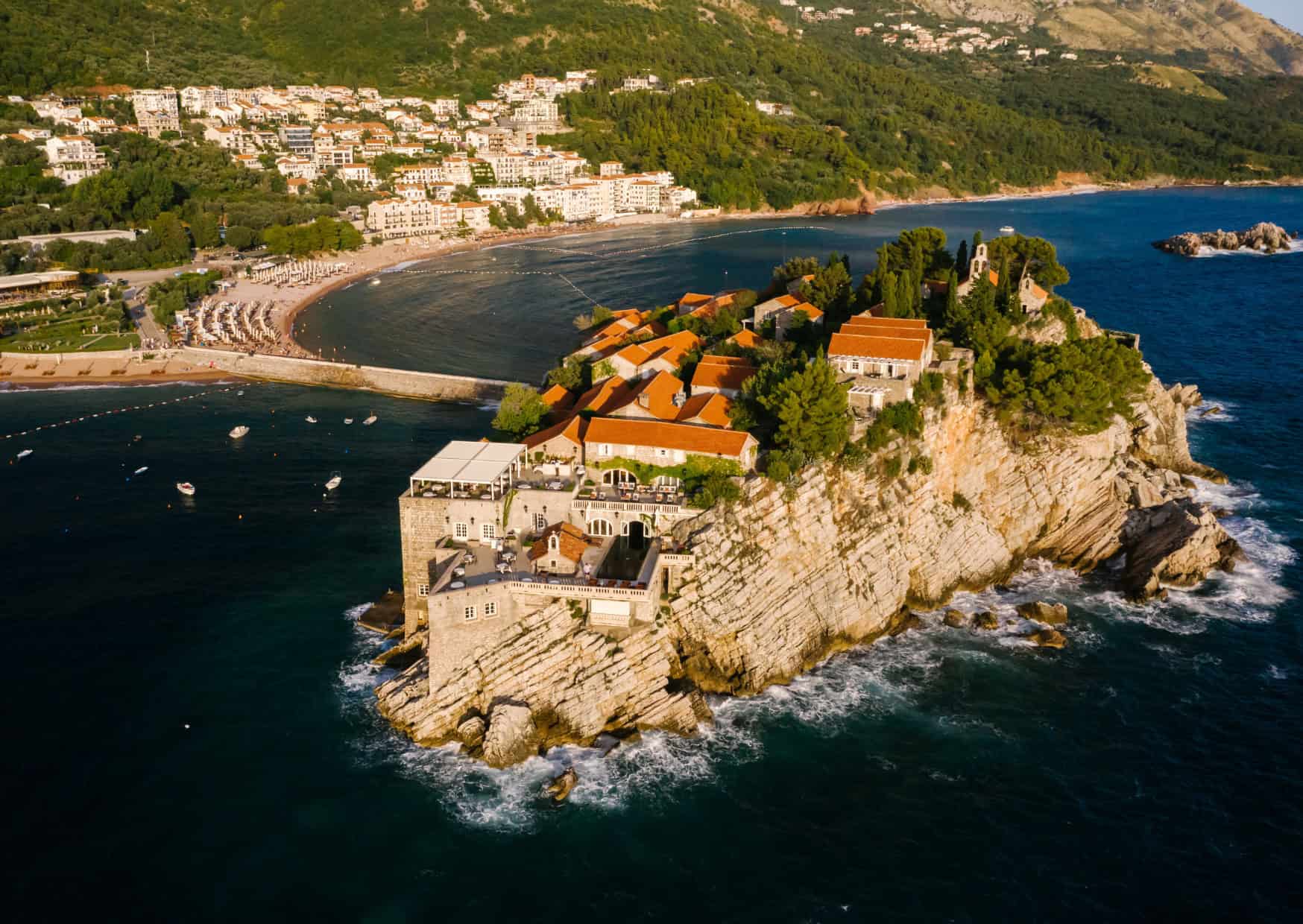
Montenegro offers temporary residency through real estate purchase with no minimum investment threshold. The country does not specify a floor—any “habitable property” qualifies.
In practice, this means €30,000-50,000 purchases of apartments near the Adriatic coast or in smaller inland towns satisfy the requirement. Montenegro’s real estate market, while rising, remains among the cheapest in Europe with Mediterranean access.
The residency is temporary—one year, renewable annually. Permanent residency requires five consecutive years of temporary residency with at least nine months per year physical presence. Citizenship requires five additional years of permanent residency (year ten total).
Montenegro is not an EU member, so this residency does not provide EU freedom of movement. However, the country is a candidate for EU accession, and citizenship acquired before potential EU membership would convert to EU citizenship if Montenegro joins.
The realistic assessment: Montenegro is genuinely beautiful—dramatic coastline, mountain scenery, medieval towns. It’s also genuinely small, with a population under 700,000 and limited economic opportunity. Retirees and location-independent workers do well; those seeking employment less so.
Cost of living: €1,200-1,800 monthly for a comfortable couple’s lifestyle. The coastal areas cost more during tourist season but remain affordable by European standards.
Nicaragua: The Investment Minimum
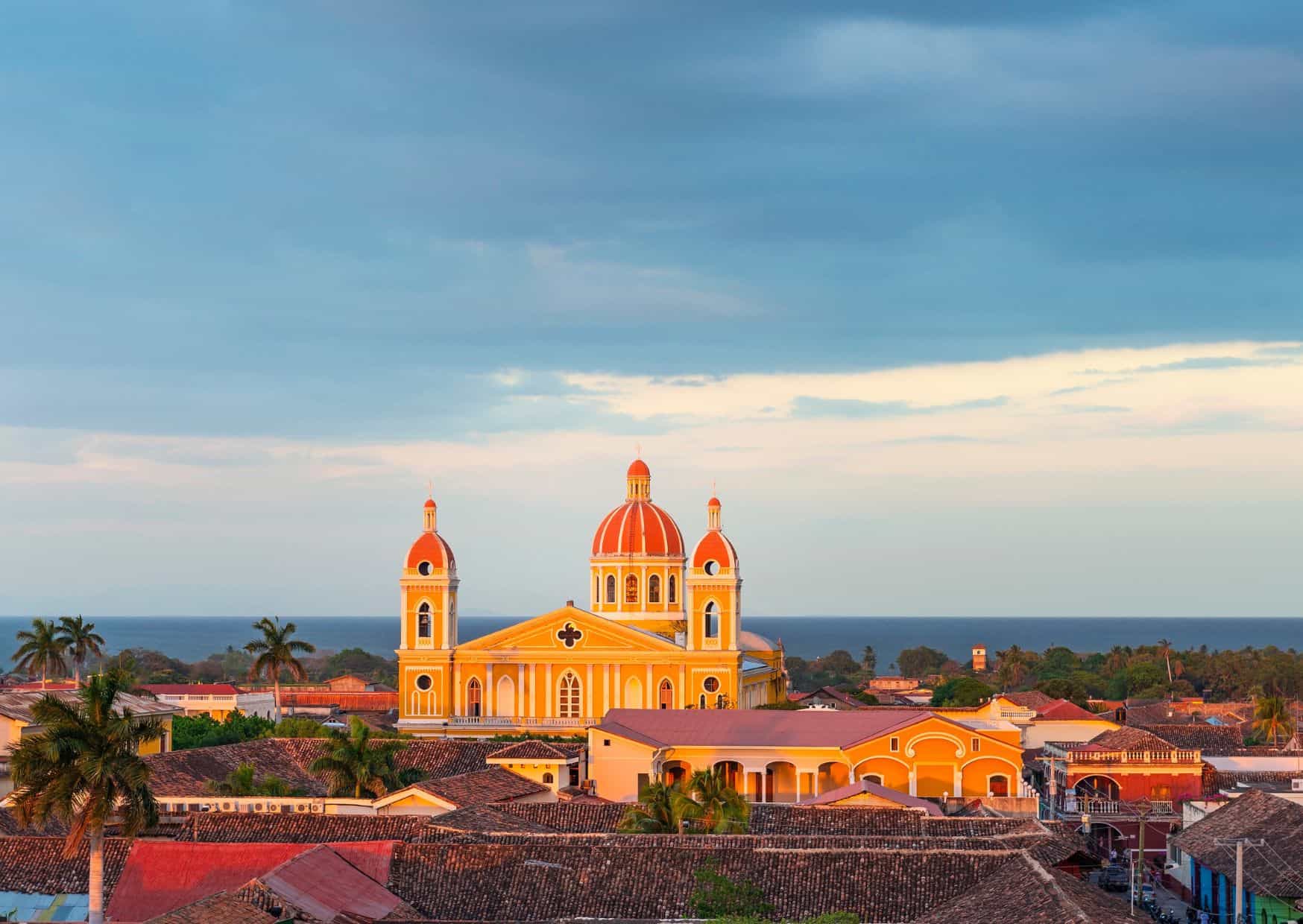
Nicaragua’s investor residency program requires a minimum $30,000 investment in Nicaraguan assets—real estate, business, or government bonds.
This is among the lowest investment thresholds in the Americas and grants immediate temporary residency with a path to permanent residency after three years.
The Pensionado program is even more accessible, requiring just $600 monthly pension income with no investment requirement.
The complicated factor: Nicaragua’s political situation has been turbulent. The Ortega government has drawn international criticism, and US-Nicaragua relations are strained. While the residency programs continue operating, some Americans are uncomfortable with the political environment.
That said, thousands of American retirees live in Nicaragua—particularly around Granada, San Juan del Sur, and the Pacific coast—and report positive experiences. The country offers genuinely low costs (comfortable retirement on $1,000-1,500 monthly), pleasant climate, and Pacific beaches.
Path to citizenship: Possible after three years of residency, though dual citizenship recognition is ambiguous.
For Americans who have visited Nicaragua, understand its political context, and are comfortable with the environment, the residency program offers exceptional value. For those uncertain about the political situation, other options may provide more peace of mind.
Georgia (the country): No Investment Required
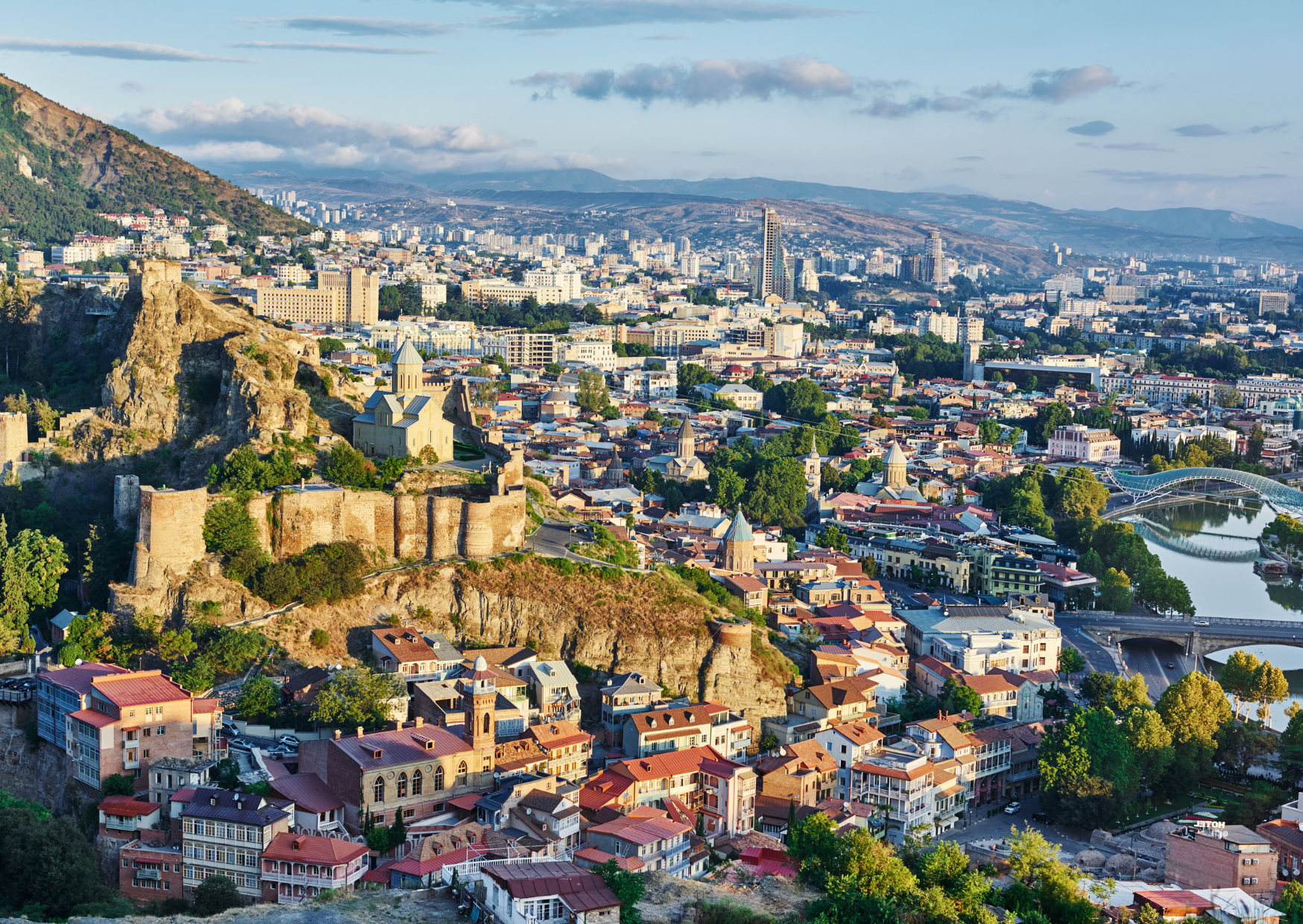
Georgia stands alone on this list: it requires no investment, no savings demonstration, and no income proof for initial residency.
Americans can enter Georgia visa-free and remain for one year without any permit. This is not a tourist visa—it’s simply unrestricted entry for US citizens.
After one year, short-term residence permits are available for various categories including investment, employment, or family ties. A real estate purchase of approximately $100,000 qualifies for investment-based residence.
But here’s what makes Georgia remarkable: Americans can live in Georgia indefinitely by simply exiting and re-entering once per year. While this doesn’t provide formal residency status, it provides practical living rights without bureaucratic process.
For those wanting formal residency, the investment threshold is higher than $50,000. But for those content with practical residence rights rather than paper status, Georgia offers unique flexibility.
Cost of living is remarkably low—$800-1,500 monthly for comfortable living in Tbilisi, less in smaller towns. The country has invested heavily in modernization, with excellent internet infrastructure, developing healthcare, and a welcoming attitude toward foreigners.
Thailand: The Retirement Visa Deposit
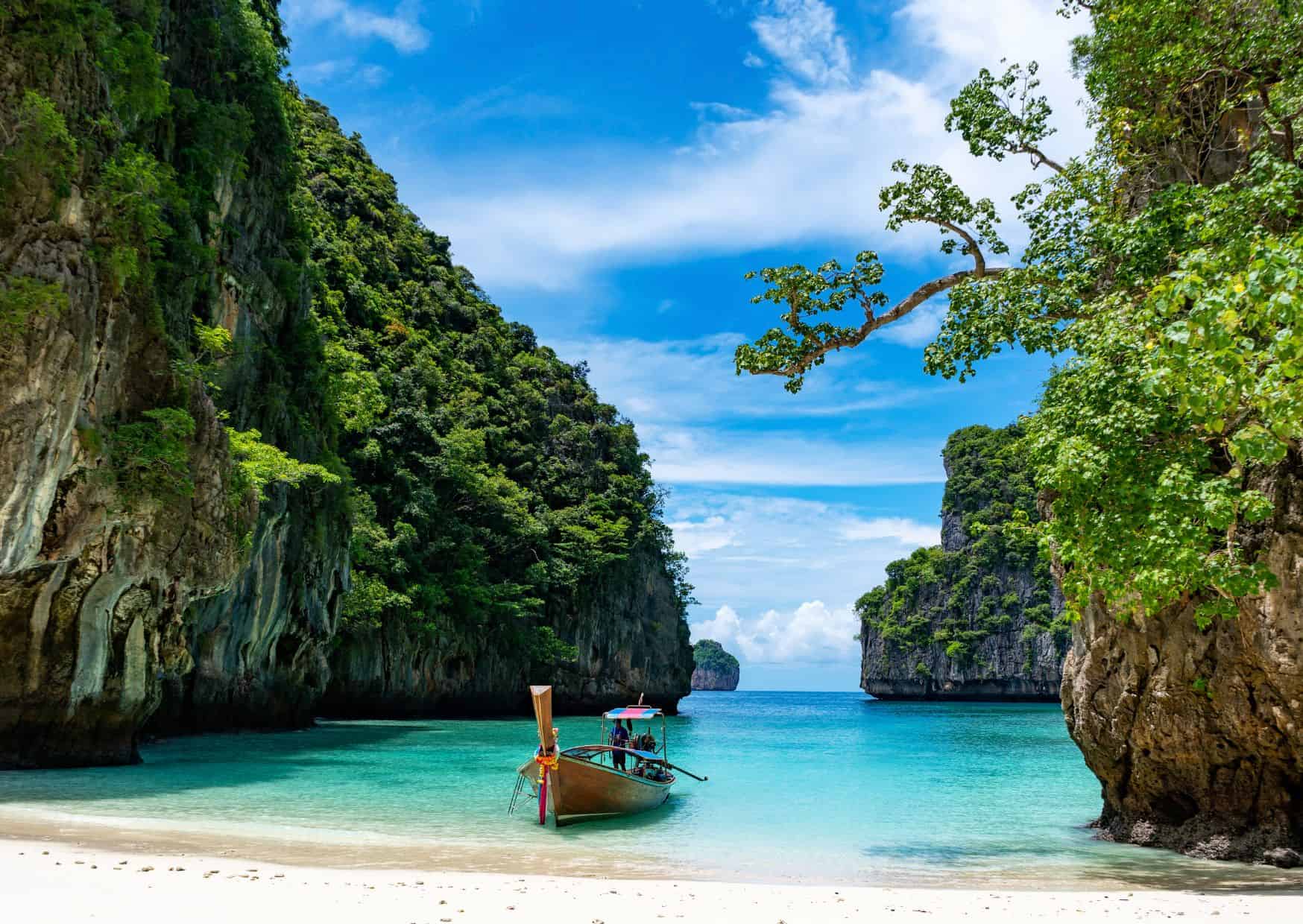
Thailand’s Retirement Visa (O-A Long Stay) requires applicants to be 50 or older and demonstrate either 800,000 baht ($22,000) in a Thai bank account OR 65,000 baht ($1,800) monthly income OR a combination totaling 800,000 baht annually.
For someone with $50,000 in savings, the Thai bank deposit requirement is easily met with significant cushion remaining.
The visa grants one-year stays, renewable indefinitely. There is no path to permanent residency through the retirement visa route—Thailand does not offer naturalization to retirees. However, indefinite renewable residency provides practical security for those not seeking citizenship.
The cost of living advantage is substantial. Comfortable retirement in Chiang Mai costs $1,500-2,000 monthly for a couple; beach towns in southern Thailand range $1,800-2,500. Bangkok is more expensive but still affordable by Western standards.
Healthcare is exceptional—Thailand’s medical tourism industry means world-class hospitals in major cities at a fraction of Western prices.
The limitation is clear: Thailand does not provide a path to citizenship through retirement. The visa must be renewed annually, the bank deposit must be maintained, and continued eligibility depends on meeting age and financial requirements. This is long-term residency, not immigration.
Malaysia: My Second Home (Revised)
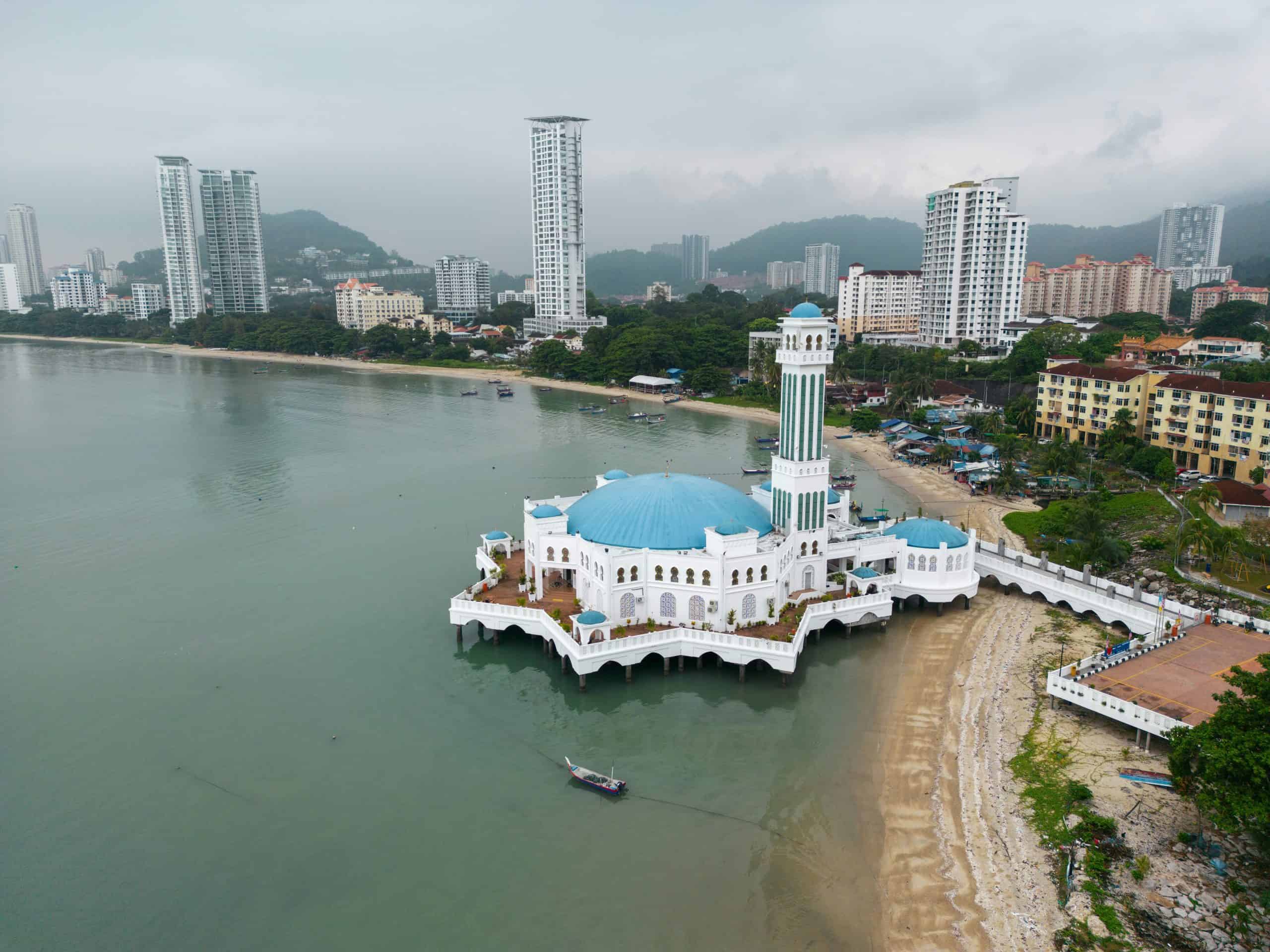
Malaysia’s MM2H (My Second Home) program underwent significant revision in 2021 and now requires higher thresholds than previously—but still accessible for those with $50,000 in savings.
The current requirements: Fixed deposit of RM 150,000 (approximately $33,000) in a Malaysian bank for the first five years, plus proof of offshore income of at least RM 40,000 ($8,800) monthly.
The income requirement is the primary barrier—$8,800 monthly is substantial. However, this can be demonstrated through investment income, business income, or pension payments. The program targets higher-income retirees and independent professionals rather than modest-income applicants.
For those who qualify, MM2H provides a ten-year renewable visa with essentially permanent residence rights. There is no path to Malaysian citizenship through this program—Malaysia rarely naturalizes foreigners—but practical residency is indefinite for those maintaining program requirements.
Cost of living: $1,500-2,500 monthly for comfortable couple’s living in Kuala Lumpur; Penang and other areas cost slightly less. English is widely spoken, infrastructure is modern, and the healthcare system is excellent.
Mexico: The Savings-Based Approach
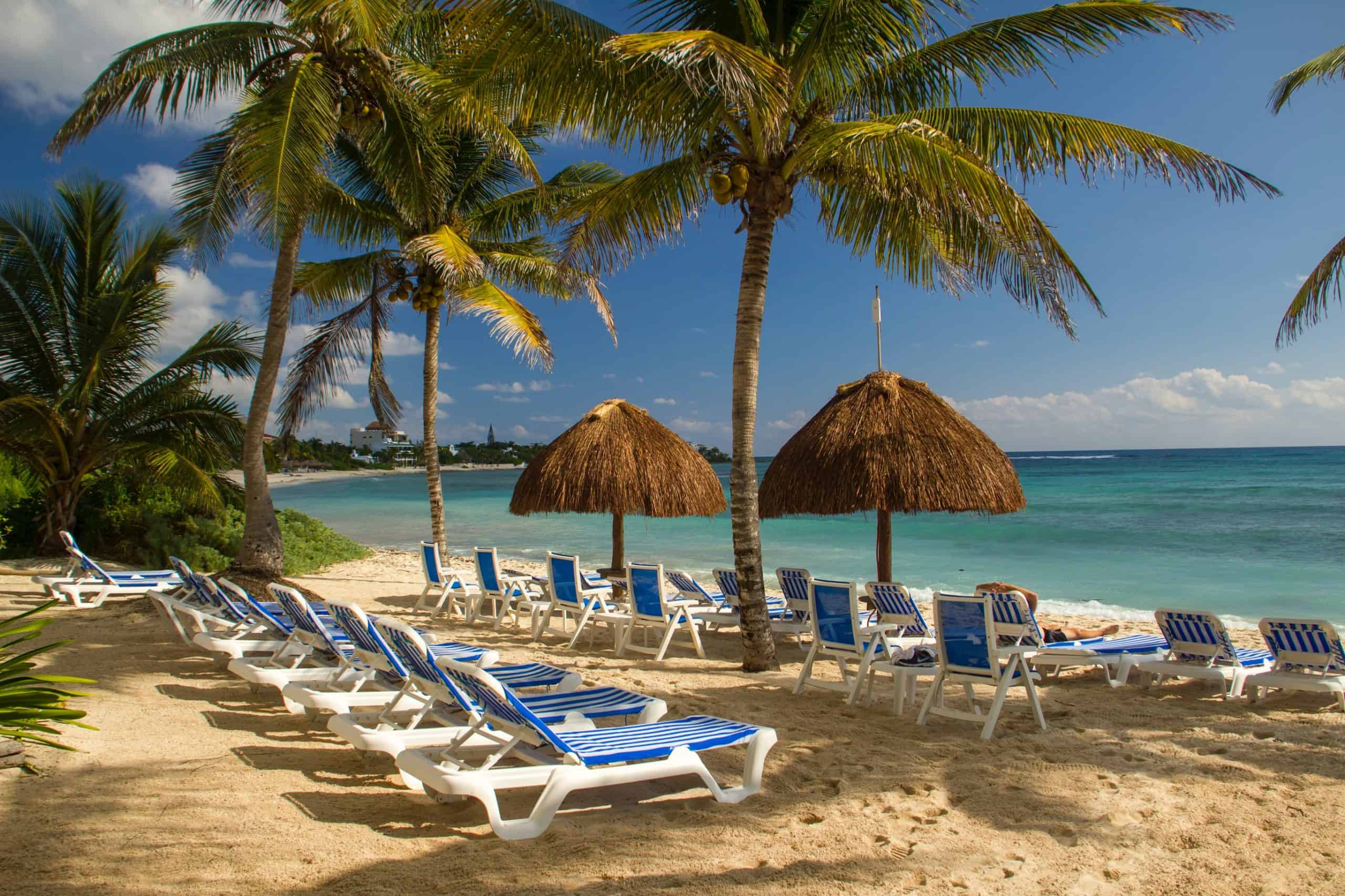
Mexico’s temporary resident visa requires either monthly income of approximately $4,000 OR savings of $68,000 demonstrated over the past twelve months.
The savings threshold is higher than $50,000, but the income alternative is more accessible for those with steady cash flow. Additionally, requirements vary somewhat by consulate, and some have accepted lower savings amounts for applicants with additional positive factors.
Temporary residency is granted for one year initially, renewable for up to four years. After four years, permanent residency is available. There is no path to citizenship through the residency route—that requires separate naturalization after five years of permanent residence.
Mexico’s appeal is proximity and infrastructure. Direct flights to most US cities. English widely spoken in expat areas. Modern amenities in developed regions. Familiar consumer products and services.
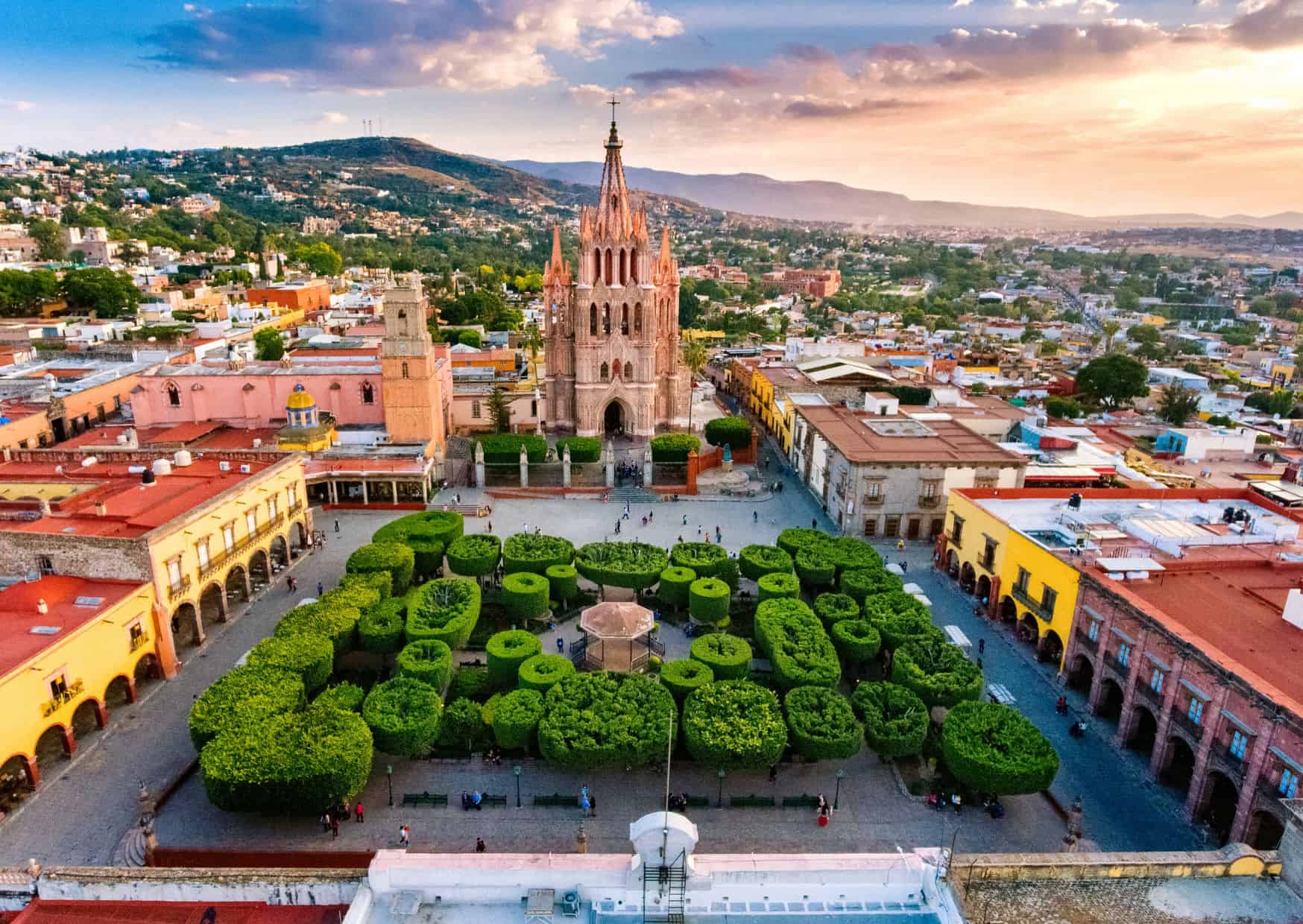
Cost of living: Highly variable. Mexico City costs $2,500-4,000 monthly for comfortable living. Beach towns range $1,800-3,500 depending on development level. Colonial cities like San Miguel de Allende have become expensive; alternatives like Guanajuato or Oaxaca remain more affordable.
Belize: The Qualified Retired Persons Program
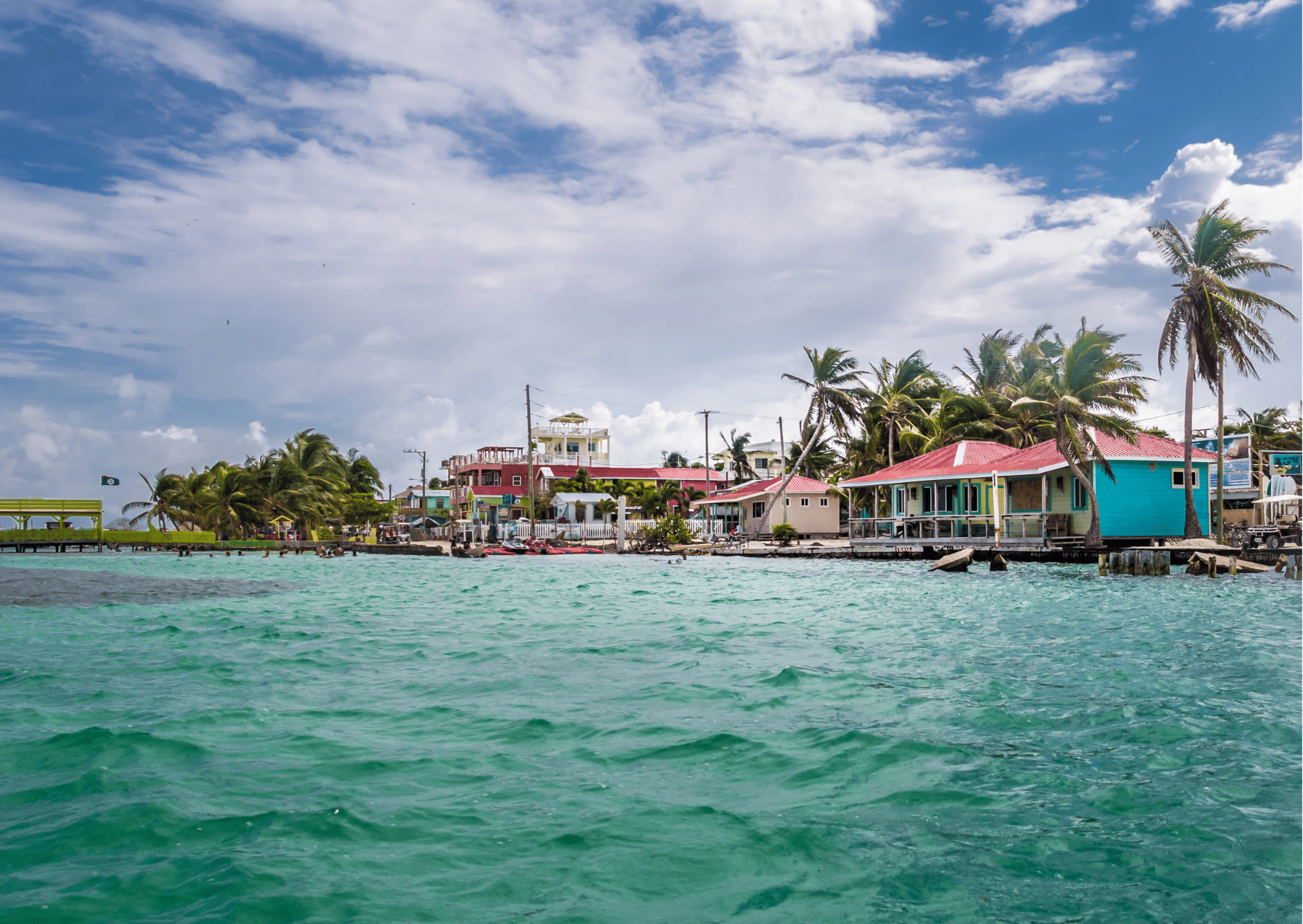
Belize’s QRP (Qualified Retired Persons) program requires age 45+ and monthly income of $2,000 from sources outside Belize. There is no investment or savings requirement.
For those with $50,000 in savings but limited monthly income, this creates a challenge—the $2,000 monthly threshold must be demonstrated through pension, Social Security, or stable investment income rather than savings drawdown.
Those who qualify receive immediate residency with no work rights but full import duty exemptions on personal effects, vehicles, and boats. There is no path to citizenship through QRP—Belizean citizenship requires separate naturalization through standard residency.
English is the official language—Belize is the only English-speaking country in Central America. This eliminates language barriers that affect retirees in Spanish-speaking alternatives.
Cost of living: $1,800-2,800 monthly for comfortable living. Infrastructure is less developed than larger countries—medical care often requires travel to Guatemala or Mexico for serious issues.
The Honest Assessment
None of these programs is perfect. Each involves trade-offs between cost, quality of life, infrastructure, path to citizenship, and bureaucratic complexity.
For $50,000 or less in savings, realistic expectations are essential:
Lowest barrier to permanent residency: Paraguay (income-based path), Ecuador (real estate investment), Georgia (no formal requirement for practical residence).
Best quality of life at this investment level: Ecuador, Colombia, and Mexico offer modern infrastructure and developed expat communities.
English accessibility: Belize (official language), Georgia (widely spoken), Malaysia (widely spoken), Thailand (in tourist/expat areas).
Path to citizenship: Ecuador (3 years), Paraguay (3 years), Colombia (5 years). Thailand and Malaysia do not offer citizenship through retirement programs.
Tax efficiency: Panama (territorial taxation), Paraguay (territorial taxation), Georgia (low flat tax rates).
For Americans with $50,000 in savings and realistic expectations about lifestyle, multiple pathways to legal permanent residency exist. The programs require research, documentation, and patience—but they don’t require wealth.
The $500,000 golden visa world is reserved for the affluent. The $50,000 world is available to the middle class willing to do the work.

About the Author: Ruben, co-founder of Gamintraveler.com since 2014, is a seasoned traveler from Spain who has explored over 100 countries since 2009. Known for his extensive travel adventures across South America, Europe, the US, Australia, New Zealand, Asia, and Africa, Ruben combines his passion for adventurous yet sustainable living with his love for cycling, highlighted by his remarkable 5-month bicycle journey from Spain to Norway. He currently resides in Spain, where he continues sharing his travel experiences with his partner, Rachel, and their son, Han.