
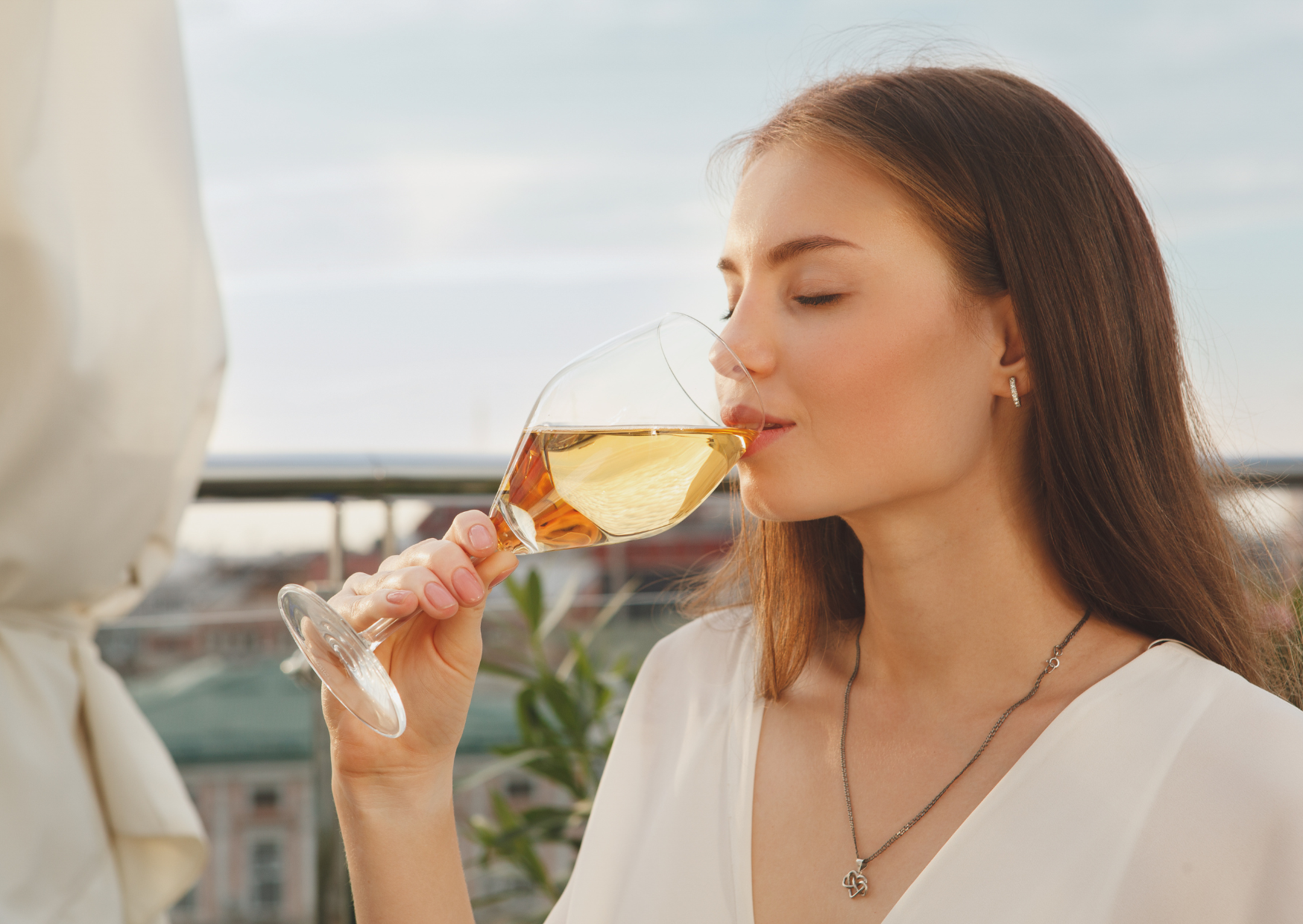
Picture a sunlit bistro at 1:15 p.m., clink of cutlery, a finger-width pour of red, and plates heavy on vegetables and protein. I copied the rhythm for 30 days: wine with lunch, not after dinner, tiny pours, slow eating, afternoon work as normal. What moved wasn’t my willpower. It was my sleep, my afternoon calm, and a few numbers my doctor did not expect.
This wasn’t a stunt to justify day drinking. It was a structure test. I wanted to see what happens if you replace American “wine at night with snacks and screens” with the French midday pattern: small glass at lunch, with food, not every day, and nothing at night. I kept my calories steady, cooked mostly at home, walked after meals, and tracked sleep, heart rate, and mood. By week three, afternoons were smoother. By day thirty, my evening cravings were quiet, and my resting heart rate had dipped enough for my doctor to raise an eyebrow.
Before we dive in: the French aren’t a monolith, and they’re drinking less than they used to. The point isn’t to romanticize a bottle on every table. It’s to show the rules that make a lunch glass feel civilized instead of chaotic, and why that timing can change your day.
Want More Deep Dives into Everyday European Culture?
– Why Europeans Walk Everywhere (And Americans Should Too)
– How Europeans Actually Afford Living in Cities Without Six-Figure Salaries
– 9 ‘Luxury’ Items in America That Europeans Consider Basic Necessities
Quick Easy Tips
Keep portions small and drink only with a full meal.
Sip slowly and stop when the meal ends, not when the glass is empty.
Avoid drinking to relax or cope; reserve it strictly for meals.
Skip it entirely on busy or stressful days to keep habits intentional.
One controversial idea this challenges is the belief that daytime drinking is inherently unhealthy. In France, lunch wine exists within strict social norms that discourage excess rather than encourage it.
Another misunderstanding is that alcohol consumption is the same regardless of timing. Drinking with food slows absorption and changes how the body responds compared to drinking alone or later in the day.
There is also resistance to the idea that moderation can be learned culturally rather than enforced medically. The French model relies on routine and social expectation, not constant self-monitoring.
Finally, this experiment pushes back against all-or-nothing thinking. The choice is not between abstinence and excess. In some cultures, structure and restraint shape behavior more effectively than prohibition ever could.
The French Lunch Rules I Stole
French women don’t “drink at lunch” as a flex. They dose and place wine inside a routine. Three simple rules made the difference for me.
1) Wine with food, not as the event. A 100–125 ml pour, sipped while eating, not before. That’s roughly one standard French drink. The glass sits in the background while vegetables, protein, and bread do the heavy lifting. Food anchors the alcohol.
2) Not every day, never more than two. The “two per day, maximum ten per week, and not daily” line is France’s low-risk guidance. I ran four wine days per week, never two days in a row. Boundaries beat vibes.
3) Nothing at night. Even on wine days, no evening alcohol. Nights became herbal tea, dim lights, and bed at a regular time. Evening sobriety protects sleep.
Those three rules sit on top of a bigger lunch culture: unhurried meals, no grazing all afternoon, and walking after eating. It’s a pattern, not a slogan.
My Baseline And Why I Tried This
Before the test I was classic post-work sipper: one or two glasses at 8:30 p.m., some cheese or chocolate, and a phone glow that pushed bedtime past midnight. Sleep was choppy. Afternoon stress felt wired, then I’d “land” with wine and snacks. Weight hovered; energy didn’t.
What I wanted wasn’t a miracle biomarker shift. I wanted calmer afternoons, earlier sleep, fewer night snacks, and a way to keep wine without it stealing the next morning. The French lunch pattern looked like a fair, testable swap.
The 30-Day Setup (So You Can Copy It)
I made this painfully practical. No special wines, no fancy bistros—mostly home-cooked lunches and a few restaurant days.
The rules I followed
- Four wine days per week, lunch only, 100–125 ml measured pour, sipped with food. No seconds.
- Three alcohol-free days between wine days whenever possible.
- Lunch is real: protein + vegetables + starch, sit down, no screen.
- Walk 10–15 minutes after lunch, even if it was just around the block.
- No alcohol after 4 p.m. Ever.
- Sleep window within 45 minutes every night, lamps after 9:30.
- Track: resting heart rate (RHR), sleep duration, afternoon focus, cravings at 9 p.m., and mood.
A normal week of lunches
- Monday (wine day): roast chicken, haricots verts, small potatoes, green salad, 125 ml Bordeaux.
- Tuesday (AF): lentil salad with carrots, walnuts, mustard vinaigrette; plain yogurt.
- Wednesday (wine day): salmon, ratatouille, small rice; 100 ml Loire white.
- Thursday (AF): mushroom omelet, tomato salad, sourdough heel.
- Friday (wine day): tuna-white bean salad, fennel-orange slaw; 100 ml Beaujolais.
- Weekend: one wine day at a long lunch with friends, then one fully AF day.
Nothing exotic. The boring parts—measured pour, with food, afternoon walk, no nights—did the work.
What Happened To Appetite, Sleep, And Mood
Three shifts were obvious and fast.
Afternoon calm without the crash. With wine at lunch, the pleasant relaxation hit when I still had sunlight and work to do. Walking after lunch kept the sleepy dip short. By 4 p.m. I felt steady, not dull. Timing turned wine into a soft landing, not a night fog.
Evening cravings disappeared. The combination of a real lunch, no evening alcohol, and earlier lights makes 9 p.m. snacks boring. I still ate dessert once or twice a week, but the nightly “I need something” voice turned down. No wine at night equals fewer snacks.
Sleep smoothed out. The biggest win was onset. With no alcohol after 4 p.m., my sleep latency (time to fall asleep) shortened, midnight wakeups dropped, and I woke before my alarm more often. Alcohol’s half-life and timing matter more than people admit.
By day 12 my notebook had fewer “wired” marks. By day 21 the routine felt automatic. By day 30 the evenings were quiet without feeling ascetic.
The Doctor Visit And The Numbers
I didn’t expect labs to dance in a month. The appointment was routine; the reaction was to the trend line.
- Resting heart rate: down 3–4 bpm average over the final two weeks compared with the prior month. My doctor flagged it because I didn’t change exercise. She assumed I’d added cardio. I hadn’t. Earlier sleep and fewer night snacks were her guess.
- Weight: down 1.2 kg across 30 days without trying. The drop likely came from cutting evening snacking and better sleep regularity.
- Blood pressure: averaged 4–5 mmHg lower at home, in line with better sleep and less late caffeine or alcohol.
- Lipids: unchanged in a meaningful way; one month is too short to claim anything.
- Subjective: fewer 3 p.m. stress spikes, no morning brain fog.
Her “shocked” wasn’t because wine cured anything. It was because moving a small pour to midday and protecting night improved markers without a strict diet. The dose didn’t go up; the timing and context changed.
Why Lunch Wine Behaves Differently Than Night Wine
This isn’t magic; it’s physiology plus culture.
Food slows and blunts absorption. A small glass with protein and fat yields a gentler blood alcohol curve than the same glass on an empty stomach at 8:30 p.m. With food, you avoid the steep spike that feeds impulsive second pours and dessert detours. Meal first, wine second is a real lever.
Daylight and movement change the arc. Lunch comes with light exposure and a walk, both of which counter sedation and nudge circadian rhythm correctly. Night wine pairs with screens and darkness, pushes bedtime, and frays sleep stages. Light + walk beats sofa + blue light.
Dose matters, and so do caps. France’s low-risk line—no more than two in a day, no more than ten in a week, not every day—is stingy by design. My four-days-on, three-days-off schedule sat inside that fence. Scarcity makes each pour smaller and more deliberate.
Culture polices refills. A finger-width pour looks normal at lunch. Night refills at home creep bigger. Measuring 100–125 ml killed the quiet overpour. Small, measured, done.
But Don’t The French Drink All The Time
That postcard is dated. Daily wine drinking in France has fallen sharply. Fewer than one in ten French people report drinking wine every day, down from about half in 1980, and overall wine consumption has dropped dramatically over 60 years. The lunchtime glass exists, but the average person’s intake is lower and more restrained than the clichés suggest. Moderation has replaced machismo.
That context matters. The pattern that worked for me resembled what remains of French habits: small, with meals, not daily, and set inside a Mediterranean food pattern—vegetables, legumes, fish, olive oil—rather than ultra-processed snacks. The diet and timing carry the health lift. The wine is decoration inside good structure, not a health food.
What I Ate And Poured (A Simple, Repeatable Menu)
Pour: 100–125 ml (about one standard French drink) of 12–13.5 percent red or white, lunch only, four days a week. I literally measured once and then used the same glass line daily. Consistency beats guesswork.
Plates that make the glass make sense
- Salmon + lentils + mustard vinaigrette, side of green beans.
- Roast chicken + ratatouille + small potatoes.
- Tuna-white bean salad + fennel-orange slaw.
- Mushroom omelet + tomato-cucumber salad + sourdough heel.
- Grilled sardines + lemony kale + rice.
Always do this: water on the table, bread has a job, not a starring role, and walk 10–15 minutes after the meal. The walk makes the afternoon useable. It also keeps the “just one more bite” or “tiny sweet” impulse quiet.
Pitfalls Most People Hit (And How I Dodged Them)
Turning “one small glass” into “restaurant pour.”
A U.S. restaurant “glass” can be 1.5–2.5 standard drinks. At home, measure 100–125 ml once, then mark your glass. Precision is sanity.
Drinking daily “because French.”
Low-risk guidance in France is not daily and no more than ten per week. I used four wine days and felt zero deprivation. Scarcity sharpens pleasure.
Moving wine to lunch but keeping night snacks.
If evenings still look like screens + grazing, you won’t sleep better. Pair lunch wine with no night alcohol, dim lights, and bed on schedule. Protect the night.
Skipping food to “save calories.”
Wine on an empty stomach is a one-way ticket to a second pour and a nap. Eat protein + vegetables + starch first. Food tames everything.
Expecting miracle labs in 30 days.
Weight might shift, blood pressure may ease, but lipids rarely move meaningfully in a month. Aim for behavioral wins: sleep, cravings, steady afternoons. The rest follows slowly.
Who Should Not Try This As Written
If you have a personal or family history of alcohol use disorder, if you’re pregnant, on medications that interact with alcohol, or managing specific medical conditions, this pattern is not for you. You can still copy everything else that helped: bigger midday meal, walk after lunch, no night alcohol, earlier sleep. The best parts do not require wine.
What This Means For You
Wine wasn’t the hero. Placement, portion, and pattern were. A small lunch pour, eaten with real food, not every day, and nothing at night delivered calmer afternoons, better sleep, and quieter cravings—without a moral crusade or a spreadsheet. The “French” part is less about a bottle and more about rules that respect the rest of your day.
If you want to test it, do two weeks first: 100–125 ml with lunch three or four times total, walk after meals, zero alcohol after 4 p.m., and a steady sleep window. If you wake clearer and snack less at night, keep going. If not, keep the lunch and the walk and drop the glass. The pattern is the prize.
What surprised me most about drinking wine at lunch the French way was how uneventful it felt. There were no cravings, no loss of control, and no sense of indulgence. Wine became part of the meal rather than the focus of it, which fundamentally changed how I related to alcohol.
The biggest shift was behavioral, not physiological. Drinking slowly, with food, and without the goal of feeling anything altered my pace and awareness. Lunch remained productive, and evenings felt less driven by the idea of “unwinding.”
The experiment also highlighted how context matters. A small glass with a balanced meal produced a completely different experience than drinking in isolation or as stress relief. The structure did most of the work.
By the end of 30 days, the result wasn’t about wine itself. It was about boundaries, timing, and intention. That was the part my doctor found most interesting.

About the Author: Ruben, co-founder of Gamintraveler.com since 2014, is a seasoned traveler from Spain who has explored over 100 countries since 2009. Known for his extensive travel adventures across South America, Europe, the US, Australia, New Zealand, Asia, and Africa, Ruben combines his passion for adventurous yet sustainable living with his love for cycling, highlighted by his remarkable 5-month bicycle journey from Spain to Norway. He currently resides in Spain, where he continues sharing his travel experiences with his partner, Rachel, and their son, Han.